
Seeing how a classic rifle holds up in a modern 2-gun challenge reveals surprising insights into the history of firearm evolution. Many enthusiasts wonder if vintage wood and steel can truly compete alongside contemporary polymer platforms on a demanding, dynamic course. These competitions typically require extreme speed and adaptability, which pushes older designs to their absolute mechanical limits during the match. Shooters often find that manual actions require more physical effort but offer distinct advantages in inherent reliability and precision. Examining the performance differences helps highlight where technology has advanced and where tradition still reigns supreme today. This analysis shows that effective engineering is always timeless.
Manual Action Speed
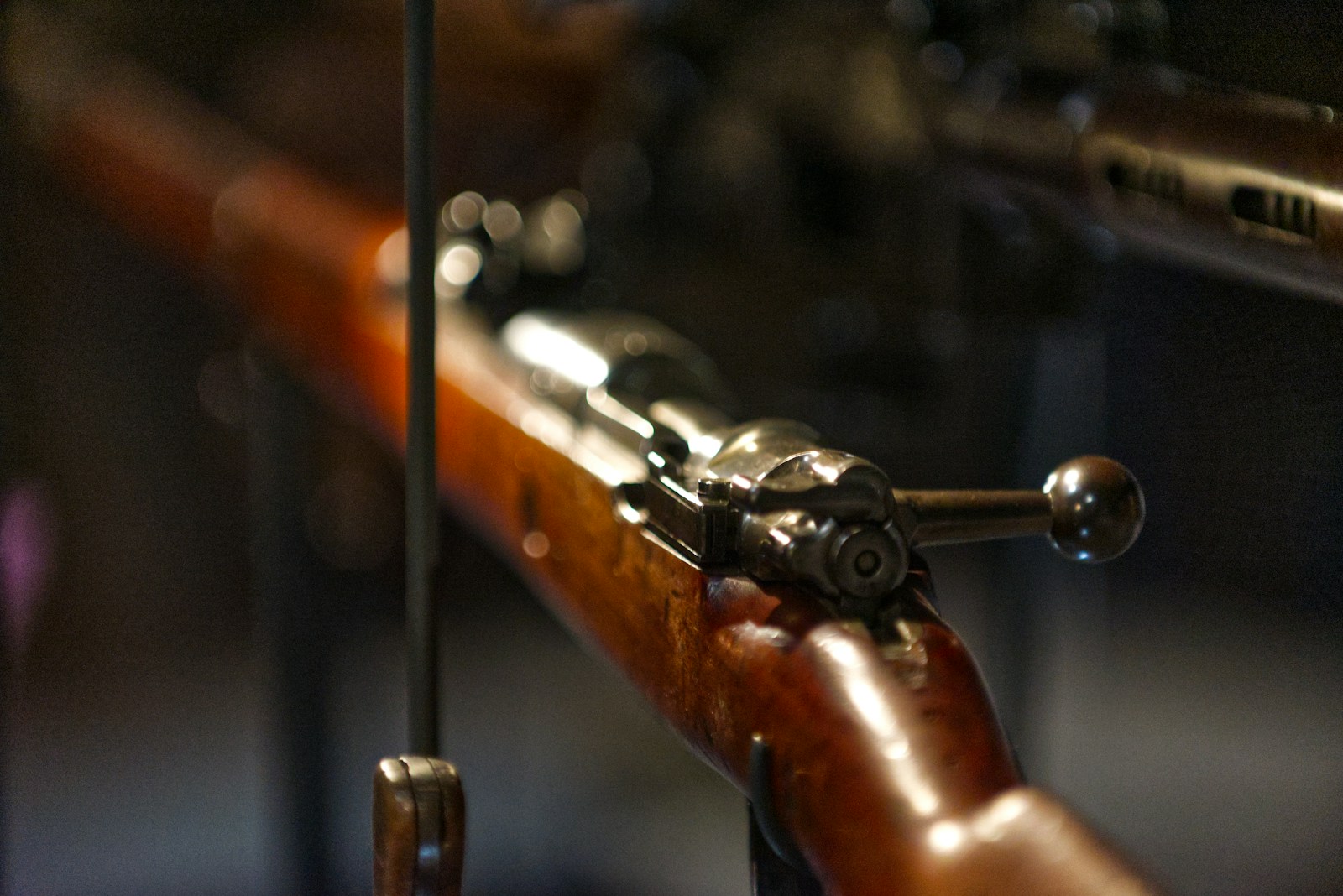
The biggest hurdle for a classic rifle is the speed of the manual action compared to fast semi-automatics. Operating a lever or bolt requires the shooter to break their grip and sight picture between every single shot. This movement costs valuable time on a course where every fraction of a second counts against the score. However, skilled marksmen can manipulate these actions with incredible rhythm that mitigates some of the disadvantages. The physical connection to the mechanical process forces a deliberate cadence that can actually improve accuracy on targets. It creates a satisfying challenge that modern gas systems simply cannot ever replicate.
Iron Sight Accuracy

Most classic rifles utilize open iron sights rather than the optical red dots found on modern competition guns. Acquiring a target through a notch and post requires a different level of visual focus and alignment discipline. This setup often slows down target transitions because the shooter must align three distinct points perfectly before firing. Yet, these primitive sights force the user to maintain better fundamentals and cheek weld consistency. Hitting steel plates at a distance with iron sights provides a greater sense of accomplishment than using an optic. The lack of batteries means the sighting system never fails during a match.
Reloading Under Pressure
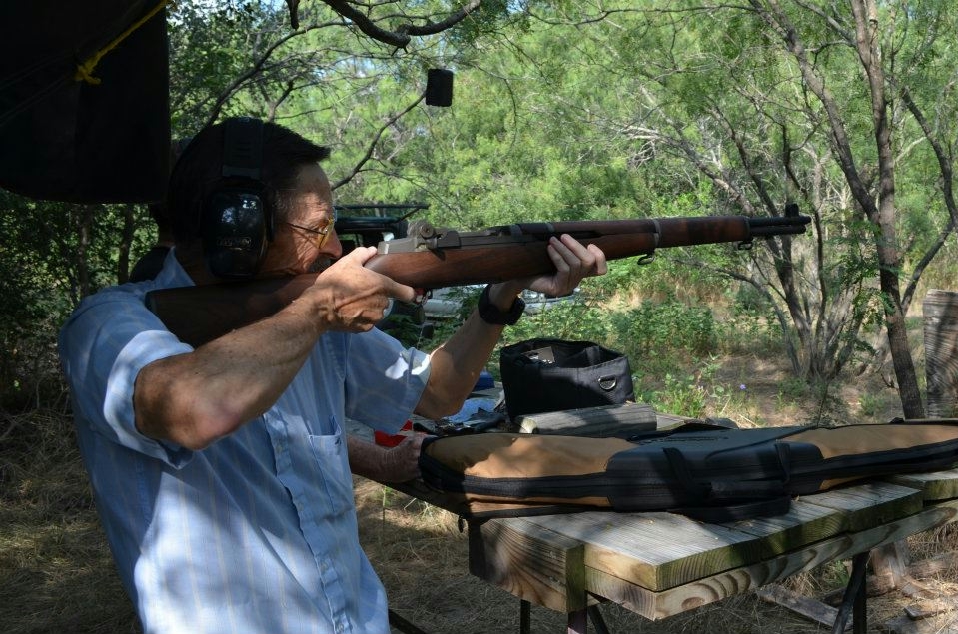
Reloading a vintage firearm on the clock presents a unique set of logistical challenges for the competitor. Many older designs use tube magazines or stripper clips that are slower to replenish than detachable box magazines. Fumbling with loose cartridges while the timer runs adds significant stress to the overall stage performance. This limitation requires the shooter to plan their shots carefully to avoid running dry at a bad moment. Mastering the art of the tactical reload with a lever-action or bolt-action rifle takes dedicated practice. The complexity of keeping the gun fed turns ammunition management into a critical skill.
Reliability And Heat
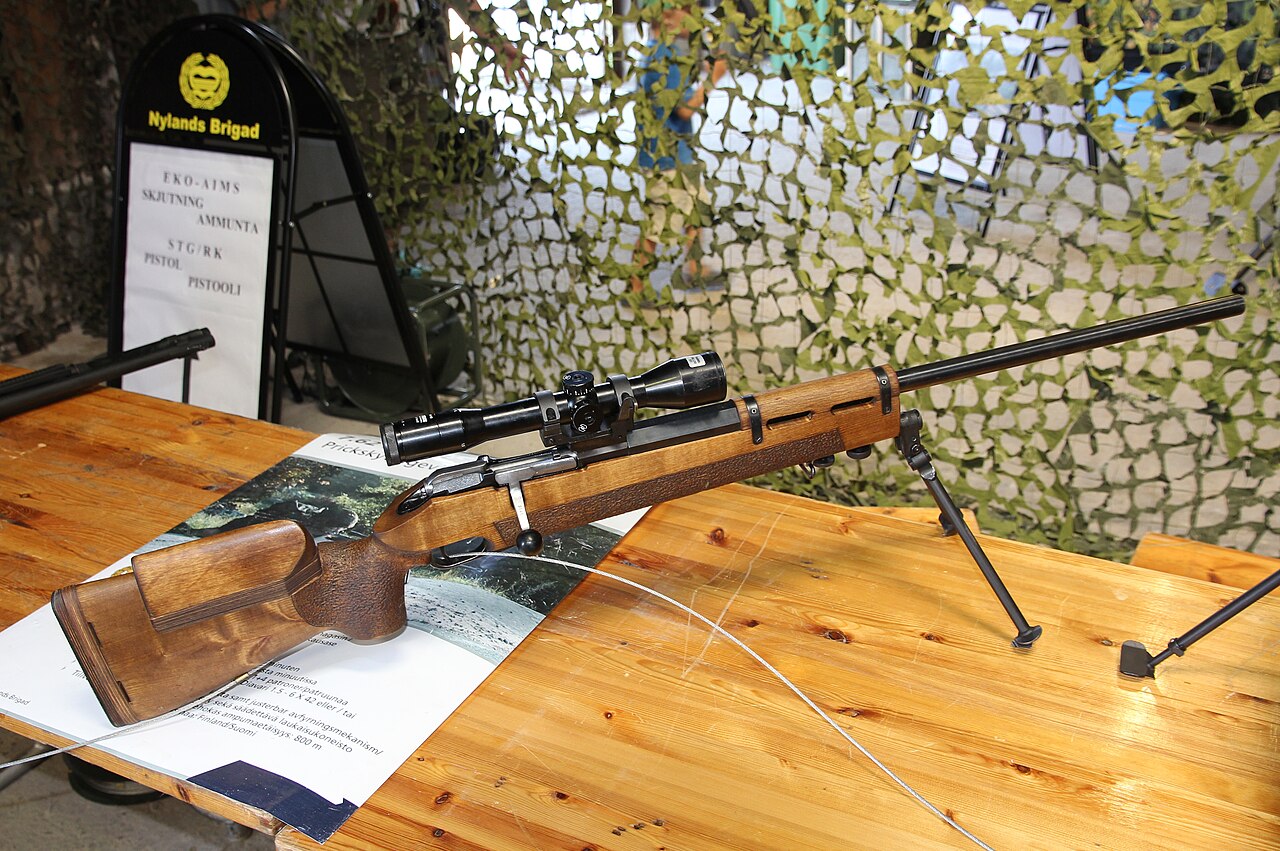
Classic rifles often shine in the reliability department because their manual mechanisms are less sensitive to ammunition variations. A bolt-action or lever-action will cycle low-pressure rounds that might cause a semi-automatic to jam or fail. However, rapid-fire strings can heat up thin barrels quickly, which may cause the point of impact to shift. Wood stocks can also become slippery or uncomfortable when the action gets hot during a long stage. The robust nature of the steel receiver generally tolerates dust and debris well. These historical platforms prove they can still function reliably even after decades of heavy use.
The Fun Factor
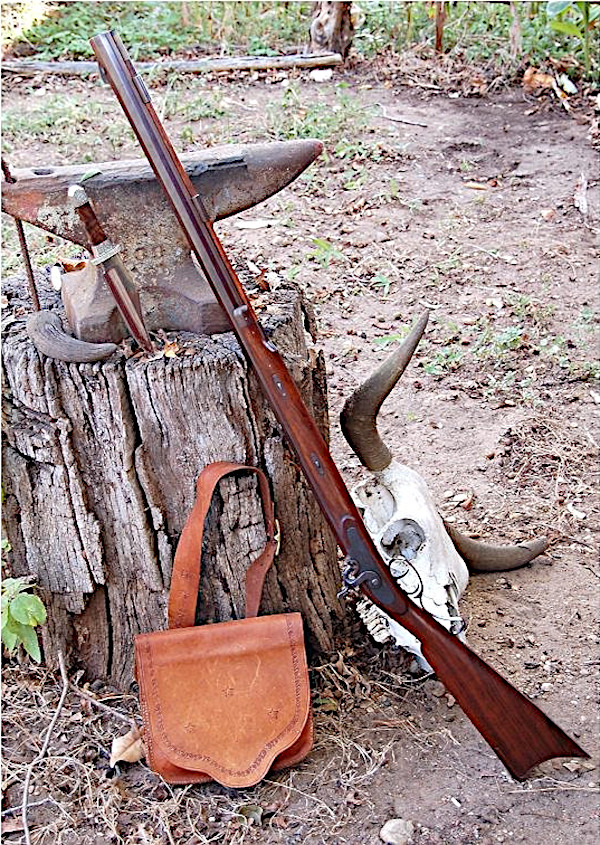
The primary reason to bring a classic rifle to a modern 2-gun challenge is strictly for enjoyment. Competing with a piece of history connects the shooter to the past tangibly and excitingly. Spectators and other competitors often cheer louder for the person running a lever-action than the one with a modern carbine. The distinct sound and mechanical feel of the action create a memorable experience that transcends the final score. It reminds everyone that shooting sports are about personal improvement and fun. Winning is great, but looking cool while running the course is even better.