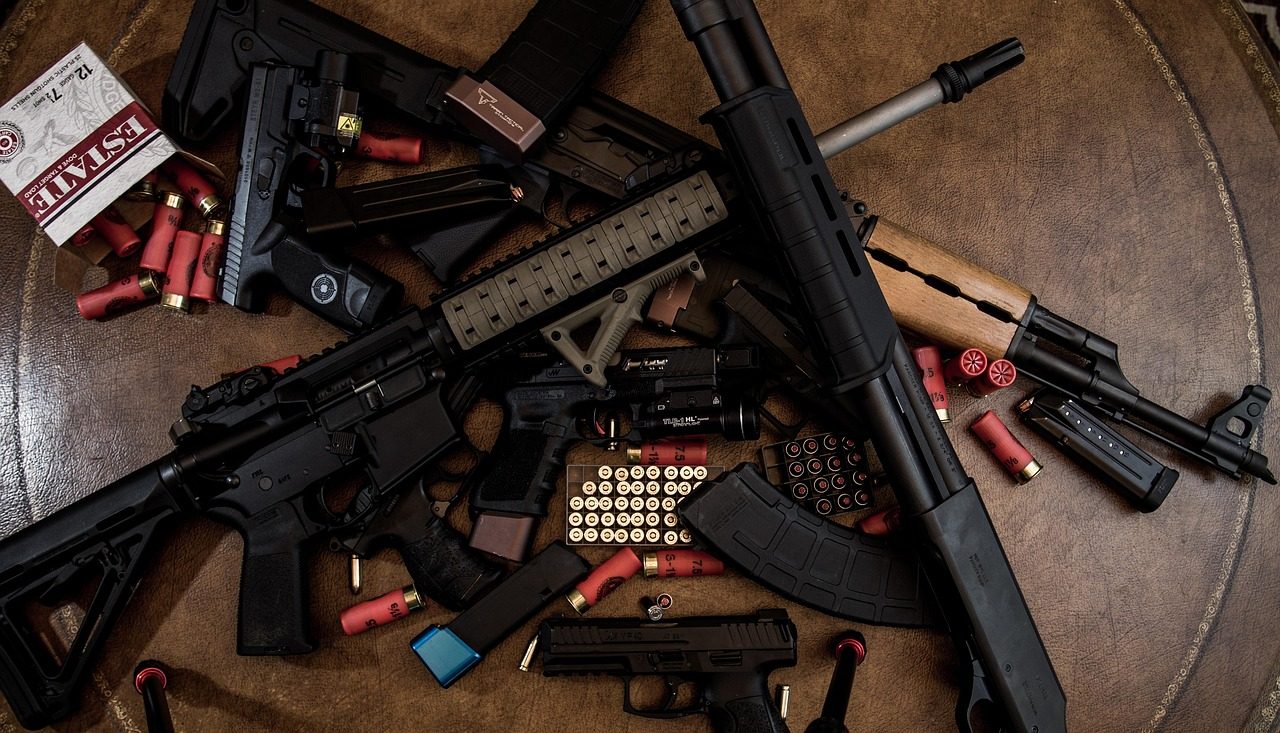
Modern 2-gun matches provide a unique arena where history and competition intersect for enthusiasts. Participants often bring legendary firearms like the M1 Garand and the AK-47 to test their skills against the clock. These matches require shooters to navigate complex stages that simulate combat scenarios using vintage equipment. The contrast between American battle rifle philosophy and Soviet intermediate cartridge design becomes immediately apparent. Observers witness a fascinating display of engineering evolution as these distinct platforms tackle steel and paper targets. It serves as a living history lesson that highlights the strengths and weaknesses of each iconic design.
The M1 Garand
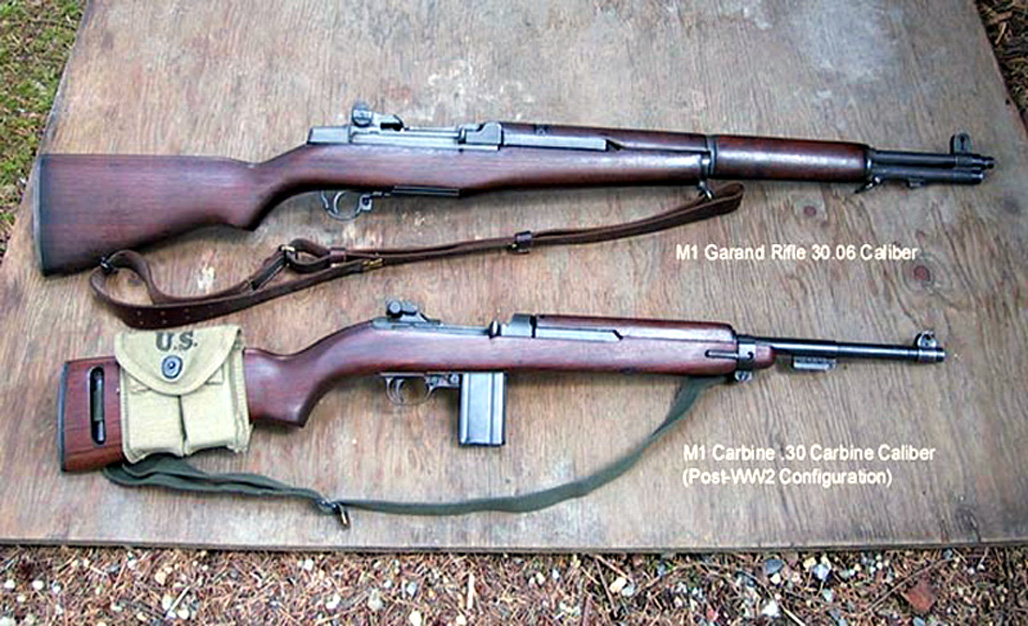
The M1 Garand brings heavy firepower and significant recoil to a modern competitive shooting environment. Competitors running this rifle must master the art of reloading the eight-round en bloc clip quickly. The powerful thirty caliber cartridge knocks down heavy steel targets with authority, but slows down follow-up shots significantly. Navigating tight barriers with a long and heavy wooden stock requires deliberate movement and careful muzzle awareness. Shooters often plan their stage movements around the limited capacity to avoid running dry in the open. The iconic ping of the ejecting clip signals that a reload is imminent.
The AK-47
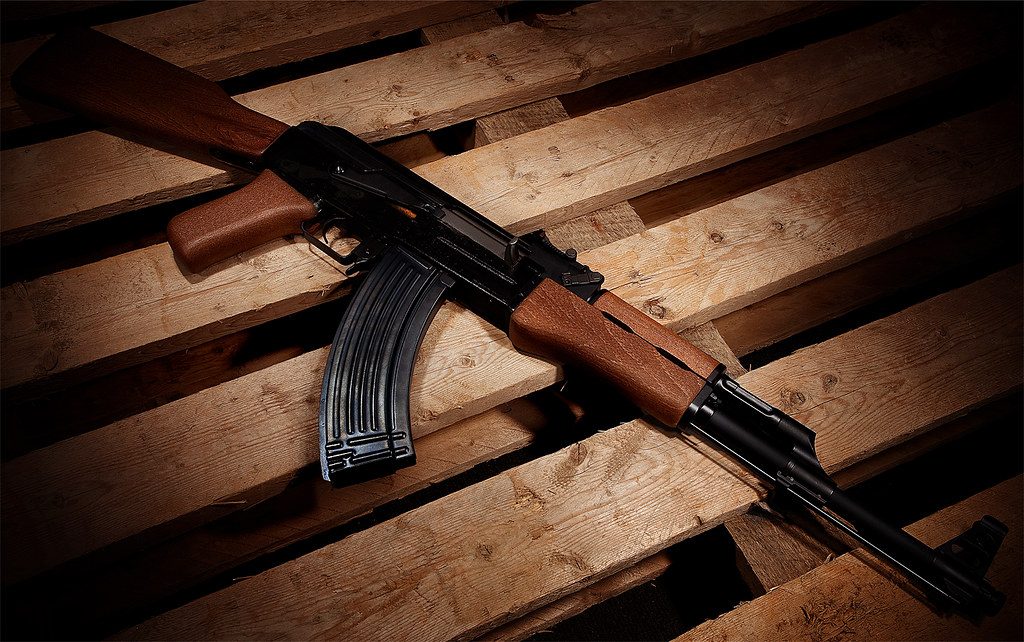
The AK-47 offers a different set of advantages and drawbacks when used in a dynamic course. Its intermediate cartridge produces less recoil than the full-power battle rifle, which allows for faster target transitions. The curved thirty-round magazine provides ample firepower, but the rock and lock insertion method is slower than modern systems. Loose tolerances ensure that the weapon cycles reliably even when the course involves crawling through mud or dust. Iron sights on this platform are rudimentary and make engaging small targets at distance a true test of fundamental marksmanship skills for the operator.
Reloading Under Stress
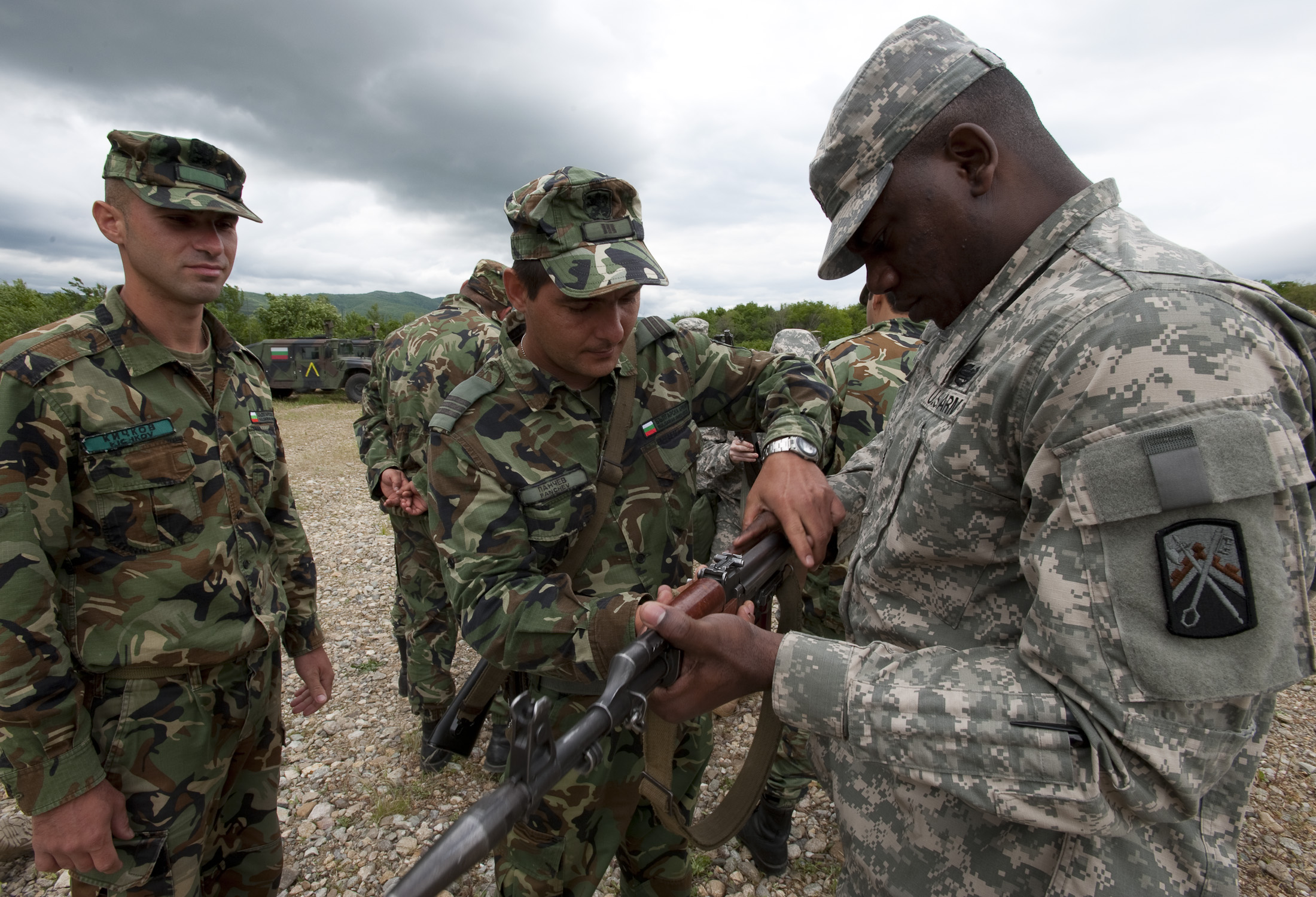
Reloading efficiency often determines the winner in a timed match, and these rifles differ greatly. The Garand requires the shooter to insert a fresh clip into the top of the open receiver. This motion is fast when practiced, but a fumbled clip can jam the action and cost valuable seconds. The AK-47 demands a more complex manual of arms involving removing the empty magazine and rocking a new one into place. Shooters must manipulate the charging handle on the right side, which forces them to break their firing grip. Each system presents unique hurdles under pressure.
Accuracy At Distance
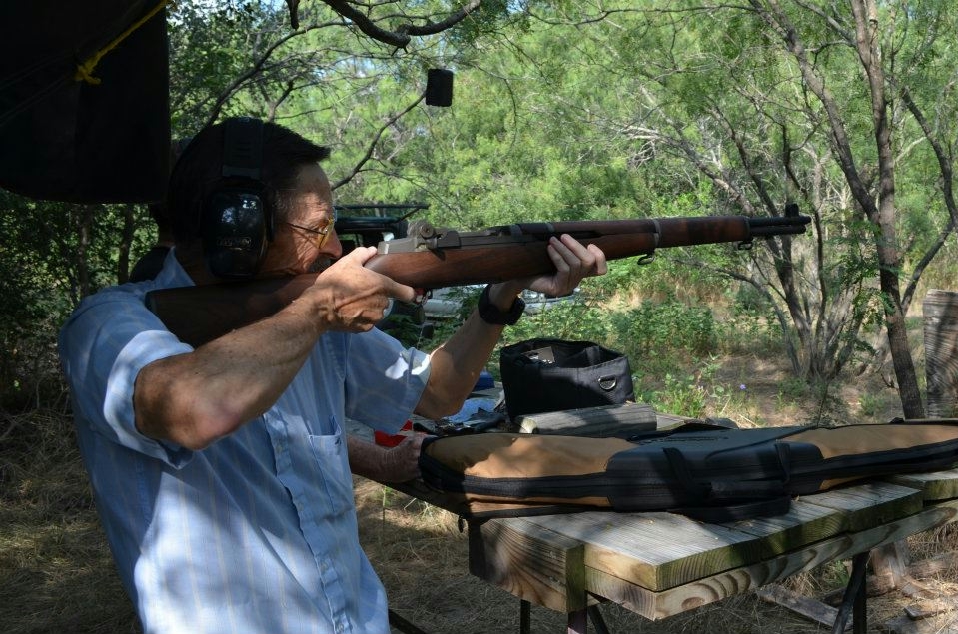
Engaging targets beyond one hundred yards reveals the inherent accuracy potential of each specific platform. The M1 Garand features excellent aperture sights that allow for precise shot placement on distant steel plates. Its longer barrel and sight radius provide a distinct advantage over the crude open sights of the AK-47. However, the Soviet rifle is capable of combat accuracy if the shooter understands the ballistics of the round. Hitting small targets requires patience and a solid understanding of holdovers for both weapons. The American rifle generally reigns supreme when the range extends to the farthest targets.
Handling And Recoil
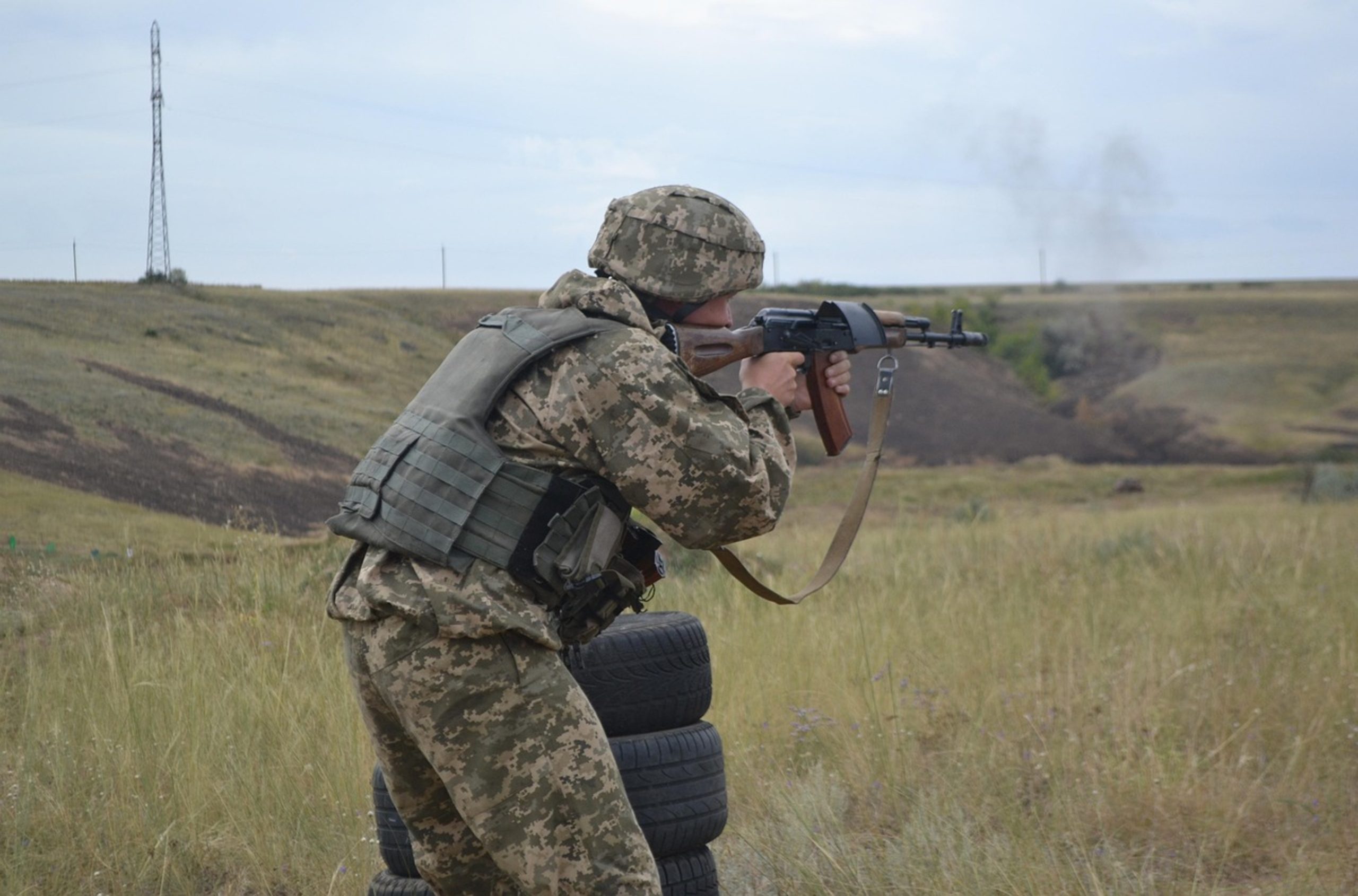
Managing recoil is essential for fast splits and effective stage times during a two-gun match. The heavy weight of the M1 Garand soaks up some of the recoil, but the thirty-ought-six cartridge is still punishing. Rapid-fire strings can push the shooter off balance if they do not have a solid stance. The AK-47 fires a lighter round that is easier to control, but the stock design is often too short for modern shooters. Controlling the muzzle rise allows the competitor to transition between array targets smoothly. Both rifles demand physical strength to run effectively.