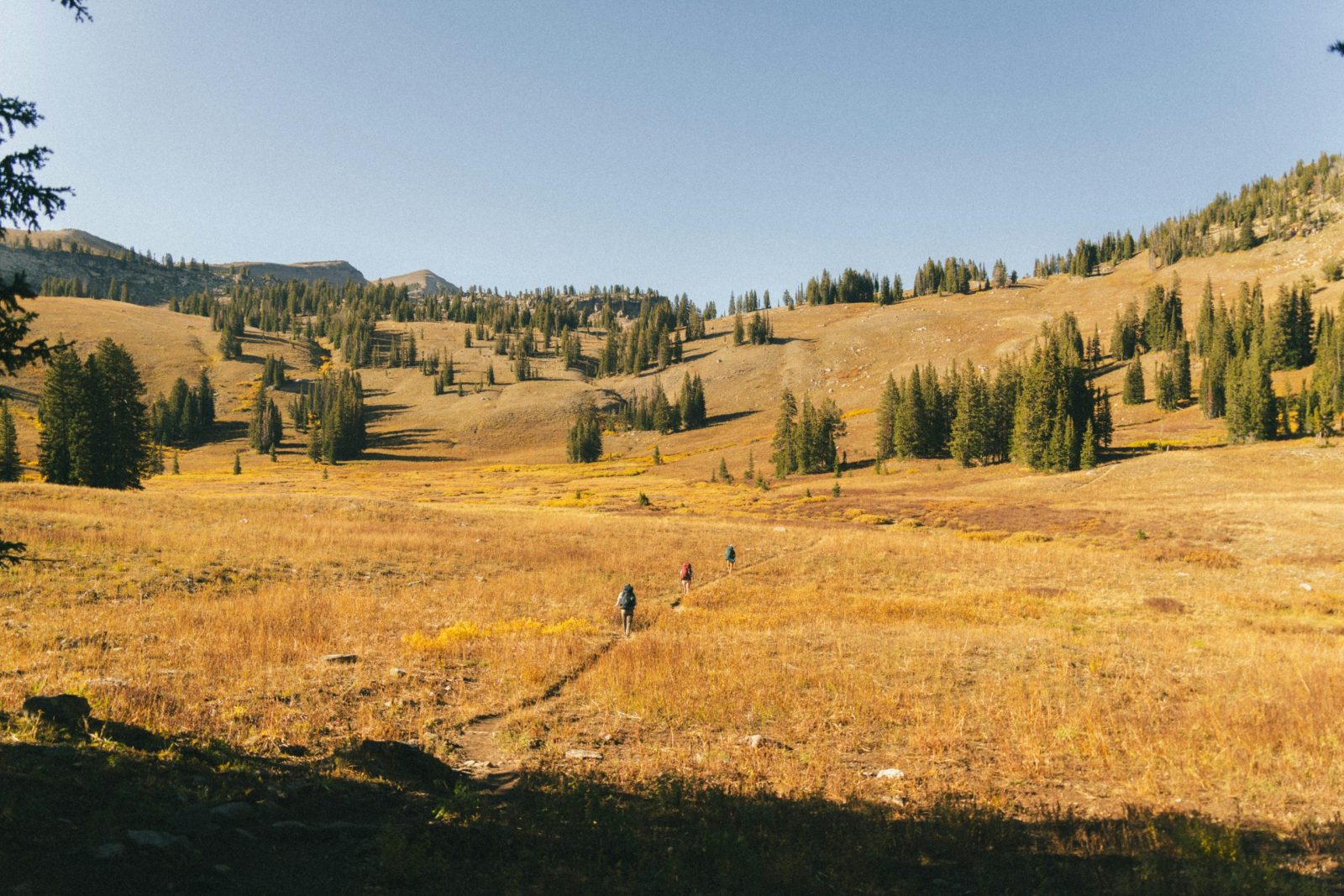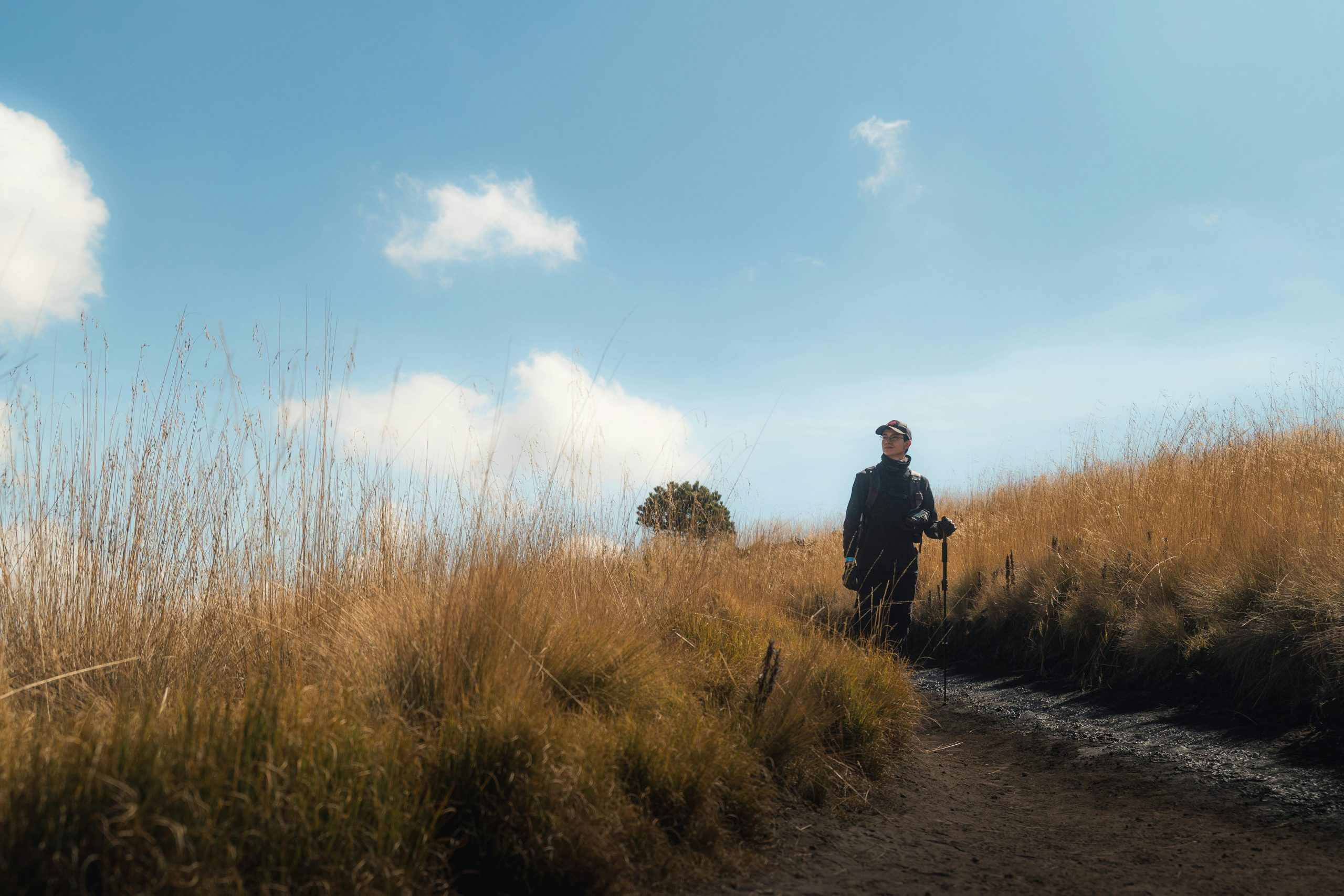
Hiking is one of those rare activities that costs little, demands a lot, and gives back even more.
But stepping onto a trail without proper preparation can flip an exciting adventure into a physically draining, even dangerous experience, far too quickly.
The difference between a hiker who thrives on the trail and one who turns back early almost always comes down to preparation done before the trailhead.
This guide walks you through 8 essential areas every beginner must master, from choosing the right path to building body strength to walking it well.
Choose the Right Trail

Starting out, most beginners underestimate just how much trail selection shapes their overall first experience.
Look for routes officially labeled “easy” or “moderate”; these typically cover 3 to 5 miles with under 500 feet of total elevation gain.
Platforms like AllTrails list over 400,000 trails globally, each featuring real-time difficulty ratings, user photos, and current trail condition reviews.
Always scan the most recent trail reports before going; conditions shift seasonally and can silently turn a manageable path hazardous.
A trustworthy beginner trail has clearly posted signage, minimal scrambling, and a comfortable estimated round-trip time of under 3 hours.
Your first pick matters most.
Gear Up Properly
Good gear doesn’t need a luxury price tag, but it absolutely must match the trail conditions you’re about to step into.
The non-negotiables include trail shoes or sturdy hiking boots with ankle support, a 20 to 30-liter daypack, and a lightweight pair of trekking poles.
Poles alone have been shown to reduce knee joint strain by up to 25%, a difference you’ll feel sharply on any long downhill section.
Invest in a headlamp with at least 200 lumens of brightness; even a planned 2-hour hike can stretch unexpectedly past sunset.
A compact first aid kit, a safety whistle, and a small multi-tool round out every solid beginner’s essential carry list.
Pack right, hike comfortably.
Dress for the Terrain
What you wear on a trail matters far more than most new hikers expect, and the wrong choice can put you at real risk.
Cotton is the worst fabric you can choose; it absorbs sweat heavily and takes hours to dry, rapidly dragging your core temperature down.
Opt instead for moisture-wicking materials like polyester or merino wool, which dry up to 3 times faster and manage body heat far better.
Layer strategically: a moisture-managing base layer, an insulating mid-layer, and a lightweight shell jacket for wind and rain coverage.
Trail temperatures can drop by as much as 10°F for every 1,000 feet of elevation gained, making layering a non-negotiable habit.
Dress smart, stay regulated.
Pack Smart and Light
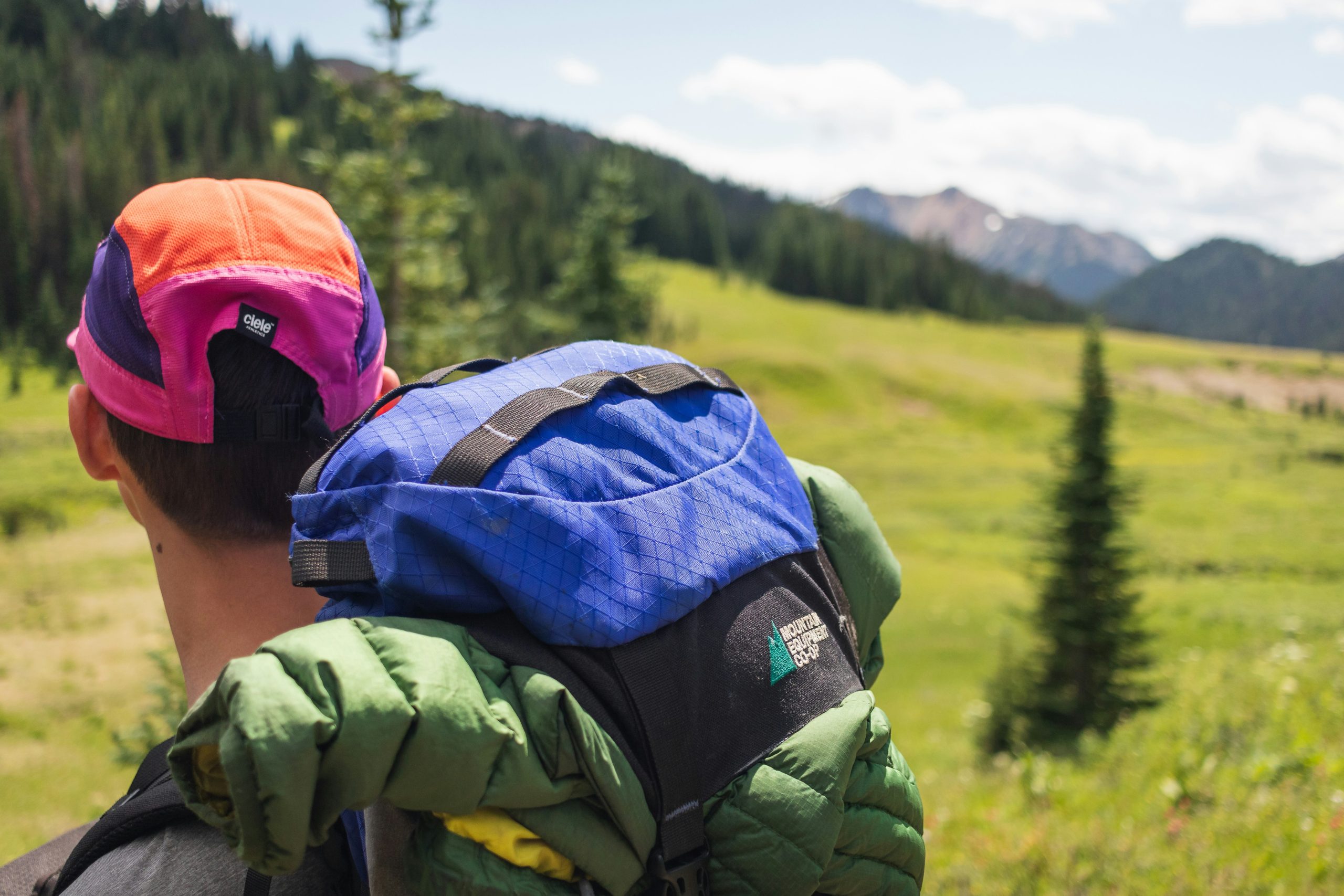
Overpacking is one of the most common beginner errors, nd it turns easy trails into exhausting slogs by the first mile.
For a day hike, your pack weight should stay between 10 and 15% of your body weight, roughly 15 to 20 pounds for the average adult.
Always include the Ten Essentials: navigation, sun protection, insulation, illumination, first aid, fire starter, repair tools, food, water, and emergency shelter.
Pack heavier items closest to your back and centered vertically to maintain proper balance and protect your spine on uneven ground.
A well-organized, lighter pack keeps your stride efficient and your stamina strong all the way from the trailhead to the finish.
Pack once, hike lighter.
Master Navigation Basics
GPS apps are great, but putting all your trust in technology while deep in the backcountry is a genuinely risky move.
Download offline maps on AllTrails or Gaia GPS before leaving home, as cell signal vanishes in over 60% of popular hiking areas.
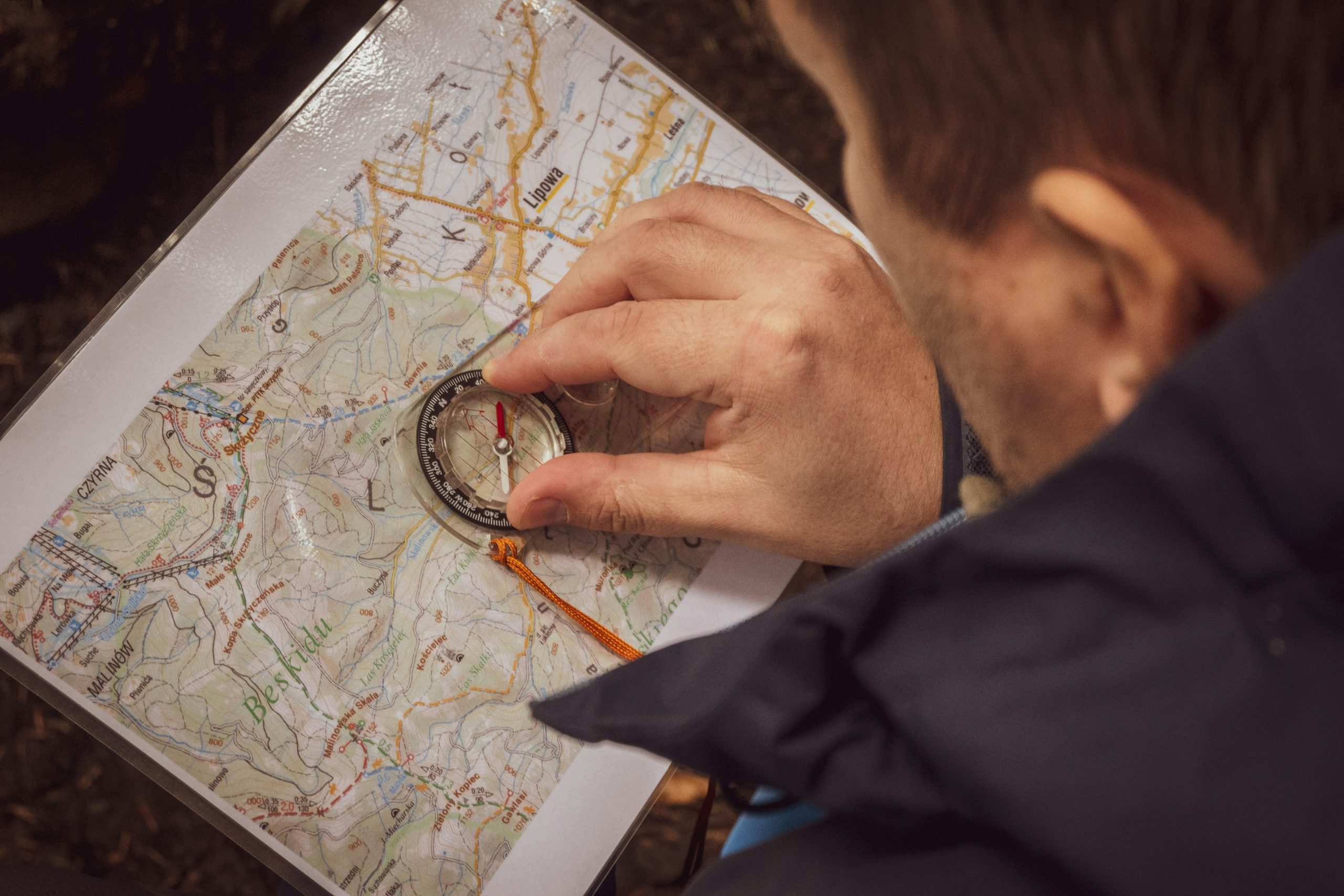
Learn to read a basic topographic map; tightly spaced contour lines signal steep terrain, while wider gaps mean flatter, gentler ground.
Always carry a physical compass as a backup; it requires zero battery power and works reliably no matter how remote the trail gets.
Before heading out, study your full route and identify 2 to 3 clear landmarks or trail junctions to keep navigation grounded on the move.
Know where you are always.
Stay Hydrated and Fueled
Dehydration hits faster on trails than most beginners expect. By the time you feel thirsty, your body is already falling behind.
Drink roughly 500 ml of water per hour of moderate hiking. A 3-hour trail means you need at least 1.5 liters as your base minimum.
Use a hydration bladder or carry 2 full water bottles, and always pack slightly more than you estimate you’ll need.
Snack every 45 to 60 minutes with high-calorie options like trail mix, energy bars, or dried fruit. They digest fast and fuel endurance well.
Electrolyte tablets are a small but smart addition, helping prevent muscle cramps during longer hikes or hotter weather conditions.
Eat early, not late.
Know Safety Protocols
Trail safety isn’t about fear; it’s about being genuinely prepared for things you can’t predict out there.
Tell someone your full plan before leaving: which trail, your start time, and your expected return. This simple step has saved hundreds of hikers.
Check the weather within 6 hours of departure; mountain conditions can shift from sunny to severe in under 30 minutes.
If you get lost, use the S.T.O.P. method: Stop, Think, Observe, Plan before taking any movement away from your last known position.
Carry a whistle; three short blasts are the universal mountain distress signal, heard clearly up to 1 mile across open terrain.
Stay calm; panic wastes time.
Build Your Fitness First
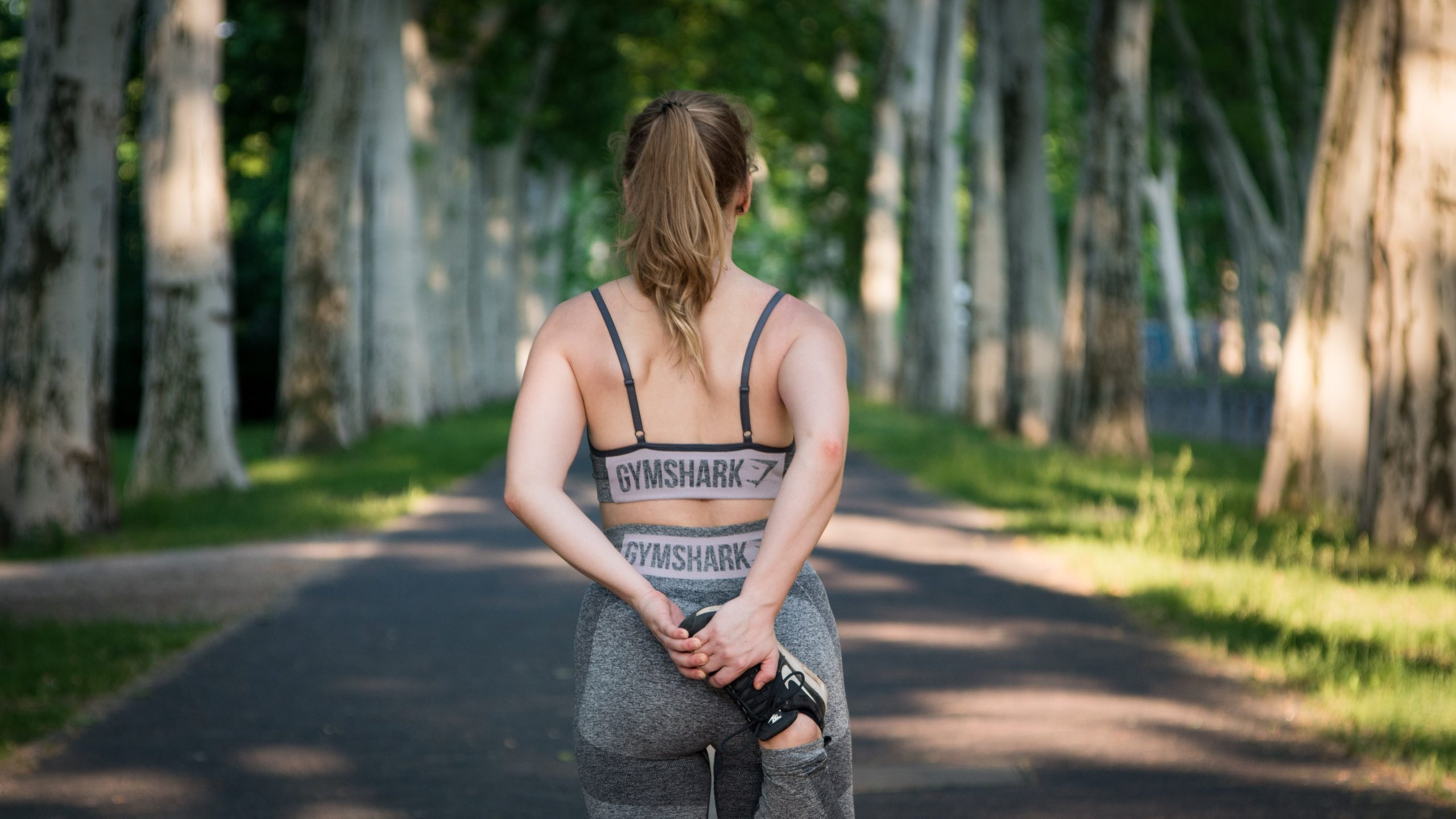
Hiking looks deceptively easy until the trail pushes back, and for most beginners, it does within the first mile.
Begin a fitness routine at least 4 to 6 weeks before your first serious hike, focusing on cardio, leg strength, and ankle stability.
Squats, lunges, step-ups, and stair climbing target the exact muscle groups stressed most during uphill and downhill trail sections.
Aim for 30 minutes of brisk walking 5 days per week, increasing your total weekly duration by 10% each week to build base endurance safely.
Strong ankles are essential for single-leg balance exercises, which can reduce your sprain risk on the trail by up to 40%, per sports medicine research.
Train now, hike stronger.