Modern technology provides a false sense of security for outdoor enthusiasts exploring remote mountain trails today. Understanding why hikers believe a cell signal means they are safe requires a close look at recent wilderness rescue data. Many people venture into deep forests believing their standard mobile devices will easily connect them with emergency services. Unfortunately, rugged terrain completely blocks regular cellular towers, leaving unprepared adventurers entirely stranded without any communication options. Reviewing the latest survival statistics and comparing modern satellite tracking devices helps nature lovers understand the severe danger of relying exclusively upon basic commercial cellular networks outdoors.
Analyzing The Shocking Smartphone Rescue Data
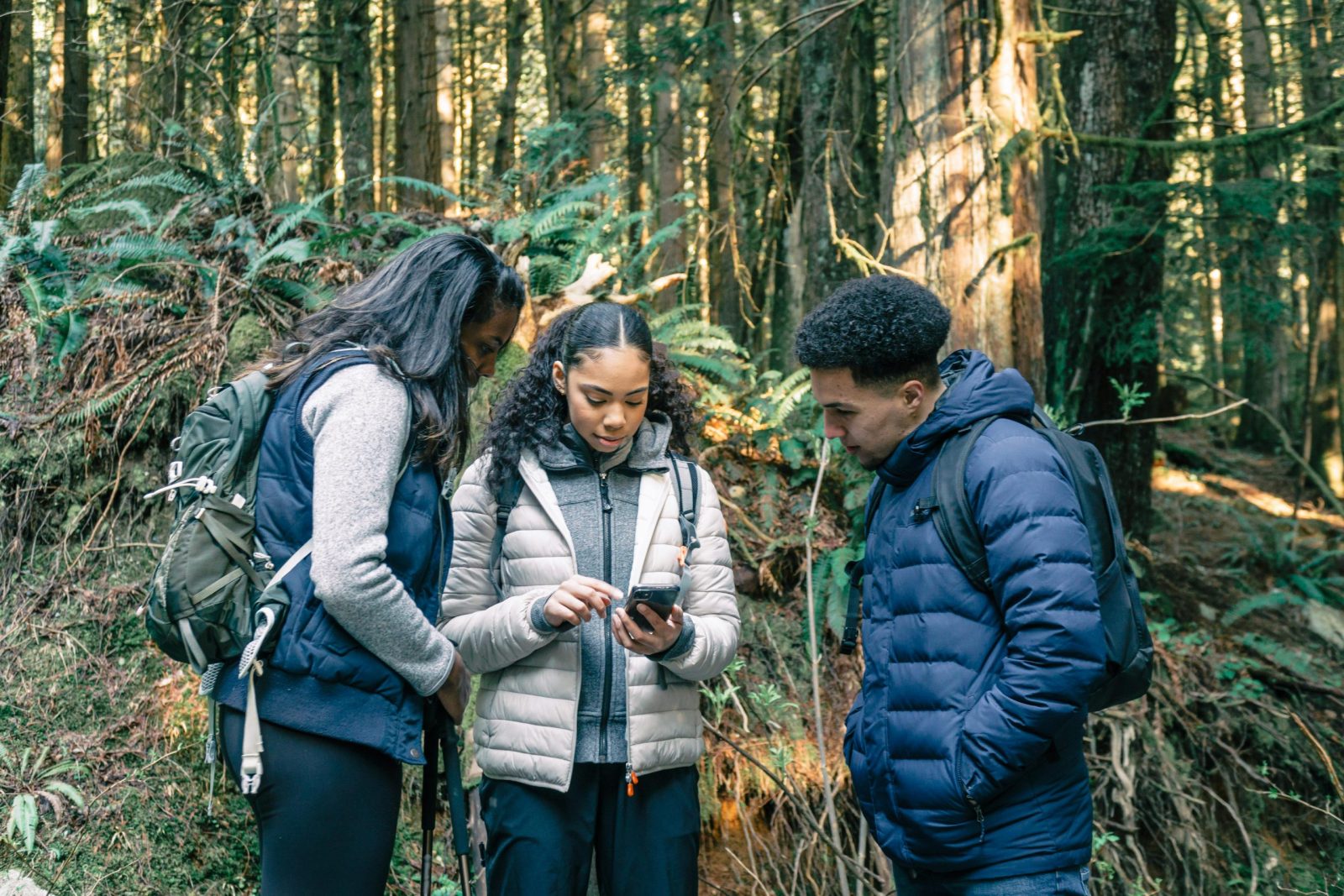
Recent search operations reveal a deeply troubling trend regarding modern mobile electronics. Current emergency data show that 43% of wilderness rescues now involve people who had smartphones but still failed to secure immediate help. Stranded individuals frequently wander far off marked trails, trying desperately to catch a single bar of service. This frantic searching burns precious calories and significantly increases the risk of dehydration. Navigating deep valleys or thick tree canopies instantly renders expensive smart devices completely useless during severe medical emergencies. Relying exclusively on standard mobile coverage practically guarantees a terrifying situation when severe injuries happen unexpectedly outdoors.
Understanding The Garmin InReach Satellite Solution
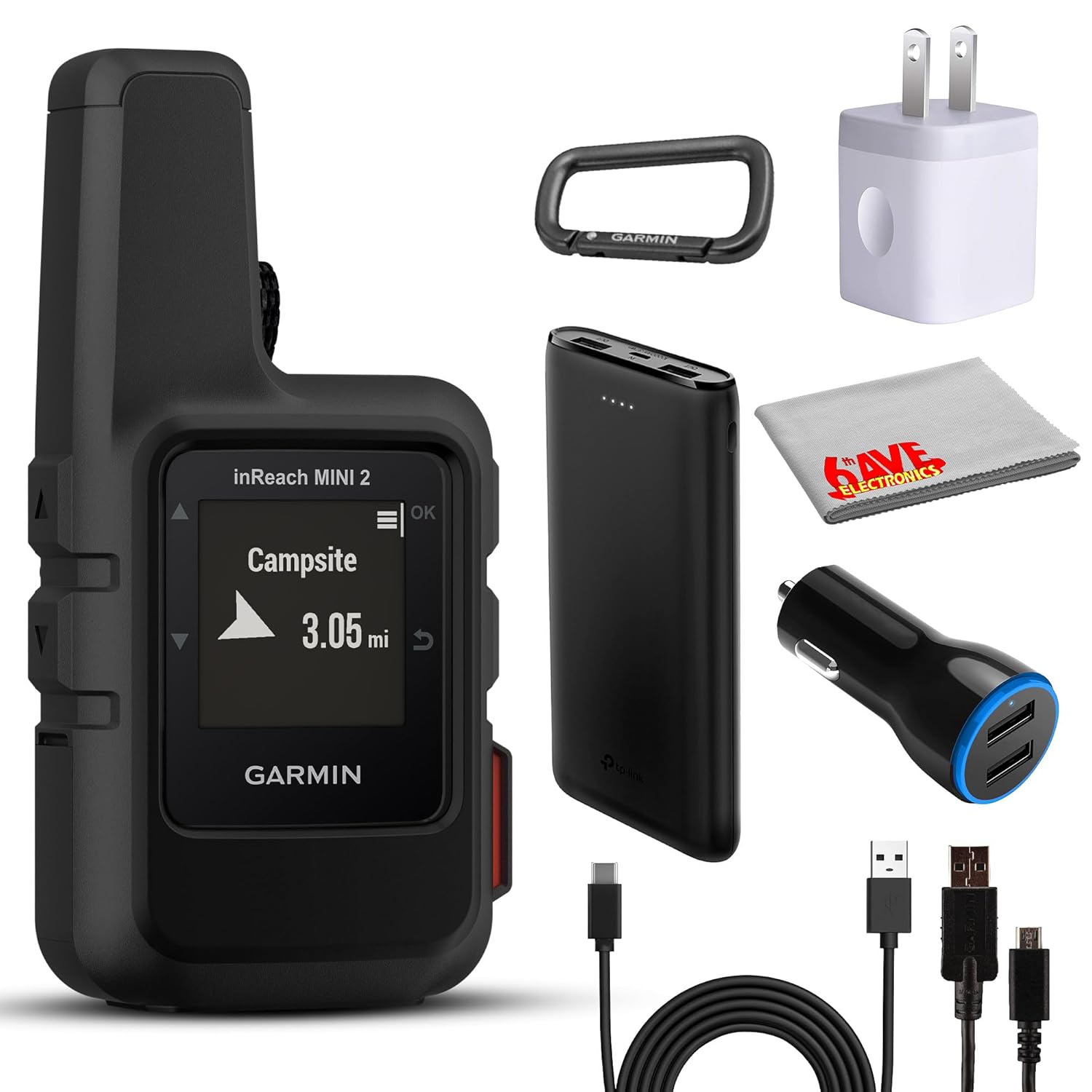
The ongoing outdoor communication debate heavily features the incredibly popular Garmin inReach satellite communicator device today. This highly advanced survival tool connects directly to global satellite networks instead of relying upon fragile local cellular towers. Backpackers utilize its two-way texting capabilities to send precise location coordinates directly to dedicated emergency dispatch centers globally. A simple push of the dedicated distress button immediately alerts trained rescue coordinators about the exact emergency. The rugged, waterproof exterior withstands heavy rain and freezing snow while maintaining a reliable signal. This dependable technology literally saves countless lives during incredibly terrifying wilderness disasters.
Evaluating The SPOT Satellite Tracking Alternative
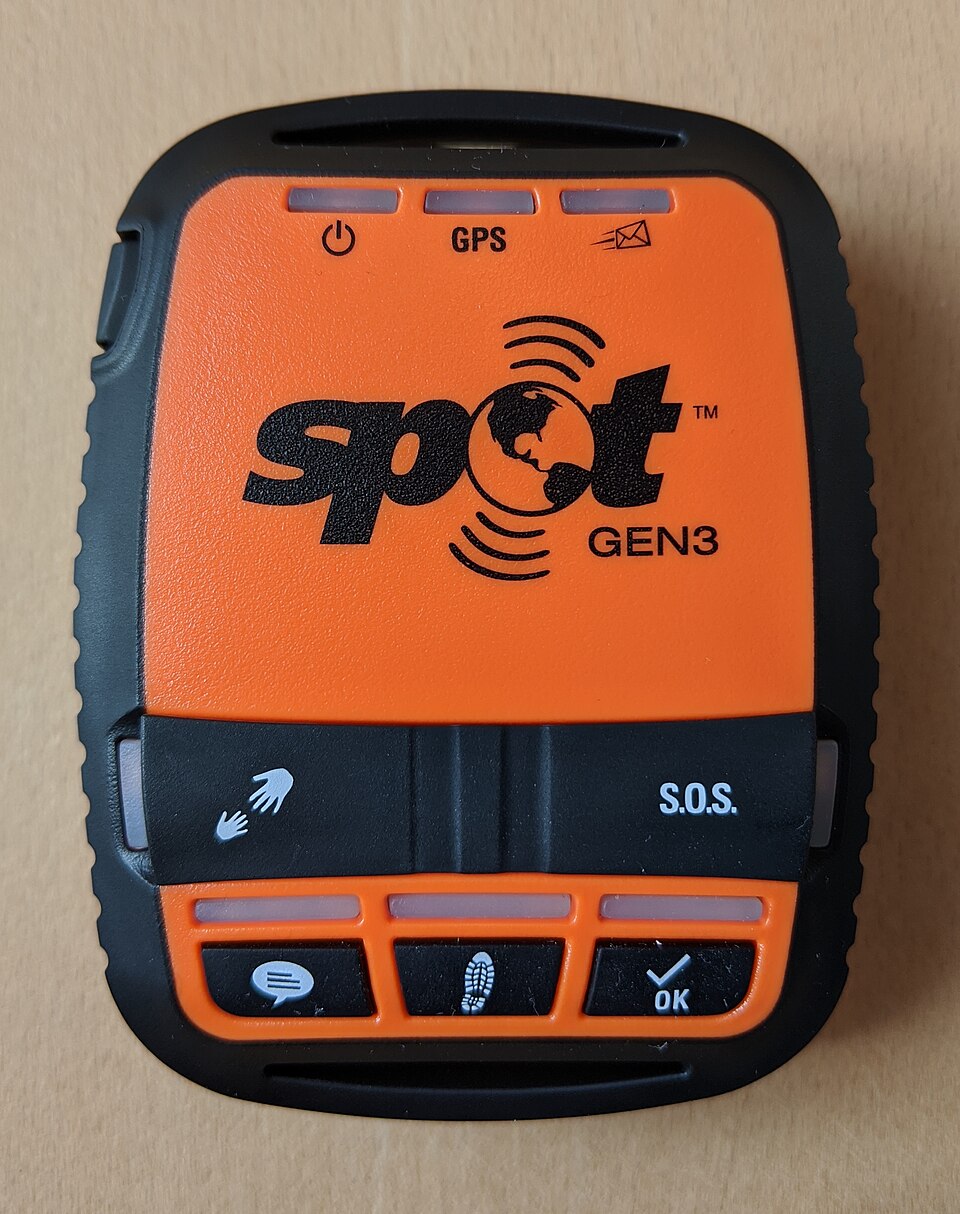
Comparing different emergency technologies brings the classic SPOT tracking system into the highly searched conversation about outdoor equipment. This alternative satellite option successfully provides absolutely crucial location monitoring for anxious families waiting safely back home. Hikers press a single physical button to instantly broadcast their exact geographical coordinates across the orbital network. While lacking the detailed conversational texting features found on newer competitors, this robust device delivers highly reliable basic distress signaling perfectly. The completely simplified interface ensures panicked individuals can easily request immediate helicopter evacuations without navigating complicated digital menus. Proper preparation means carefully choosing the correct communication hardware beforehand.
Ditching The Standard Cell Phone Safety Myth
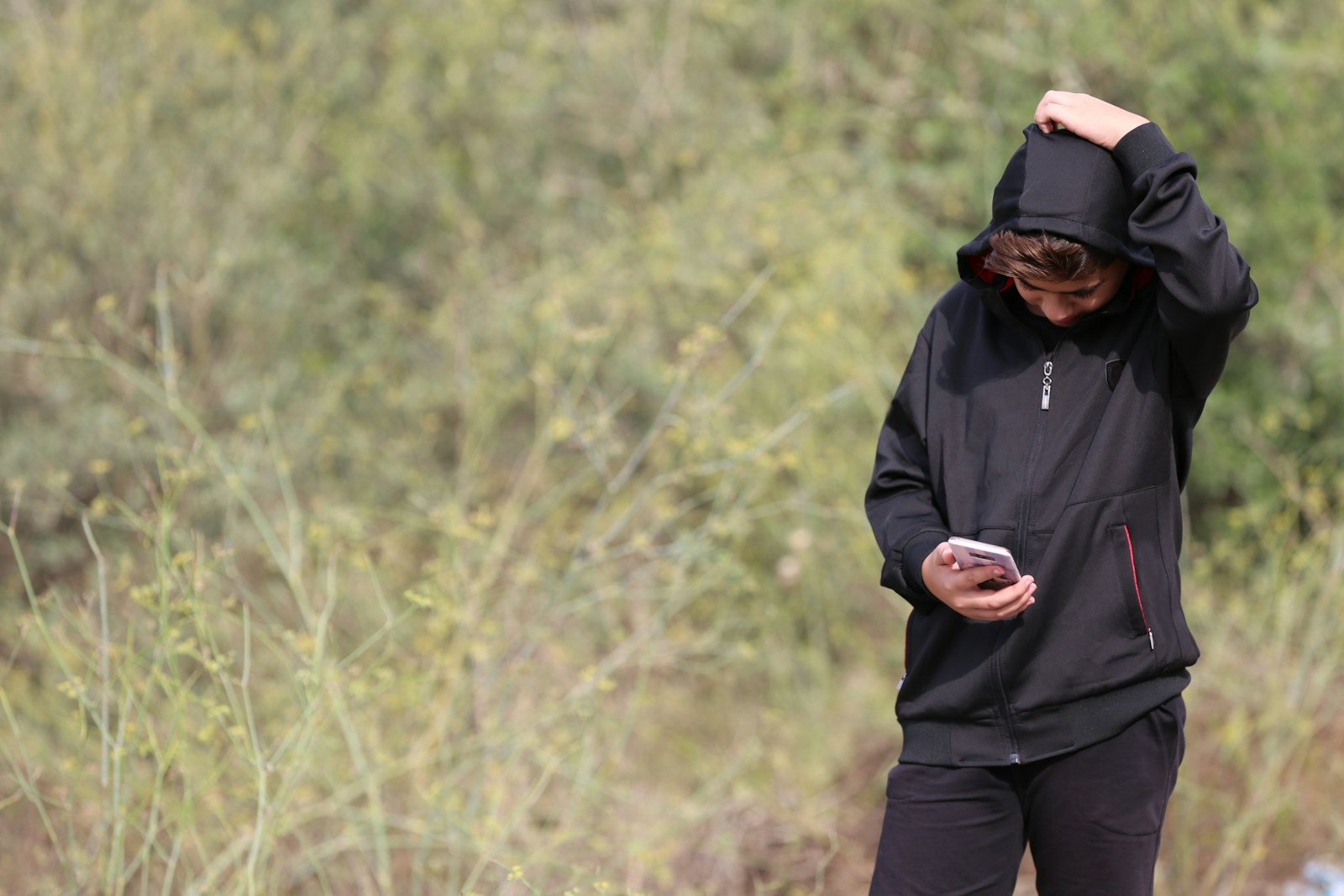
Exploring the current satellite communicator debate clearly highlights exactly why standard mobile phones frequently fail during critical outdoor emergencies. Cellular signals travel through direct lines of sight and easily bounce off tall granite cliffs or dense mountain ridges. Battery drain occurs incredibly fast when phones constantly search for nonexistent towers in deep wilderness valleys. Relying exclusively on consumer cell phone networks represents a completely dangerous gamble that routinely ends in absolute tragedy. Responsible outdoor enthusiasts must proactively upgrade their safety gear to include dedicated satellite devices. Bringing the proper equipment absolutely guarantees a much safer return from the trail.