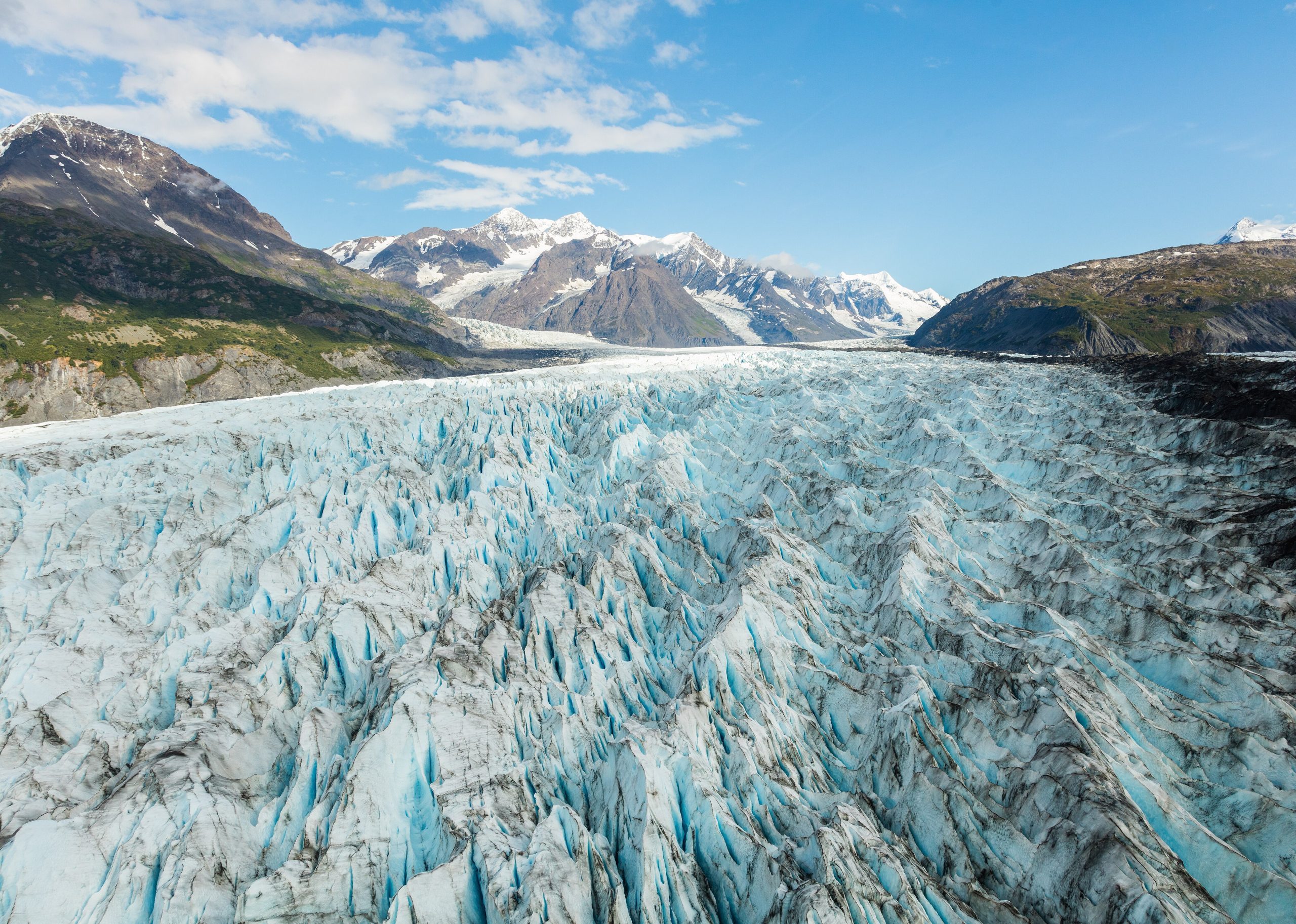
Glaciers are often seen as lifeless expanses of ice, but they are also some of the world’s most effective time capsules. As climate patterns shift and ice retreats, objects sealed away for centuries are being exposed again, sometimes in remarkably preserved condition. When a lone hiker recently stumbled upon an unexpected artifact emerging from melting ice, it triggered a chain of scientific inquiry that reached deep into the past. What appeared at first to be an odd object quickly became evidence of human activity dating back roughly fifteen centuries. The discovery highlights how changing landscapes are revealing forgotten chapters of human history.
The Moment of Discovery
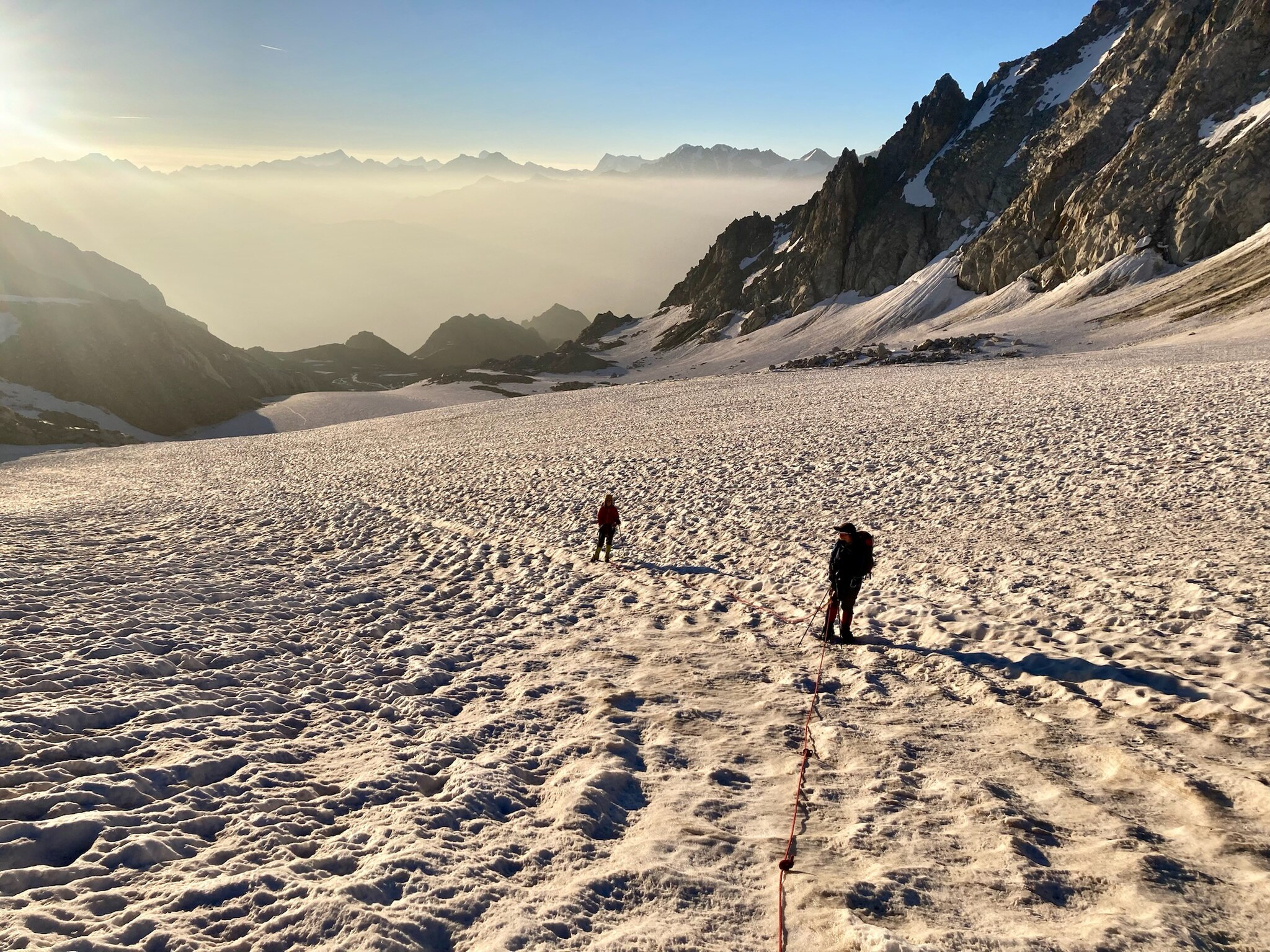
The hiker was navigating a remote mountain trail when something unnatural caught their attention near the edge of a receding glacier. Embedded in the ice was an object that did not resemble stone or natural debris. Its shape and texture suggested deliberate craftsmanship rather than erosion. At first glance, it appeared weathered, but not broken down in the way exposed materials usually are. Realizing its potential importance, the hiker resisted the urge to remove it forcefully. Instead, they documented the location and contacted local authorities. This careful response preserved vital context, allowing researchers to later assess the find without disturbing surrounding evidence.
Glaciers Preserve History
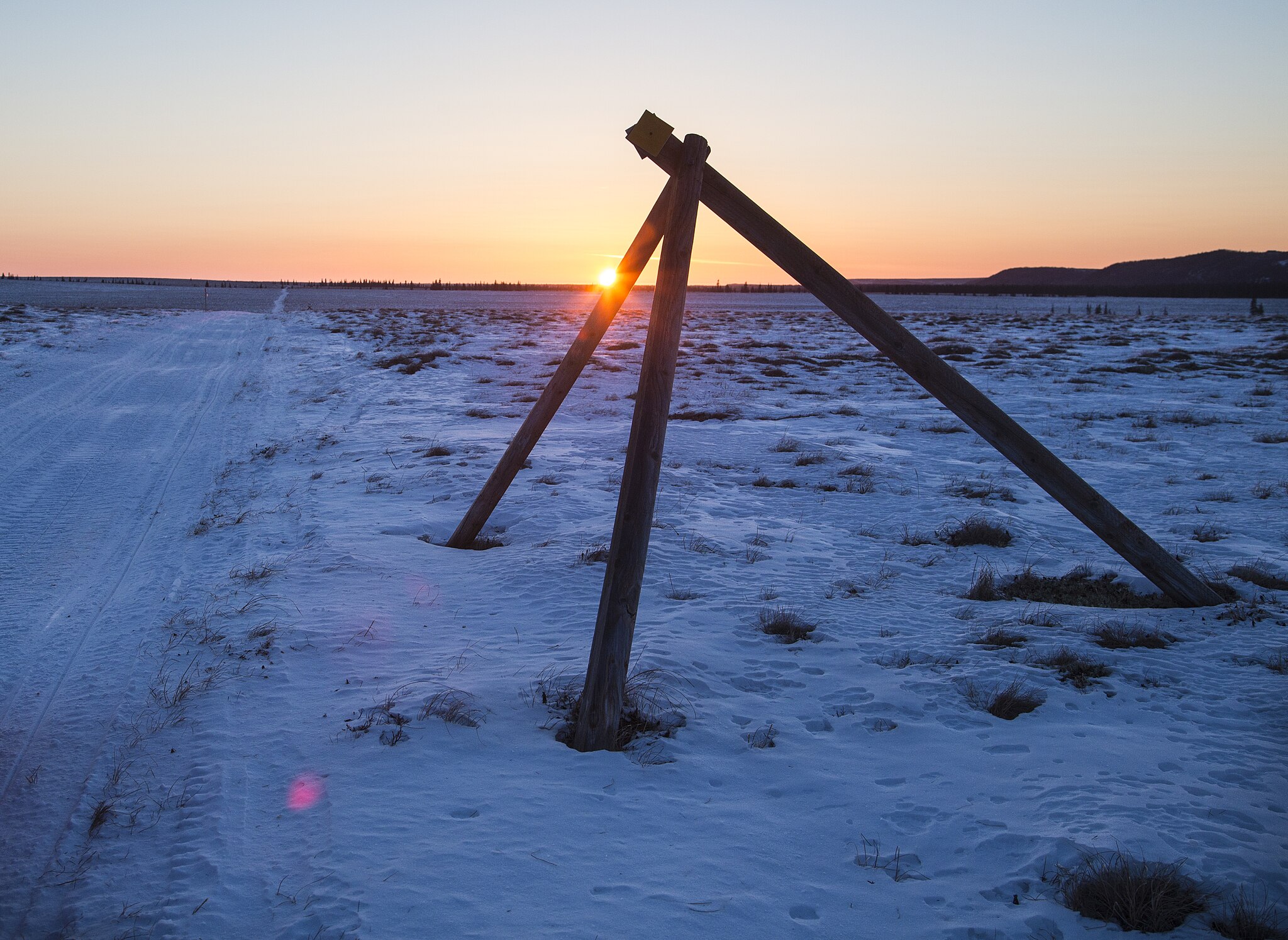
Glaciers create ideal conditions for long-term preservation because they limit exposure to oxygen, bacteria, and temperature fluctuation. When objects become trapped in ice, decomposition slows dramatically. Organic materials such as wood, leather, and textiles can survive far longer than they would in soil. In this case, the glacier acted as a protective seal for over 1,500 years. Seasonal freeze cycles gradually buried the artifact deeper, shielding it from weather and animals. Only recent melting made the discovery possible. This process explains why ice-bound finds often appear surprisingly intact despite their age.
Initial Scientific Examination
Once recovered, the artifact was transferred to specialists trained in ice preservation archaeology. Researchers conducted a non-invasive analysis before any cleaning occurred. Visual inspection suggested tool marks and intentional shaping. Microscopic examination revealed wear patterns consistent with repeated handling. Radiocarbon dating of organic components provided a preliminary age estimate placing it in the early medieval period. Scientists also examined residue and mineral deposits to understand how long it had been exposed since emerging from the ice. These early findings confirmed the object’s authenticity and established its value as a rare historical specimen.
Clues to Ancient Human Activity
The artifact offered clear evidence that people once traveled or hunted in areas now considered harsh and inaccessible. Its presence suggested seasonal movement rather than permanent settlement. Researchers compared it to similar finds from lower elevations, noting design similarities that pointed to a shared cultural tradition. The object’s materials indicated careful selection from available resources, implying detailed environmental knowledge. This challenged assumptions that high-altitude regions were avoided in earlier centuries. Instead, it showed that ancient communities adapted creatively to demanding landscapes, using them as part of broader survival strategies.
Dating the Object’s Journey
Determining how the artifact entered the glacier required reconstructing environmental conditions from the past. Scientists studied ice layers and sediment patterns to estimate when it was lost or abandoned. The most likely scenario involved a gradual glacial expansion that overtook a travel route or hunting ground. Over time, snowfall compacted into ice, sealing the object in place. Historical climate data supported this theory, showing colder conditions during that era. This process transformed a moment of ordinary human activity into a frozen record that endured for centuries.
Preservation Challenges After Exposure
Once exposed, ice-preserved artifacts face rapid deterioration. Sudden contact with air and microbes can cause cracking, warping, or decay. Conservators acted quickly to stabilize the object, maintaining controlled humidity and temperature. Specialized treatments were applied to slow chemical reactions triggered by thawing. This phase is critical, as many finds degrade within days if mishandled. The careful transition from ice to laboratory ensured that structural details and surface features remained intact. Preservation efforts were as important as the discovery itself in protecting historical information.
Broader Archaeological Significance
This discovery adds to a growing field known as glacial archaeology. As ice retreats worldwide, similar finds are appearing in mountain ranges across Europe, Asia, and the Americas. Each object contributes data about ancient movement, trade, and survival methods. Unlike traditional excavation sites, glacier finds often represent moments frozen in time rather than long-term habitation. This provides a different perspective on history, capturing isolated events rather than accumulated layers. The hiker’s discovery reinforces the importance of monitoring melting ice for cultural heritage.
Climate Change and Unintended Revelations
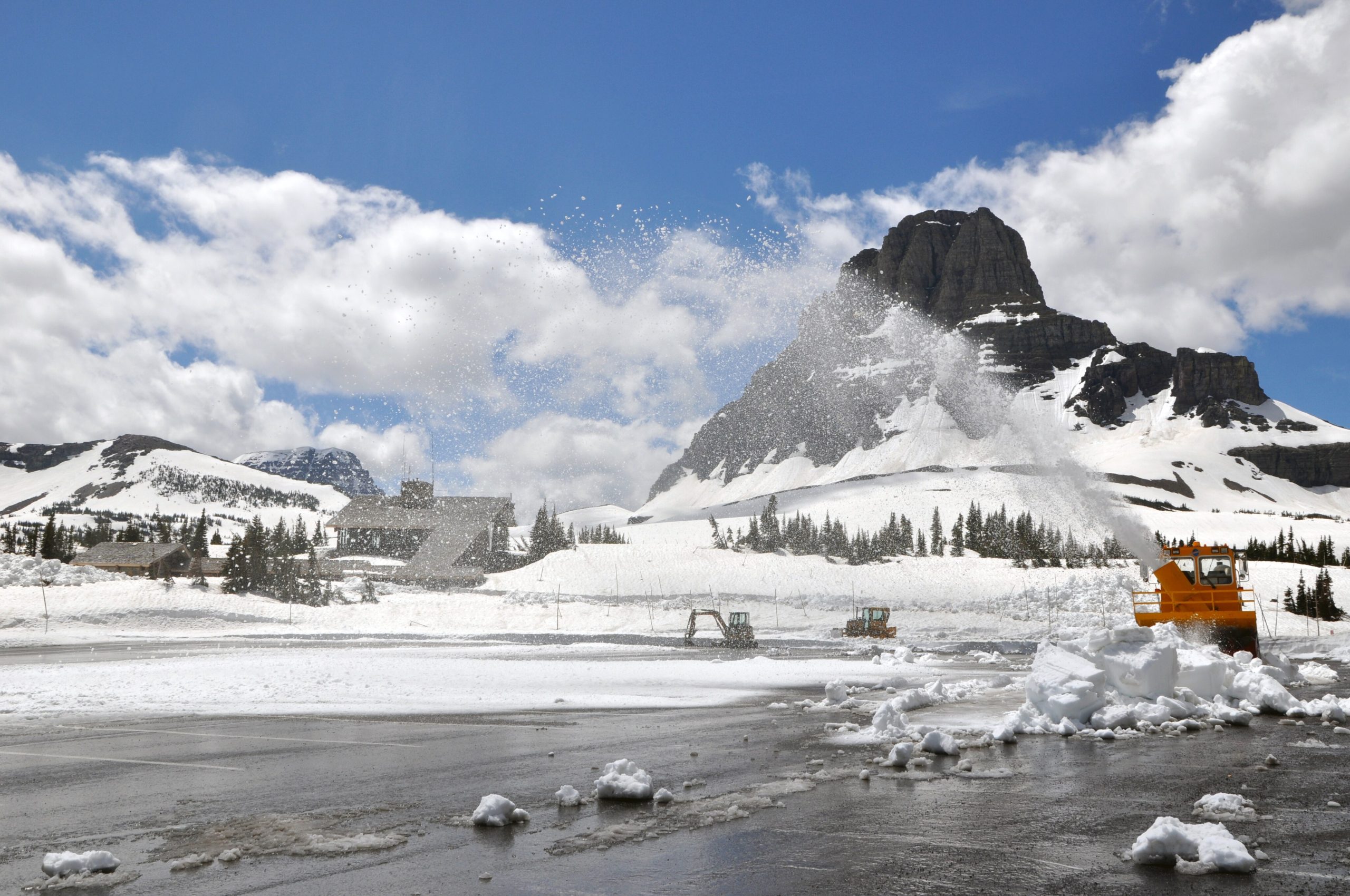
The artifact’s emergence is directly linked to rising global temperatures. While climate change poses serious threats, it is also revealing materials once thought permanently lost. Scientists face an ethical dilemma balancing research opportunities with environmental concern. Each discovery underscores the urgency of documentation, as exposed artifacts may not survive long without intervention. The situation highlights how modern environmental shifts are reshaping our understanding of the past. The glacier’s retreat turned a climate warning into an archaeological opportunity, though one accompanied by loss.
Public Responsibility and Reporting
Experts emphasize that hikers and outdoor enthusiasts play a critical role in preserving history. Removing artifacts without documentation can destroy valuable context. Reporting discoveries promptly allows professionals to assess significance properly. Educational outreach now encourages visitors to recognize potential archaeological materials and respond responsibly. This collaborative approach increases the chances that future finds are protected. The hiker’s decision to notify authorities rather than keep the object set an example. Responsible behavior ensured the discovery benefited science rather than disappearing into private hands.
What the Ice Finally Revealed
The object uncovered by the glacier is more than a relic. It is a reminder that human history extends into places now shaped by ice and isolation. For 1,500 years, the glacier concealed a quiet trace of past life. Its reappearance connects modern observers with individuals who once moved through the same landscape under very different conditions. As glaciers continue to retreat, more stories may surface. Each discovery challenges assumptions about where history happens and who participated in shaping it.