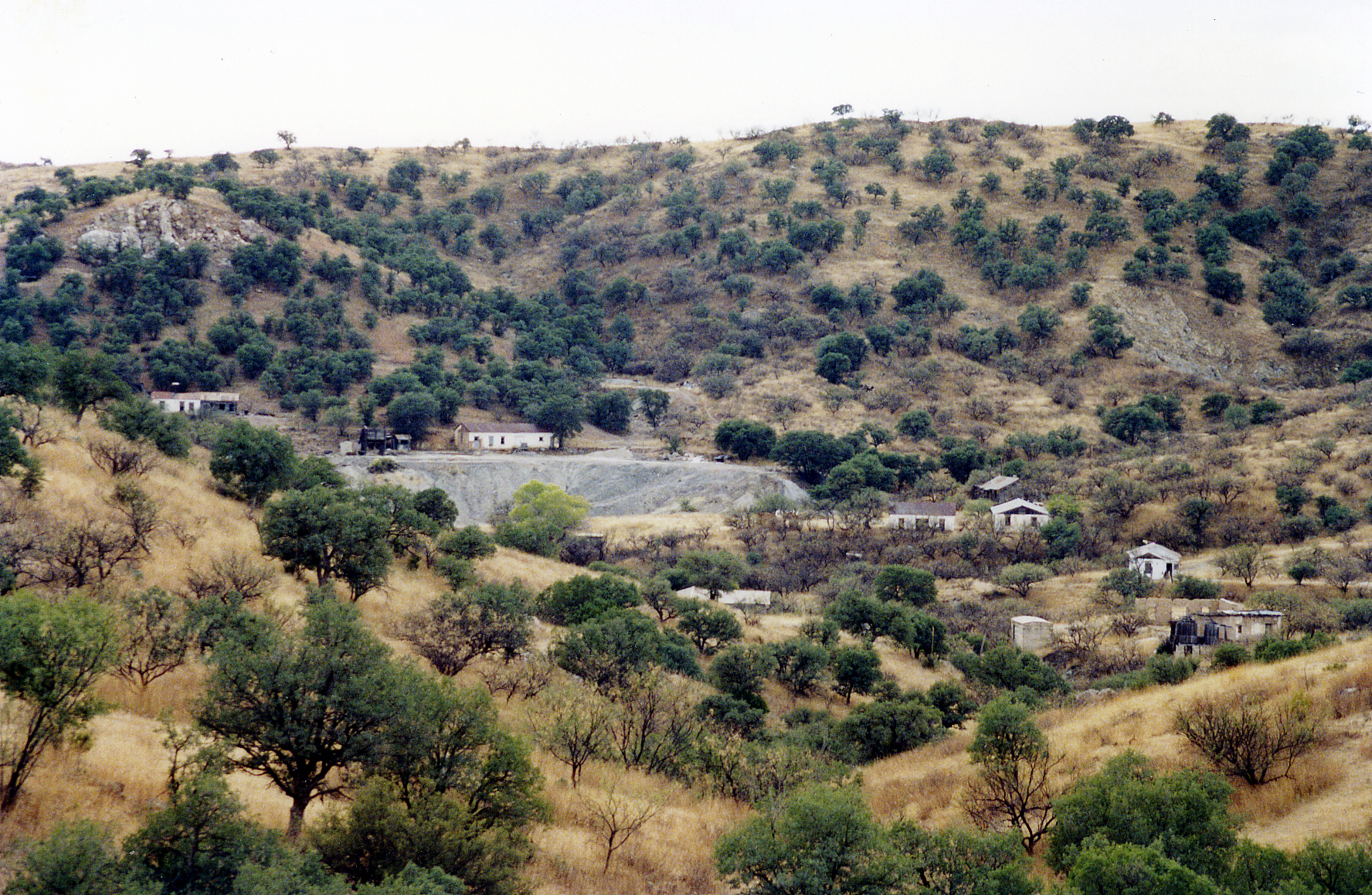
Exploring the Lost Ranch Ruins in Phoenix offers an immersive look at desert history in a landscape shaped by wind, heat, and unanswered questions. The journey begins on familiar trails before easing into quieter canyon terrain where an abandoned structure stands alone among rugged slopes. Sunlight shifts across rocky surfaces while desert plants cluster along the path, creating a sense of discovery at every turn. The lingering mystery surrounding the site adds depth to the hike and invites reflection on the region’s mining past.
Start the Journey at the Chandler and 19th Avenue Trailhead
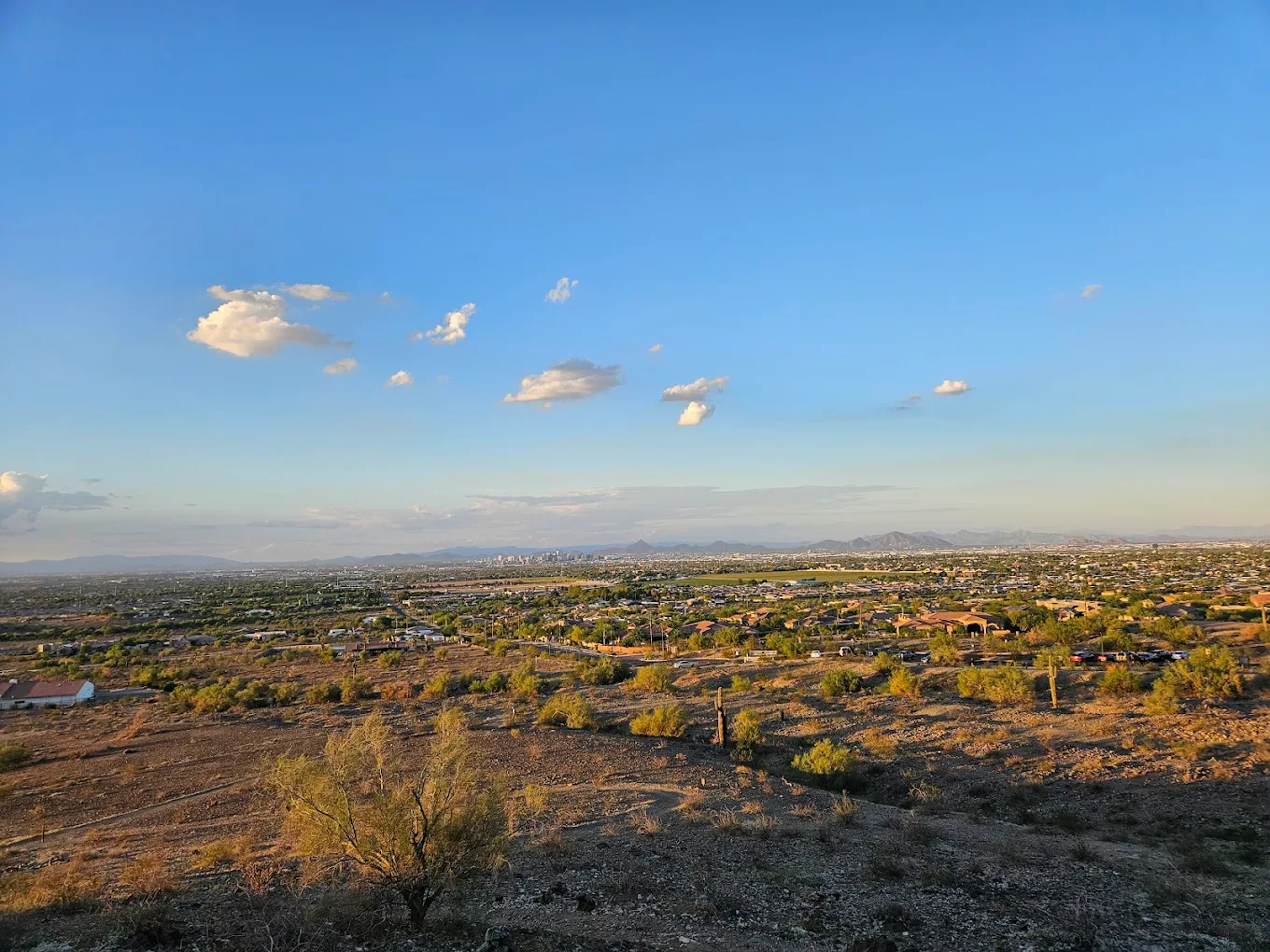
The adventure starts on Pyramid Trail, where early light spreads across the open desert, and steady paths stretch toward the foothills. After passing the junction with Bursera Trail, Lost Ranch Ruins Trail branches away and leads into terrain that quickly feels more remote. A sandy wash interrupts the route, requiring careful attention as the trail disappears into soft ground and then reappears along the opposite bank. Each shift in footing and sound marks a gradual transition from busy desert paths to a quieter canyon space influenced by natural forces.
Follow the Desert Road Toward the Ruins
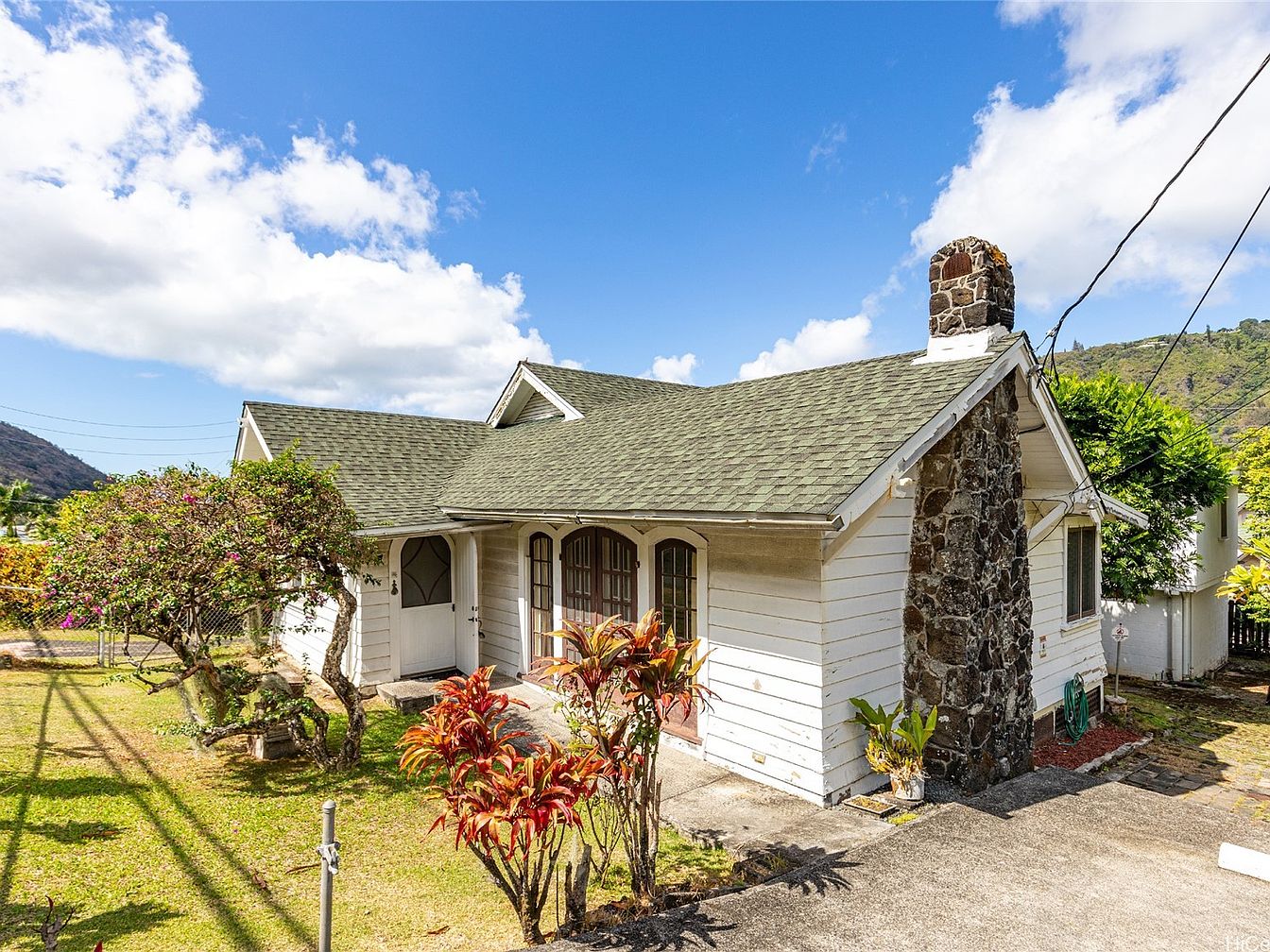
Once past the wash, the trail meets a dirt road that winds deeper into South Mountain and slowly leaves the noise of the city behind. The road follows natural contours shaped by erosion and time, creating a corridor lined with rocky slopes, scattered brush, and wide stretches of sky. As the trail bends around a final rise, the ruins come into view, revealing a weathered foundation and tall fireplace still anchored to the hillside. The unexpected appearance of the structure against the rugged landscape encourages a closer look at its remaining details.
Explore the Mystery of the Lost Ranch Ruins
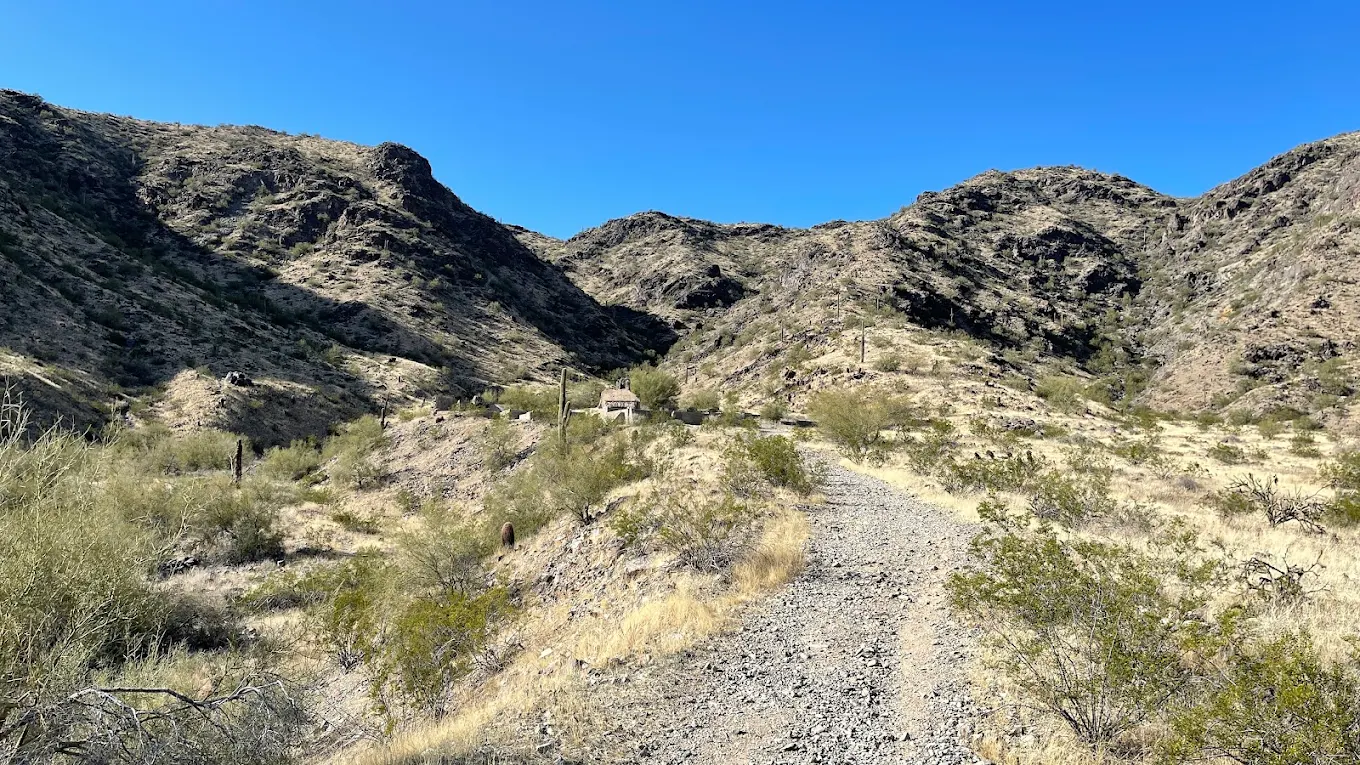
The ruin’s slump block design suggests a mid-twentieth-century origin, though official records provide no clear explanation of who built it or why it was placed in such isolation. Some believe the Civilian Conservation Corps could have constructed it, yet no surviving documentation supports that idea despite the Corps’ extensive work throughout South Mountain. A few local rumors describe the site as a possible speakeasy during prohibition, though the remote setting complicates that theory. The most plausible explanation ties the structure to a mining camp that once supported nearby operations, now reduced to walls, debris, and a striking fireplace.
Look for Clues in the Surrounding Canyon
The canyon surrounding the ruins features rugged slopes, narrow passages, and thick clusters of brush that would have provided shelter from both harsh sunlight and desert winds. Old paths, scattered metal fragments, and subtle ground depressions suggest regular movement between work areas and camp. The secluded nature of the landscape supports persistent speculation about activities that may have taken place out of sight. Each rock formation and abandoned trace adds a layer of intrigue, forming a patchwork of clues that enrich the mystery.
Continue the Trail Beyond the Ruins
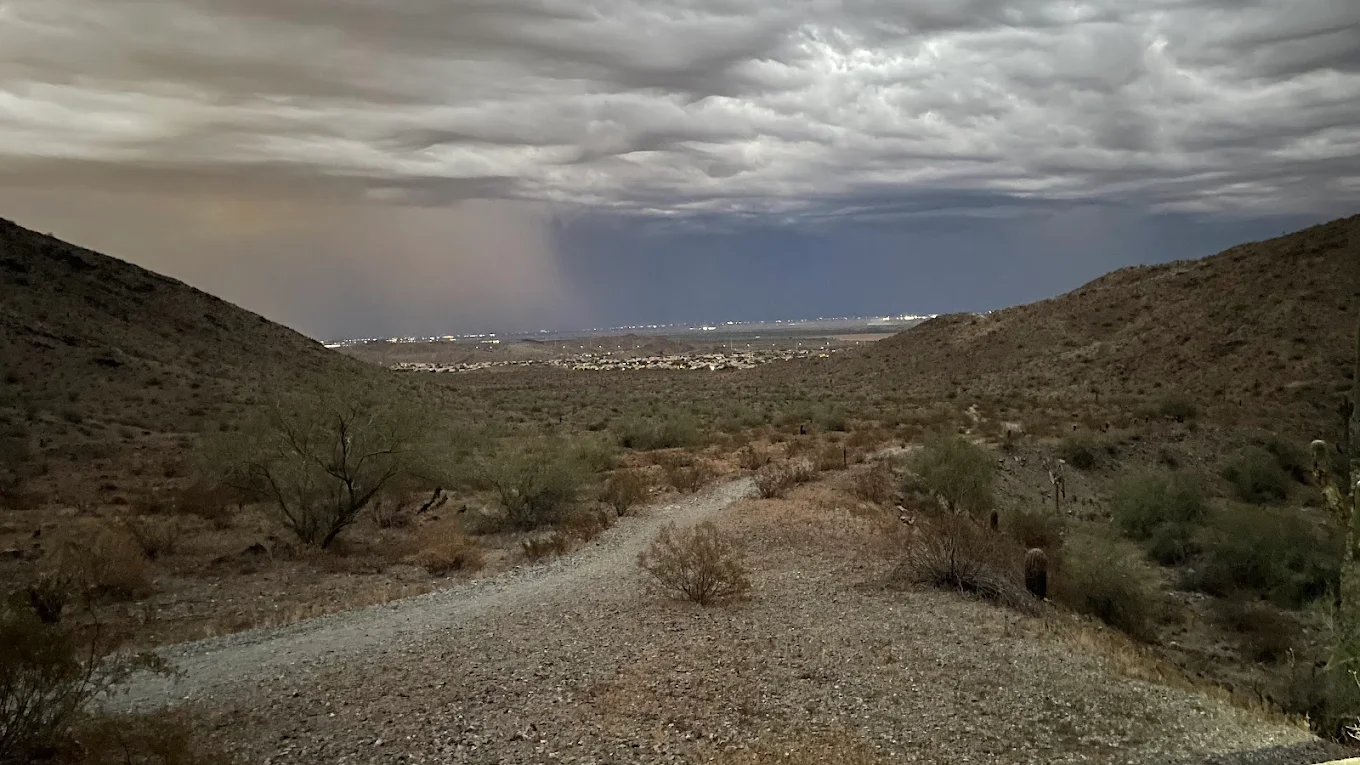
Beyond the ruins, the trail begins a steep and rocky descent that requires deliberate footing and careful navigation, especially where loose gravel collects along narrow ledges. Hiking poles can help maintain stability as the route climbs toward a ridge overlooking a wide sweep of desert terrain. The shift from enclosed canyon walls to open views creates a striking moment in the journey. Sunlight spreads across ridges, washes, and distant peaks, highlighting the expansive beauty that defines the South Mountain landscape.
Take in Sweeping Views from High Points
Reaching the overlook provides a panoramic view shaped by mesas, dry riverbeds, and warm desert tones stretching toward the horizon. From this vantage point, the ruins appear small against the vast environment, offering insight into how isolation influenced life for miners and early settlers. The surrounding scenery ties the abandoned structure to the broader ecosystem that dictated the rhythm of work, travel, and survival. The contrast between exposed ridgelines and sheltered canyons deepens the experience and reinforces the historical context of the site.
Unsolved Mysteries
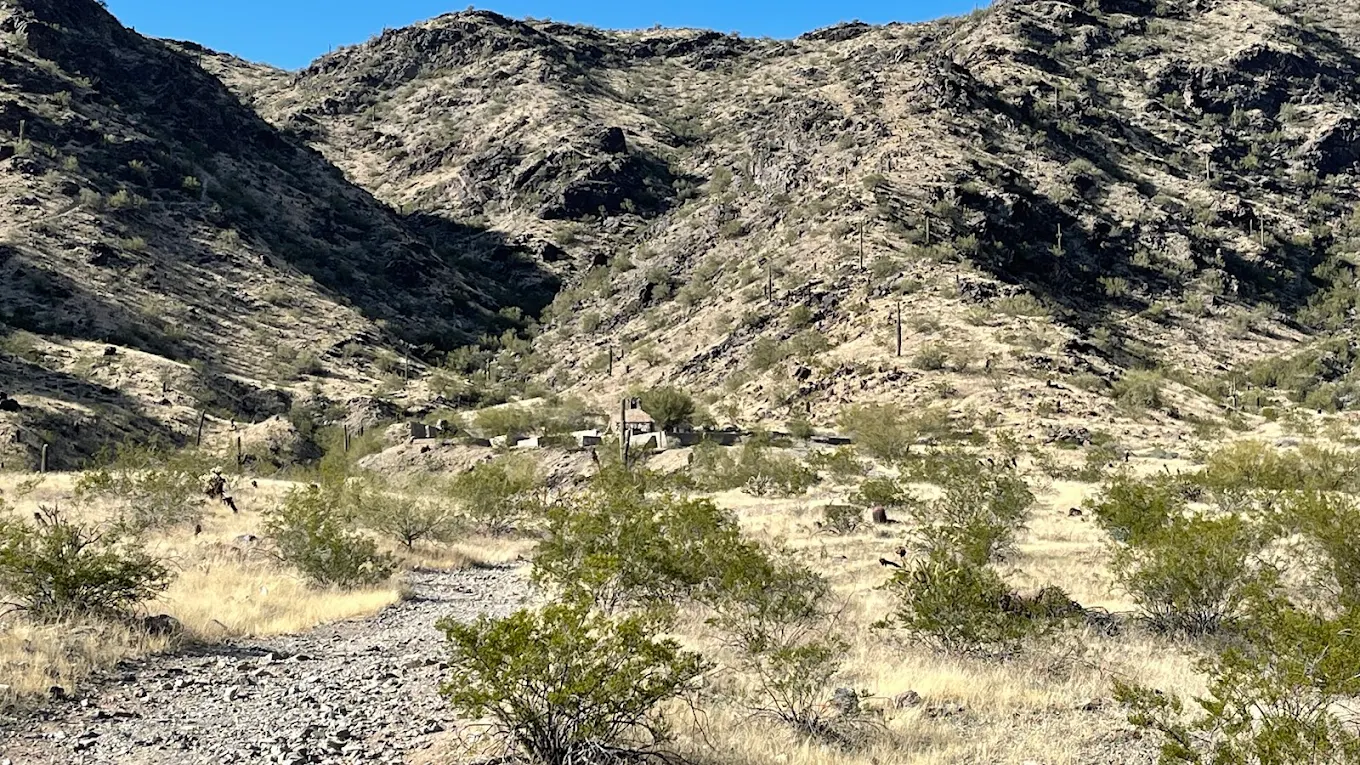
The return trip offers time to reflect on the structure’s uncertain past and the many narratives that could explain its presence in the canyon. The ruins invite interpretation, leaving each visitor to assemble possibilities from the fragments that remain scattered across the ground. Whether the site served miners, travelers, or a purpose now lost to time, its presence adds a compelling layer to the trail. The mystery endures as part of its appeal, encouraging ongoing curiosity and a renewed appreciation for the region’s forgotten stories.