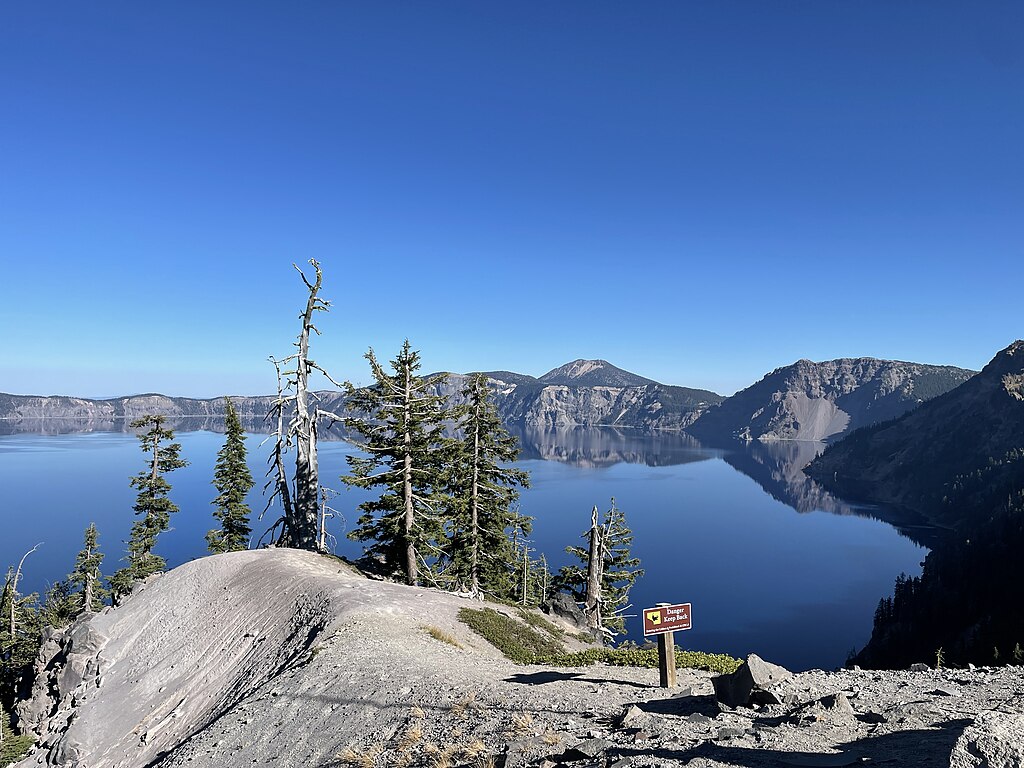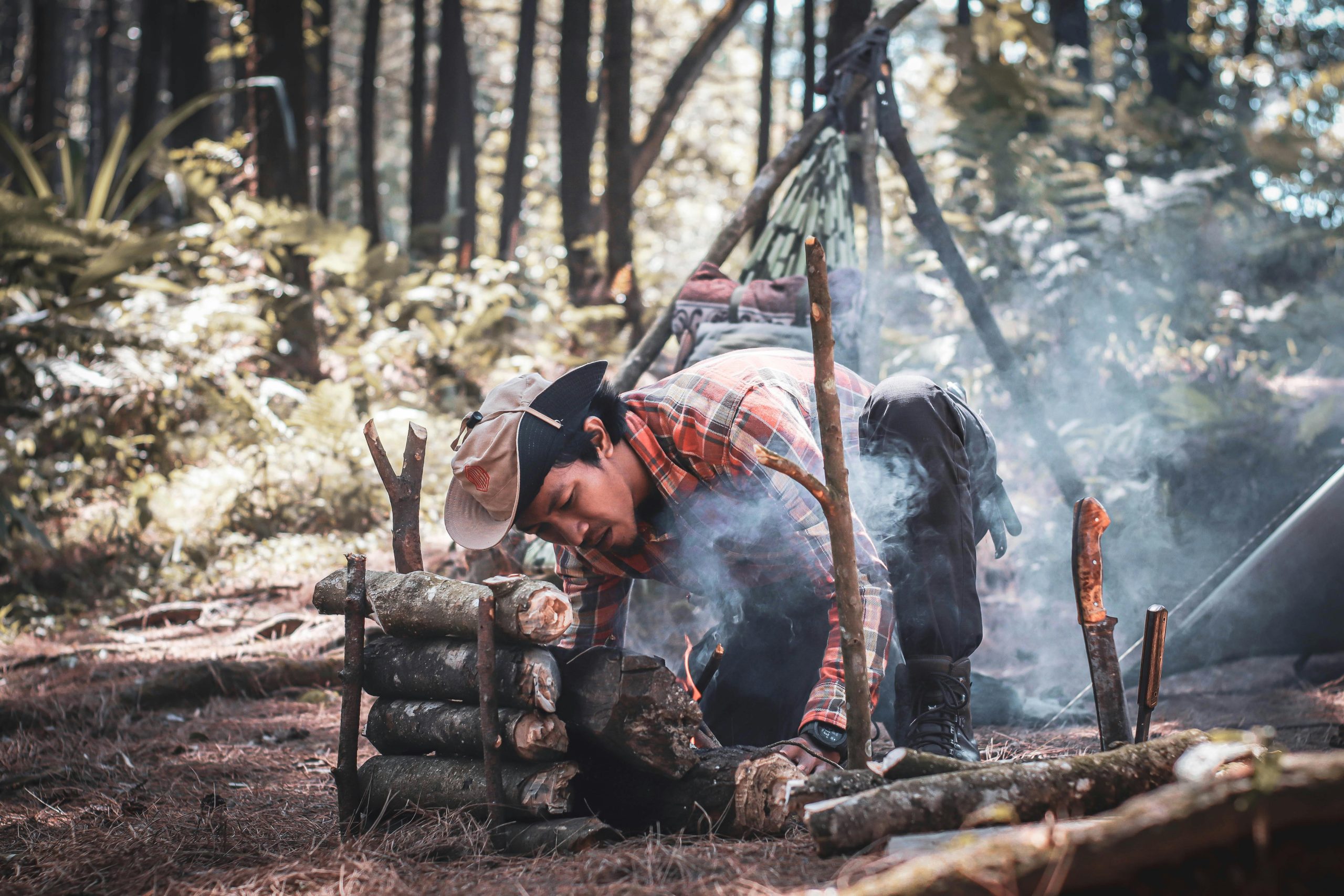
Many people enjoy hiking, camping, and exploring the outdoors, but beginners often focus on gear instead of skills. In real survival situations, knowledge matters more than expensive equipment. Rescue reports show that most outdoor emergencies happen within the first 24 hours after someone gets lost, and small mistakes quickly become serious problems. Learning basic survival skills before going into the wilderness can make the difference between staying safe and facing real danger. The following survival skills are often ignored by beginners, yet they are the ones most commonly needed when things go wrong. Each skill includes practical details and realistic numbers to show why they matter.
1. Building a Fire in Wet Conditions
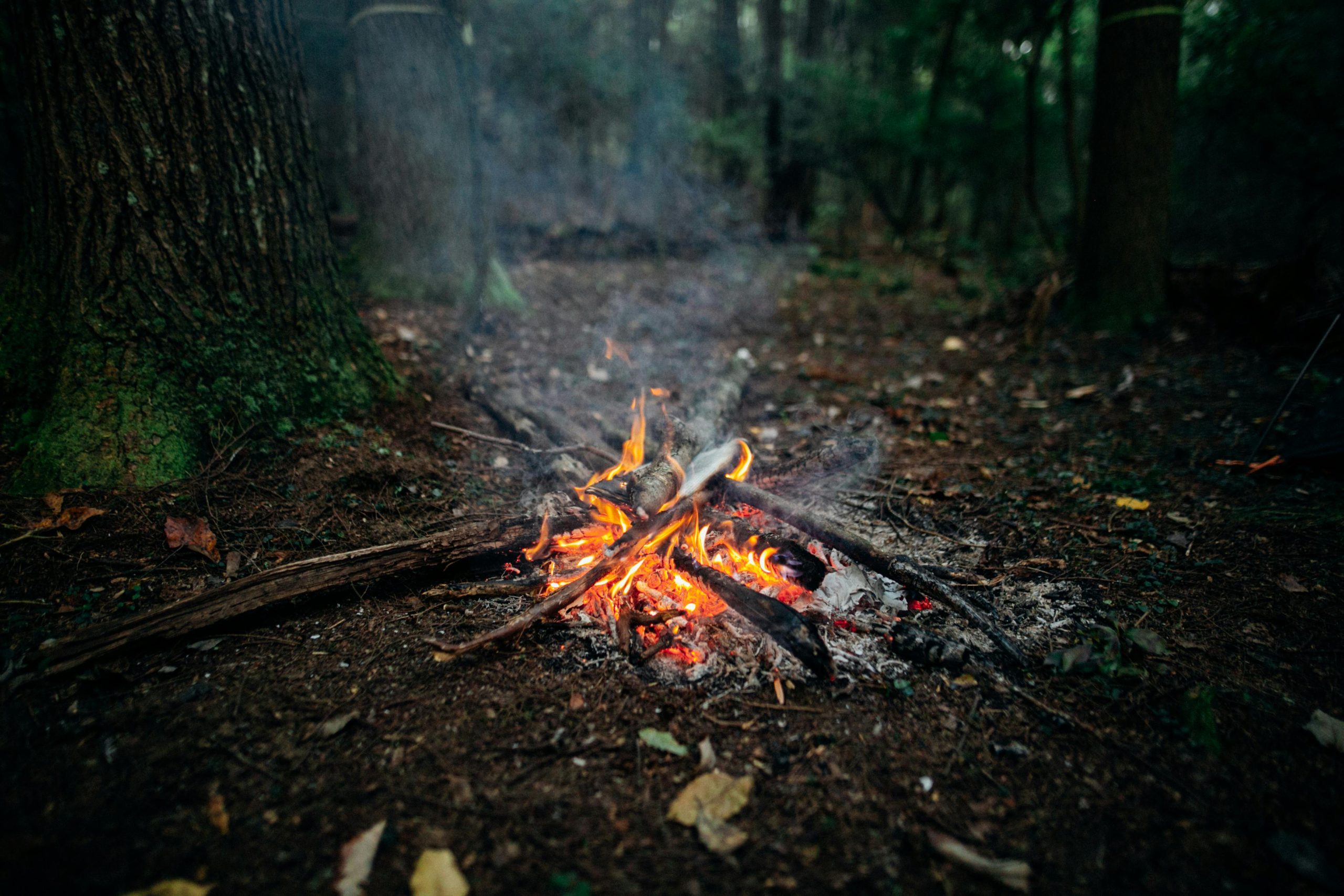
Many beginners know how to light a fire at home, but starting one in the wilderness during rain or wind is very different. In survival cases, body temperature can drop below safe levels in less than 2 hours if clothing becomes wet and there is no heat source. A fire provides warmth, dries clothes, and signals rescuers from long distances. Experts recommend carrying at least three fire-starting methods, such as a lighter, waterproof matches, and a ferro rod. Dry tinder should always be stored in a sealed bag because natural materials can hold moisture even after light rain. Practicing fire building in bad weather conditions before a trip greatly increases survival chances when the situation becomes real.
2. Finding Safe Drinking Water
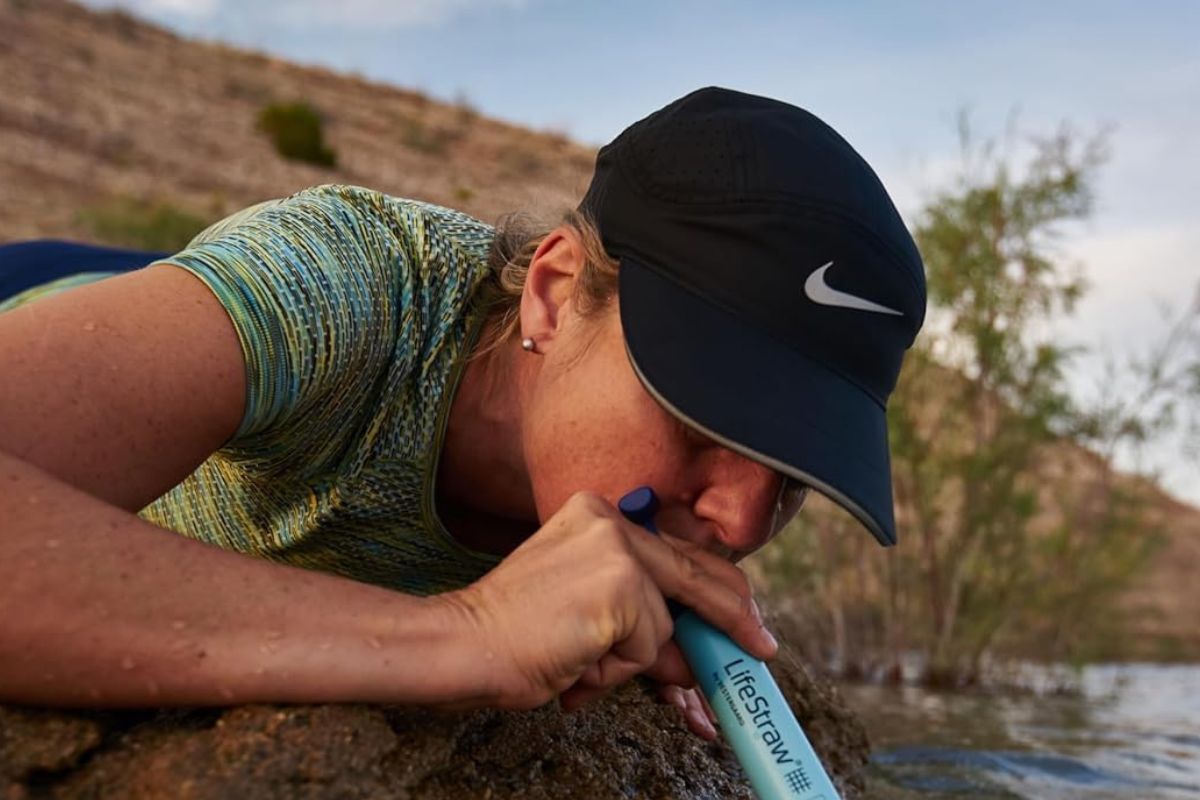
A person can survive about 3 days without water, but dehydration symptoms can start in less than 12 hours during hot weather or heavy walking. Beginners often assume rivers and lakes are safe, yet untreated water can contain bacteria that cause sickness within hours. Survival guides recommend boiling water for at least 1 minute or using a filter that removes particles smaller than 0.2 microns. Carrying purification tablets is also useful because they weigh less than 50 grams. In many rescue situations, people had access to water but became weak because they were afraid to drink it. Knowing how to purify water safely is one of the most important survival skills.
3. Reading a Map and Compass
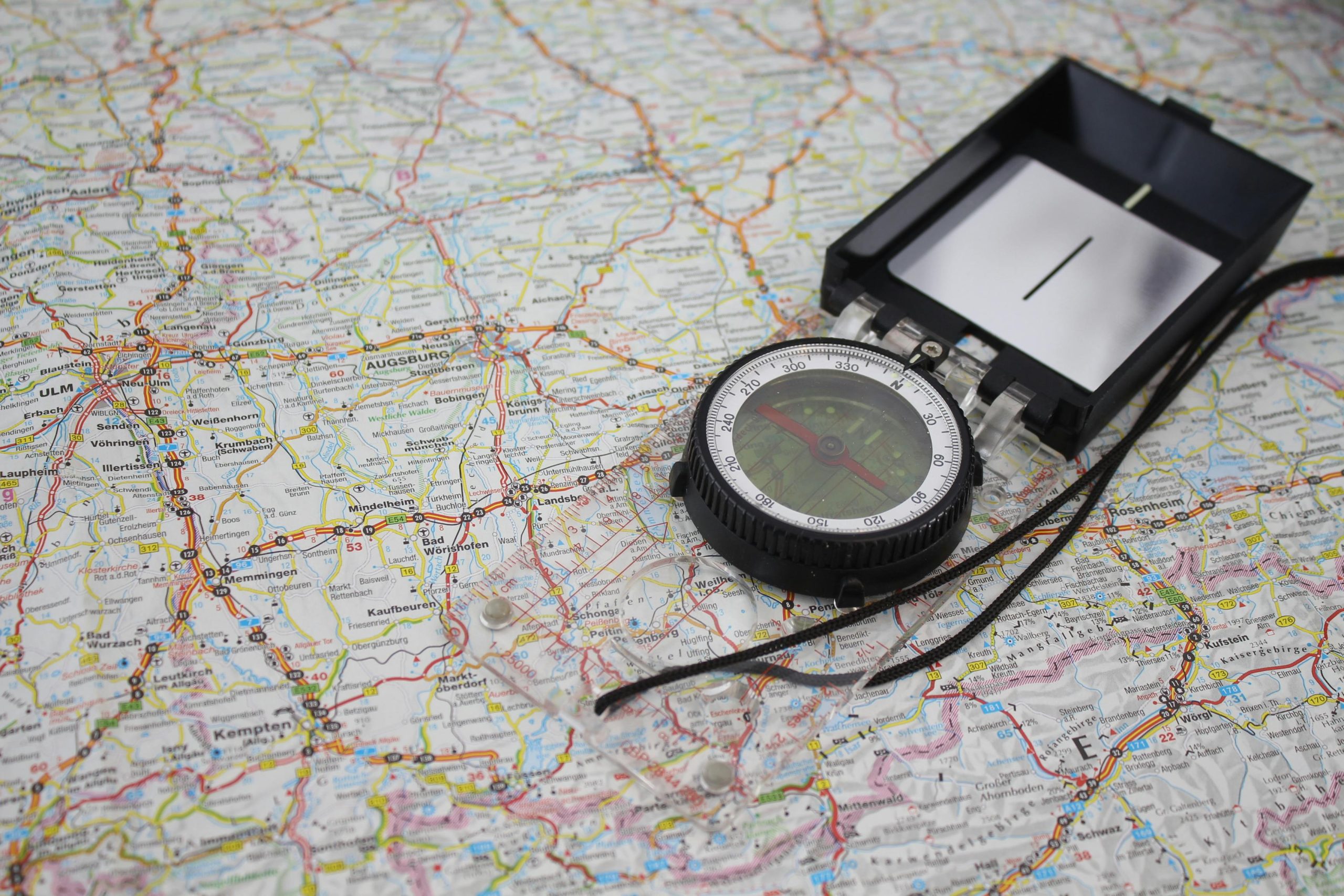
Many outdoor beginners rely completely on phones for navigation, but batteries can die in less than 10 hours of continuous use, especially in cold weather. A basic compass weighs less than 40 grams and never needs power, yet many people do not know how to use one. Rescue teams report that a large number of lost hikers were only 1 to 3 miles away from the correct trail but walked in the wrong direction. Learning to read topographic maps and follow compass bearings can prevent this mistake. Practicing navigation before a trip helps you stay calm and move with confidence if you lose the path.
4. Building a Simple Shelter
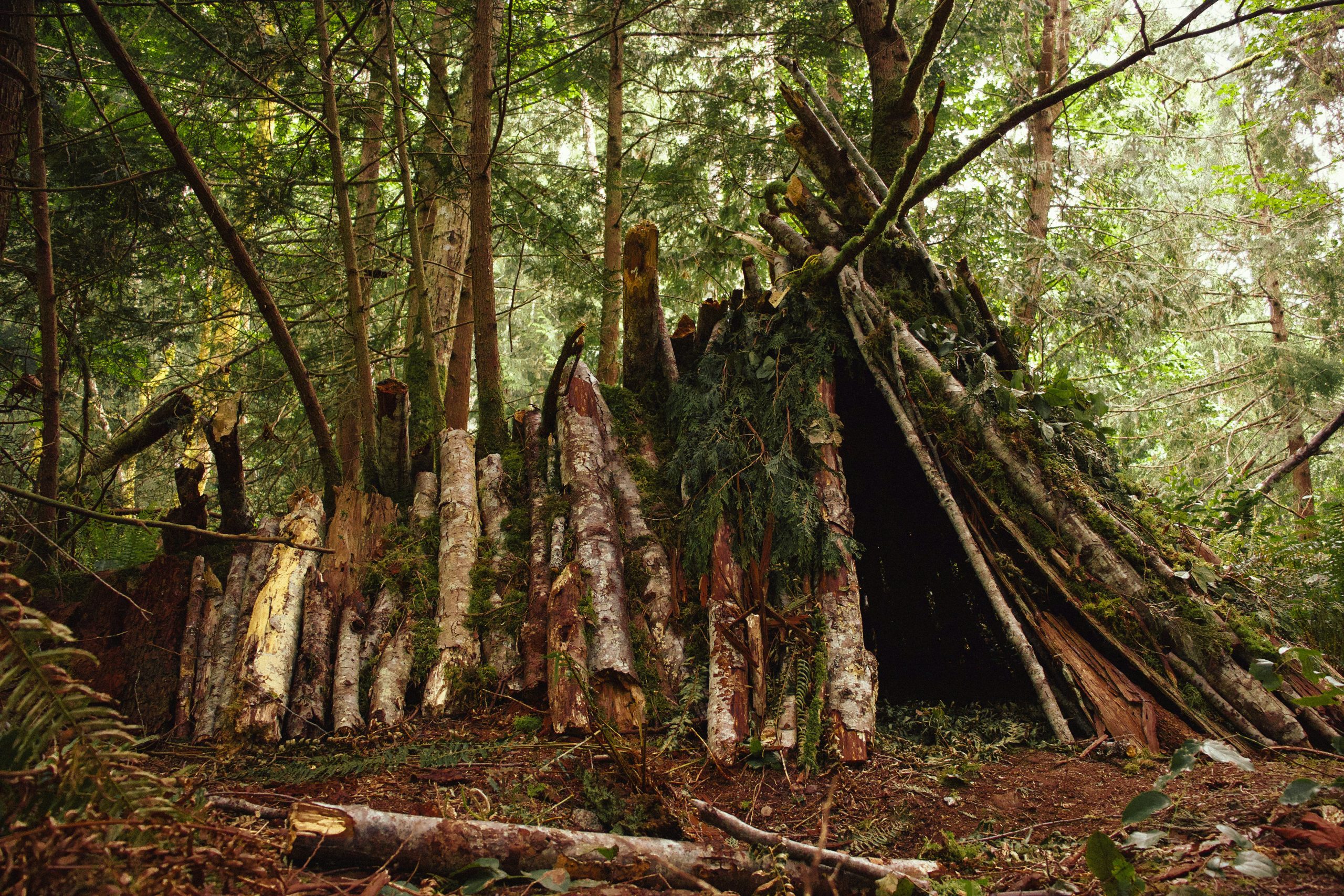
Exposure to wind and rain causes more survival emergencies than wild animals. When the body loses heat faster than it produces it, hypothermia can begin even at temperatures above 50°F. Beginners often carry tents but do not know how to build a quick shelter if equipment is lost. A simple lean-to made from branches and leaves can block wind and keep body heat trapped. Experts say a shelter should be built within the first hour after realizing you are lost. Even a small cover that reduces wind by 50 percent can greatly improve survival chances during the night.
5. Signaling for Rescue
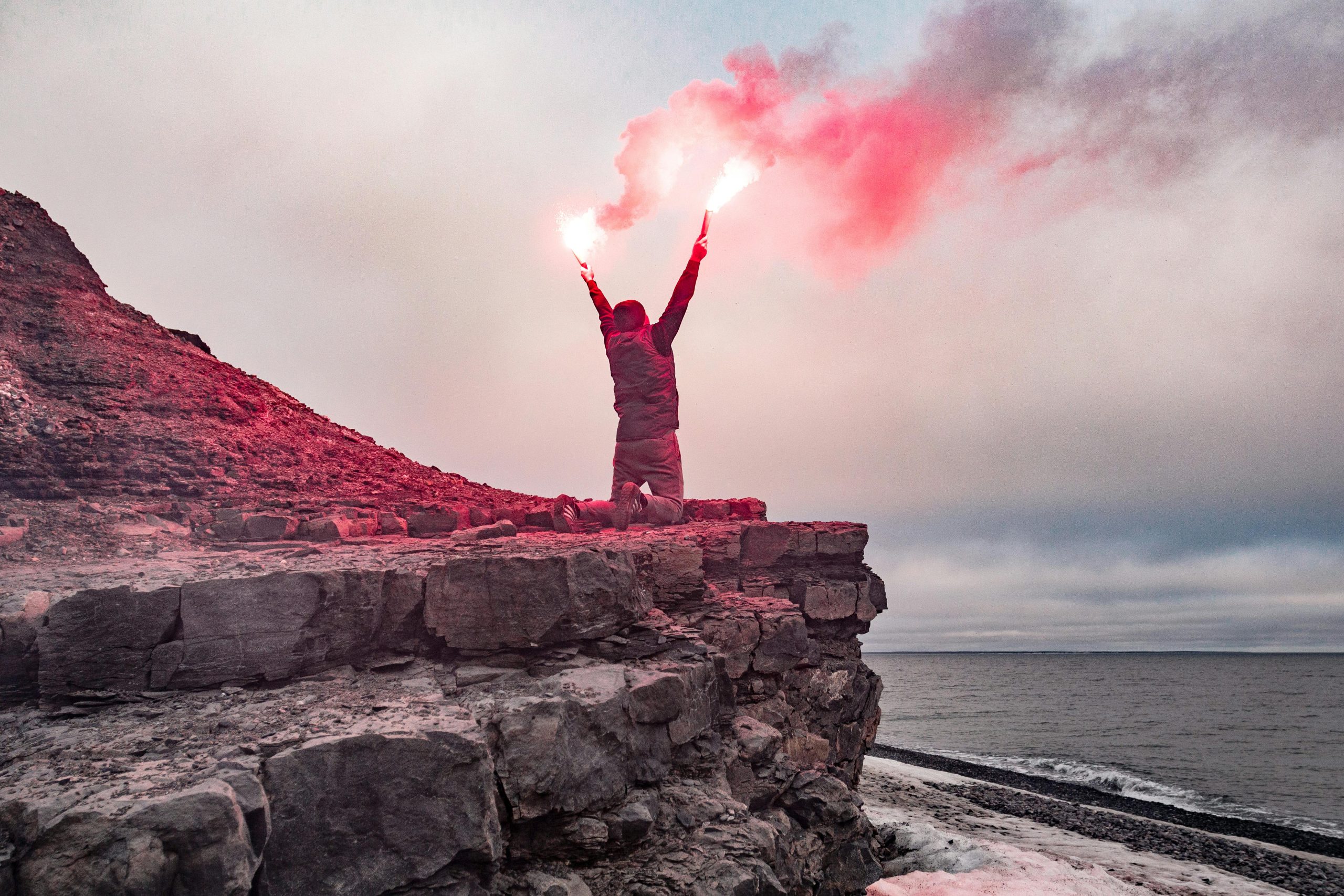
Many lost hikers wait quietly, hoping someone will find them, but rescue teams say clear signals can reduce search time by more than 60 percent. A whistle can be heard from over 1 mile away, while shouting usually cannot travel more than a few hundred feet. Three short whistle blasts are the universal distress signal. Bright colored cloth, mirrors, or flashlights can also attract attention from aircraft. At night, a small fire can be seen from long distances. Carrying simple signaling tools that weigh less than 100 grams can make a huge difference when rescue teams are searching in large wilderness areas.
6. Managing Energy and Avoiding Panic
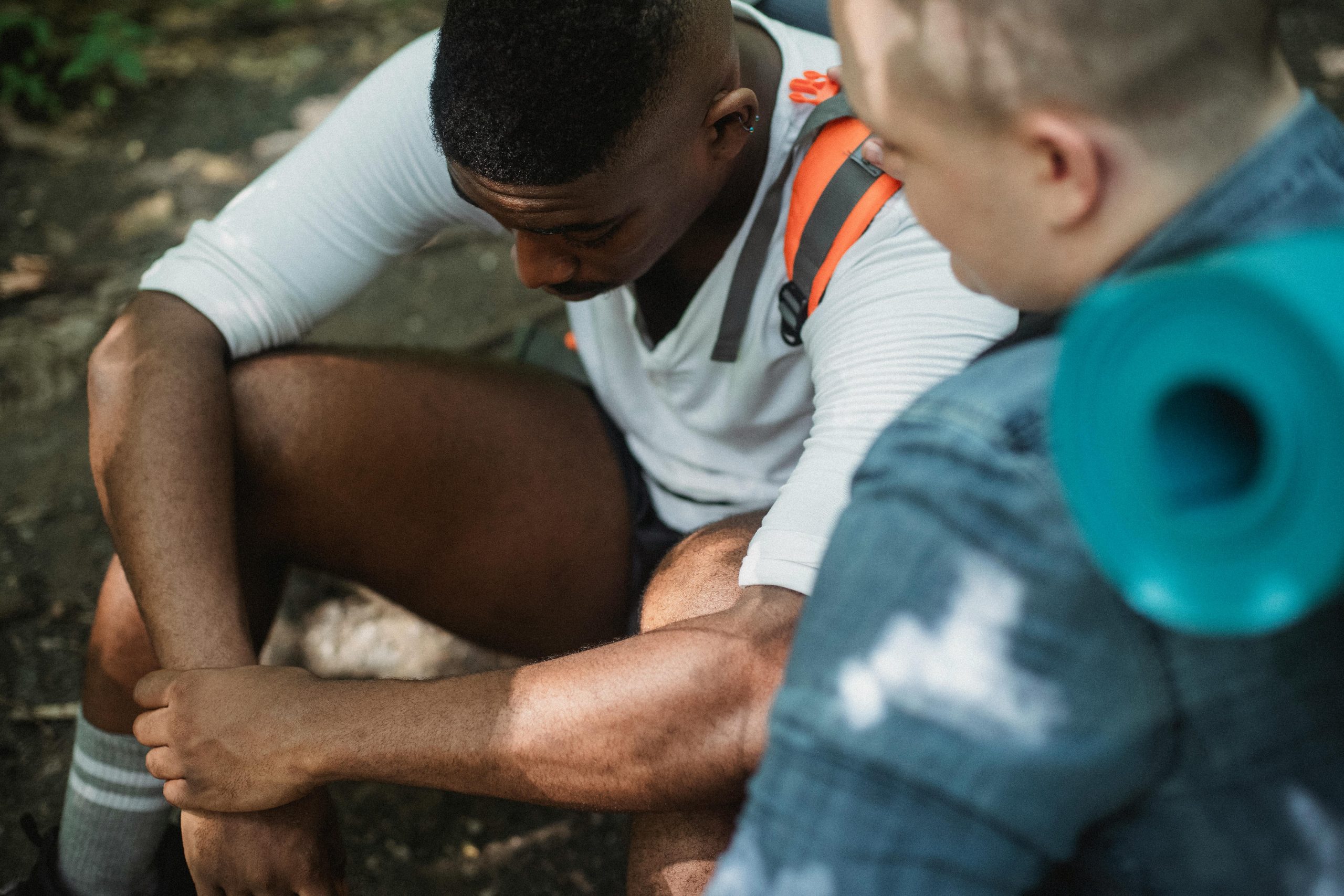
In survival situations, panic causes people to make poor decisions and waste energy. Studies of rescue cases show that many beginners walk more than 10 miles in the wrong direction during the first day because they feel pressure to keep moving. The human body burns around 300 to 500 calories per hour while hiking, which quickly leads to exhaustion without enough food. Experts recommend stopping, resting, and making a plan instead of moving without direction. Staying calm helps you think clearly, conserve strength, and make better choices that increase the chance of being found.
7. Basic First Aid Knowledge
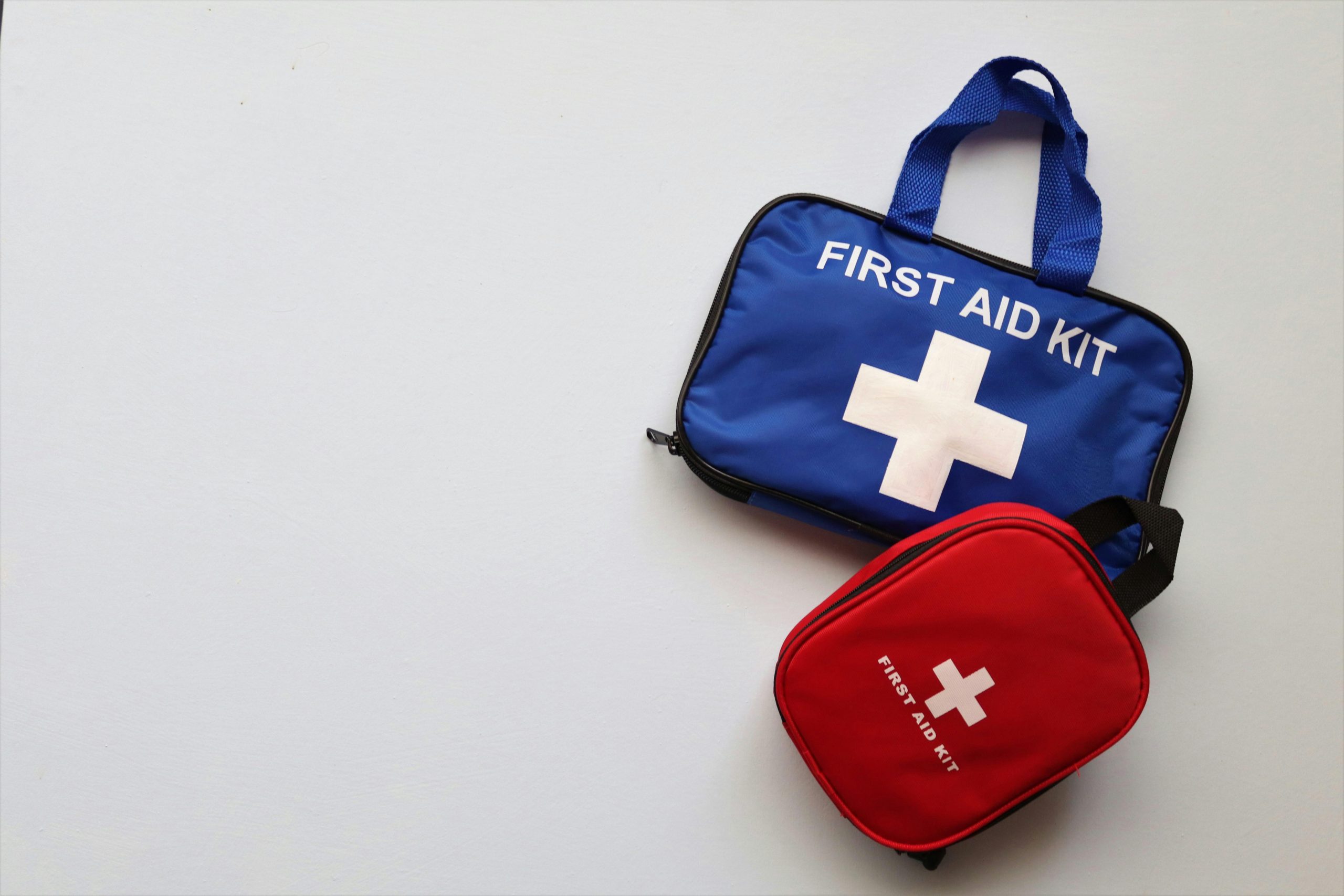
Small injuries become serious problems in the wilderness if they are not treated early. A simple cut can become infected within 24 hours, especially in dirty conditions. Sprains and blisters are also common, and they can make walking very difficult. A basic first aid kit should include bandages, antiseptic wipes, pain relief tablets, and tape, all weighing less than 200 grams. Knowing how to clean a wound, wrap an ankle, or stop bleeding is more important than carrying expensive gear. Many rescue reports show that people needed help not because of major accidents, but because minor injuries were ignored.
8. Understanding Weather Changes
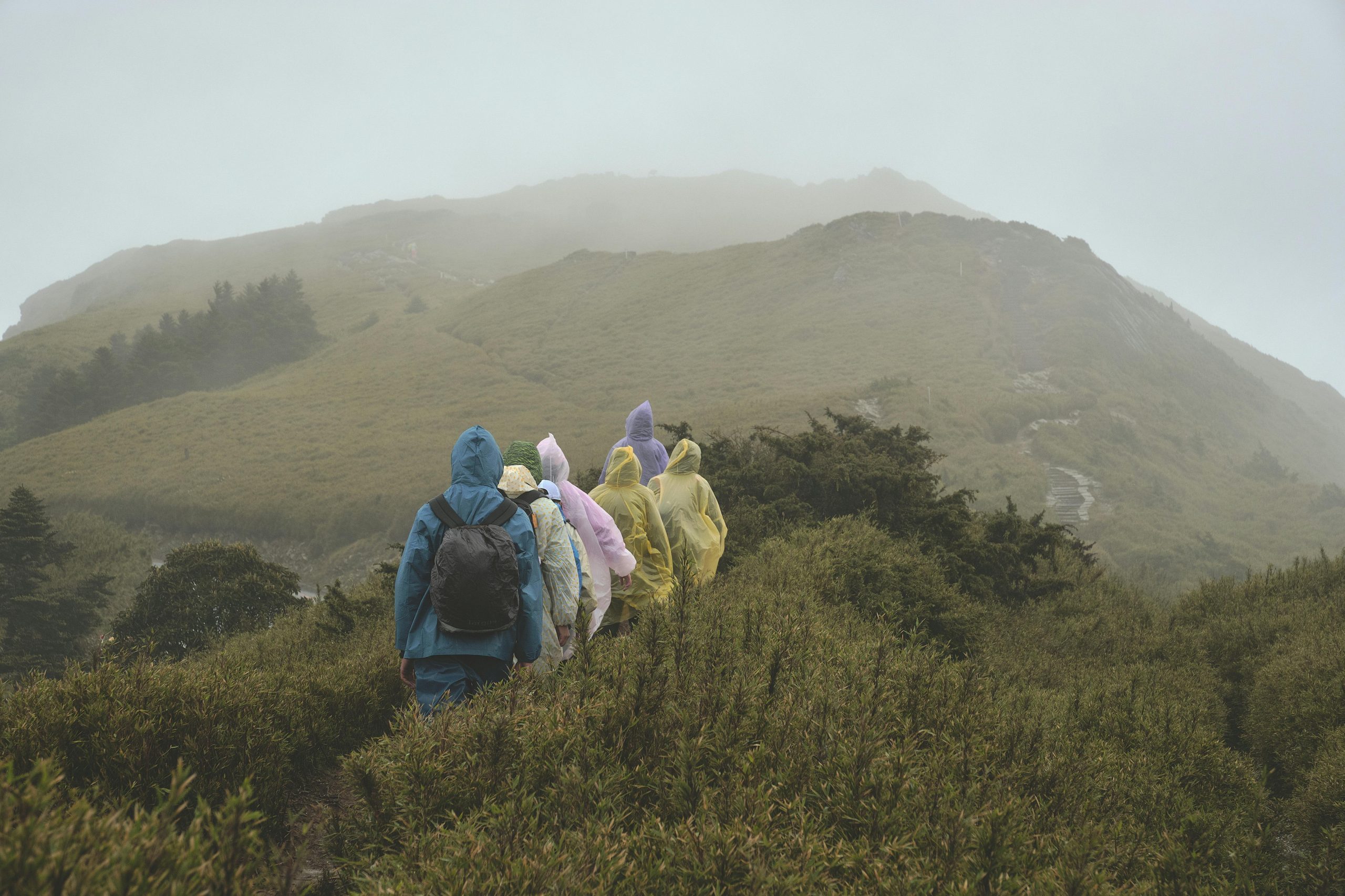
The weather in the wilderness can change faster than beginners expect. In mountain areas, the temperature can drop 20°F within a few hours, and storms can arrive without warning. Many survival situations begin because people wear light clothing and are not prepared for cold wind or rain. Checking forecasts before a trip helps, but conditions can still change. Experts suggest always carrying one extra warm layer, even if the day feels hot. Clothing that keeps you dry can prevent hypothermia and fatigue. Learning to watch the sky, wind, and temperature helps you react early instead of being surprised by dangerous weather.