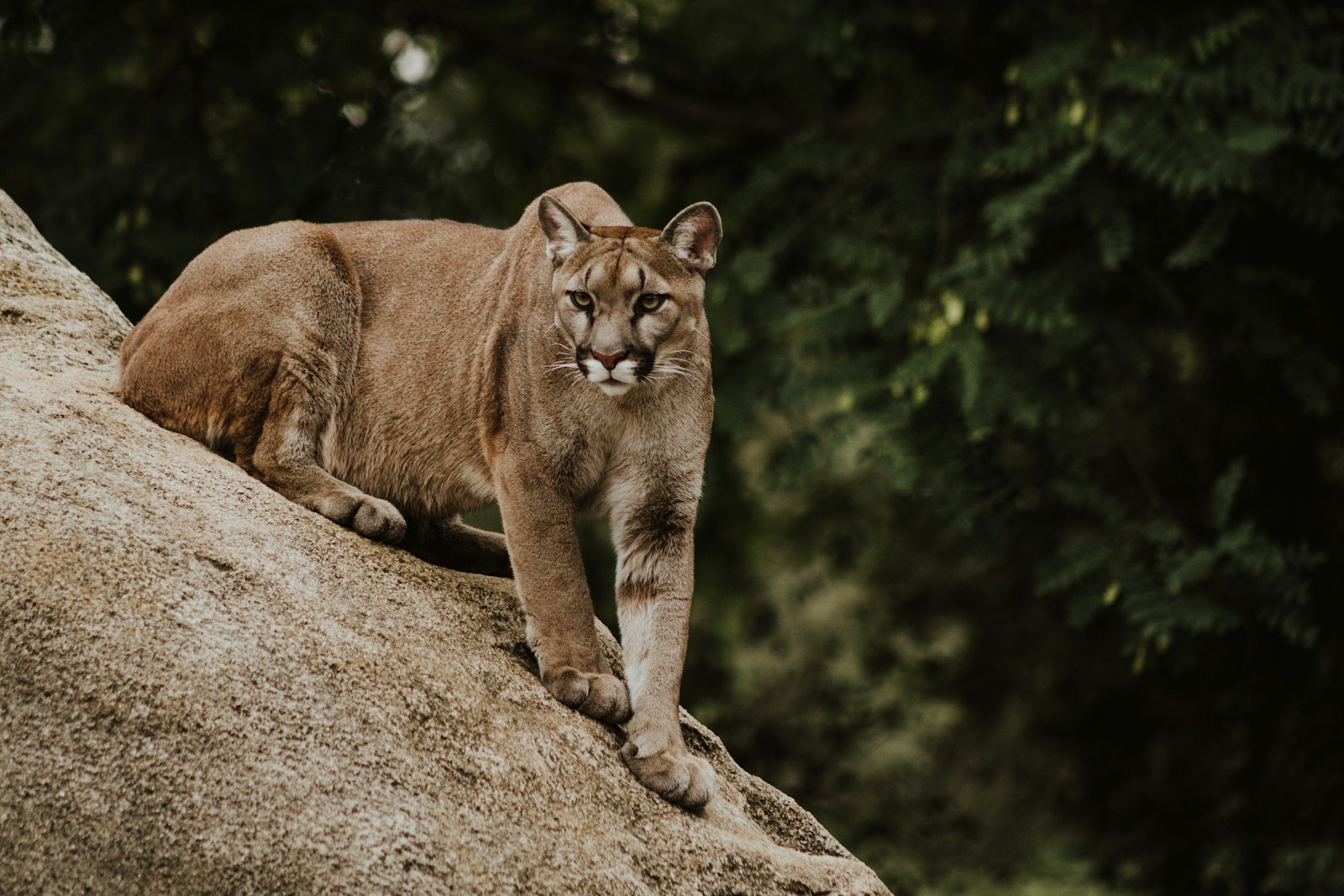
Wildlife enthusiasts constantly wonder where big cats roam, and these 15 U.S. states are home to mountain lions today. Spotting one of these elusive predators remains an incredibly rare and thrilling experience for anyone exploring the great outdoors. These majestic animals require massive territories and abundant prey to survive in modern natural environments. As human development expands into wild areas, understanding their geographic distribution becomes increasingly important for responsible conservation efforts. Learning about their specific regional habitats helps communities coexist safely alongside these magnificent, stealthy hunters. Wildlife experts continuously monitor their movements to ensure perfectly stable population numbers nationwide.
California
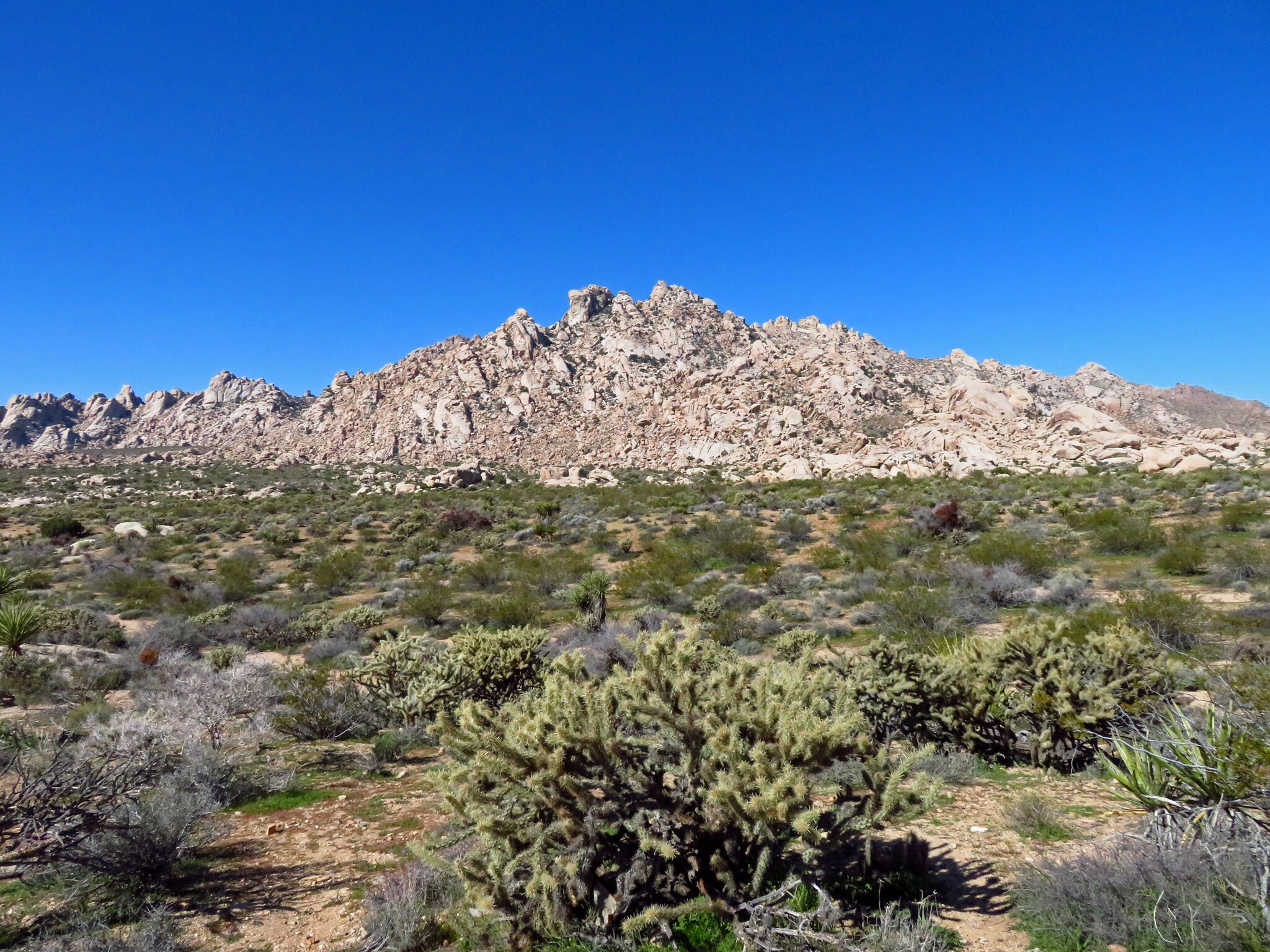
California hosts one of the largest and most carefully studied big cat populations anywhere in the country. The diverse landscape offers everything from coastal mountain ranges to deeply forested northern environments. These adaptable predators thrive throughout the state by hunting abundant local deer populations hidden within dense thickets. State laws completely protect these animals from recreational hunting and prioritize nonlethal management strategies instead. Residents living near canyon edges frequently capture fascinating security camera footage showing the quiet animals wandering through suburban backyards at midnight. Preserving dedicated wildlife corridors remains absolutely vital for maintaining genetic diversity among these isolated regional groups.
Colorado
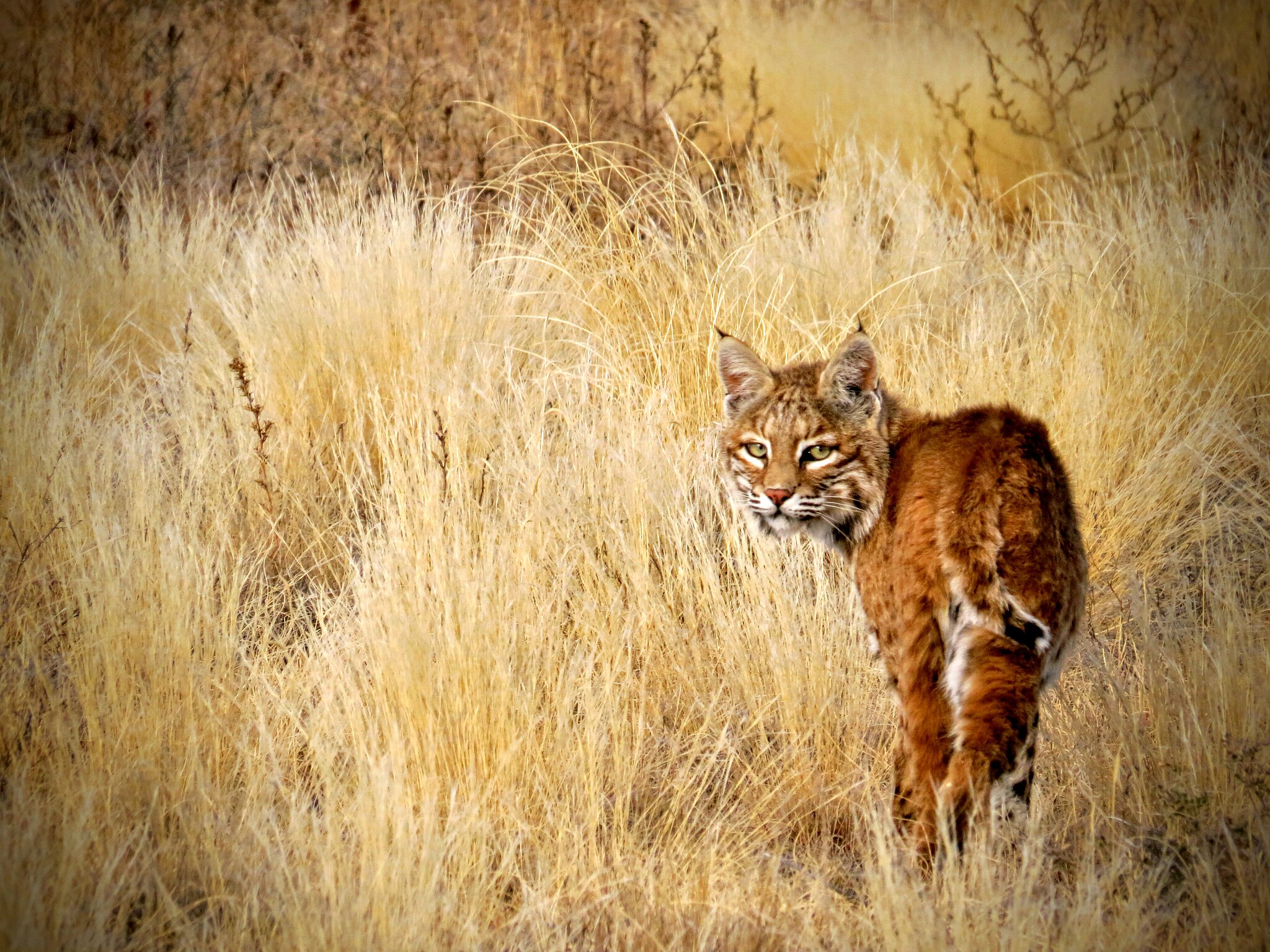
The spectacular rocky elevations found throughout Colorado provide an incredibly perfect natural habitat for stealthy feline predators. Abundant elk herds and mule deer supply a consistent dietary foundation for these powerful hunters navigating the treacherous alpine terrain. State wildlife officials constantly monitor population densities to prevent unfortunate conflicts between wild animals and growing mountain communities. Hikers exploring the beautiful backcountry trails occasionally discover fresh paw prints pressed deeply into muddy creek banks. Maintaining secure fencing around livestock pens helps rural farmers protect their valuable domestic animals from sudden nocturnal attacks effectively. This state clearly treasures its rich biological heritage.
Washington
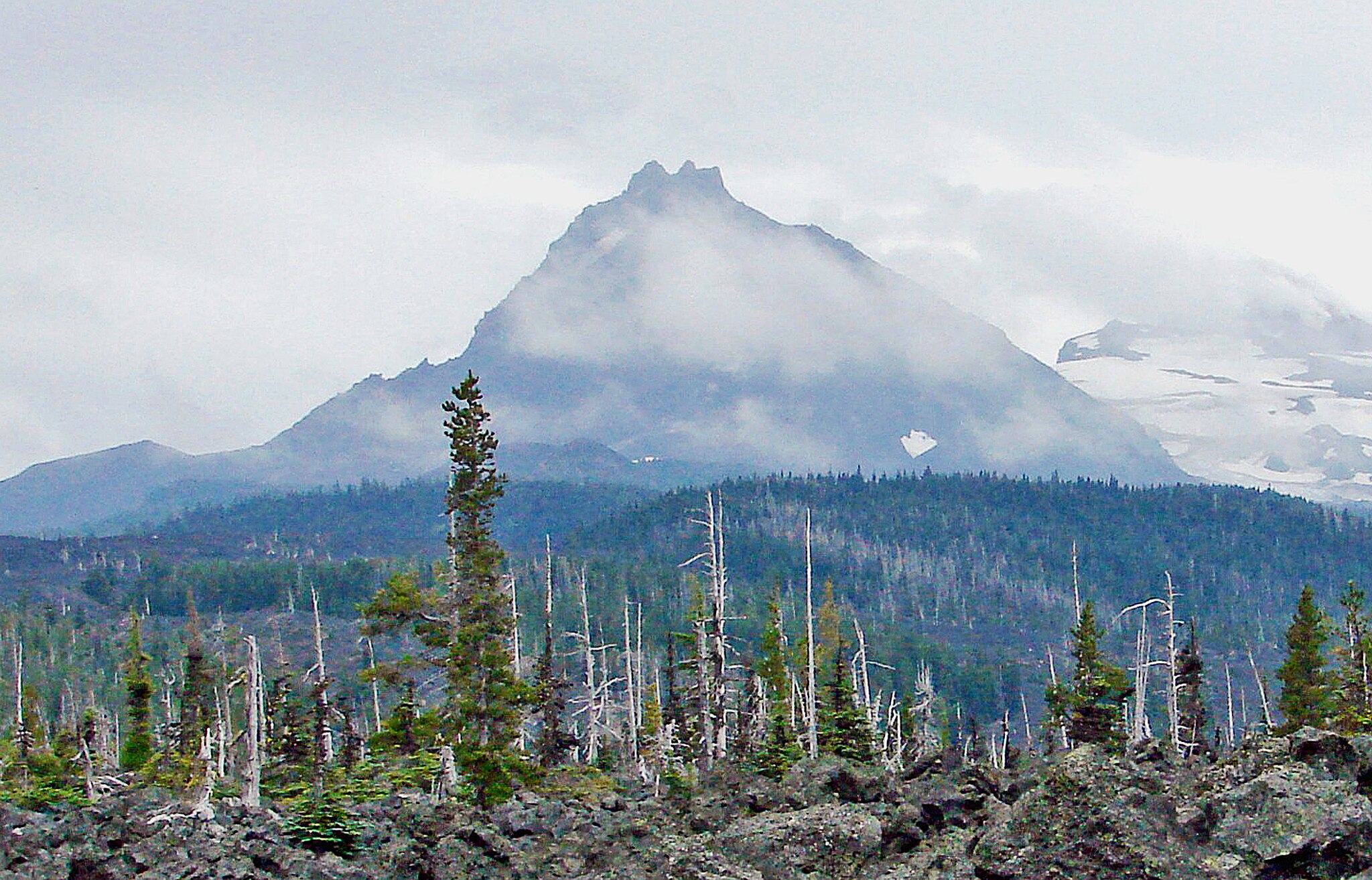
Thick evergreen forests blanketing Washington grant incredible camouflage for these highly elusive big cats. The dense underbrush perfectly conceals their movements while they silently stalk unsuspecting prey across the damp forest floor. The Cascade Mountain Range serves as a critical geographic stronghold for supporting healthy and stable feline numbers. Biologists diligently track collared individuals to learn exactly how they navigate intersecting logging roads and massive highway systems safely. Public education campaigns heavily emphasize responsible outdoor recreation practices to minimize any dangerous encounters during peak summer camping seasons. These beautiful cats remain an essential part of the spectacular regional ecosystem.
Oregon
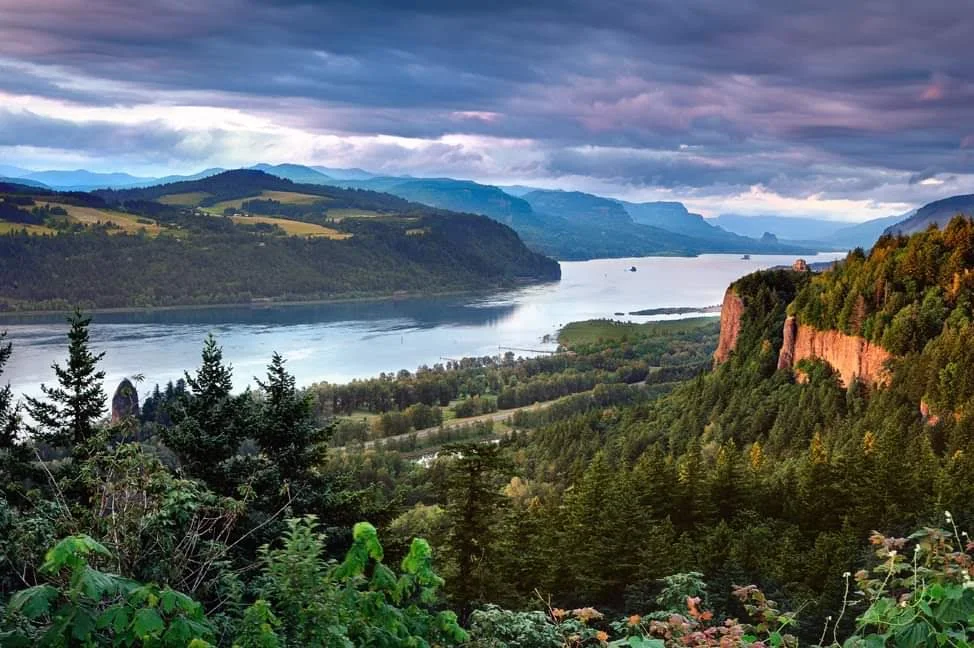
Vast stretches of untouched wilderness make Oregon a premier stronghold for flourishing big cat populations. The animals heavily utilize the extensive river valleys to quietly traverse between separate mountain ranges without attracting unwanted human attention. Wildlife managers estimate thousands of healthy adults currently roam across the diverse eastern deserts and lush western timberlands. Spotting their distinctive long tails disappearing into thick blackberry bushes provides an unforgettable thrill for lucky hikers. Conservation programs actively focus on maintaining interconnected green spaces so young cats can successfully establish new territories. Their continuous presence signals an incredibly balanced and wonderfully vibrant natural environment.
Utah
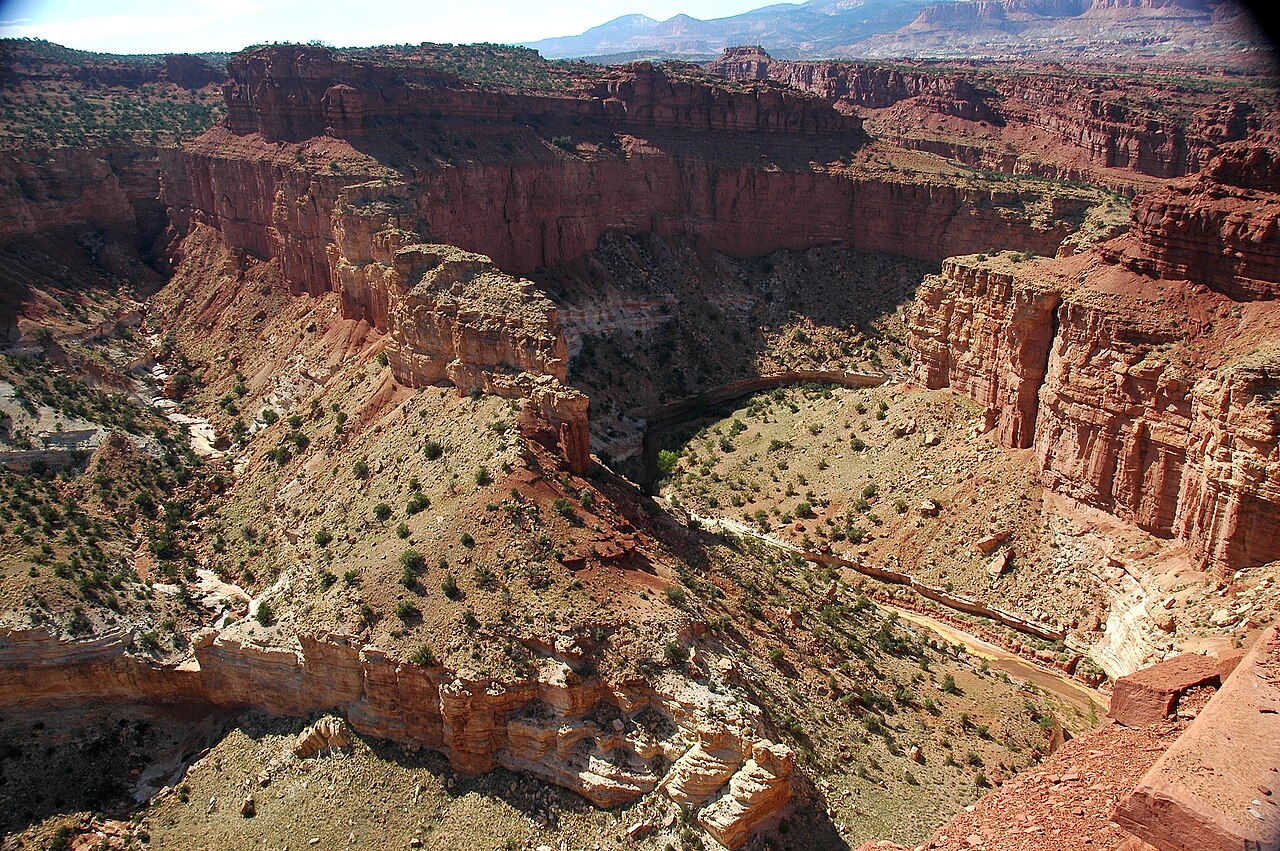
The dramatic red rock canyons of Utah perfectly disguise these powerful felines during their demanding daily hunts. The steep sandstone cliffs provide incredibly secure den locations for raising highly vulnerable young kittens safely. Wildlife biologists monitor specific tracking collars to gather precise data regarding their extensive seasonal migration routes. Encountering a fresh kill hidden beneath desert scrub brush serves as a startling reminder that top predators constantly patrol the surrounding wilderness. Ranchers collaborate wonderfully with state agencies to implement effective preventative measures against costly livestock depredation. Utah remains a spectacular destination for studying these magnificent predators closely.
Idaho
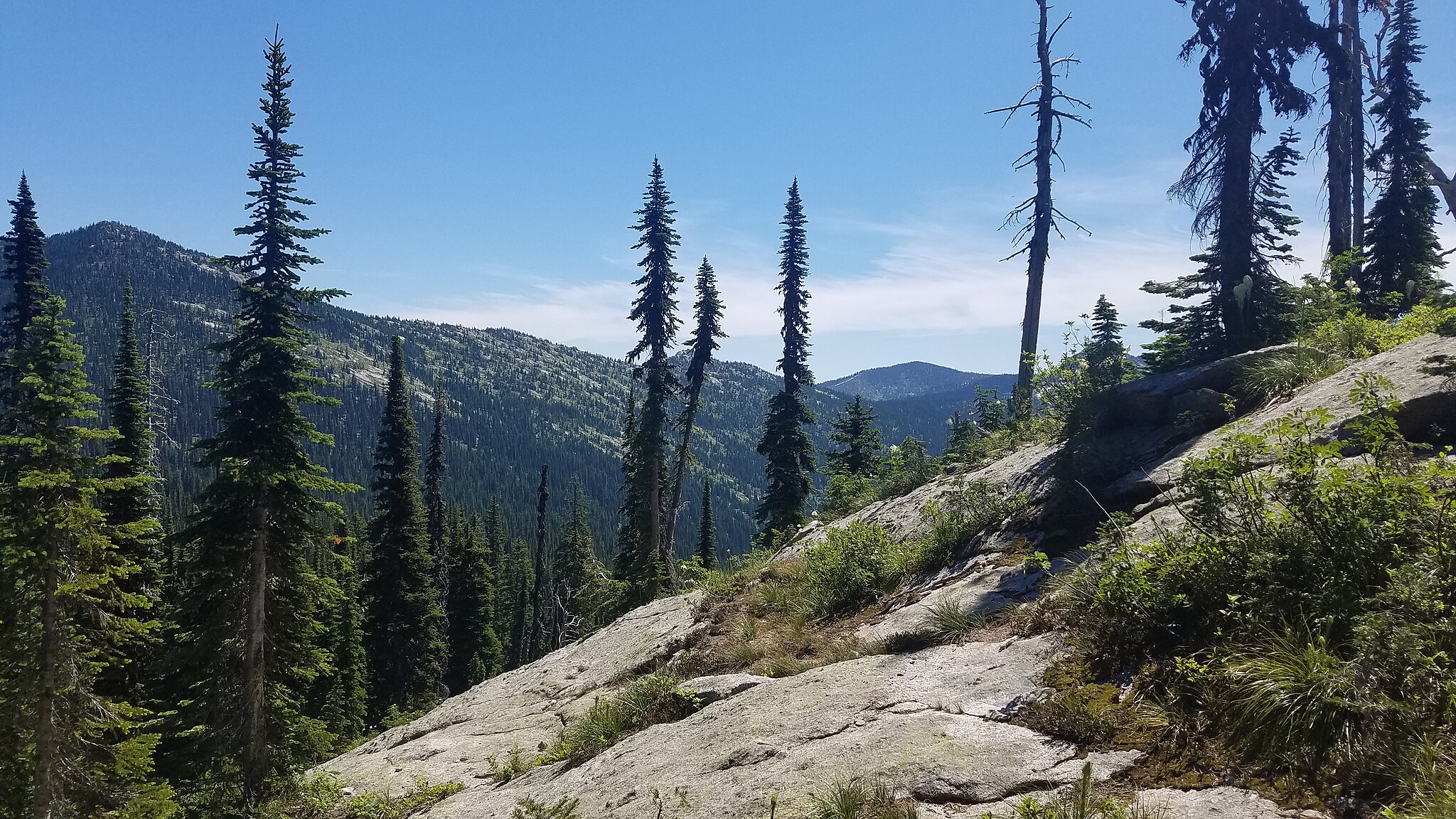
Idaho boasts immensely rugged terrain, completely capable of supporting extremely large apex predator populations comfortably year-round. The jagged Sawtooth mountains offer unmatched geographical isolation where these secretive animals can hunt completely undisturbed by human noise. The local environment sustains enormous numbers of native ungulates, which provide critical calories during brutally cold winter months. State hunting regulations maintain incredibly strict quota systems to ensure the biological stability of the species remains completely unthreatened. Finding their massive tracks pressed firmly into fresh morning snow consistently delights adventurous winter campers exploring the vast public lands available across this majestic wilderness territory.
Montana
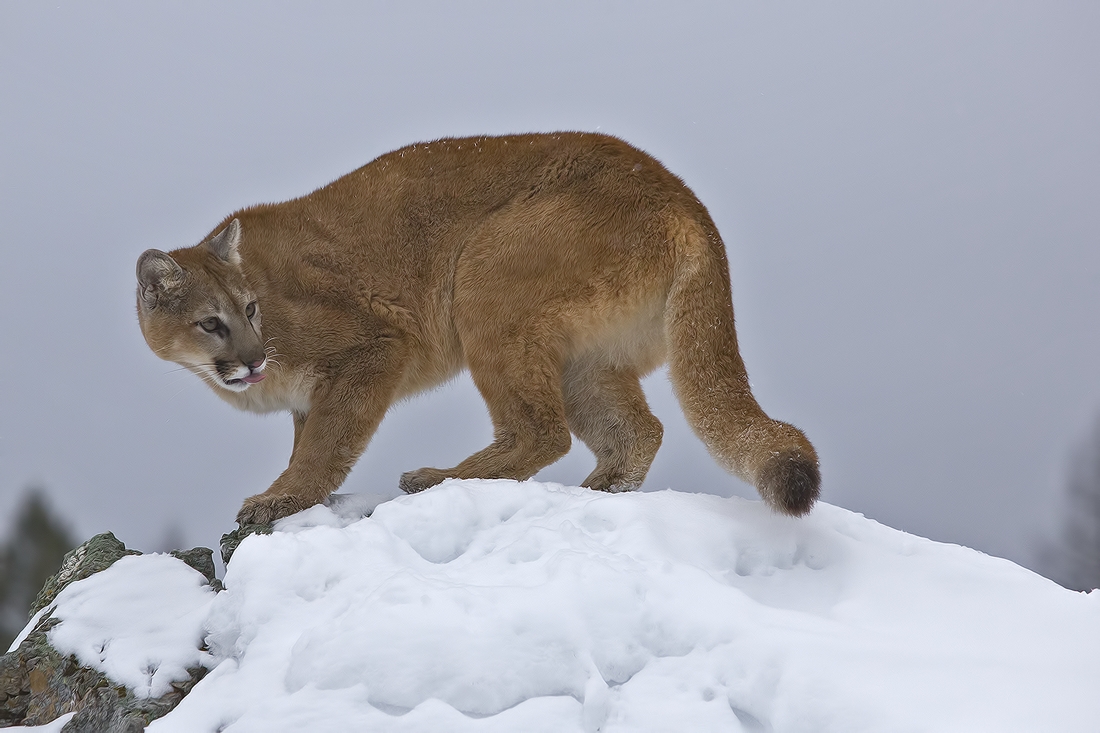
The breathtaking expanse of Montana provides absolutely perfect roaming territory for deeply secretive wildlife populations today. Wide open valleys surrounded by sharply towering peaks give these formidable cats endless opportunities for successful ambush hunting. The pristine rivers flowing through Glacier National Park attract thirsty game animals directly toward patiently waiting predators hiding nearby. Residents proudly embrace their unique role as careful stewards of this incredibly untamed and beautifully dangerous natural ecosystem. Thorough scientific studies conducted across the sprawling state confirm that the local feline population remains exceptionally robust and remarkably healthy despite slowly encroaching modern residential property development projects.
Wyoming
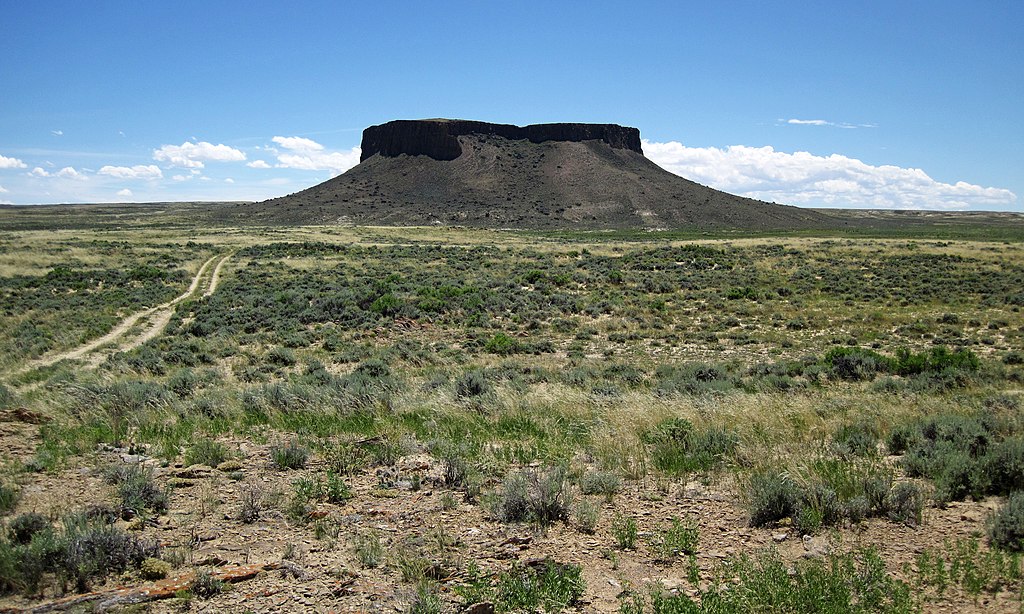
Yellowstone boundaries cannot contain the immense biological diversity thriving brilliantly throughout the entire state of Wyoming. The rugged topography naturally supports huge populations of native prey necessary for maintaining healthy predator communities year after year. These solitary cats frequently navigate incredibly steep ravines that remain entirely inaccessible to normal human recreational hikers. The unforgiving winter conditions actually benefit these highly skilled hunters by effectively slowing down their exhausted hooved prey significantly. Professional outfitters carefully guide wealthy tourists through these remote regions while maintaining deep respect for the incredible stealth and raw physical power these magnificent animals possess internally.
Nevada
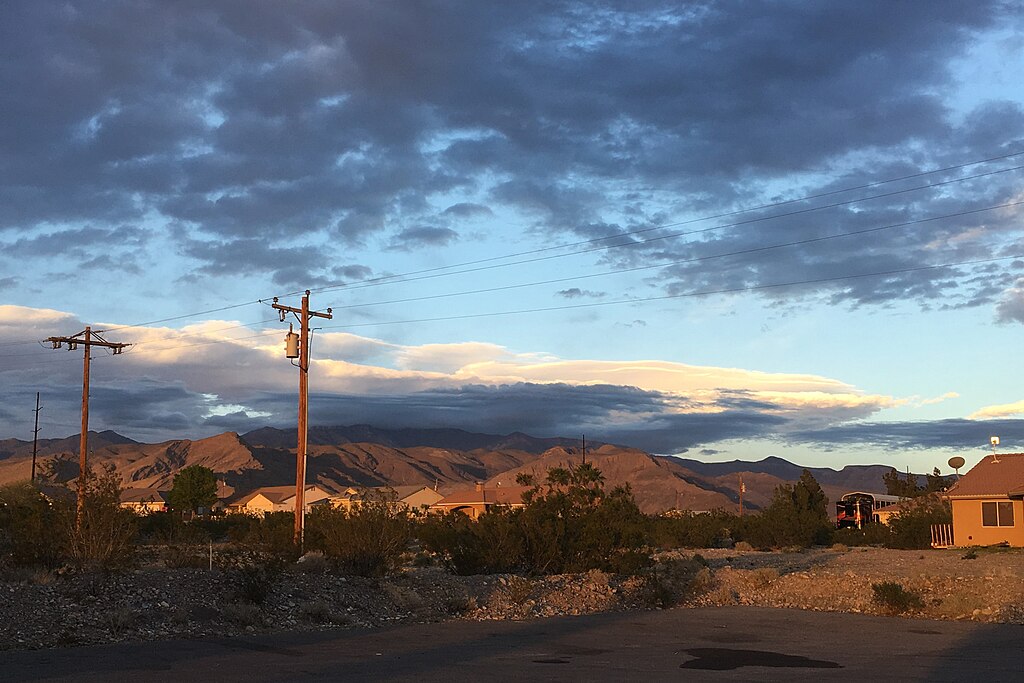
Nevada features remarkably desolate landscapes that initially seem completely incapable of supporting such massive and demanding carnivores. However, the scattered mountain ranges rising abruptly from dry valley floors create perfect isolated habitats for these resilient cats. They cleverly utilize shaded canyons to escape blistering afternoon temperatures before resuming their exhausting nocturnal hunting routines. Bighorn sheep navigating precarious rocky ledges often fall victim to sudden lightning-fast ambushes launched from above. Biologists continuously marvel at how successfully these animals adapt their survival strategies to overcome the extreme environmental challenges presented by this notoriously harsh and unforgiving desert terrain.
Arizona
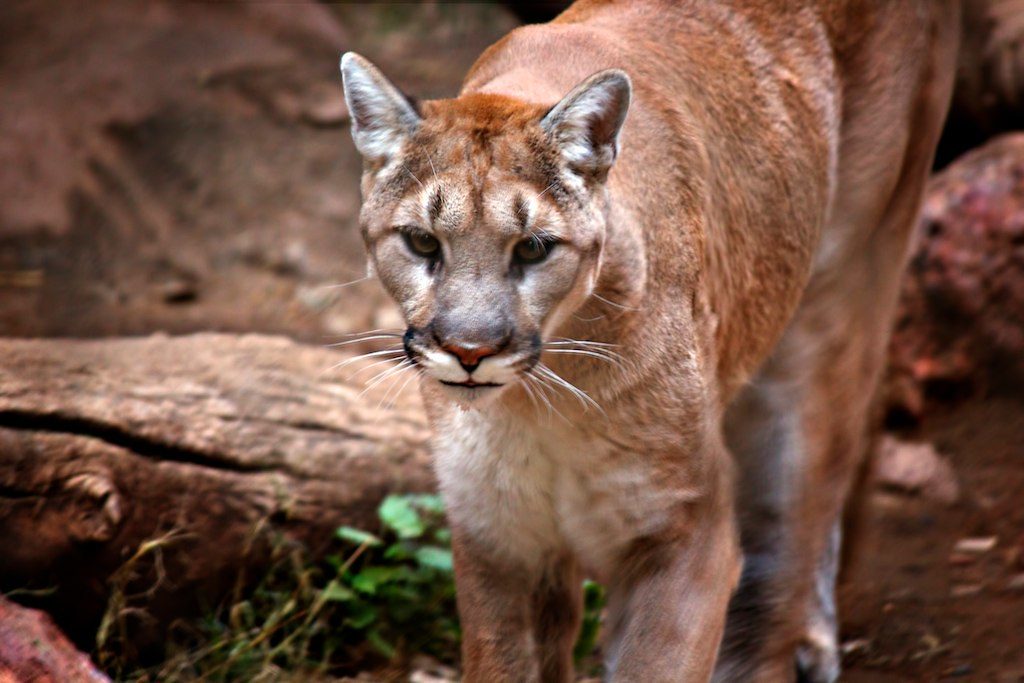
The striking desert landscapes of Arizona offer remarkably diverse ecosystems capable of hiding impressive numbers of big cats. They frequently hunt across the high elevation pine forests surrounding Flagstaff before descending into warmer scrub brush during brutally cold winter storms. The legendary Grand Canyon provides an incredibly massive and totally secure natural fortress where human interference remains absolutely minimal. Nocturnal infrared cameras frequently capture their glowing eyes staring back from dark suburban golf courses bordering open wilderness areas. The state aggressively promotes crucial safety guidelines, ensuring new residents understand exactly how to handle unexpected backyard feline encounters safely.
New Mexico
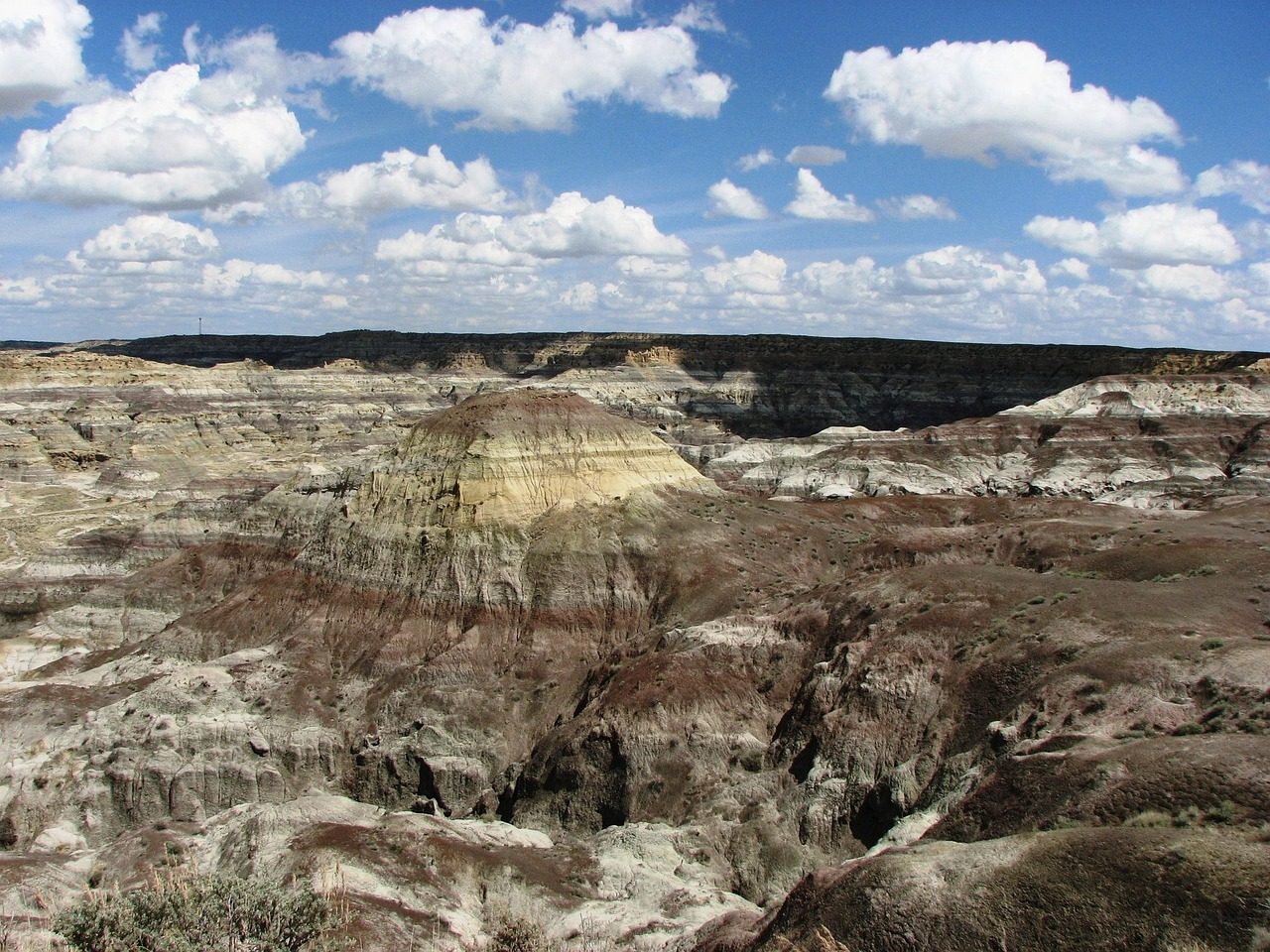
Rugged mountains stretching across New Mexico create an absolute paradise for thriving populations of these intensely private predators. The deeply cracked desert floor and scattered piñon pines offer fantastic concealment for stealthy ambushes near precious watering holes. Local ranchers completely understand the significant risks associated with grazing valuable sheep near known feline den locations. State game wardens successfully employ highly trained hound dogs to safely tree problem animals for quick relocation rather than unnecessary extermination. This beautiful southwestern territory perfectly showcases how carefully managed wildlife conservation efforts actively preserve America’s most historically significant and deeply fascinating predatory species indefinitely.
Texas
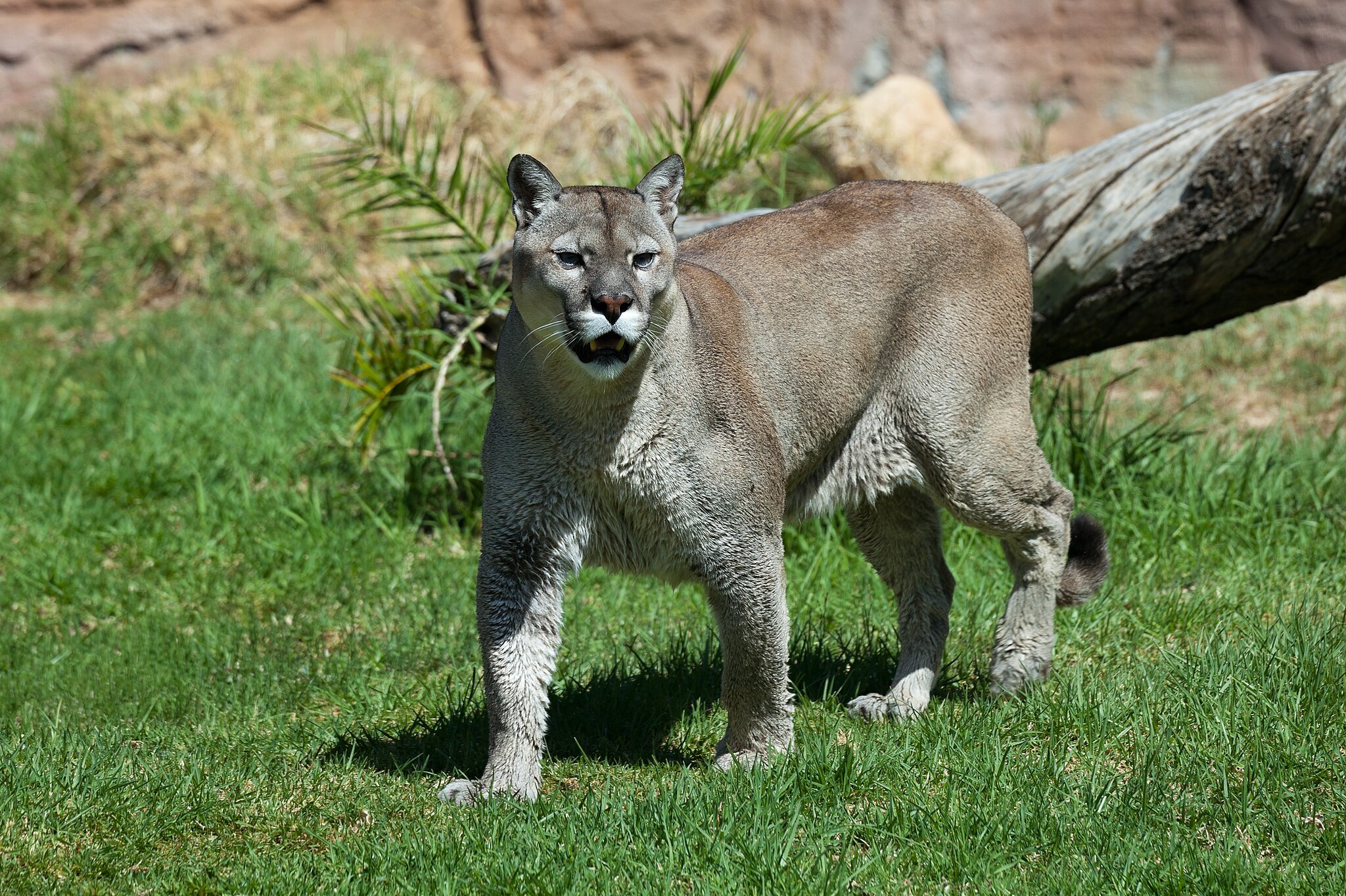
The incredibly massive geographical footprint of Texas provides ample room for expanding mountain lion territories today. The remote Trans Pecos region specifically hosts the largest continuous population roaming throughout the lonely western desert landscape. These highly adaptable predators occasionally wander much further eastward into densely populated hill country following migrating deer herds. Biologists strongly encourage local landowners to report any confirmed sightings to help maintain accurate population mapping databases. The fierce independence characterizing this sprawling state beautifully mirrors the profoundly solitary and wonderfully stubborn nature possessed by these magnificent native wild cats wandering through thick southern brush.
South Dakota
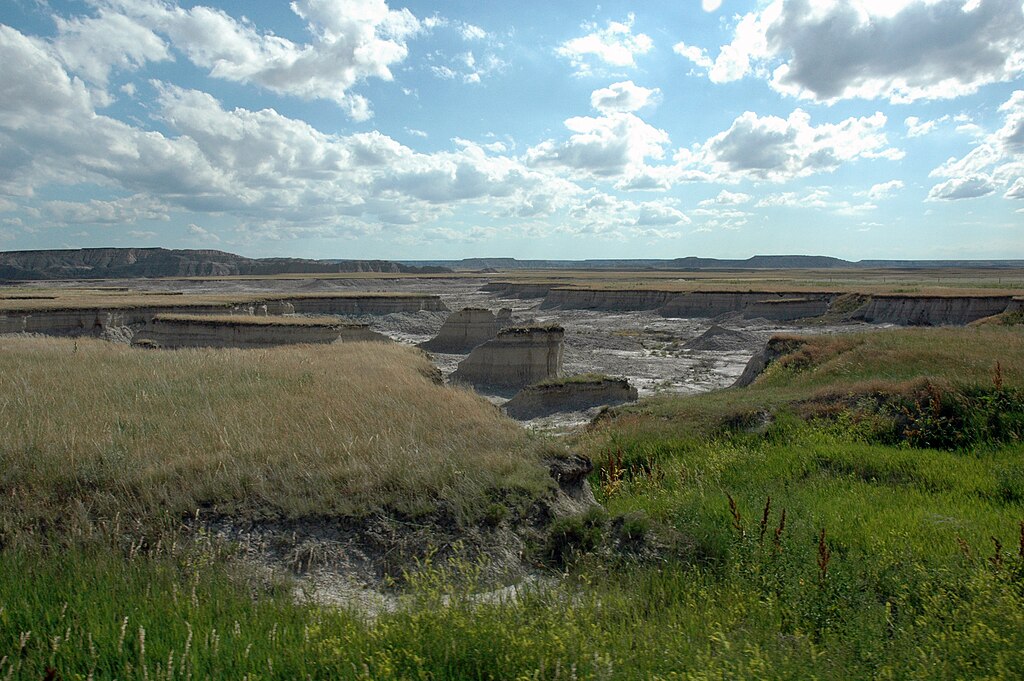
The heavily forested Black Hills of South Dakota maintain a surprisingly robust and fully independent feline population. This isolated geographical oasis, surrounded by flat grassy prairies, provides an incredibly rich hunting environment filled with completely unaware whitetail deer. The animals rarely venture outward into the barren farmlands because the protective timber offers unmatched security and reliable water sources. State wildlife agencies heavily regulate hunting seasons to prevent the fragile local population from dropping below sustainable reproductive levels. Tourists driving scenic mountain loops occasionally spot these tawny ghosts slipping silently across the dark asphalt before vanishing instantly.
North Dakota
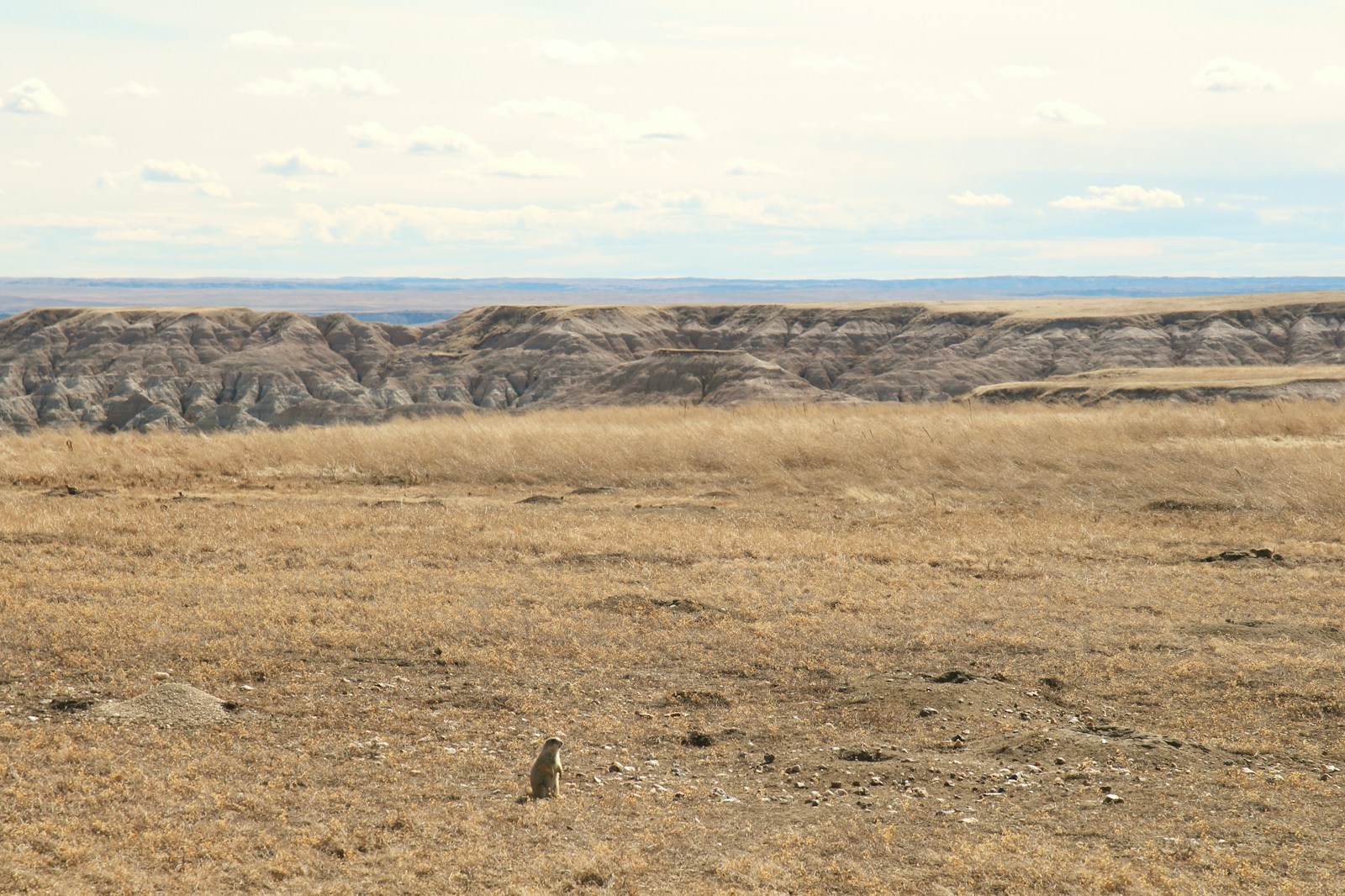
The rugged badlands of North Dakota cleverly hide a small but wonderfully persistent group of resilient apex predators today. Deeply eroded ravines and twisting clay canyons supply exceptional ambush points for capturing unwary mule deer wandering through the harsh terrain. This challenging environment forces the incredibly tough cats to claim exceptionally massive territories just to locate sufficient daily calories. Biologists carefully monitor their gradual expansion toward the sprawling western river valleys using highly advanced tracking technology safely. Their continued survival proves that nature always finds completely unexpected ways to flourish within the most demanding and unforgiving American landscapes imaginable.
Florida
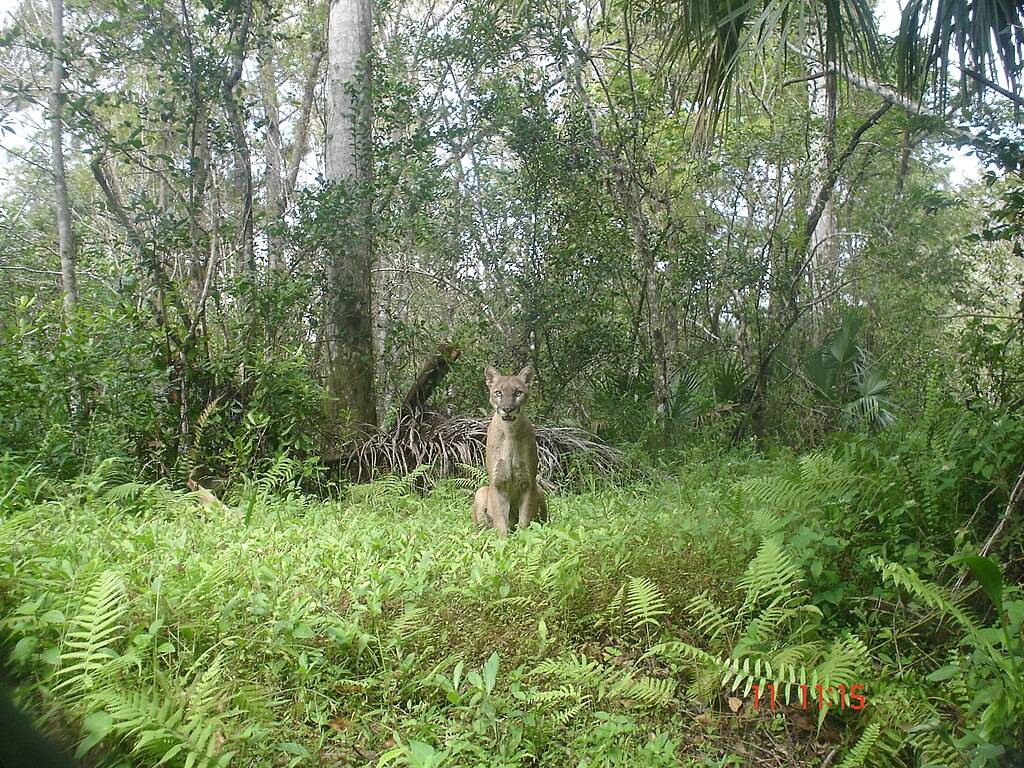
Florida maintains the only confirmed breeding population of wild panthers remaining anywhere east of the mighty Mississippi River. These deeply endangered cats roam exclusively through the humid southern swamps and incredibly dense pine flatwoods surrounding the massive Everglades region. Expanding suburban housing developments constantly threaten their severely limited natural habitat, while busy highways cause devastating vehicle collisions annually. Dedicated conservation organizations work tirelessly to construct specialized underground wildlife crossings beneath the most dangerous interstate roads. Preserving this incredibly unique genetic lineage requires tremendous ongoing funding and absolute commitment from passionate residents who genuinely adore these beautiful swamp predators.