Firearm catalogs change every year, but some removals happen so quietly that even dedicated enthusiasts barely notice until a familiar model suddenly disappears. Manufacturers rarely issue detailed explanations when this happens. A gun might vanish because of shifting market demand, production costs, legal considerations, or the introduction of a newer platform that fills the same role more efficiently. In other cases, early design problems, slow sales, or changes in company ownership quietly end a model’s life. None of this necessarily means the firearm was a failure. Many discontinued guns performed well and developed loyal followings among hunters, collectors, and everyday shooters. Still, once a firearm stops appearing in catalogs, speculation begins about the real reasons behind its disappearance.
1. Remington R51
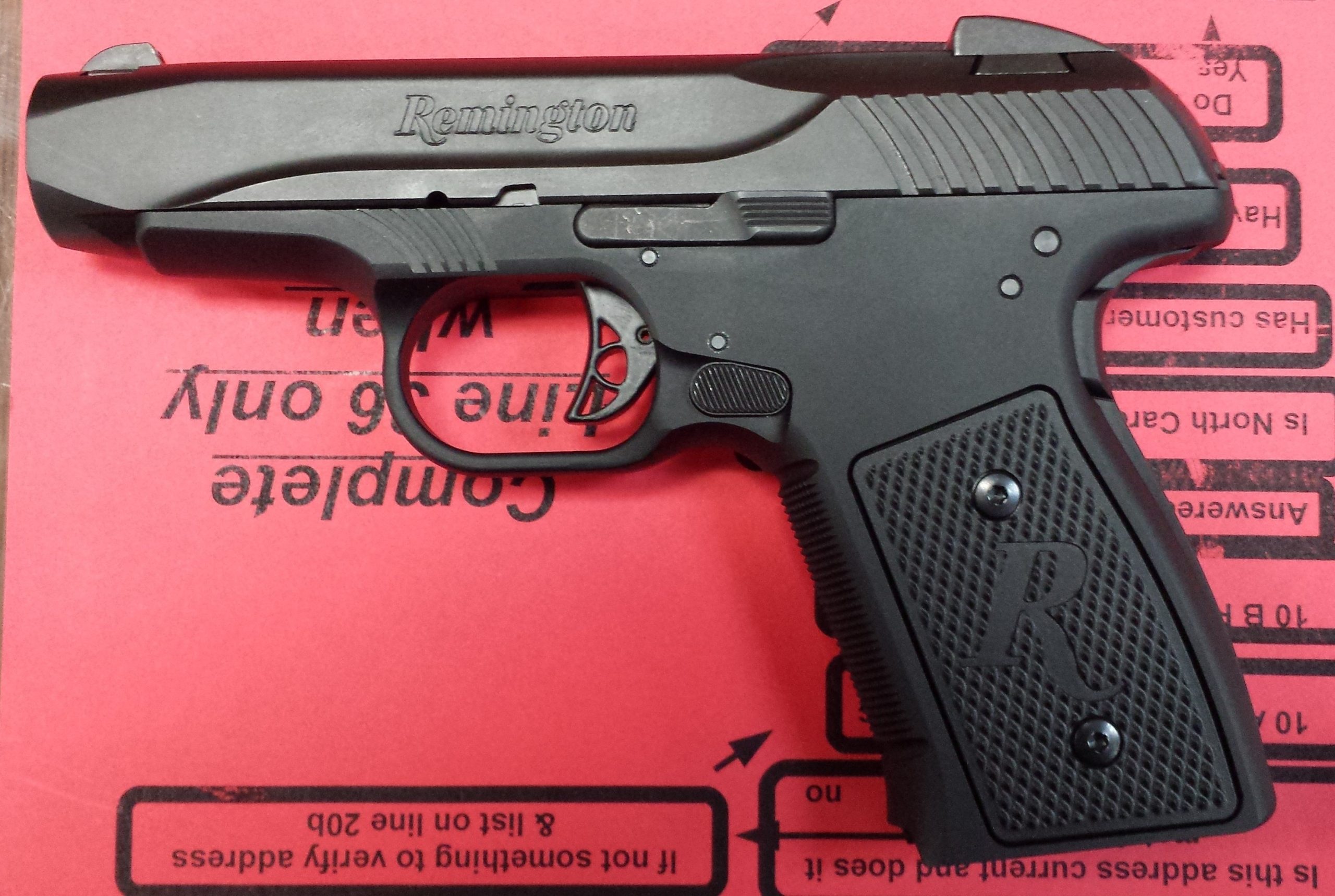
The modern Remington R51 was introduced in 2014 as a revival of a classic early-twentieth-century pistol designed by John Pedersen. Chambered in 9mm and built around the Pedersen hesitation-lock system, the design promised softer recoil and a slim profile suitable for concealed carry. Early marketing highlighted its historic lineage and comfortable ergonomics. However, the initial production run faced serious challenges. Some pistols showed machining issues and inconsistent feeding, prompting a large recall and factory rework program. Remington later reintroduced an updated version intended to correct those problems. While the design itself had innovative features and many shooters liked the grip angle and low bore axis, the troubled launch damaged consumer confidence.
2. Ruger SR9c
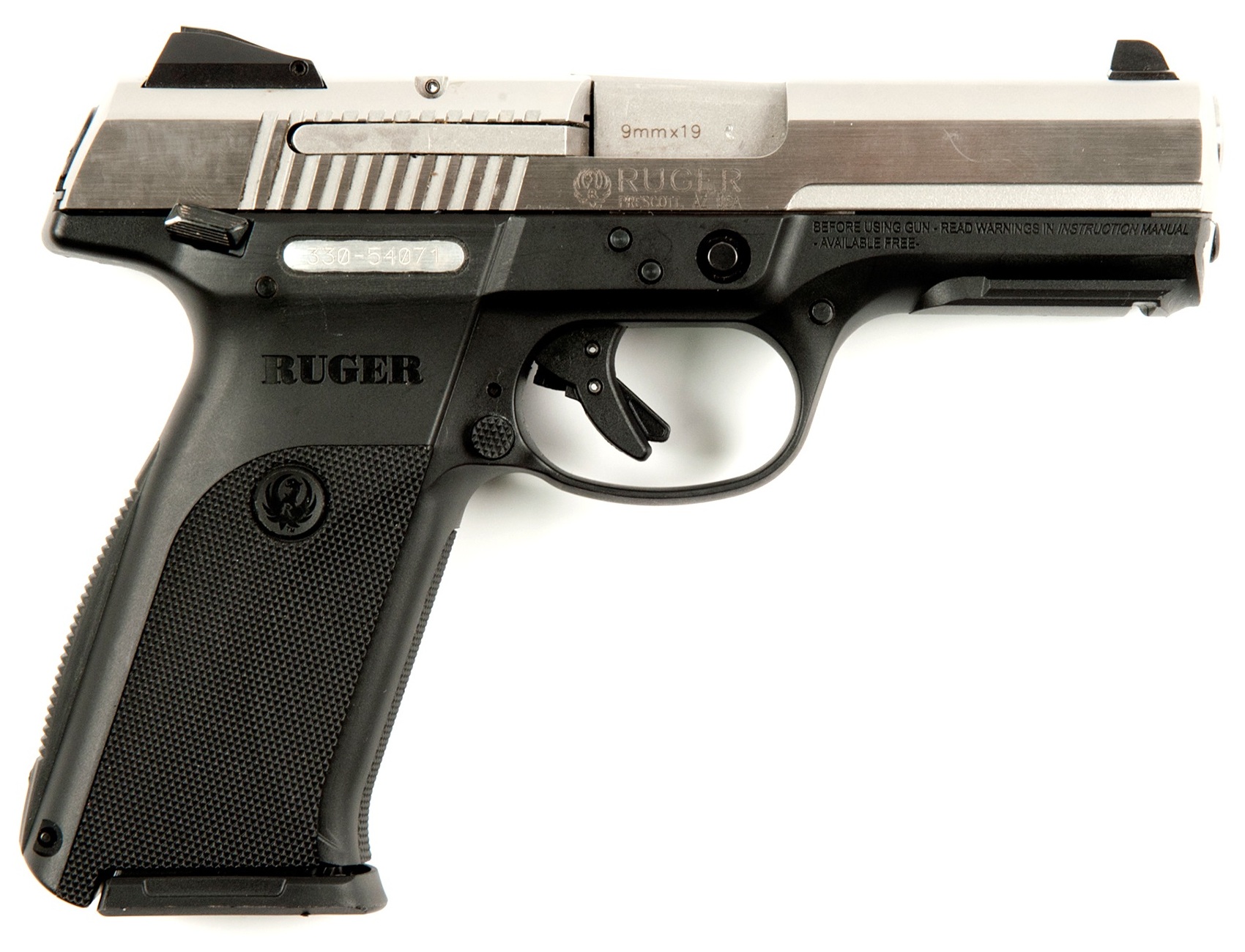
The Ruger SR9c was the compact version of Ruger’s SR-series striker-fired pistols. Chambered in 9mm and typically holding a 10-round flush magazine or extended 17-round option, it aimed to balance concealability with practical capacity. The pistol earned a reputation for good ergonomics, a slim grip profile, and a relatively crisp trigger compared with many striker-fired competitors of its time. For several years, it was a common choice for concealed-carry users who wanted a reliable and affordable handgun. Despite these strengths, the handgun market evolved quickly. Newer pistols began offering modular grip systems, optics-ready slides, and updated safety configurations. Ruger eventually shifted attention toward newer product lines that better matched these trends. Without a major announcement, the SR9c gradually disappeared from the company’s catalog as newer designs replaced its role.
3. Winchester Model 100
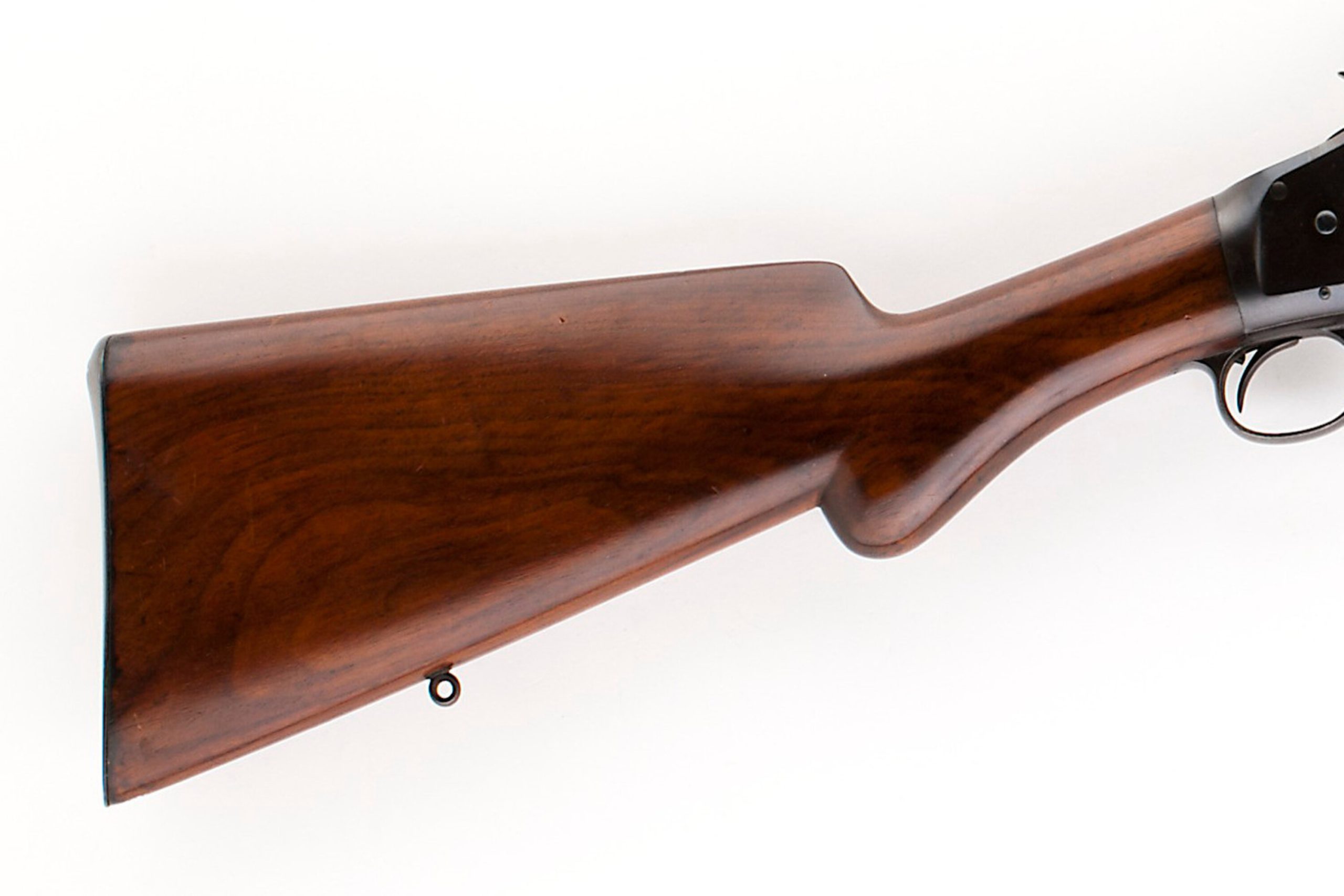
The Winchester Model 100 was a semi-automatic hunting rifle introduced in 1961. Chambered primarily in .243 Winchester and .308 Winchester, it offered hunters quick follow-up shots in a sleek sporting design that resembled a traditional rifle more than a military-style autoloader. The rifle gained popularity among deer hunters who appreciated its handling and accuracy in the field. However, its history included a widely known issue involving the firing pin design, which led to a recall program years after many rifles had already been sold. Although replacement parts addressed the concern, the model’s reputation became linked to that mechanical problem. Production eventually ended in the early 1970s as Winchester reorganized its product lineup.
4. Smith & Wesson Sigma
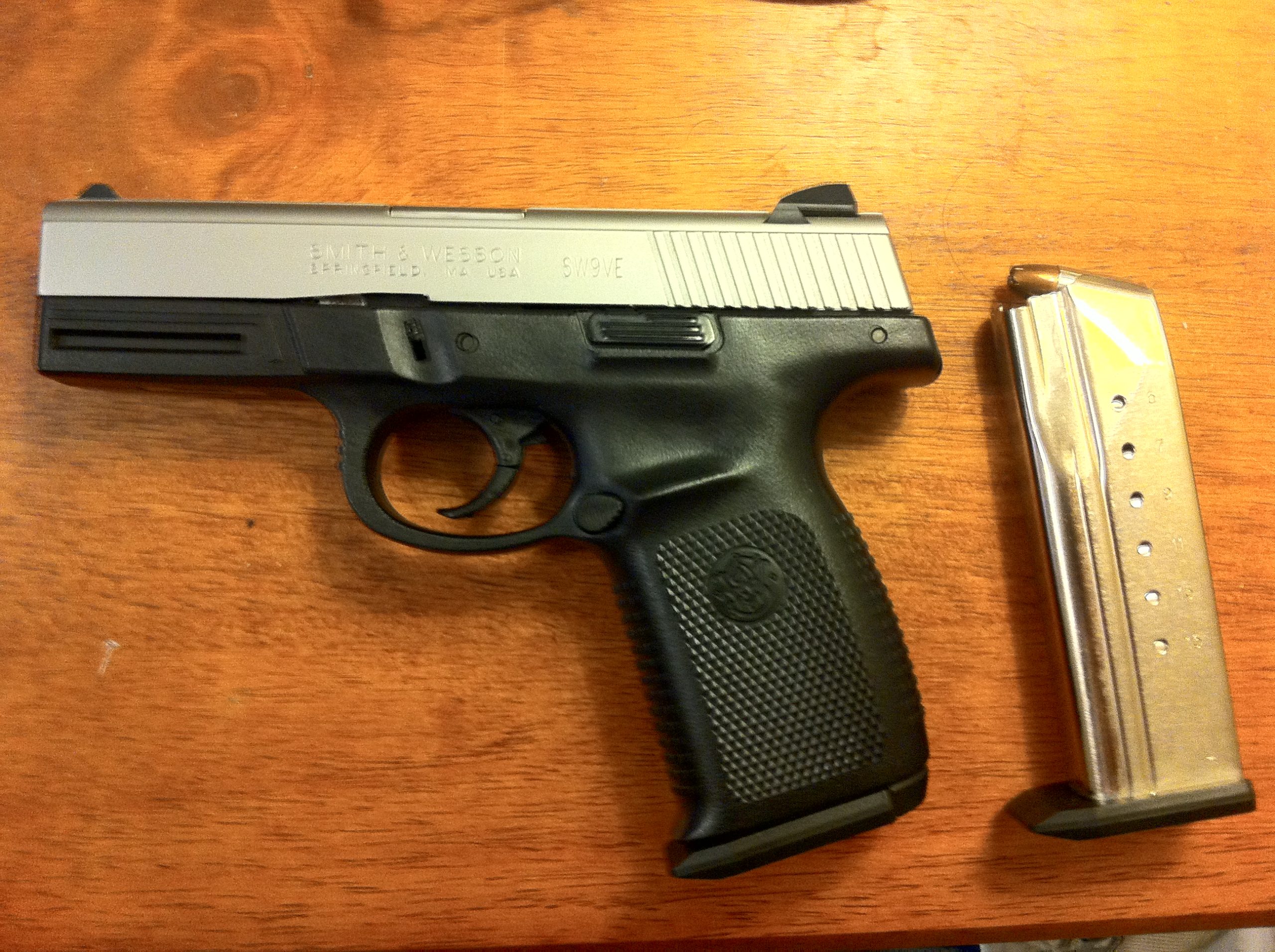
The Smith & Wesson Sigma series appeared in the mid-1990s as the company’s early attempt to compete in the growing polymer-framed striker-fired handgun market. Chambered mainly in 9mm and .40 S&W, the pistol featured a lightweight polymer frame and simple internal mechanism intended for reliability and ease of maintenance. It was also priced competitively, which made it attractive to many first-time buyers and budget-minded shooters. Some critics, however, focused on the pistol’s heavier trigger pull compared with similar designs from competitors. Over time,e Smith & Wesson introduced refinements and updated versions, but the company eventually developed the M&P line, which offered improved ergonomics and modular features.
5. Colt Double Eagle
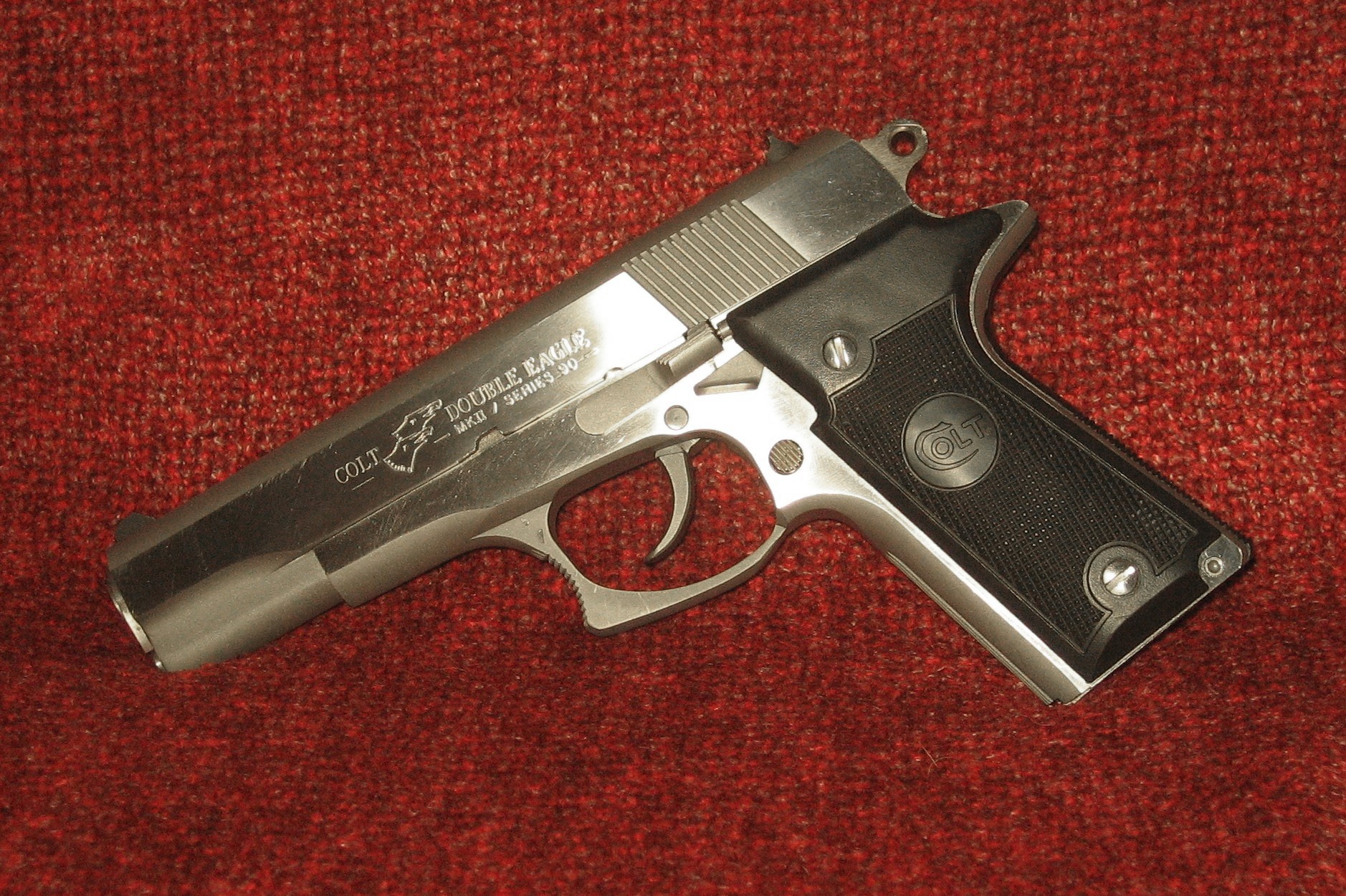
The Colt Double Eagle represented Colt’s effort during the late 1980s to modernize its famous 1911-style handgun platform. Instead of the traditional single-action trigger system, the Double Eagle used a double-action mechanism that allowed the first shot to be fired with a longer trigger pull. Chambered primarily in .45 ACP, it retained the general profile of the classic Colt pistol while introducing updated controls and internal components. Some shooters appreciated the idea of combining familiar ergonomics with double-action operation. Others preferred the crisp single-action trigger that had defined the 1911 design for generations.
6. Beretta Nano
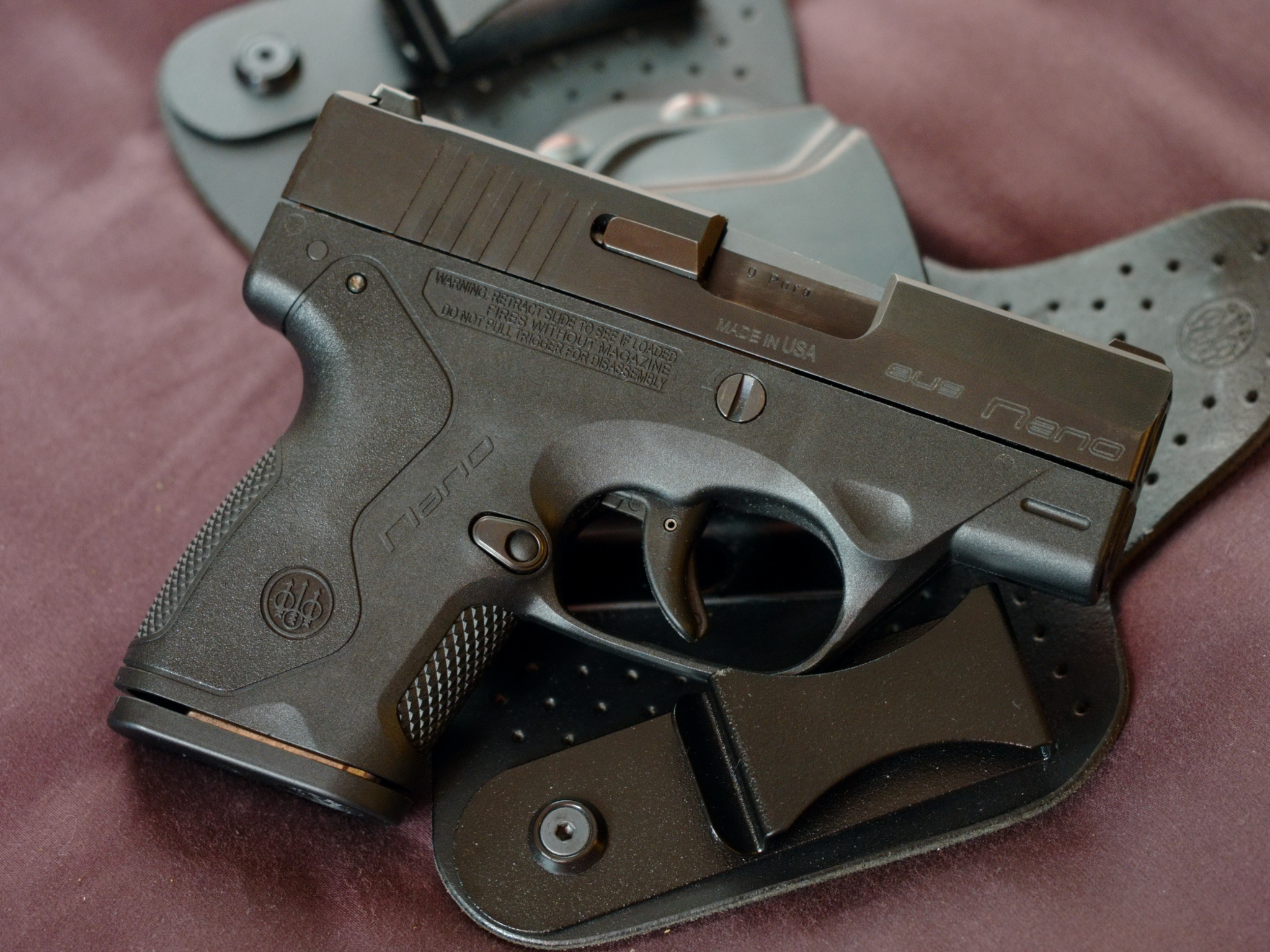
The Beretta Nano is a compact, striker-fired semi-automatic pistol introduced by Beretta in 2011. It was designed primarily for concealed carry, with an extremely slim profile and smooth external surfaces to prevent snagging when drawn from a holster or pocket. Chambered in 9×19mm, the pistol used a 6-round detachable magazine and a stainless-steel slide over a polymer frame. One of its distinctive features was a modular serialized chassis, allowing the internal frame to be removed from the grip module for maintenance or replacement. This design concept later appeared in several modern handguns across the industry..
7. Browning BDM
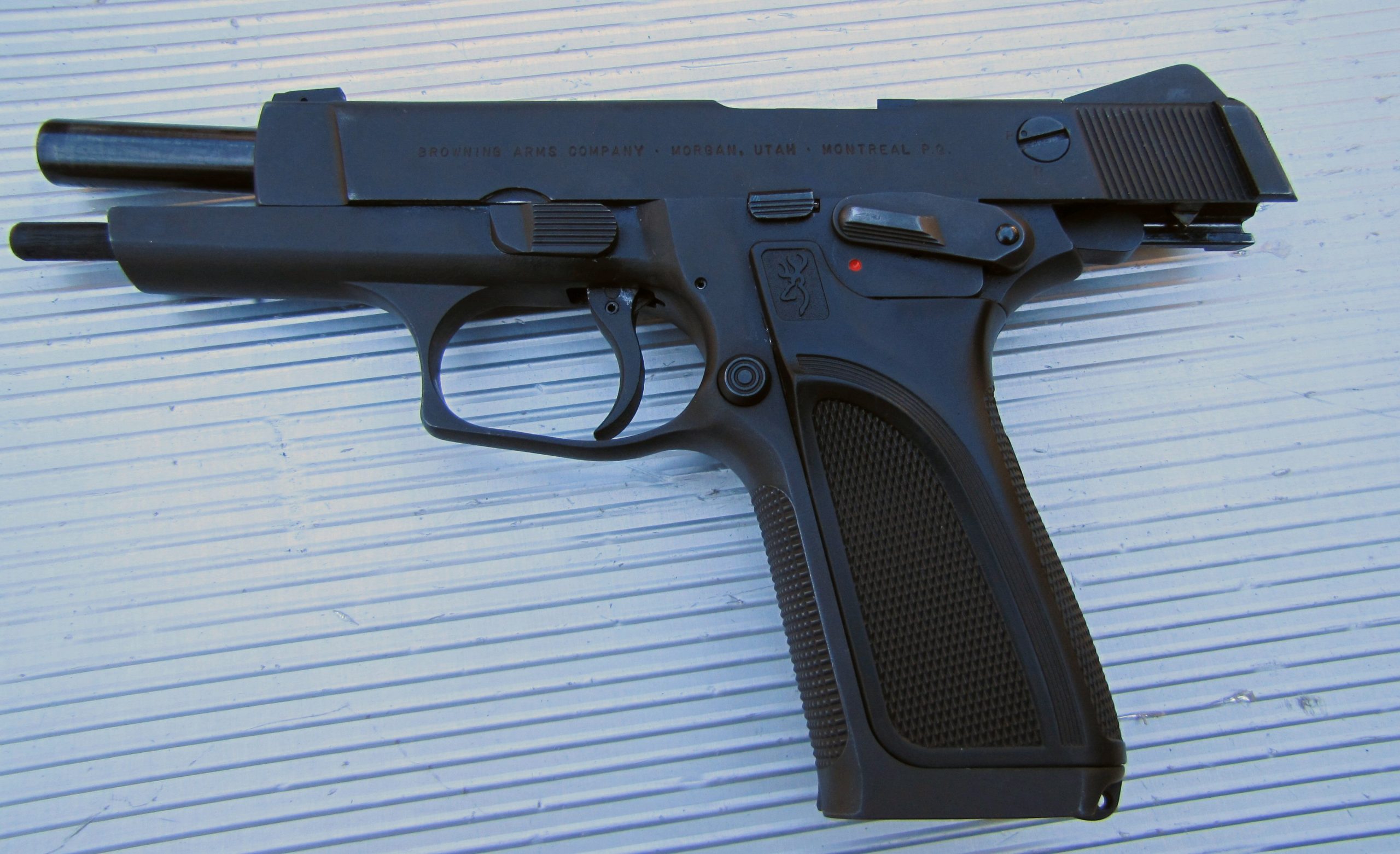
The Browning BDM pistol appeared in the 1990s as Browning’s attempt to introduce a modern high-capacity 9mm handgun for both civilian shooters and law enforcement agencies. The design used a lightweight aluminum frame and a distinctive selector system that allowed the trigger to operate in either double-action or double-action-only modes. While the concept was innovative, the control system sometimes confused users who were unfamiliar with its operation. The pistol itself was generally accurate and well constructed, reflecting Browning’s reputation for quality manufacturing. Still, the handgun market at the time was becoming crowded with polymer-framed striker-fired pistols that were simpler and often less expensive.
8. Walther PPK/E
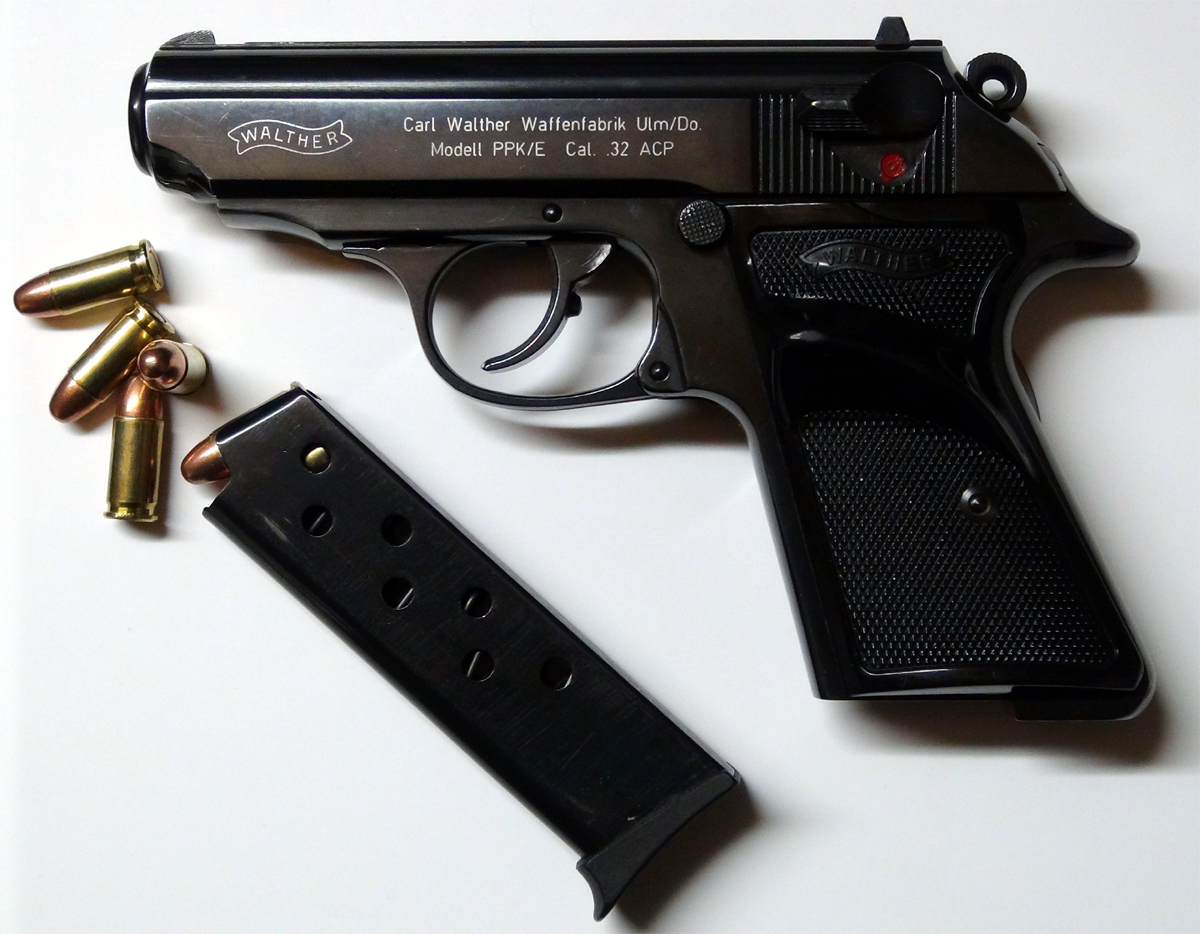
The Walther PPK/E was developed as a cost-effective variant of the famous PPK pistol. Manufactured primarily through partnerships in Europe, the design combined elements of the traditional Walther PPK and PP models while using simplified production methods to keep prices competitive. Chambered mainly in .380 ACP, it retained the compact size and classic double-action operation that made Walther pistols well known among concealed-carry users. The pistol offered solid reliability and recognizable styling, though some enthusiasts preferred the original German-produced versions for historical reasons. Over time, production arrangements and market priorities shifted within the company. As Walther introduced newer handgun platforms with updated ergonomics and materials, the PPK/E quietly disappeared from many catalogs.
9. Ruger LC9
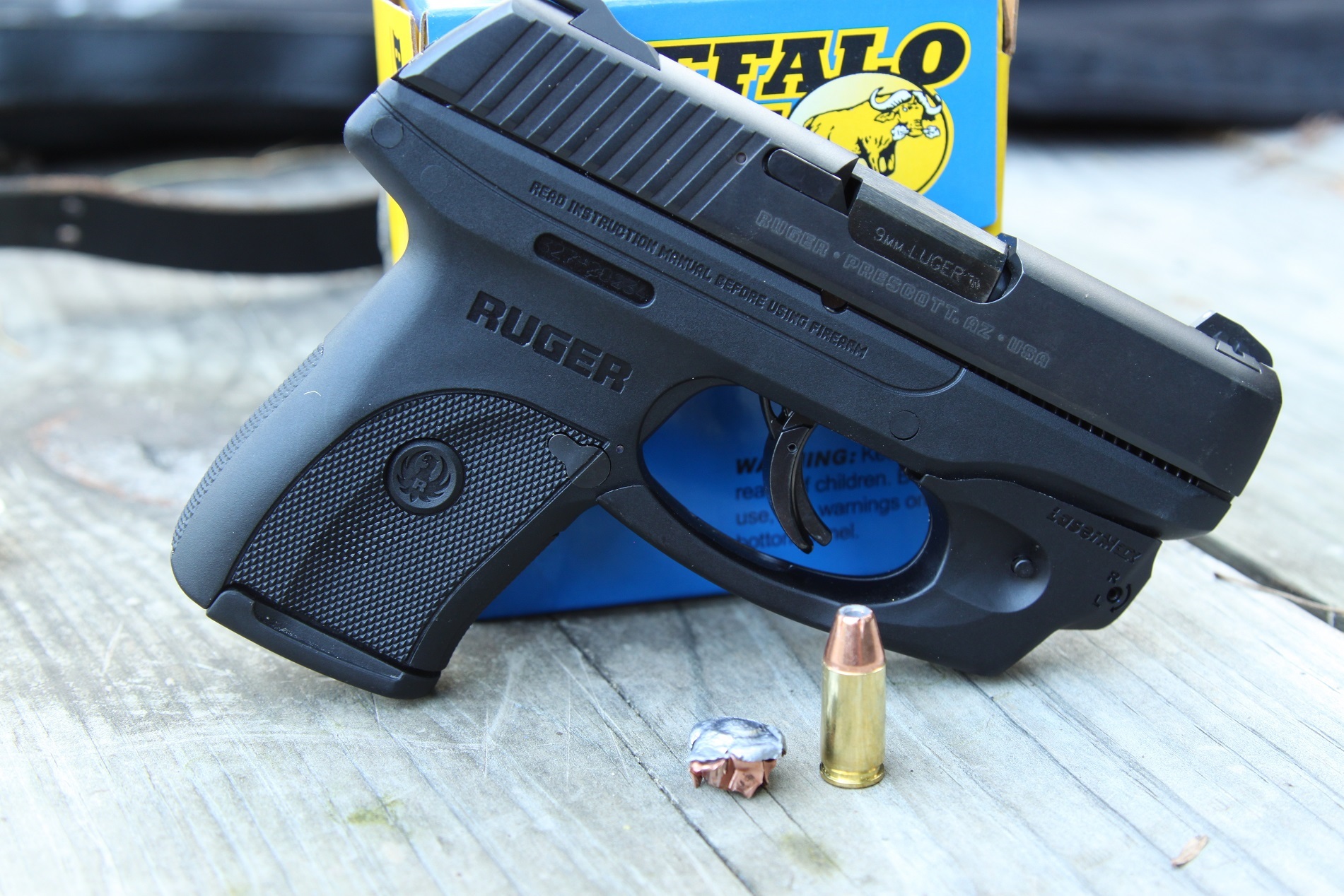
The Ruger LC9 was introduced in 2011 by Sturm, Ruger & Co. as a slim, lightweight 9mm pistol designed for concealed carry. At the time, demand for compact defensive handguns was rising rapidly, and the LC9 offered a thin profile, manageable recoil, and Ruger’s reputation for durability. It used a hammer-fired, double-action-only trigger system and a 7-round magazine. Many owners appreciated its reliability and compact size for everyday carry. However, the long trigger pull and small sights received mixed feedback from some shooters. Ruger later introduced improved models such as the Ruger LC9s, which used a striker-fired trigger with a lighter pull.
10. SIG Sauer P250
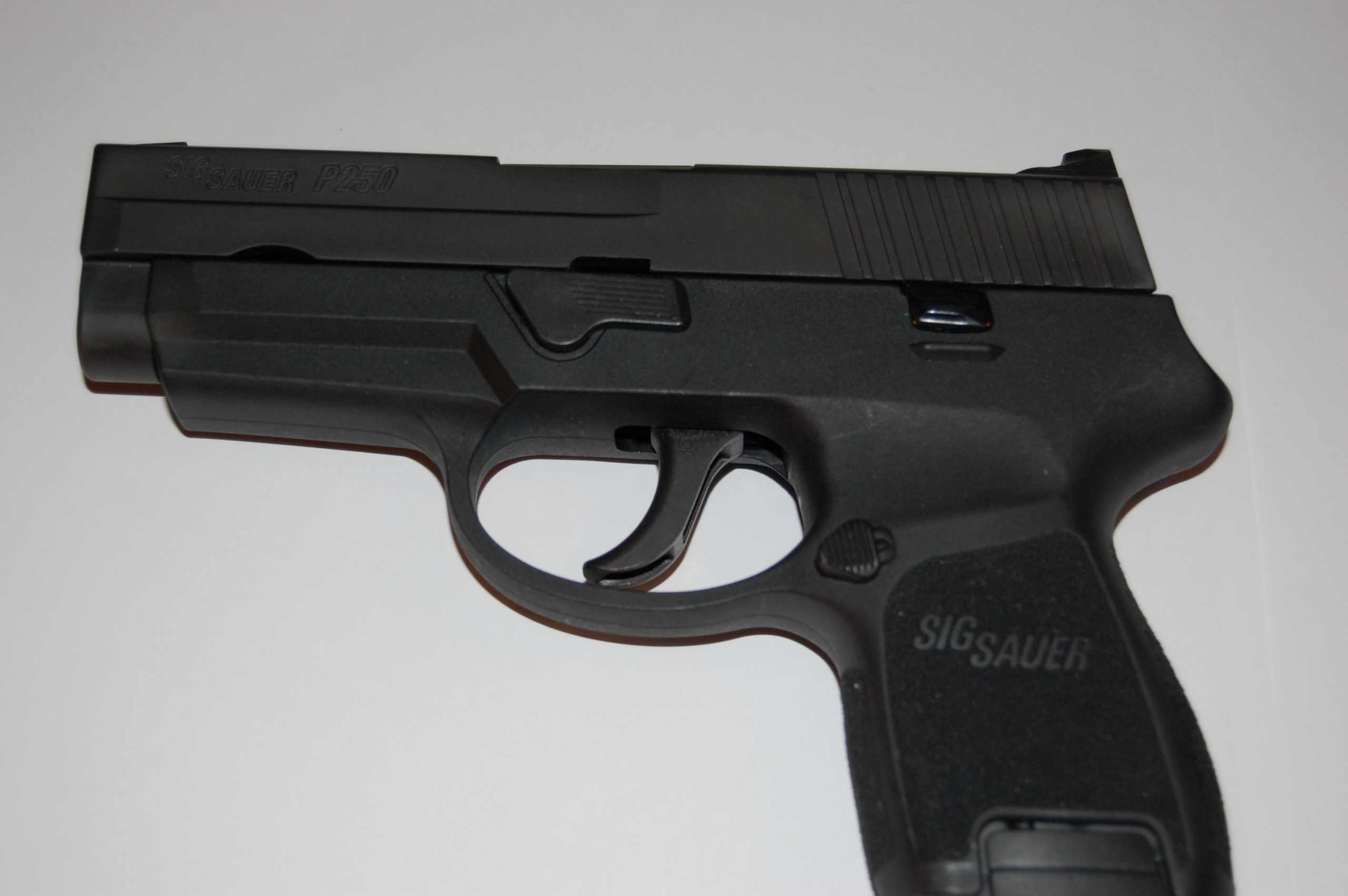
Introduced in 2007 by SIG Sauer, the P250 was designed around a modular concept that was uncommon in handguns at the time. Its serialized fire control unit could be removed and placed into different grip frames, allowing shooters to change size or caliber while keeping the same internal mechanism. The pistol was offered in 9mm, .40 S&W, .357 SIG, and .45 ACP, with subcompact, compact, and full-size versions available. It used a double-action-only hammer-fired trigger, which provided a consistent pull for every shot. While some users appreciated the simplicity and safety of that system, others preferred shorter striker-fired triggers.
11. Tikka T3 Tactical
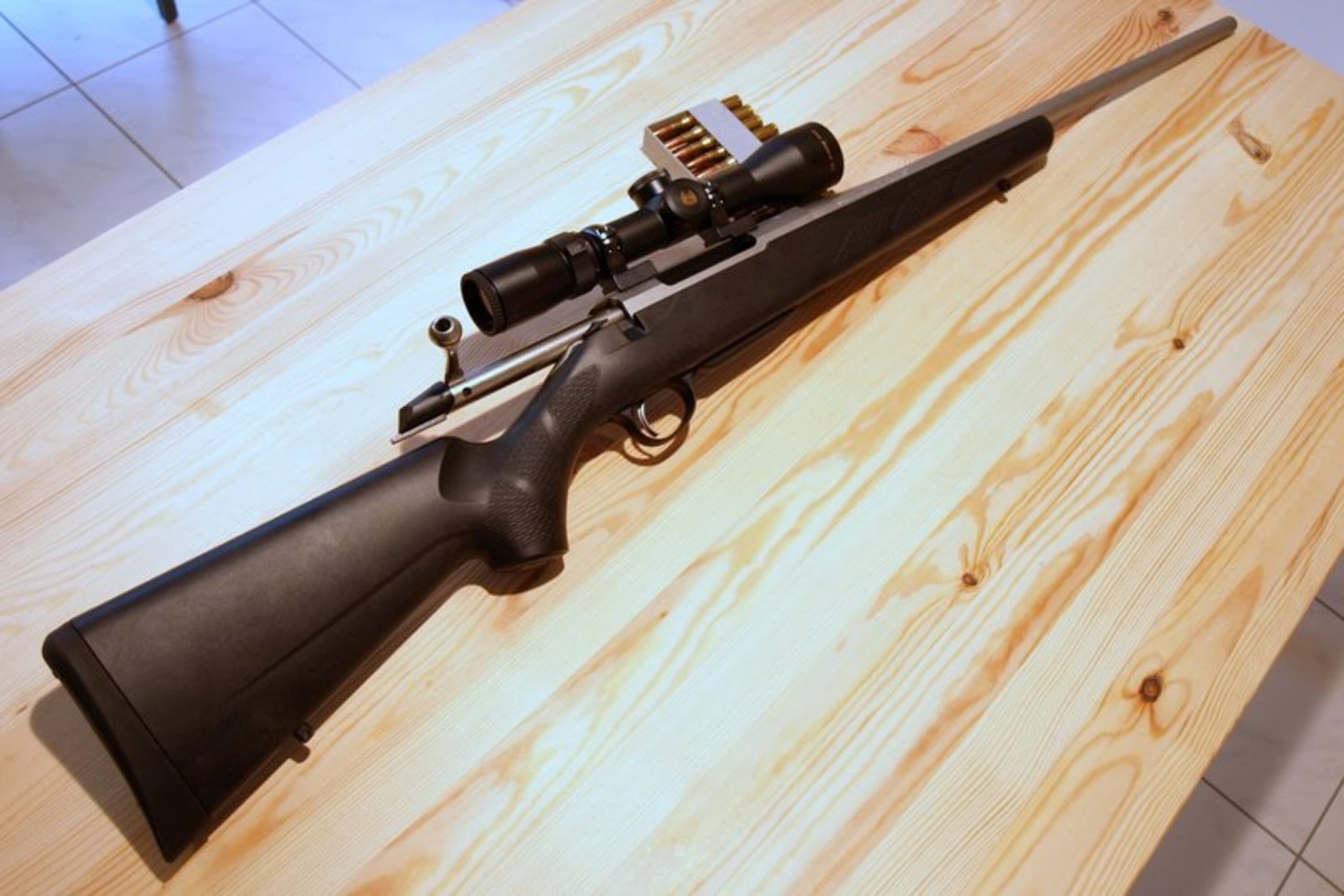
The Tikka T3 Tactical was a precision-oriented bolt-action rifle developed by the Finnish manufacturer Tikka, a subsidiary of Sako. Built on the company’s well-known T3 action, the rifle offered excellent out-of-the-box accuracy and smooth bolt operation. It was commonly chambered in cartridges such as .308 Winchester and designed with tactical shooters and precision enthusiasts in mind. Features included a heavy barrel, detachable magazine, and adjustable stock components. While the rifle earned praise for its accuracy and manufacturing quality, firearm product lines evolve constantly as companies refine their designs. Tikka eventually introduced updated models and variants that incorporated newer features and accessories preferred by modern precision shooters.
12. Beretta 9000S
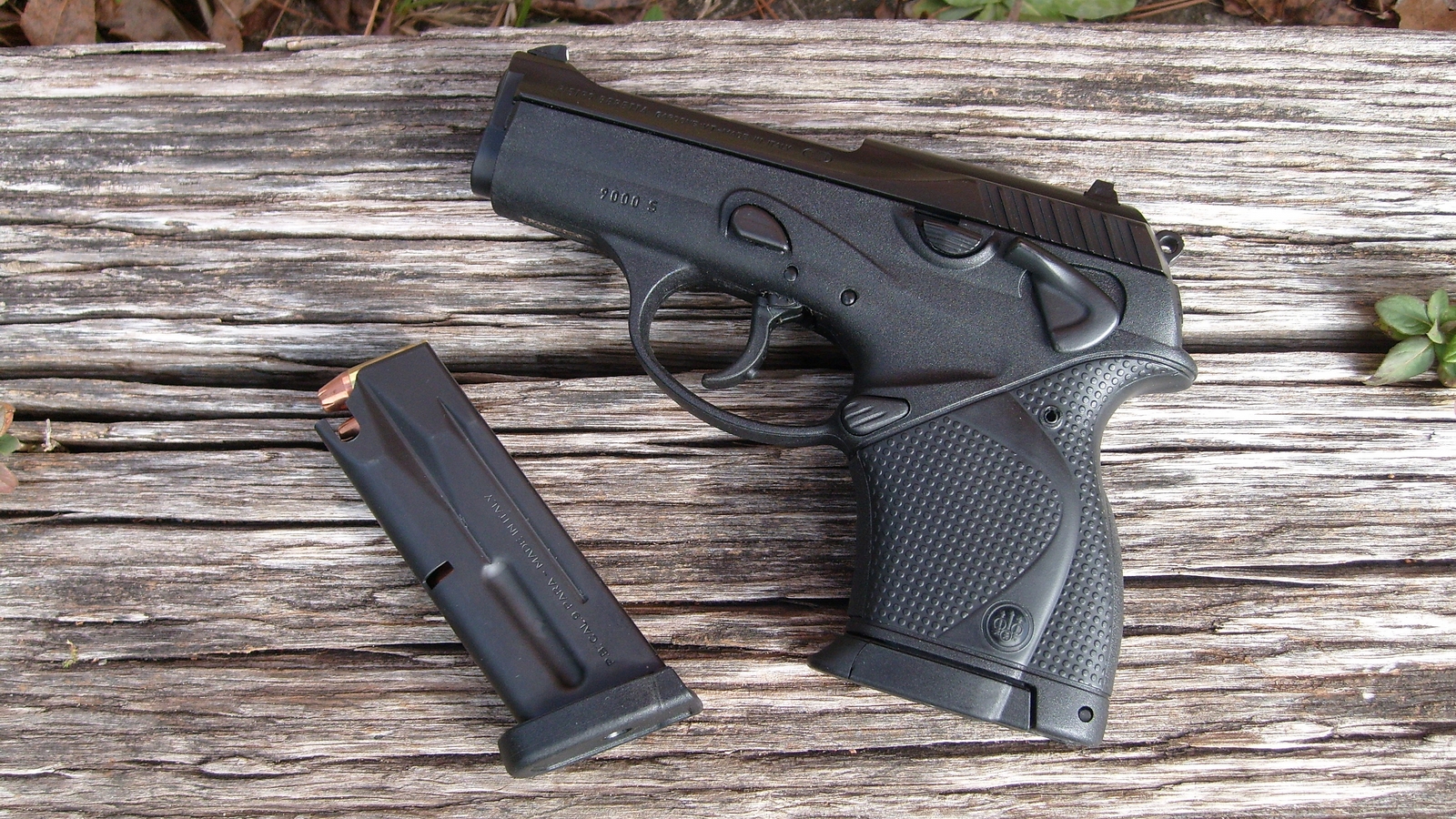
Released in 2000 by Beretta, the Beretta 9000S was the company’s early attempt to create a modern polymer-framed defensive pistol. Chambered in 9mm and .40 S&W, it featured a compact design, interchangeable backstraps, and a rotating barrel system derived from Beretta’s earlier engineering concepts. The pistol was intended to compete with the growing number of lightweight polymer handguns entering the market at the time. While it offered solid build quality and typical Beretta reliability, the grip shape and trigger reach did not appeal to all shooters. Sales never reached the level the company expected.