
Dogs have an incredible ability to mask pain. In the wild, animals that show weakness can become targets, and that instinct still exists in modern dogs. Because of this, many owners assume their dog is healthy simply because it continues eating, walking, or playing. However, subtle behavioral and physical changes often reveal discomfort long before obvious symptoms appear. Learning to recognize these early signs can help owners respond quickly and prevent small health problems from becoming serious conditions. From changes in posture to unusual quietness, dogs communicate distress in quiet ways. Understanding these signals allows you to protect your pet’s well-being and ensure it receives the care it needs before pain becomes severe.
1. Unusual Quietness or Withdrawal
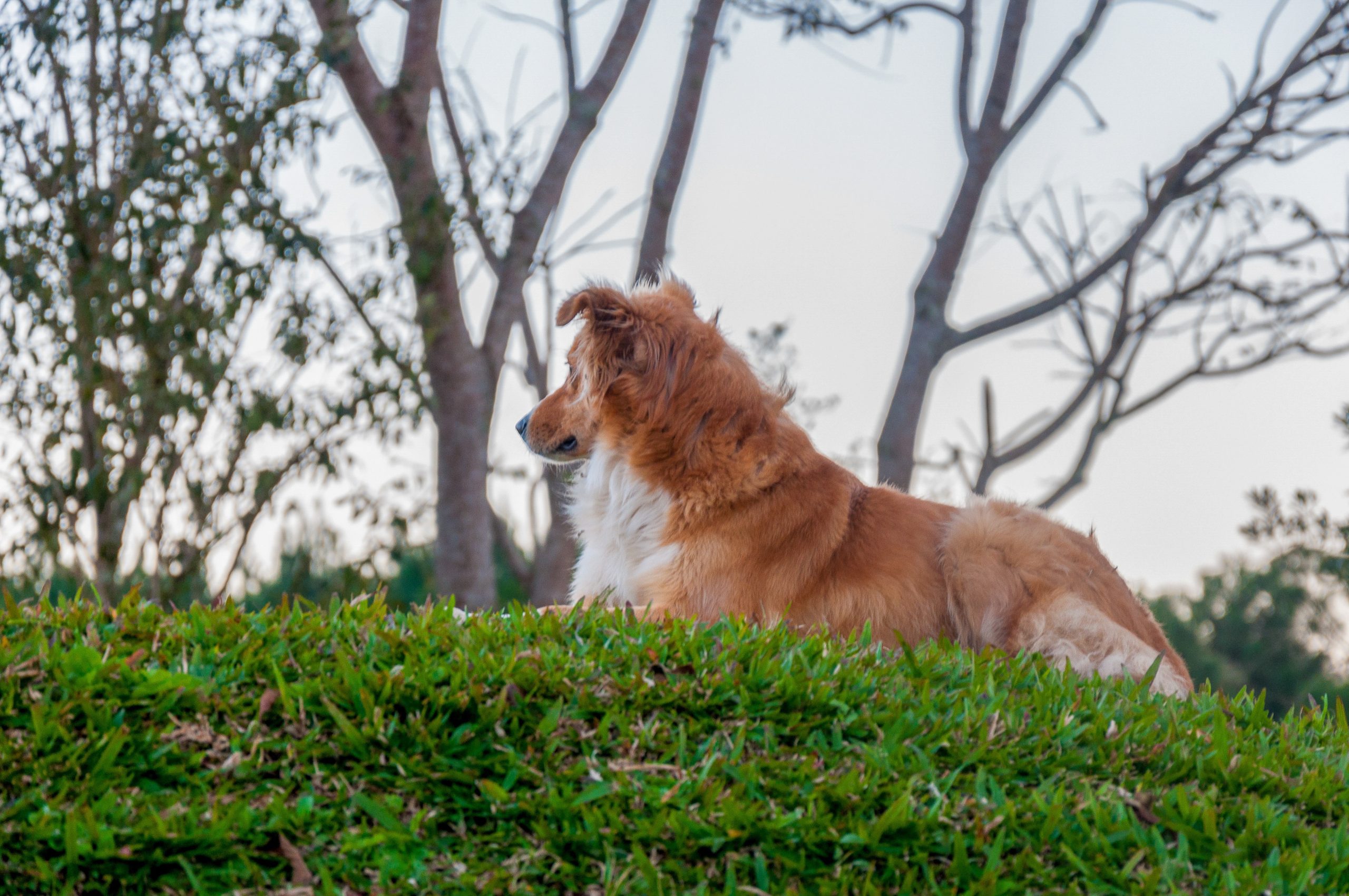
One of the earliest signs that a dog may be hiding pain is a sudden shift in its personality. A normally social and energetic dog may begin avoiding family members, sleeping more often, or choosing isolated corners of the house. This behavior is often mistaken for tiredness or mood changes, but it can signal discomfort. Dogs instinctively withdraw when they are injured or sick because solitude reduces stress and potential threats. Owners should pay attention if their dog stops greeting people at the door, ignores favorite toys, or avoids interaction with other pets. While occasional rest is normal, consistent withdrawal over several days may indicate that the dog is quietly coping with physical pain or illness.
2. Changes in Eating or Drinking Habits
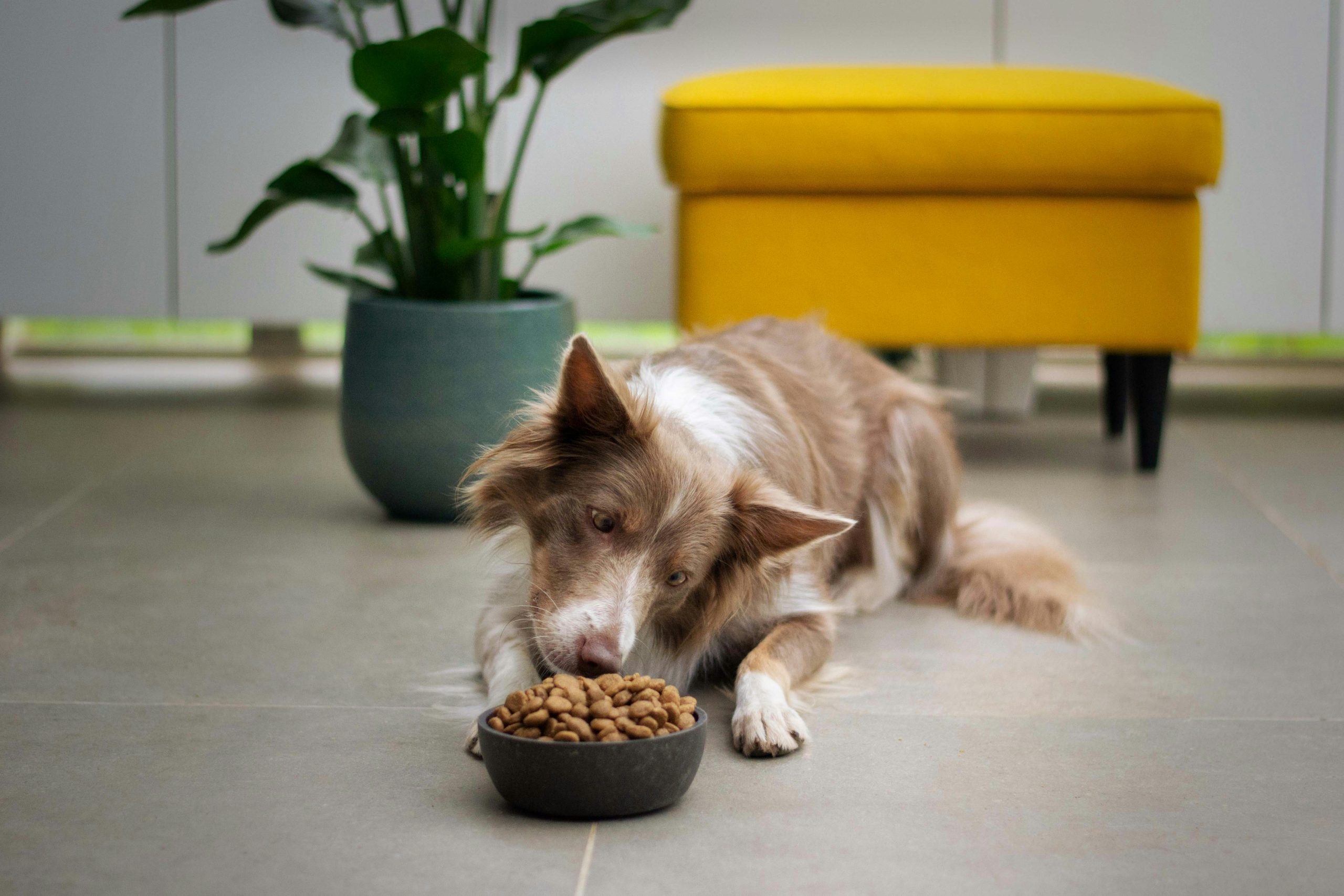
A dog experiencing pain may begin altering its eating and drinking habits in subtle ways. Some dogs lose interest in food altogether, while others approach the bowl but eat slowly or stop halfway through a meal. Dental pain, stomach discomfort, or internal illness can make eating unpleasant, even if the dog still feels hungry. Similarly, changes in water intake may signal health concerns. Drinking far less than usual could indicate nausea or discomfort, while excessive thirst might be linked to infection or organ stress. Because dogs often try to behave normally, these shifts can be gradual and easy to overlook. Monitoring appetite and hydration closely can provide valuable clues that something deeper may be wrong.
3. Limping or Stiff Movement

Movement changes are one of the clearest physical signs of hidden pain, yet dogs often try to disguise them. Instead of obvious limping, a dog might walk more slowly, hesitate before climbing stairs, or take longer to stand after lying down. Joint pain, muscle strain, or early arthritis can create stiffness that the dog attempts to manage quietly. Some dogs shift their weight away from the painful limb, which may appear as a slight imbalance while walking. Because these changes can develop gradually, owners may not notice them immediately. Watching how your dog moves during daily routines such as getting up, jumping, or turning can reveal subtle discomfort that might otherwise go unnoticed.
4. Excessive Licking or Chewing One Area
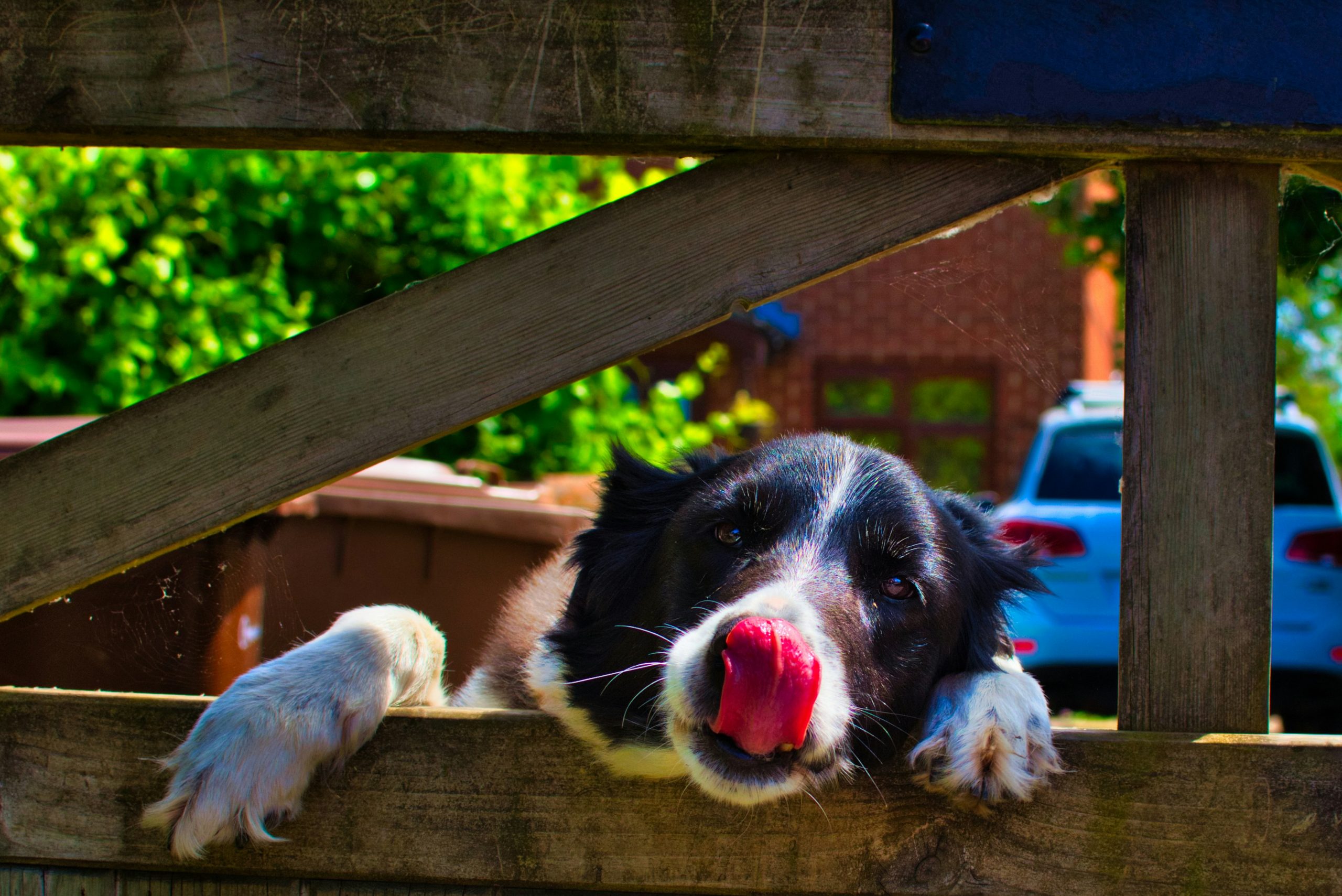
Dogs often cope with pain by focusing attention on the affected part of their body. Repeated licking, chewing, or nibbling at one specific area can indicate irritation, injury, or inflammation beneath the surface. For example, a dog with joint pain may constantly lick around the knee or hip, while skin infections or small wounds may trigger obsessive grooming. Over time, this behavior can cause fur loss, redness, or even sores. Because dogs instinctively try to soothe themselves, they may perform this behavior quietly when no one is watching. If you notice your dog repeatedly targeting the same spot on its body, it may be attempting to manage pain or discomfort.
5. Changes in Breathing Patterns
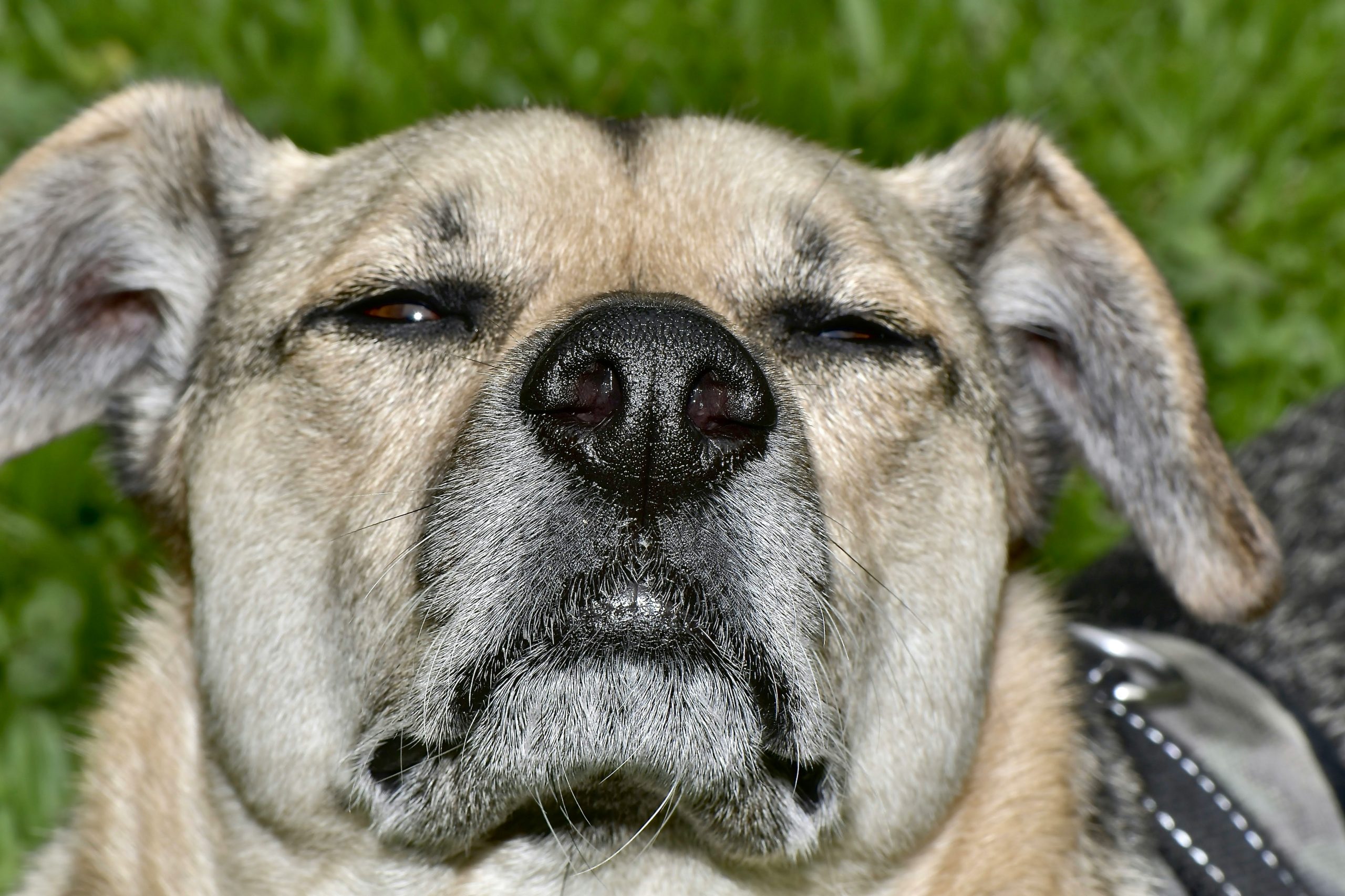
Pain can influence a dog’s breathing in ways that are subtle but noticeable. Instead of relaxed breathing, a dog may begin panting even when it is not hot or physically active. Rapid breathing while resting, shallow breaths, or occasional whimpering during inhalation can indicate discomfort. Internal injuries, abdominal pain, or chest problems may all affect how a dog breathes. Because panting is common in dogs, many owners overlook it as a normal behavior. However, persistent or unusual breathing patterns deserve attention. Observing how your dog breathes during calm moments, such as when lying down or sleeping, can help reveal whether the behavior is simply normal panting or a hidden sign of distress.
6. Sudden Irritability or Aggression
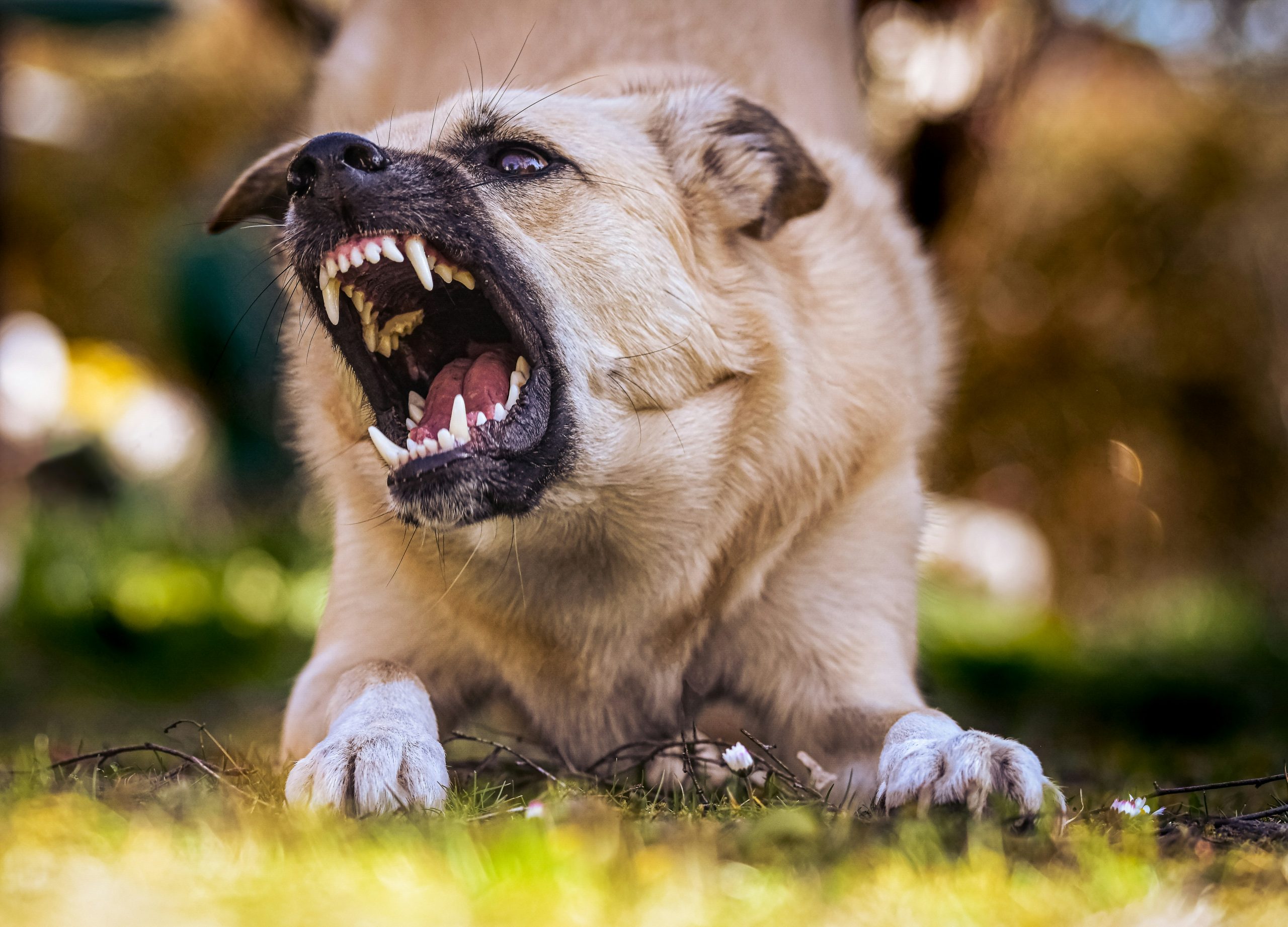
A dog that suddenly becomes irritable may actually be reacting to pain rather than a behavioral problem. Even the gentlest dogs can growl, snap, or pull away when touched in a sensitive area. Pain makes physical contact uncomfortable, and the dog may respond defensively to avoid further discomfort. Owners sometimes interpret this reaction as disobedience or moodiness, but it is often a protective response. For example, a dog with back pain might react when lifted, while one with ear infections may resist having its head touched. Recognizing this connection is important because punishing the dog can increase stress. Instead, unusual aggression should prompt a careful check for potential injuries or health issues.
7. Changes in Sleeping Patterns

Sleep behavior can reveal a great deal about a dog’s physical condition. Dogs dealing with pain may sleep far more than usual because rest reduces movement and discomfort. Others struggle to settle down and frequently change positions during the night. A dog that repeatedly circles, lies down, and then gets back up may be trying to find a position that does not cause pain. Joint stiffness, abdominal issues, or muscle injuries can all interfere with comfortable rest. Owners should also notice where the dog chooses to sleep. Moving to unusual spots, such as hard floors or isolated areas, may indicate that the dog is trying to relieve pressure on a painful part of its body.
8. Reduced Interest in Exercise or Play
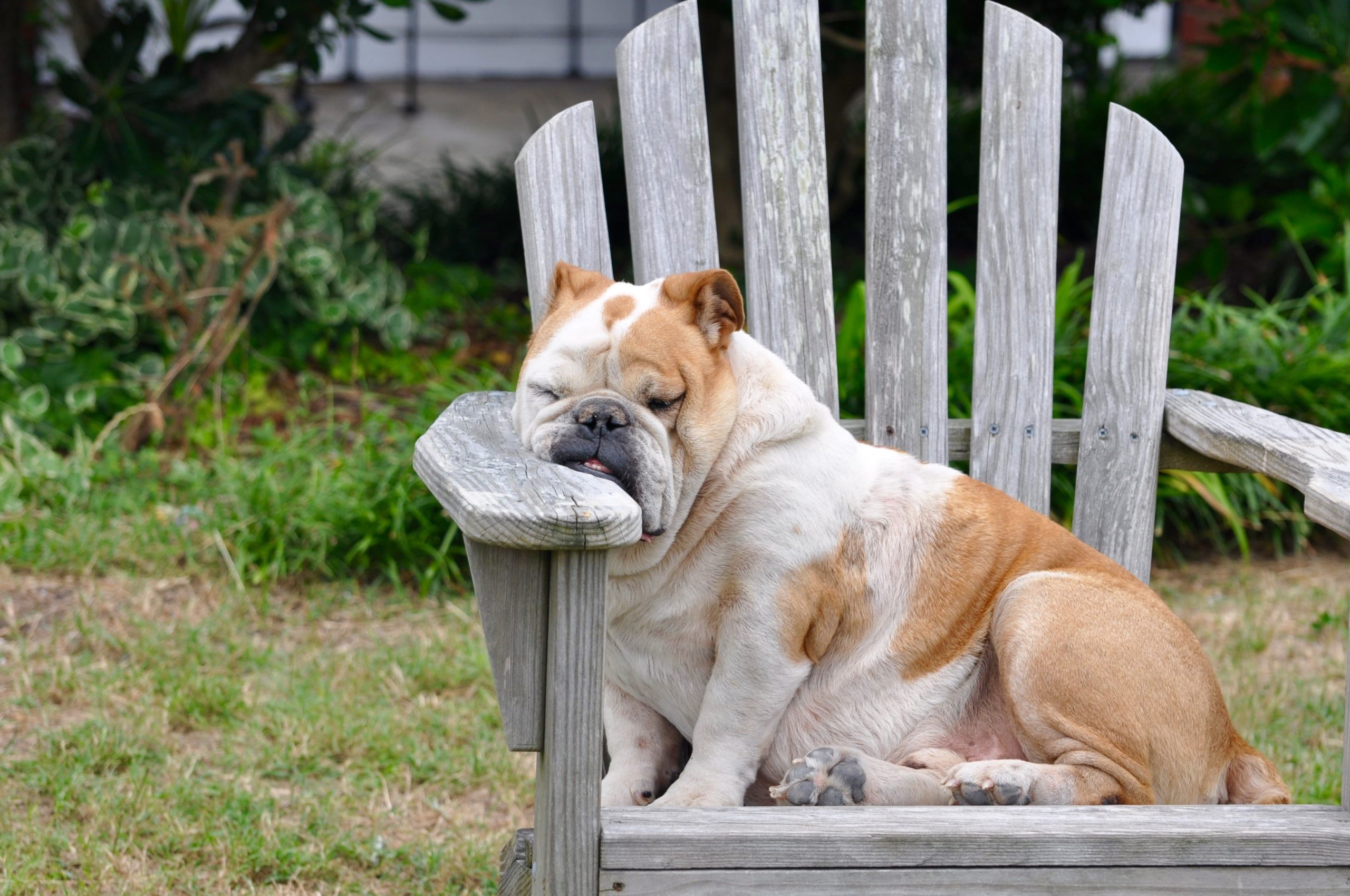
A noticeable drop in enthusiasm for walks, games, or physical activity is another common way dogs hide discomfort. Rather than showing obvious signs of pain, a dog may simply appear less motivated to move. It might stop chasing a ball halfway through a game or lag during once easy walks. This change often develops slowly, making it easy to dismiss as aging or laziness. However, joint pain, muscle strain, or internal illness can reduce a dog’s willingness to exert itself. Observing your dog’s energy level during favorite activities can help identify these shifts. A consistent decline in activity should always be considered a possible sign of pain.
9. Changes in Posture or Body Position
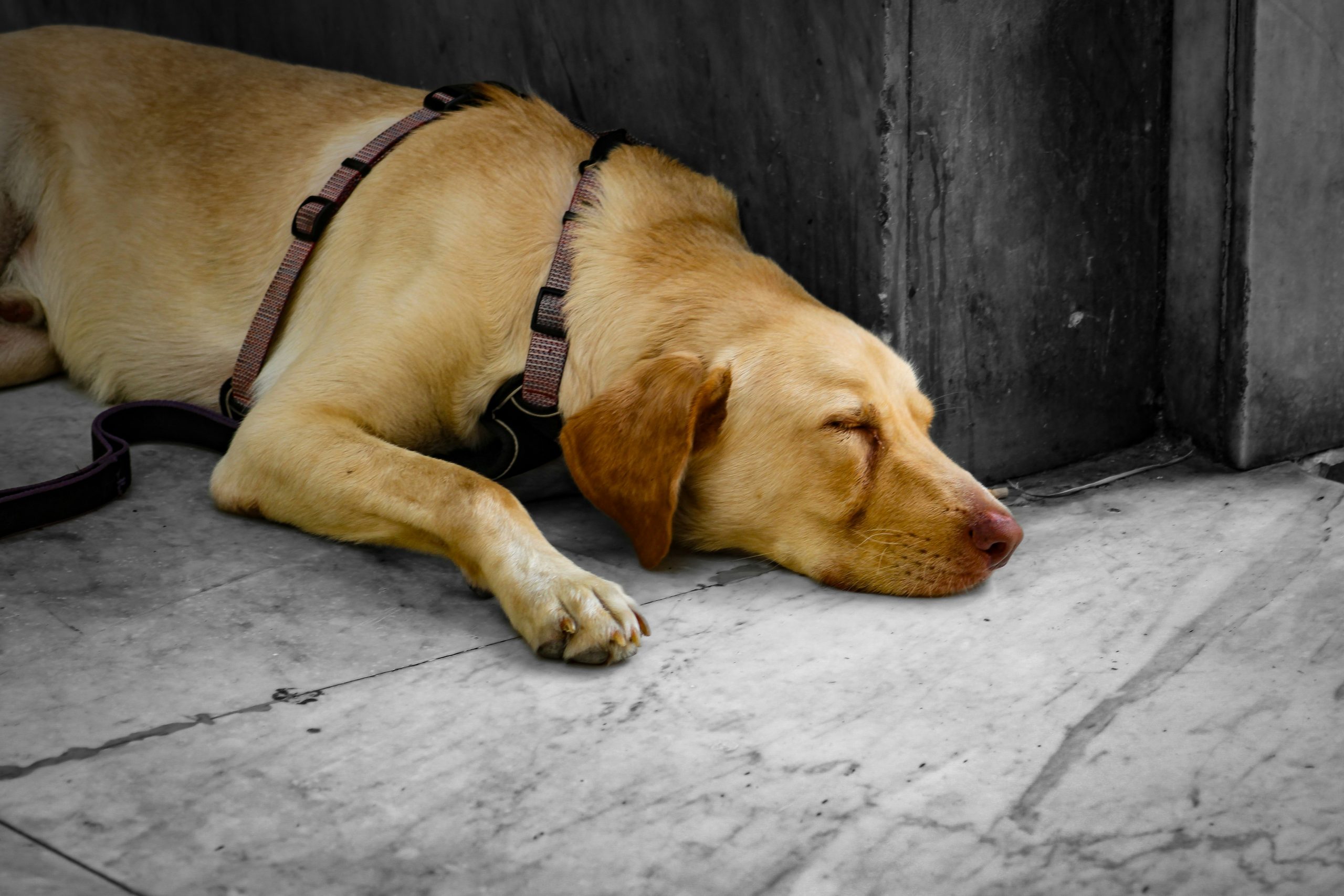
Dogs experiencing pain often adjust their posture to reduce pressure on sensitive areas. A hunched back, lowered head, or tightly tucked tail can all indicate discomfort. Some dogs stand with their legs positioned differently than usual, shifting weight away from painful joints or muscles. Others may sit awkwardly or avoid lying on one side of their body. These posture changes can be subtle, but they often persist throughout the day. Because dogs try to function normally, they rarely exaggerate these signals. Careful observation of your dog’s natural stance, sitting style, and resting position can reveal small differences that hint at underlying pain or physical strain.
10. Unusual Vocalization or Silence

Dogs communicate discomfort in ways that go beyond obvious whining. Some may produce quiet whimpers, soft groans when lying down, or brief yelps during movement. Others react oppositely by becoming unusually silent. A dog that normally barks, greets people enthusiastically, or responds to sounds may suddenly become quiet and reserved. This silence can indicate fatigue or an attempt to conserve energy while coping with pain. Because vocal changes vary widely between individual dogs, owners should focus on differences from normal behavior. Any consistent shift in how a dog communicates, whether louder or quieter, can be a meaningful clue that it is dealing with hidden discomfort.