Safety in national parks often depends on practical tools and a clear understanding of animal behavior, and rangers develop strong preferences based on extensive field experience. Encounters with bears require quick decisions that protect both people and wildlife, and the methods chosen reflect years of studying what works under varied conditions. Many assume firearms offer the most reliable defense, yet rangers consistently emphasize tools that reduce risk without escalating danger. Bear spray remains central in this approach because it focuses on deterrence rather than harm. Exploring how rangers evaluate these options highlights the reasoning behind their choices and the real-world factors that guide safety practices across the parks.
Why Bear Spray Works
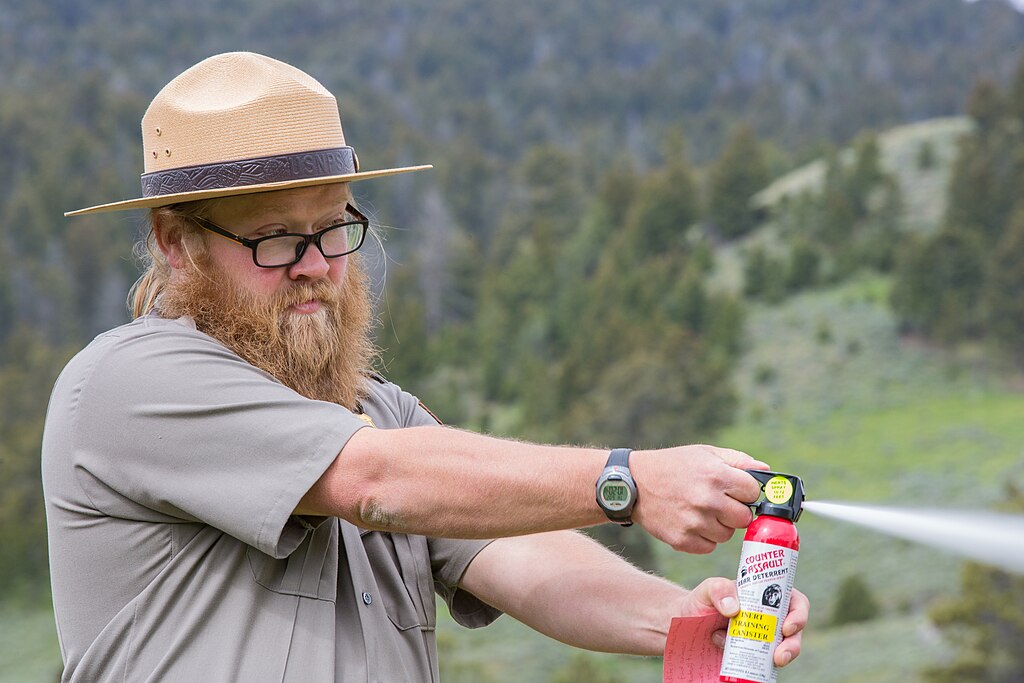
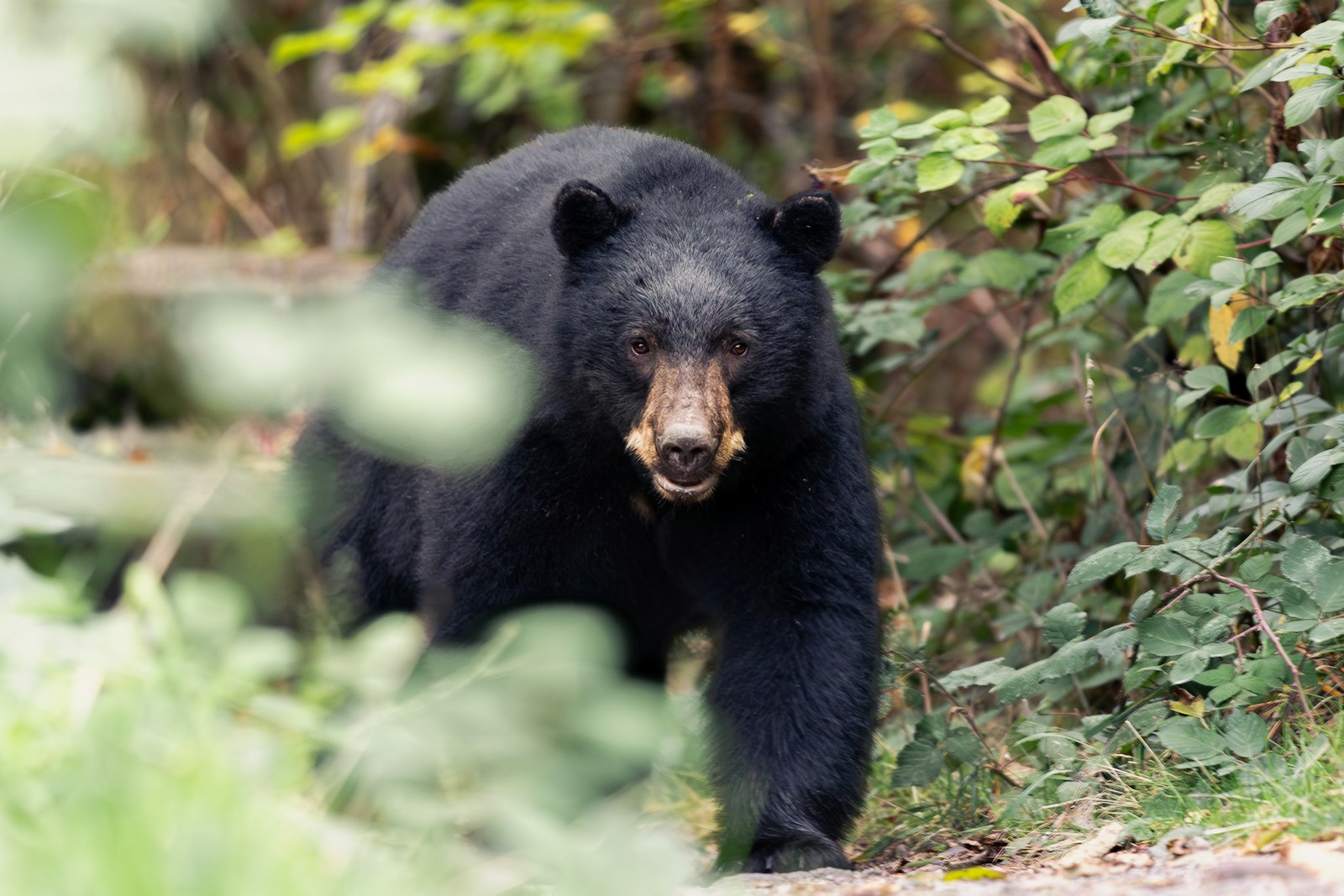
Bear spray remains the preferred tool for most rangers because it creates a wide cloud of capsaicin that irritates a bear’s eyes and respiratory system, triggering an immediate retreat response without causing permanent injury. The spray works effectively at close range, where encounters typically unfold, and its dispersal pattern does not require precise aim under pressure. Rangers rely on it because numerous field studies across parks in Alaska and the lower forty-eight show higher success rates in stopping charges compared with firearms. Bear spray also reduces the likelihood of provoking defensive aggression, making it a safer option for both humans and bears during surprise encounters.
Why Firearms Are Not the First Choice
Firearms are not the primary defensive tool for rangers because they require accuracy under extreme stress and often escalate the danger when a bear charges at high speed. Even trained shooters struggle to stop a charging bear in time, and wounded animals can become more unpredictable and aggressive. Firearms also pose risks to visitors in popular parks where dense vegetation and crowded trails reduce safe shooting zones. Rangers acknowledge that guns have a place in rare emergency situations, yet the broader evidence shows they do not match the consistency of bear spray in deterring close-range threats. These factors explain why firearms serve as a backup rather than a frontline safety method.
Ranger Training and Decision Making
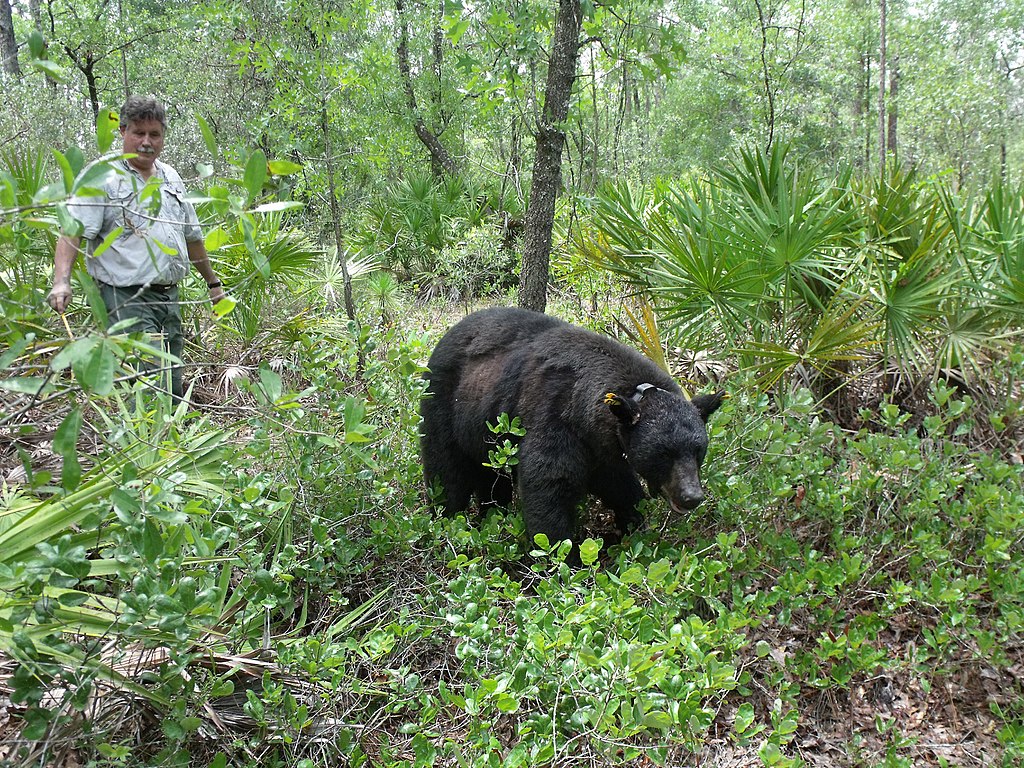
Ranger training emphasizes understanding bear behavior and using tools that de-escalate encounters rather than intensify them. Trainees learn to recognize stress signals, manage distance, and rely on deterrents like spray that interrupt a bear’s advance without creating long-term harm. This approach works because it aligns with conservation goals while maintaining human safety. Rangers also train regularly in high-pressure simulations that reflect real scenarios in Yellowstone, Glacier, and Denali, where unpredictable terrain influences reaction time. These preparations reinforce the importance of quick yet low-risk responses, making bear spray the most dependable choice in situations where firearms offer limited control or increased danger.
Environmental Conditions That Influence Effectiveness
Environmental conditions in national parks shape the reliability of each defensive tool and help explain why bear spray is favored. Dense brush, uneven terrain, and sudden turns along trails reduce visibility, making precise firearm use difficult during fast encounters. Wind can affect spray patterns, yet modern canisters maintain strong pressure that helps push the deterrent forward even in light gusts. Cold temperatures impact firearm function more than spray because mechanical components can stiffen or malfunction. Rangers observe that spray consistently creates a barrier at the moment it is needed, while firearms require both ideal conditions and rapid precision. These situational differences reinforce why spray remains the frontline choice.
Real Examples From Ranger Field Reports
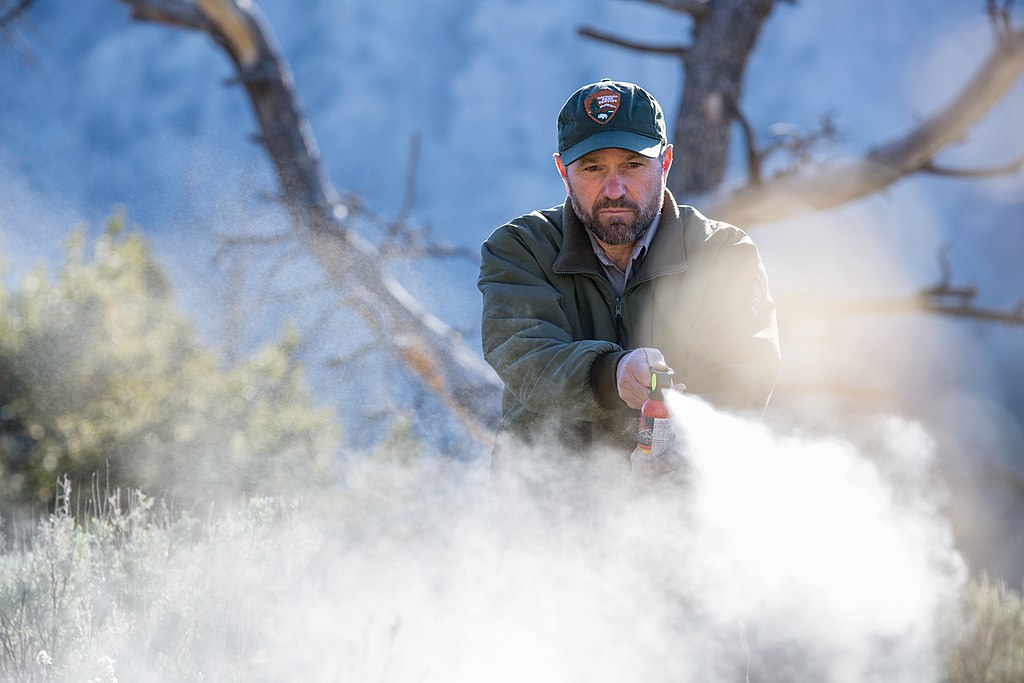
Field reports from rangers in national parks show repeated situations where bear spray stopped charges quickly and prevented injury to both humans and wildlife. Encounters documented in Yellowstone and Glacier highlight how fast-acting spray dispersed across the bear’s path, creating enough discomfort to end aggressive advances. Reports involving firearms show far more variable outcomes, including misses, wounded animals, and increased risk when bystanders were nearby. These real cases explain why rangers rely heavily on spray and reserve firearms for extreme situations. Evidence-based decision-making helps maintain safety protocols that support conservation goals while prioritizing quick, nonlethal solutions in unpredictable settings.
Conservation Goals and Public Safety
National parks prioritize protecting wildlife while ensuring visitor safety, and bear spray aligns with these goals by resolving encounters without harming animals. Rangers rely on methods that preserve natural behavior and reduce the likelihood of long-term consequences for bear populations. Firearms risk fatal outcomes that conflict with conservation principles and create complex management challenges. Bear spray works because it temporarily overwhelms a bear’s senses without causing lasting effects, allowing the animal to resume natural activity once the discomfort fades. This balance between effective defense and minimal impact makes spray central to ranger safety strategy across major parks.
When Firearms Are Still Necessary
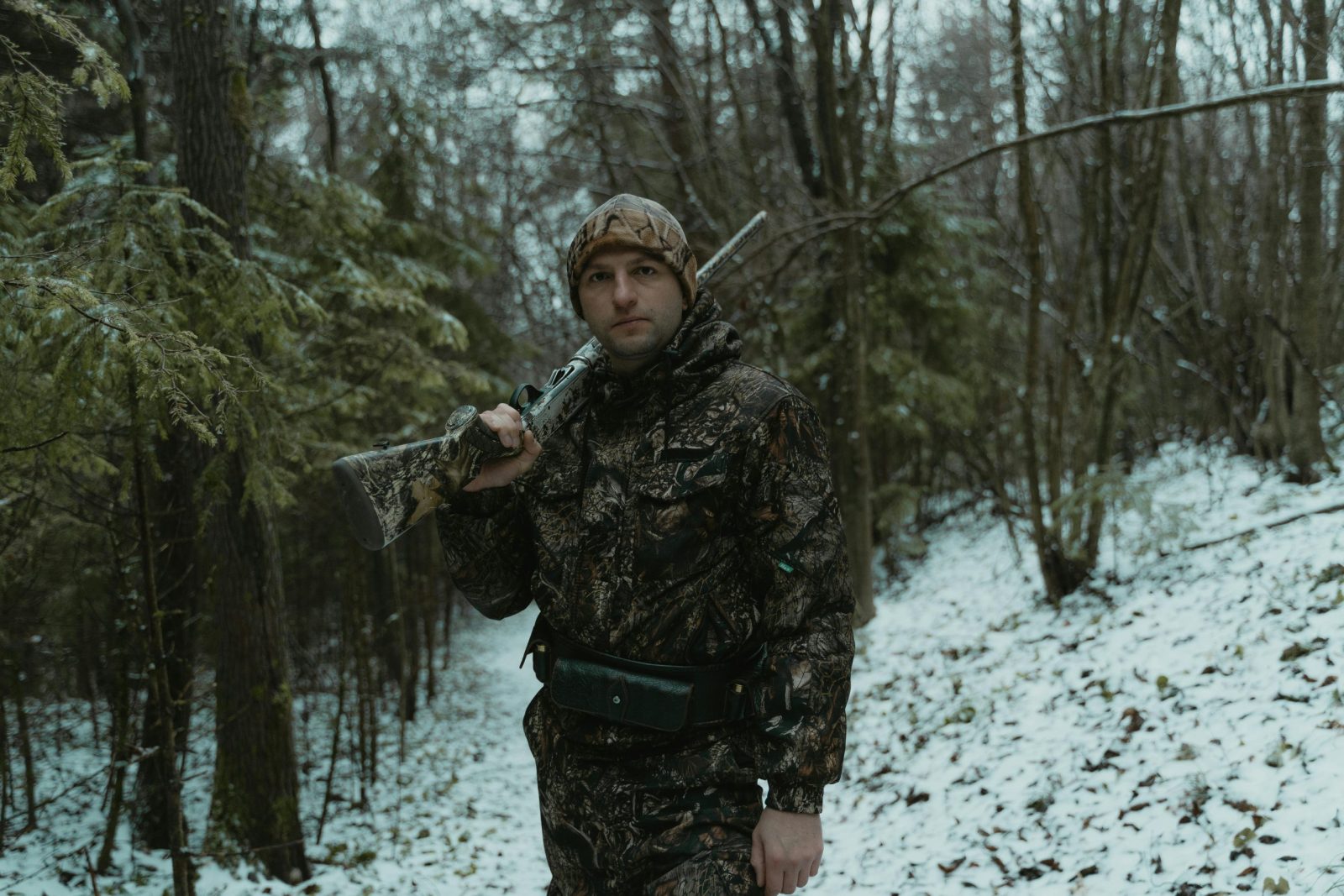
Although not the primary option, firearms remain necessary in rare cases involving severely aggressive behavior or injured animals that pose immediate danger. Rangers carry them as a last resort because certain situations present no opportunity for deterrent use. Firearms work by delivering decisive force when retreat or spray deployment is not possible, yet these moments account for a small fraction of wildlife encounters. Training ensures rangers understand when lethal force is justified and how to minimize risks to people and surrounding wildlife. The limited but important role of firearms reflects a balanced safety approach grounded in careful judgment and responsibility within protected ecosystems.