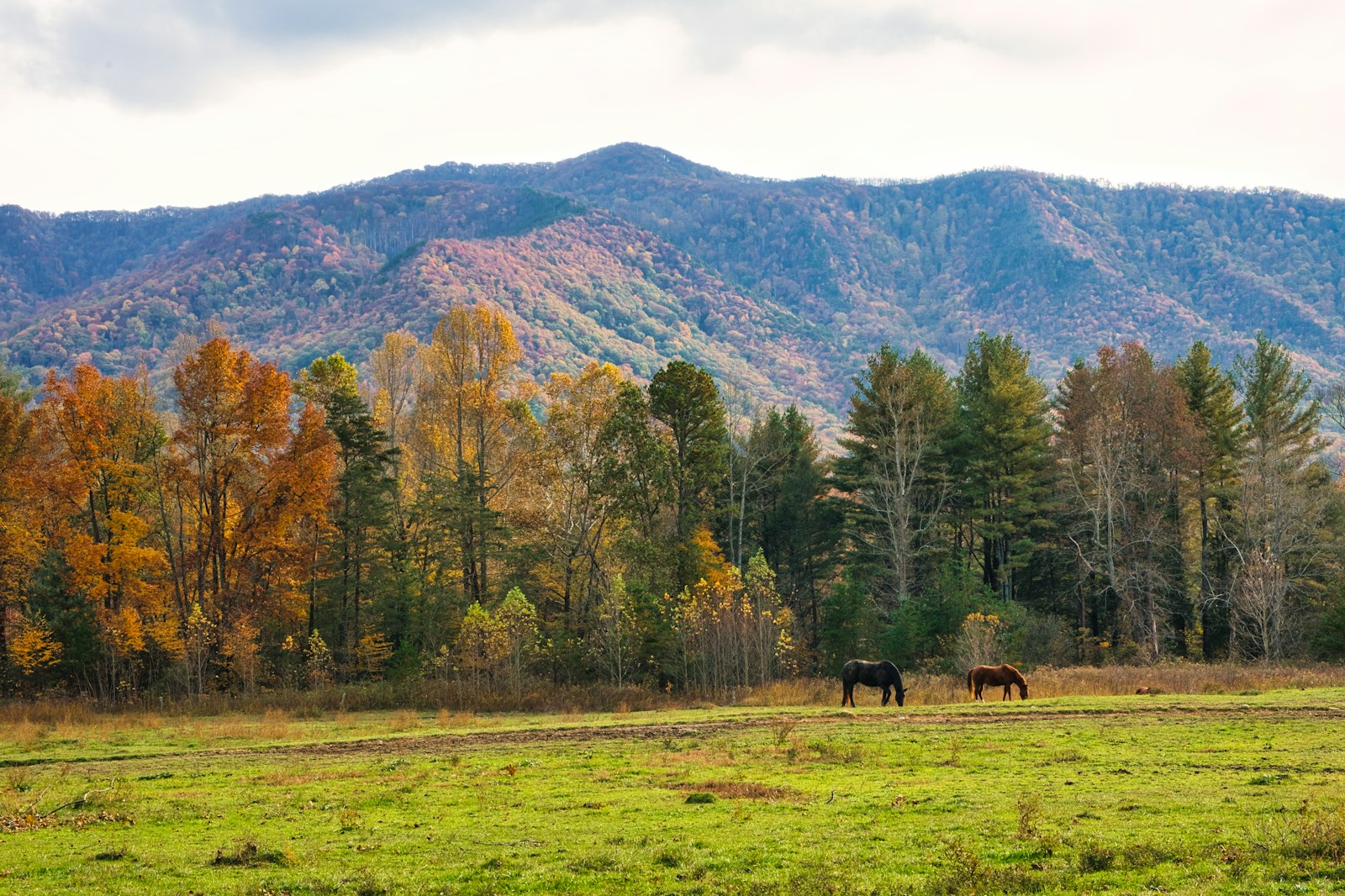
Ground saturation challenges are common at campsites throughout the Great Smoky Mountains. Heavy rainfall, dense forest cover, and constant visitation combine to stress fragile soils. Campers often underestimate how quickly stable ground becomes muddy and unstable. Saturated soil affects tents, walking paths, and natural drainage patterns. These conditions influence comfort, safety, and environmental impact. Understanding saturation explains frequent campsite closures and restrictions. The Smokies rank among the wettest regions in the eastern United States. Valleys trap moisture and limit evaporation. As conditions shift rapidly, camping experiences change noticeably across seasons for many visitors each year.
Soil Compaction And Drainage Failure
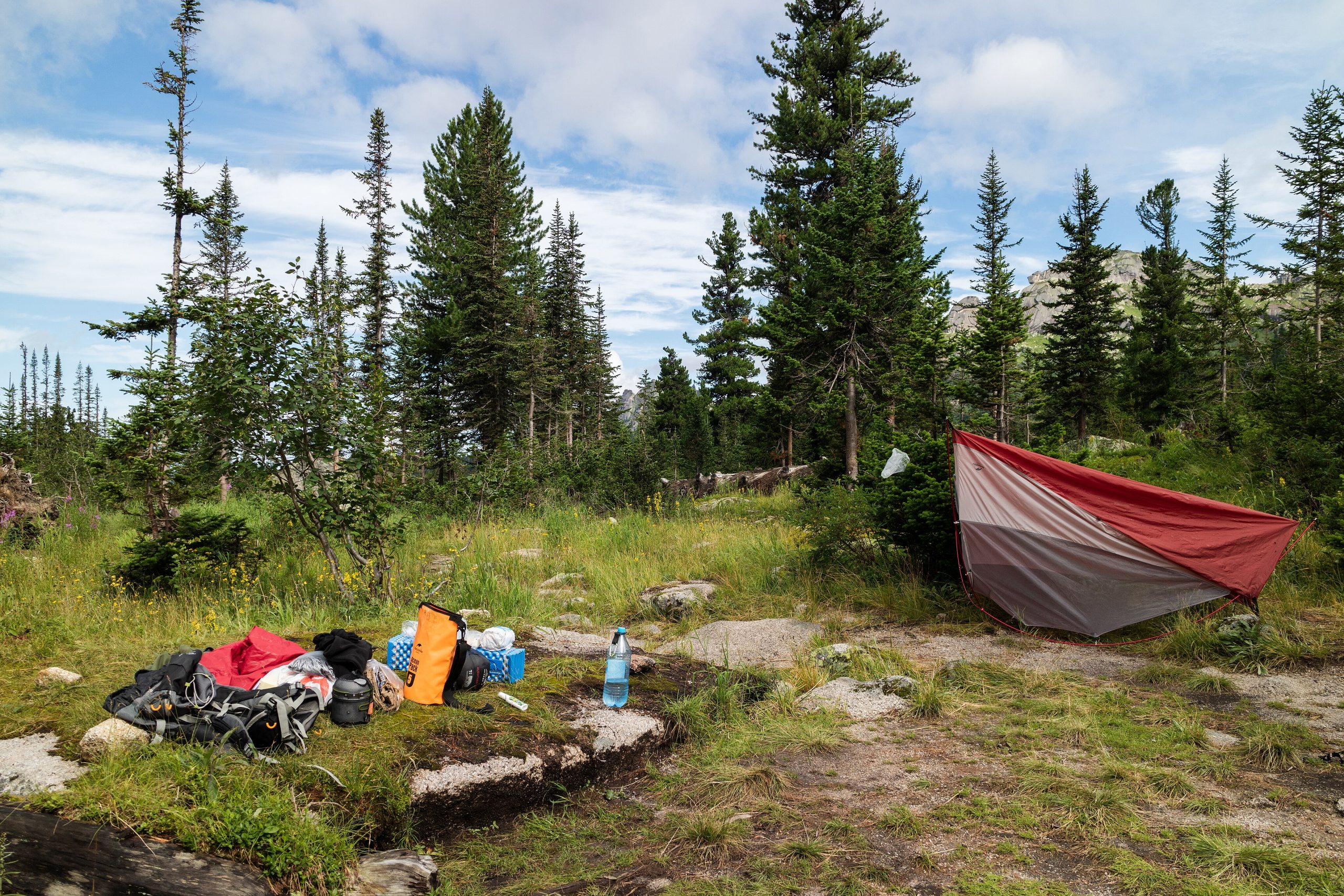
Repeated foot traffic compacts soil at Smoky Mountains campsites, worsening saturation problems. Compacted ground loses pore space, preventing water from draining naturally. Rain pools quickly, creating muddy surfaces and standing water. Tent stakes fail to hold. Tree roots suffer from reduced oxygen. Campers move outward, expanding damaged areas. Drainage systems struggle under constant pressure. Even short storms create long lasting wet conditions. Managers rotate sites and install gravel pads, yet saturation persists. Without recovery time, soil structure degrades further. These compaction effects explain why some campsites remain closed after rain while others reopen slowly conditions.
Creek Proximity And Floodplain Risks
Many Smoky Mountains campsites sit near creeks, increasing saturation risk. Valleys collect runoff from surrounding slopes. Heavy rain causes rapid water level rises. Soil near streams absorbs moisture quickly. Campers wake to standing water. Tent sites lose definition. Footpaths disappear. Floodplains drain poorly after storms. Cooler temperatures slow evaporation. Even days after rain, ground remains unstable. Visitors often underestimate creek behavior. Managers post warnings, yet conditions change overnight. Proximity to water enhances scenic value but raises camping challenges. These sites require careful placement, awareness, and flexibility during wet periods common throughout much of the year.
Seasonal Rain Patterns And Recovery Limits
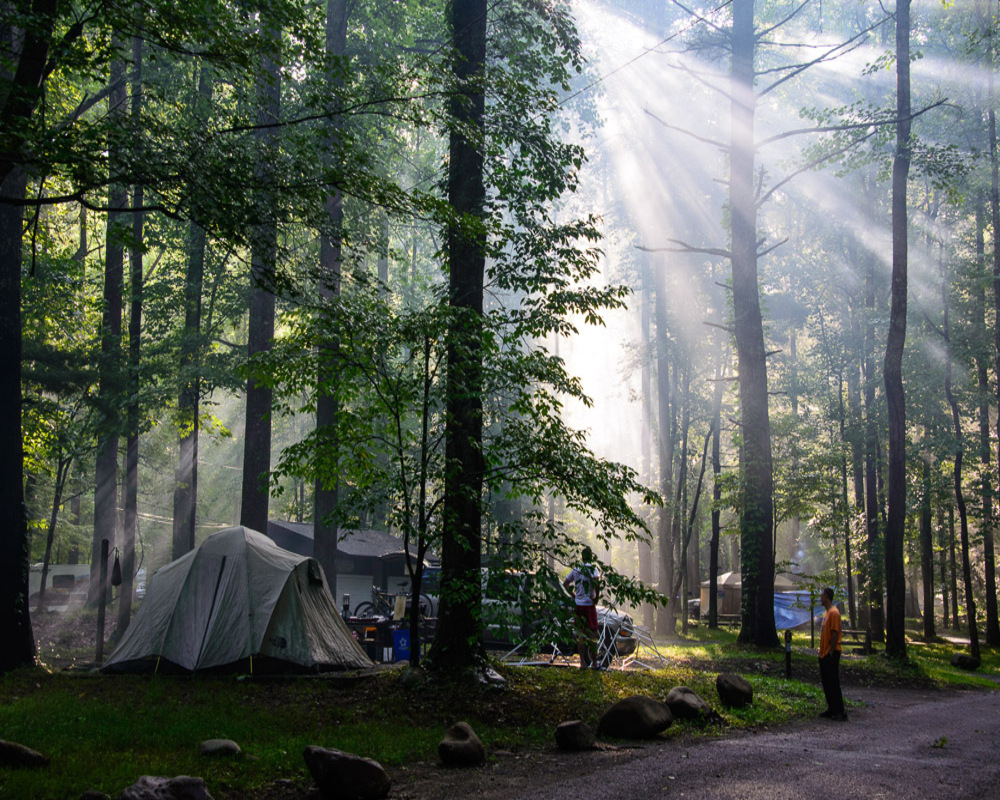
Seasonal rainfall patterns intensify ground saturation across Smoky Mountains campsites. Summer storms arrive frequently and heavily. Fall brings steady rain with limited drying windows. Winter freezes trap moisture beneath the surface. Spring snowmelt adds volume. Campsites rarely experience full recovery between events. Soil remains compressed and wet. Vegetation struggles to rebound. Campers encounter slick conditions regardless of forecast. Recovery depends on sun exposure, airflow, and soil type. Shaded forest floors dry slowly. Managers adjust use levels, but nature sets limits. Understanding seasonal saturation helps explain persistent closures and why some sites feel muddy long after storms pass.
Visitor Behavior And Campsite Expansion
Visitor behavior contributes significantly to saturation issues at Smoky Mountains campsites. Campers avoid muddy ground by shifting tents repeatedly. Foot traffic spreads outward from designated pads. Vegetation gets trampled, exposing soil further. Informal paths form around puddles. Drainage patterns change unintentionally. Each adjustment worsens saturation over time. High use periods amplify this effect quickly. Even careful campers struggle to prevent impact when ground stays wet. Rangers encourage staying on hardened surfaces, but conditions challenge compliance. Over time, campsite footprints expand beyond design limits, increasing erosion, mud persistence, and maintenance needs across popular camping areas during prolonged rainy stretches.
Trail Runoff And Campsite Erosion
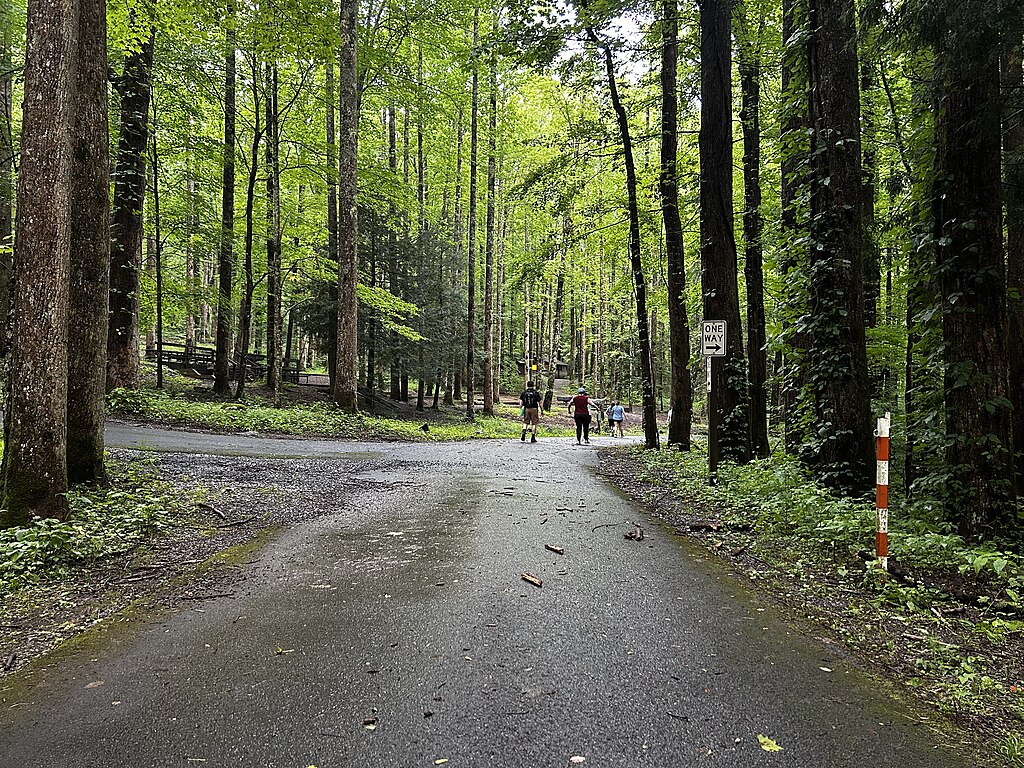
Runoff from nearby trails worsens campsite saturation throughout the Smokies. Water follows compacted paths downhill, channeling directly into flat camping areas. Poorly aligned trails accelerate flow. Campsites at trail junctions collect excess moisture. Erosion deepens as runoff cuts shallow channels through soil. Tent areas become uneven. Standing water persists. Campers track mud further, compounding damage. Trail maintenance helps but cannot fully prevent saturation. Heavy visitation overwhelms mitigation efforts. Understanding how trail runoff interacts with campsites explains why some locations remain chronically wet even during moderate rainfall, creating persistent challenges for campers and land managers alike.