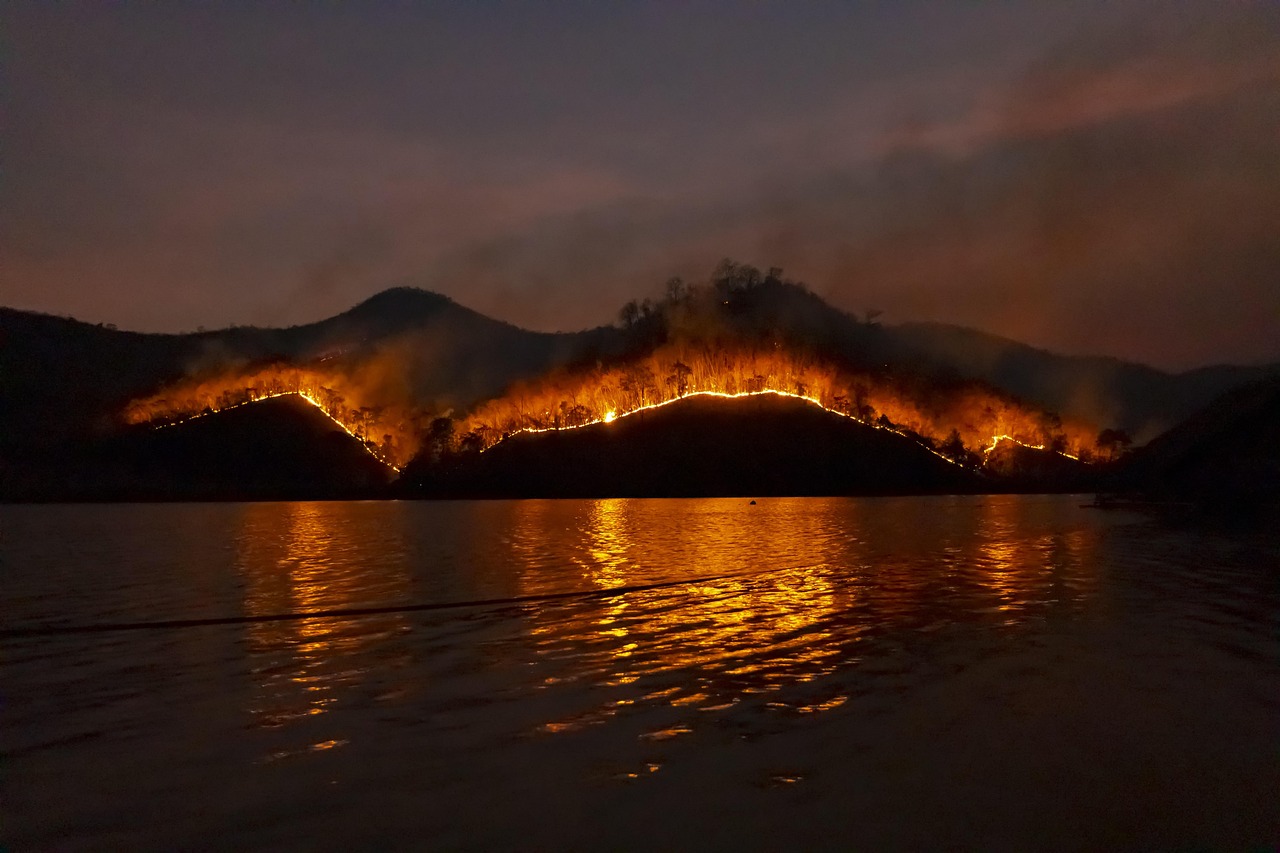
Hiking is one of the simplest ways to reset your mind and reconnect with nature, but a great trip depends heavily on preparation. Even a short trail can turn uncomfortable or unsafe if you forget key essentials. Weather shifts, minor injuries, navigation errors, and simple hunger can quickly ruin an otherwise perfect day outdoors. Smart hikers don’t pack randomly; they carry items that solve predictable problems. The goal isn’t to overload your backpack, but to be comfortably self-sufficient. Whether you’re heading out for a relaxed morning walk or a challenging full-day trek, these items consistently prove their value. Each one serves a practical purpose that can make your hike safer, smoother, and far more enjoyable.
1. Reliable Hydration System
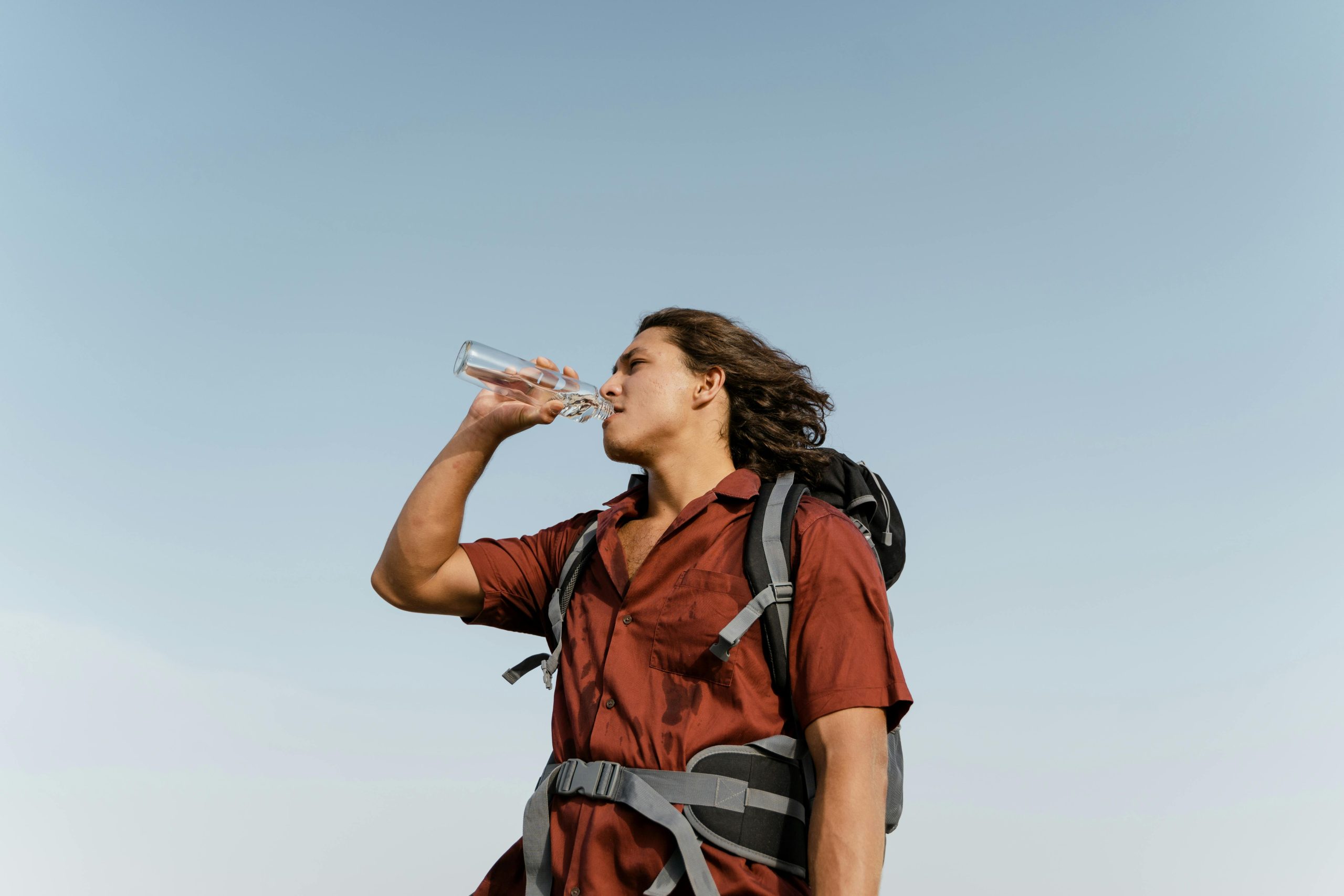
Water is the single most critical item for any hike, regardless of distance or difficulty. Dehydration creeps in faster than most beginners expect, especially under sun exposure or during steep climbs. Carrying a proper hydration system, whether a durable water bottle or a hydration bladder, allows you to drink consistently without interrupting your pace. Many hikers underestimate their needs and bring too little, which can lead to fatigue, dizziness, or headaches. A good rule is to carry more than you think you’ll need, particularly in warm conditions. Lightweight containers make this easier without adding a noticeable burden. Hydration also supports muscle function and temperature regulation, helping you maintain endurance throughout the trip. Skipping adequate water planning is one of the most common and preventable hiking mistakes.
2. Trail-Appropriate Footwear
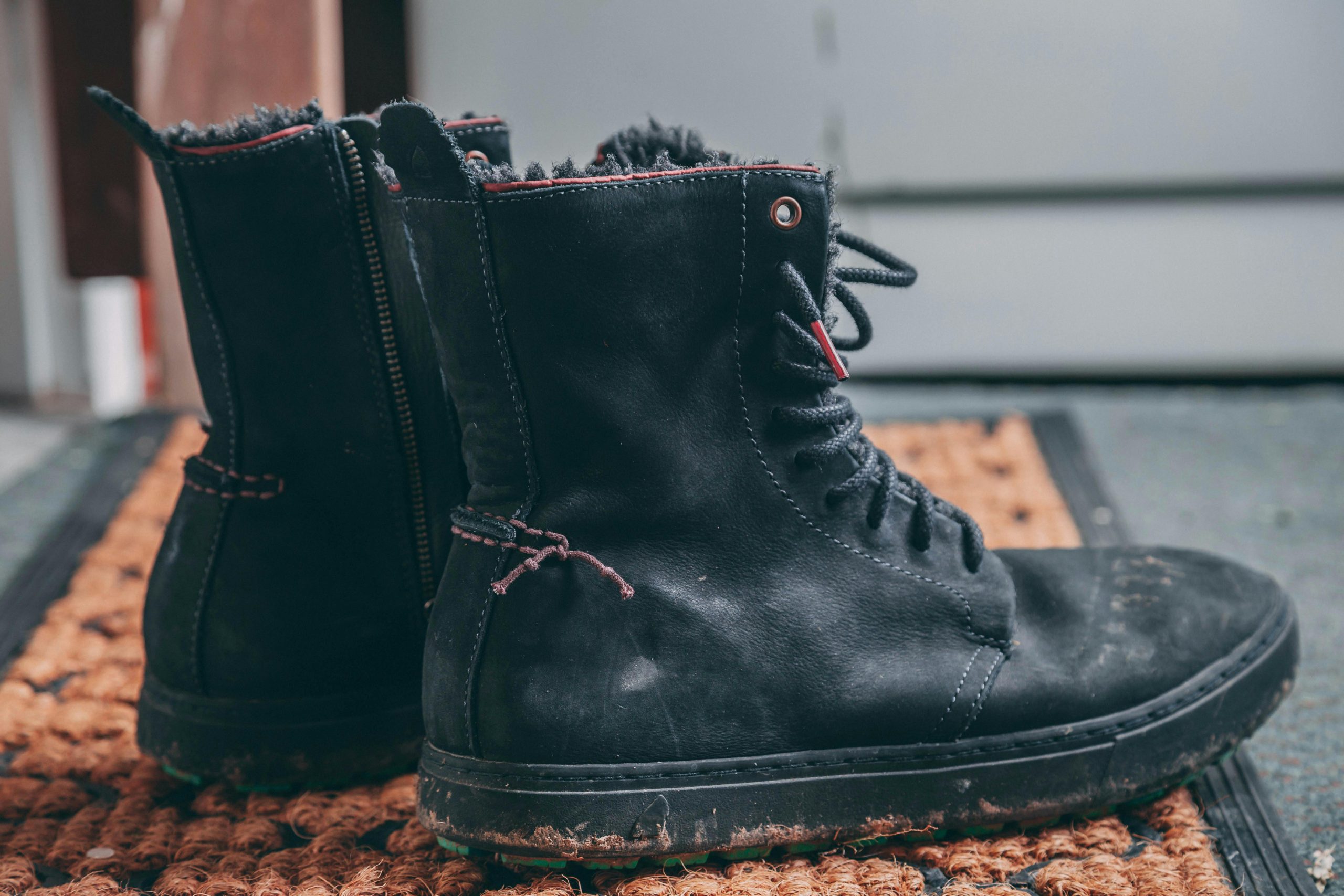
Footwear can determine whether your hike feels effortless or miserable. Trails vary widely in terrain, and improper shoes often cause blisters, instability, or foot pain. Hiking shoes or boots provide grip, support, and protection against uneven surfaces like rocks, roots, and loose gravel. Regular sneakers may work for short urban walks but rarely perform well on natural trails. Good footwear reduces injury risk by improving traction and ankle stability, particularly on descents. Comfort matters just as much as durability. Poorly fitted shoes can become unbearable after an hour. Breathable materials help manage moisture and prevent hot spots that lead to blisters. Investing in dependable trail footwear pays dividends in confidence, safety, and long-term enjoyment. Your feet carry the entire experience, so treating them as a priority is essential.
3. Navigation Essentials
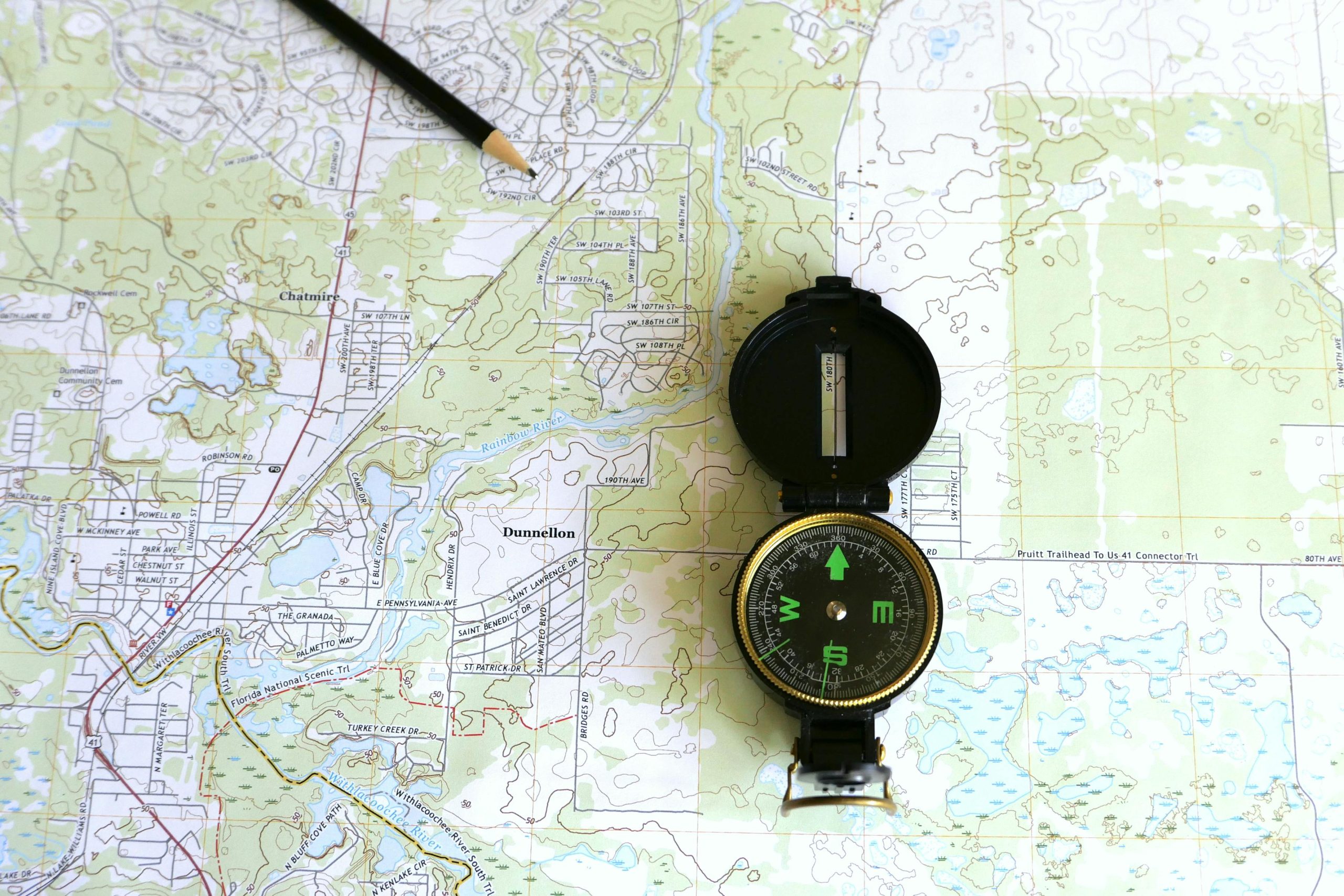
Even well-marked trails can become confusing due to intersections, weather conditions, or simple distractions. Carrying navigation tools prevents minor errors from turning into stressful detours. A physical map, compass, or offline GPS app provides dependable guidance when signals drop. Phones alone are risky because batteries drain and reception disappears in remote areas. Knowing your route beforehand also reduces anxiety and conserves energy. Navigation isn’t only about getting unlost, tithelps you manage timing, rest stops, and elevation changes. Confidence in direction allows you to enjoy the scenery instead of worrying about wrong turns. Many hiking incidents begin with small orientation mistakes that snowball into larger problems. A simple backup navigation method dramatically improves safety and peace of mind on unfamiliar terrain.
4. Weather-Ready Layers
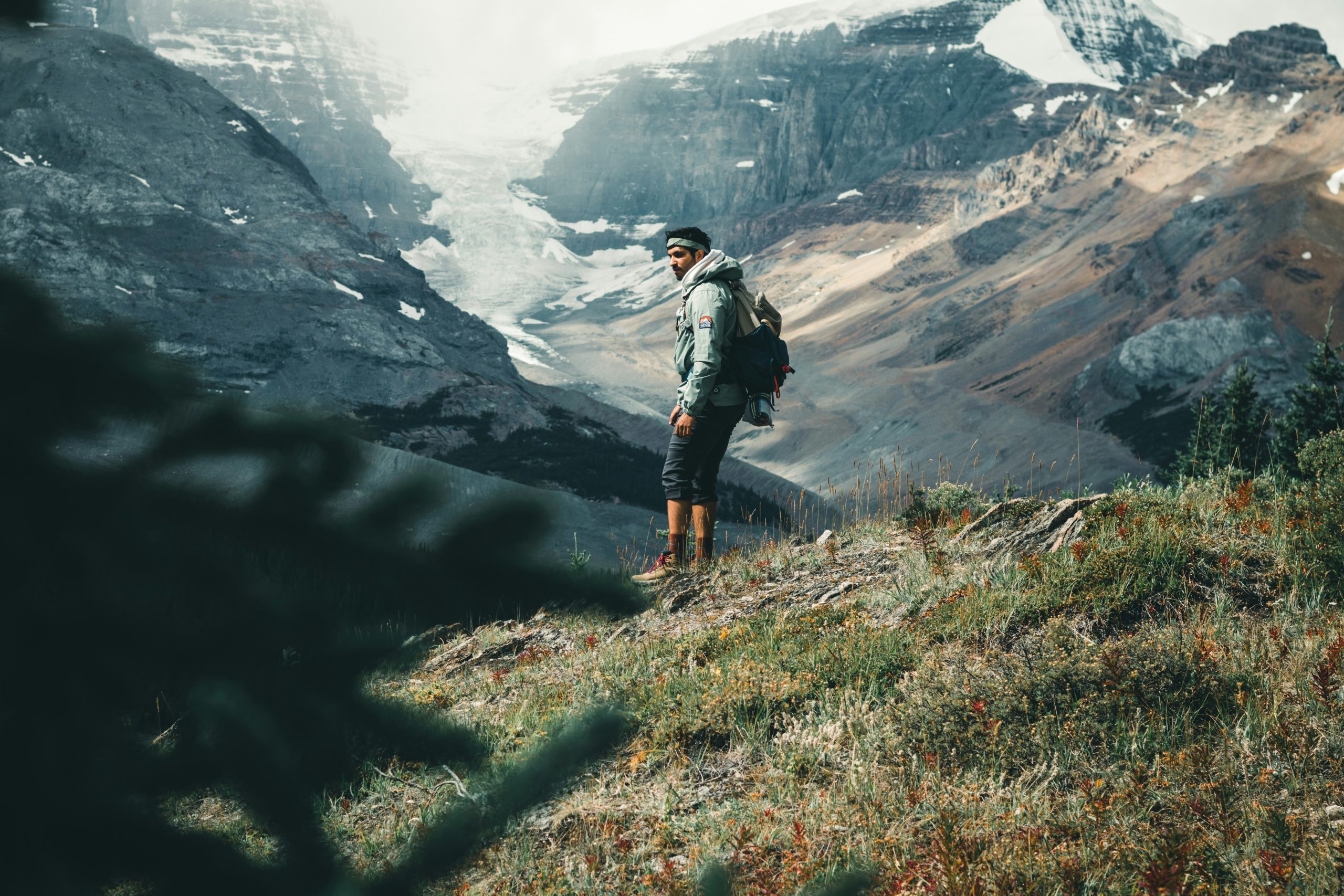
Outdoor conditions can change faster than forecasts suggest. Temperature shifts, wind, and unexpected rain can quickly turn a comfortable hike unpleasant. Carrying lightweight layers allows you to adapt without carrying bulky clothing. A moisture-wicking base layer keeps sweat from chilling your body, while an insulating layer preserves warmth when temperatures drop. A compact rain shell protects against sudden showers and wind exposure. Proper layering prevents both overheating and excessive cooling, supporting consistent comfort. Hikers often regret dressing for the parking lot rather than the trail. Packable garments minimize space usage while providing significant protection. Staying dry and thermally balanced preserves energy and reduces fatigue. Weather preparedness isn’t excessive caution, it’s practical planning for a dynamic environment.
5. Compact First Aid Kit
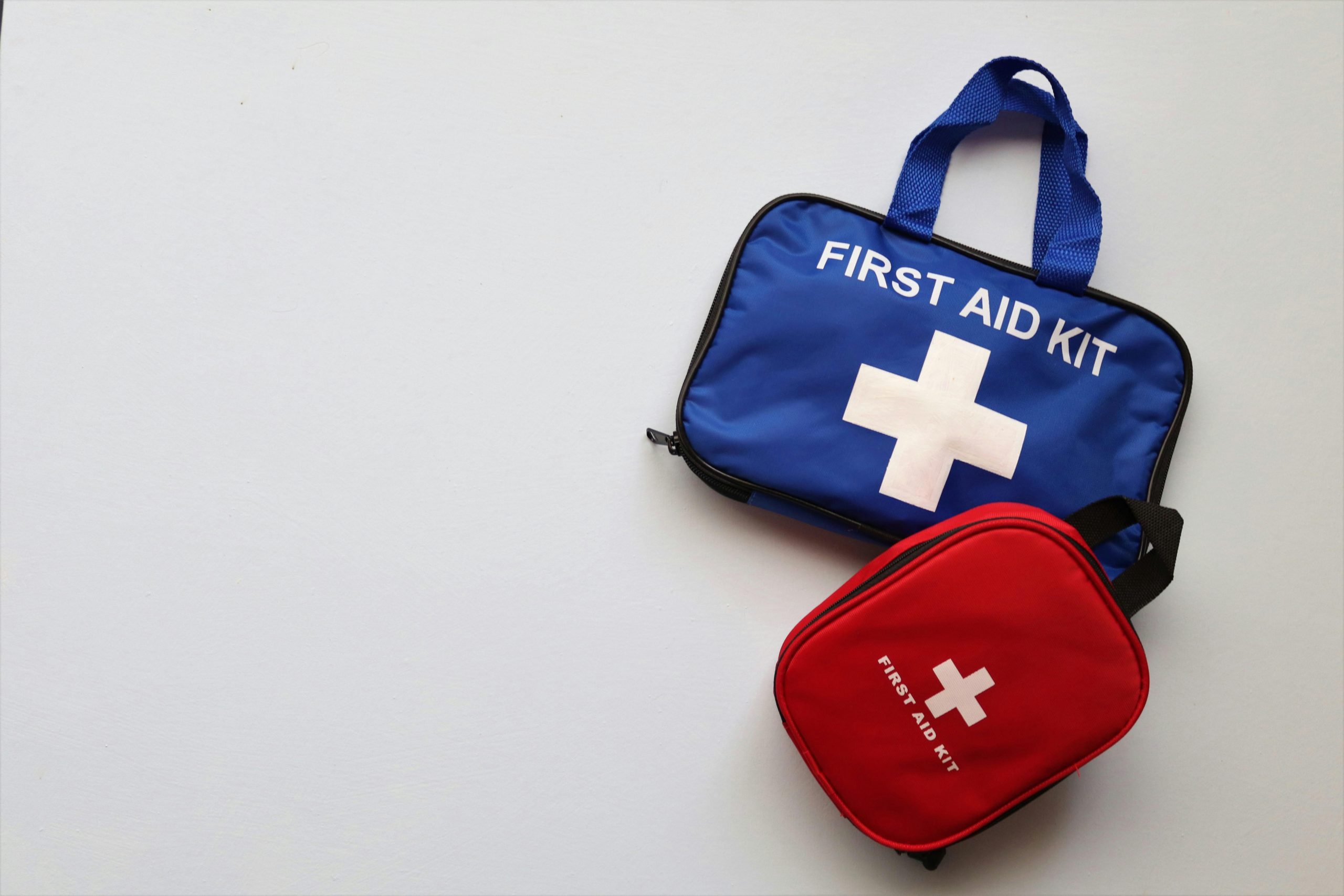
Minor injuries are common on trails, even for experienced hikers. A small first aid kit provides immediate solutions for cuts, blisters, scrapes, or headaches. Basic supplies like bandages, antiseptic wipes, blister treatment, and pain relief take up minimal space yet offer immense value. Addressing discomfort early prevents small problems from worsening. Blisters, for example, can escalate from annoyance to hike-ending pain without treatment. First aid also builds confidence when navigating unfamiliar terrain. Emergencies are rare,e but preparation improves outcomes dramatically. Kits don’t need to be elaborate, just thoughtfully assembled. Many hikers learn their importance only after needing one. Carrying simple medical supplies is one of the easiest ways to enhance safety and maintain control over unexpected situations.
6. Energy-Sustaining Snacks

Hiking demands more energy than casual walking, particularly on elevation gains. Portable snacks help stabilize blood sugar and prevent fatigue. Foods that combine carbohydrates and protein provide sustained fuel rather than short bursts. Lightweight options like trail mix, energy bars, or dried fruit are easy to carry and consume. Hunger can quietly affect mood, concentration, and decision-making. Regular fueling supports endurance and reduces exhaustion. Many hikers pack meals but neglect convenient, quick-access snacks. Eating small portions periodically is often more effective than waiting until you feel depleted. Proper nutrition keeps the experience enjoyable and productive. Skipping adequate fuel planning frequently leads to avoidable energy crashes that dampen performance and enthusiasm.
7. Sun Protection

Sun exposure intensifies outdoors due to elevation, reflection, and prolonged duration. Effective protection prevents discomfort and long-term skin damage. Sunscreen, sunglasses, and a hat create a reliable defense against UV radiation. Even cloudy conditions allow significant UV penetration. Overexposure leads to burns, dehydration, acceleration, and fatigue. Lightweight protective items offer substantial benefits without burden. Sunglasses reduce glare and eye strain, improving visual comfort. A hat also aids temperature regulation by shading the face. Many hikers underestimate the sun’s impact until symptoms appear. Consistent protection preserves comfort and physical resilience. Prioritizing sun safety is not cosmetic it directly influences hydration, energy levels, and overall hiking performance.
8. Illumination Source
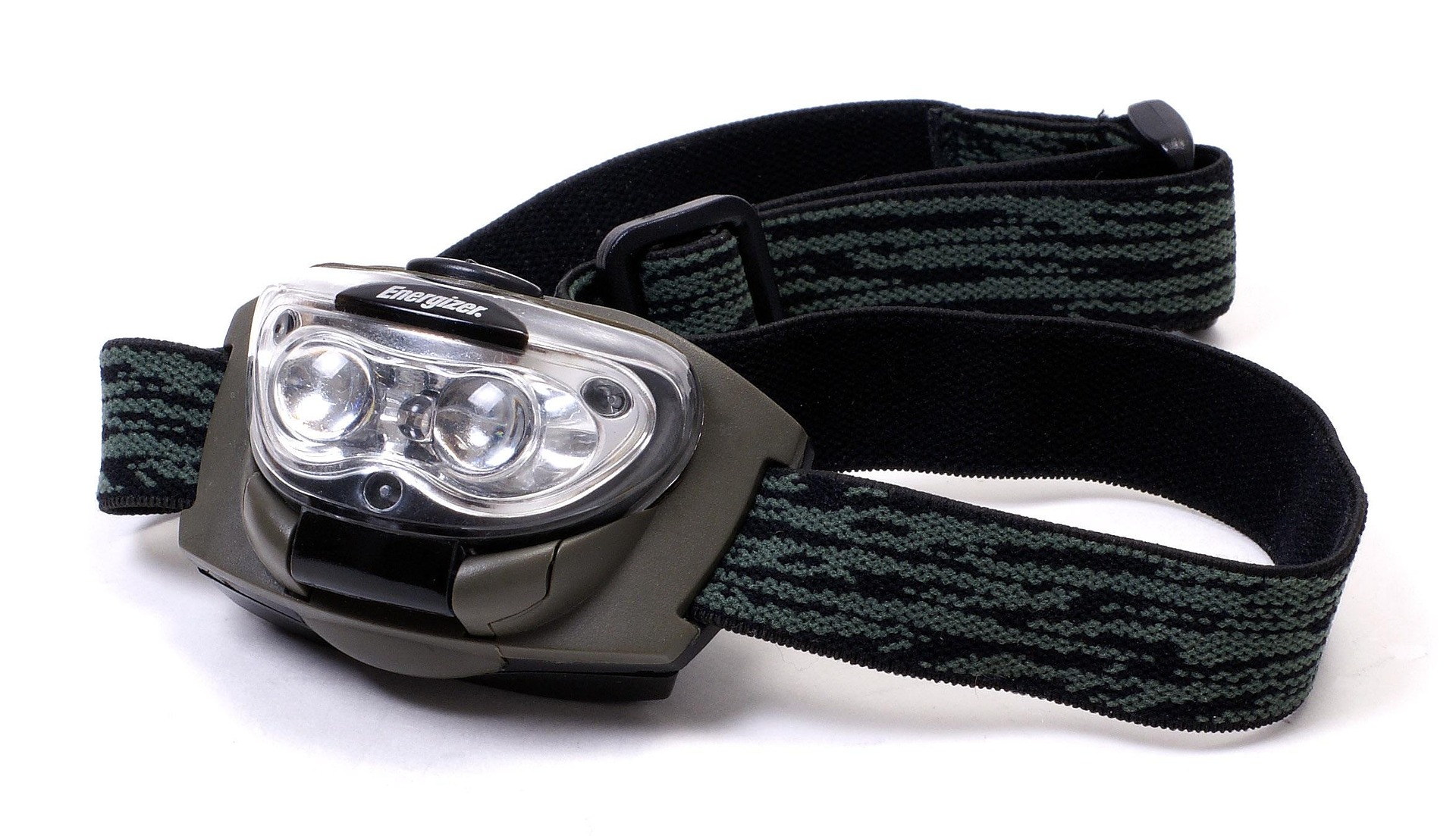
Delays, slower pacing, or navigation adjustments can extend hikes unexpectedly. Carrying a headlamp or flashlight ensures visibility when daylight fades. Illumination enhances safety by preventing missteps and improving situational awareness. Compact lighting devices are lightweight and highly reliable. Darkness increases injury risk and complicates navigation. A headlamp allows hands-free movement, which is especially useful on uneven terrain. Batteries or rechargeable power provide long-lasting performance. Many hikers assume they’ll return before sunset and regret the oversight. Light sources also assist in emergencies or low-visibility weather. Preparing for reduced visibility is a simple precaution with significant safety implications.
9. Multi-Purpose Tool

A compact multi-tool offers versatile functionality for small but impactful tasks. Cutting tape, repairing gear, adjusting equipment, or preparing food becomes manageable with a single device. Such tools minimize the need for multiple specialized items. Unexpected situations often require improvisation. A lightweight tool provides problem-solving flexibility without adding bulk. Durability and practicality make it a favorite among experienced hikers. While rarely used, its value emerges precisely when needed. Small inconveniences can escalate without proper tools. Carrying one reflects thoughtful preparedness rather than excess packing.
10. Emergency Shelter Option
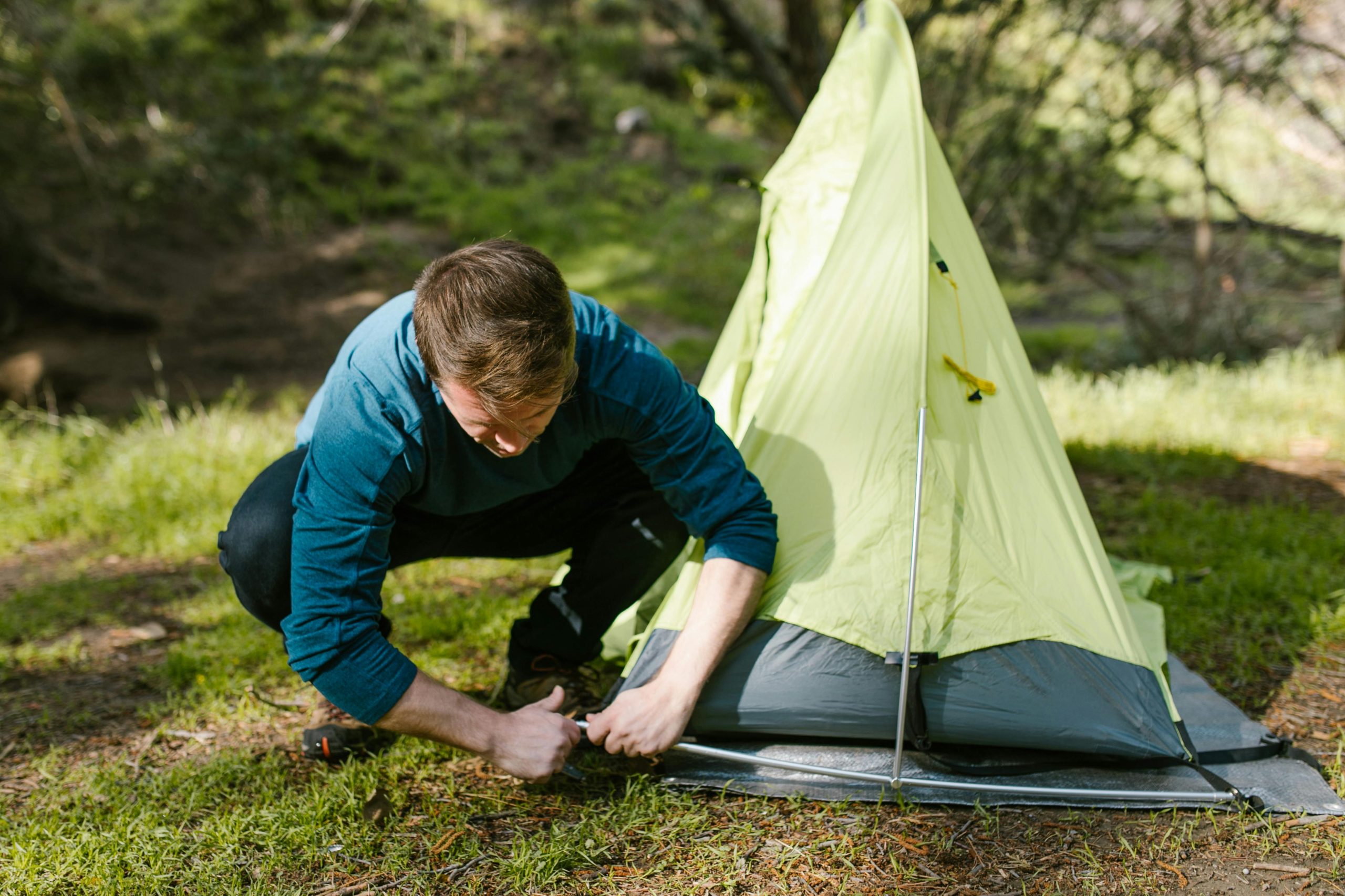
Even short hikes benefit from minimal emergency protection. A lightweight emergency blanket or bivy sack provides insulation and weather defense if delays occur. Exposure becomes dangerous when temperatures drop or conditions worsen. Compact shelters occupy little space yet provide life-preserving warmth. They reflect body heat efficiently and block wind. Unexpected injuries or navigation delays can extend time outdoors. Shelter planning improves resilience and safety margins. Many hikers overlook this category due to optimism about conditions. Preparedness enhances confidence and survival potential in unlikely but serious scenarios.
11. Communication Backup

Remote trails frequently lack consistent cellular coverage. A whistle, signal mirror, or satellite communicator improves emergency signaling capability. Communication tools aid rescue and coordination if assistance becomes necessary. Whistles, in particular, carry farther than voices and conserve energy. Simple devices can dramatically improve visibility and response outcomes. Relying solely on phones introduces avoidable risk. Backup signaling supports responsible exploration. Emergencies are unpredictable, but preparation reduces vulnerability. Carrying small communication aids strengthens overall safety without noticeable inconvenience.
12. Personal Identification

Carrying identification is a frequently overlooked yet essential safety measure. In the event of injury, it assists responders in providing accurate support. Basic details can influence medical decisions and emergency contacts. Lightweight ID storage adds negligible burden. Prepared hikers consider not only prevention but response facilitation. Identification also assists in unforeseen logistical situations. This small precaution contributes to overall responsibility and safety awareness.
13. Positive Mindset and Patience
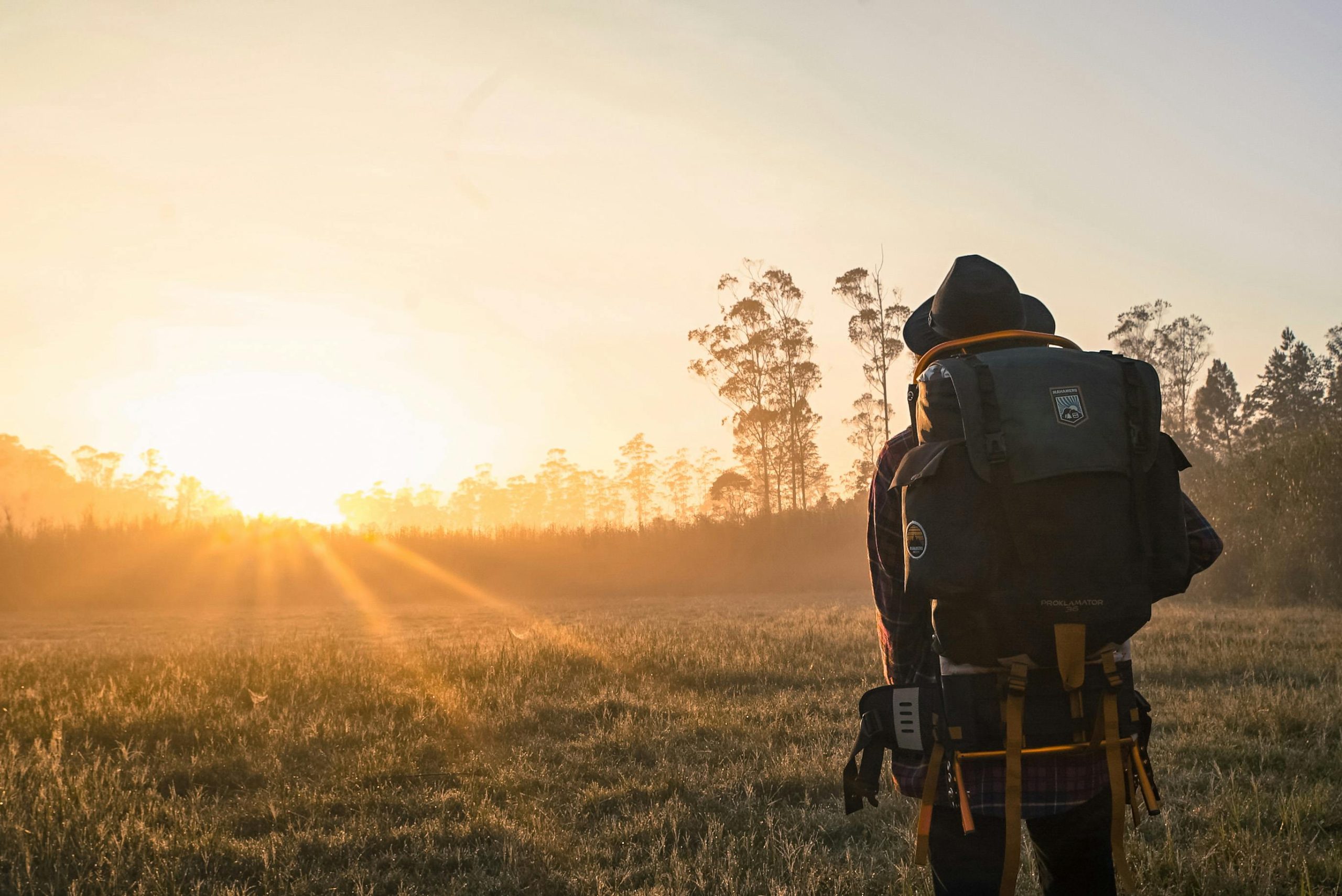
Mental preparation is as important as physical packing. Hiking involves unpredictability, slower progress, obstacles, and changing conditions, which are normal. Patience supports better decision-making and stress management. A calm mindset enhances enjoyment and resilience. Frustration often magnifies minor challenges. Approaching the trail with flexibility improves the experience dramatically. Confidence, awareness, and steady pacing reduce errors. Mental readiness transforms difficulties into manageable variations rather than setbacks. The right mindset ultimately shapes how the journey feels, regardless of terrain or distance.