Exploring the five freshwater predators powerful enough to kill humans at close range reveals the hidden dangers lurking in rivers and lakes. While most aquatic life remains harmless to people, these specific species possess the sheer physical strength or aggression required to end a life quickly. Swimmers and fishermen often underestimate the speed and stealth of these massive creatures until it is far too late to escape. Understanding the capabilities of these formidable animals helps outdoor enthusiasts respect their territories and avoid potential tragedies. This guide examines the freshwater giants that demand absolute caution from anyone entering their domain.
Nile Crocodile
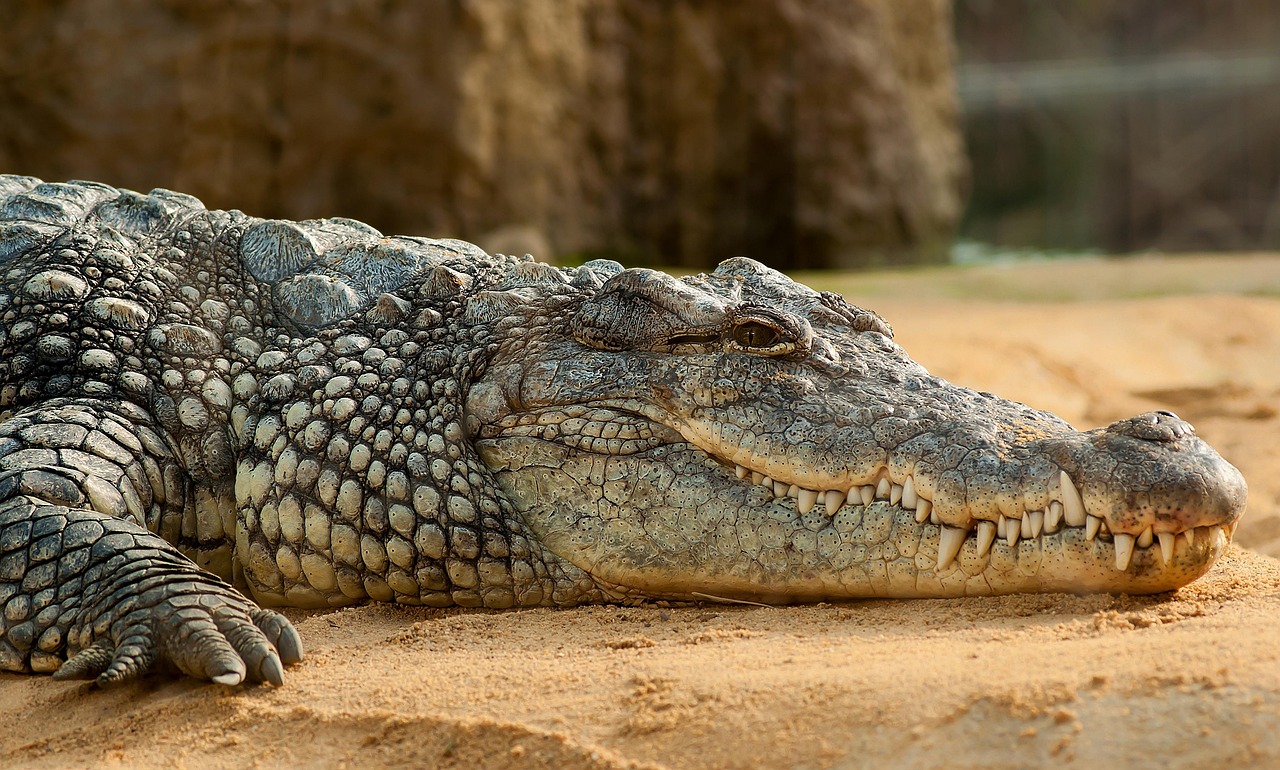
The Nile Crocodile stands as one of the most aggressive and deadly reptiles found on the African continent today. This massive ambush predator utilizes an incredible bite force that can crush bone instantly upon impact with prey. They often wait patiently near the water’s edge for an unsuspecting victim to approach before launching a lightning-fast attack. Their ability to hold large animals underwater until they drown makes them exceptionally dangerous to anyone swimming or washing clothes. Local communities live in constant fear of these ancient hunters because they view humans as a viable food source during the day.
Hippopotamus

Despite their herbivorous diet, the Hippopotamus is widely regarded as one of the deadliest large mammals in Africa. These massive creatures are extremely territorial and will charge any boat or person that blocks their path to deep water. Their enormous jaws can open wide enough to snap a canoe in half, while their sharp tusks inflict catastrophic injuries. Most attacks occur when a human accidentally surprises a hippo on land or gets too close to a mother protecting her calf. Their deceptive speed on both land and water catches many people completely off guard during a river safari.
Bull Shark
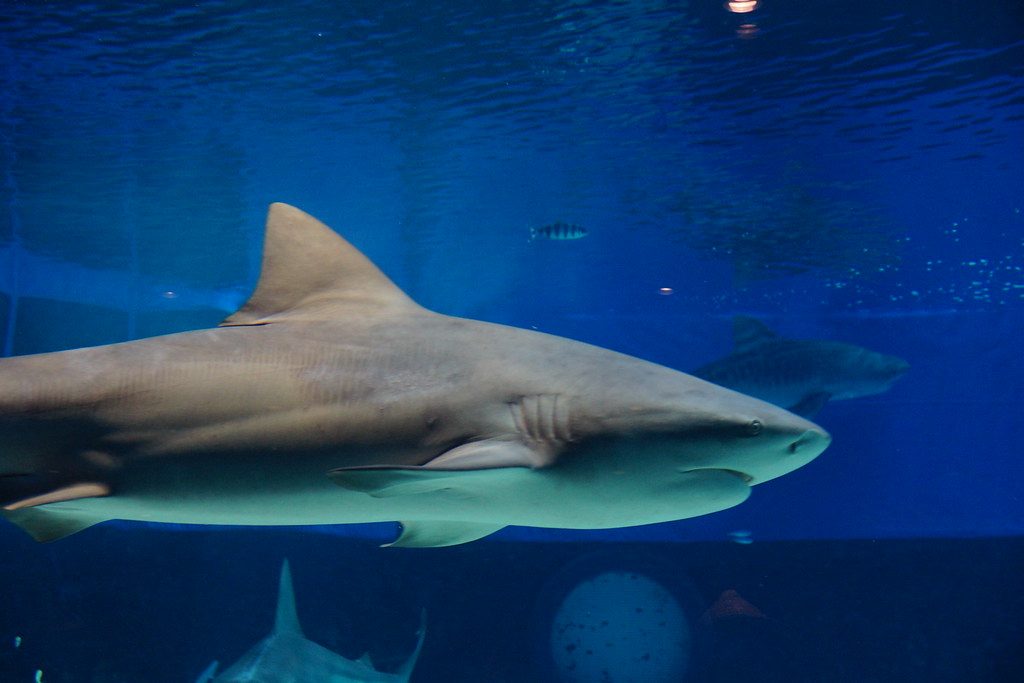
The Bull Shark possesses a unique physiological ability to thrive in both saltwater and freshwater environments for extended periods. This adaptation allows them to travel hundreds of miles up rivers where people rarely expect to encounter a large predatory shark. They are known for their aggressive nature and tendency to hunt in murky, shallow waters where visibility is poor. Their bumping technique often precedes a powerful bite that can cause fatal blood loss within minutes of the initial contact. Swimmers in coastal rivers face a genuine threat because these sharks often inhabit areas near human population centers.
Black Caiman
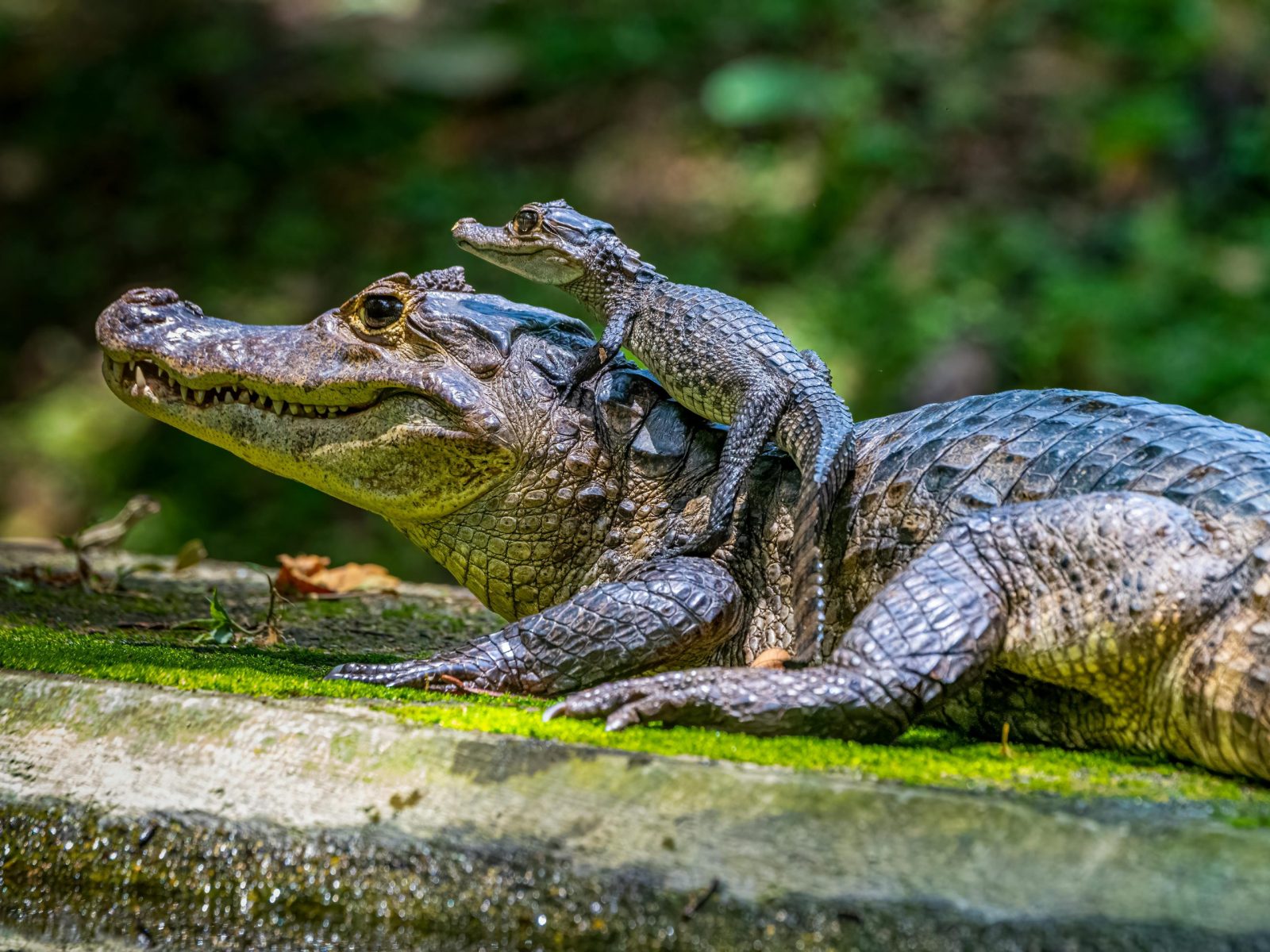
As the largest predator in the Amazon basin, the Black Caiman rules the waterways with intimidating size and strength. These reptiles can grow to lengths exceeding sixteen feet and possess a bite that rivals their African crocodile cousins. They primarily hunt at night and use their dark scales to remain nearly invisible against the black river water before striking. While attacks on humans are less common than with Nile crocodiles, they are fully capable of overpowering an adult with ease. Their dominance in the food chain ensures that they have few natural enemies other than humans in the wild.
Green Anaconda
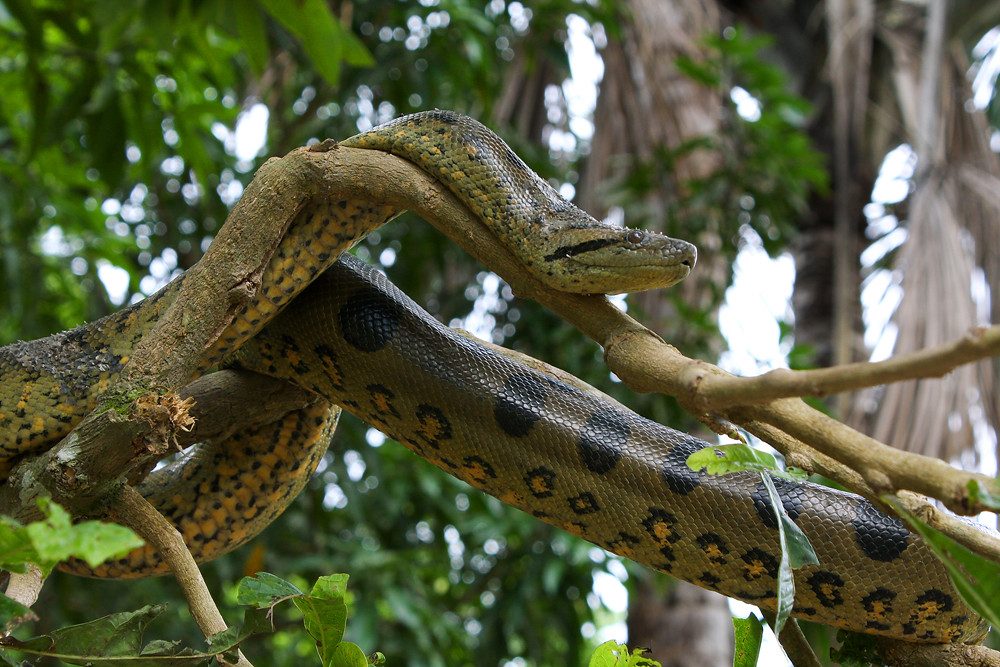
The Green Anaconda relies on immense constriction power rather than venom or speed to subdue its prey in the water. These massive snakes wrap their heavy, muscular bodies around a victim to cut off blood flow and cause unconsciousness rapidly. While confirmed human fatalities are rare due to the remote habitat, the physical strength of a large female is easily sufficient to kill an adult. They prefer to hunt in shallow swamps where they can use their weight to drag prey beneath the surface. Their stealth and raw power make them a fearsome legend of the South American rainforest.