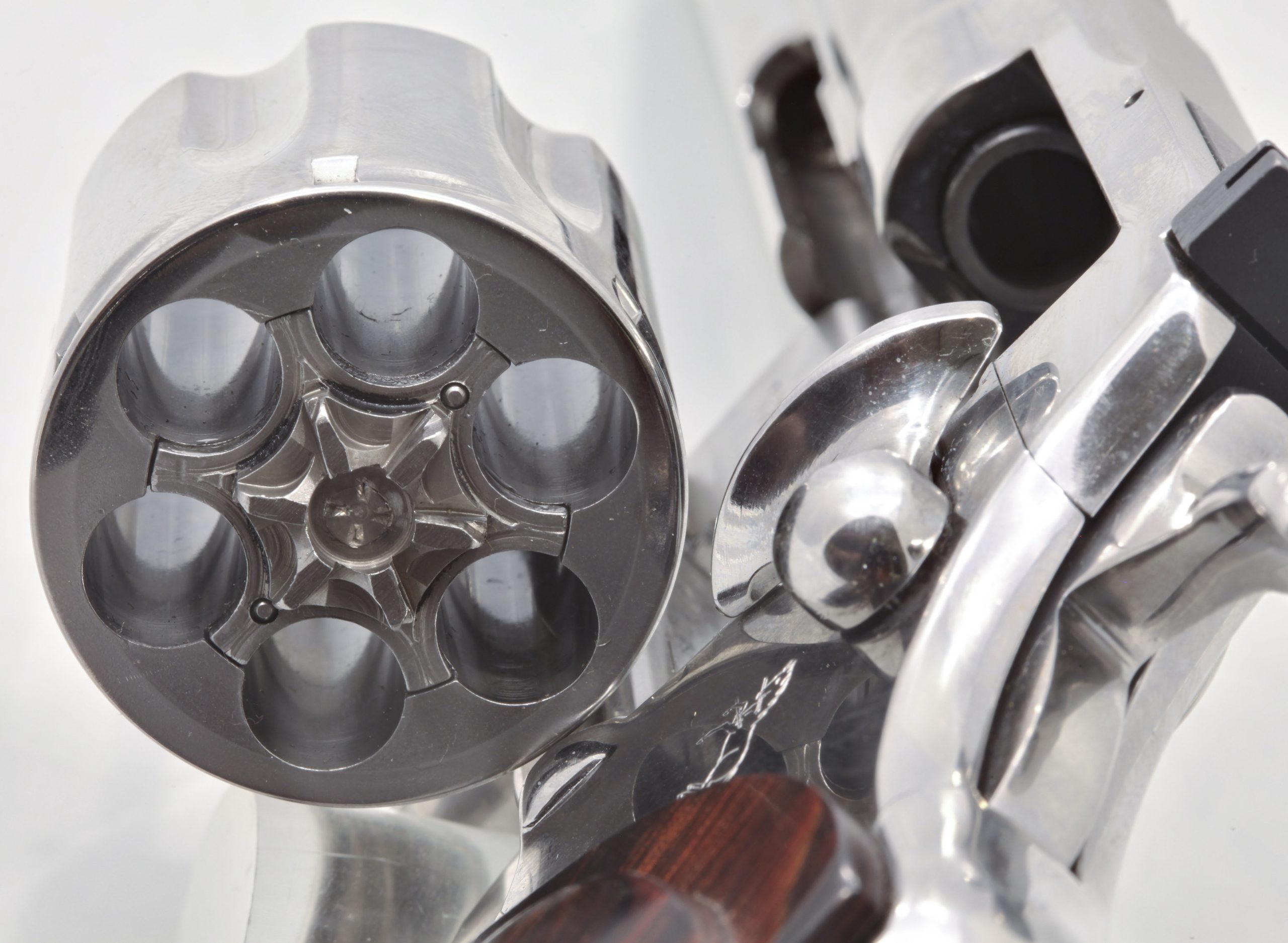
The firearms collecting world has always had its share of “sure things” that turned out to be anything but. Buyers confidently loaded up on certain guns expecting steady appreciation, convinced that rarity, history, or brand prestige would push prices upward year after year. Some of these firearms did climb for a while, which only reinforced the belief. Then the market shifted, supply caught up, or collector interest quietly moved on. What remained were guns sitting in safes at prices their owners still can’t quite accept. This list examines eight firearms that once seemed destined for serious value growth but ultimately failed to deliver on that promise in any meaningful way.
Colt AR-15 Sporter Models from the 1980s and 1990s
Pre-ban Colt AR-15 Sporter rifles from the 1980s were widely treated as future goldmines, especially after the 1994 Assault Weapons Ban created artificial scarcity overnight.
Prices spiked hard during every subsequent legislative scare, with some examples briefly touching $2,500 to $3,500 during the 2012 and 2016 buying panics.
Each time the political climate cooled, values retreated sharply, leaving buyers who paid peak prices holding rifles worth 30 to 40 percent less within 18 months.
Post-ban production flooded the market after 2004, and today’s AR-15 quality from manufacturers like BCM and Daniel Defense matches or exceeds vintage Colt production standards.
A standard pre-ban Colt Sporter now trades between $1,100 and $1,600, depending on configuration, barely above what inflation alone would justify from original retail.
The lesson here is that political panic is not a reliable value driver, and functional firearms rarely appreciate the same way truly rare collectibles do.
Smith and Wesson Model 29 After the Dirty Harry Effect Faded
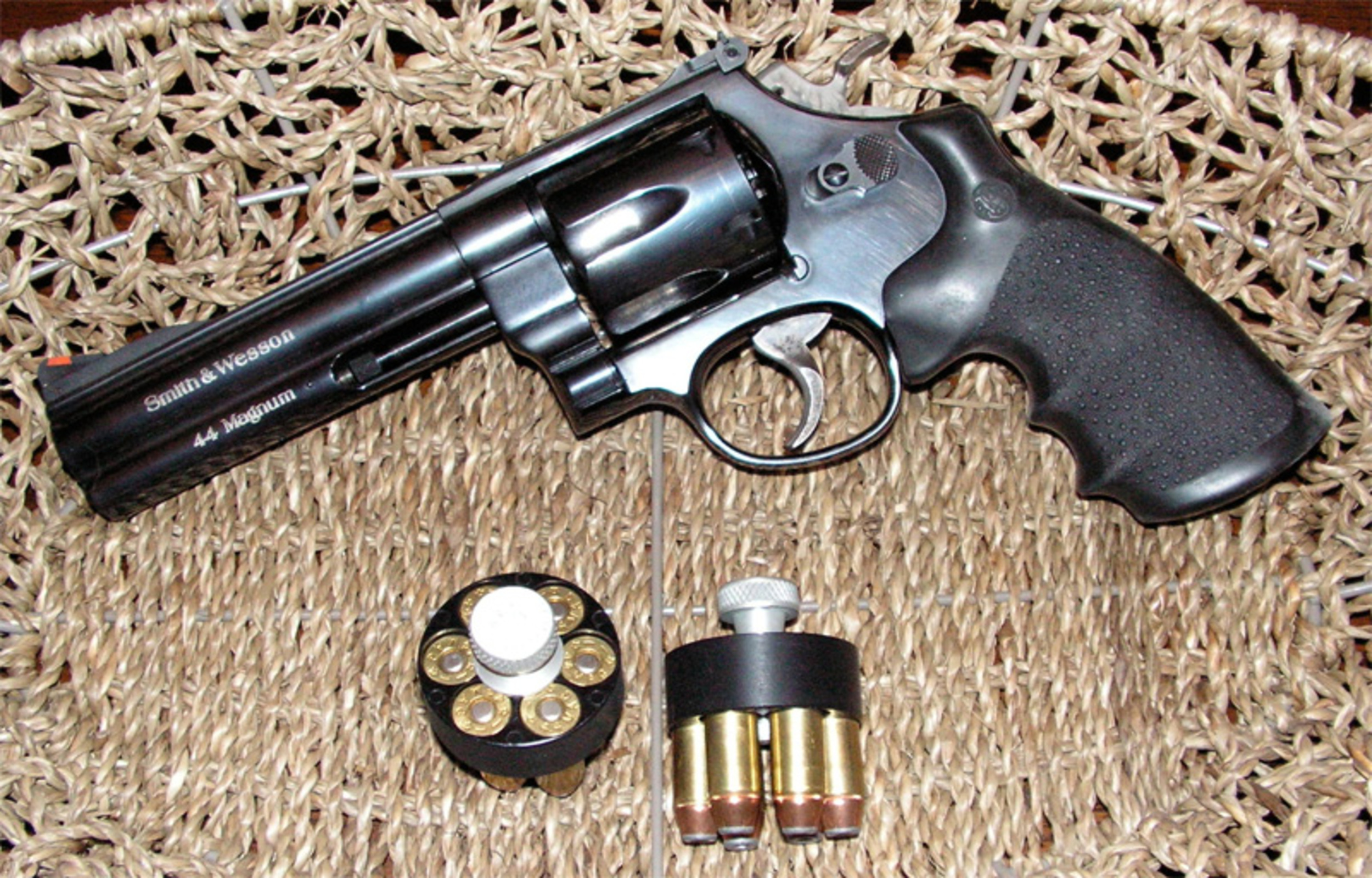
When Clint Eastwood called the Model 29 “the most powerful handgun in the world” in 1971, demand exploded,d and wait lists at dealers stretched to two years in some regions.
Collectors and investors snapped up examples convinced the cultural moment would permanently anchor values at a premium, with clean 4-inch models fetching $800 to $1,200 through the 1980s.
As the pop culture moment faded and .44 Magnum lost its novelty status, secondary market prices softened considerably throughout the 1990s and into the early 2000s.
Smith and Wesson reissued the Model 29 in various configurations, and the Classic series reintroduction effectively removed any scarcity argument that had supported collector premiums.
Today,y a used Model 29 in good condition sells for $700 to $950, which, after accounting for inflation, represents a real loss for anyone who bought at peak hype pricing.
The gun is beautifully made, and genuinely enjoyable to shoot, but movie-driven demand was never a durable foundation for long-term value growth in the collector market.
Ruger Red Label Over-Under Shotgun
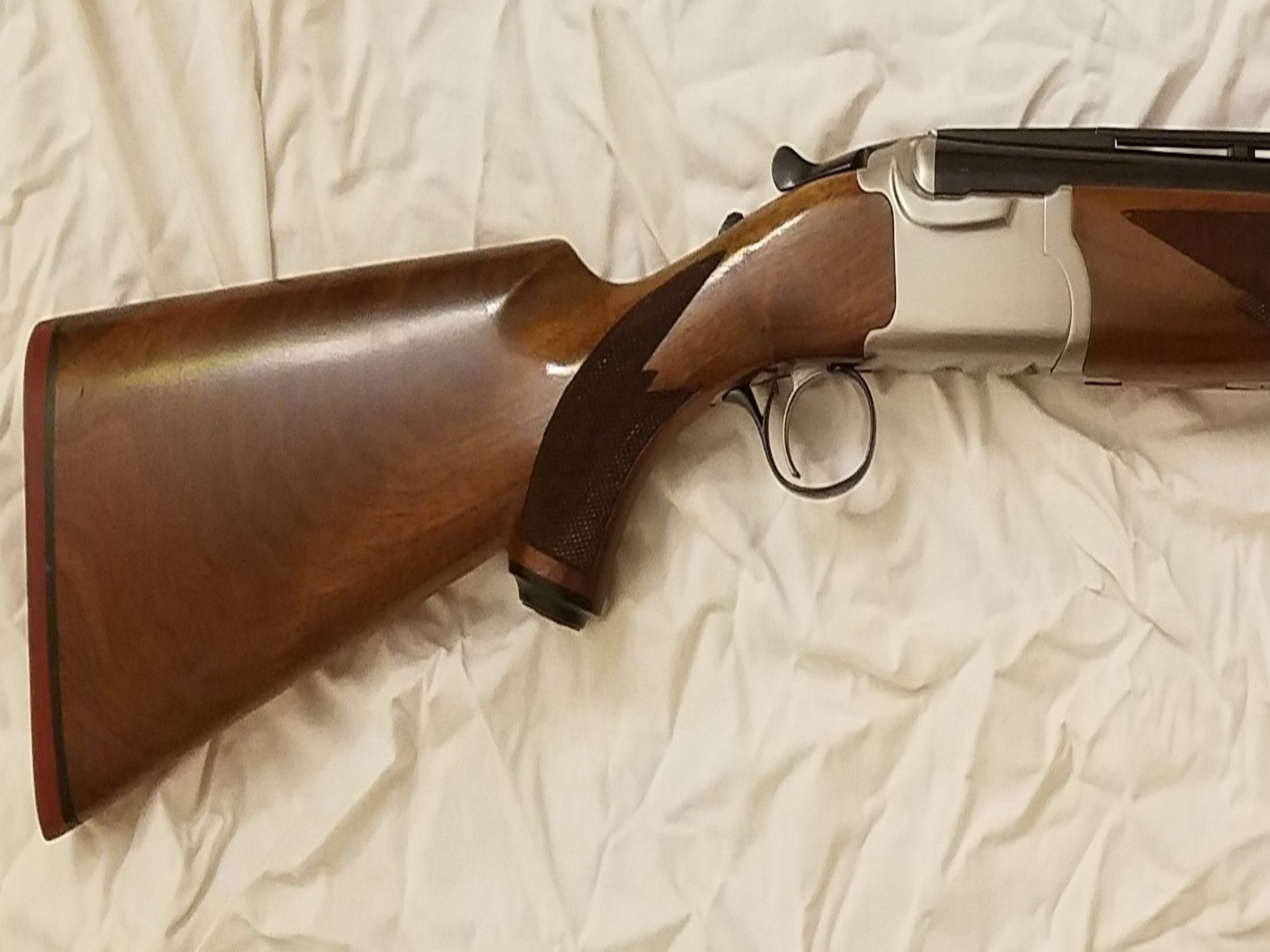
The Ruger Red Label was introduced in 1977 and developed a loyal following as an American-made over-under at a time when most quality break-actions came from Europe or Japan.
Collectors genuinely believed that Ruger’s reputation, combined with domestic production, would push used values steadily upward as the guns aged into desirability.
Ruger discontinued the Red Label in 201,1 citing low sales, which initially caused a modest price bump as buyers anticipated the classic discontinuation appreciation curve.
That bump was short-lived. Used examples that briefly touched $1,400 to $1,600 settled back to $900 to $1,100 within three years of discontinuation across most markets.
When Ruger reintroduced the Red Label in 2013, whatever scarcity premium had formed evaporated almost immediately, frustrating anyone who had bought expecting continued gains.
The Red Label is a quality shotgun, but the over-under market is crowded and price-sensitive, and domestic origin alone was never enough to sustain a collector premium long-term.
Colt Python Revolvers Before the 2020 Reissue
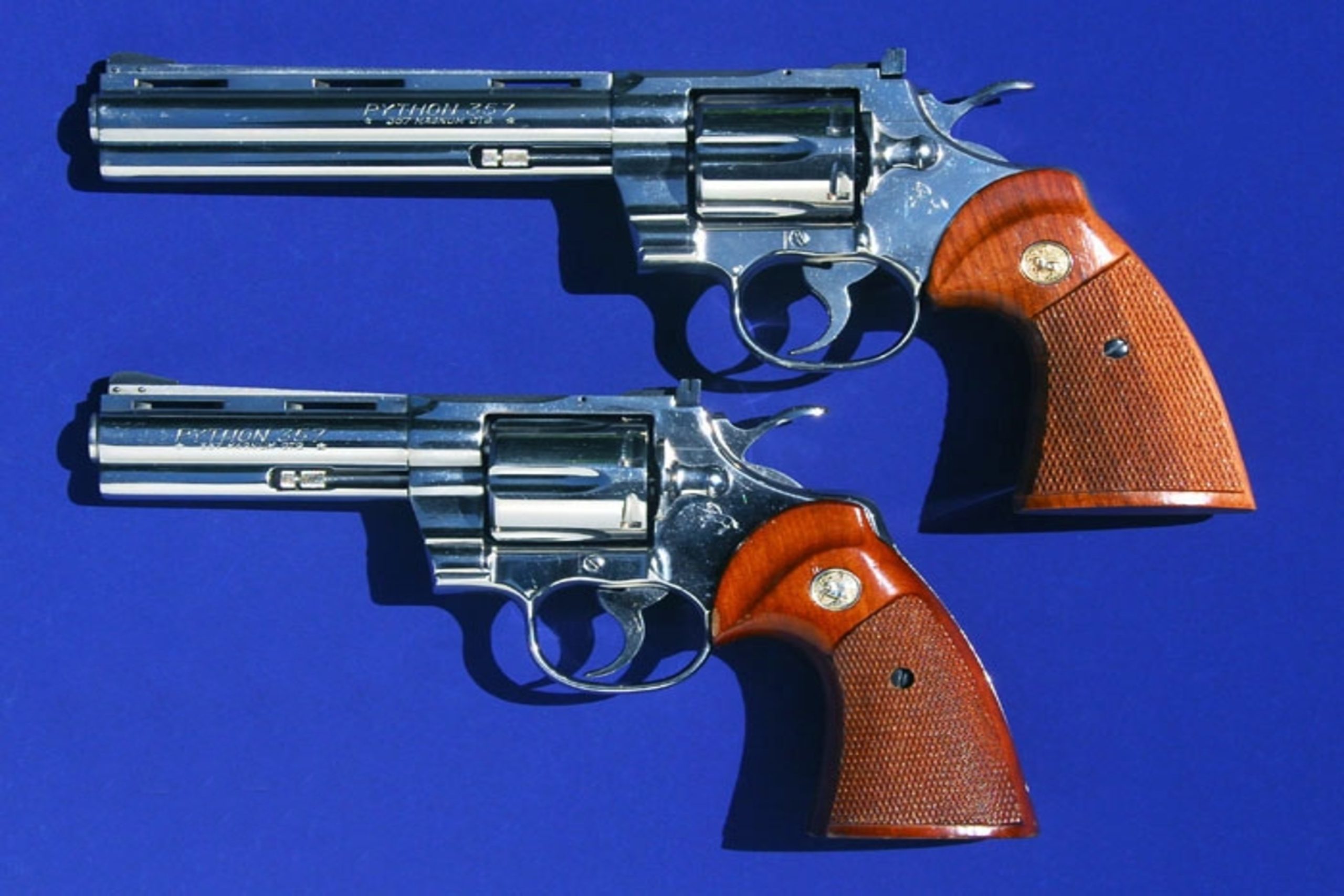
The Colt Python spent years as arguably the most coveted production revolver on the secondary market, with original examples in excellent condition reaching $2,500 to $4,500 by 2018.
Colt discontinued the Python in 2005 after an earlier gap, and that extended absence from catalogs created the kind of scarcity story that collectors genuinely rely on for appreciation.
Then Colt announced the reintroduction of the Python in 2020 at a retail price of $1,499, and the secondary market for original examples dropped noticeably almost overnight.
Buyers who paid $3,500 to $4,000 for pre-reissue Pythons in 2018 and 2019 saw values on comparable examples fall to $2,000 to $2,800 within 24 months of the relaunch.
The new Python is dimensionally similar and finished to a high standard, which diluted much of the uniqueness argument that had driven original pricing to those heights.
The Python story is a textbook case of how manufacturer decisions can abruptly reset a collector market that seemed permanently established on an upward trajectory.
Winchester Model 1894 Post-2006 Production Examples
When U.S. Repeating Arms closed the original New Haven Winchester factory in 2006, buyers rushed to stockpile final production Model 1894s, expecting immediate and sustained appreciation.
Last year’s production rifles with commemorative markings briefly sold for 40 to 60 percent above retail, with some special editions touching $1,200 to $1,500 in the immediate aftermath.
Browning and Winchester resumed 1894 production through a Japanese manufacturing arrangement, and the return of new production rifles undercut the scarcity narrative buyers had paid for.
Current used post-2006 New Haven examples trade between $650 and $950, which is essentially standard market value for a used lever gun of comparable quality and age.
The commemorative and final-run premium has almost entirely disappeared from practical resale pricing, leaving most of those buyers with nothing beyond a functional rifle at inflated cost.
Closures feel permanent until they aren’t, and the firearms industry has a long history of brands returning through new ownership or licensing arrangements that reset collector expectations.
Desert Eagle Mark I and Early Mark VII Pistols
The Desert Eagle earned enormous pop culture cachet through film and television appearances throughout the 1980s and 1990s, generating genuine collector interest in early production examples.
Mark I pistols in .357 Magnum and early Mark VII models in .44 Magnum were purchased by collectors, betting that cultural iconography would translate into steadily rising valuations.
Israeli Military Industries transferred production to Magnum Research, which maintained a steady availability of new Desert Eagles rather than allowing any natural scarcity to develop.
Early production examples that collectors hoped would reach $1,800 to $2,200 have instead plateaued at $1,100 to $1,400 depending on caliber and condition in today’s market.
New Desert Eagles retail between $1,600 and $1,900, which creates a ceiling effect that makes vintage examples difficult to sell above modern MSRP regardless of production era.
A gun that never left production and remains widely available simply cannot build the scarcity-driven collector premium that early buyers were counting on for meaningful appreciation.
H and K P7 Squeeze-Cocker Pistols
The Heckler and Koch P7 was a genuinely innovative design featuring a squeeze-cocker mechanism and exceptional accuracy that earned it a devoted following among serious pistol enthusiasts.
When HK discontinued the P7 series around 2008, secondary market prices climbed steadily, with M8 variants reaching $1,800 to $2,400 and PSP models touching even higher figures.
Collectors and investors treated the discontinuation as permanent, reasoning that HK’s complex manufacturing process made a reissue economically unlikely and thus scarcity was locked in.
However, sustained high pricing drew significant quantities of used police and military surplus P7s into the American market, dramatically increasing supply between 2010 and 2018.
M8 examples that peaked around $2,200 settled to $1,200 to $1,600 as surplus inventory absorbed demand, and PSP pricing followed a similar downward correction shortly after.
The P7 remains a brilliant design and a legitimate collector piece, but hidden surplus supply is an underappreciated risk in any investment thesis built around a discontinued firearm.
Sig Sauer P220 and P226 West German Production Examples
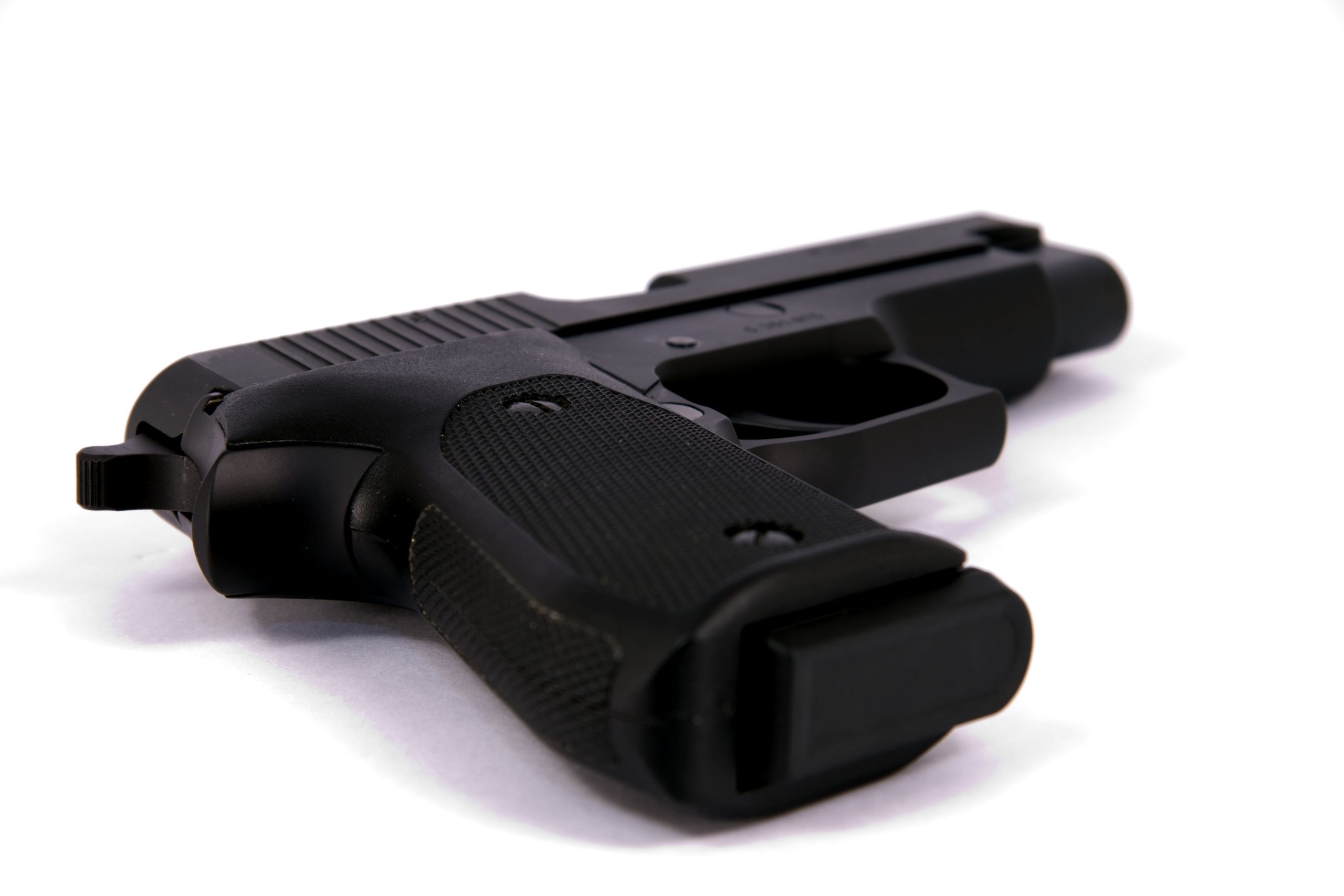
Early West German-made Sig Sauer pistols, particularly P220 and P226 variants produced before U.S. assembly began in the early 1990s, were treated as natural collectibles by many buyers.
The German proofmarks, tighter perceived tolerances, and historical association with elite military units created a strong narrative that West German examples would outpace domestic production in value.
Prices for clean West German P226 examples climbed to $1,100 to $1,500 through the mid-2010s as that narrative gained traction in collector and enthusiast communities across online forums.
New Hampshire-assembled Sig pistols proved mechanically equivalent in independent testing, and the quality argument that had justified premiums became increasingly difficult to sustain credibly.
West German P226 examples now trade between $750 and $1,050 in most markets, representing a significant correction from peak valuations that many buyers had treated as a floor.
Country of origin premiums tend to erode when a manufacturer successfully demonstrates consistent quality across production facilities, which Sig Sauer accomplished effectively enough to close the gap.