Learning about the handguns that aren’t worth your money helps every modern owner avoid dangerous mechanical failures and poor performance during high-pressure situations today. While the current market offers many innovative and safe firearms, certain specific models continue to present significant risks due to their subpar materials and inconsistent manufacturing standards. Selecting a dependable tool for personal protection involves focusing on proven track records and rigorous safety testing rather than just looking for the lowest price tag available in a shop. This guide highlights the most problematic firearms that professionals frequently advise against for any serious or defensive.
The Jimenez Arms JA-22
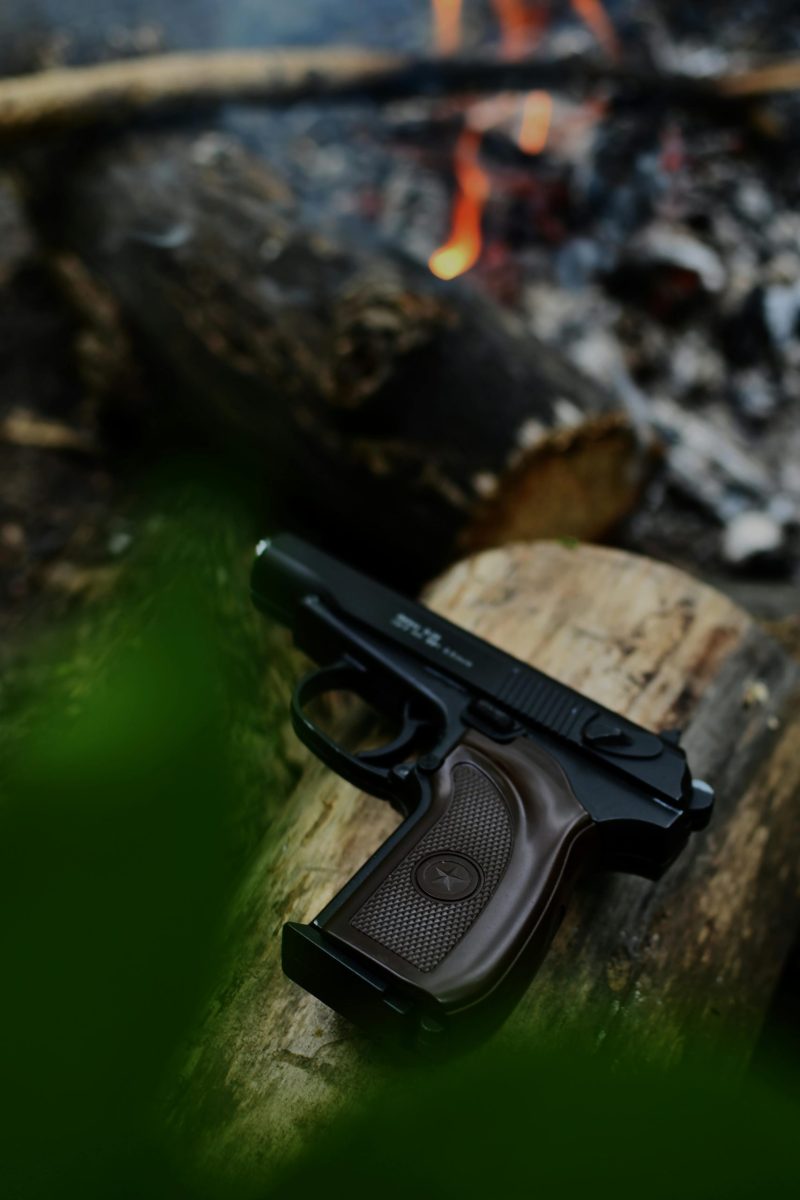
The Jimenez Arms JA-22 frequently appears on lists of firearms that expert shooters strongly recommend avoiding due to its very poor structural integrity. This small pistol utilizes inexpensive zinc alloys that can develop cracks or even shatter under the intense pressure of repeated and regular firing sessions. Many owners report frequent jams and failures to eject that make the weapon nearly useless for any reliable defensive application in a crisis. The lack of consistent quality control means that every individual unit might possess different and hidden defects that could lead to a very dangerous and unexpected malfunction.
The Raven Arms MP-25
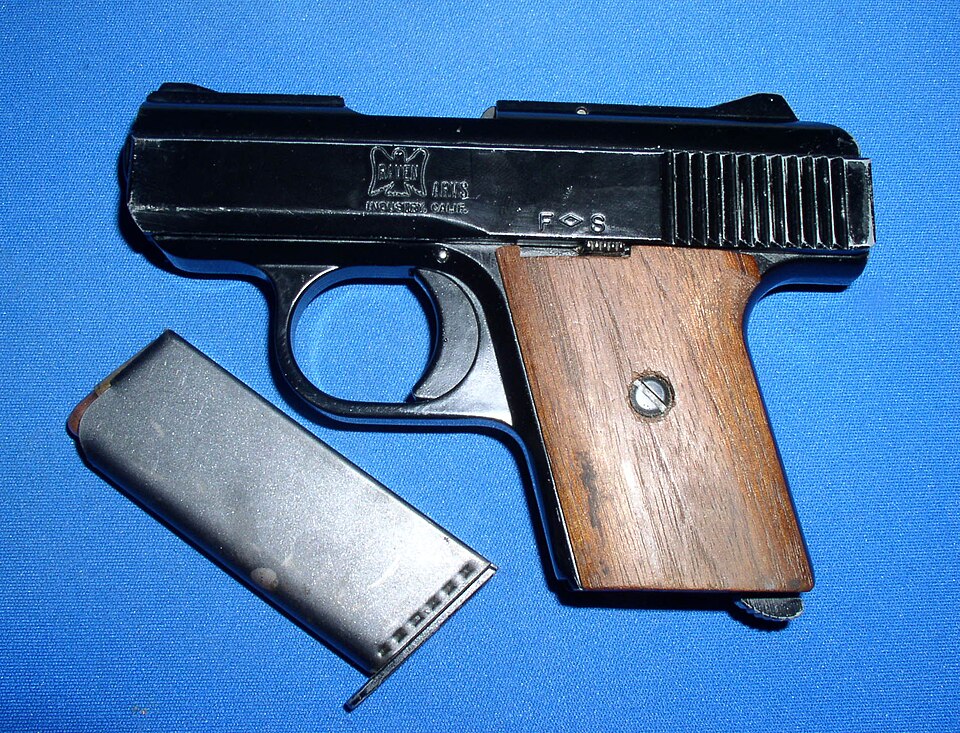
The Raven Arms MP-25 represents a common era of budget pistols that prioritize low-cost manufacturing over the essential safety of the user. This diminutive handgun features a very simple blowback action that often results in premature wear of critical internal parts after only a few hundred rounds. Many experts warn that the firing pin design is prone to sticking, which can lead to an accidental and unintentional discharge during normal handling. Because the materials are so soft, the firearm can quickly become a safety hazard as the structural components begin to warp and fail under standard and light.
The Hi-Point C9
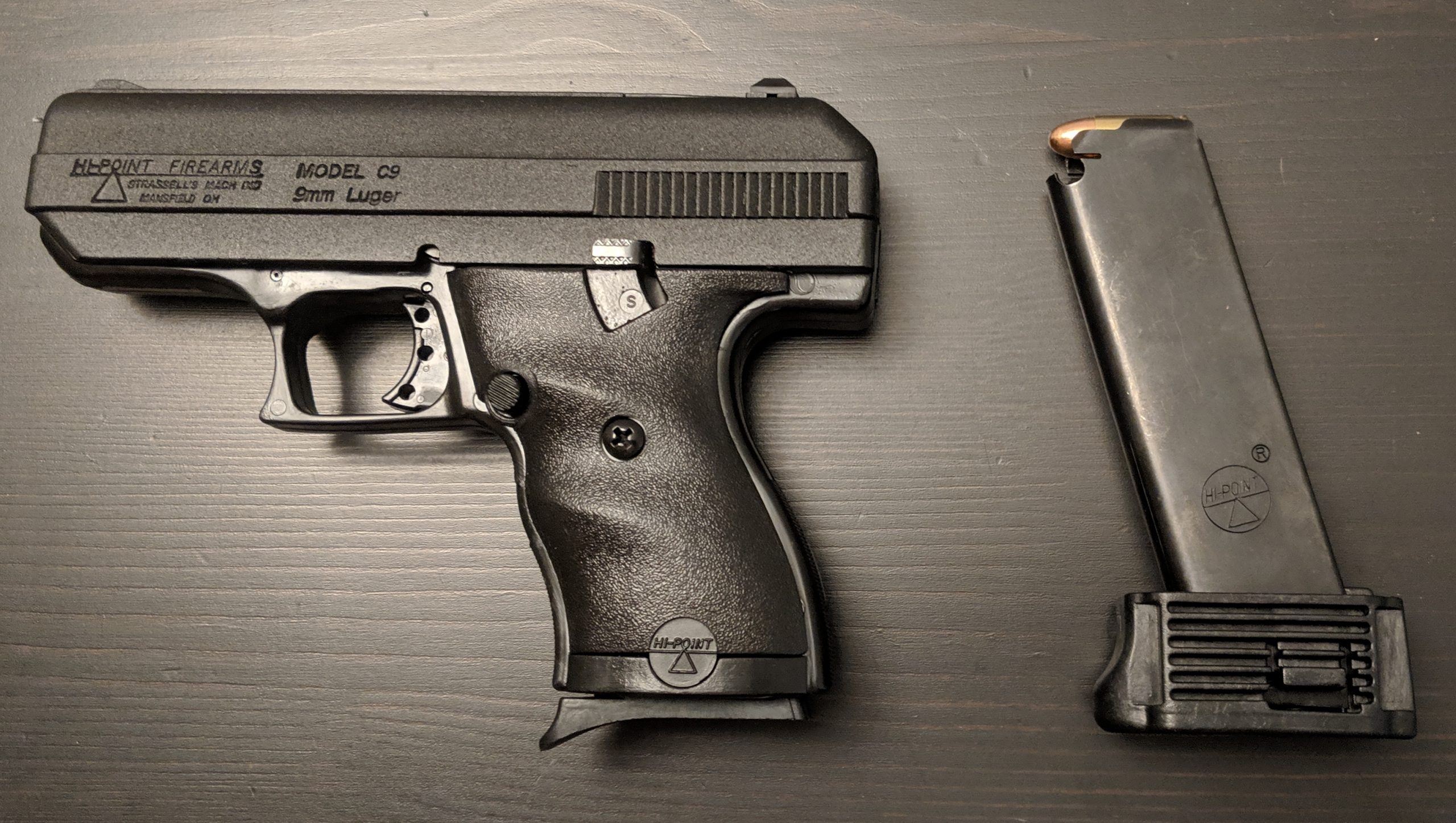
The Hi-Point C9 is often criticized for its massive and bulky slide, which makes it incredibly difficult to handle and conceal for the average person. While the price point attracts many beginners, the overall ergonomics are notoriously poor and often result in a very uncomfortable shooting experience during every practice. The heavy weight and crude trigger pull can negatively impact accuracy and make it harder to deliver fast and effective shots when safety matters most. Many professionals suggest investing a little more money into a more refined and reliable polymer pistol that offers better balance and much superior mechanical.
The Taurus Curve
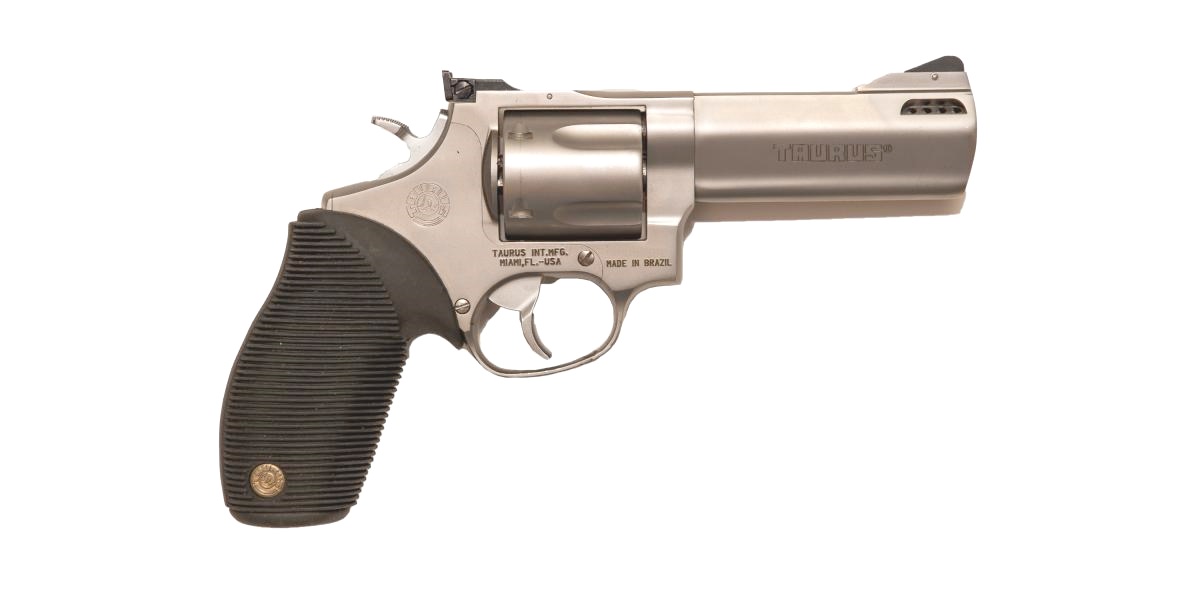
The Taurus Curve featured a unique contoured frame designed to fit the shape of the human body for more comfortable and discreet carry. However, the lack of traditional iron sights and the unconventional shape made it very difficult for most shooters to aim accurately when they were rushed. The integrated belt clip could also snag on clothing during a rapid draw, which added a dangerous delay to the response time in a crisis. Its small and finicky controls often led to a lack of confidence in the mechanical reliability of the weapon. This experimental design ultimately prioritized style over the basic.
The Kel-Tec P11
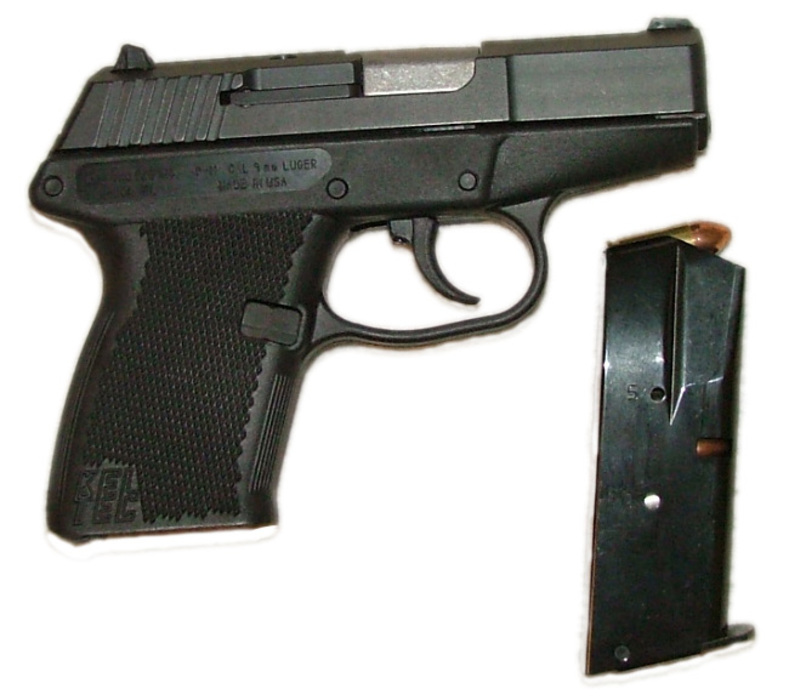
The Kel-Tec P11 was a pioneer in the micro compact nine millimeter category, but its crude design often leads to significant reliability and safety issues. Many users find the long and very heavy double-action trigger to be difficult to master, which results in poor accuracy during rapid-fire sequences. There have also been numerous reports of frames cracking and parts breaking after relatively low round counts during a normal session at the range. While the company offers a generous warranty, the frequent need for repairs makes it a poor choice for a primary and dependable personal defense.
The Remington R51
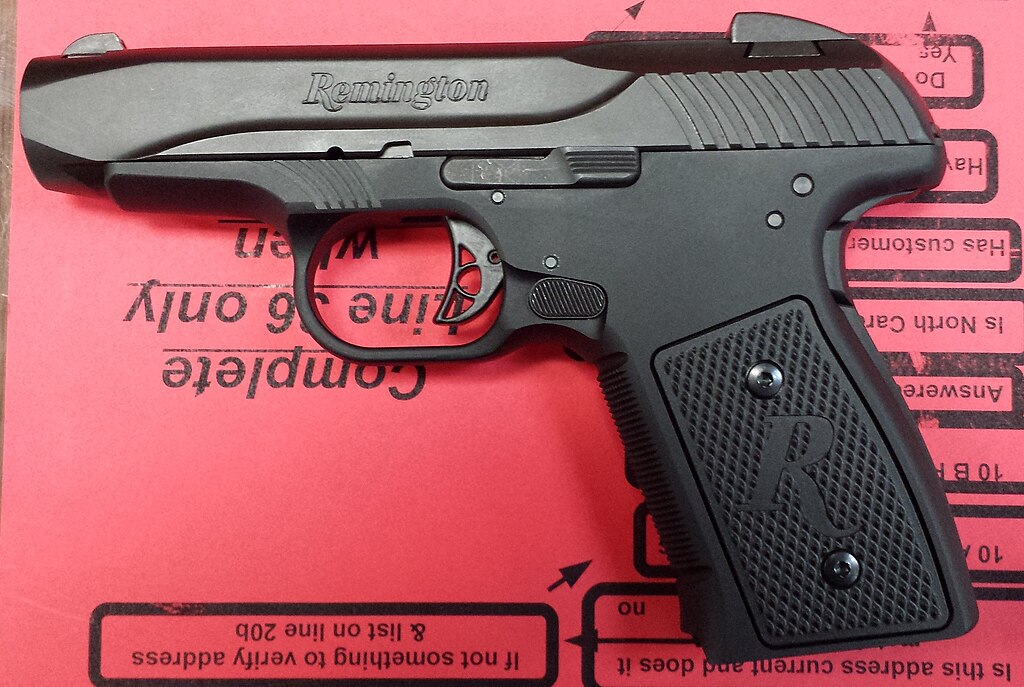
The Remington R51 utilized a unique Pedersen hesitation lock action that was supposed to reduce felt recoil and allow for faster follow-up shots. Unfortunately, the modern production models suffer from massive reliability problems and frequent jams that occur even during light use with high-quality ammunition today. The complex assembly process also meant that any basic field maintenance was a difficult task for the average owner to perform correctly. When rushed, the unpredictable nature of the action often resulted in failures to feed or extract properly, which could leave a person vulnerable and in great.
The Cobra Derringer
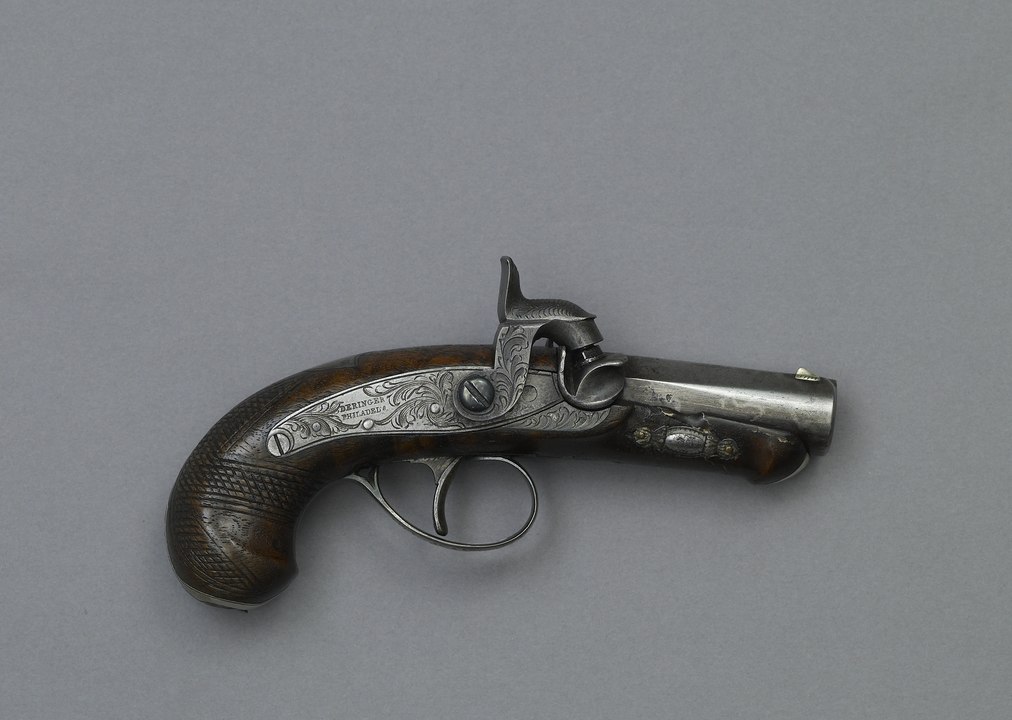
The Cobra Derringer is often cited for its very poor quality and the high risk of mechanical failure during even occasional and light use. Like many other budget brands, it used low-grade materials that often led to broken parts and frequent malfunctions during regular practice at the range. The heavy trigger pull and the intense recoil in such a small frame make it very unpleasant and difficult to shoot accurately during a crisis. Most defensive experts believe that the limited two-shot capacity is a major and unnecessary handicap that compromises the personal safety of the modern and responsible.