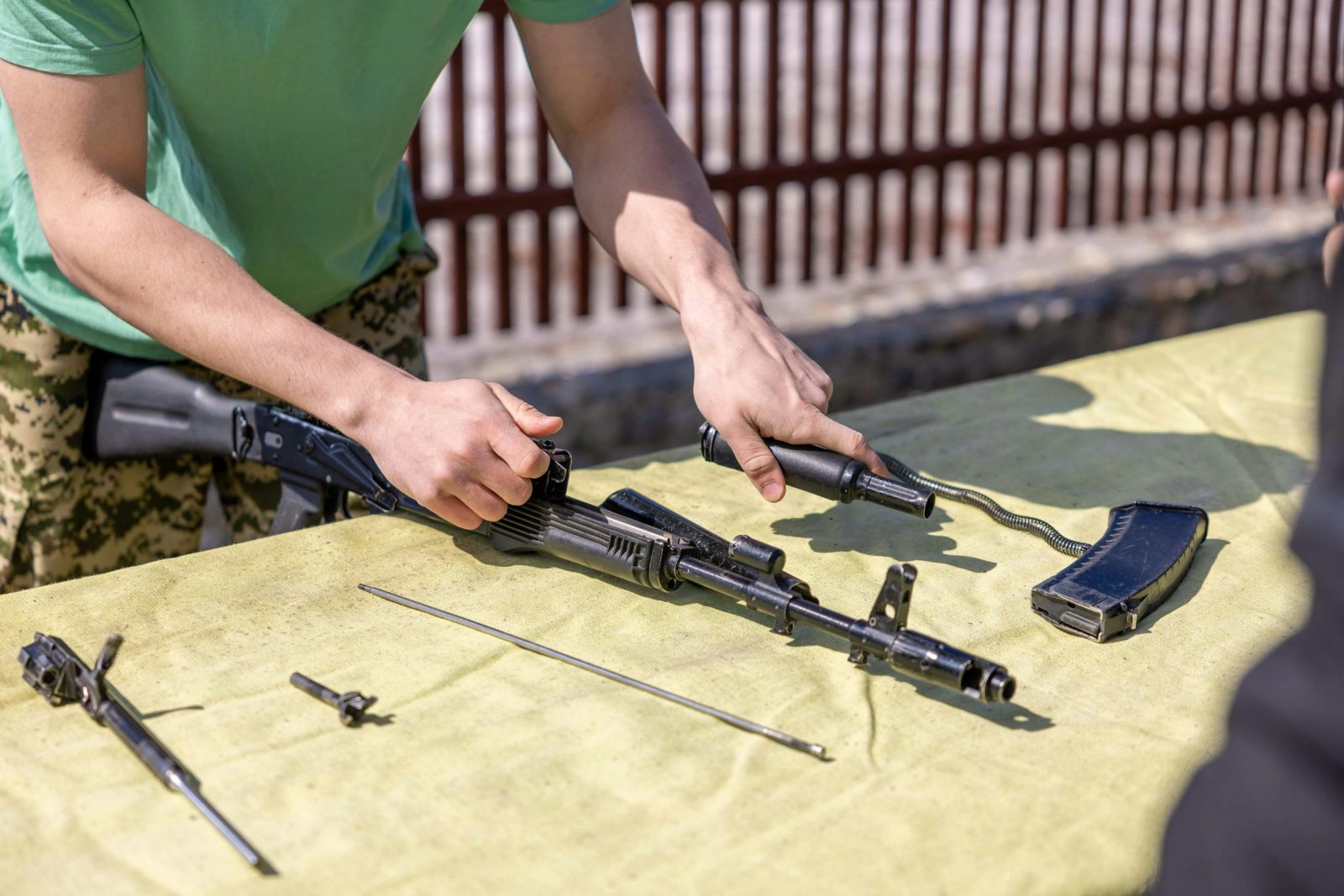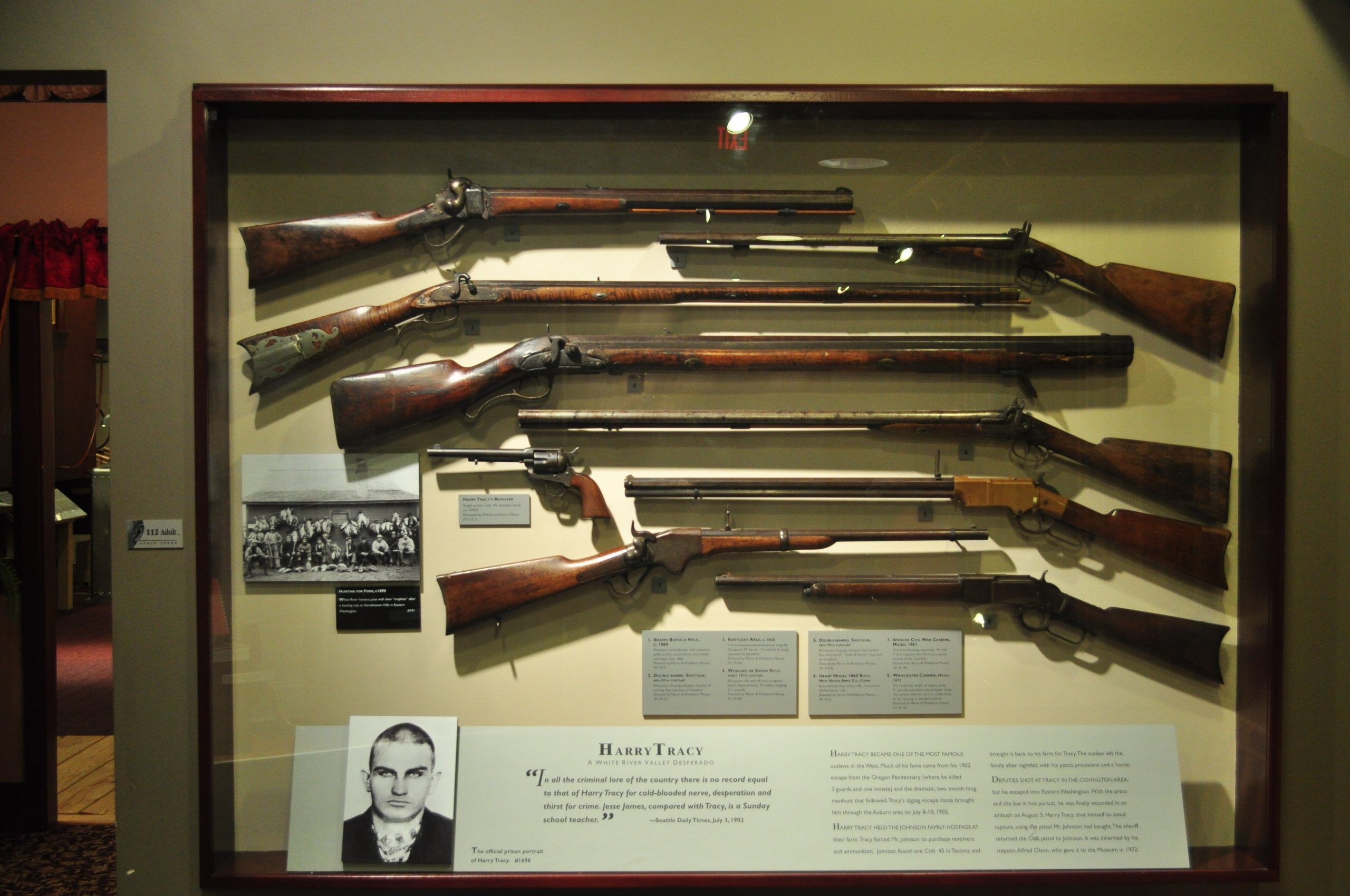
The American firearms industry is renowned for producing some of the finest engineering in the world, but it has also generated manufacturers that experts universally condemn. Professional gunsmiths and historians frequently identify a specific group of companies that prioritized low cost over basic functionality and user safety. These brands often utilized inferior zinc alloys that could not withstand the pressures of modern ammunition during sustained firing schedules. Many of these infamous names have since dissolved or rebranded after facing numerous lawsuits and bankruptcy filings. This list examines the brands that left a legacy of unreliability and mechanical failure.
Bryco Arms
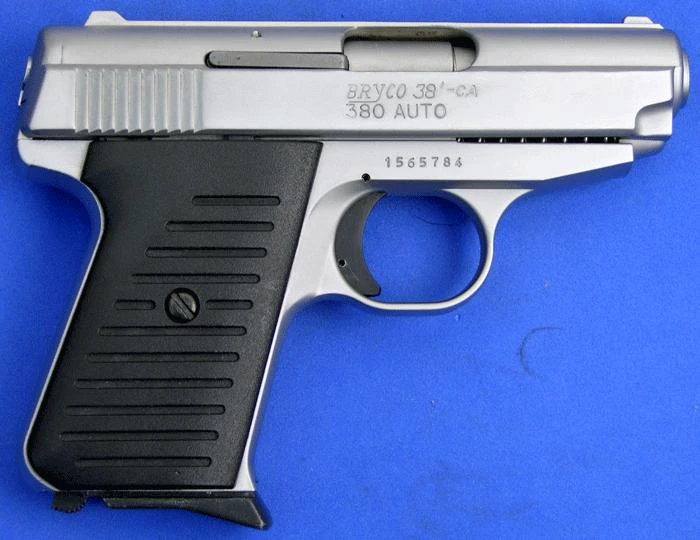
Bryco Arms served as a primary example of the so-called Ring of Fire companies that produced inexpensive handguns in Southern California. Experts criticized these weapons for their zinc alloy construction, which was prone to cracking and catastrophic failure after moderate use. The company faced massive legal challenges due to a defect that allowed their pistols to discharge when the safety was engaged. This mechanical negligence led to a significant courtroom defeat that ultimately forced the manufacturer into bankruptcy. Collectors today view these firearms as dangerous curiosities rather than functional tools for self-defense. They represent a low point in manufacturing.
Jennings Firearms
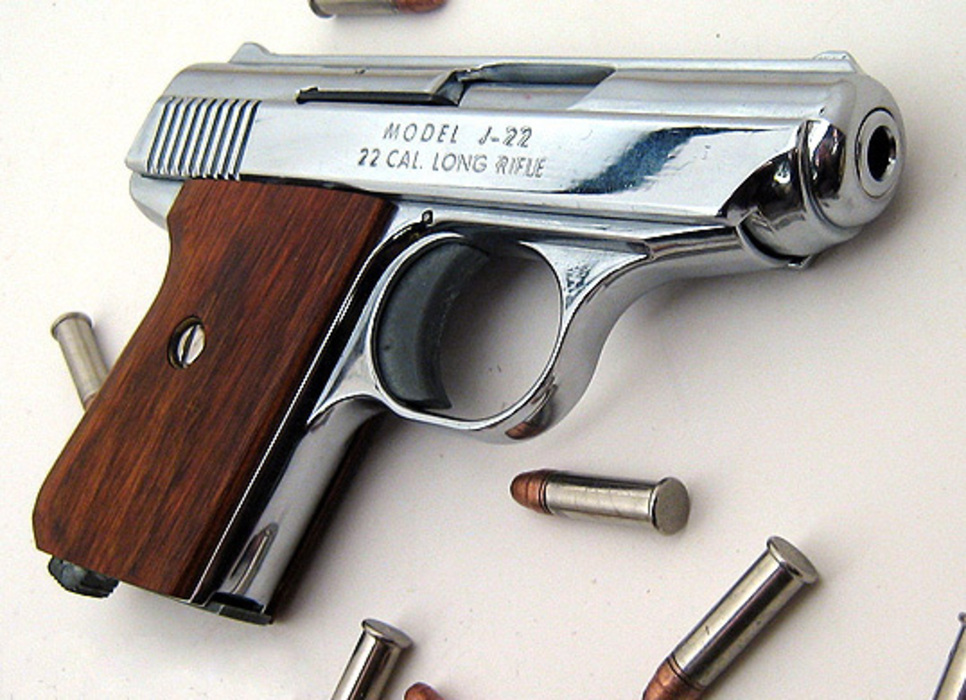
Jennings Firearms gained notoriety for flooding the market with small-caliber pistols that were incredibly cheap to manufacture and sell to the public. Gunsmiths often refused to work on these models because the soft metal frames were impossible to repair once they inevitably wore out. The internal components were often so poorly fitted that the guns would jam or fail to feed with alarming regularity. This brand became synonymous with the term Saturday Night Special due to its association with low quality and criminal use. The original company eventually collapsed under the weight of its poor reputation and legal troubles.
Lorcin Engineering
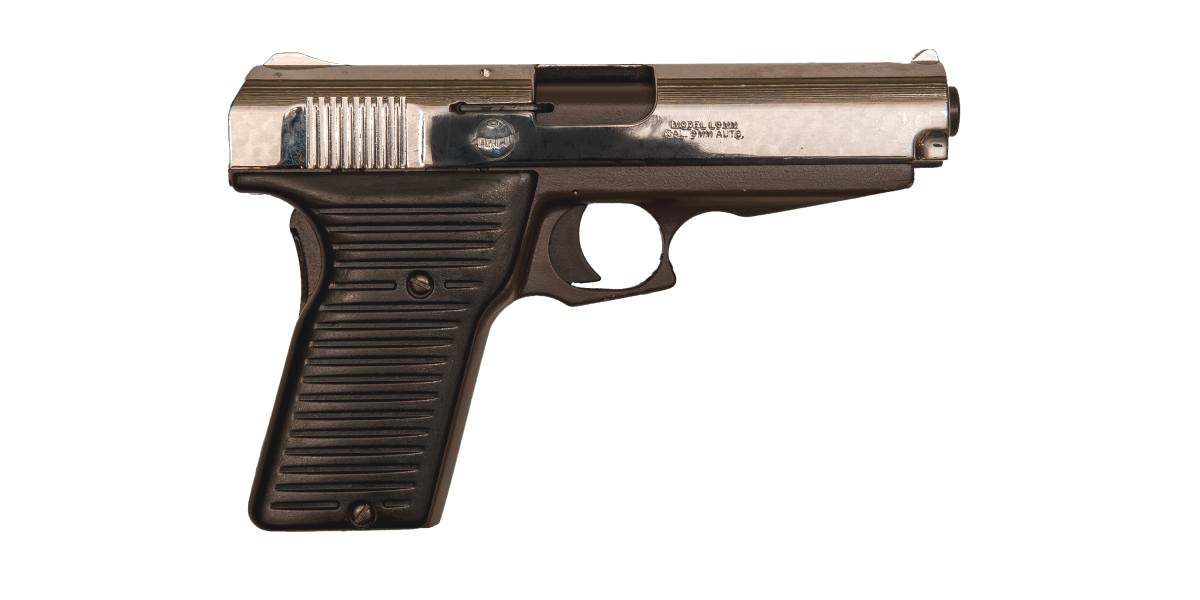
Lorcin Engineering once led the nation in pistol production numbers, but the quality of its products was consistently ranked among the absolute worst. Law enforcement data frequently showed that Lorcin handguns were prone to jamming during critical moments, which made them a liability for owners. The Zamak zinc alloy used in their slides was known to deform or shatter if high-velocity ammunition was used in the chamber. Bankruptcy inspectors discovered that the manufacturing tolerances were so loose that parts from identical models were not even interchangeable. The brand remains a cautionary tale about the dangers of prioritizing quantity over quality.
Raven Arms
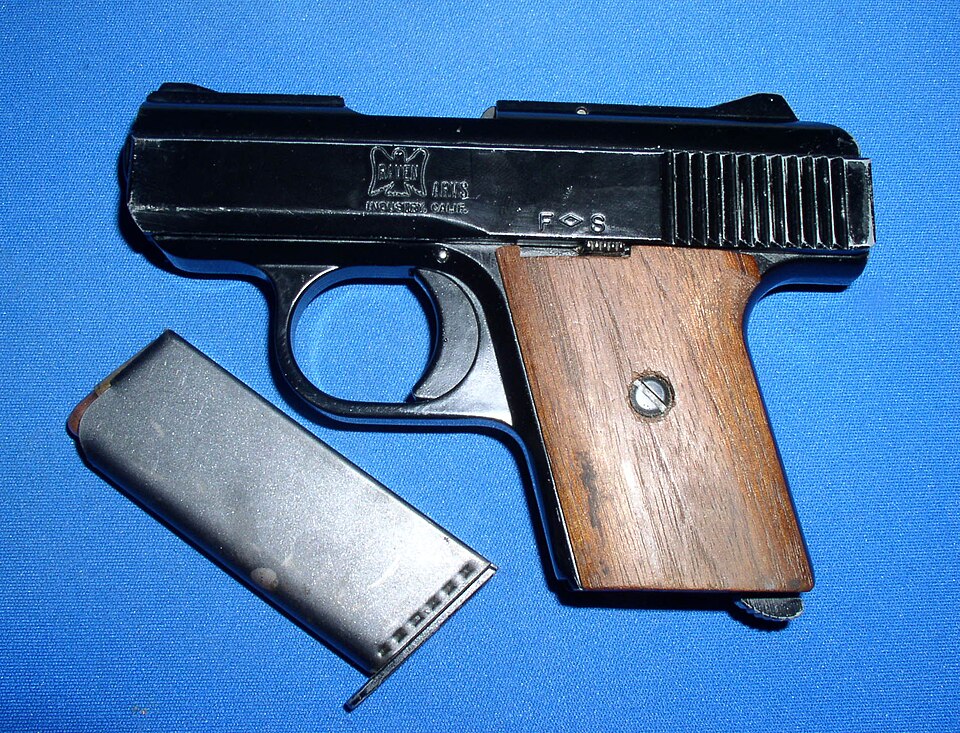
Raven Arms established the template for the cheap pocket pistol industry by introducing the MP 25 caliber handgun in the early seventies. While these tiny firearms were affordable, they lacked the durability and safety features found in reputable brands of the same era. The design utilized a striker system that was susceptible to accidental discharge if the weapon was dropped on a hard surface. Critics noted that the firing pin could easily slip past the sear due to the rapid wear of the soft internal materials. The factory was eventually destroyed by a fire, but the bad reputation survived.
Davis Industries
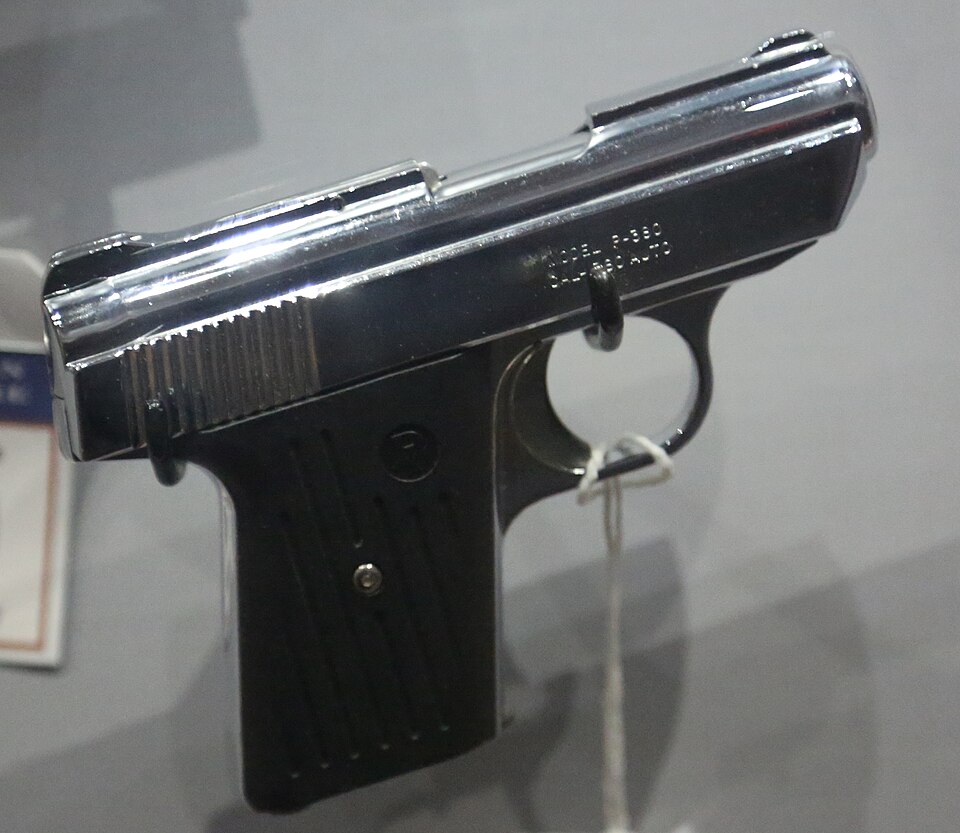
Davis Industries attempted to capture the budget market by producing derringers and small semi-automatic pistols using injection-molded metal castings. Safety experts routinely warned that these firearms could fire if the slide was cycled forcefully while the user had their finger off the trigger. The frames were often so brittle that they would crack near the takedown pin after firing only a few boxes of ammunition. This structural weakness made them potentially dangerous to the shooter as well as ineffective for personal protection. The company dissolved in the late nineties after failing to meet increasingly strict state safety regulations.
Jimenez Arms
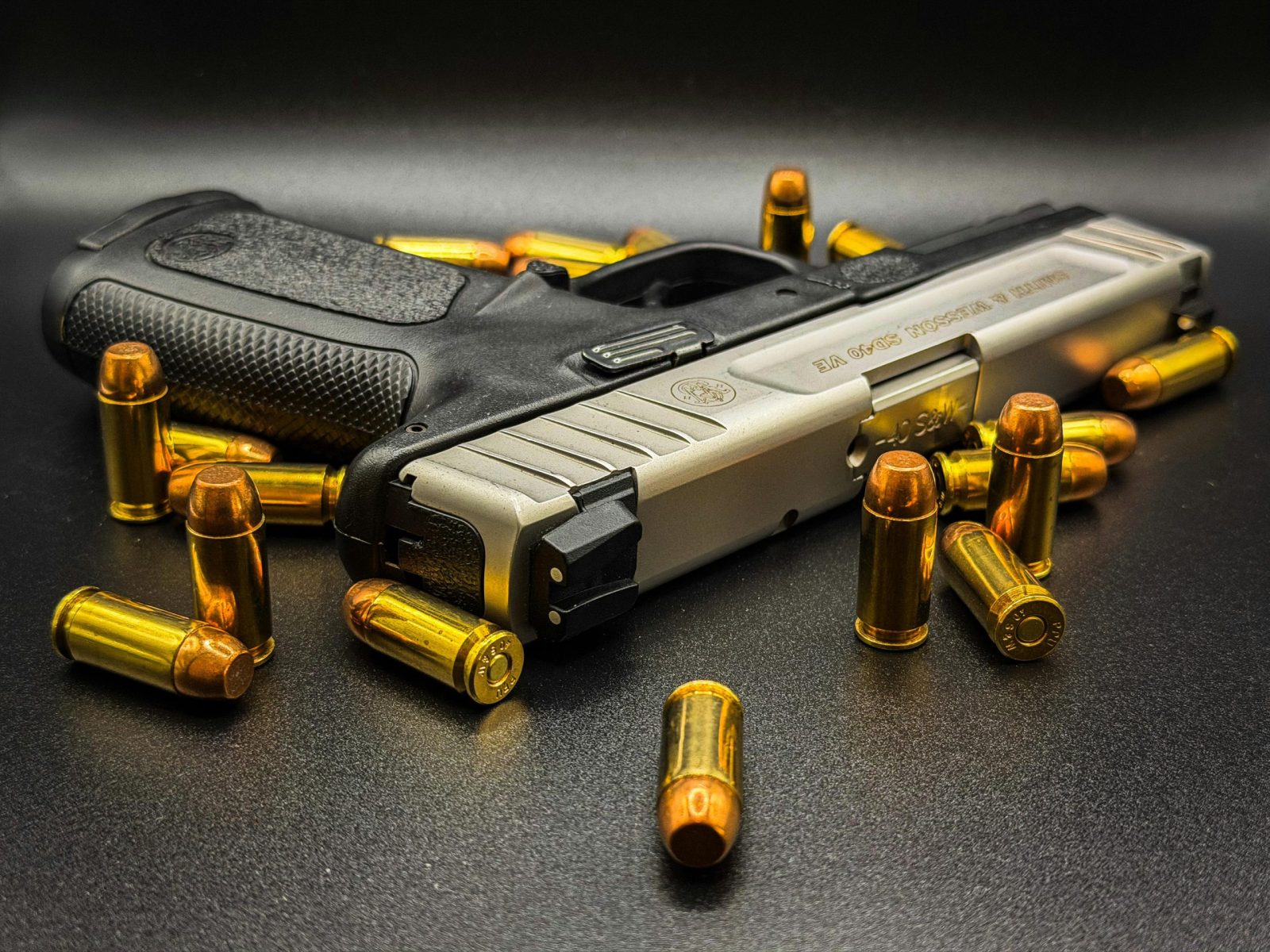
Jimenez Arms emerged from the ashes of previous failed companies but continued the tradition of manufacturing subpar firearms for the budget consumer. These pistols were essentially rebranded versions of earlier designs that had already been proven to be unreliable and unsafe. Mechanics frequently reported that the extractors would break, and the feed ramps were often too rough to cycle hollow-point ammunition. The company struggled to shake the legacy of its predecessors and faced constant scrutiny regarding the safety of its products. It stands as a modern continuation of a manufacturing philosophy that experts have long condemned as irresponsible.
Sundance Industries
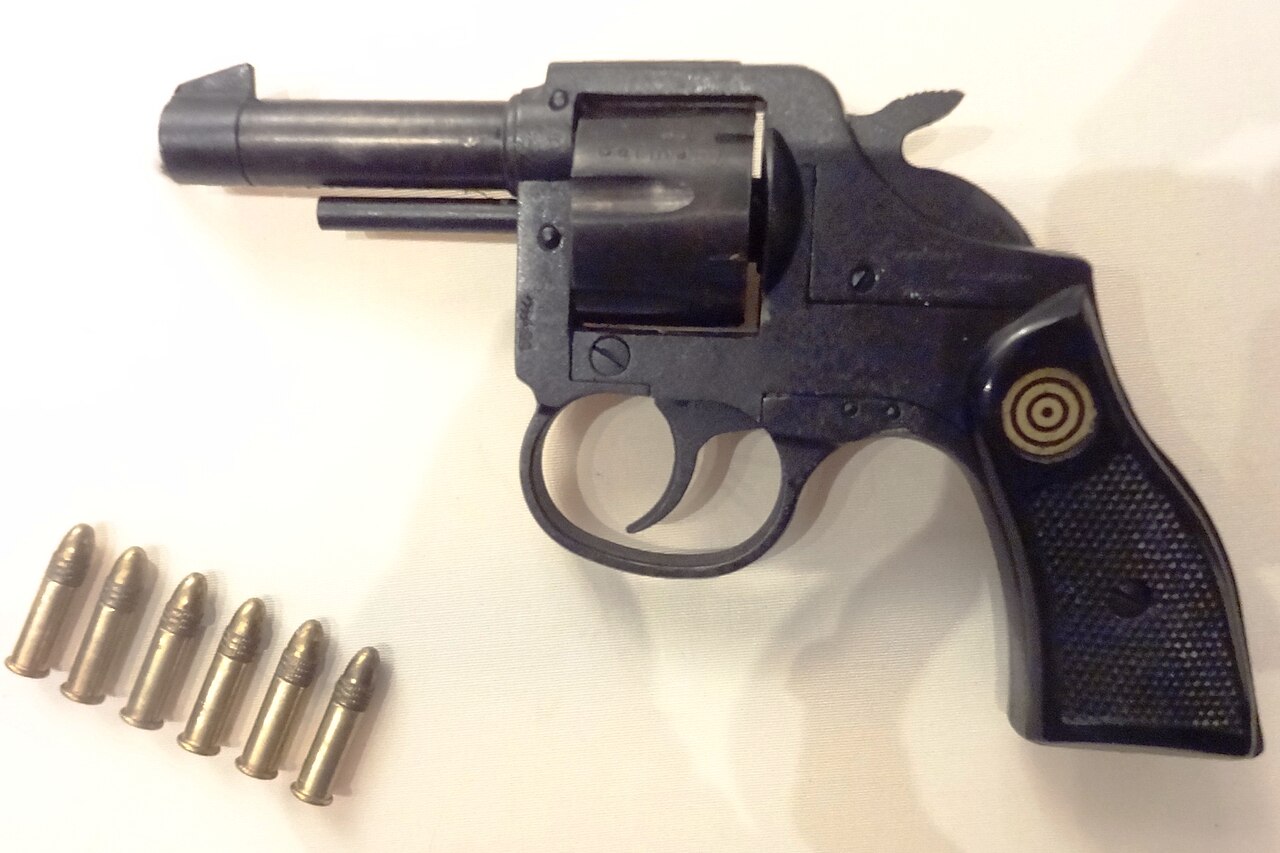
Sundance Industries produced a line of small pistols that were visually similar to other Ring of Fire guns but somehow managed to be even less reliable. The castings used for the frames were often full of voids and imperfections that significantly weakened the structural integrity of the weapon. Owners reported that the safety levers would often fall out of the gun during normal handling or recoil. This lack of quality control meant that every purchase was a gamble on whether the firearm would function at all. The brand disappeared quickly but left behind a legacy of frustration.
Cobra Enterprises
Cobra Enterprises purchased the tooling and machinery from defunct manufacturers to continue producing cheap zinc handguns under a new name. Despite the rebranding effort, the inherent flaws of the original designs remained present in the finished products released to stores. The heavy trigger pulls and poor sights made these weapons nearly impossible to shoot accurately, even at very close ranges. Reliability issues persisted with frequent failures to eject spent casings during practice sessions. Industry analysts view this brand as a final attempt to keep the cheap pistol market alive despite the availability of better polymer alternatives today.
Republic Arms
Republic Arms entered the market with the Patriot pistol, which attempted to offer a slightly more modern design than its competitors. However, the double-action-only trigger was notoriously heavy and gritty, which made effective marksmanship a struggle for most users. The stainless steel slide was mated to a soft polymer frame that often experienced issues with rail wear and cracking. Although it was an ambitious attempt to improve upon the Saturday Night Special formula, it failed to gain traction. Experts consider it a mediocre effort that could not compete with the rising quality of budget imports.
Hesse Arms
Hesse Arms earned a terrifying reputation in the tactical community for producing rifles that were dangerous to the operator. The company became infamous for selling black rifles with receivers that were welded together incorrectly or heat-treated improperly. Several documented incidents involved upper receivers exploding or bolts flying out of the rear of the gun during firing. This extreme lack of quality control led the brand to change its name to Vulcan, but the stigma remained attached to its products. Experienced shooters consider these firearms to be among the most hazardous weapons ever sold to American civilians.