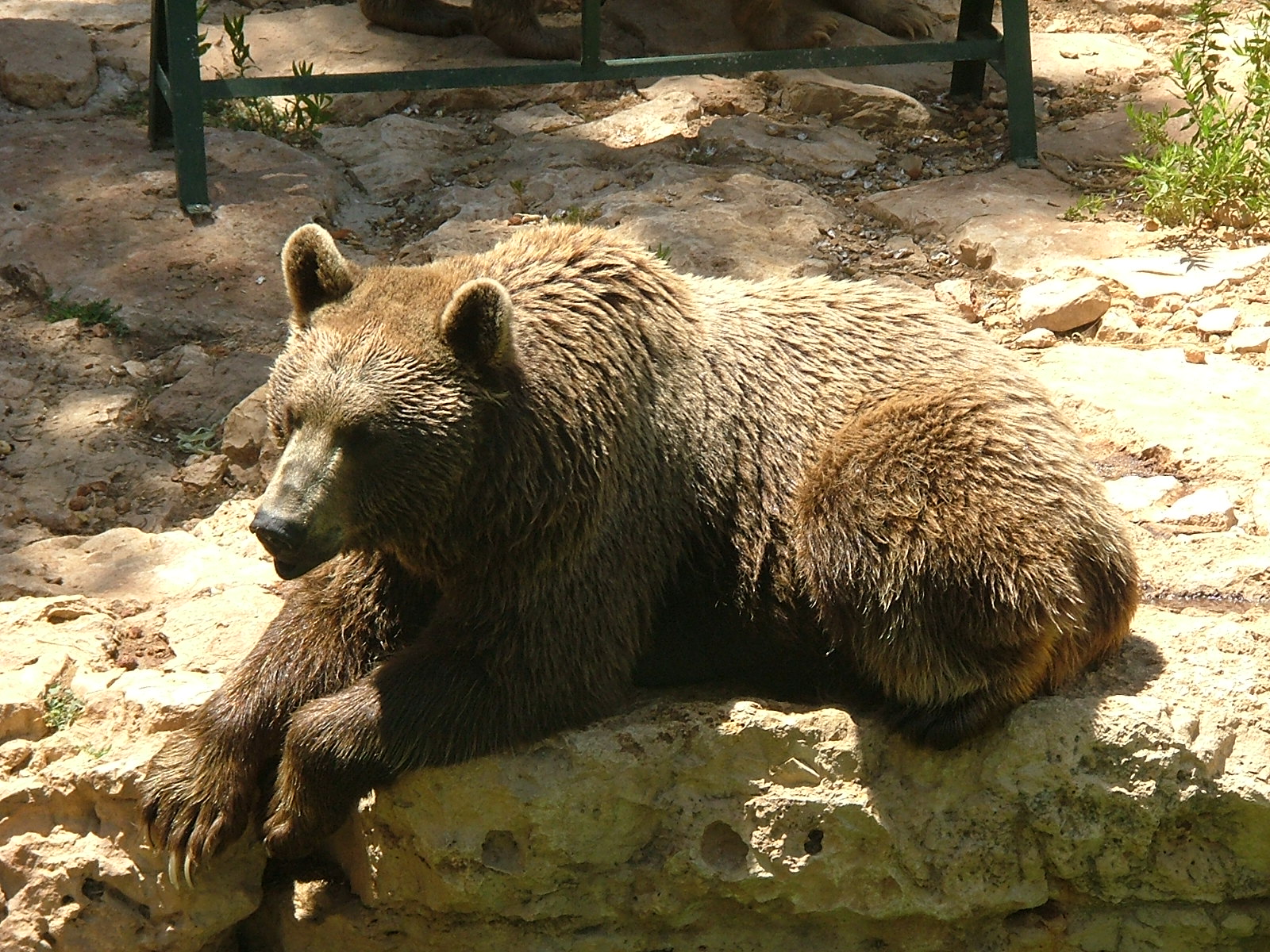
Wildlife experts across multiple continents are issuing urgent warnings about the growing presence of hybrid animals that are increasingly attacking people, pets, and livestock. These creatures are not mythical or lab-created, but real animals formed when closely related species interbreed due to shrinking habitats, climate pressure, and expanding human development. As natural barriers disappear, hybrids often gain survival advantages that allow them to outcompete native species and adapt quickly to human-dominated landscapes. Scientists caution that many of these animals show unusual behavior, heightened intelligence, and reduced fear of humans. As their populations rise, so do reports of aggression, economic loss, and ecological disruption, prompting experts to call for immediate awareness and coordinated management.
Coywolves Emerging as Dominant Predators
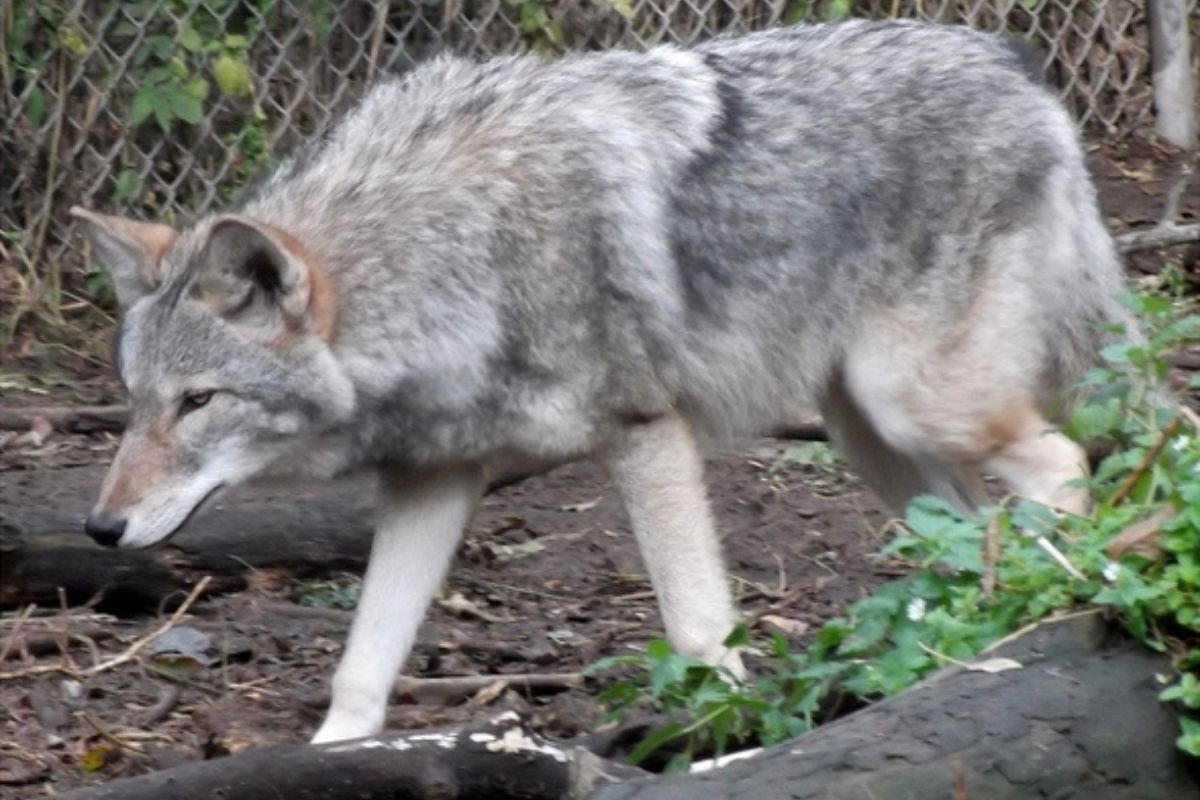
Coywolves, a hybrid of coyotes, wolves, and domestic dogs, are becoming a serious concern for wildlife experts across North America. Larger and stronger than coyotes yet more adaptable than wolves, these hybrids thrive in forests, farmland, and suburban areas alike. Researchers note that coywolves hunt cooperatively, display high problem-solving ability, and show little fear of human activity. This combination has led to increased attacks on sheep, calves, and pets near residential zones. Unlike wolves, coywolves tolerate human presence and adjust their hunting times accordingly. Experts warn that their expanding range and flexible behavior make them a major competitor, difficult to deter using traditional wildlife control methods.
Feral Hog Hybrids Overwhelming Rural Areas
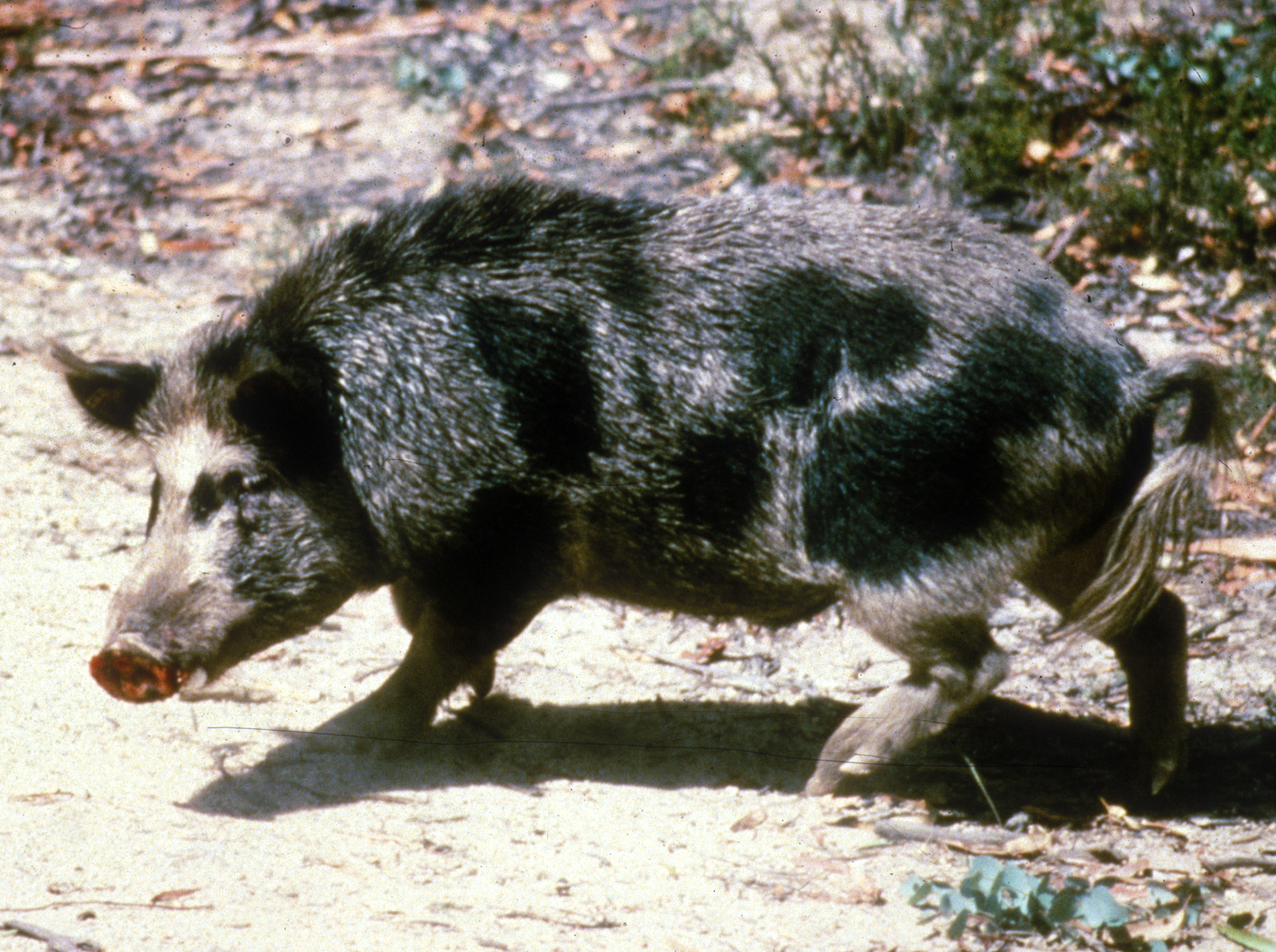
Feral hog hybrids, produced by crossbreeding wild boar with domestic pigs, are among the most destructive hybrid animals in the United States. Wildlife specialists report that these animals grow rapidly, reproduce at alarming rates, and display aggressive behavior toward both livestock and people. Their strong bodies and sharp tusks allow them to break fences, injure cattle, and destroy crops in a single night. Experts also warn that feral hog hybrids carry diseases that threaten livestock and food safety. Their intelligence and nocturnal habits make them extremely difficult to track or eliminate. As populations spread, rural communities face mounting economic and environmental damage with limited control options.
Wolf-Dog Hybrids Creating Unpredictable Risks
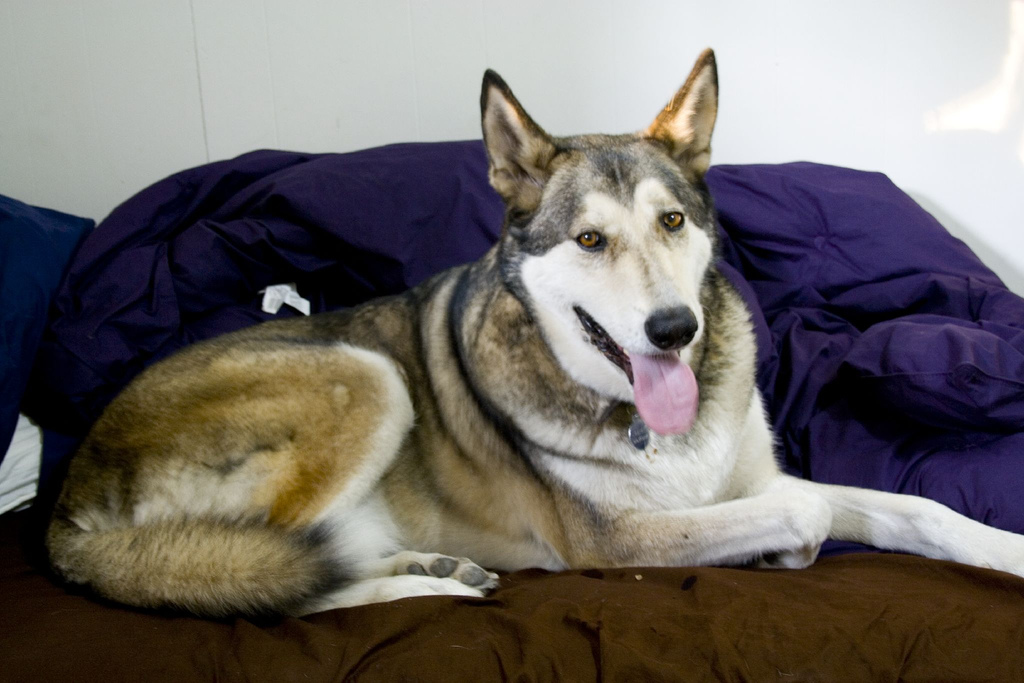
Wolf-dog hybrids present a unique challenge because they combine wild instincts with partial domestication. Experts explain that many inherit the size and strength of wolves while retaining the curiosity and reduced fear of dogs. When abandoned or released, these animals struggle to survive as pets and fail to integrate into natural ecosystems. Reports of livestock attacks, particularly involving goats and sheep, are increasing near rural settlements. Wildlife professionals caution that wolf-dog hybrids are highly unpredictable and often respond aggressively under stress. Unlike wild wolves, they may approach humans directly, increasing the risk of conflict and making responsibility for attacks legally complex.
Hybrid Big Cats Escaping Human Control
Hybrid big cats, often bred illegally or kept in private captivity, pose serious dangers when they escape or are released. Experts warn that these animals may grow larger and stronger than their parent species, creating extreme risks to people and livestock. Because they lack natural territorial boundaries, escaped hybrids may roam unpredictably and target easy prey near farms or villages. Wildlife authorities note that tranquilization and tracking can be more difficult due to their size and unusual behavior. Specialists stress that weak regulation and illegal breeding contribute to the problem, warning that even rare incidents involving hybrid big cats can result in severe injuries or fatalities.
Hybrid Bears and Altered Aggression Patterns
Hybrid bears, such as grizzly–polar crosses, are rare but increasingly studied due to climate-driven habitat overlap. Experts note that these hybrids may inherit aggressive feeding instincts alongside an unusual ability to adapt to new environments. As polar ice diminishes, interactions between bear species increase, raising the likelihood of hybridization. Wildlife biologists warn that altered behavior patterns may push these bears closer to human settlements in search of food. While attacks remain uncommon, experts emphasize that hybrids may not follow predictable warning signs used to assess bear threats. This unpredictability complicates safety planning for remote communities and livestock operations.
Hybrid Canids Disrupting Ecosystem Balance
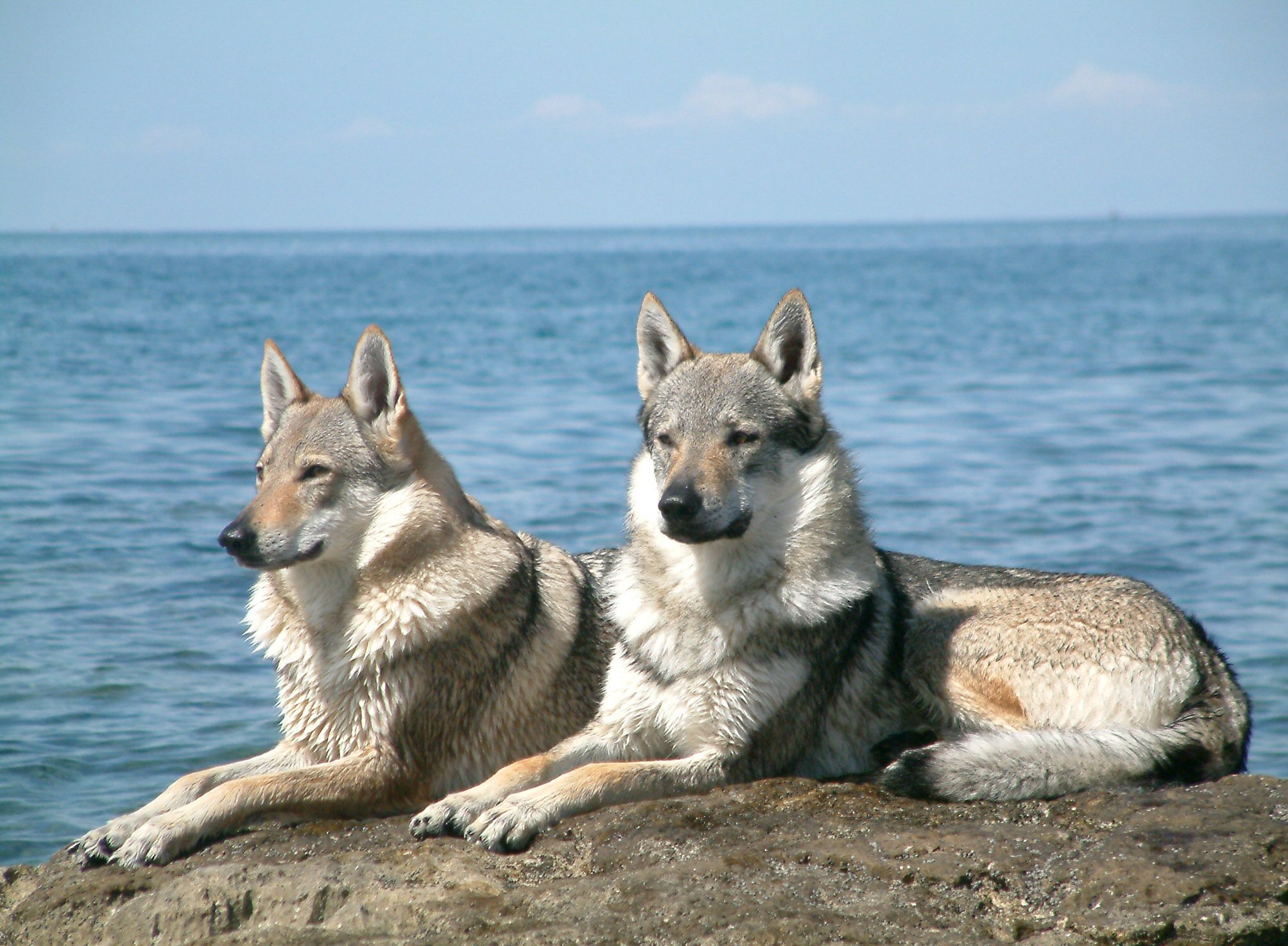
Hybrid canids are reshaping ecosystems by outcompeting smaller predators such as foxes and bobcats. Experts report noticeable declines in native species where hybrids establish stable territories. This imbalance reduces natural prey control and indirectly increases conflict with humans. With fewer competitors and abundant food sources, hybrids expand rapidly and begin targeting livestock, poultry, and pets. Wildlife researchers warn that these animals are often more resilient to disease and environmental stress than single-species predators. Their success challenges conservation strategies built around traditional species models, forcing agencies to reconsider how predator management and ecosystem protection are approached.
Economic Impact on Farmers and Ranchers
Livestock producers are experiencing rising financial losses due to hybrid animal attacks. Experts estimate millions of dollars in damage annually from livestock killed, injured, or stressed by repeated predator activity. Hybrid predators often kill more animals than they consume, intensifying losses during single incidents. Farmers report increased spending on fencing, surveillance, and guard animals with limited success. Wildlife economists warn that compensation programs are struggling to keep pace with growing claims. As hybrid populations expand, rural livelihoods face increased uncertainty, highlighting the need for science-based prevention strategies rather than reactive compensation alone.
Why Hybrid Animals Adapt So Quickly
Scientists explain that many hybrids benefit from hybrid vigor, a biological advantage gained by combining traits from two parent species. This often results in stronger immune systems, higher intelligence, and flexible behavior. Experts warn that these traits allow hybrids to adjust rapidly to urban expansion, climate changes, and fragmented habitats. Traditional wildlife prediction models often fail to anticipate their movements or behavior. As a result, hybrids may establish dominance before authorities recognize the threat. Researchers emphasize that understanding these adaptive advantages is critical for early detection, population monitoring, and developing effective response strategies before conflicts intensify.
Legal and Management Challenges for Authorities
Hybrid animals frequently fall into legal gray areas, complicating wildlife management efforts. Experts note that some hybrids are protected under conservation laws, while others are classified as invasive or unregulated. This inconsistency delays response times and fuels public confusion. Wildlife officers also face ethical concerns when dealing with animals that show both wild and domestic traits. Limited funding, public resistance, and unclear jurisdiction further restrict action. Specialists argue that updated legislation and clearer classification systems are urgently needed to address hybrid threats effectively and allow agencies to respond before populations become unmanageable.
Expert Strategies to Reduce Future Conflicts
Wildlife experts agree that prevention offers the most effective solution to rising hybrid animal conflicts. Recommended strategies include stricter regulation of exotic breeding, improved livestock protection methods, and expanded public education. Early reporting of unusual animal behavior allows authorities to intervene before hybrids establish stable populations. Scientists also advocate for genetic monitoring to track hybridization trends and identify emerging threats. Preserving natural habitats reduces forced interbreeding caused by environmental disruption. Experts stress that coordinated efforts between governments, farmers, and researchers are essential to prevent hybrid animals from becoming dominant competitors in shared landscapes.