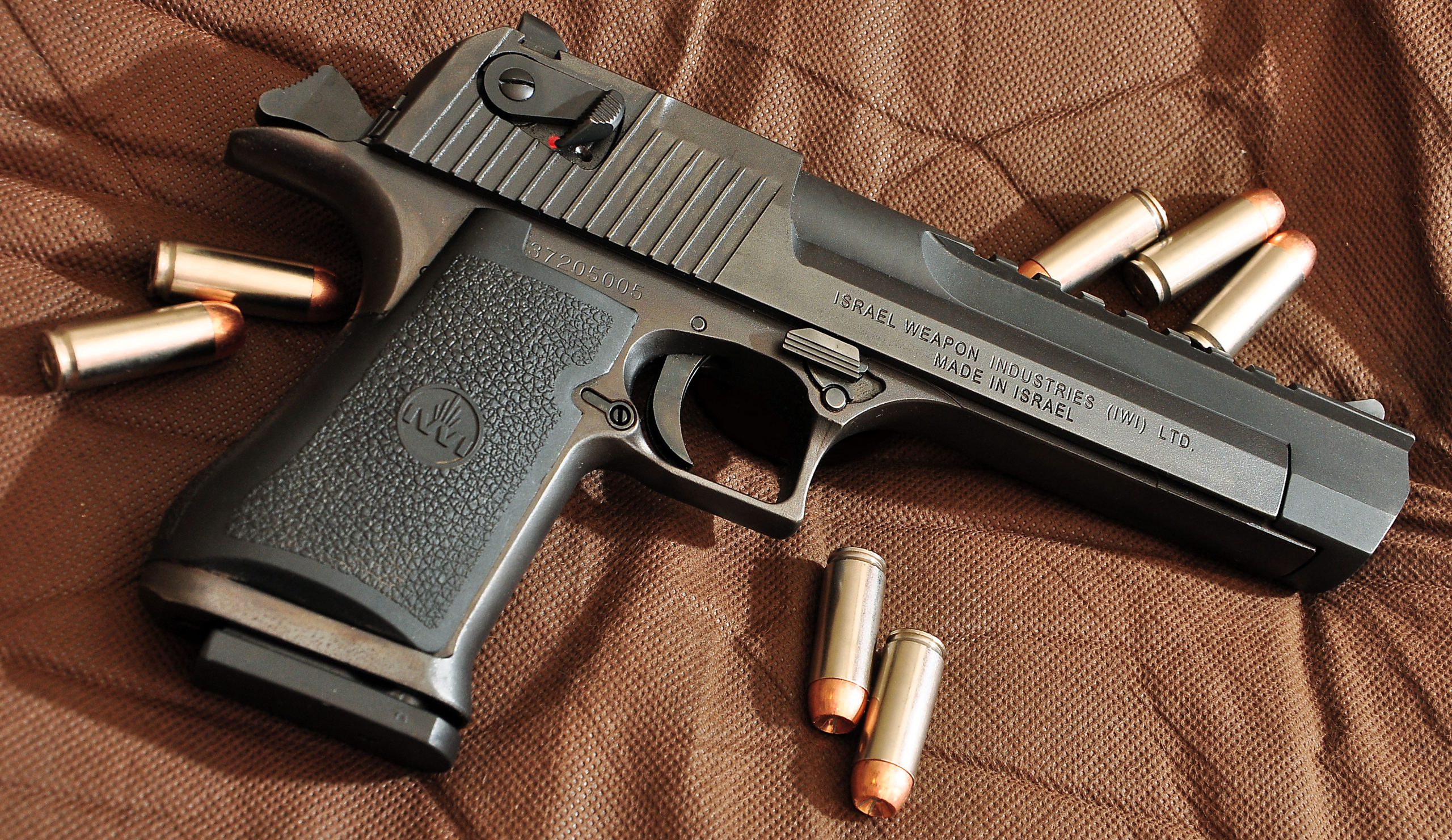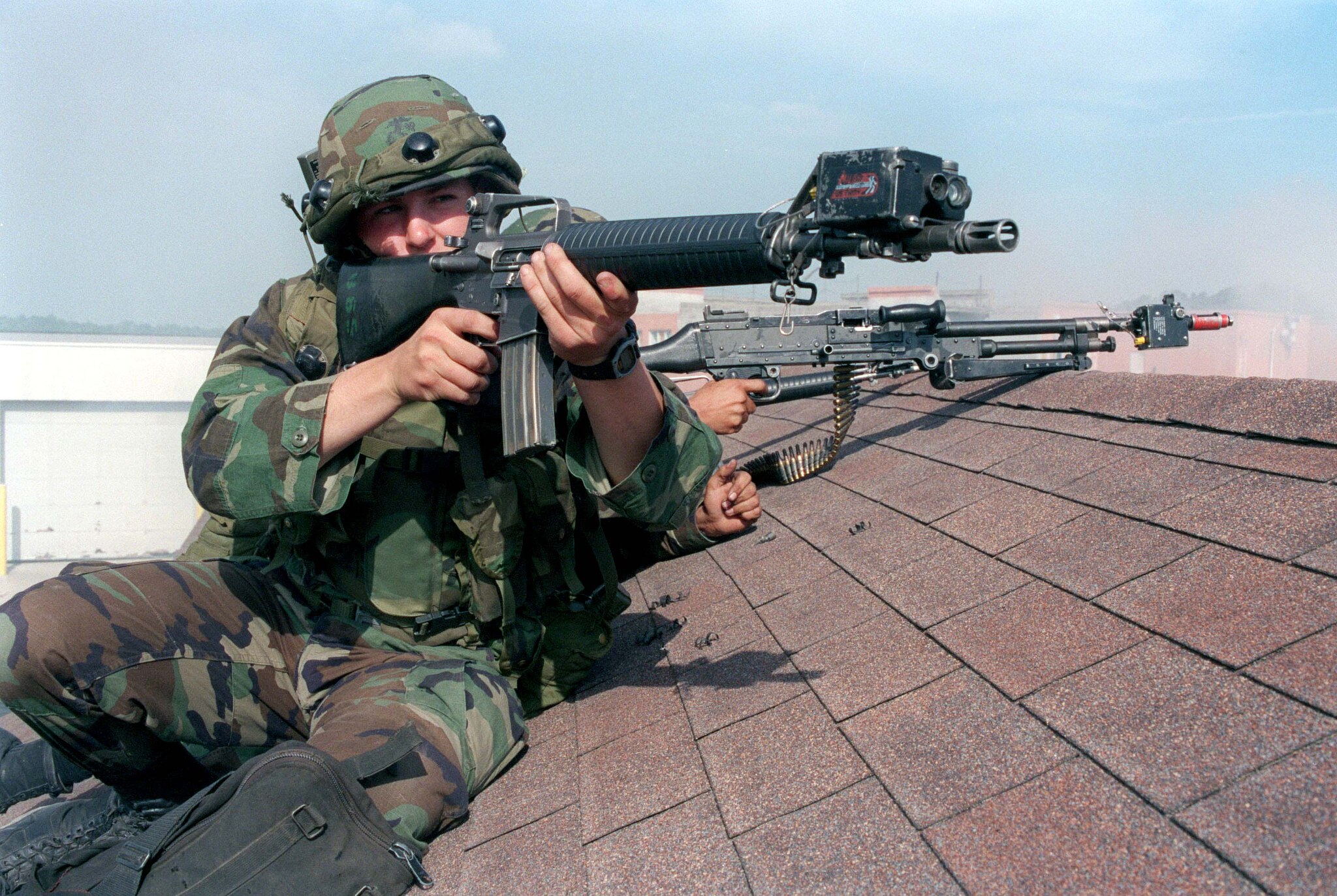
In the long and often surprising history of military firearms, some designs briefly appeared, quietly served, and then faded into obscurity. Among these forgotten arms are experimental rifles produced in extremely small numbers, sometimes only a few thousand units, before being abandoned, replaced, or overshadowed by more successful competitors. One such rifle, with a production run of roughly 3,700 pieces, remains a fascinating example of how innovation, timing, and military politics intersect. Though rarely discussed outside collector circles, this weapon tells a compelling story about engineering ambition, battlefield doctrine, and the harsh realities of adoption trials. Its existence reminds us that not every technically sound firearm achieves widespread recognition, and that even limited production rifles can leave behind valuable lessons, influencing later designs in subtle but meaningful ways.
Origins of the Design
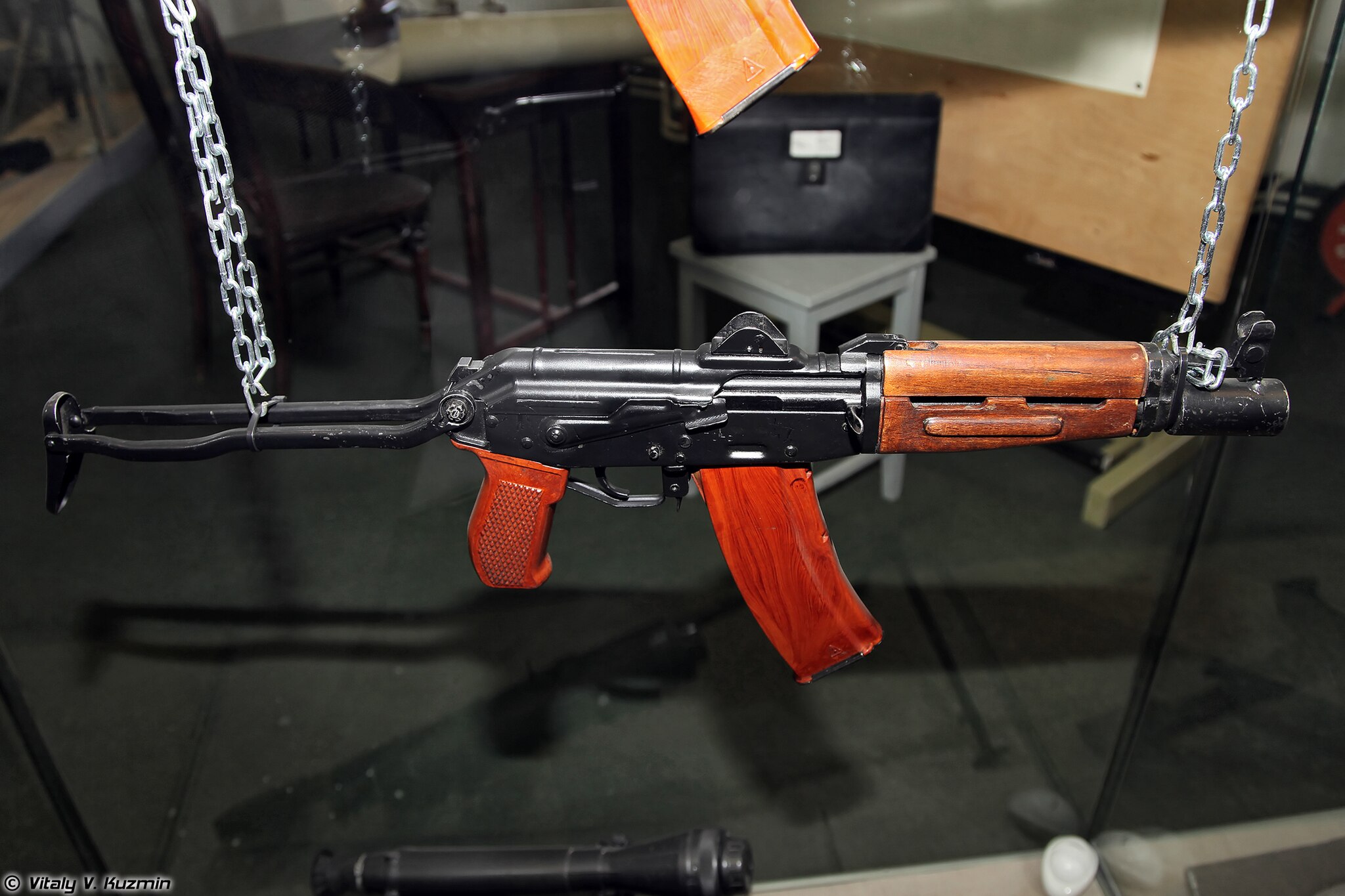
The rifle emerged during a period when military planners were aggressively rethinking infantry weapons. Advances in metallurgy, ammunition, and manufacturing techniques encouraged designers to experiment with lighter receivers, improved gas systems, and more controllable recoil characteristics. The project began as an attempt to address perceived shortcomings in existing service rifles, particularly in weight, handling, and rapid fire capability. Engineers sought a balance between traditional battle rifle durability and emerging concepts emphasizing mobility and sustained fire. Early prototypes reflected these competing priorities, combining conservative mechanical principles with unconventional layout choices. Although the program never achieved mass adoption, its developmental phase illustrates how military requirements often push designers toward bold yet risky solutions, many of which remain largely invisible to mainstream historical narratives.
Engineering Philosophy
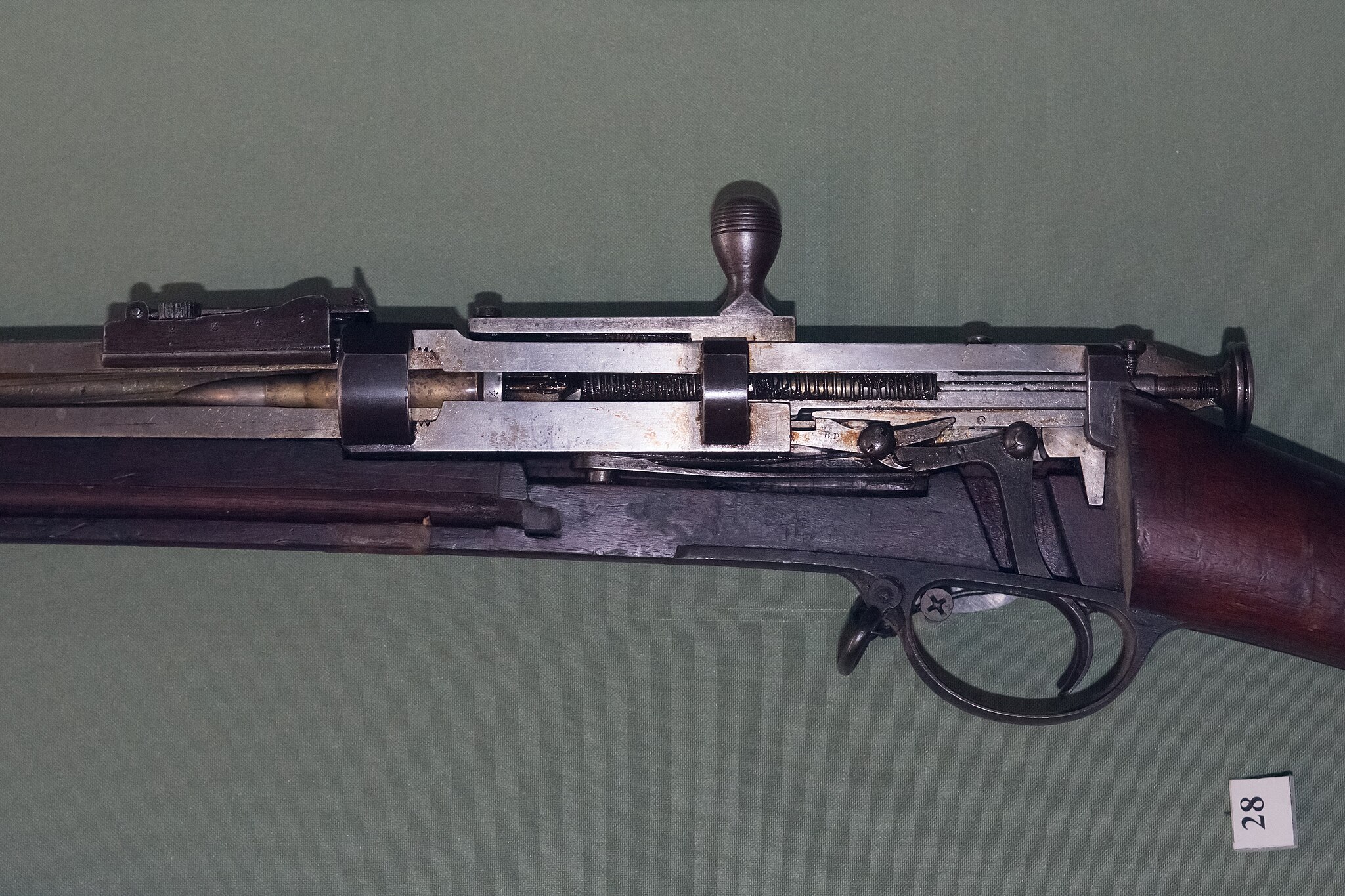
Unlike many contemporary rifles that simply refined proven mechanisms, this experimental weapon embodied a more ambitious engineering mindset. Designers prioritized controllability, reliability under adverse conditions, and ease of maintenance in the field. Attention was given to internal stress distribution, aiming to reduce component wear during extended firing cycles. The operating system, though not radically different from other gas-driven designs, incorporated subtle modifications intended to smooth recoil impulse and improve cycling consistency. Materials selection also reflected forward thinking, with efforts to minimize unnecessary mass without sacrificing structural integrity. These decisions reveal a design team deeply aware of evolving combat realities, where infantry effectiveness increasingly depended on endurance, comfort, and mechanical predictability rather than sheer power alone.
Production Realities
Despite promising test results, the rifle’s production remained strikingly limited. Manufacturing constraints, budgetary considerations, and shifting doctrinal preferences all contributed to the modest figure of approximately 3,700 units. Limited production runs often indicate uncertainty within procurement authorities, who may authorize small batches for extended trials or specialized roles. Tooling costs, supply chain challenges, and compatibility with existing accessories can further complicate scaling decisions. In this case, production numbers suggest cautious institutional support rather than outright rejection. Such restricted manufacturing also tends to elevate long-term rarity, as few examples survive intensive service use. Consequently, the rifle occupies a unique space between prototype and standard issue weapon, representing a transitional stage rather than a fully embraced platform.
Field Performance
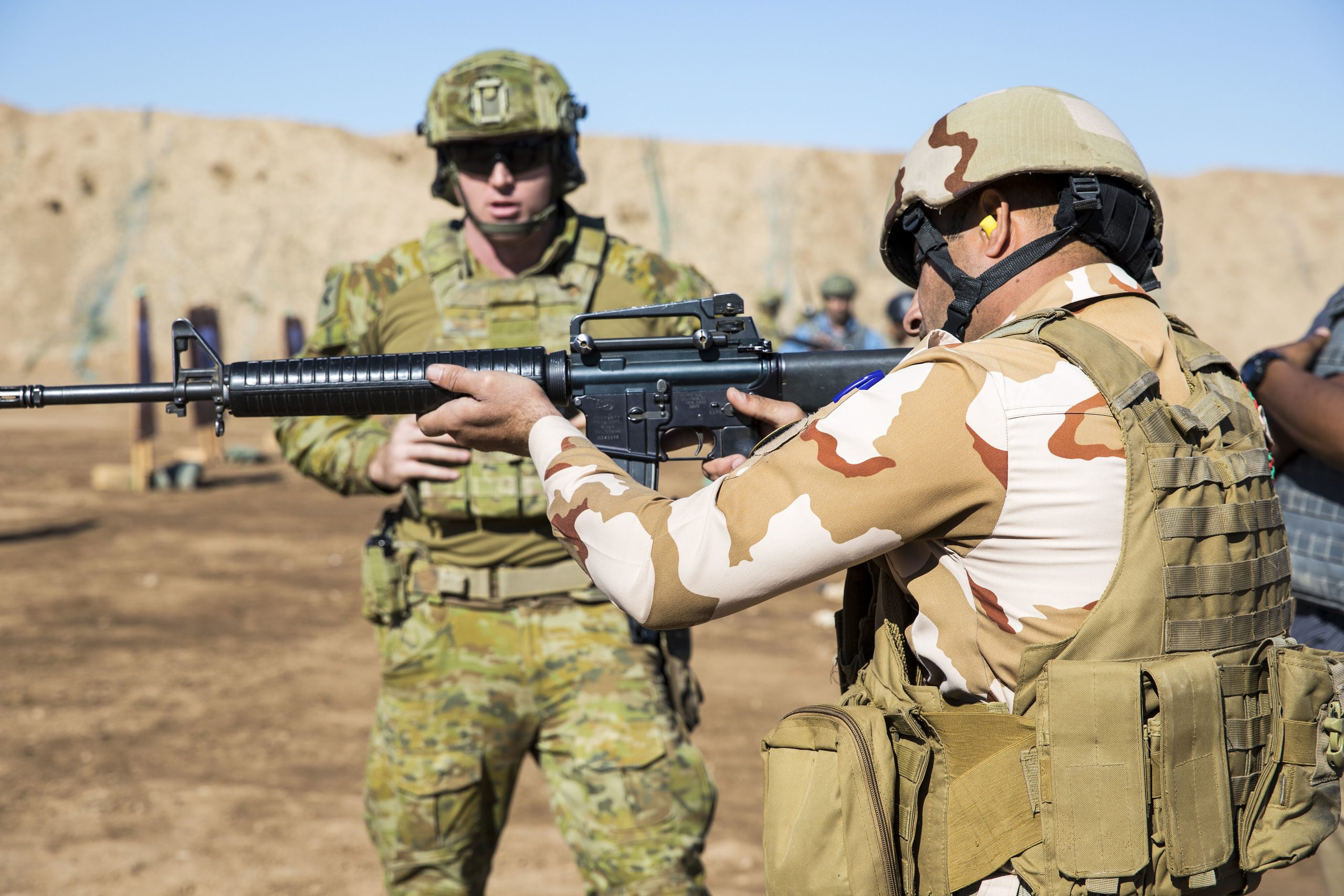
Reports from testing and limited operational evaluation painted a nuanced picture of the rifle’s capabilities. Observers frequently noted its manageable recoil, stable sight behavior, and respectable mechanical reliability. Ergonomic features, including stock geometry and control placement, received mixed reactions, reflecting subjective differences among evaluators. Environmental testing indicated adequate resilience against dust, temperature variations, and routine handling stresses. However, even minor reliability concerns or logistical complications can weigh heavily during adoption decisions. Military institutions typically demand not just competence, but clear superiority over existing systems. While the rifle performed competently, it struggled to demonstrate a decisive advantage compelling enough to justify large-scale replacement, highlighting the unforgiving standards governing service weapon selection.
Doctrinal Mismatch
One recurring challenge for experimental firearms lies in alignment with contemporary military doctrine. A rifle optimized for one tactical philosophy may appear less attractive when strategic priorities shift. During the period of this weapon’s evaluation, many armed forces were transitioning toward lighter, higher-capacity platforms emphasizing automatic fire and intermediate cartridges. Even well-engineered rifles risk obsolescence if their characteristics diverge from emerging trends. The experimental rifle’s design, though innovative in certain respects, may have seemed insufficiently aligned with evolving operational concepts. This mismatch underscores how technical merit alone rarely determines a weapon’s fate. Broader institutional preferences, training considerations, and projected battlefield needs exert equally powerful influence over procurement outcomes.
Logistical Considerations
Beyond performance metrics, logistical factors often determine whether a firearm achieves widespread adoption. Ammunition compatibility, spare parts availability, and maintenance infrastructure play critical roles in evaluation processes. Introducing a new rifle can impose extensive retraining demands and require adjustments to supply systems. Even modest deviations in component design may complicate repair and replacement procedures. For a rifle produced in only a few thousand units, sustaining dedicated logistical support becomes increasingly impractical. Decision makers must weigh the long-term costs of supporting niche platforms against the efficiencies of standardization. In many cases, logistical simplicity outweighs incremental performance benefits, contributing to the discontinuation of otherwise capable experimental weapons.
Collector and Historical Interest
Ironically, limited production rifles often achieve greater recognition decades later among collectors and historians than they did during active development. Rarity, combined with unique design features, enhances their appeal as tangible artifacts of technological experimentation. Surviving examples provide valuable insight into manufacturing practices, material choices, and engineering priorities of their era. Detailed examination can reveal both strengths and overlooked limitations. For enthusiasts, such rifles represent more than mechanical objects. They embody alternate technological paths and unrealized possibilities. As documentation resurfaces and scholarship expands, these obscure weapons gradually regain visibility, enriching our understanding of small arms evolution beyond the narrow focus on universally adopted service rifles.
Influence on Later Designs
Even unsuccessful or short-lived firearms frequently contribute ideas that later reappear in more refined systems. Innovations tested in experimental platforms may inform future approaches to recoil management, component geometry, or production efficiency. Engineers often learn as much from near successes as from definitive breakthroughs. Certain mechanical solutions, initially viewed as unconventional, may gain acceptance once supporting technologies mature. The experimental rifle’s legacy likely persists through subtle design echoes rather than direct lineage. This pattern illustrates the iterative nature of firearms development, where concepts migrate across generations of weapons. Technological progress rarely follows a straight line; instead advancing through layered experimentation and selective adaptation.
Lessons from Limited Adoption
The story of a rifle produced in only 3,700 units offers broader lessons about military innovation and institutional decision-making. Adoption outcomes depend on a complex interplay of technical performance, cost, doctrine, and risk tolerance. A firearm can be competent, even impressive, yet still fail to secure large-scale acceptance. Such cases challenge simplistic narratives equating obscurity with inadequacy. They also highlight the difficulty of predicting long-term operational needs. Experimental weapons function as exploratory steps, testing assumptions and expanding design boundaries. While many disappear from active service, their developmental contributions accumulate, shaping future successes in indirect but meaningful ways across the evolving landscape of infantry arms.
Enduring Fascination
Today, the rifle’s limited production and relative anonymity enhance rather than diminish its historical significance. Enthusiasts are drawn to the mystery surrounding rare firearms, particularly those representing transitional technological moments. Each surviving specimen invites questions about alternate procurement decisions, unrealized improvements, and shifting military priorities. The weapon’s story captures the imagination because it reflects both ingenuity and impermanence. In the vast continuum of small arms history, countless designs briefly surfaced before yielding to changing circumstances. Remembering these overlooked rifles deepens appreciation for the experimental processes underpinning modern weapon systems, reminding us that progress often emerges not only from celebrated successes but also from quietly forgotten attempts.