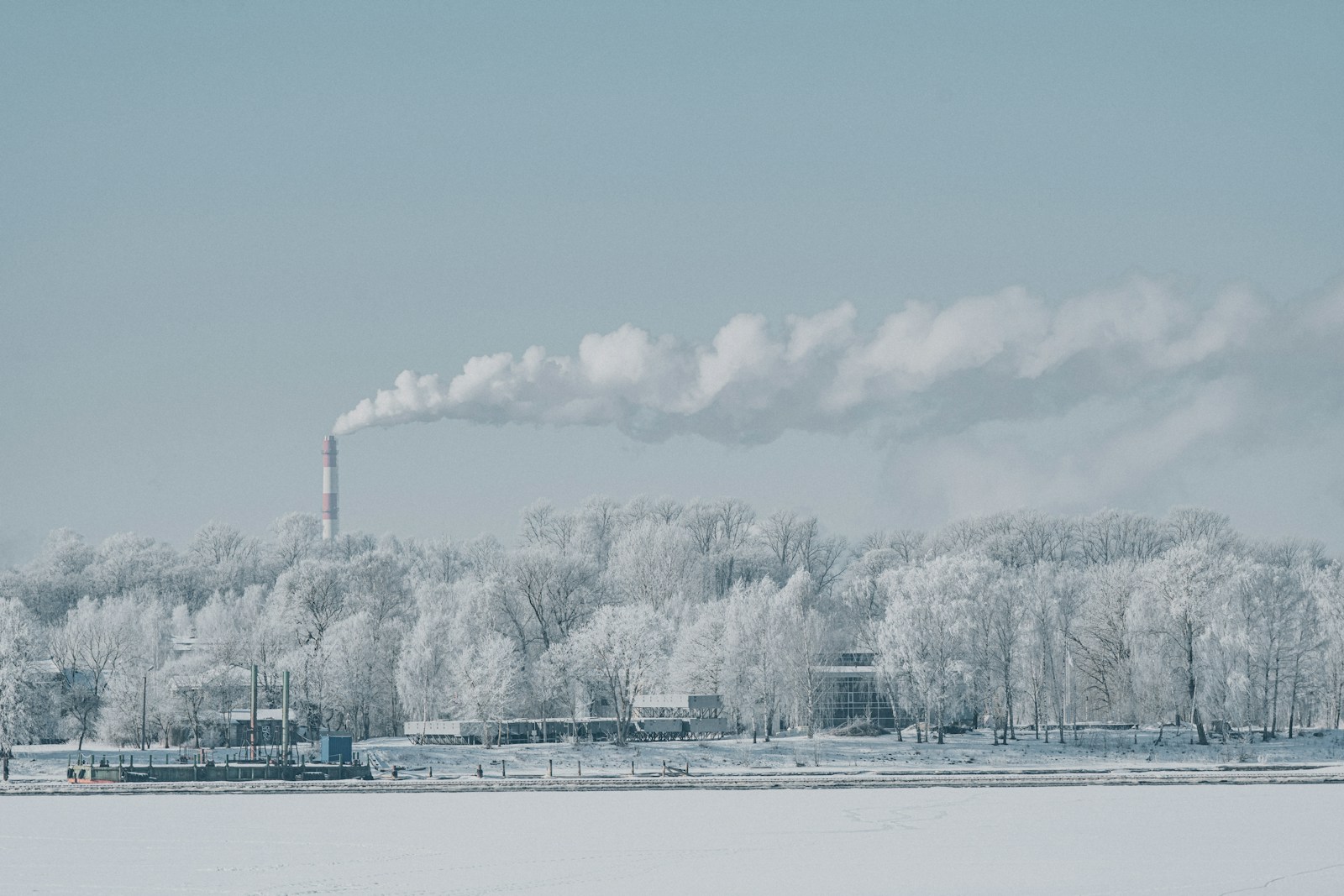
Earth is on track to become uninhabitable according to the latest alarming reports from global scientific organizations recently published this year. These researchers highlight that humanity is rapidly approaching several critical tipping points that could lead to irreversible environmental damage if actions do not change soon. The delicate balance of our atmosphere and oceans now faces unprecedented stress from rising temperatures and declining biodiversity levels across every continent. Understanding these complex changes is essential for anyone who cares about the future of our shared home and the legacy we leave. Let us explore the specific factors driving this transition.
Destabilizing Tipping Points
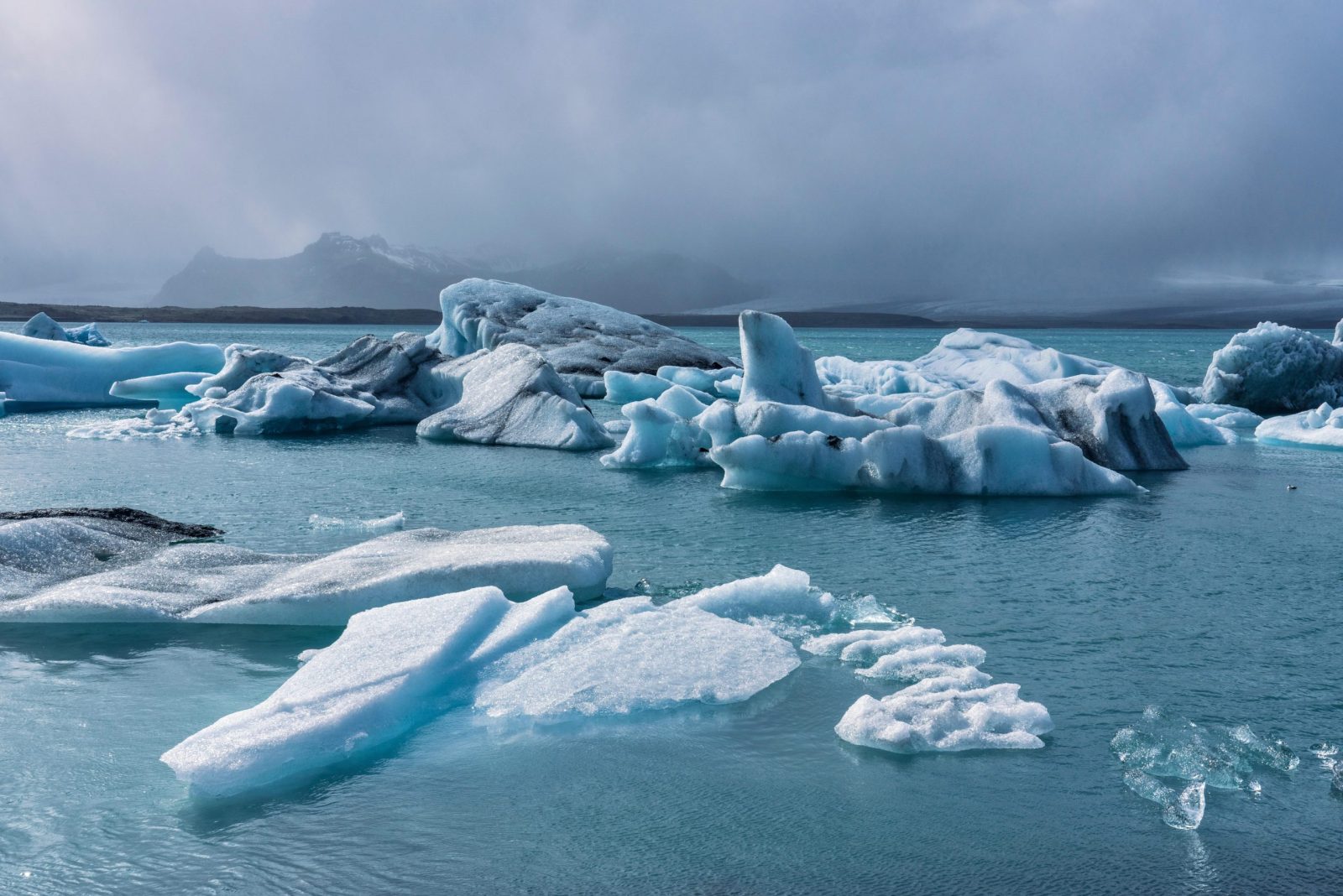
Scientific evidence suggests that major environmental systems like the Greenland ice sheet and the Amazon rainforest are dangerously close to total collapse. These tipping points represent thresholds where a small change triggers a massive and self sustaining shift in the state of the planet. Experts warn that crossing these limits could lead to a domino effect that destabilizes other vital systems simultaneously. This scenario creates a trajectory often called a hothouse Earth where high temperatures become permanent and extremely hostile to life. Identifying these vulnerabilities helps societies prepare for the immense challenges that lie ahead on our warming world.
The Point Of No Return
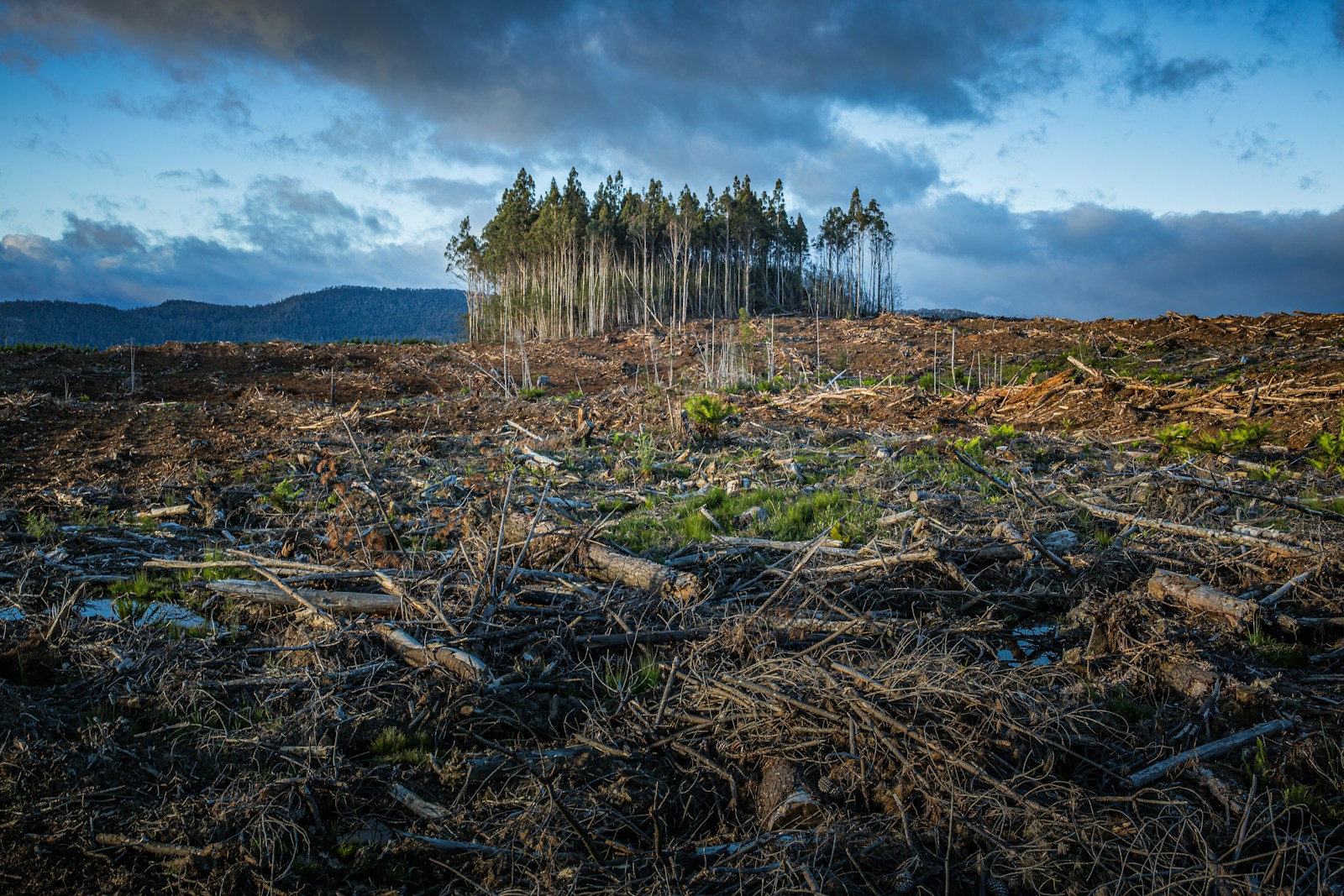
A recent assessment shows that humans have already breached seven of the nine critical planetary boundaries that maintain global stability. These boundaries include climate change and biosphere integrity as well as the newly exceeded limit for ocean acidification. When we push past these safety zones the Earth loses its natural ability to regulate heat and support diverse life forms effectively. Researchers emphasize that these support systems are now operating in a high risk zone that threatens the very foundation of modern civilization. Staying within these limits is the only way to ensure a safe operating space for all people.
Hothouse Earth Trajectory
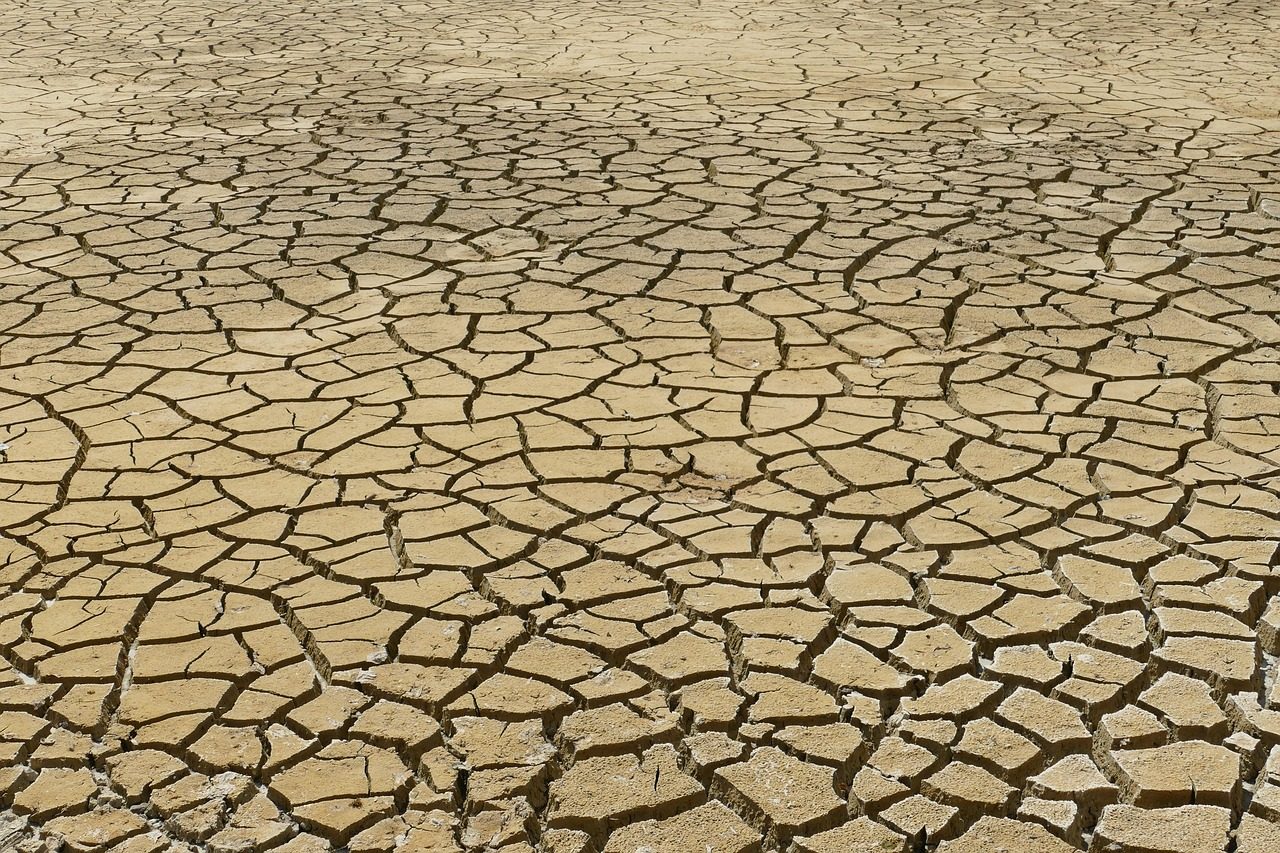
The loss of biodiversity is accelerating at a rate that could soon trigger the total collapse of essential food chains worldwide. When critical pollinators and soil microbes disappear the ability to grow crops and maintain clean water supplies becomes severely compromised for billions. Many habitats are currently transitioning into less productive states such as lush forests turning into dry and dusty savannas. This degradation reduces the amount of carbon that nature can store which further intensifies the warming process across the globe. Protecting the integrity of the natural world is not just a luxury but a fundamental requirement.
Safe Operating Space
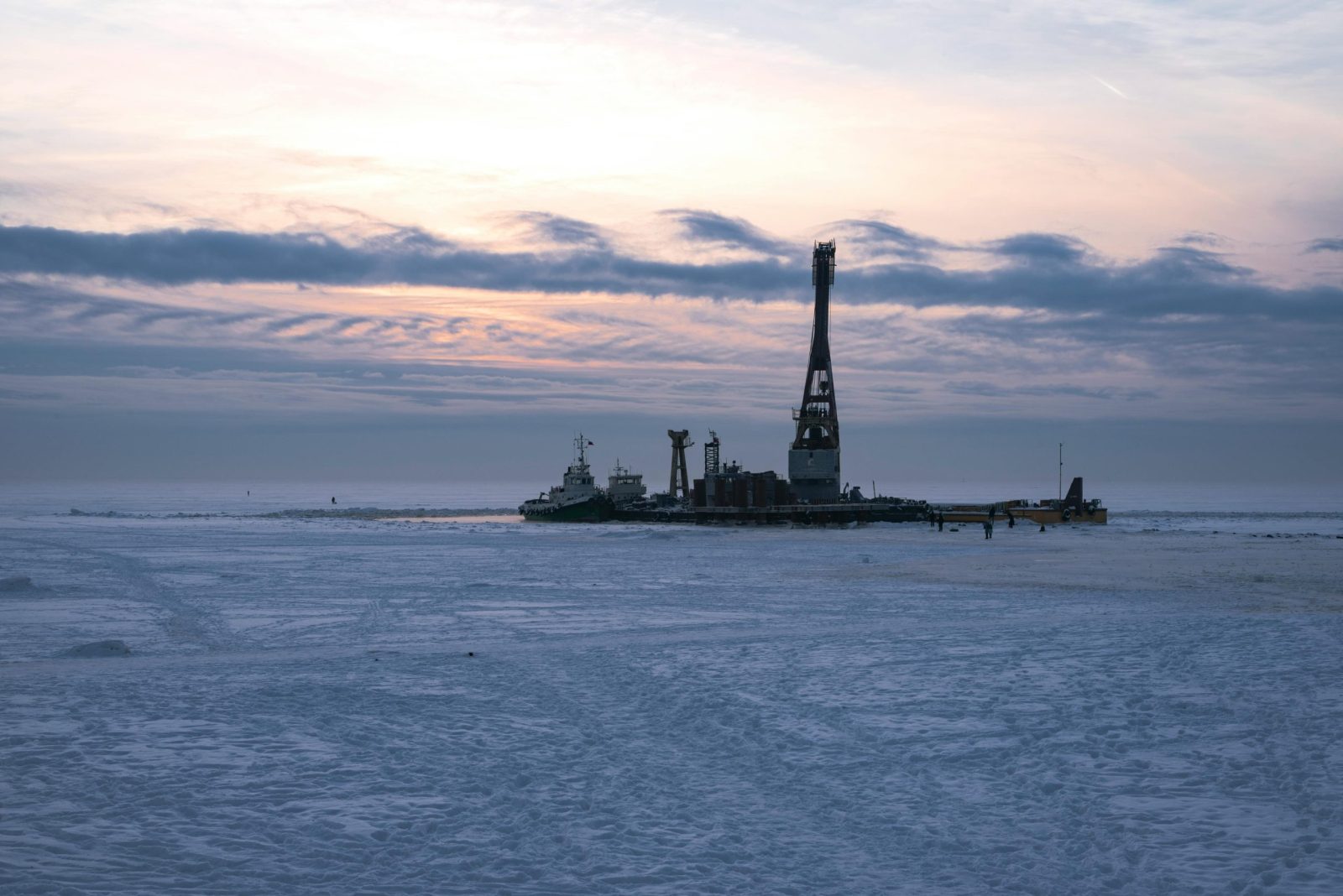
Self reinforcing feedback loops are now making the task of cooling the planet significantly more difficult for even the most advanced technologies. As Arctic permafrost thaws it releases massive quantities of methane which is a greenhouse gas much more potent than carbon dioxide. This extra heat causes more ice to melt and exposes dark ocean water that absorbs even more solar radiation every day. These cycles create a warming spiral that continues independently of human activity once the process gains enough momentum. Breaking these loops requires immediate and significant reductions in fossil fuel use to maintain a safe operating space.