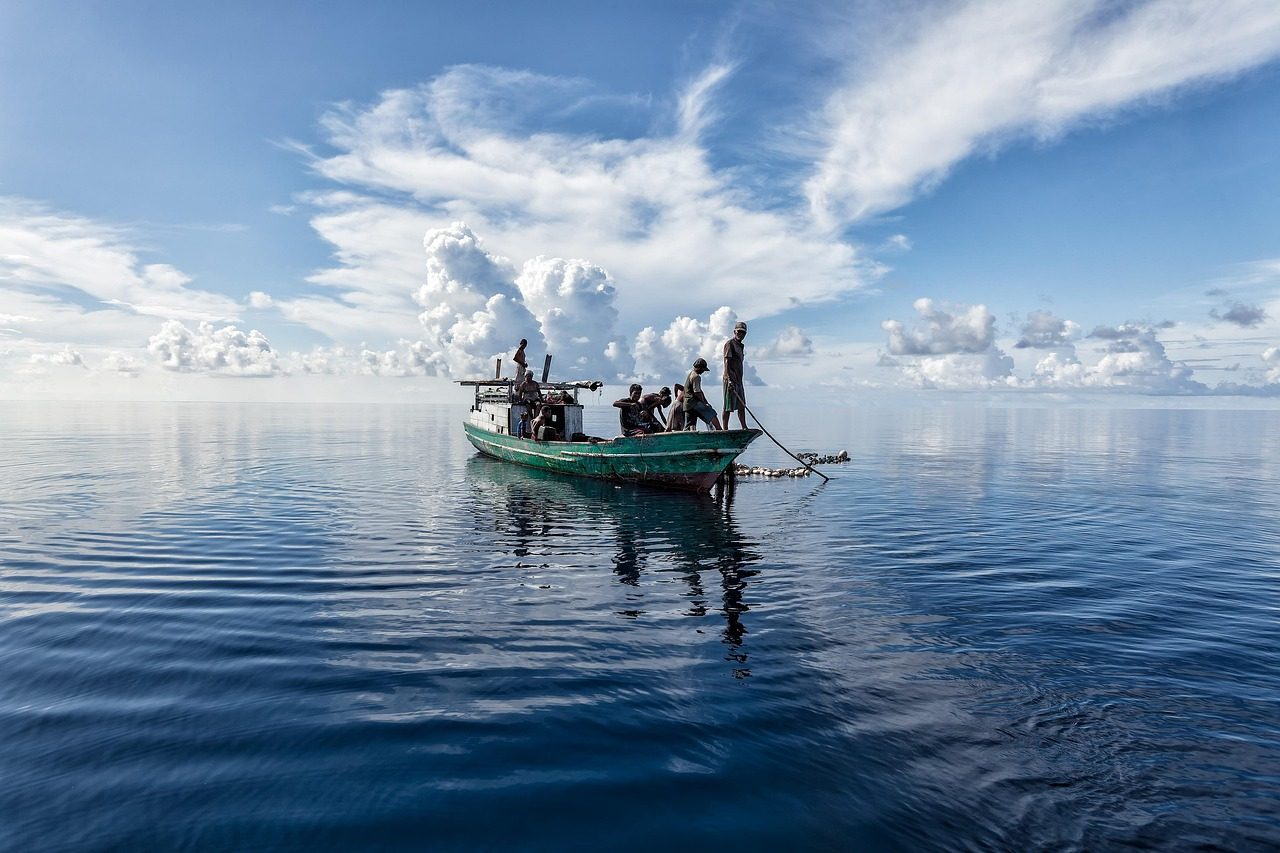
Blast fishing is a deadly fishing method that destroys the environment by using explosives to stun or kill fish schools. Fishermen light waterproof fuses on homemade bombs and throw them into the water to create a massive shockwave. This explosion ruptures the swim bladders of nearby fish and causes them to float to the surface for easy collection. The practice provides a quick catch for impoverished communities but causes irreparable damage to the delicate marine ecosystem. It turns vibrant and thriving coral reefs into barren wastelands of gray rubble in seconds. The ocean floor simply cannot recover.
The Mechanics of Destruction
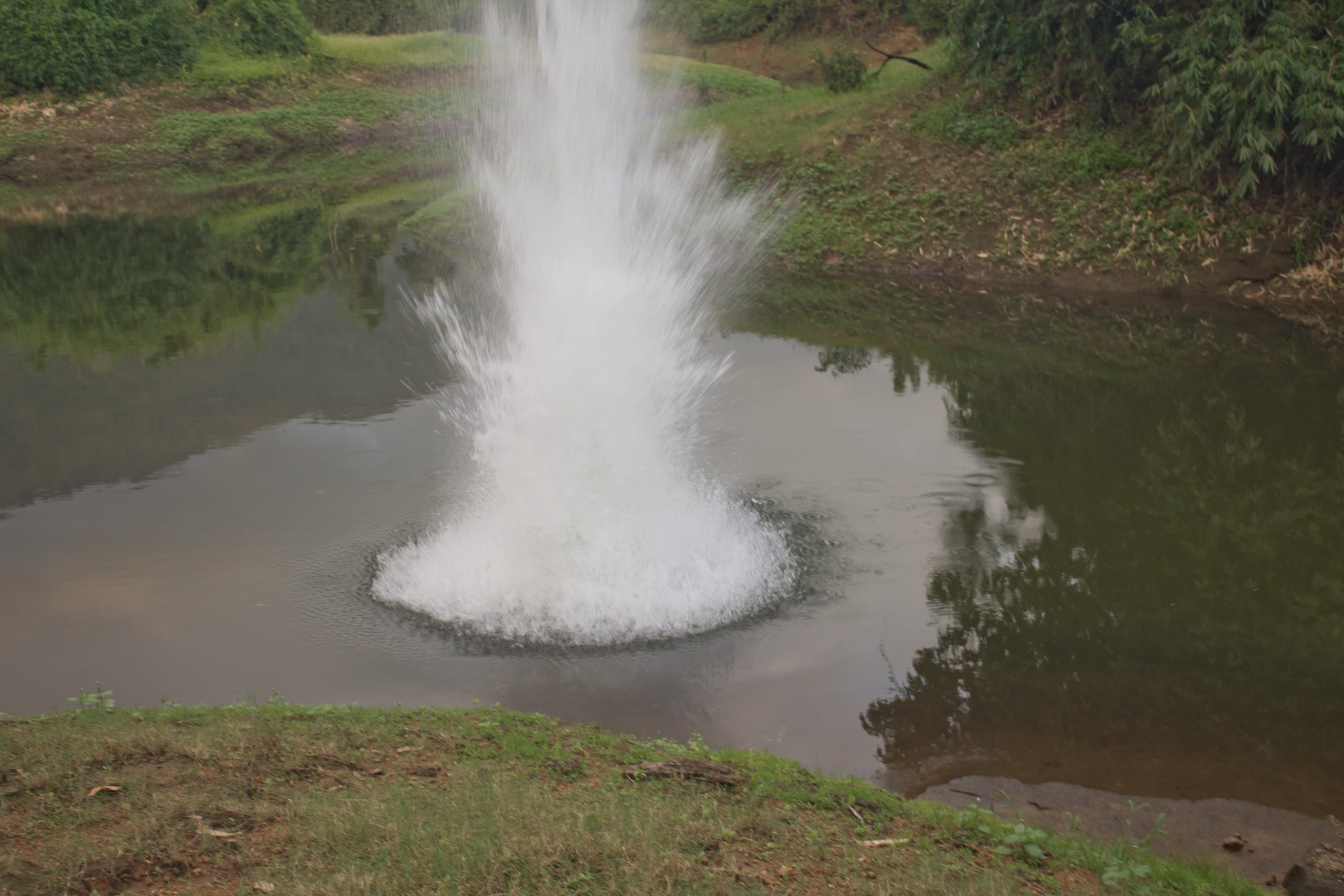
Homemade explosives are typically constructed using cheap materials like glass bottles filled with potassium nitrate and pebbles. The blast creates a powerful underwater shockwave that travels much faster through water than it does through the air. This concussive force kills most marine life within a specific radius immediately, regardless of its commercial value. The use of fertilizer and kerosene makes these bombs easy to manufacture in remote coastal villages. This accessibility allows the destructive practice to continue despite being illegal in almost every country. The simplicity of the weapon is what makes it so prevalent and dangerous today.
Collateral Damage to Marine Life
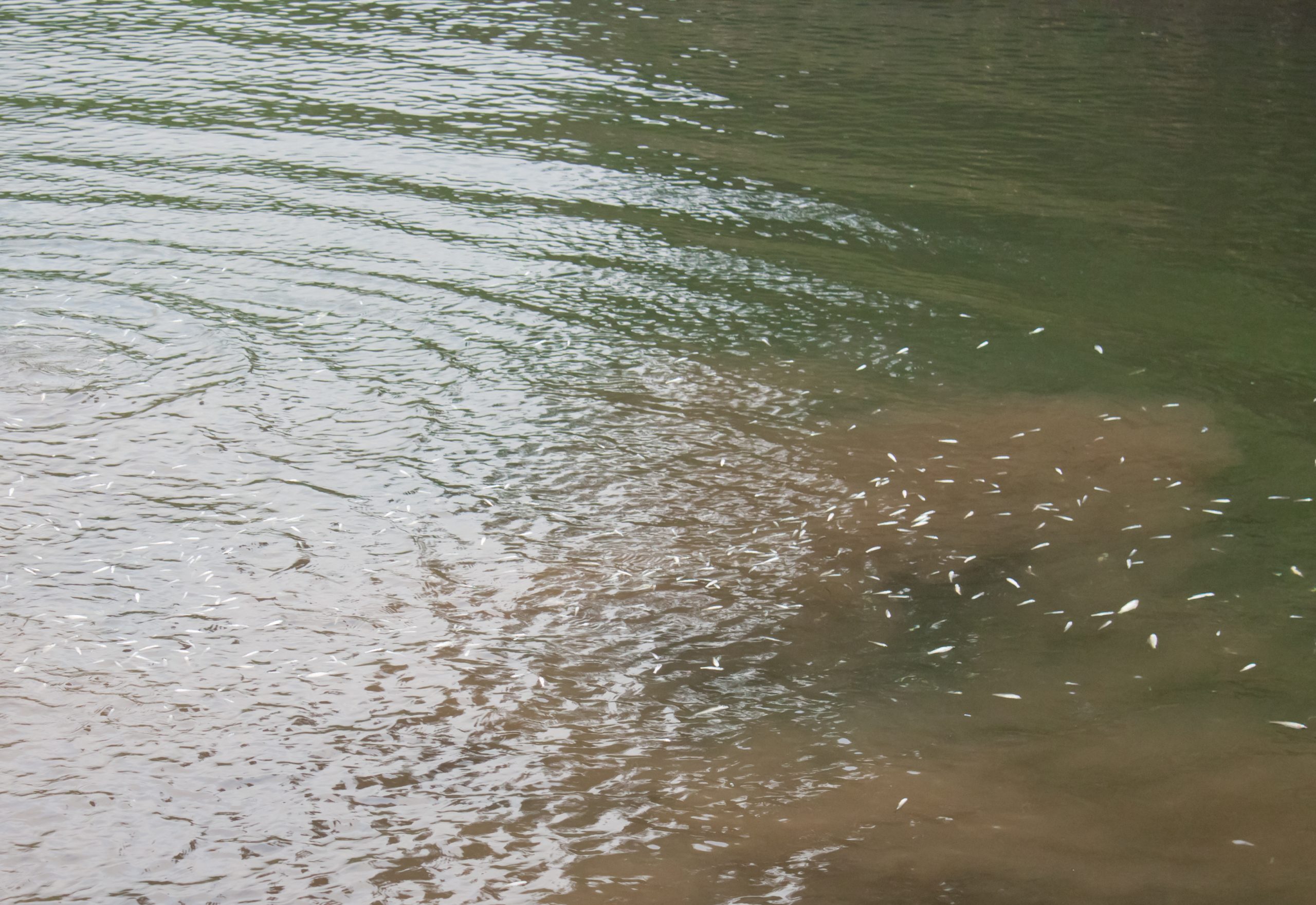
Targeting a specific school of fish with a bomb inevitably results in massive amounts of unintended bycatch. The explosion does not discriminate between a valuable grouper and a juvenile fish or a sea turtle swimming nearby. Invertebrates and plankton, and small organisms that form the base of the food chain, are annihilated instantly. This indiscriminate killing disrupts the ecological balance and prevents fish populations from replenishing themselves naturally. The ocean floor becomes a graveyard where nothing can survive the repeated trauma of the blasts. Future generations of fish are wiped out before they even have a chance to reproduce.
Shattering Delicate Coral Reefs
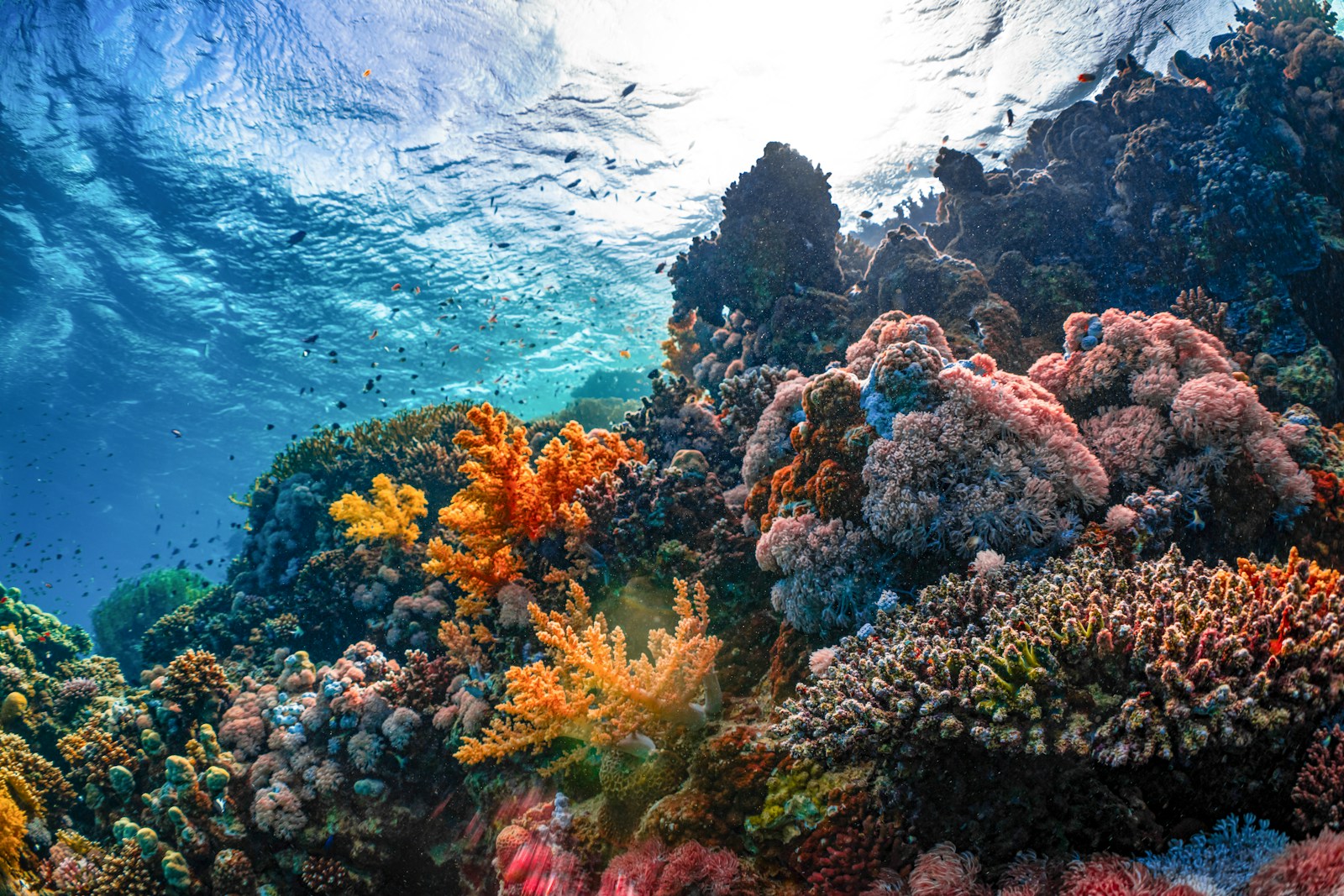
Coral reefs are fragile structures that take thousands of years to grow but can be destroyed in a single second. The physical impact of the explosion shatters the hard calcium carbonate skeletons that provide shelter for marine life. Vibrant underwater cities are reduced to shifting fields of dead rubble that cannot support a healthy ecosystem. Once the structural integrity of the reef is compromised, it becomes susceptible to algae overgrowth and erosion. Restoration of these damaged areas is incredibly difficult and often impossible on a large scale. The loss of habitat forces remaining fish to migrate elsewhere permanently.
Human Safety Risks
Manufacturing and using homemade explosives poses a significant threat to the fishermen who engage in this illegal activity. Premature detonations frequently cause severe injuries or loss of limbs and even death among the boat crews. The unstable nature of the chemical mixtures used to create the bombs makes them unpredictable in hot and humid conditions. Many fishermen lose their hands or their eyesight while trying to light short fuses before throwing the device. These tragic accidents often go unreported due to the illegal nature of the work. The human cost of this desperation is just as high as the environmental one.
Economic Consequences
Short-term gains from blast fishing lead to long-term economic ruin for coastal communities that rely on the ocean. Destroying the habitat ensures that fish stocks will eventually collapse and leave local families without a source of food or income. Tourism industries also suffer greatly because divers and snorkelers will not visit areas that have been reduced to rubble. The degradation of the reef removes the natural barrier that protects coastlines from storms and erosion. This destructive cycle traps communities in poverty by destroying the very resources they need to survive. Sustainable practices are the only path to future prosperity.