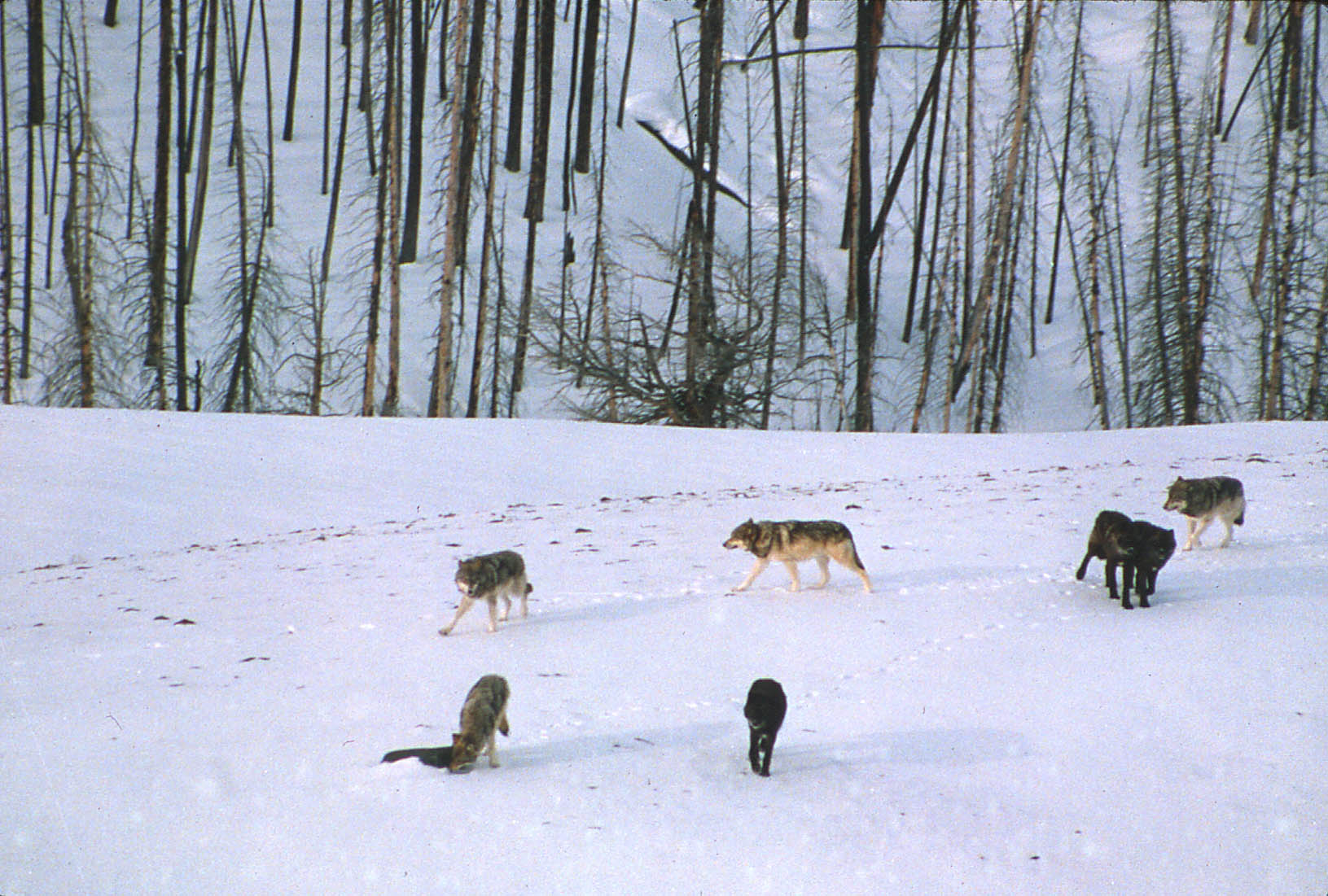
Colorado’s wolf reintroduction plan has become one of the most emotionally charged wildlife debates in the American West. While some residents celebrate wolves as an ecological victory decades in the making, others fear the consequences the predators may bring to rural livelihoods, hunting traditions, and big-game herds. As wolves establish territories across the state, stakeholders continue to clash over conservation goals, livestock protection, and how to balance human needs with long-term environmental health.
A Controversial Program Rooted in a Historic Vote
Colorado’s wolf reintroduction began with a narrow statewide vote, where urban support outweighed rural opposition. Many ranchers and hunters felt their concerns were overshadowed by voters living far from wolf territory. Supporters argued the initiative restored a missing native predator, while critics saw it as an imposed risk. This early division set the tone for ongoing disputes, with each group believing the other underestimated the true impact on Colorado’s landscape and communities.
Ranchers Face Growing Anxiety Over Livestock Safety
For cattle and sheep producers, wolves represent an unpredictable threat that could harm already thin profit margins. Ranchers worry about nighttime predation, stressed animals, and unexpected losses during calving season. While compensation programs exist, many breeders argue they rarely cover long-term damage or the effort needed to deter wolves. The constant tension has pushed some ranchers to invest in costly fencing, guard dogs, and round-the-clock monitoring, deepening frustration and adding strain to rural operations.
Hunters Fear Declines in Big-Game Numbers
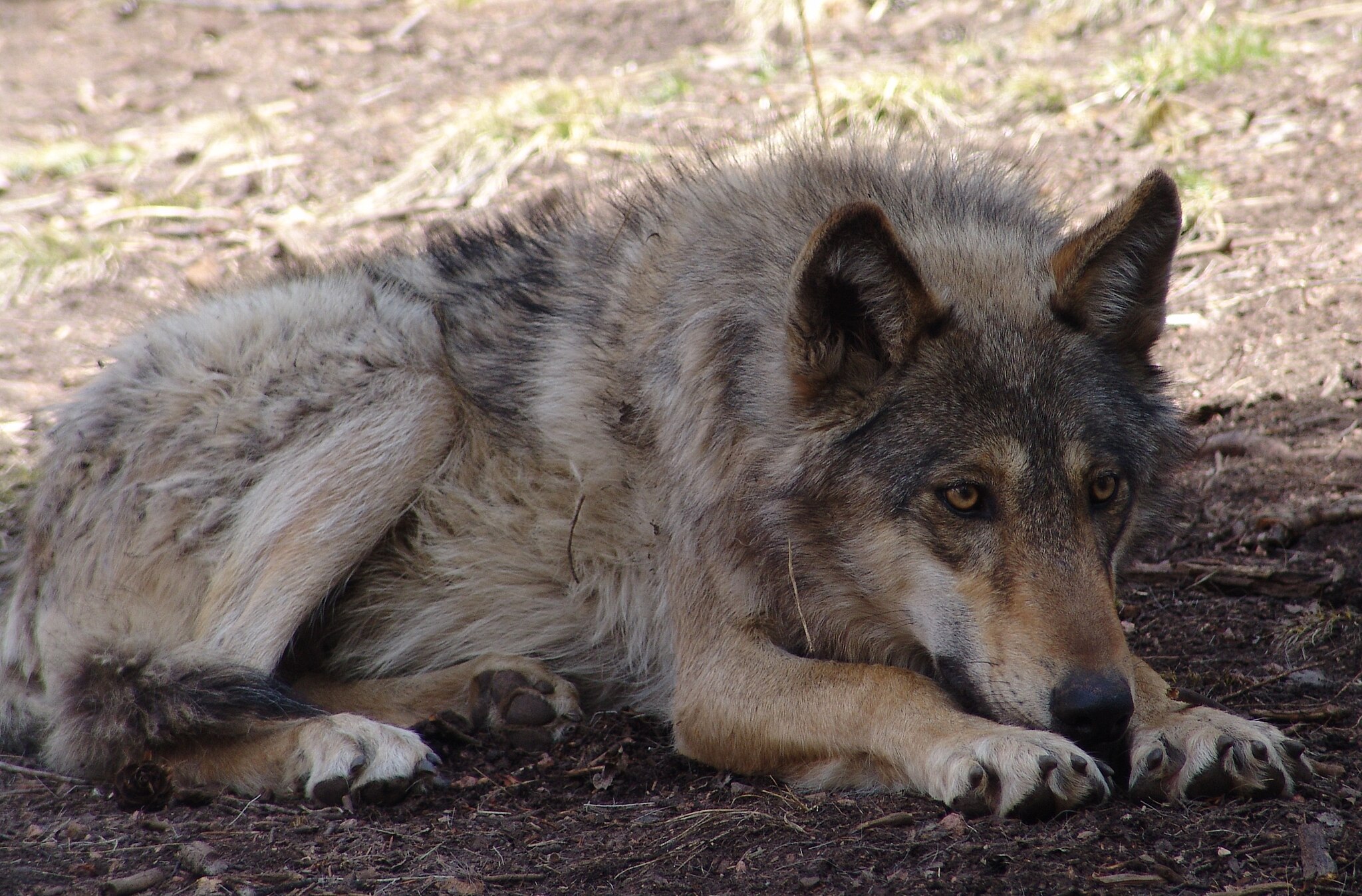
Colorado hunters have raised concerns about how wolves may affect elk and deer populations that sustain both recreation and local economies. Many believe wolf predation could reduce herd sizes in certain areas, making seasons more competitive and harvests less predictable. Though biologists maintain that wolves can help balance ecosystems, hunters counter that Colorado’s herds are already pressured by drought, disease, and habitat loss. This perceived threat fuels ongoing debates at public meetings and wildlife forums.
Wildlife Advocates Celebrate a Long-Awaited Predator Return
Conservation and wildlife groups strongly support the restoration of wolves, viewing them as vital to repairing damaged ecosystems. They highlight success stories from other states, where wolf activity helped reduce overgrazing and strengthen riverside vegetation. Advocates argue that responsible coexistence can bring ecological improvement and enrich biodiversity. To them, wolves symbolize a healthier future for Colorado’s wilderness, and they encourage the public to trust science-based management over fear-driven narratives.
Biological Impact Brings Both Benefits and Challenges
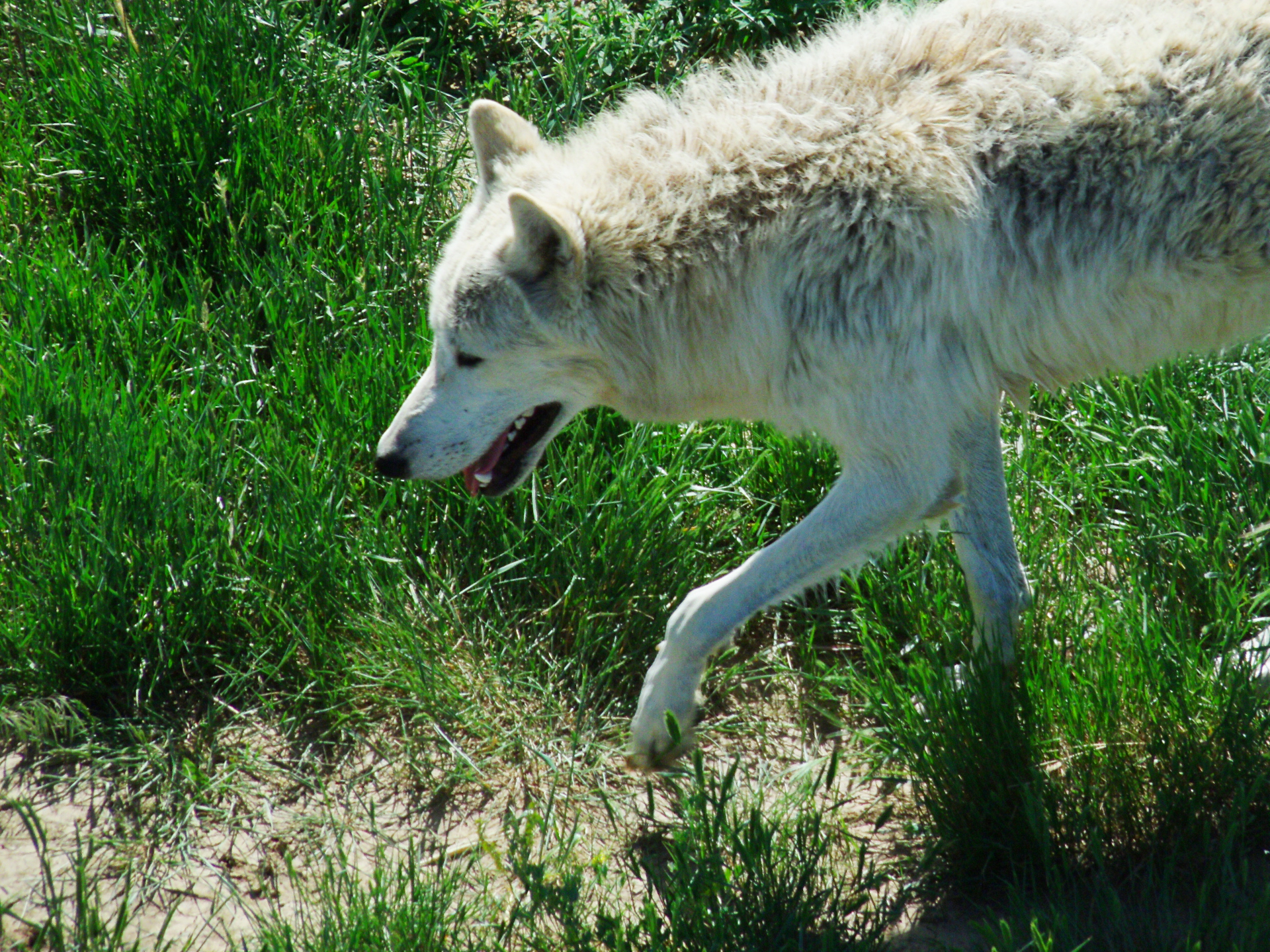
As wolves settle into Colorado, biologists are closely monitoring shifts in elk movement, habitat usage, and predator-prey interactions. Wolves tend to force ungulates to stay on the move, reducing localized overbrowsing that weakens plant communities. However, these changes also complicate herd forecasts and may affect hunting quotas. Researchers emphasize that wolf activity can reshape entire landscapes over time, but the process requires patience and steady data collection to understand fully.
Compensation Programs Bring Debate Over Fairness
Colorado’s compensation program reimburses ranchers for confirmed livestock losses, but many producers argue the system is slow, difficult, and inadequate. Confirming kills can be challenging when scavengers scatter evidence, leaving ranchers without proof. Some claim payments fall short of true market value or fail to consider stress-induced productivity losses. Meanwhile, conservation groups argue the program shows good faith and helps ranchers adjust, though improvements may still be needed for widespread trust.
Non-Lethal Deterrents Offer Mixed Results
Ranchers experimenting with fladry, range riders, lights, and noise-based deterrents report varied success in keeping wolves away. Some methods work temporarily, while wolves often adapt quickly, forcing constant changes. These tools can be expensive and time-consuming, particularly for small ranches lacking extra labor. Wildlife groups promote these strategies as humane and effective when used correctly, but ranchers insist they can’t replace the need for flexible, realistic management policies.
State Agencies Struggle to Balance Competing Priorities
Colorado Parks and Wildlife faces intense pressure as it tries to manage wolves, protect livestock, and uphold the voter mandate. Agency staff must respond to sightings, coordinate with ranchers, and monitor wolf behavior while navigating public scrutiny from all sides. Every decision from collaring wolves to adjusting response protocols draws criticism from either ranchers or activists. This constant push-and-pull reflects how politically sensitive predator recovery has become across the state.
Urban-Rural Divide Deepens Over Wildlife Policy
One of the clearest divides in the wolf debate lies between urban voters and rural communities. City residents often support wildlife restoration from a distance, while rural residents feel they shoulder the consequences without adequate input. This gap has fueled resentment, with some ranchers calling the reintroduction “an experiment carried out on people’s livelihoods.” Bridging this divide remains challenging, but improved communication and transparent policymaking could ease mounting tension.
Colorado’s Path Forward Requires Collaboration and Patience
While tensions remain strong, experts agree that long-term coexistence will require shared responsibility and open dialogue. Ranchers, hunters, and conservationists must work together on practical management strategies. Building trust around compensation, monitoring, and enforcement will be key to reducing conflict. Colorado’s wolf reintroduction may serve as a national example either of cooperative success or ongoing division, depending on how effectively stakeholders choose to engage in shaping the state’s evolving ecological future.