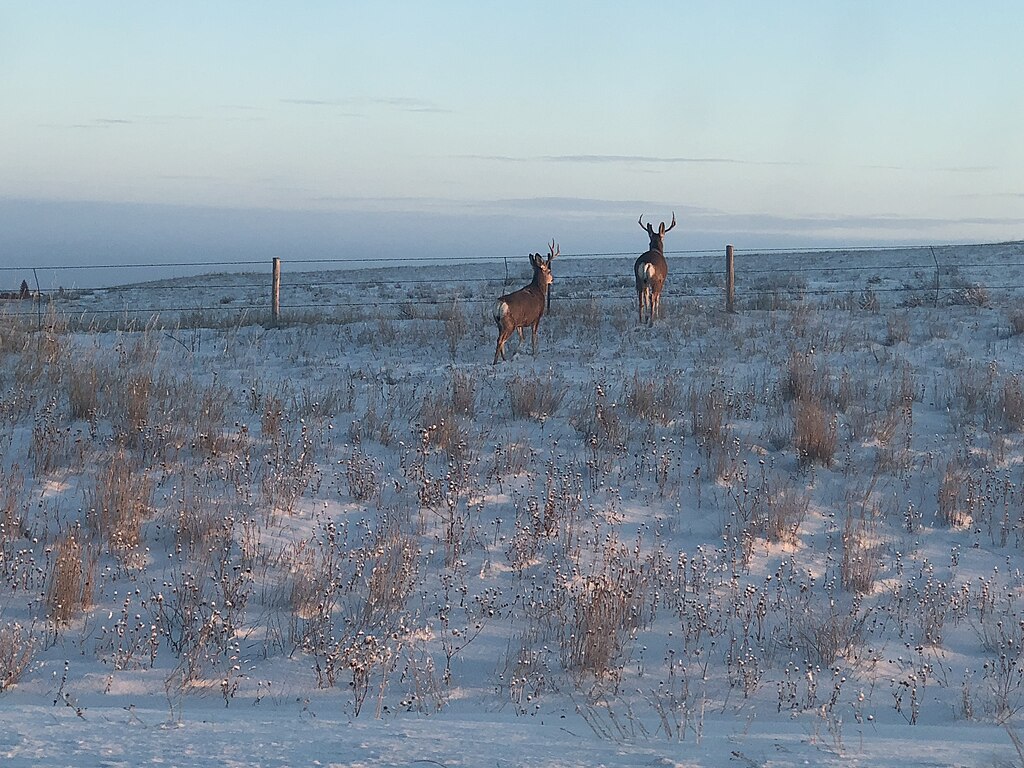
Cold weather reshapes deer behavior in subtle ways that often go unnoticed. As temperatures drop, survival priorities shift, altering movement, feeding, and bedding patterns. Hunters who rely on early season assumptions may miss important changes unfolding quietly across landscapes. Snow cover, wind, and daylight length all influence decisions deer make daily. These adjustments are not dramatic, but they are consistent. Recognizing them requires attention to environment rather than habit. Understanding overlooked cold weather behaviors helps explain why sightings change, trails disappear, and familiar areas suddenly feel empty, even when deer remain present throughout winter months of the year.
Altered Daylight Movement
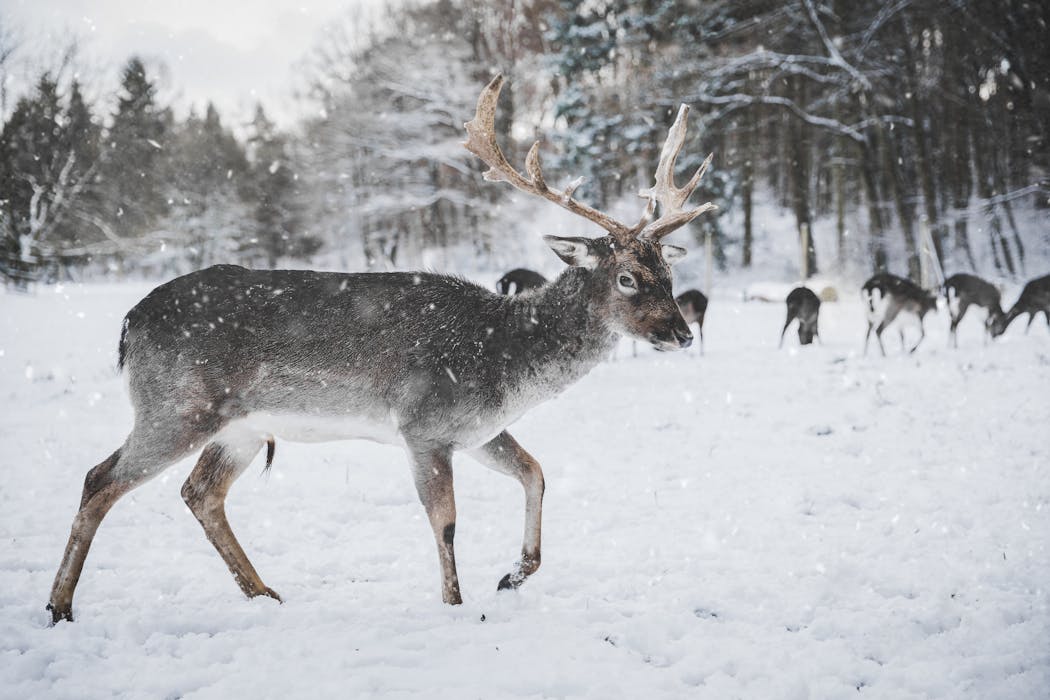
Shorter days push deer to adjust movement timing in cold weather. Feeding often concentrates around limited daylight windows. Midday movement can increase such as temperatures stabilize. Morning and evening patterns blur. Hunters expecting strict dawn activity may overlook opportunities. Deer balance energy use carefully. They avoid unnecessary travel during darkness. Snow and cold amplify this shift. The change appears subtle, yet it alters travel routes and encounter timing. Recognizing how daylight compression reshapes movement helps explain why traditional schedules fail and why deer appear active at unexpected hours during winter periods across varied northern landscapes today.
Bedding Choices Shift With Wind
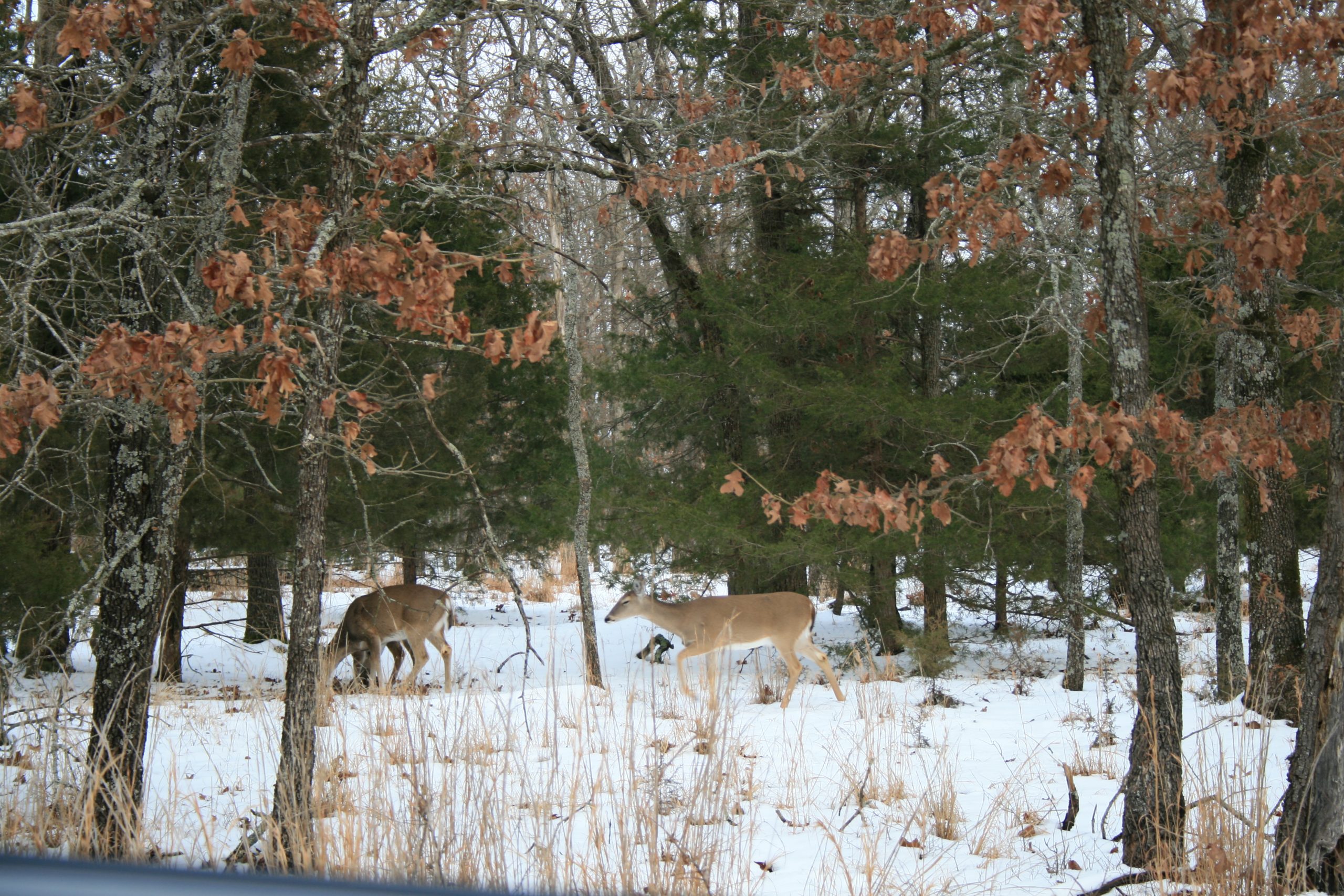
Cold weather pushes deer to rethink bedding locations entirely. Wind exposure becomes a deciding factor. Sheltered slopes, thick cover, and leeward ridges gain importance. The Deer seek areas conserving body heat while maintaining visibility. Open beds common in warm seasons disappear. Hunters scanning traditional spots find emptiness. Snow depth further limits options. Bedding sites shrink in number but increase in security. Understanding how wind and insulation drive bedding selection explains sudden absence of deer from familiar areas and highlights overlooked pockets holding animals throughout prolonged cold stretches during harsh seasonal weather patterns across mixed forest regions.
Feeding Becomes Hyper Efficient
During cold spells, deer feeding behavior narrows sharply. Energy conservation dominates every decision. Travel distance between food and cover shortens. Preferred browse gains priority. Marginal food sources lose appeal. Deer revisit reliable locations repeatedly. This predictability hides in plain sight. Hunters searching broadly may miss tight feeding loops. Snow reveals trails but also discourages wandering. Understanding efficiency driven feeding explains why deer vanish from wide ranging patterns and instead concentrate activity within small, resource rich zones offering shelter, nutrition, and minimal exposure throughout sustained winter conditions in varied habitats including agricultural edges and wooded basins.
Grouping Patterns Quietly Change

Cold weather alters how deer group without dramatic signs. Smaller family units often combine briefly. Larger groups improve vigilance and heat retention. These gatherings shift locations frequently. Tracks may seem chaotic. Social behavior responds directly to temperature stress. As conditions moderate, groups dissolve again. This fluid grouping affects sightings and pressure response. Recognizing temporary social changes helps interpret tracks, bed clusters, and movement during cold periods when deer prioritize survival cooperation over territorial behavior in challenging winter environments across northern forests, plains, foothills, and transitional habitats nationwide today seasonally.