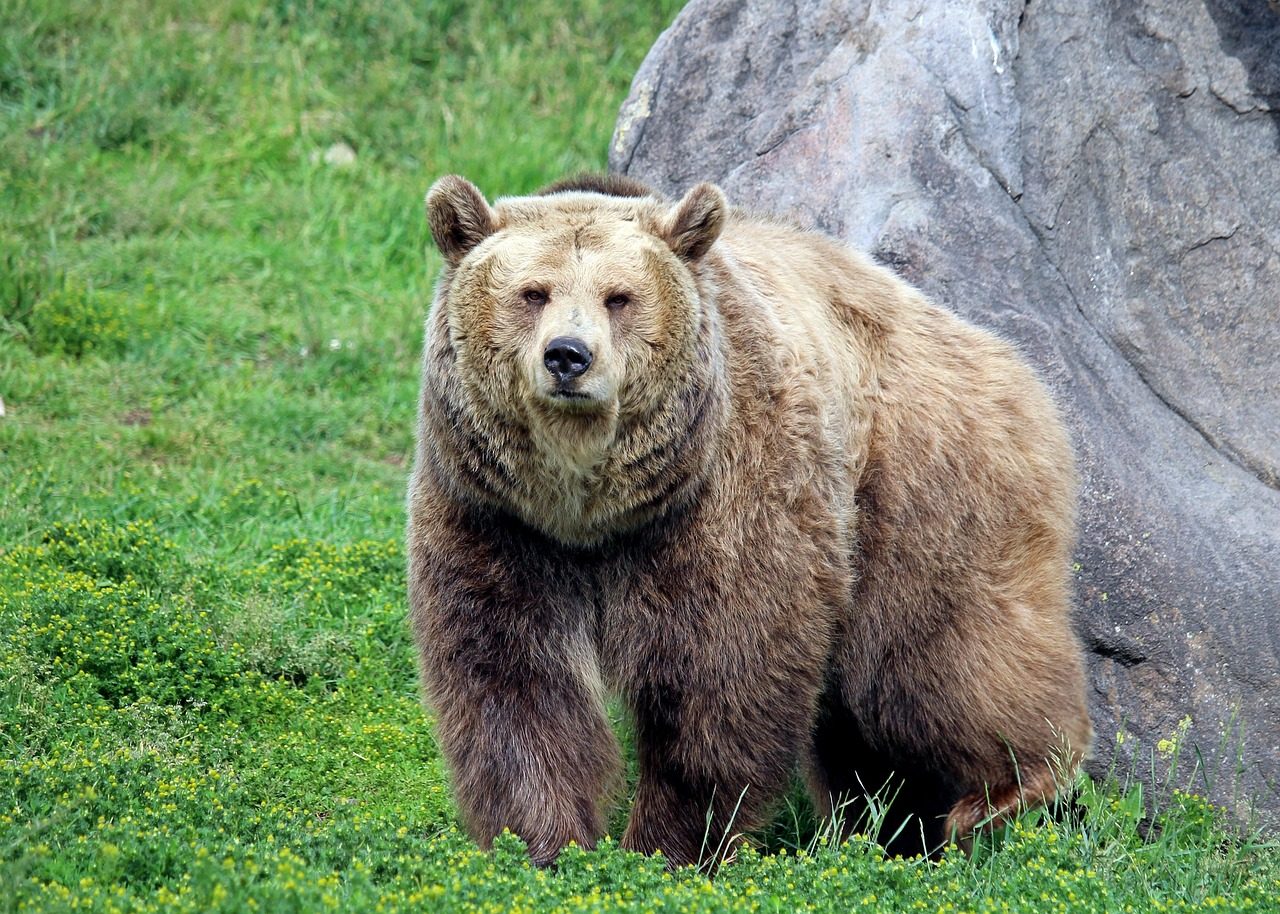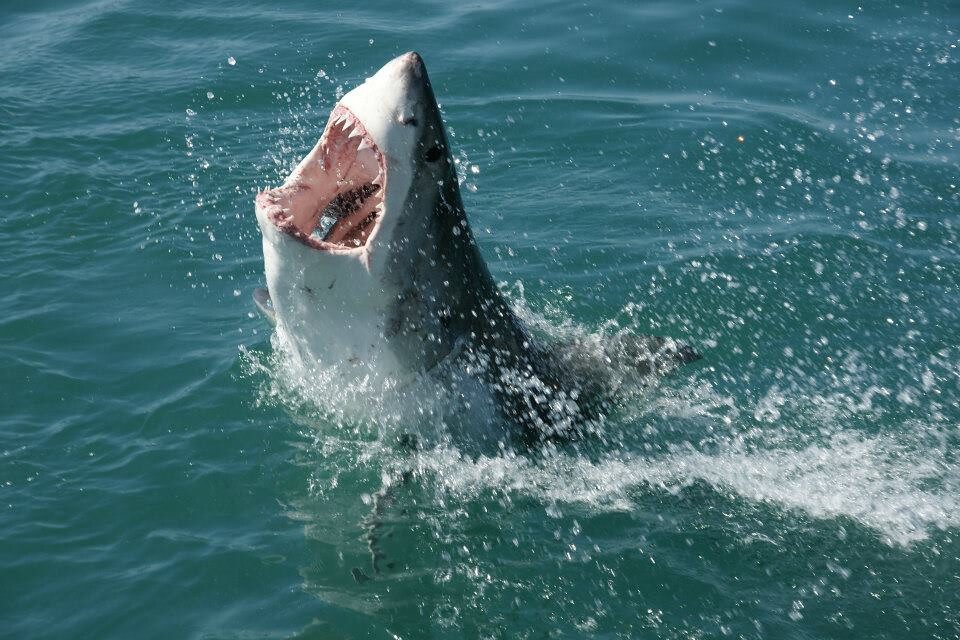
Recent studies suggest that climate change could be causing sharks to lose their bite and hunting efficiency. Scientists observing these apex predators in warming waters have noticed significant changes in their physical capabilities and behavior. The increasing acidity of the ocean affects how these animals develop their teeth and skeletal structures. This phenomenon poses a real threat to the balance of marine ecosystems where sharks play a vital role. Understanding these environmental impacts reveals just how sensitive even the toughest creatures are to global temperature shifts. The following sections explore the specific ways that a changing climate impacts shark biology.
Acidification Damages Denticles
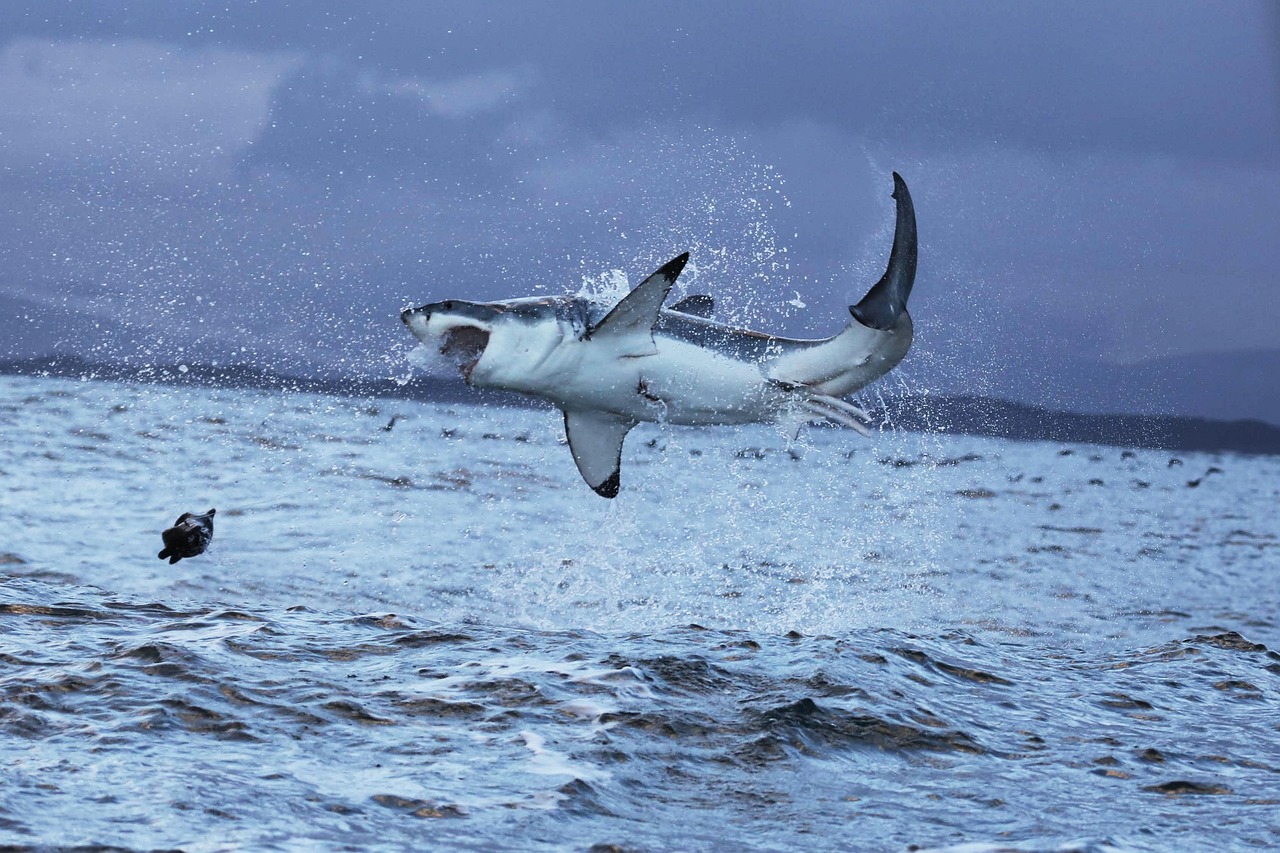
High levels of carbon dioxide in the atmosphere are causing the world’s oceans to become increasingly acidic. This chemical change directly impacts the unique skin of sharks, which is covered in tiny tooth-like scales called denticles. Research indicates that prolonged exposure to acidic water can corrode these structures and leave the shark vulnerable to injury. Damaged denticles increase drag while swimming and make the shark less efficient when chasing down fast prey. This physical degradation suggests that the very armor of these predators is failing. A shark with compromised skin struggles to maintain the speed needed for effective survival.
Metabolic Lethargy
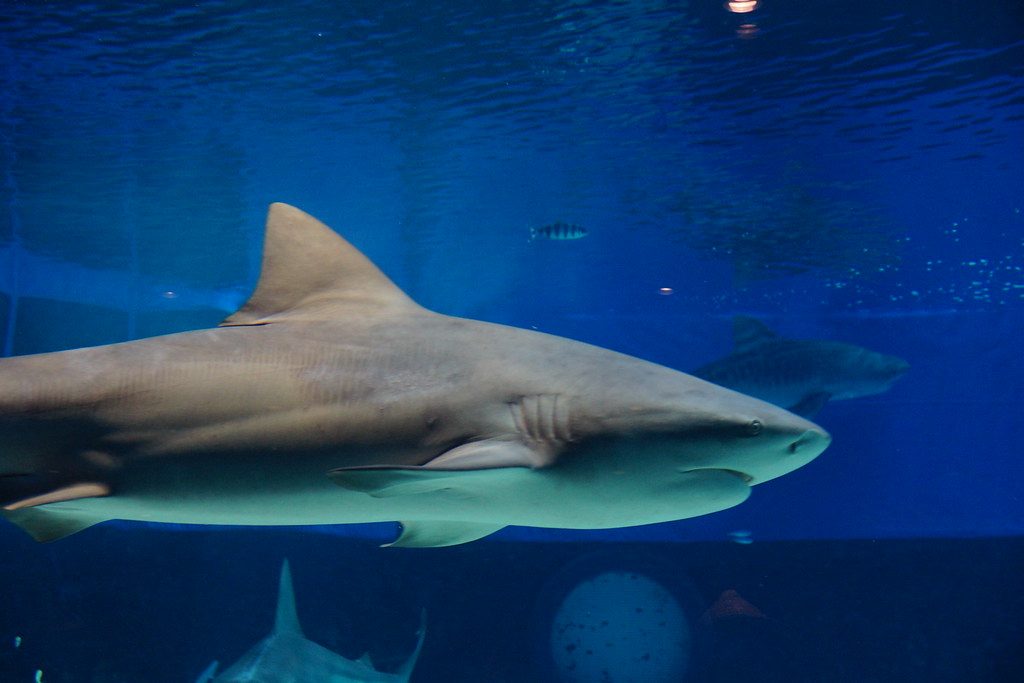
Rising water temperatures have a profound effect on the metabolic rates of large cold-blooded marine predators. Sharks living in warmer environments often experience a state of lethargy that reduces their desire to hunt actively. The energy required to maintain basic bodily functions increases significantly when the surrounding water gets too hot. This causes the animal to conserve energy by moving less and attacking with reduced ferocity during feeding times. A sluggish shark is less likely to attempt the high-speed bursts necessary to catch agile fish prey. This behavioral shift ultimately weakens their role as dominant controllers of the entire ecosystem.
Sensory Disruption
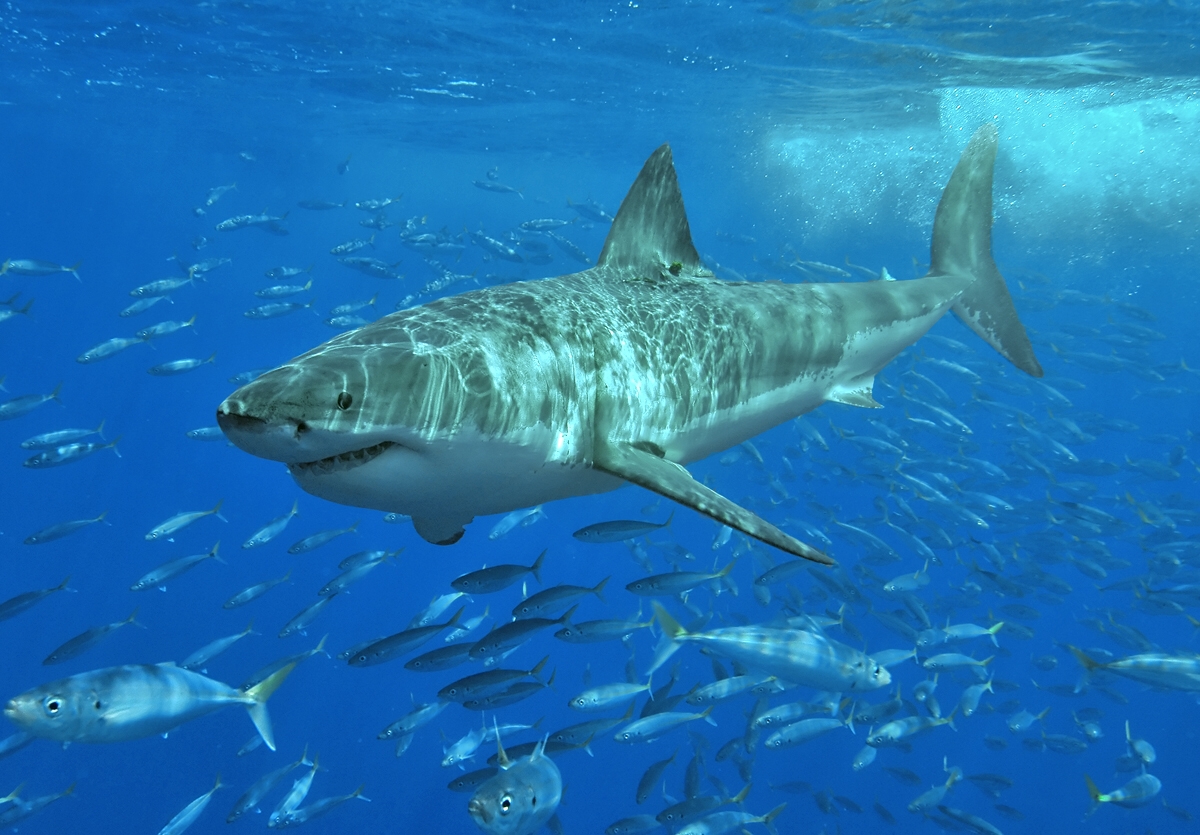
Climate change also appears to interfere with the delicate sensory systems that sharks use to locate their food. The olfactory ability of certain species becomes less effective as the chemistry of the seawater changes over time. Sharks rely heavily on their sense of smell to detect injured prey from vast distances in the open ocean. Disoriented predators spend more time swimming aimlessly and less time feeding, which leads to malnutrition and weakness. If a shark cannot find food efficiently, it cannot maintain the strength required for a powerful bite. Sensory deprivation effectively blinds these hunters in their own aquatic home.