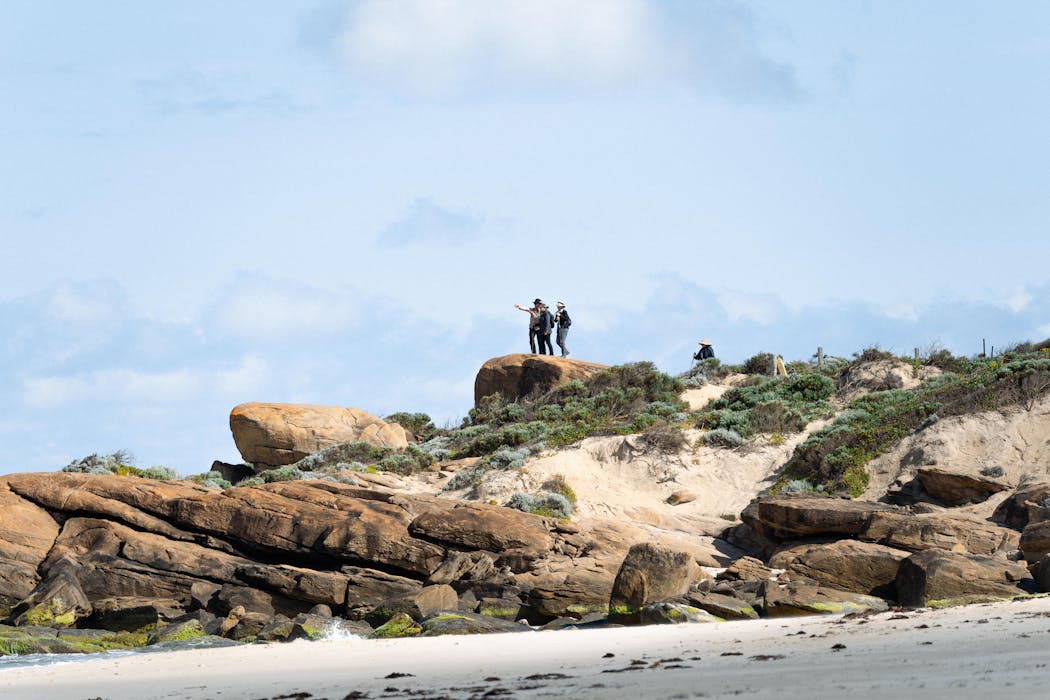
Interest in dramatic photos at scenic overlooks has grown rapidly, creating situations where visitors become more focused on capturing striking images than maintaining awareness of their surroundings. Many cliffside areas present unstable ground, shifting winds, and narrow footing that require steady attention. When the camera becomes the main priority, important cues in the environment are often overlooked. Greater awareness helps ensure that memorable experiences remain safe in places where nature demands respect and caution.
Understanding the Rise in Risky Behavior
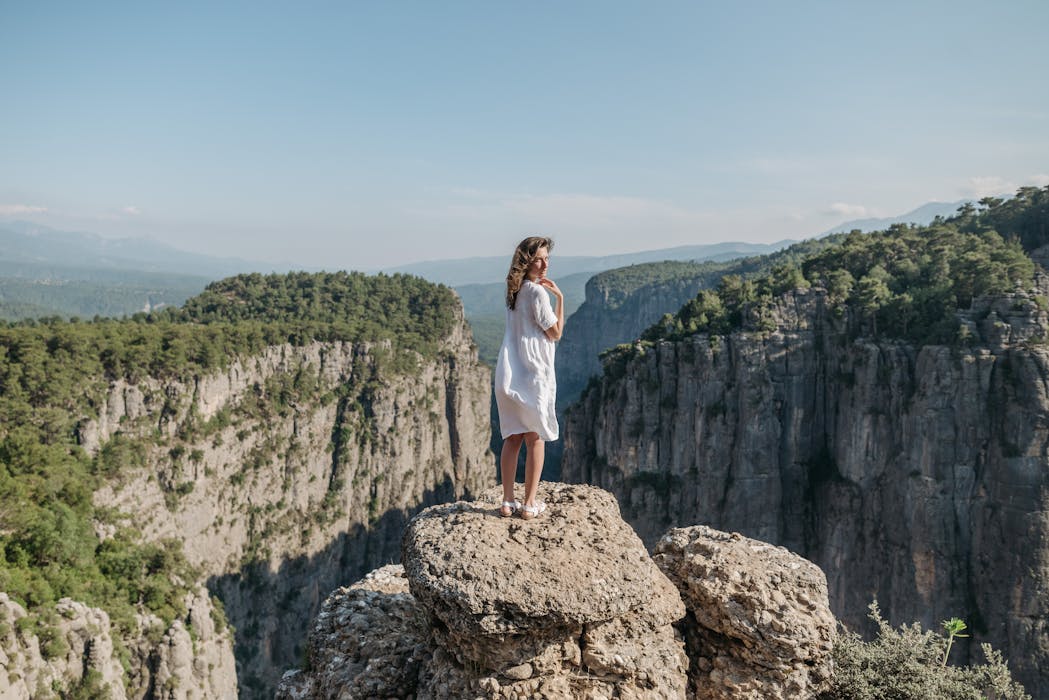
Cliffside selfies have increased as social media encourages dramatic visuals that appear effortless but may require unsafe positioning. Many visitors step close to edges without realizing how loose rock, uneven terrain, and sudden shifts in footing can reduce stability. The desire for impressive photos often overshadows practical judgment, creating situations where balance becomes easily compromised. Recognizing how this behavior develops helps highlight the importance of encouraging safer habits around overlooks.
How Terrain and Weather Increase Danger
Cliffside environments frequently shift due to weather, soil composition, and natural erosion, creating surfaces that may feel stable before changing quickly. High winds, unexpected moisture, and crumbling rock influence how securely a visitor can move near elevated edges. Even small variations in terrain can impact balance when attention remains fixed on a camera. Understanding how environmental factors shape these spaces reinforces the need for steady awareness before approaching areas with limited margin for error.
Why Distraction Plays a Major Role
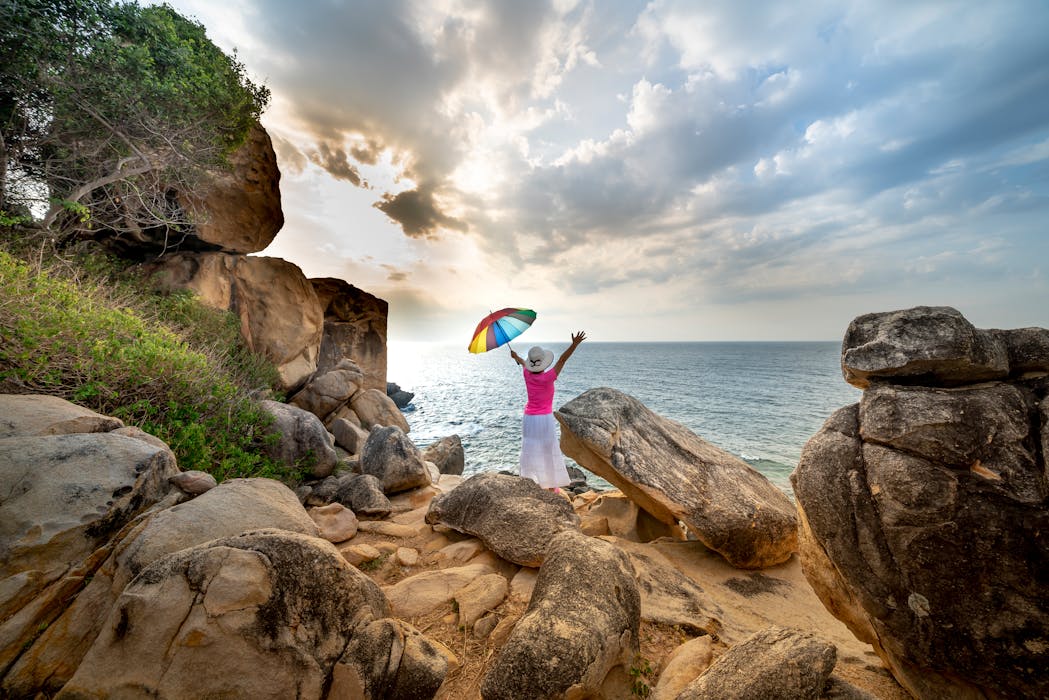
Taking photos near steep drop-offs requires concentration on framing, lighting, and posture, drawing focus away from essential cues in the surrounding environment. Looking at a device instead of the ground reduces awareness of unstable surfaces and nearby hazards. Even minor adjustments in stance can create enough imbalance to cause a fall when footing is narrow or unpredictable. These distractions highlight how easily accidents can occur when visual attention shifts completely toward capturing the perfect shot.
Expert Recommendations for Safer Visits
Safety experts encourage slowing down and assessing ground conditions before stepping near cliff edges to reduce the likelihood of preventable accidents. Checking for loose rocks, testing footing, and maintaining a comfortable distance from steep drops help create safer photo opportunities. Many parks now promote designated vantage points crafted to provide strong views without unnecessary risk. These simple adjustments support a safer experience while still preserving opportunities for memorable photography.
Encouraging Responsible Social Sharing
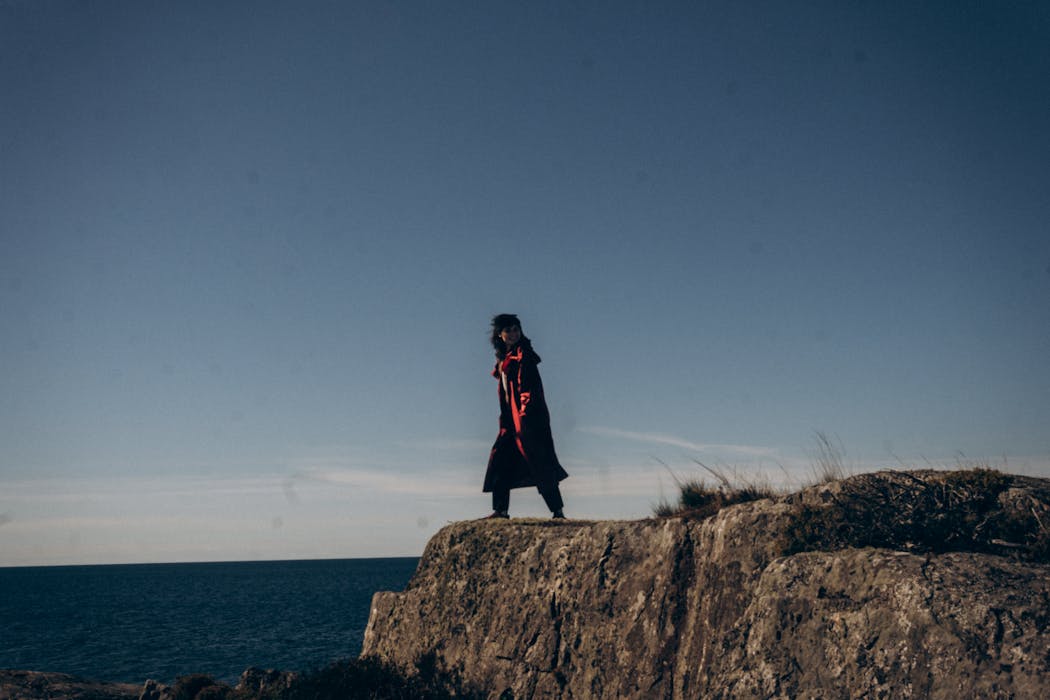
A growing number of outdoor organizations and photography groups advocate for sharing images that highlight safe behavior rather than risky poses. Presenting responsible actions helps reshape expectations and reduces pressure to mimic hazardous stunts seen online. Influencers, travelers, and park visitors play a role in promoting a healthier culture around adventure photography by emphasizing awareness over danger. This shift encourages creativity while supporting a more informed and thoughtful approach to outdoor exploration.