Reliable carry gear depends on consistent feeding, and some pistols become less forgiving when a magazine is stuffed to its maximum. Spring pressure rises, the top round sits tighter under the feed lips, and a closed slide can make insertion harder, especially on compact designs. Some shooters download by one round to ease seating, speed reloads, and reduce the chance of a sluggish first strip, though good magazines should still work as designed. Magazine condition matters too, because worn feed lips, weak springs, or dirty tubes can mimic capacity-related issues and confuse diagnosis.
SIG Sauer P365
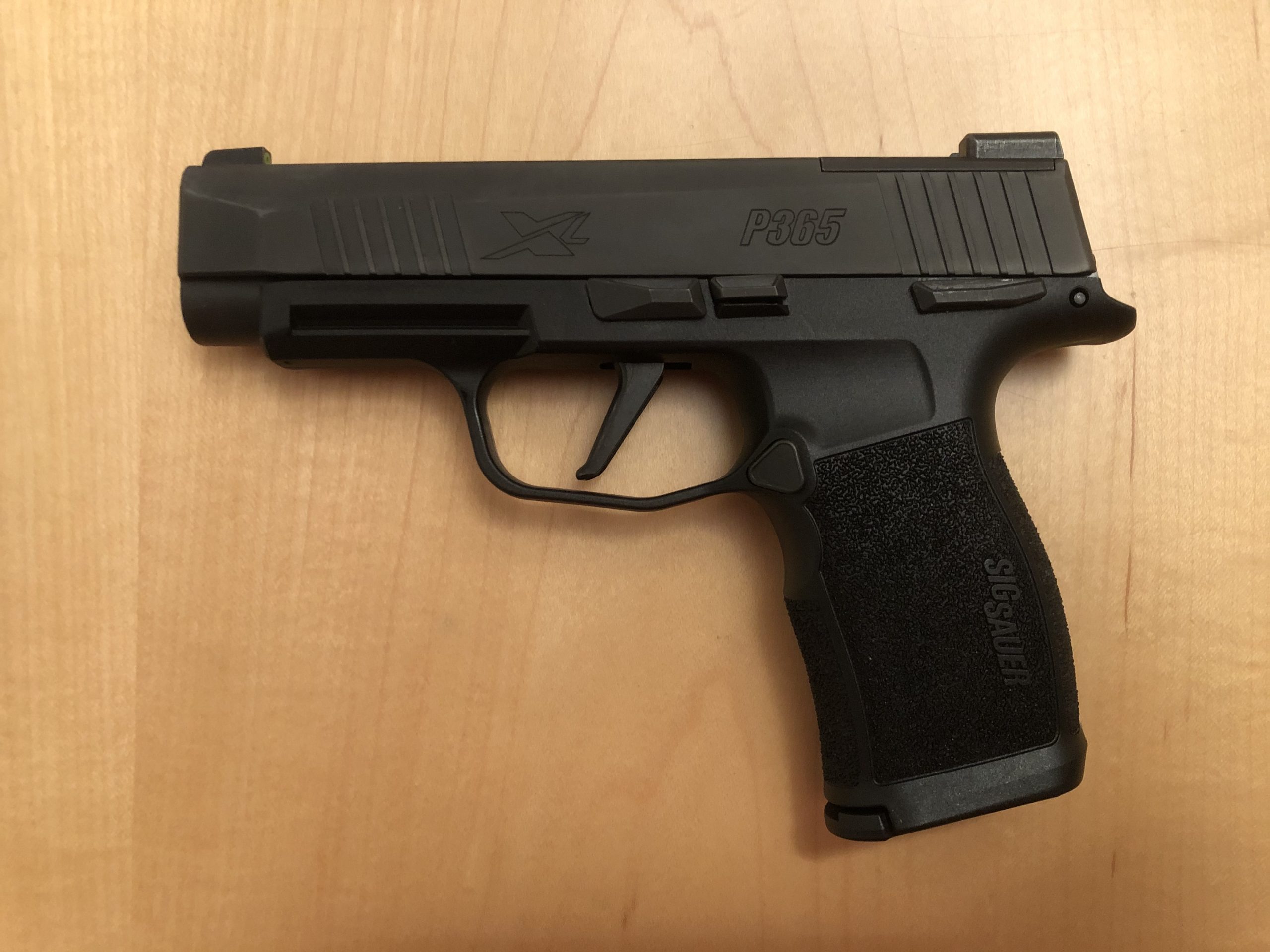
The SIG Sauer P365 packs high capacity into a small grip, and that tight packaging can make a fully loaded magazine feel stiff during insertion on a closed slide. Some owners report that the last round requires extra effort, and early magazines drew attention for spring tension that felt unusually strong. A practical carry habit is to verify reliable lockup with a topped-off magazine and confirm the first round chambers smoothly during range testing. A second factor is magazine wear, because compact magazines run near their limits and can show sensitivity sooner if springs weaken or debris builds inside.
Springfield Armory Hellcat
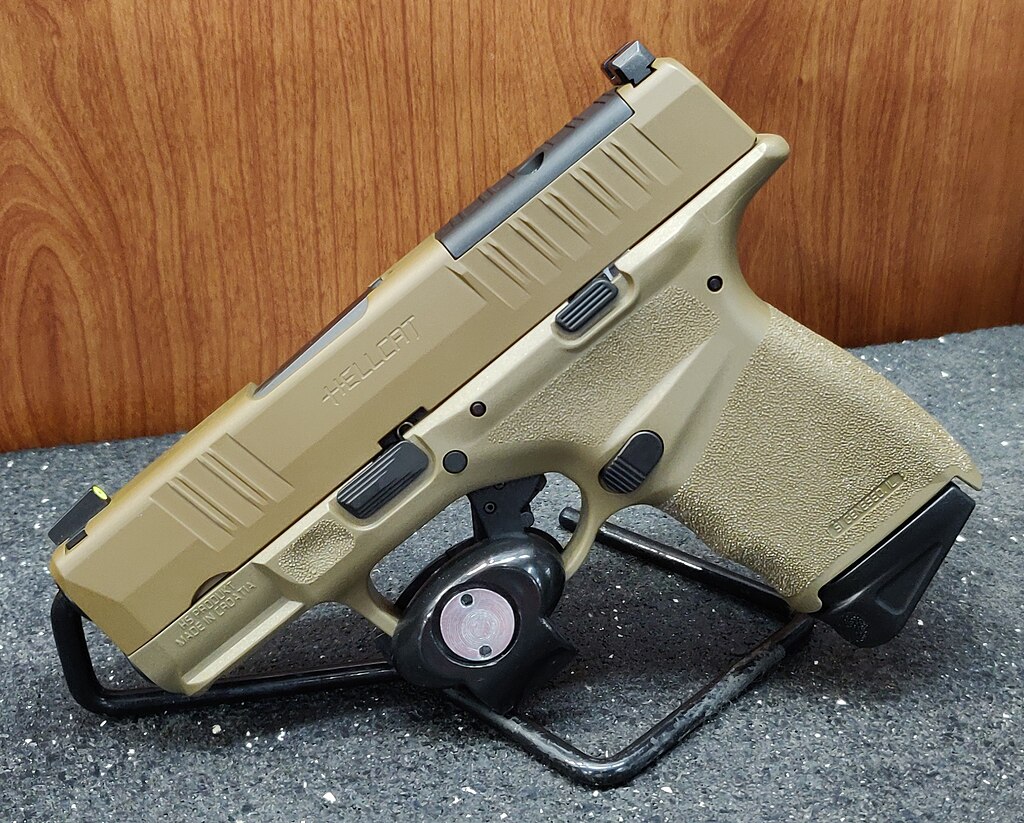
The Springfield Armory Hellcat uses a compact magazine with a steeply stacked column, so the final round can take noticeable pressure to load, and the seated magazine can feel tight against a closed slide. Some shooters find the magazine clicks into place more easily after a short break-in period, while others prefer to download by one during daily carry for easier seating. That choice should always follow live-fire testing, since reliability can vary by ammunition shape and magazine condition. Keeping the magazine tube clean and the follower moving freely helps separate normal high-tension feel from a true feeding problem.
Glock 43X
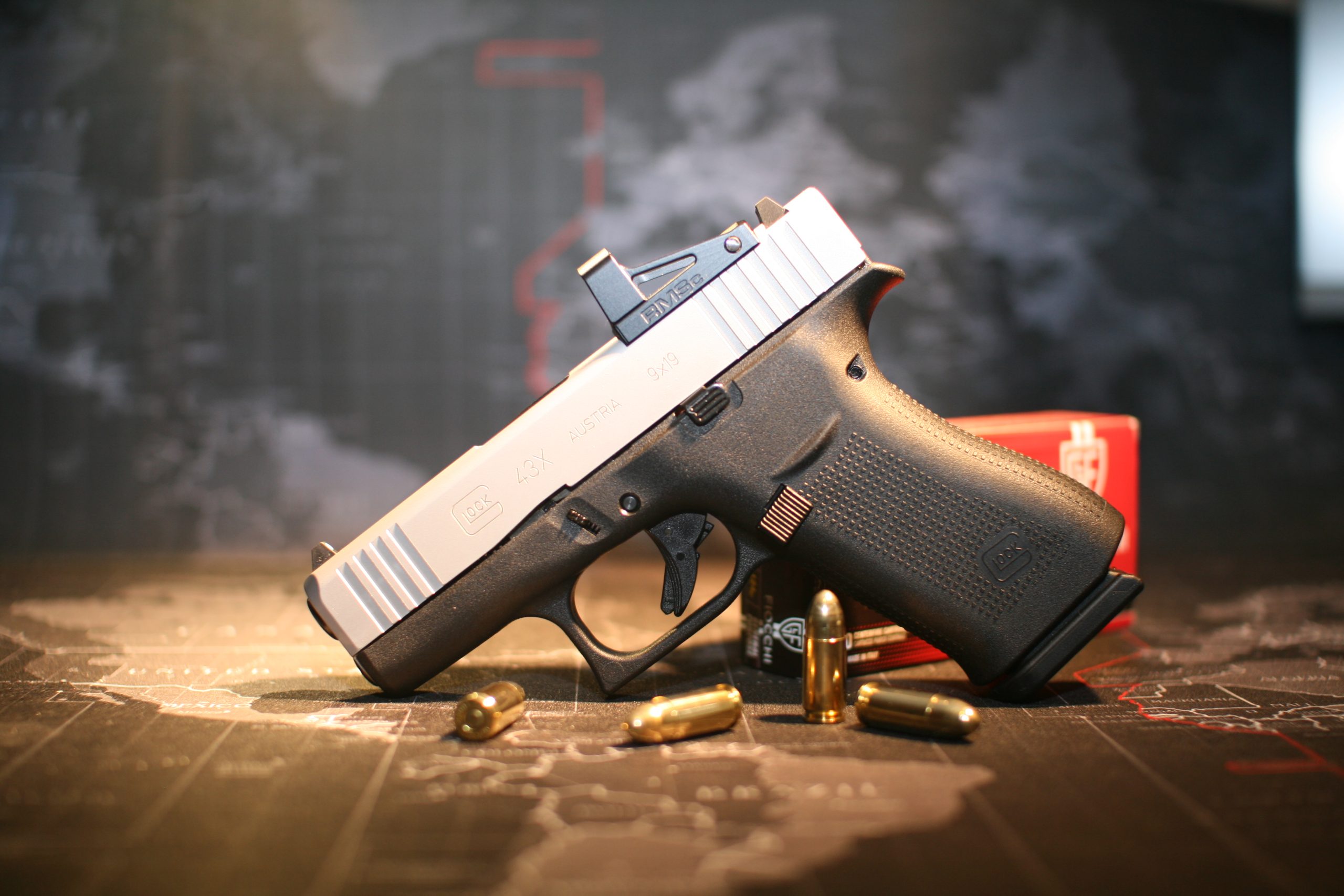
The Glock 43X ships with ten-round factory magazines in many markets, and a full magazine can sometimes feel harder to seat with the slide forward because the top round presses firmly against the underside of the slide. That sensation becomes more noticeable when the magazine spring is new or when the loading technique stacks rounds unevenly. The usual reliability expectation remains high, yet routine function checks matter, especially with defensive hollow points that present a different nose profile. Using good loading technique, rotating magazines, and replacing worn springs helps maintain consistent feeding and keeps full-capacity seating from becoming a surprise.
Glock 48
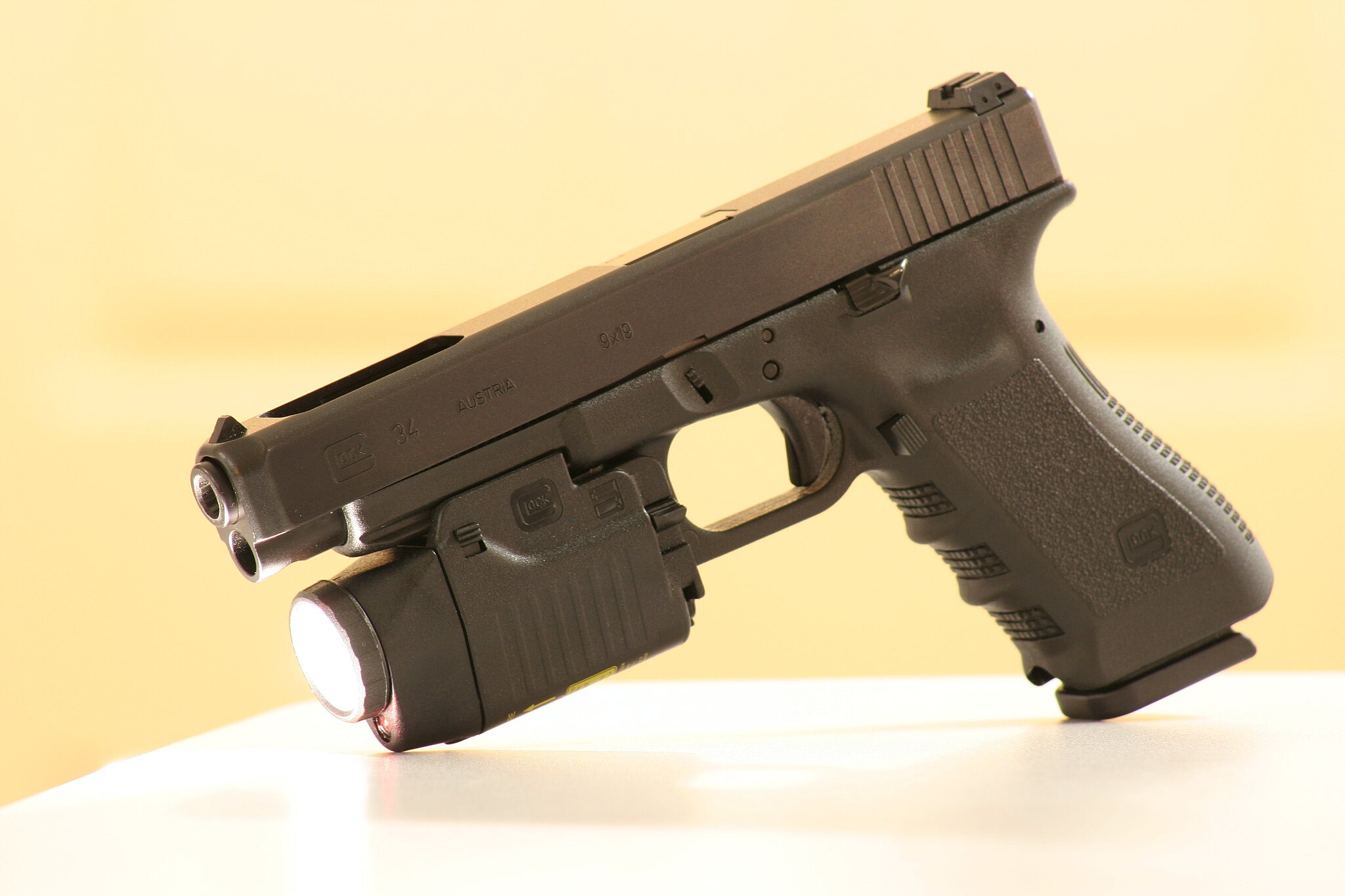
The Glock 48 shares the same family of slim magazines as the Glock 43X, and similar full-capacity stiffness can show up when seating a topped-off magazine on a closed slide. A longer slide can change leverage during insertion, yet the core issue still comes from spring compression and top-round friction under the feed lips. Many shooters treat this as normal behavior in a new magazine and confirm performance with repeated range drills. If the first round ever hesitates, attention usually turns to ammunition profile, magazine cleanliness, and spring health rather than the pistol’s basic design.
Smith & Wesson M&P Shield Plus
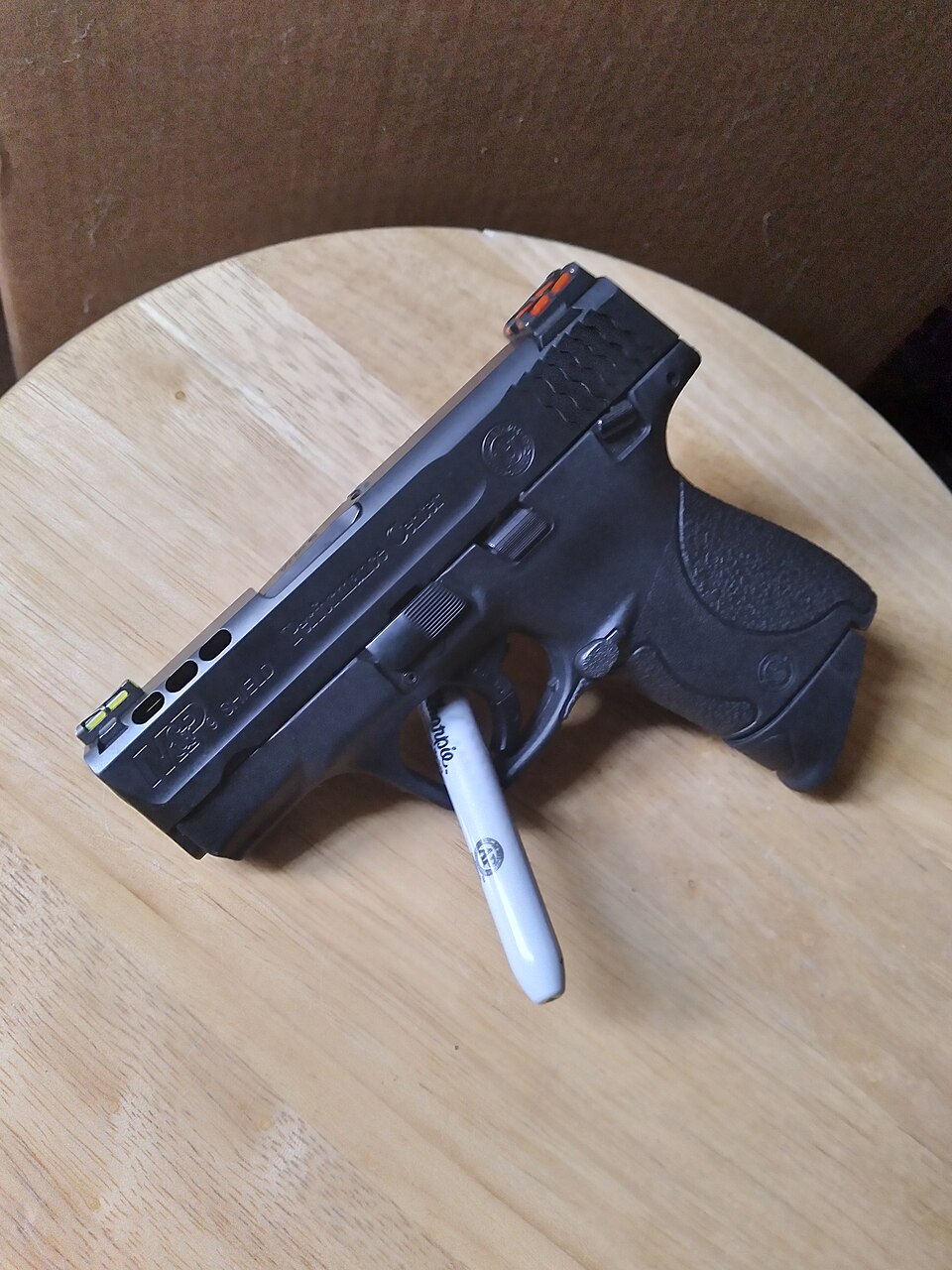
The Smith & Wesson M&P Shield Plus offers strong capacity for its size, and the extended magazines in particular can feel very tight when loaded to the last round. Some shooters describe a stubborn final round that resists seating and a loaded magazine that requires a firm push to lock in with the slide closed. That experience can improve after use as springs settle, but defensive carry still demands verification with the exact magazines and ammunition intended for daily use. A helpful practice is to mark magazines, track any recurring hesitation, and replace springs that lose tension over time.
Ruger Max-9
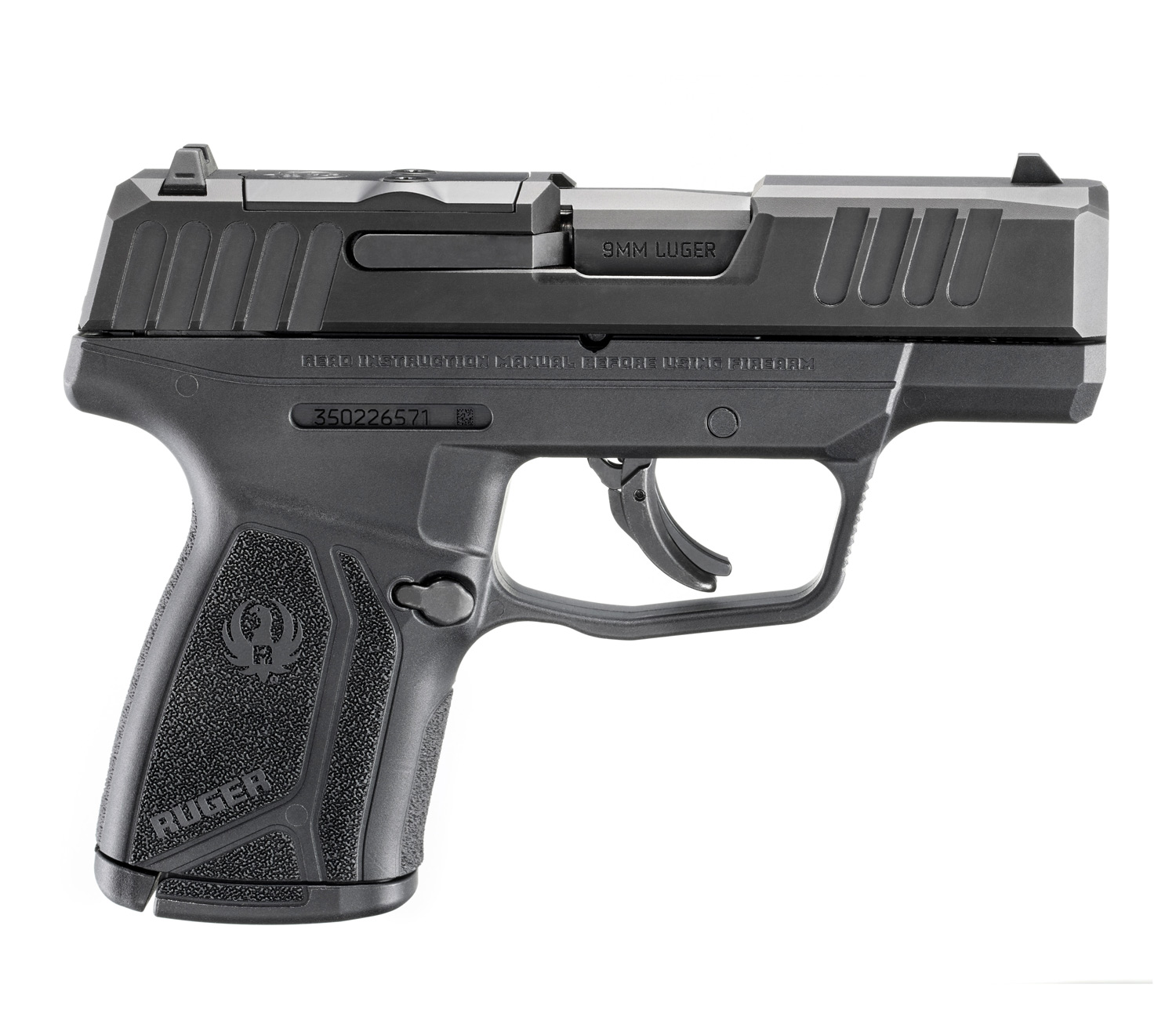
The Ruger Max-9 aims for slim concealment with double-stack capacity, and that compact geometry can create high spring tension when the magazine is filled to the top. Some owners note that the magazine seats more easily with the slide locked back, while a closed slide requires a deliberate push to confirm lockup. Testing matters because a tight first round can sometimes show up as a slow chambering stroke if the magazine spring fights the slide’s forward movement. Clean magazines, undamaged feed lips, and a smooth follower track help the Max-9 run consistently at any round count.
Taurus GX4
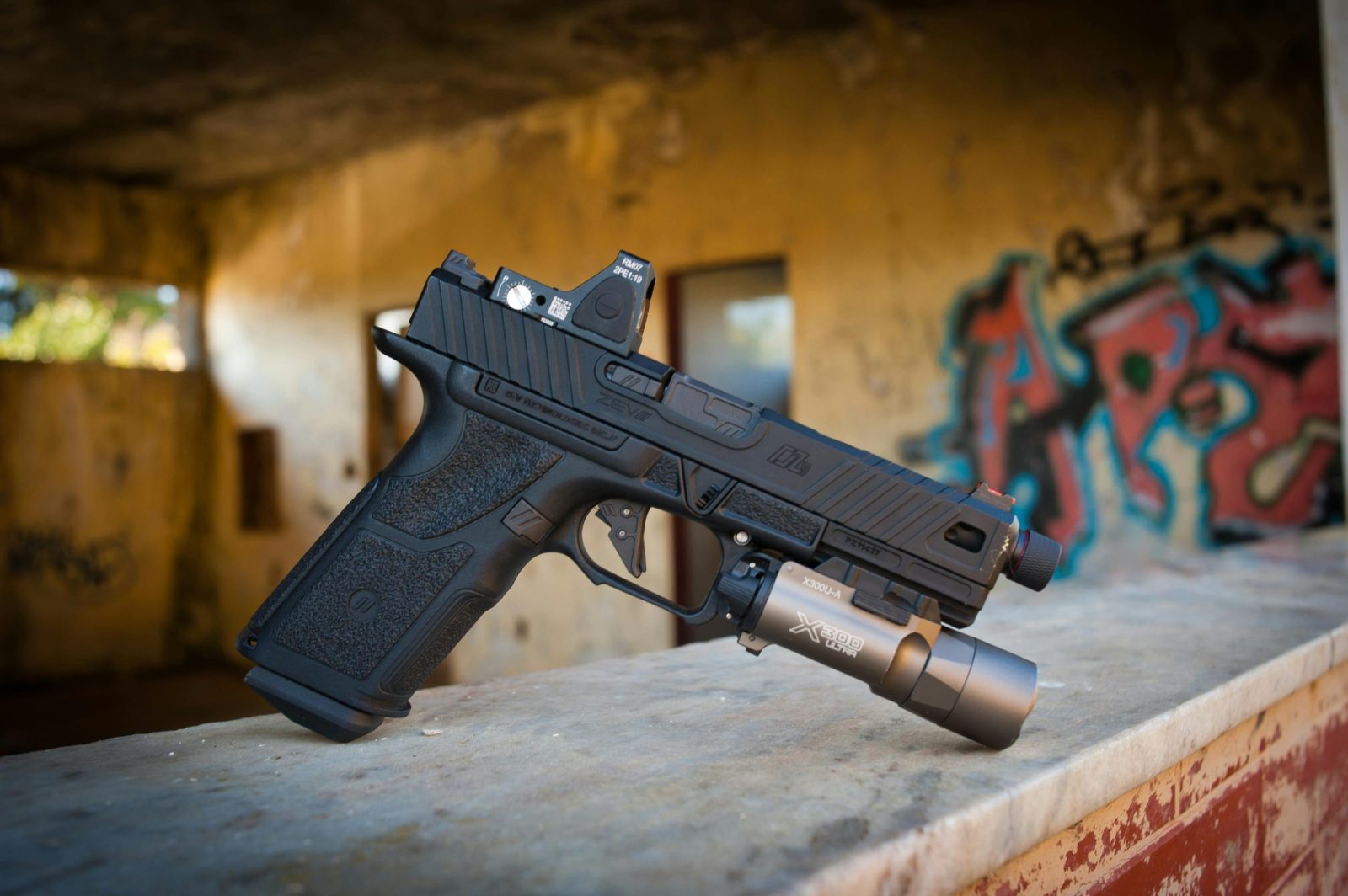
The Taurus GX4 runs in the same micro-compact class where magazine springs work hard, so the last round can take extra force, and a full magazine can resist seating on a closed slide. A shooter may notice the top round sits compressed tightly under the feed lips, which can increase friction during the first strip. That does not automatically signal a defect, but it does raise the importance of confirming reliability with the chosen defensive load and with every carry magazine. Regular cleaning and inspection help, since pocket lint, grit, and minor dents can cause symptoms that look like capacity stress.
Canik Mete MC9
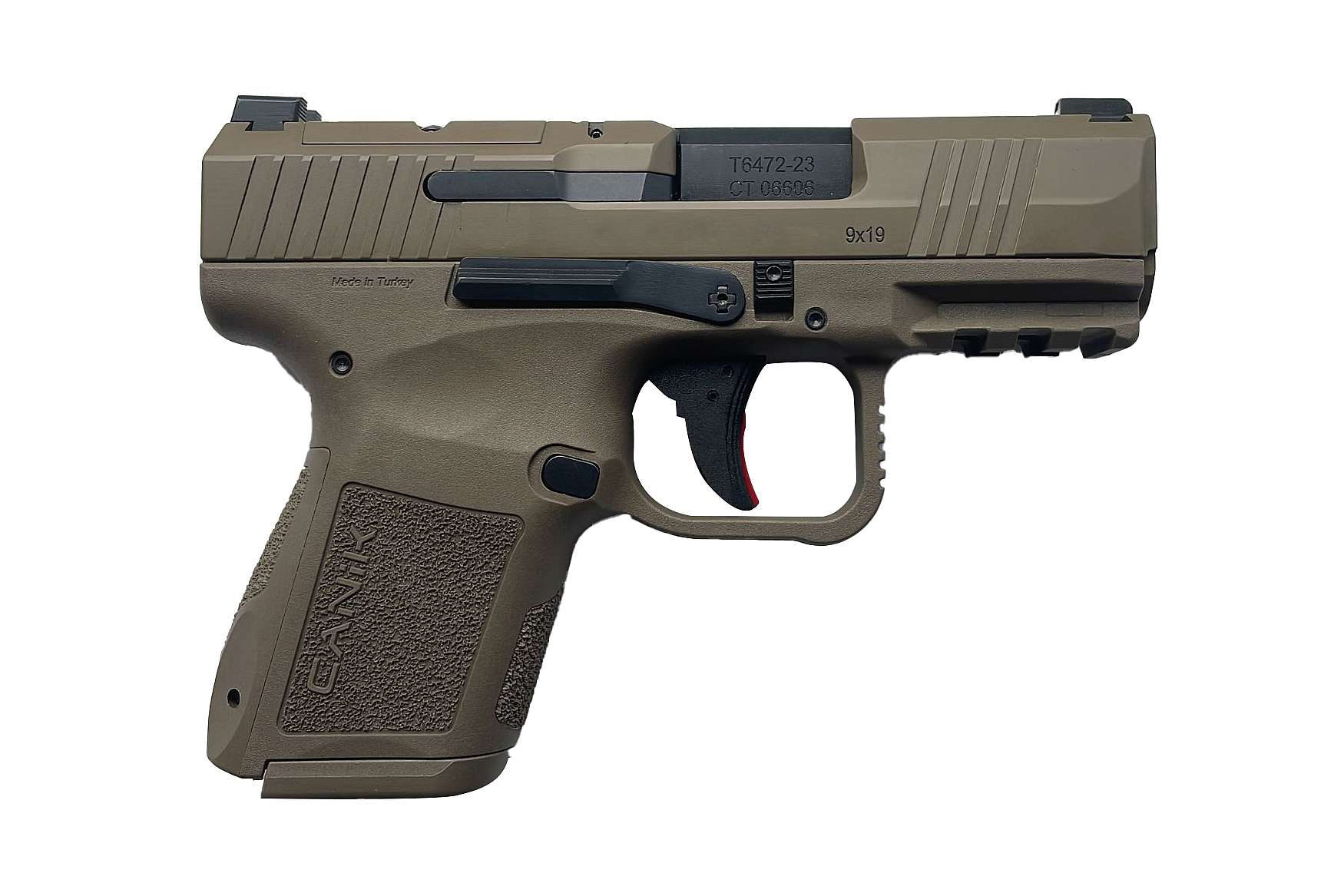
The Canik Mete MC9 is a small striker-fired pistol with high capacity for its footprint, and that combination can make the magazine feel very stiff when filled to the stated maximum. Some users report that loading the final round requires strong thumb pressure and that a topped-off magazine may need a firm seat to lock under a closed slide. Range validation matters because tight magazines can show differences between round-nose practice ammo and wider-mouthed hollow points. Keeping magazines clean and using a consistent loading method helps reduce uneven stacking, which can otherwise exaggerate first-round drag and feeding resistance.
FN Reflex
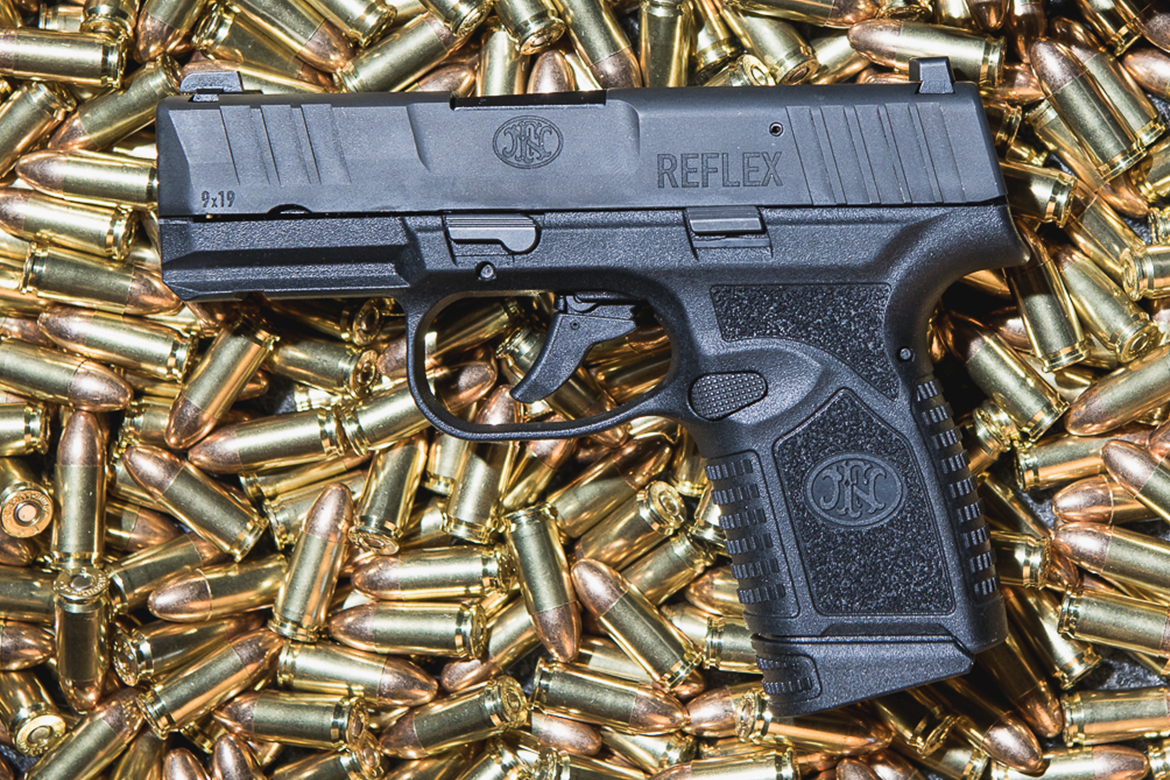
The FN Reflex is a micro-compact pistol with a magazine that uses strong spring tension to support its capacity, and some shooters notice a tight last round and a firm seating requirement when the magazine is full. The feel often becomes more pronounced with a closed slide, where the top cartridge presses upward against the slide’s lower surface. Reliability should be evaluated with the chosen carry ammunition, since bullet shape and overall length can influence how smoothly the first round strips from a compressed stack. Good habits include checking baseplate security, keeping the tube clean, and replacing springs that lose strength after heavy use.
Kimber Micro 9
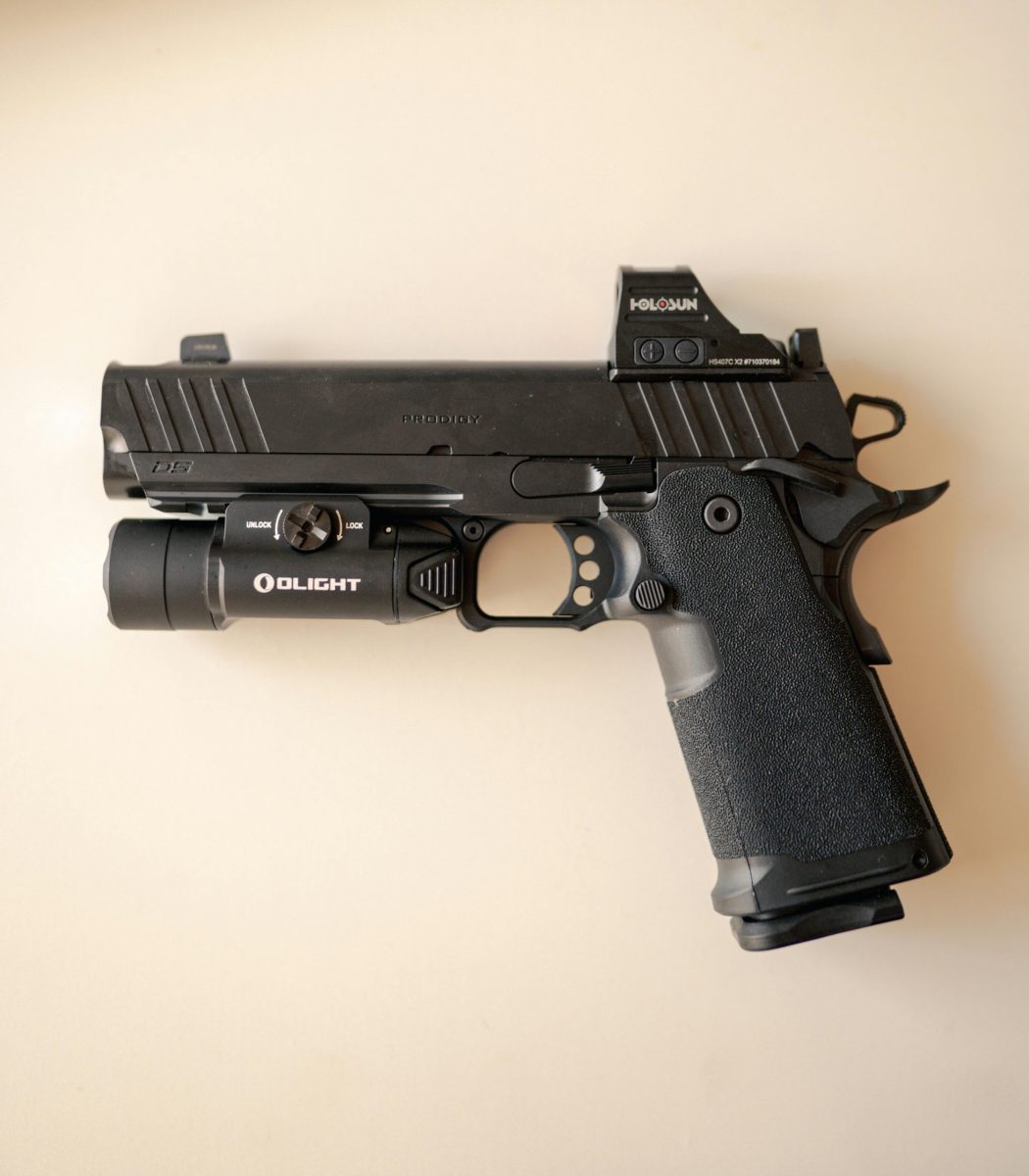
The Kimber Micro 9 is a compact 1911-style pistol that typically uses single-stack magazines, and even modest capacities can feel tight at full load when springs are new and tolerances stack up. Some owners prefer to confirm seating with a firm push and perform feed testing, since short-slide pistols can be less forgiving of magazine drag and ammunition shape. Hollow point profiles vary widely, so reliability checks with the intended defensive load matter more than assumptions based on ball ammunition. Clean magazines and intact feed lips remain key, because minor deformation can disrupt the controlled feeding behavior that small 1911-pattern pistols rely on.