The question sounds almost philosophical: can a single knife genuinely keep you alive when the wild turns hostile and everything around you goes wrong simultaneously?
Survival experts have debated this for decades, and the honest answer is far more nuanced than either a firm yes or a confident no.
A knife is statistically the most versatile survival tool ever designed, covering shelter, fire, food, and emergency care within one compact, accessible form.
But not every knife earns that universal status. Steel type, blade geometry, length, and your own skill level all determine whether one tool truly rises under real pressure.
Understanding what a single knife can and cannot do may be the most important pre-trial research any hiker conducts before stepping off the path entirely.
One Knife Can Handle More Than You Expect
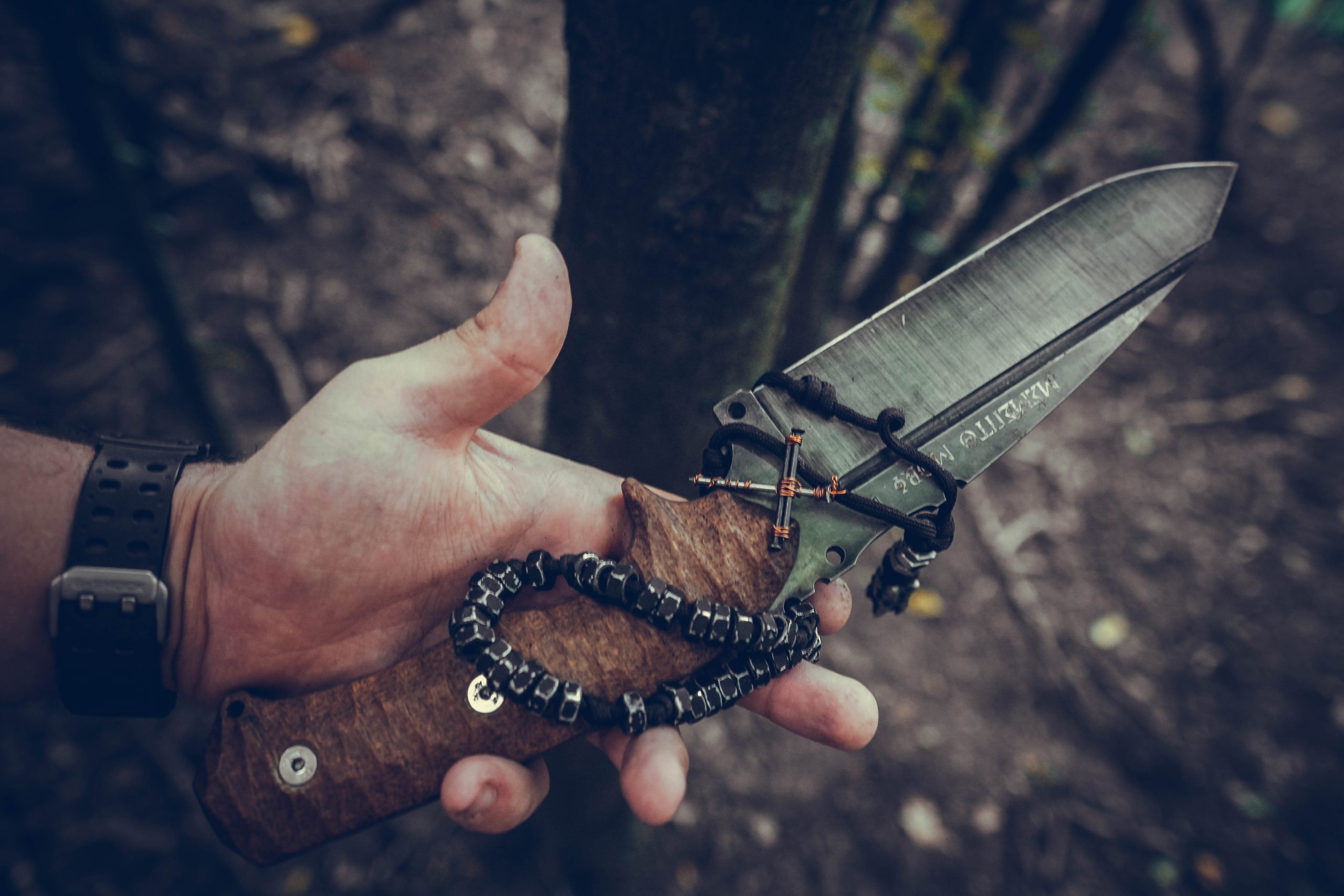
Most survival instructors agree that a quality knife realistically covers around 70 to 80 percent of wilderness tasks when selected with genuine intention.
That’s shelter, fire, food prep, and basic first aid all within reach of one properly chosen blade.
Fixed blades retain structural strength up to 40% longer than folders under repeated high-force field use.
The real survival advantage isn’t owning multiple tools; it’s mastering one blade so thoroughly that every action becomes instinctive.
Decision speed matters more than gear volume in survival scenarios, and one deeply familiar knife always outperforms a bag full of tools you’ve barely practiced using before leaving home.
Shelter Building Tests Every Blade’s True Strength
Building shelter demands the hardest physical work any knife will ever face outdoors, and not every blade survives it completely intact.
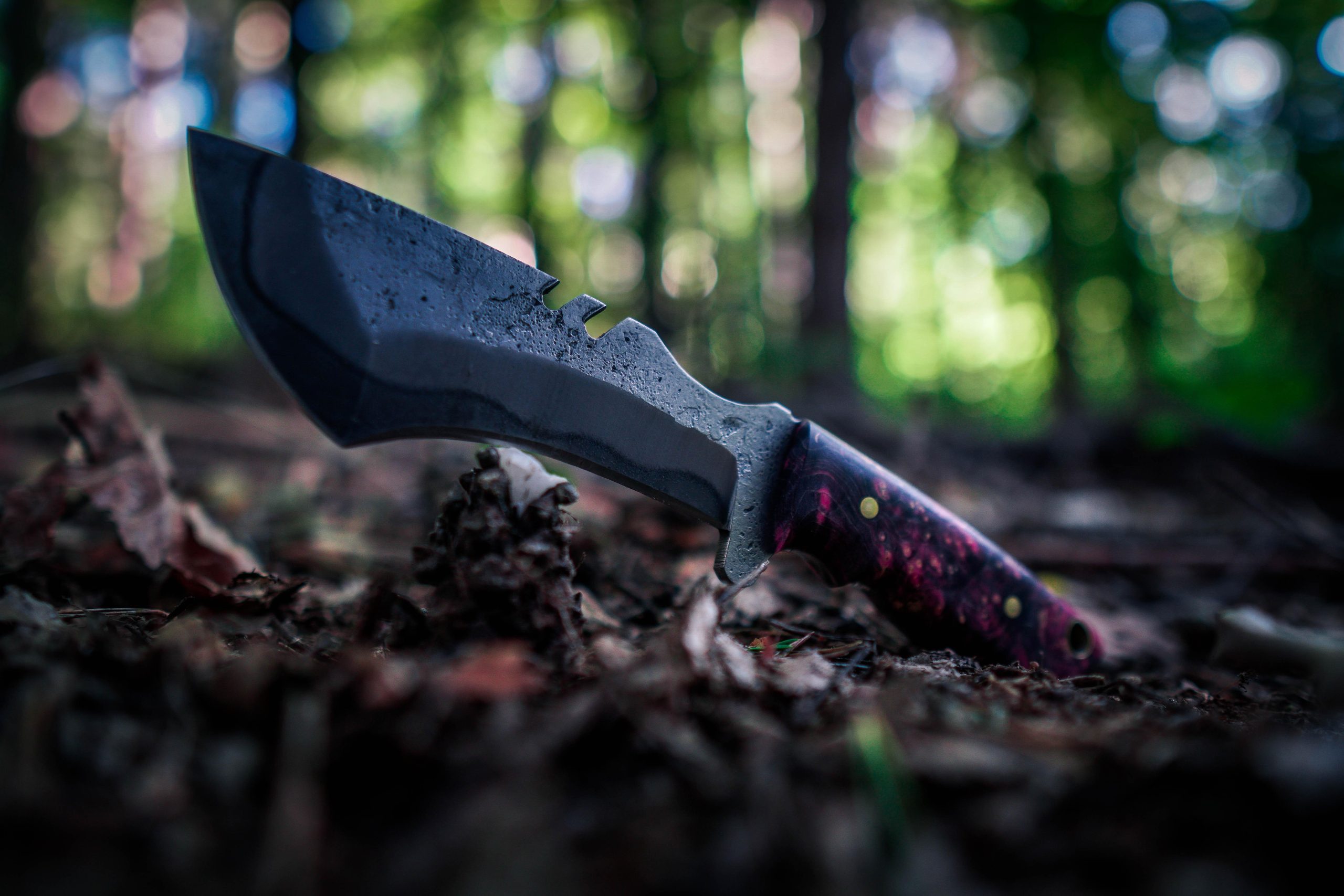
Batoning, splitting wood by driving a blade through logs, requires a fixed blade at least 0.15 inches thick to avoid stress fracturing mid-task.
Folding knives should never be used for batoning, as pivot stress causes lock failures roughly 55% faster than most manufacturers publicly acknowledge.
A 4.5 to 6-inch blade covers branch cutting, bark stripping, and notch carving, the three essential shelter-building knife tasks.
Without a structurally sound blade, shelter completion time can triple, leaving you dangerously exposed to temperature drops that turn life-threatening faster than most hikers anticipate.
Fire Starting Is More Knife-Dependent Than Most Realize
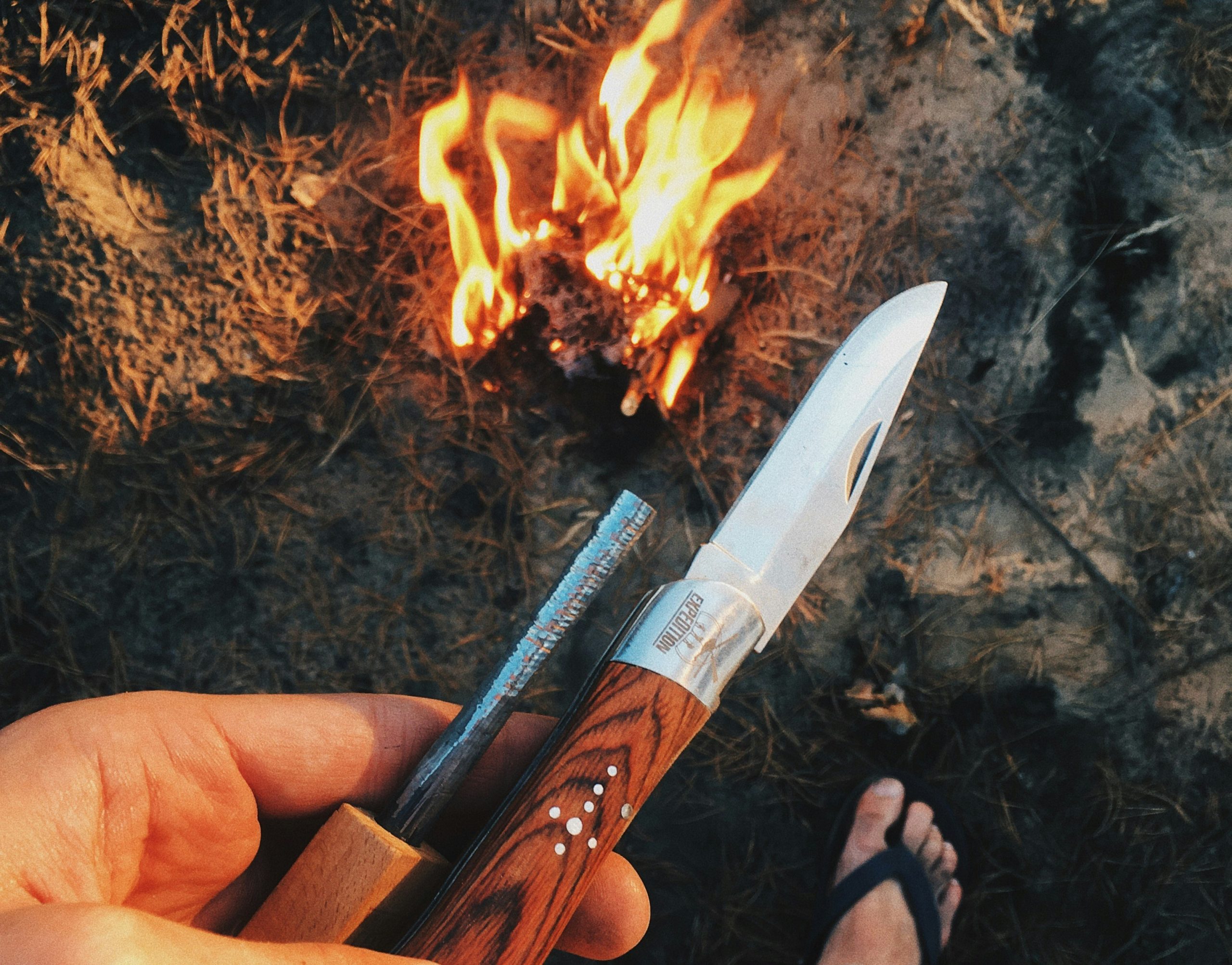
A knife is one of the most underestimated fire-starting tools available, working across multiple functional levels simultaneously in survival situations.
A high-carbon steel spine bound on 1095 or D2 steel blades produces sparks when struck against flint at temperatures exceeding 800 degrees Fahrenheit.
Feather stick carving requires a blade sharp enough to peel wood shavings as thin as 1 to 2 millimeters consistently without tearing.
Stainless steel blades fail at spark production entirely, making steel type a critical fire variable most new hikers never research before purchasing their first knife.
Carrying one knife that doubles as a ferro rod striker eliminates an entire extra tool from your pack without sacrificing fire-starting reliability on cold or wet nights outdoors.
Food Procurement Requires Precision. You cannot fake
Hunting, trapping, and processing wild food places demands on a knife that most hikers never consider seriously during the buying process.
Skinning and field dressing small game requires a blade between 3 and 5 inches with a drop point profile for controlled, shallow-depth cuts.
A blade thicker than 0.14 inches pushes through flesh rather than slicing cleanly, wasting edible portions and significantly increasing processing time unnecessarily.
Filleting fish requires lateral flexibility that rigid survival knives don’t offer, meaning one knife rarely handles every food task with perfect efficiency.
Despite this, a well-maintained 4-inch drop point covers roughly 65% of all wild food processing scenarios most hikers will realistically face during extended outdoor stays.
First Aid Scenarios Where Your Knife Becomes Critical
A knife’s role in wilderness first aid is consistently underestimated until the moment it becomes the only available medical tool in a genuine emergency.
Cutting clothing from a wound, slicing bandage material, or lancing an infected blister are tasks where blade precision directly affects survival outcomes.
A partially dull blade increases tissue trauma risk by approximately 60% compared to a properly maintained sharp edge during any field first aid application.
Sterilization matters enormously. Passing a blade through open flame for 30 seconds kills surface bacteria ,but can also alter cheaper steel’s temper unpredictably.
One sharp, consistently maintained knife saves more lives in backcountry medical events than any multi-tool carrying a substandard, undersized, poorly accessible secondary blade.
Self-Defense Against Wild Animals Depends on Blade Reach
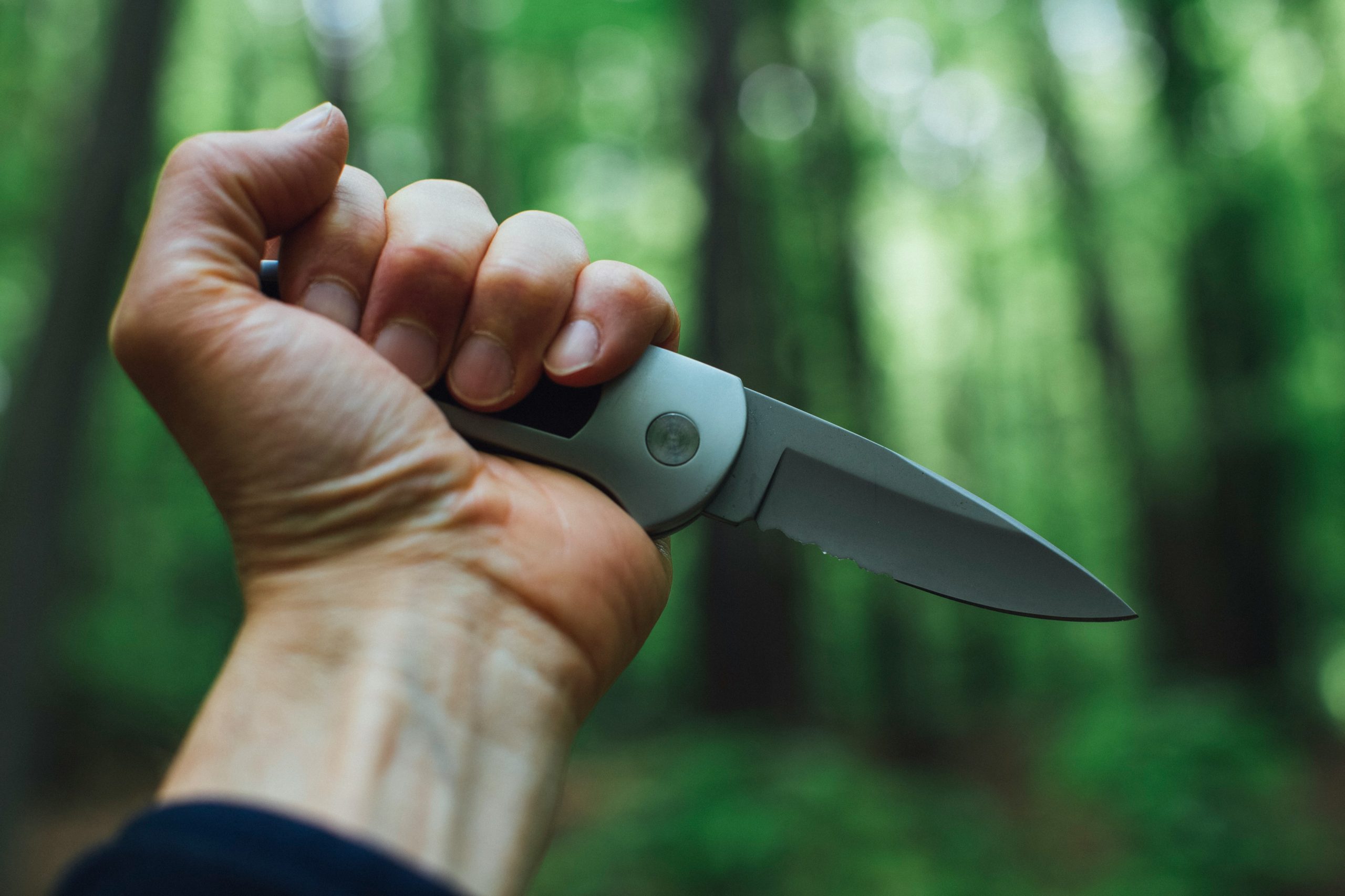
Encountering aggressive wildlife is statistically rare, but when it happens, your reaction window collapses to under 2 to 3 seconds without warning.
A fixed blade with at least 5 inches of cutting edge provides meaningful defensive reach, while folders require a deployment step that eliminates those critical seconds.
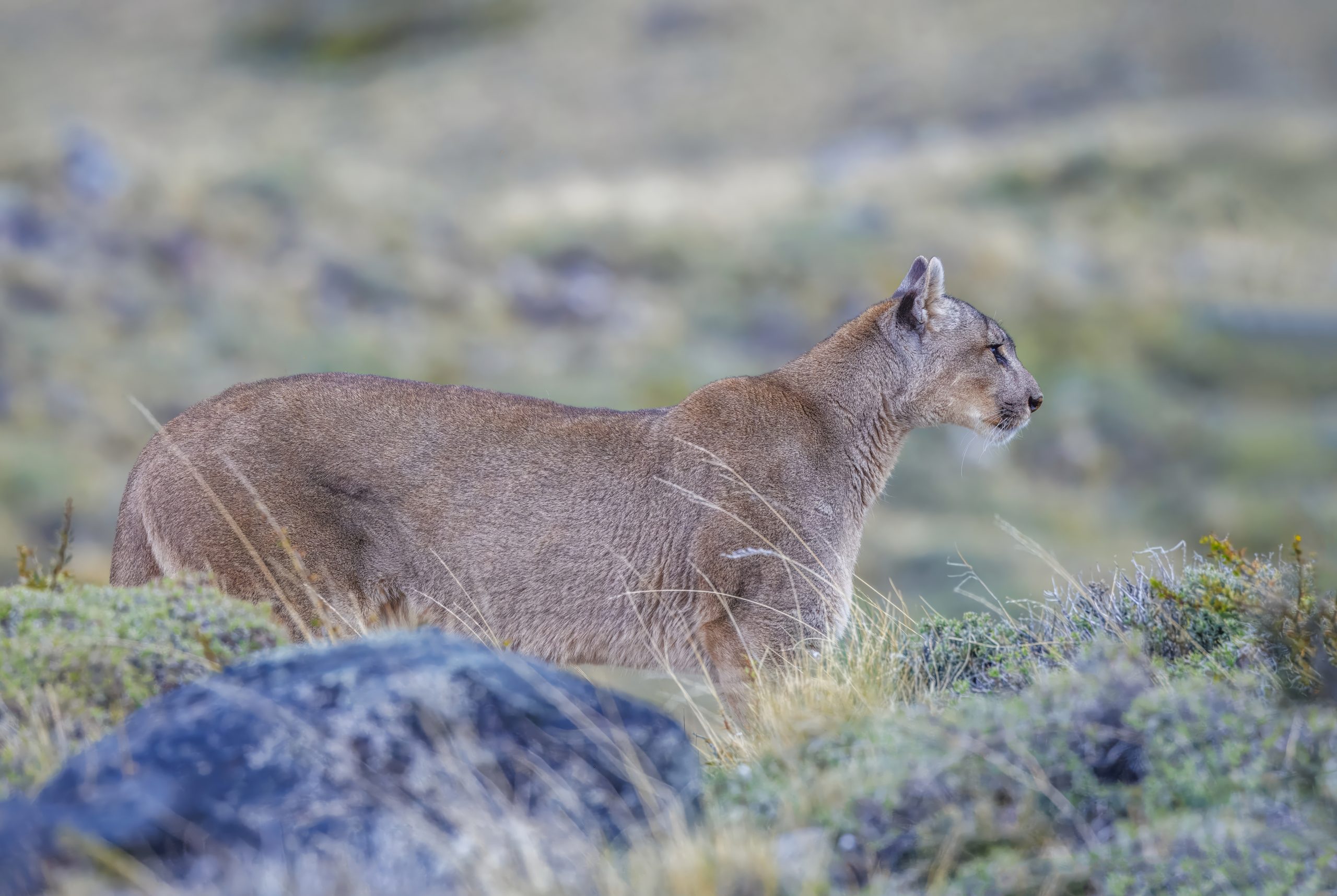
Large predators require strikes to soft tissue zones, throat, and underbelly, demanding both sufficient blade length and a confident grip under extreme adrenaline.
Research shows humans lose up to 70% of fine motor control during high-fear encounters, making simple deployment mechanisms essential rather than merely convenient.
One accessible fixed blade, correctly positioned on the body, consistently outperforms multiple poorly positioned tools during real predator encounter scenarios in genuine wilderness settings.
Navigation and Signaling Uses Most People Overlook
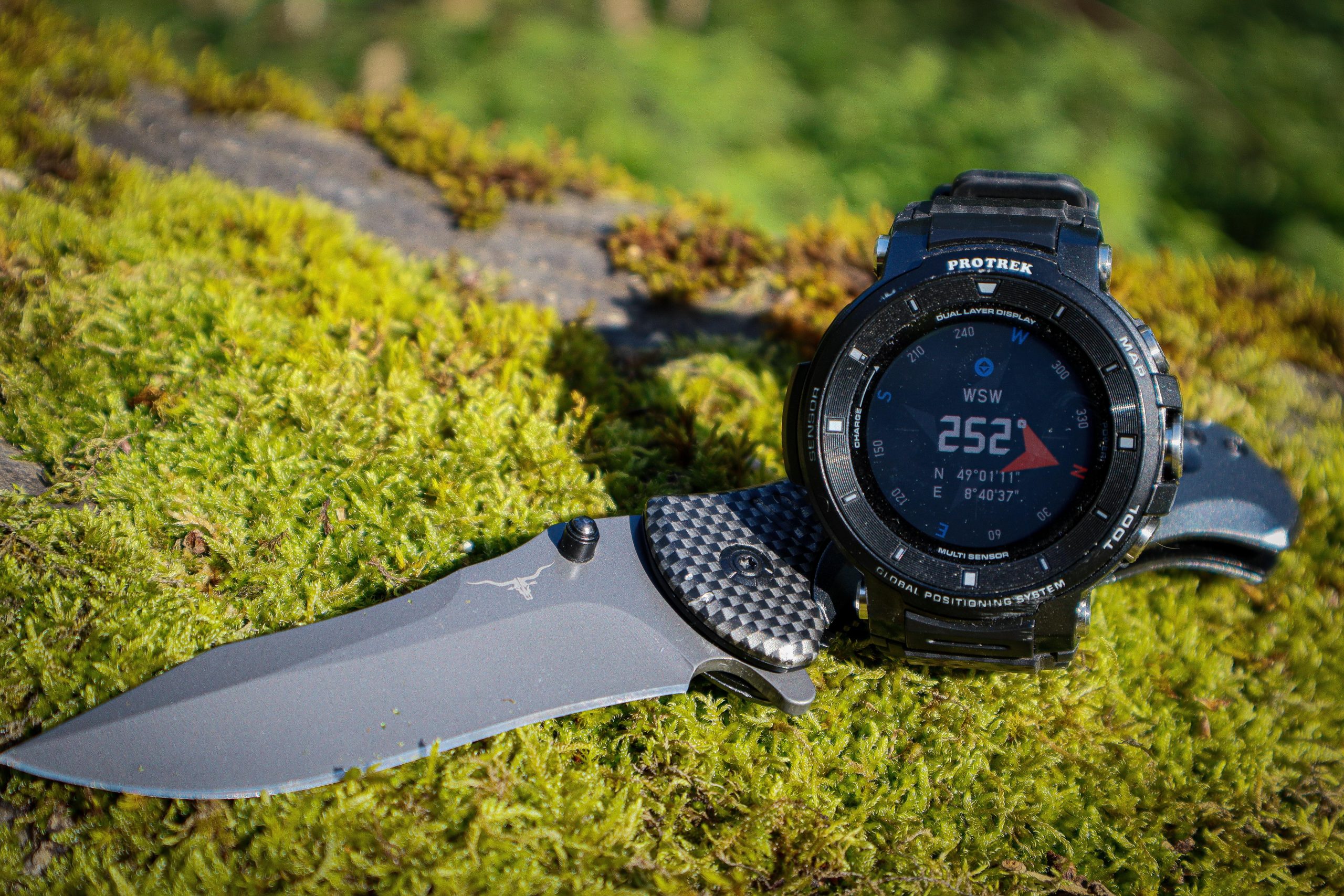
A polished blade surface reflects sunlight with enough intensity to signal rescuers from distances reaching up to 10 miles in clear weather conditions.
This single function transforms your knife into an emergency communication tool requiring zero battery power, no signal bars, and absolutely no charging infrastructure whatsoever.
Blade tip use for terrain marking scoring directional indicators into bark or soft stone provides navigation guidance when GPS fails, or batteries drain completely.
A knife also assists in primitive compass construction using magnetized blade techniques documented thoroughly in military survival field manuals dating back several decades.
Most hikers never consider these secondary functions, yet they represent potentially life-saving capabilities that cost nothing extra beyond the knife already sitting inside your pack.
The One Knife That Comes Closest to Doing It All
If one knife must handle every scenario above, blade steel, geometry, and length must align with near-perfect balance across several competing functional demands simultaneously.
High-carbon steel knives between 4.5 and 5.5 inches, like the ESEE-5 or Mora Garberg, consistently rank highest across multi-task survival performance evaluations.
The Mora Garberg, retailing around $100, passes military survival testing across 14 distinct task categories, making it one of the most proven commercially available single blades.
No knife scores perfectly across every survival task; experts suggest accepting an 85% task coverage rate as the realistic upper performance limit for any single blade.
One knife, maintained obsessively and understood completely, delivers more genuine survival value than six mediocre tools carried carelessly without practiced skill or real field intentionality.