Most people grab a daypack thinking it’s only good for a few trail snacks and a water bottle. The reality is more interesting and far more useful than that. With the right approach and disciplined packing, a 20 to 35-liter daypack can carry everything you genuinely need to survive a 72-hour outdoor emergency. The key isn’t volume. It’s intentionality. Every gram earns its place, every item covers a specific survival gap, and nothing rides along just because it might be handy. The eight sections below break down exactly how a daypack performs across the most critical survival categories, not in theory, but in practical, field-applicable terms that hold up when conditions stop being comfortable and start being serious.
What a Daypack Actually Holds
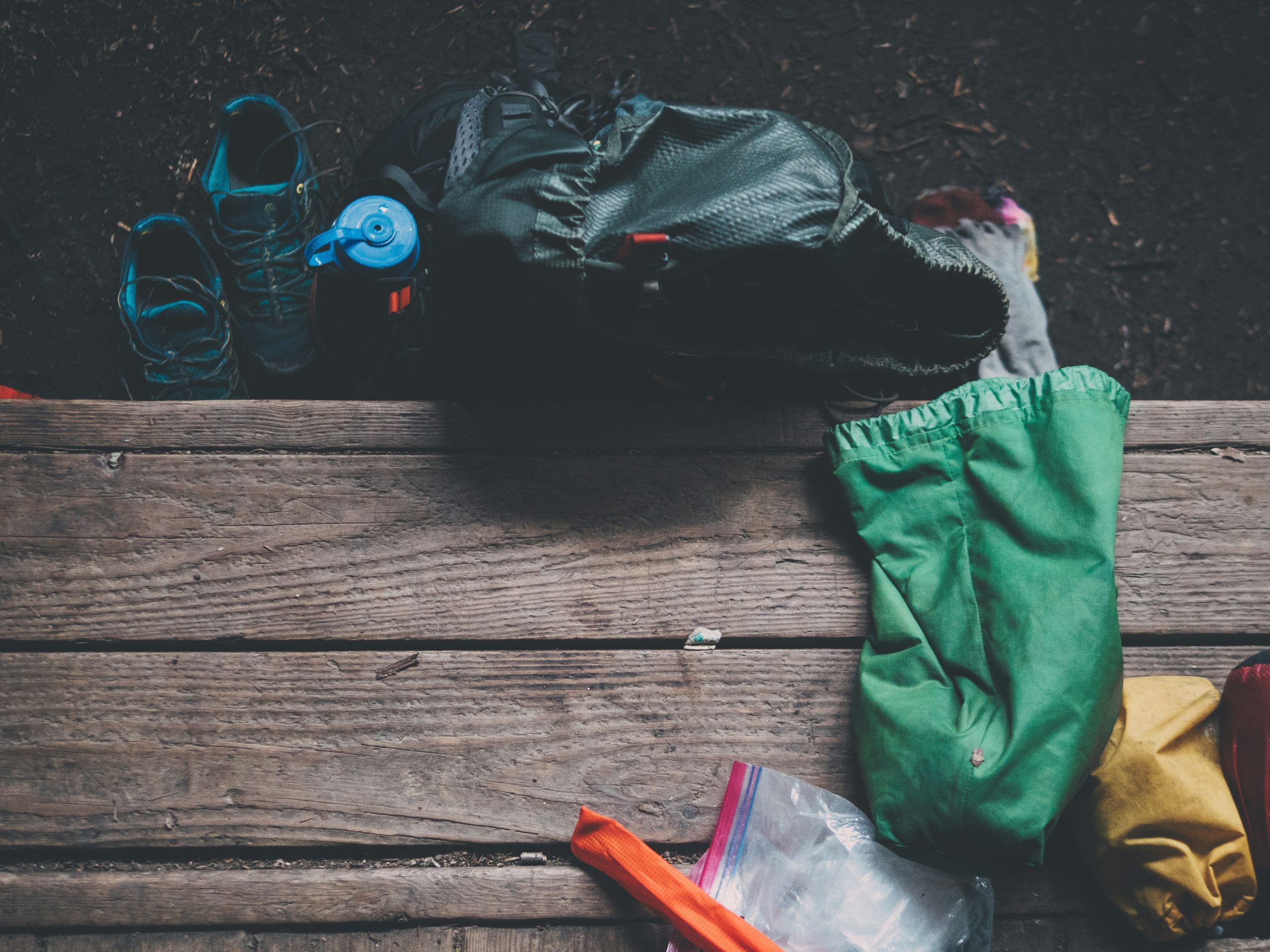
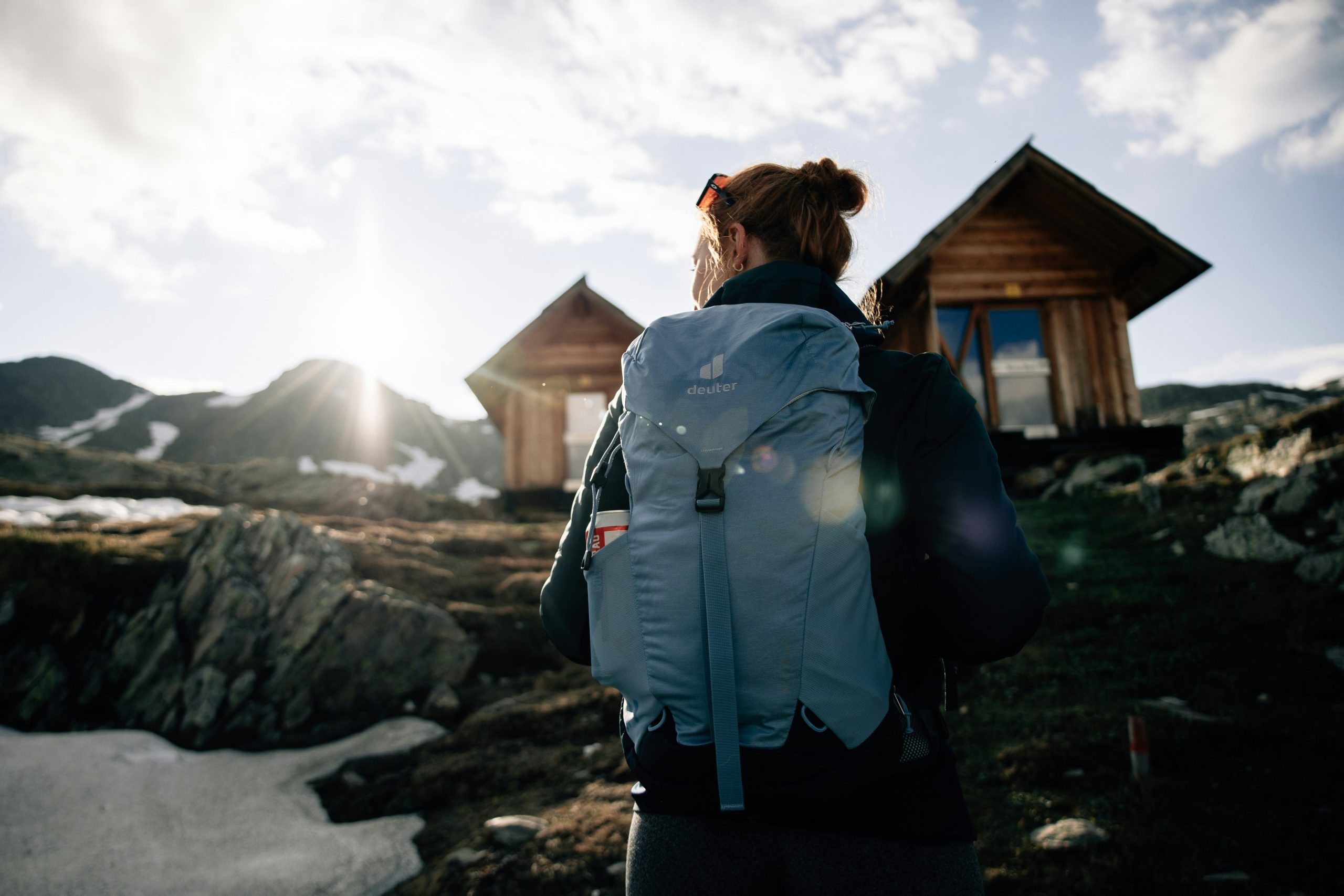
A standard daypack runs between 20 and 35 liters but is genuinely workable for short survival situations.
That limited capacity forces ruthless prioritization, which is itself a critical survival skill.
Most daypacks weigh around 1.5 to 2.5 lbs empty, keeping your base load light from the start.
Hip belts and load lifters help distribute weight once the contents push past 18 to 20 lbs.
Compression straps stabilize a half-filled pack on uneven terrain without shifting your center of gravity.
Organized pockets save more time than raw volume. Fast access matters when conditions deteriorate.
A properly packed 25-liter bag can realistically support a 72-hour outdoor survival window.
Water: The First Priority
Hydration is the single most critical survival factor, and it eats pack space fast.
A 2-liter hydration bladder fits inside most daypacks without sacrificing room for other essentials.
The human body needs a minimum of 2 liters per day more in heat or during heavy exertion.
A compact filter like the Sawyer Squeeze weighs just 3 oz and handles up to 100,000 gallons of water.
Water purification tablets weigh almost nothing and serve as a dependable chemical backup option.
Collapsible water bottles weigh under 2 oz and fold flat when empty, saving valuable interior space.
Never leave a water source without refilling in survival; the next one is never guaranteed.
Food and Caloric Planning
Caloric density is the only food metric that matters when packing a survival-oriented daypack.
The average adult needs around 2,000 calories per day more during hiking or physical stress.
Energy bars, trail mix, and jerky offer 400 to 600 calories per 100 grams, excellent for space.
A 3-day emergency ration block delivers 3,600 calories and compresses to roughly the size of a brick.
Avoid foods requiring water to prepare unless your water supply is already secured and sufficient.
High-fat foods digest slowly and sustain energy longer than simple carbs during prolonged exposure.
Pack for 72 hours; a minimum of three days is the standard baseline before rescue teams typically respond.
Shelter Without the Bulk
Exposure kills faster than hunger or thirst, making shelter gear non-negotiable even in a daypack.
An emergency mylar bivy weighs 3.5 oz, folds to fist size, and reflects 90 percent of body heat reliably.
A lightweight tarp at around 10 oz can be rigged with paracord as a wind and rain shelter quickly.
Paracord 50 feet of 550-cord adds about 4 oz and handles guy lines, lashing, and repairs.
A compact survival tube tent weighs under 5 oz and provides basic two-person rain protection.
Cold ground pulls heat from the body aggressively; insulation beneath you matters as much as above.
A foam sit pad weighing just 2 oz slipped beneath a bivy cuts heat loss significantly during rest.
Navigation Essentials That Fit
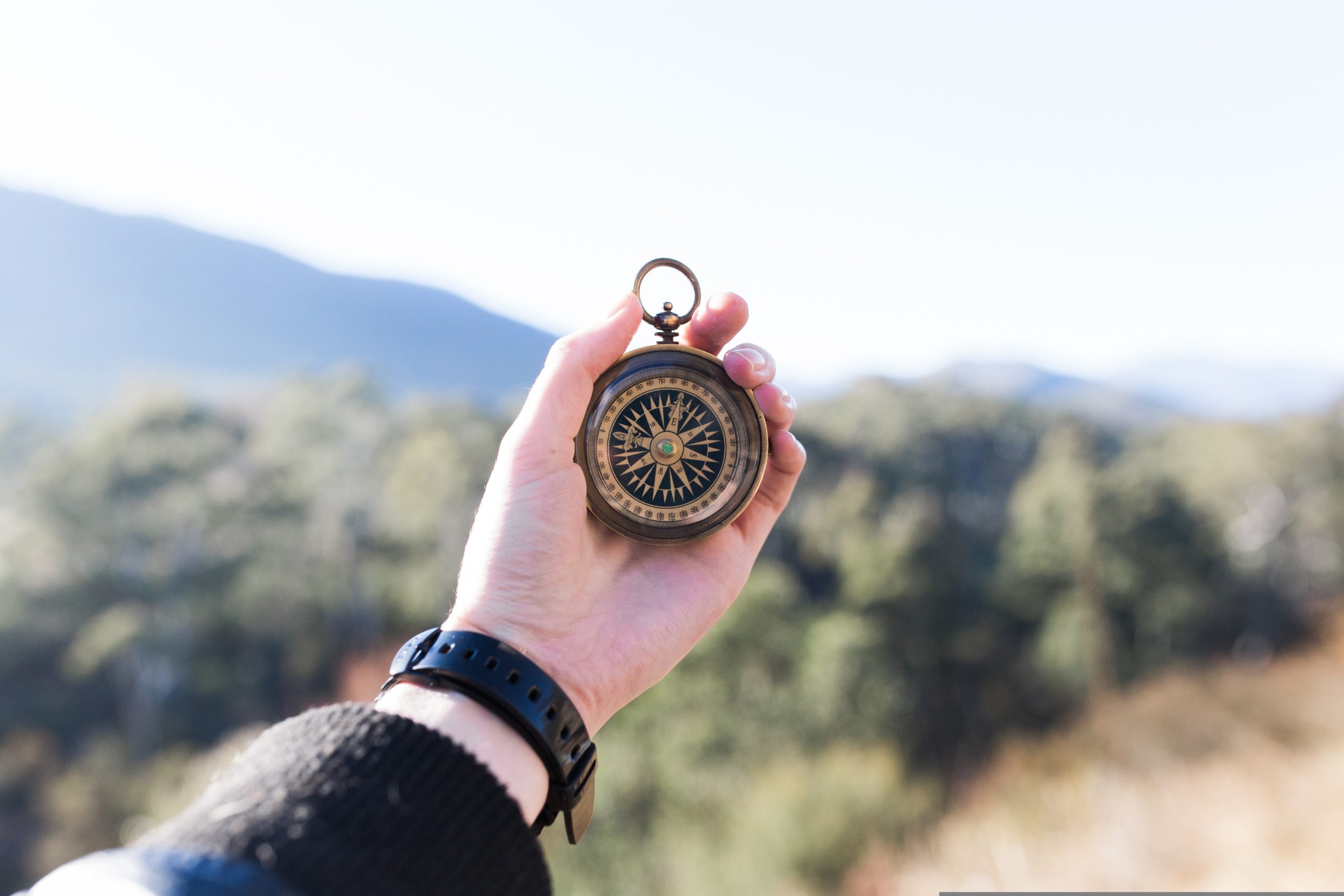
Getting found is survival’s core objective, and navigation tools take almost no pack space at all.
A baseplate compass like the Suunto A-10 weighs just 1 oz and works with no batteries whatsoever.
A printed topo map of your area weighs almost nothing and functions without any satellite connectivity.
GPS units are battery-dependent; always carry a compass as a non-negotiable analog backup tool.
A Garmin inReach Mini weighs 3.5 oz and sends a satellite rescue signal from anywhere globally.
Learning landmark triangulation and sun navigation costs zero grams and zero dollars to practice.
Knowing your grid coordinates before leaving the trailhead takes 60 seconds and could save your life.
First Aid in Tight Quarters
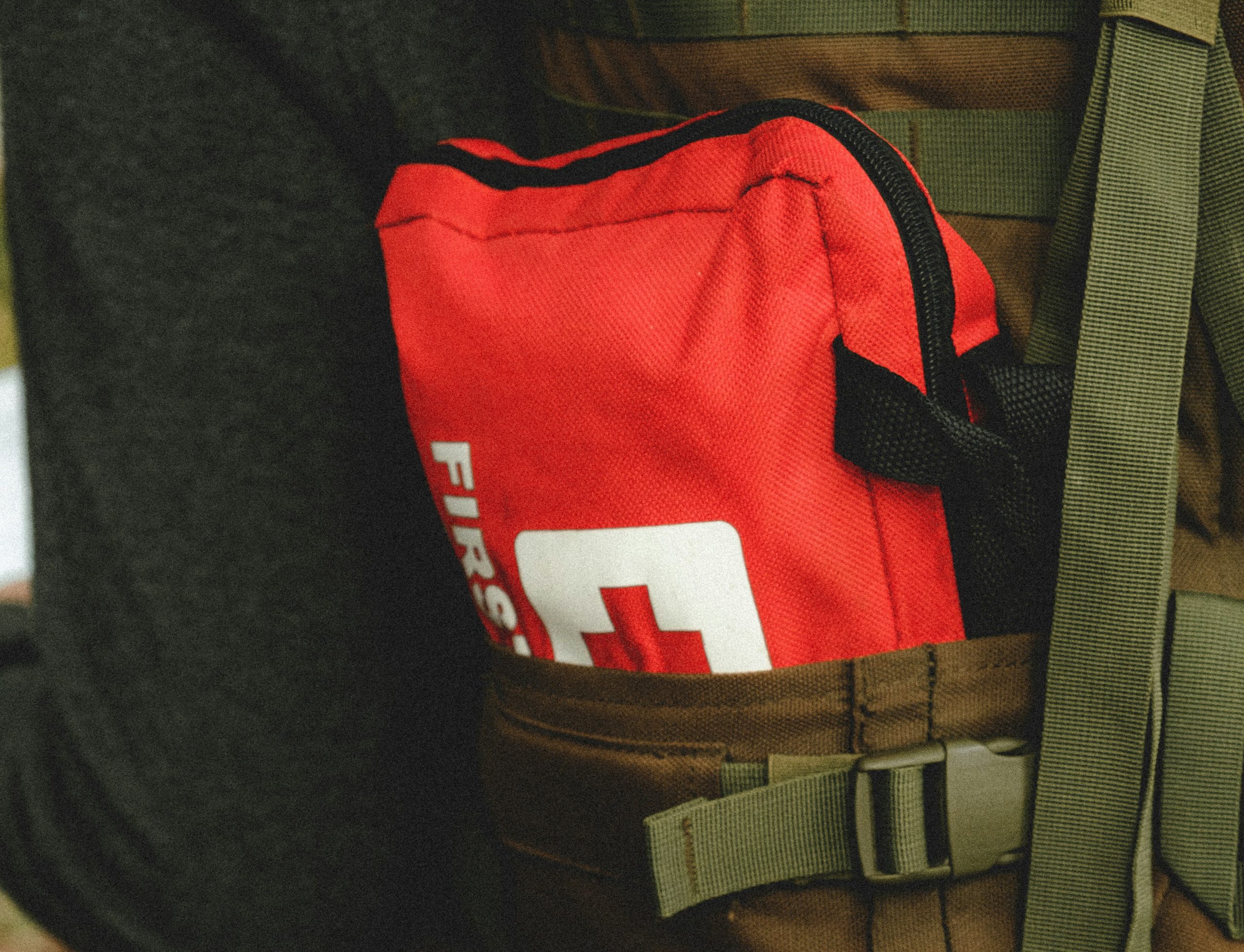
A compact trauma kit fits inside a 1-liter dry bag and still covers the most critical scenarios.
Wound care, blister treatment, and splinting cover the three most common outdoor medical situations.
A tourniquet, hemostatic gauze, and Israeli bandage handle the most dangerous bleeding emergencies.
Moleskin and athletic tape fix blisters and sprain injuries, most likely to slow you down first.
A SAM splint weighs 4 oz and immobilizes fractures effectively when evacuation is hours away.
Ibuprofen and antihistamines address pain and allergic reactions without a meaningful pack weight.
Carry at least two pairs of nitrile gloves; they weigh almost nothing and control infection risk.
Fire-Starting Must-Haves
Fire provides warmth, water purification, signaling, and psychological stability simultaneously.
A windproof butane lighter weighs under 1 oz and provides reliable ignition in most conditions.
Carry at least two ignition methods: a lighter, ferrocerium rod, and waterproof matches cover the bases.
Ferrocerium rods work when wet and stay reliable at altitude, where butane lighters sometimes fail.
Fatwood shavings and tinder tabs give you dry,y fast-igniting fuel when natural materials are damp.
A folding saw or fixed blade lets you process kindling down to the sizes a fire actually needs.
Practice building fires in the rain before you ever depend on that skill; gear cannot replace technique.
Signaling and Communication
Rescuers cannot find you without knowing where to look. Signaling tools must be in every pack.
A signal mirror reflects sunlight up to 10 miles on a clear day with no battery power needed.
A pealess whistle produces 100 to 120 decibels and carries far beyond the range of a human voice.
Bright orange gear or a visible panel dramatically improves your chances of aerial detection.
A personal locator beacon sends a satellite rescue signal the instant you activate it, anywhere.
A charged smartphone with offline maps downloaded serves as a practical backup communication tool.
Always tell someone your route and expected return; that single action is what activates rescuers.