For decades, the sleeping bag has been a nonnegotiable staple in camping and backpacking kits. Recently, however, a growing number of outdoor enthusiasts have begun replacing it with a controversial alternative that sparks strong reactions. Some praise this gear for its lighter weight, improved temperature control, and freedom of movement, while others criticize it for its learning curve and draft sensitivity. This shift reflects changing priorities among modern campers who value efficiency, customization, and sleep quality over tradition. As gear technology evolves and minimalist packing becomes more popular, this alternative continues to gain attention. Understanding why it works for some and fails for others explains why it remains so divisive
What This Sleeping Bag Alternative Actually Is
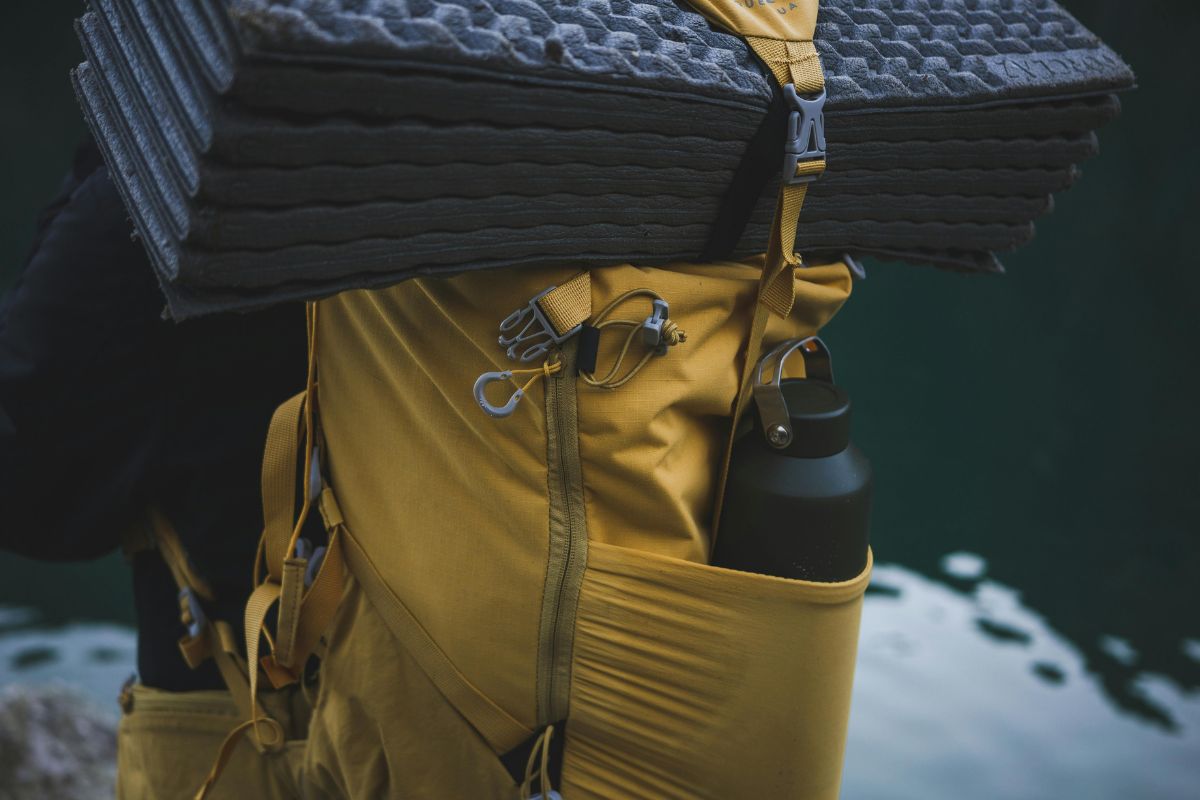
The gear replacing traditional sleeping bags is the backpacking quilt, a top insulation system designed to work with a sleeping pad rather than replace it. Quilts eliminate the underside insulation that gets compressed during sleep and provides little warmth. Instead, they focus insulation on the upper body while relying on the pad to block ground cold. Most quilts include adjustable straps, an open back, and a closable footbox that allows flexibility across temperatures. This design reduces weight and bulk while increasing mobility. However, it also requires proper setup and awareness to prevent drafts, especially for first-time users.
Why Weight Focused Campers Are Switching

Weight savings are one of the strongest reasons campers switch to quilts. By removing zippers, hoods, and excess fabric, quilts often weigh significantly less than sleeping bags with comparable temperature ratings. For long-distance backpackers, these savings reduce fatigue, joint strain, and overall pack stress across miles of travel. A lighter load also improves balance and efficiency on uneven terrain. Quilts compress smaller as well, freeing valuable pack space for food, water, or safety equipment. While casual campers may not notice dramatic benefits, serious hikers appreciate how even small reductions improve comfort over extended trips.
Temperature Control Is the Biggest Advantage
One of the most praised benefits of quilts is how well they regulate temperature. Unlike traditional sleeping bags that trap heat aggressively, quilts allow campers to fine tune warmth throughout the night. Straps can be loosened, the footbox opened, or the quilt shifted without fully exiting the sleep system. This flexibility reduces overheating, night sweats, and restless sleep, especially in changing conditions. Quilts perform particularly well during shoulder seasons when temperatures fluctuate widely. The downside is that proper adjustment matters. Campers must learn how to balance ventilation and coverage. Once mastered, quilts provide adaptable comfort that rigid sleeping bags rarely match.
Side Sleepers Finally Get Real Comfort

Side sleepers have long struggled with narrow mummy bags that restrict movement and compress insulation when rolling over. Quilts solve this problem by removing confinement altogether. Without rigid walls or fixed hoods, sleepers can change positions naturally throughout the night. This freedom reduces pressure points and improves circulation, leading to deeper, more consistent rest. Many campers report noticeably better sleep quality after switching. However, increased movement can create gaps if the quilt is not secured properly. When paired with a wide sleeping pad and well adjusted straps, quilts offer unmatched comfort for restless sleepers.
Cold Weather Performance Sparks Debate
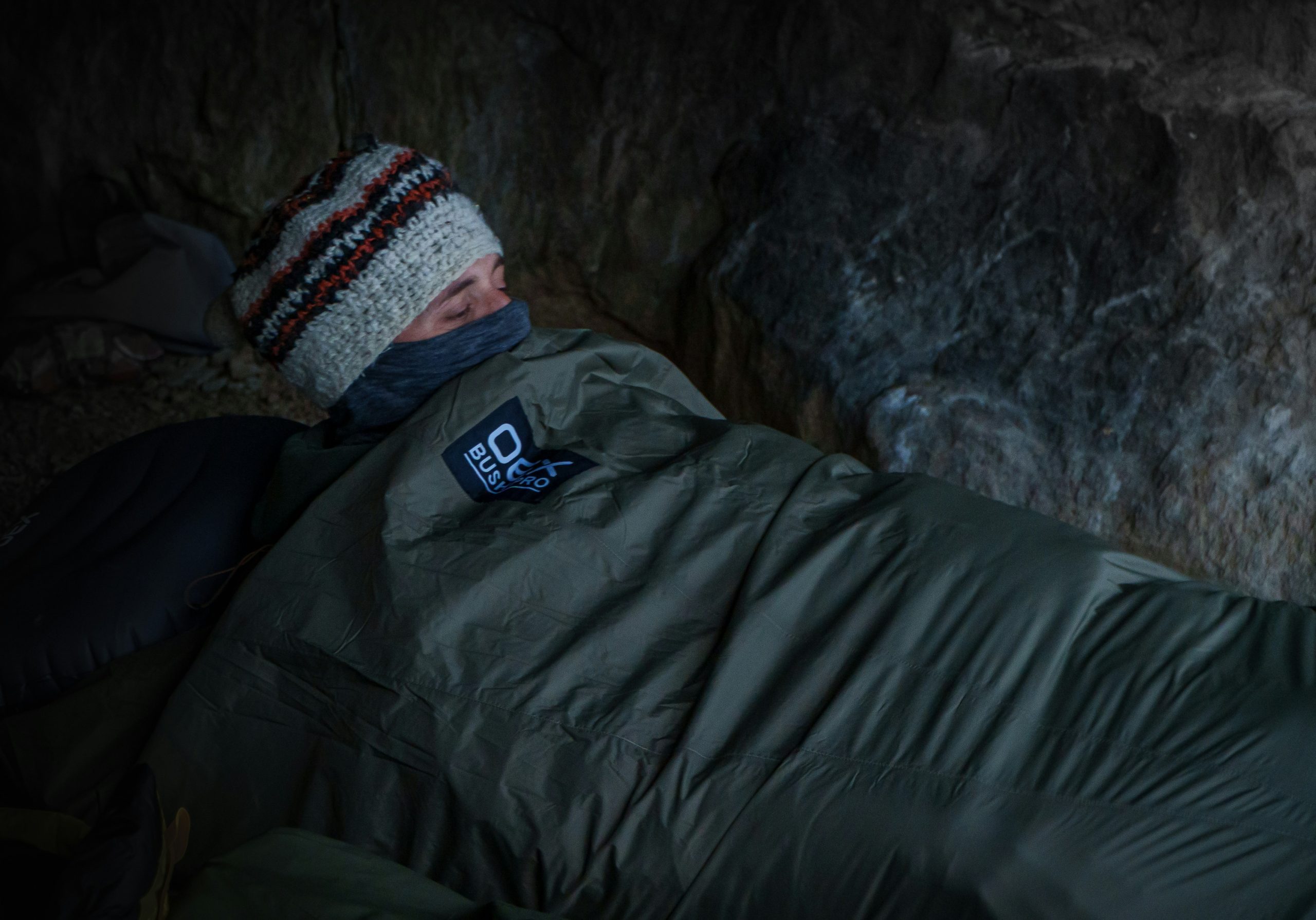
Cold weather is where opinions about quilts become sharply divided. While quilts can perform well in low temperatures, they demand precise setup and high quality sleeping pads to prevent heat loss. Even minor drafts feel amplified in freezing conditions. Sleeping bags seal warmth more predictably, which appeals to winter campers who value reliability over flexibility. Experienced users can push quilts into cold environments successfully, but beginners often struggle during early attempts. This gap in forgiveness explains why quilts earn both passionate praise and harsh criticism. In extreme cold, skill matters as much as equipment.
Cost Can Be a Surprise for New Buyers
Many campers assume quilts cost less because they use fewer materials, but high quality models often match or exceed premium sleeping bag prices. This is due to advanced insulation, careful construction, and ethical down sourcing used by smaller manufacturers. Quilts are frequently made in limited batches with customization options that increase cost. For frequent backpackers, the investment pays off through long term durability, weight savings, and improved sleep quality. Occasional campers may struggle to justify the price when simpler options exist. Quilts are best viewed as performance gear rather than budget alternatives, rewarding those who camp often and understand their needs.
The Learning Curve Turns Some Campers Away
Sleeping bags are intuitive, but quilts require practice. Campers must learn strap placement, pad compatibility, and draft management to stay warm. Early mistakes often lead to cold nights and frustration, causing some users to abandon quilts prematurely. Those who take time to experiment usually adapt quickly and gain confidence. Quilts favor campers who enjoy dialing in their gear and understanding how systems work together. This learning curve explains why quilts inspire strong opinions. For people who value simplicity above all else, sleeping bags remain the easier and more forgiving choice.
Hammock Campers Were Early Adopters
Hammock campers embraced quilts early because traditional sleeping bags lose insulation when compressed underneath the body. Quilts paired with underquilts solve this problem efficiently by providing insulation above and below without wasted material. This modular system allows precise temperature control and improved airflow. As hammock camping grew in popularity, the success of quilt systems influenced ground sleepers as well. Many backpackers first encountered quilts through hammock setups, helping the concept spread beyond its original niche. This crossover demonstrated that quilts could work across multiple camping styles.
Not Every Camping Style Truly Benefits
Despite their advantages, quilts are not a perfect fit for every type of camper. Car campers, beginners, and those who only camp a few times a year often prefer the simplicity of a traditional sleeping bag. Sleeping bags require almost no setup knowledge and perform consistently across a wide range of conditions. Quilts, by contrast, rely on compatible sleeping pads, proper adjustment, and awareness of changing temperatures. For campers who value convenience over optimization, these extra steps may feel unnecessary. Quilts perform best when weight savings, adaptability, and efficiency matter most. Choosing the right system depends more on camping style than on trends or popularity.
Why the Debate Is Not Ending Anytime Soon
The ongoing debate between quilts and sleeping bags exists because outdoor comfort is deeply personal. Quilts represent a move toward lightweight, adaptable systems that reward experience and careful setup. Sleeping bags remain trusted for their simplicity and predictable warmth. Neither option is objectively better for everyone. As materials improve and more campers learn how quilts function, adoption will continue to grow without fully replacing sleeping bags. The divide remains because both systems excel in different situations. Ultimately, the best choice is the one that keeps you rested, confident, and energized for the miles ahead.