
Firearm history is full of cartridges that quietly faded away for very real reasons. Some were inefficient, others lacked versatility, and many were overtaken by cleaner, smarter designs that simply worked better. Yet every few years, certain calibers are pulled back from obscurity, often fueled by nostalgia, branding, or the hope that modern shooters will see them differently. While innovation deserves credit, not every revival makes sense. Resurrecting outdated cartridges can introduce supply issues, compatibility headaches, and unrealistic expectations. This list isn’t about dismissing history, but about recognizing when progress has already provided better answers. Some calibers stayed obsolete for good reason, and reviving them often creates more problems than solutions.
.30 Remington AR
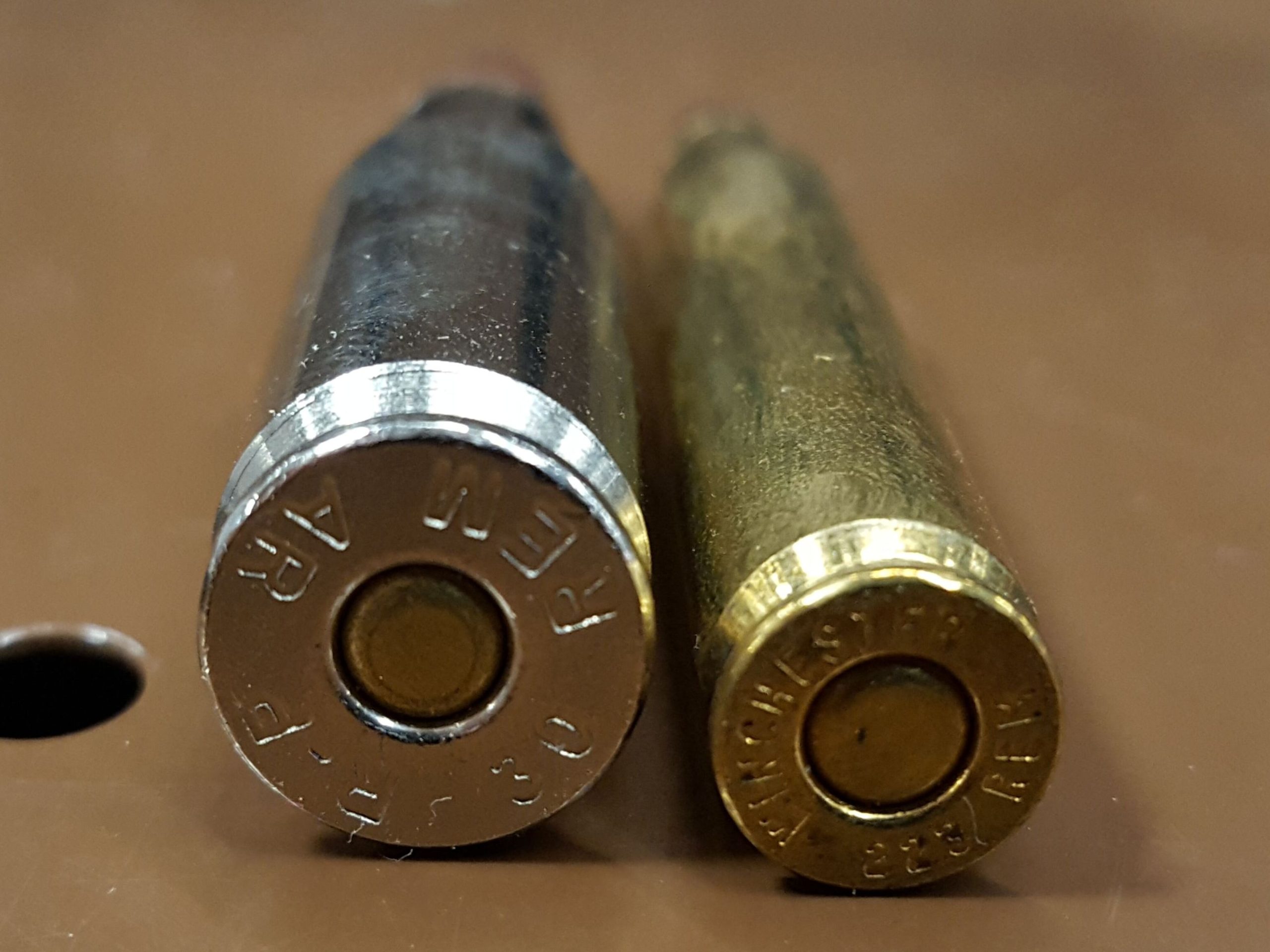
The .30 Remington AR was introduced as a modern answer to an old question: how to deliver heavier-caliber performance from compact platforms. On paper, the idea was compelling. In practice, the execution fell short. Proprietary magazines and specialized components limited flexibility, while real-world performance gains remained modest compared to established alternatives. Ammunition availability became inconsistent early on, undermining confidence among shooters who value long-term support. Even experienced users struggled to justify committing to a cartridge that depended on limited production runs. Its disappearance wasn’t a misunderstanding it was a predictable outcome of limited demand paired with unnecessary complexity.
.224 Lancer
The .224 Lancer entered the market promising high velocity and modern performance, but its revival leaned heavily on branding rather than necessity. While it delivered impressive figures on paper, real-world advantages were subtle at best. Compatibility concerns and narrow application quickly limited its appeal. Once initial curiosity wore off, shooters realized adoption required extra effort with little practical payoff. Established calibers continued to outperform it in availability, reliability, and trust. The revival felt forced, highlighting how novelty alone rarely sustains long-term interest.
.225 Winchester
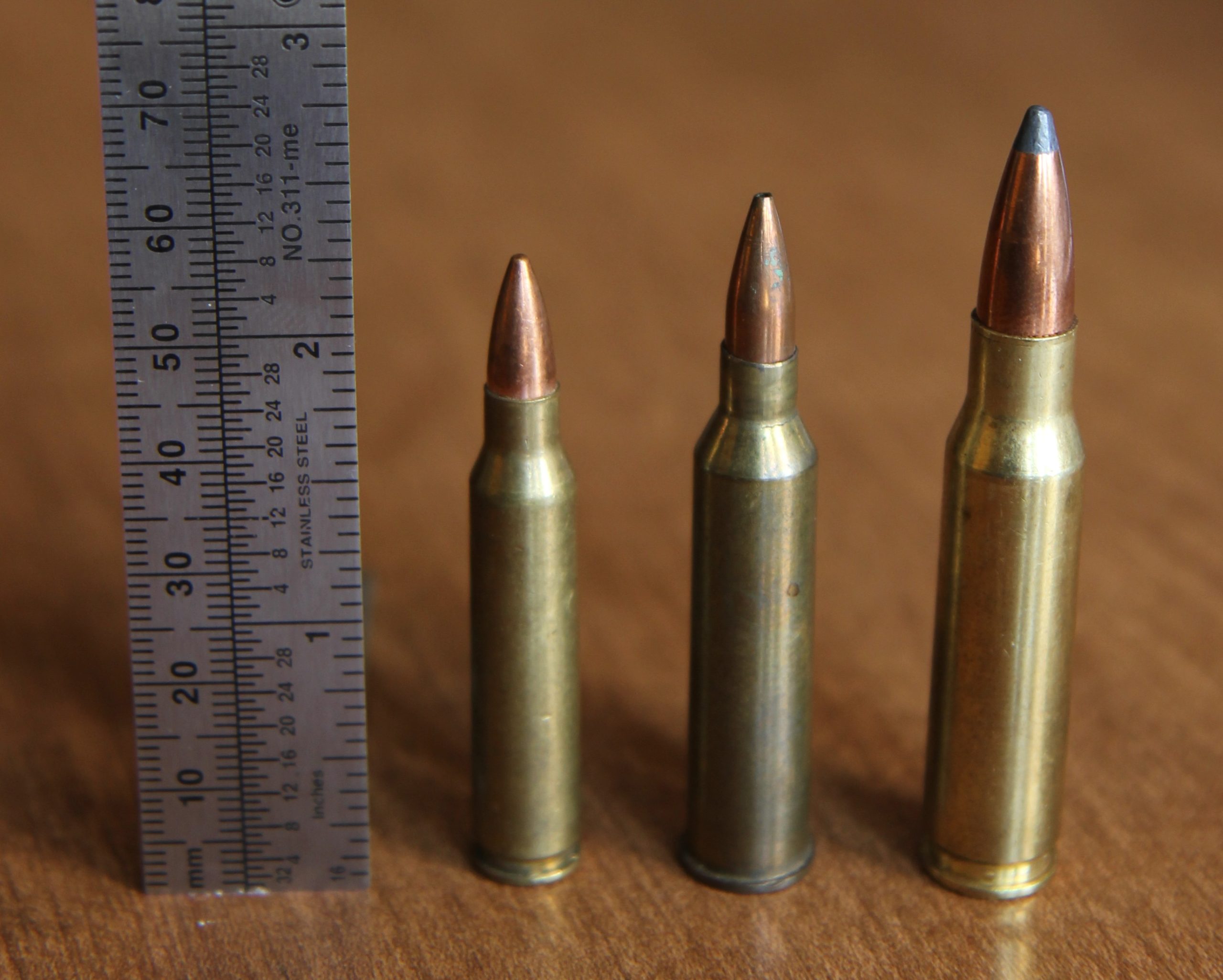
The .225 Winchester once filled a meaningful role, but reviving it ignored decades of ballistic and manufacturing progress. Modern cartridges now exceed its performance while offering better efficiency and widespread support. Although respected historically, its return added confusion rather than value. Ammunition availability remained spotty, and rifle options were limited. Modern shooters expect flexibility, consistent sourcing, and manufacturer backing none of which followed this revival. Its return demonstrated that sentiment can’t replace functional relevance in a crowded modern market.
.356 Winchester
The revival of the .356 Winchester appealed to traditionalists, but practicality quickly became an issue. Performance overlapped heavily with other calibers that are easier to find and maintain. Ammunition scarcity and limited rifle availability discouraged broader adoption. While capable within specific niches, it offered little incentive for new shooters. Investing in a cartridge with uncertain long-term support is a hard sell. The revival highlighted how emotional attachment often outweighs practical decision-making, especially when better-supported alternatives already exist.As hunting needs evolved, shooters increasingly favored lighter recoil and higher efficiency, leaving little room for this cartridge to regain relevance.
.224 BOZ
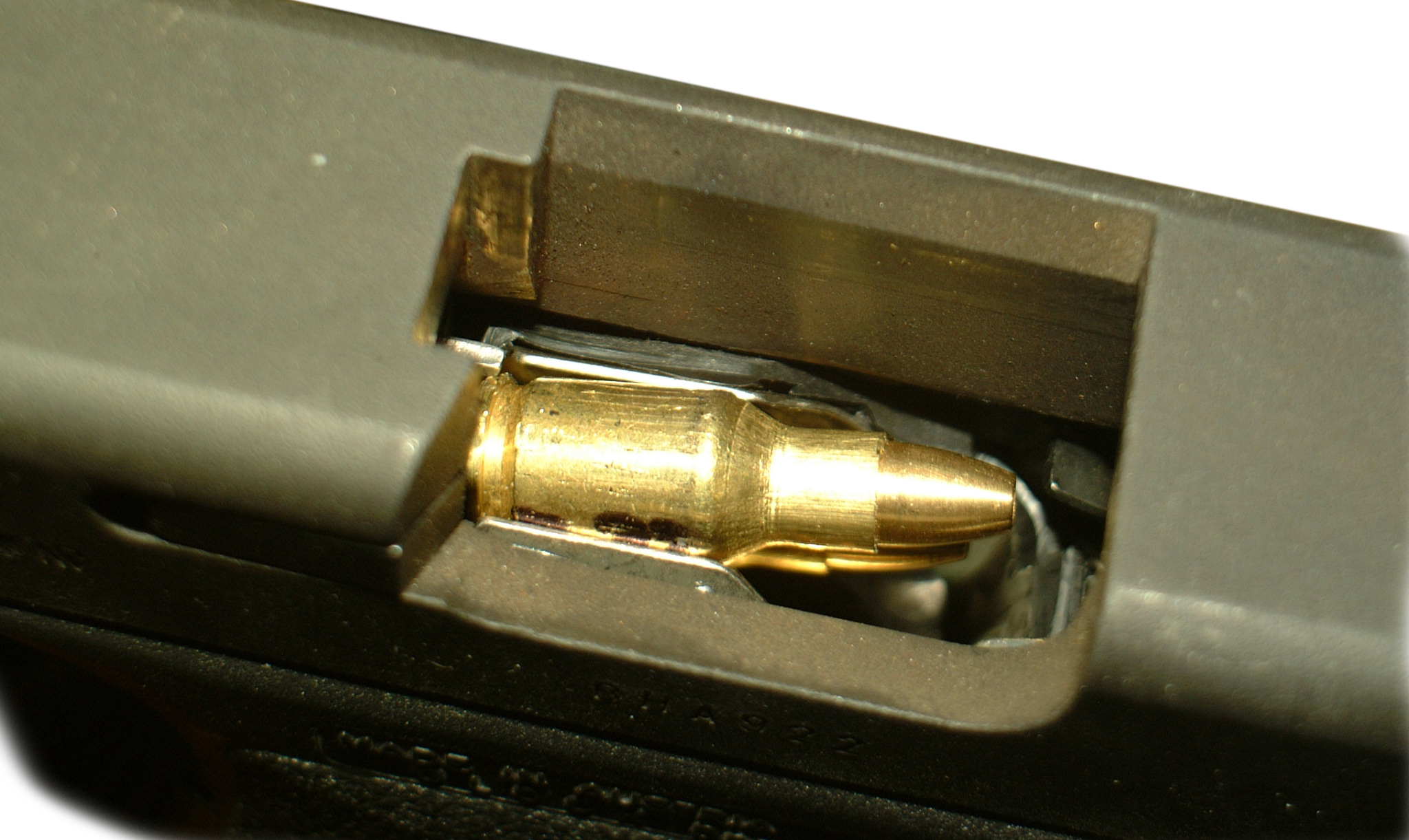
The .224 BOZ was revived with bold claims of enhanced performance, yet its specialized design limited broader appeal. Built around specific platforms, it struggled to adapt as those systems evolved. Ammunition availability was extremely limited, making long-term ownership impractical. Rather than addressing a widespread need, the cartridge catered to a narrow audience. As platforms changed, the caliber lost its footing entirely. Without sustained ecosystem support, it became a technical footnote instead of a viable option for modern shooters.Without consistent factory support, reloaders became the primary users, further narrowing its audience and limiting mainstream acceptance.
.277 Wolverine
The .277 Wolverine returned as a boutique solution emphasizing efficiency in compact platforms. While technically well-designed, its advantages were subtle and easily overshadowed by established calibers. Component sourcing remained inconsistent, and widespread manufacturer adoption never materialized. Despite thoughtful engineering, its narrow appeal slowed momentum. Shooters gravitated toward calibers that required fewer compromises and offered broader support. The revival underscored a recurring truth: innovation without scale rarely survives.Many shooters admired the concept but ultimately chose calibers that didn’t require special sourcing or long-term uncertainty.
.224 Predator
The .224 Predator revival leaned heavily on speed and marketing appeal. While performance was respectable, it offered little that shooters couldn’t already achieve with better-supported calibers. Ammunition sourcing proved unreliable, and compatibility concerns discouraged long-term commitment. In practice, shooters found themselves troubleshooting logistics instead of enjoying performance. Supply reliability matters just as much as ballistic promise. Without a clear purpose, enthusiasm faded quickly.When availability fluctuated, confidence dropped quickly, reinforcing the idea that dependable supply chains matter more than novelty.
.224 Texas Trophy Hunter
This cartridge’s revival relied heavily on novelty and regional appeal rather than genuine necessity. Performance improvements were incremental, and real-world advantages were difficult to justify. Ammunition availability remained inconsistent, and rifle support was minimal. Regional enthusiasm wasn’t enough to sustain momentum. Without consistent nationwide demand, production never stabilized. The revival illustrated how marketing excitement rarely translates into lasting adoption without infrastructure to support it.Outside its initial fan base, shooters struggled to see a compelling reason to switch from familiar, well-supported alternatives.
.224 Xtreme
The .224 Xtreme promised improved ballistics, but delivered only marginal gains. Its revival suffered from poor timing and limited industry backing. Shooters already had access to calibers offering similar or superior performance with far better availability. The market was already crowded, leaving little room for incremental improvements. Without a compelling reason to switch, adoption stalled. Incremental gains couldn’t overcome the advantages of proven, widely supported alternatives.As hype cooled, practical comparisons exposed how small the performance gap truly was between it and existing options.