Hunting has always sparked debates, but few rival the classic bow versus rifle discussion. Every hunter has their own preference rooted in skill, tradition, terrain, and ethics. While bows rely on patience, stealth, and close-range mastery, rifles bring power, distance, and precision to the field. Here, we break down ten real-world hunting scenarios to see where each tool truly shines, helping hunters understand when instinct wins and when reach rules the woods.
1. Dense Timber Elk Hunt
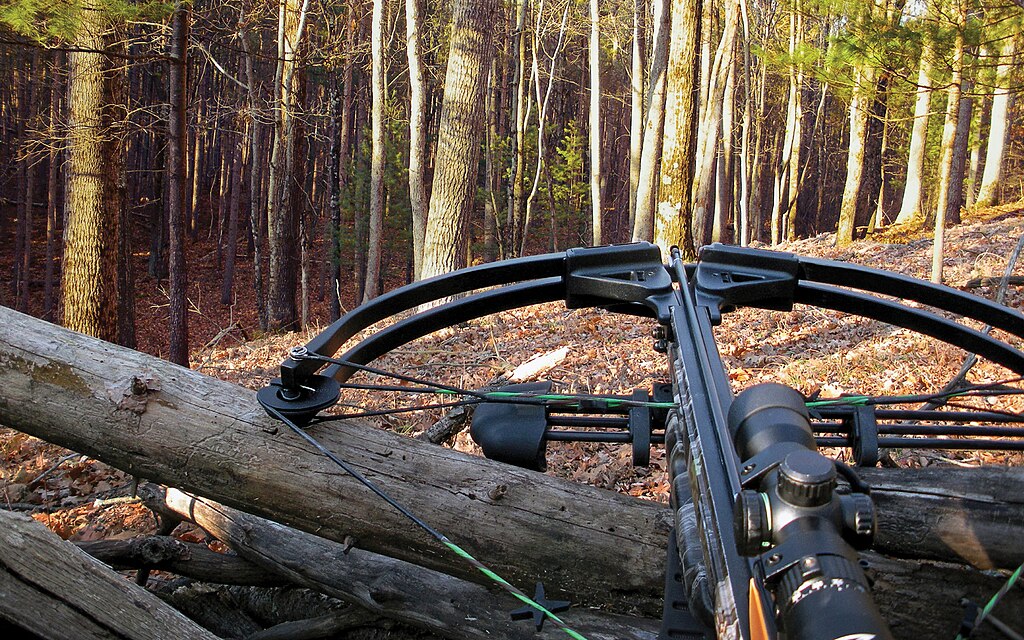
In tight, shadowed timber where visibility barely stretches beyond a few yards, bowhunters often thrive. Elk move slowly through cover, responding to soft cow calls and subtle sounds. Rifle hunters struggle in these enclosed pockets because long shots aren’t possible, and loud gunfire risks pushing herds far. A bow’s silence and the ability to maneuver quietly give the archer a strong edge, especially when calling bulls in close during peak rut activity.
2. Open ridge mule deer glassing
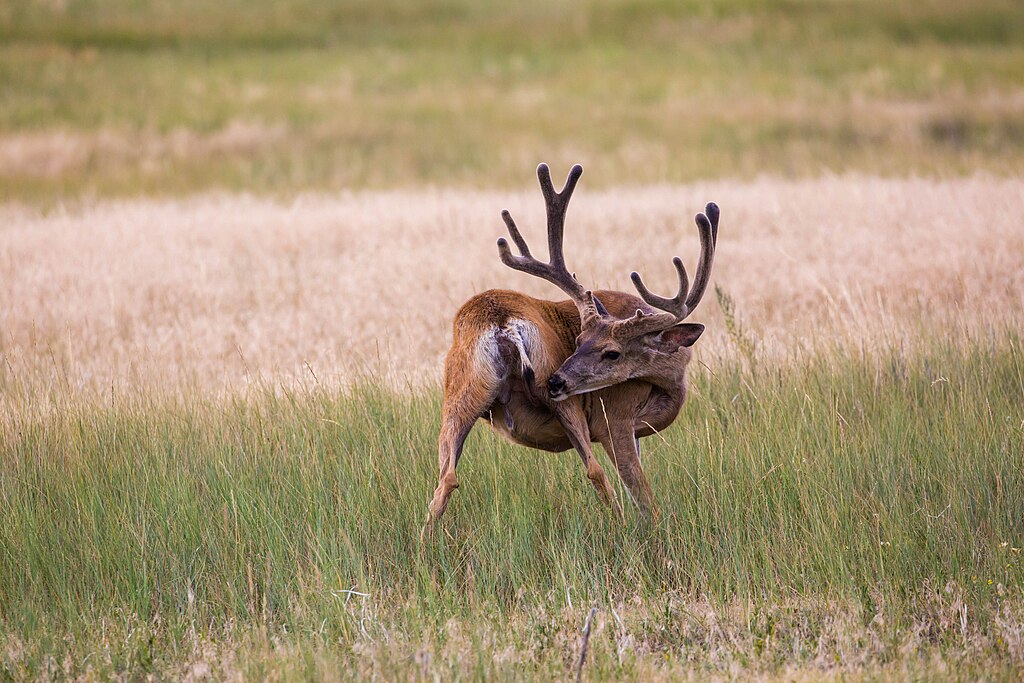
High country mule deer hunts often mean glassing vast basins and ridges. Spotting bucks bedded under sparse timber or moving across alpine meadows favors rifle hunters, who can wait and make ethical long-range shots. Bowhunters must stalk exposed ground carefully, often battling swirling winds and unpredictable deer behavior. The terrain rewards patience and accuracy, but the rifle’s extended reach makes success far more consistent in these open environments.
3. Whitetail treestand ambush
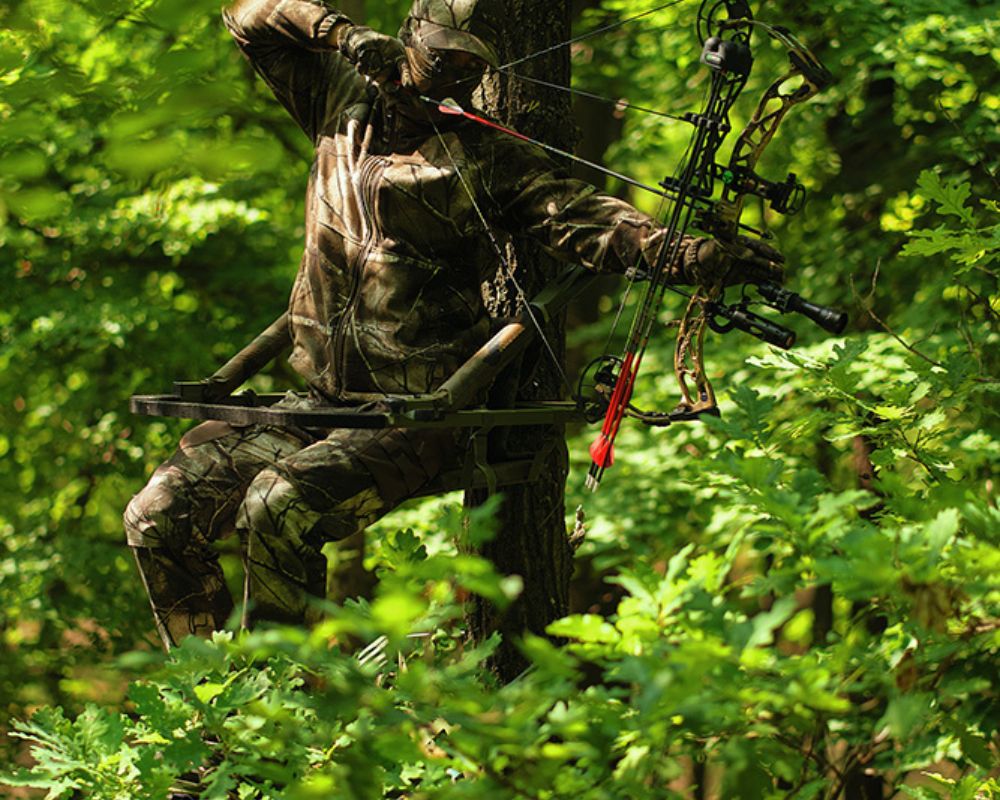
Treestand whitetail hunting is a classic bowhunter’s arena. The controlled setup, defined shooting lanes, and focus on calling and scent control make close-range encounters common. Rifle hunters can succeed here, too, but many states restrict rifle use in wooded whitetail zones for safety and tradition. Bowhunters gain the quiet advantage, creating less pressure on deer and staying effective even when bucks hang just inside cover before stepping out to feed.
4. Western pronghorn prairie
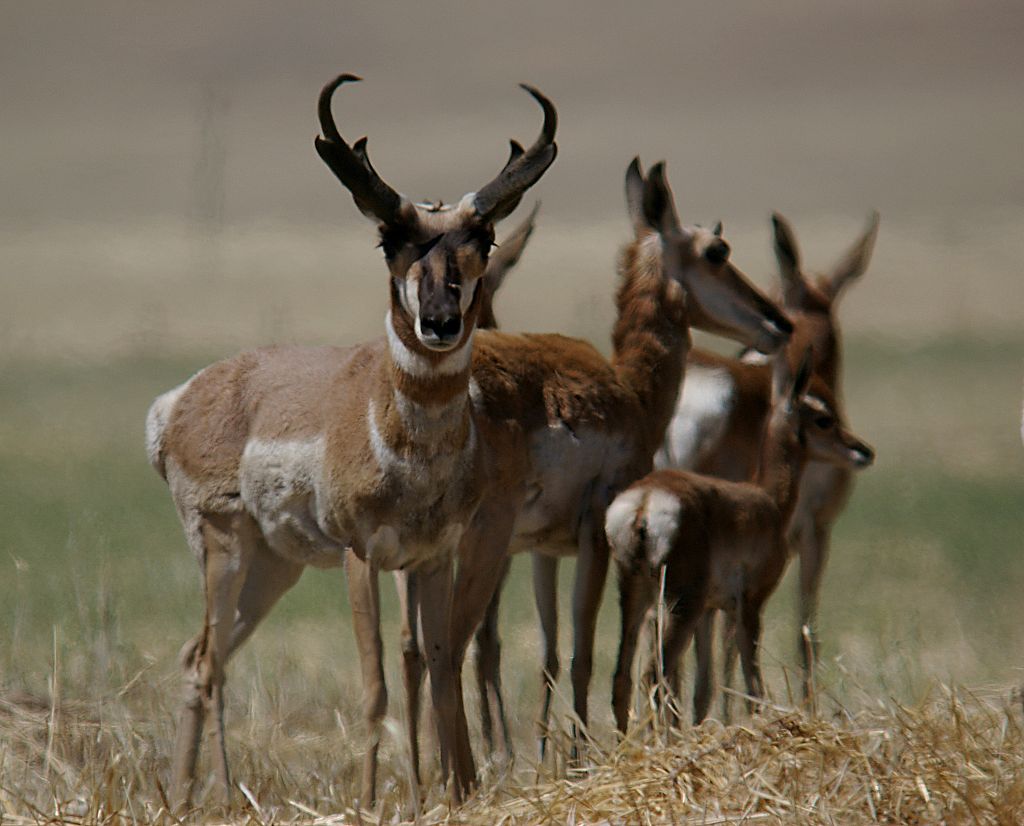
Pronghorn thrive in wide open prairies with almost no cover. Their keen eyesight and speed make stalking extremely difficult. Rifle hunters dominate here, using optics and long-distance capability to harvest cleanly and ethically. Bowhunters often rely on decoys or waterhole blinds, which can work but demand exceptional patience and luck. In a big, bright country with constant wind and wary herds, rifles clearly offer the most dependable success.
5. Black bear over bait
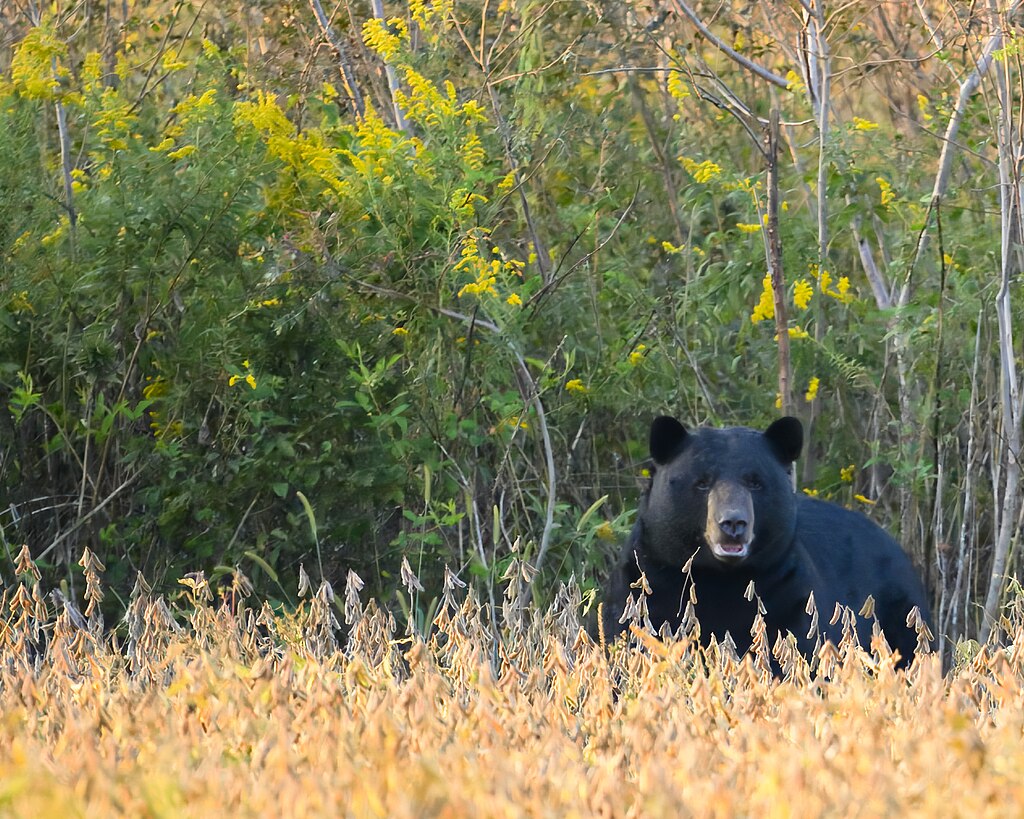
Because bait setups bring bears into close shooting range, bowhunters are often incredibly effective. Bears approach slowly and cautiously, giving archers time to draw without alerting them. While rifles provide instant stopping power and margin for error, the controlled environment and short distances make bows both ethical and thrilling to use. The key advantage lies in the personal challenge and intimate shot opportunities that bows naturally support.
6. High wind mountain hunt
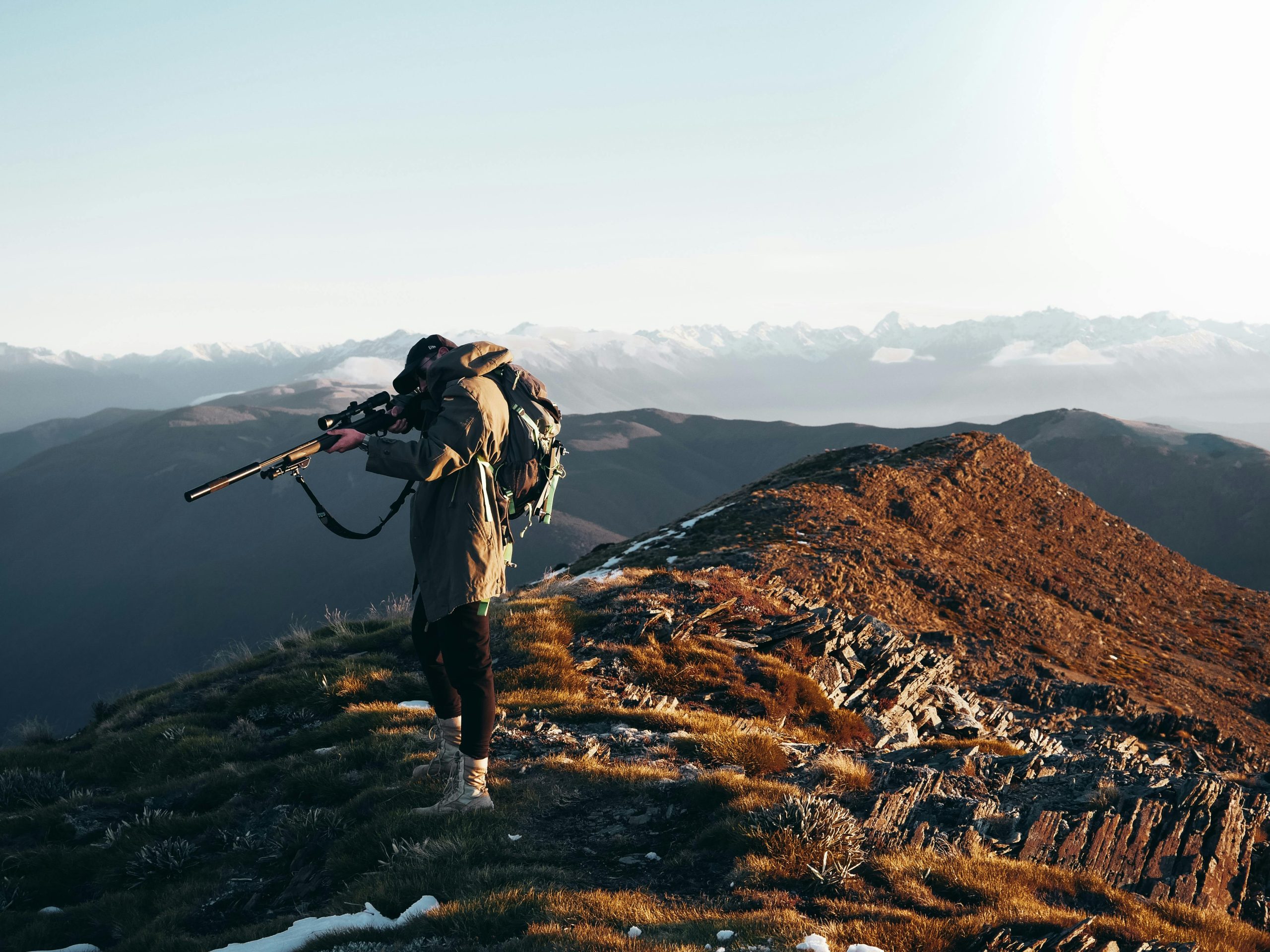
Strong alpine winds can shift arrows unpredictably, making bowhunting risky and less ethical at longer ranges. Rifles shine here, using heavy bullets and stable ballistics to stay on target even in gusty conditions. High altitude hunts often require holding steady on steep shots and judging wind channels, something a rifle handles with more reliability. Bowhunters can still succeed, but are heavily limited when mountain weather refuses to cooperate.
7. Quiet suburban deer control
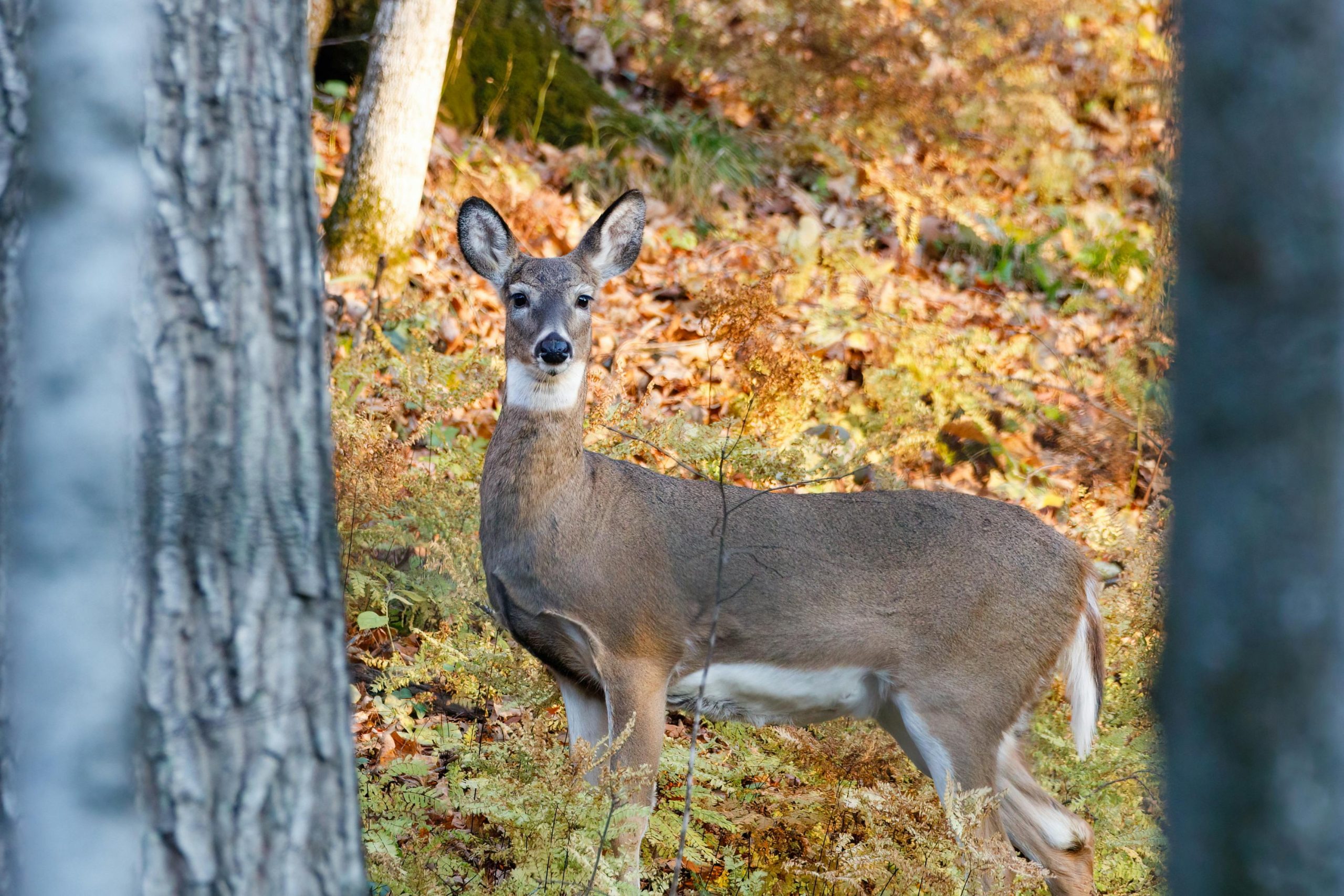
Urban edge and suburban deer management programs often prohibit rifles for safety. Here, bows are not only favored, they’re usually required. Quiet shots, short ranges, and minimal disturbance make archery ideal for reducing deer numbers in neighborhoods, golf courses, and agricultural fringes. Ethical placement and discipline matter greatly, and bowhunters excel where stealth and discretion are necessary. Rifle power simply isn’t practical in these controlled environments.
8. Long-range cross-canyon shot
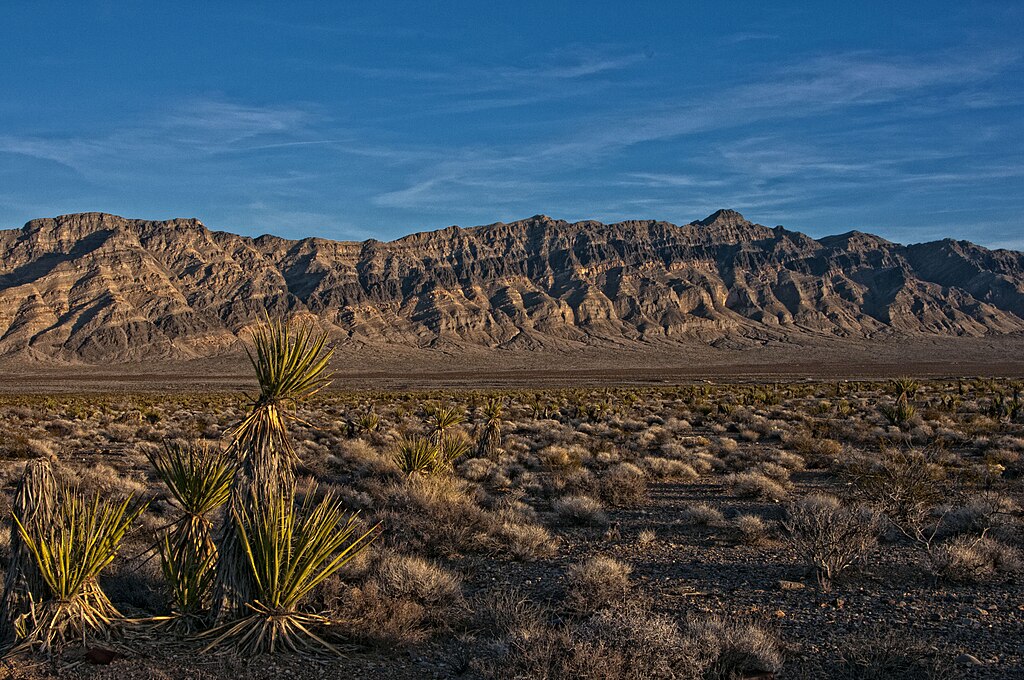
Western terrain often forces hunters to shoot across deep canyons or ravines where closing the distance is impossible. In these cases, rifles excel, delivering precision and power across hundreds of yards. Bowhunters face insurmountable range limitations and risk bumping animals while attempting to stalk safely down and up steep slopes. Spot and shoot efficiency favors the firearm, ensuring humane harvests where archery gear can’t physically reach.
9. Late-season pressured deer
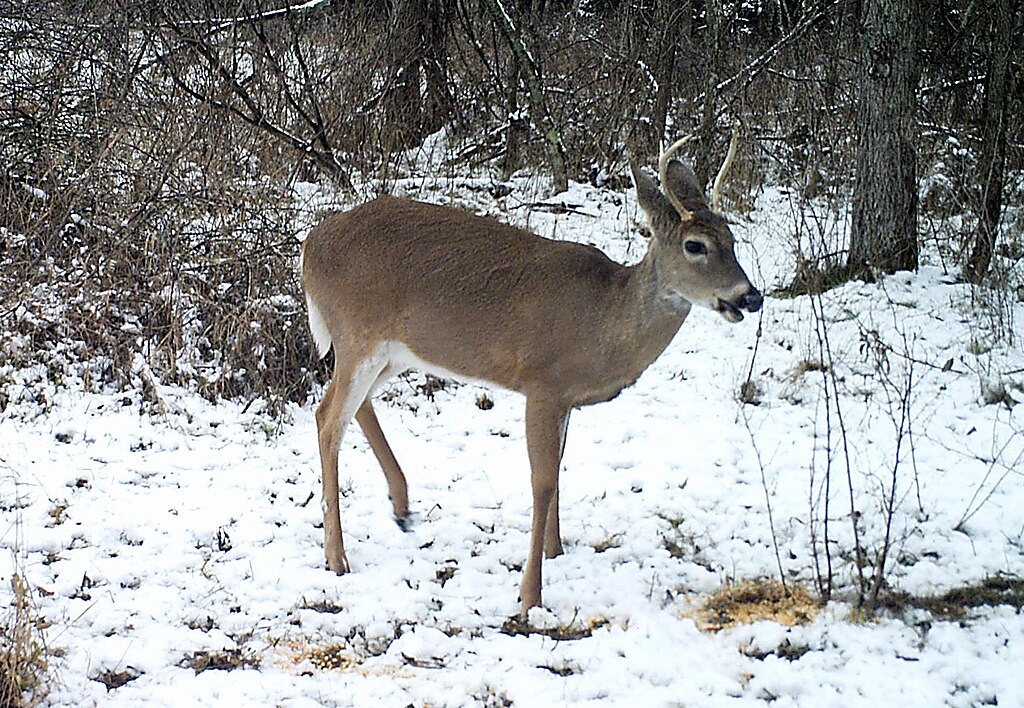
After weeks of hunting pressure, deer become skittish and avoid open ground. They move cautiously, often just inside timber edges or thick brush. Bowhunters take advantage of silent gear and ambush tactics to catch bucks slipping through transition zones. Rifles still work, but can spook deer further in noisy snow or brittle brush. In quiet winter woods, subtlety matters, and bows often produce results where heavy sound discipline is key.
10. Close quarters hog brush hunt’
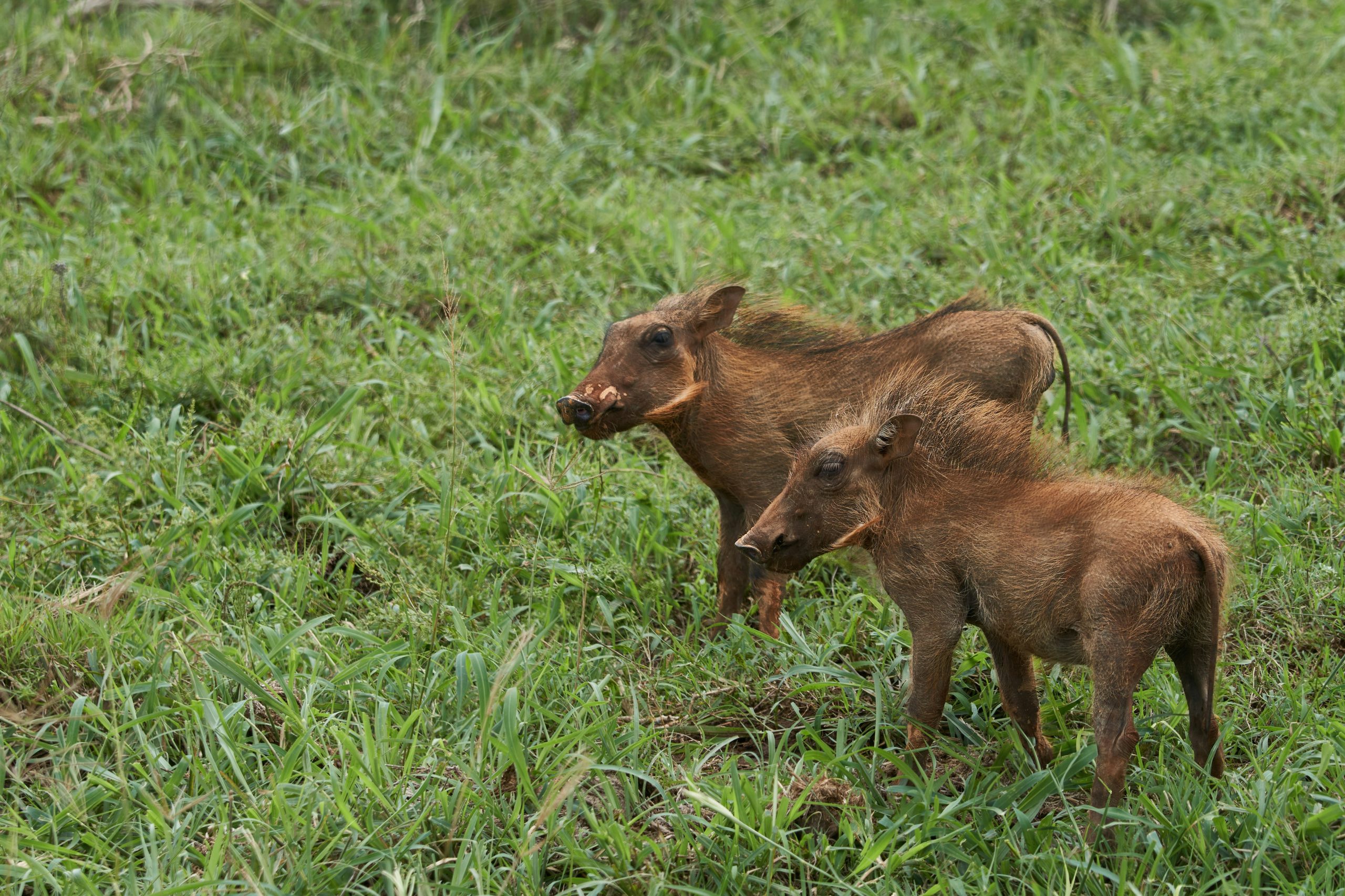
Wild hogs crash through dense thickets and can appear suddenly at close range. Bowhunters who practice quick draws and know shot angles perform well, especially from ground blinds. However, the unpredictable danger of aggressive hogs gives rifles an undeniable safety edge. Stopping power and rapid follow-up shots can be critical when boars charge or groups scatter. While bows can be deadly, rifles offer control when hunts turn chaotic fast.