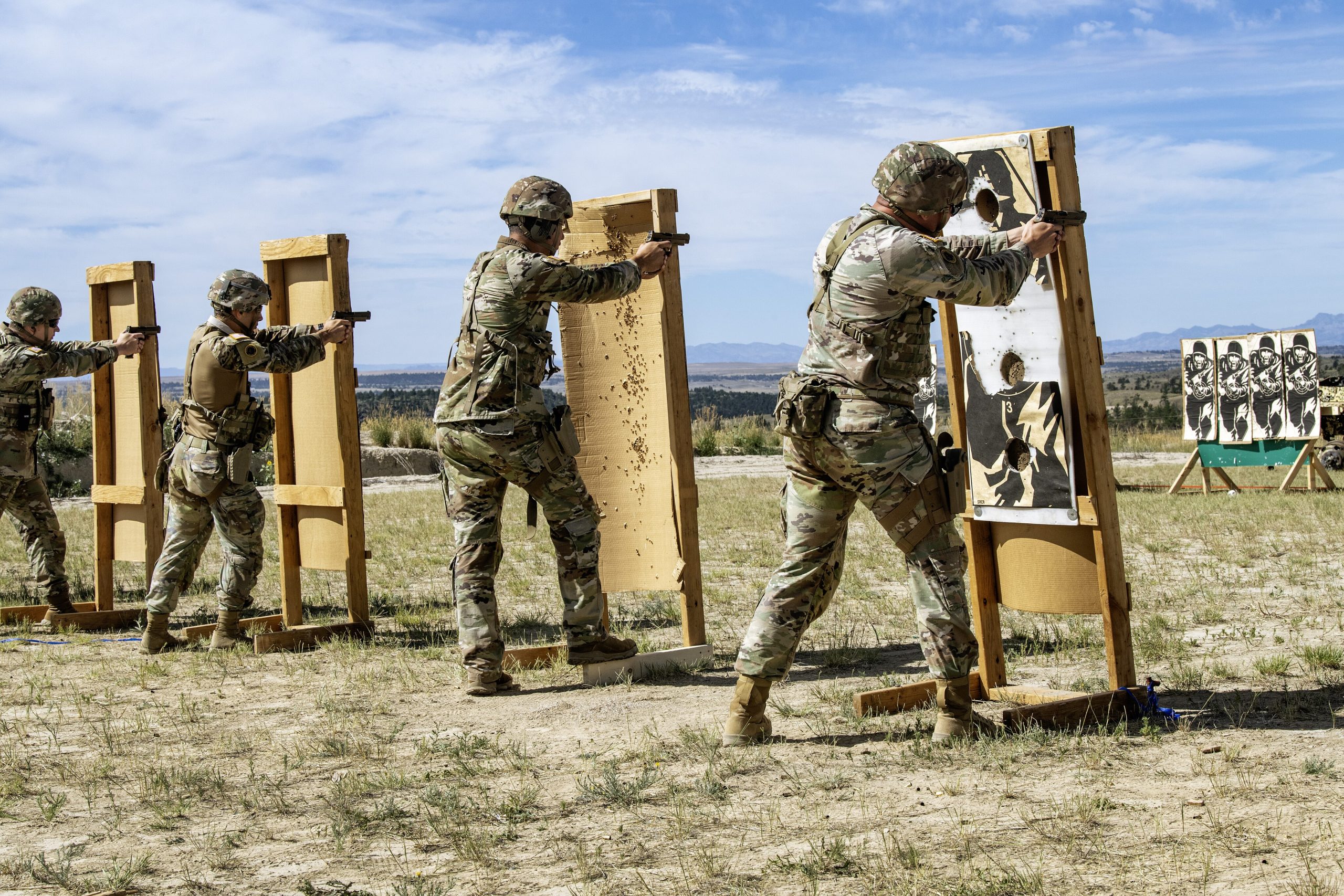
Growing older does not mean becoming less capable, especially when it comes to responsible firearm ownership. In many ways, experience, patience, and discipline provide a strong foundation that younger shooters often spend years trying to develop. Still, physical changes, shifting routines, and evolving technology can influence performance. Staying sharp requires intention, not intensity. Consistent, mindful habits can preserve skills, confidence, and safety without turning practice into a chore. The goal is not just accuracy, but maintaining comfort, awareness, and control so that shooting remains both enjoyable and dependable for years to come.
Consistent Dry Fire Practice
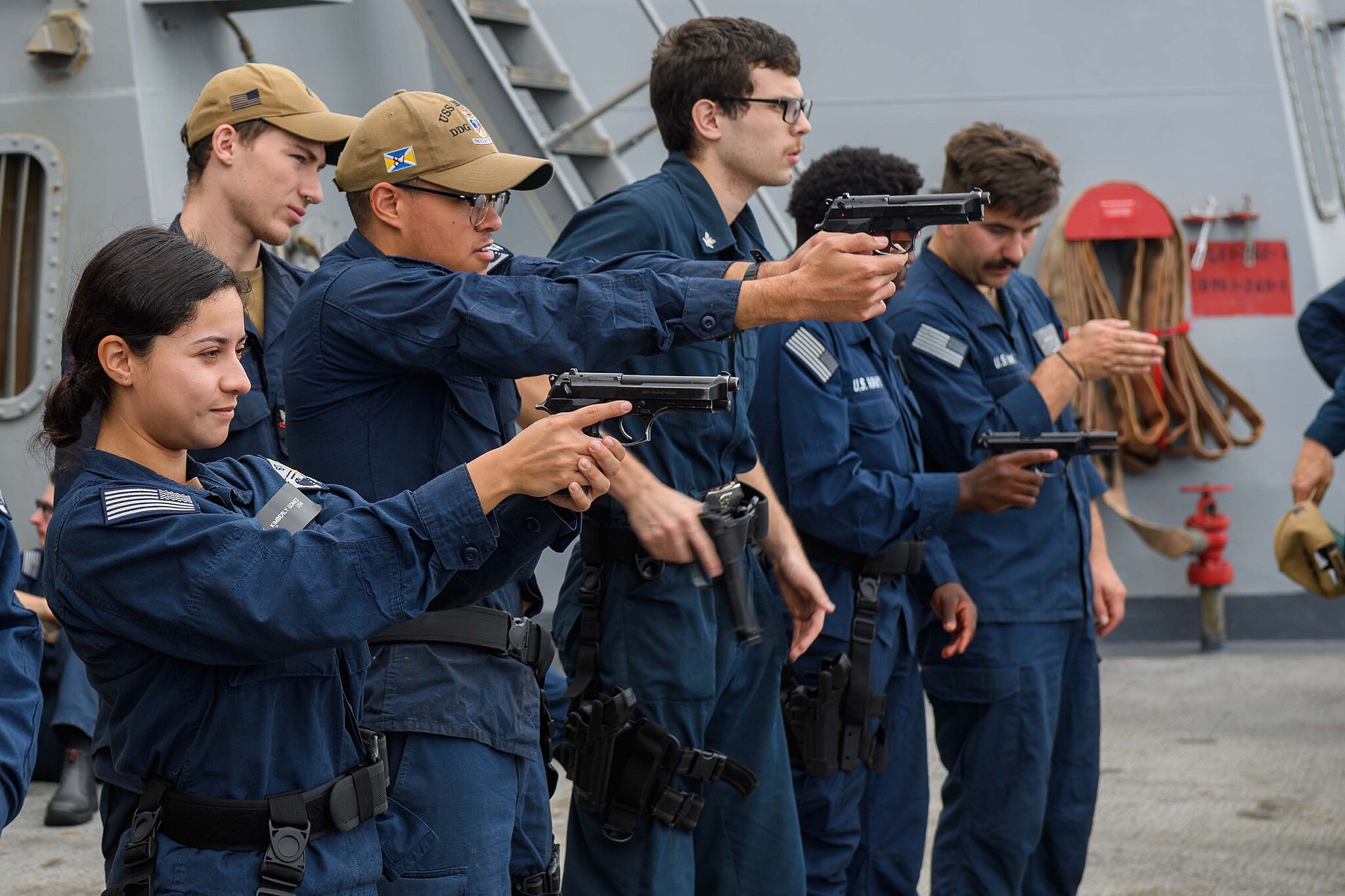
Dry fire training remains one of the most effective and accessible ways to maintain shooting fundamentals. Without the noise or recoil of live rounds, attention naturally shifts toward grip, sight alignment, trigger control, and follow-through. This quieter environment makes subtle mistakes easier to detect and correct. Regular dry practice also reinforces muscle memory, helping movements stay smooth and deliberate. A few minutes several times a week often produces better results than occasional long sessions. Safe handling habits should always guide the routine, including triple-checking that the firearm is unloaded and choosing a distraction-free space for practice.
Vision and Sight Management
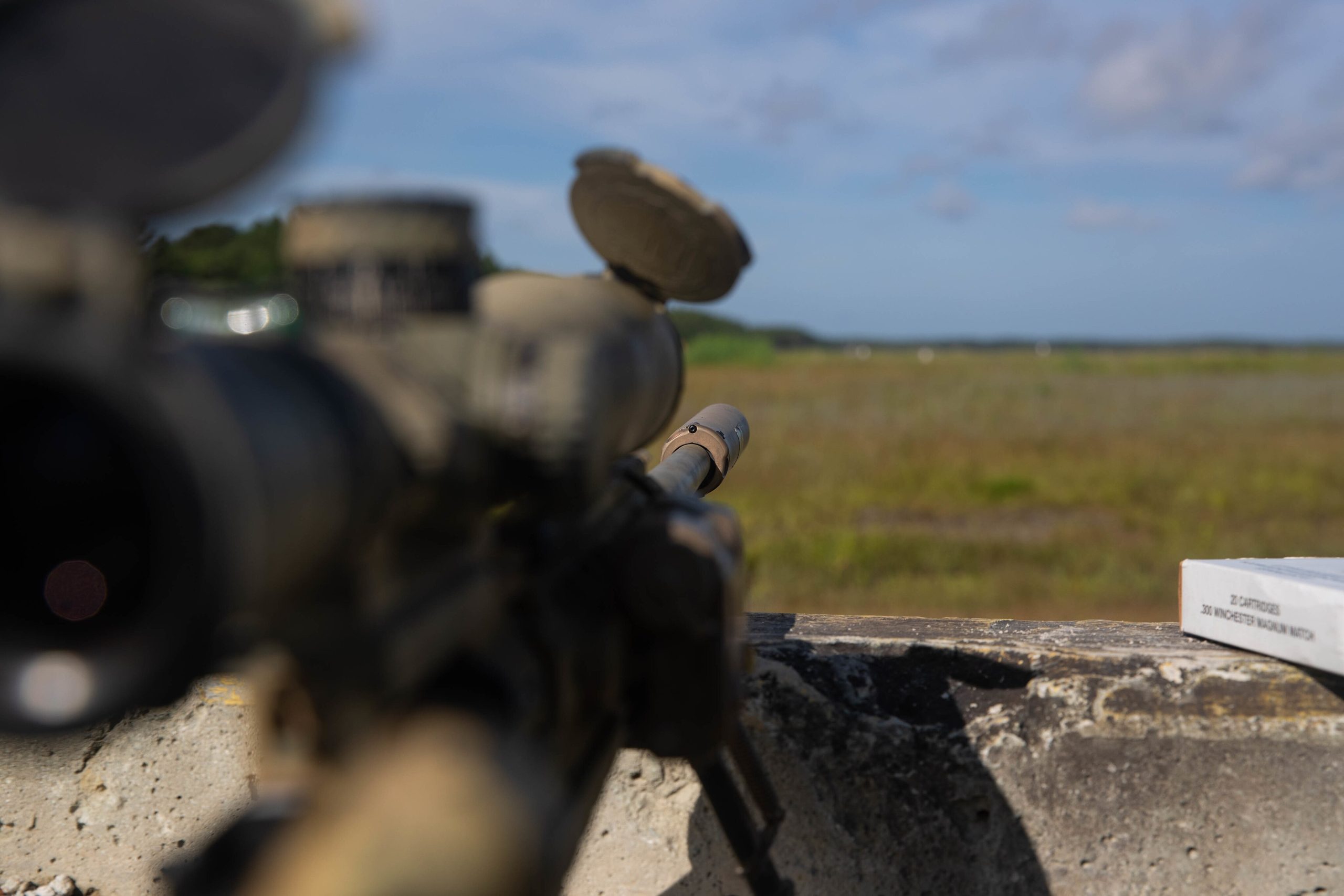
Eyesight inevitably changes with age, yet many shooters underestimate how strongly vision influences performance. Even minor adjustments can significantly improve clarity and comfort. Updated prescription lenses, shooting specific eyewear, or enhanced lighting at the range can sharpen sight pictures and reduce strain. Some owners benefit from optics or high-visibility sights that allow faster alignment and less fatigue. The objective is not to chase trends, but to adapt equipment so that aiming remains intuitive and relaxed. Paying attention to visual comfort encourages longer, more productive practice sessions and reduces frustration that might otherwise discourage regular training.
Grip Strength and Stability
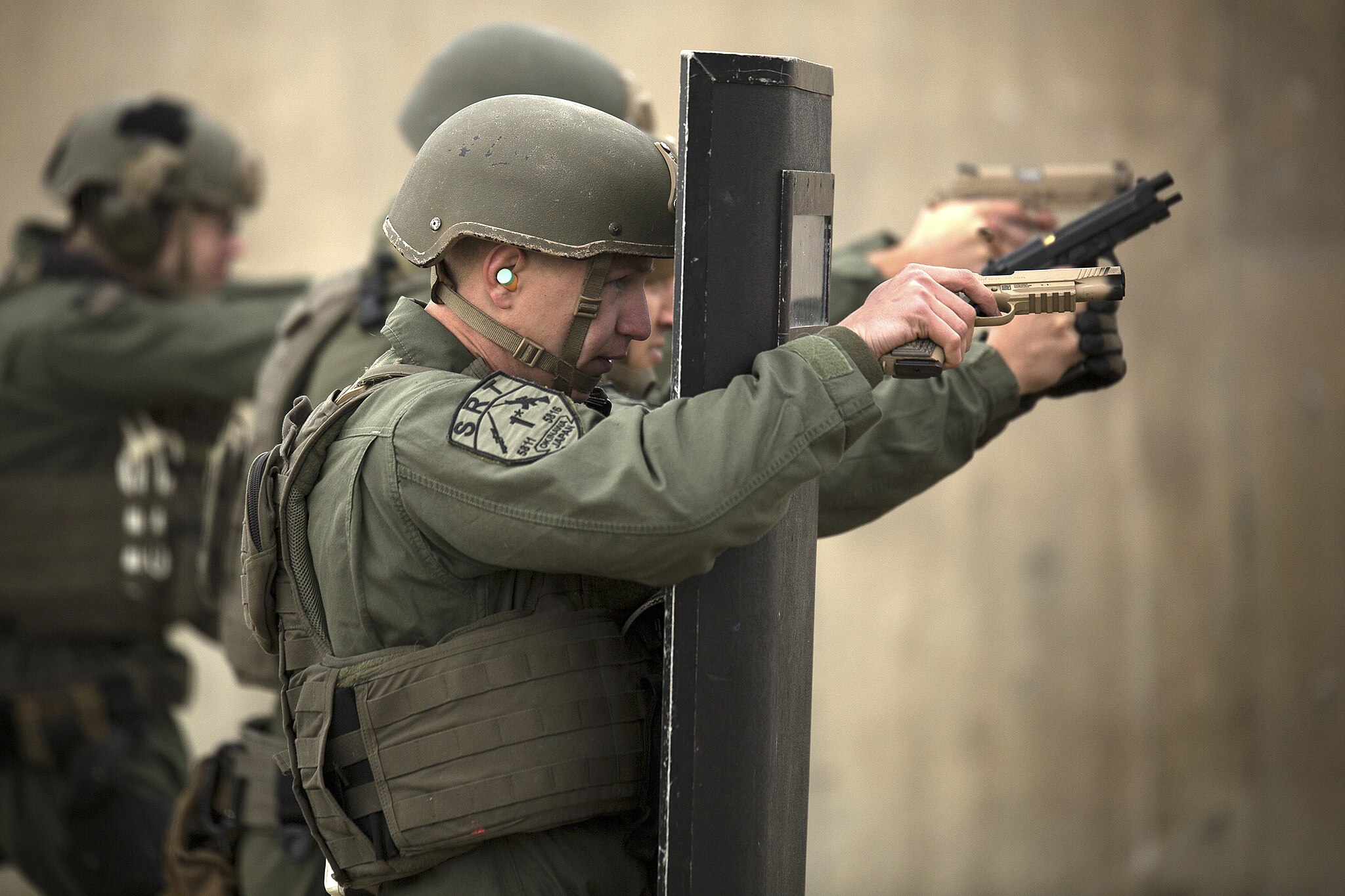
Hand strength and joint flexibility directly affect recoil control and consistency. Gentle conditioning exercises can support these abilities without demanding heavy effort. Simple tools like grip trainers or light resistance routines can improve endurance and steadiness over time. Stability also benefits from posture and stance awareness, which help distribute weight and minimize unnecessary tension. Comfortable, balanced positioning allows better control while reducing fatigue. Maintaining these physical aspects does not require athletic intensity. Small, steady efforts integrated into daily life often yield noticeable improvements, supporting both confidence and safe firearm manipulation during practice or recreational shooting.
Mental Rehearsal and Focus
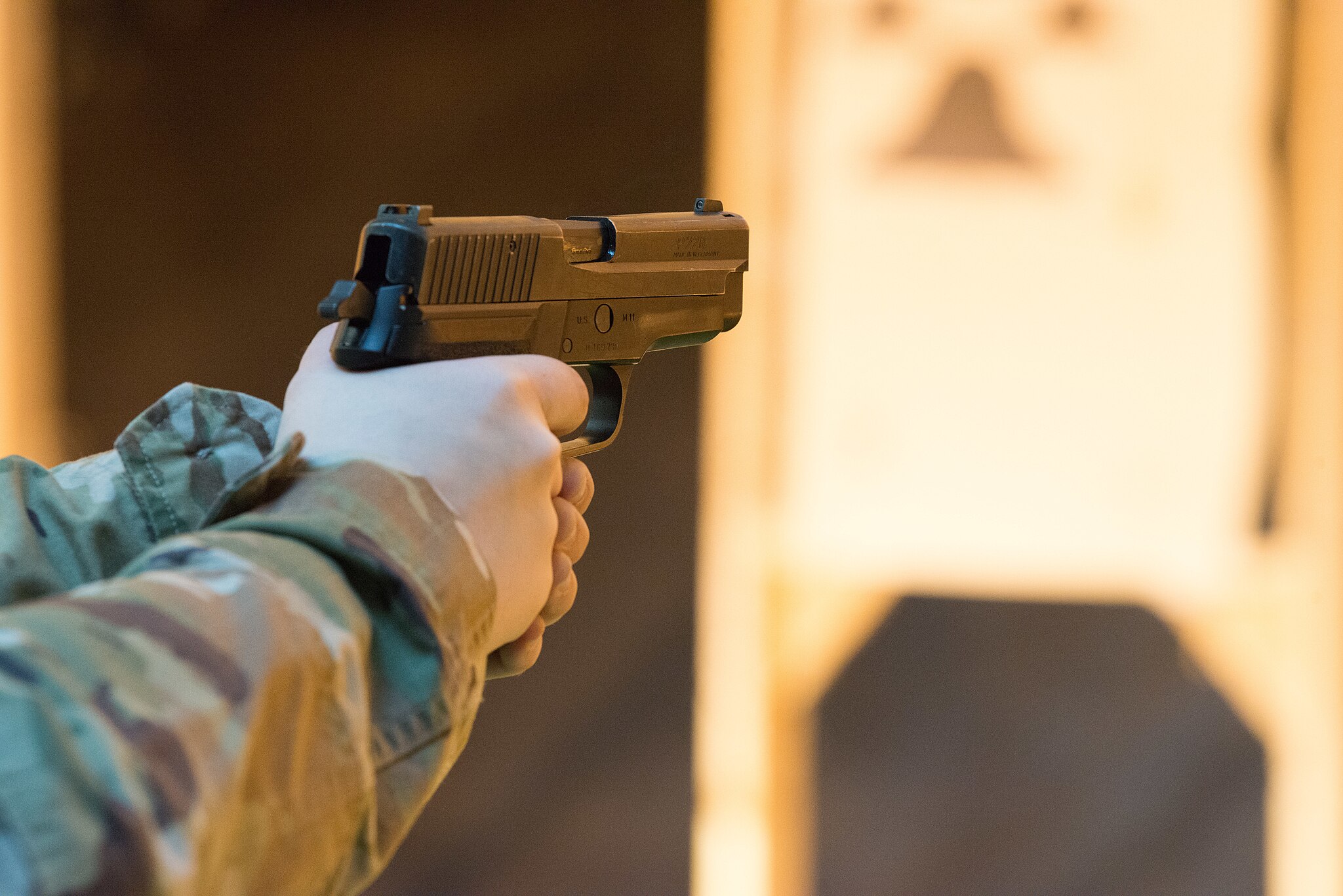
Skill preservation is not purely physical. Mental engagement plays a central role in sustaining performance. Visualizing shooting sequences, safety procedures, and smooth manipulations strengthens neural pathways tied to coordination and decision making. This form of rehearsal can occur anywhere and reinforces calm, deliberate execution under pressure. Concentration also benefits from minimizing distractions during live practice. Approaching each shot with clear intention encourages consistency and reinforces good habits. Over time, this mindful approach helps maintain confidence, reduce performance anxiety, and sustain enjoyment. A steady, focused mindset often distinguishes reliable shooters more than raw speed or force.
Equipment Familiarity and Updates
Firearm technology and accessories continue to evolve, making periodic reassessment worthwhile. Familiarity with existing equipment remains essential, yet openness to ergonomic improvements can enhance comfort and usability. Adjustments such as upgraded grips, improved sights, or smoother controls may reduce strain and improve handling. The priority is practicality rather than novelty. Any modification should support safe, confident operation and align with individual preferences. Spending time understanding how equipment behaves under different conditions preserves predictability and control. Comfort with one’s tools often translates into smoother performance and a more satisfying shooting experience overall.
Safe Storage and Routine Checks
Skillfulness includes responsible maintenance and storage practices. Regular inspection of safes, locks, and storage conditions ensures reliability and peace of mind. Environmental factors like humidity or dust can affect both firearms and ammunition over time. Establishing a simple inspection routine encourages familiarity with equipment condition while reinforcing safety awareness. This habit also prevents minor issues from becoming larger problems. Beyond mechanical concerns, organized storage supports confidence and readiness. Knowing that everything functions as intended reduces stress and allows greater focus during practice or recreational use. Consistent care reflects discipline and strengthens long term ownership satisfaction.
Range Habits and Structured Sessions
Purposeful range visits often produce more meaningful progress than casual shooting alone. Entering each session with a clear objective sharpens attention and conserves energy. Focusing on specific skills, such as trigger control or target transitions, prevents fatigue while promoting measurable improvement. Thoughtful pacing also enhances safety and enjoyment. Adequate breaks reduce physical strain and help maintain concentration. Structured sessions encourage reflection, allowing shooters to identify patterns and refine technique. Over time, deliberate practice builds confidence and consistency. The range becomes not just a place to shoot, but an environment for reinforcing discipline and sustaining dependable performance.
Learning and Skill Refreshment
Experience provides strength, yet ongoing learning keeps skills adaptable and resilient. Periodic instruction, whether through courses or knowledgeable peers, introduces fresh perspectives and corrects unnoticed habits. Exposure to new ideas or techniques can renew enthusiasm and sharpen awareness. Learning does not imply deficiency, but commitment to growth and safety. Even seasoned owners benefit from revisiting fundamentals or exploring updated practices. Continuous education supports confidence while maintaining alignment with evolving standards. Remaining curious encourages engagement and prevents stagnation. Over time, this mindset fosters both competence and enjoyment, ensuring that shooting remains a rewarding and responsibly managed activity.
Stress Management and Comfort
Comfort strongly influences performance. Physical tension, fatigue, or anxiety can disrupt coordination and judgment. Maintaining a relaxed, steady state of mind improves consistency and reduces errors. Simple habits such as controlled breathing, comfortable clothing, and adequate hydration can enhance endurance and focus. Recognizing personal limits prevents overexertion and preserves enjoyment. Shooting should feel controlled and deliberate rather than rushed or strained. Prioritizing comfort encourages longer participation and safer handling. A calm, balanced approach supports clarity and confidence, reinforcing the idea that responsible firearm ownership involves both physical readiness and thoughtful self awarenes
Community and Shared Experience
Engagement with fellow enthusiasts provides motivation, knowledge exchange, and social connection. Conversations, shared practice, and collaborative learning reinforce safe habits and sustain interest. Community involvement can also introduce new perspectives and helpful insights. Beyond skill development, these interactions cultivate enjoyment and confidence. Responsible ownership thrives within supportive environments where safety and respect remain central values. Participation does not require competition or comparison. Simply exchanging experiences or practicing together can strengthen discipline and awareness. Over time, community ties encourage consistency and contribute to a more rewarding, informed, and mindful shooting journey.