The debate between bolt-action and straight-pull rifles continues to shape modern hunting discussions as both systems offer distinct advantages. Bolt-action rifles are widely respected for accuracy, structural strength, and consistent performance in harsh conditions. Straight-pull rifles appeal to those seeking faster cycling and smoother operation during demanding field situations. Each design reflects different priorities in safety, maintenance, and reliability. Ongoing advancements in materials and engineering keep the conversation active as hunters balance tradition with emerging technology.
Cycling Speed

Straight-pull rifles gain attention for rapid chambering achieved through a linear motion that eliminates the rotational steps of traditional bolts. This design enables quicker follow-up shots, especially when fast-moving targets require swift action. Bolt-action rifles retain a slower but deliberate cycling process that many shooters value for controlled operation. The difference in speed becomes more apparent in cold environments where gloved hands may influence handling. Manufacturers continue refining both mechanisms to enhance field performance and overall responsiveness.
Accuracy Expectations
Bolt-action rifles remain associated with exceptional precision because their locking lugs create consistent chamber alignment and strong bolt engagement. This repeatability supports tight shooting groups at extended ranges, reinforcing the system’s reputation among long-distance hunters. Straight-pull rifles have improved significantly through advancements in barrel design and lockup technology, although some shooters still question whether these systems match the precision of classic bolts. Ongoing engineering efforts focus on enhancing rigidity and stability. Both platforms continue evolving as accuracy demands increase.
Safety Perception
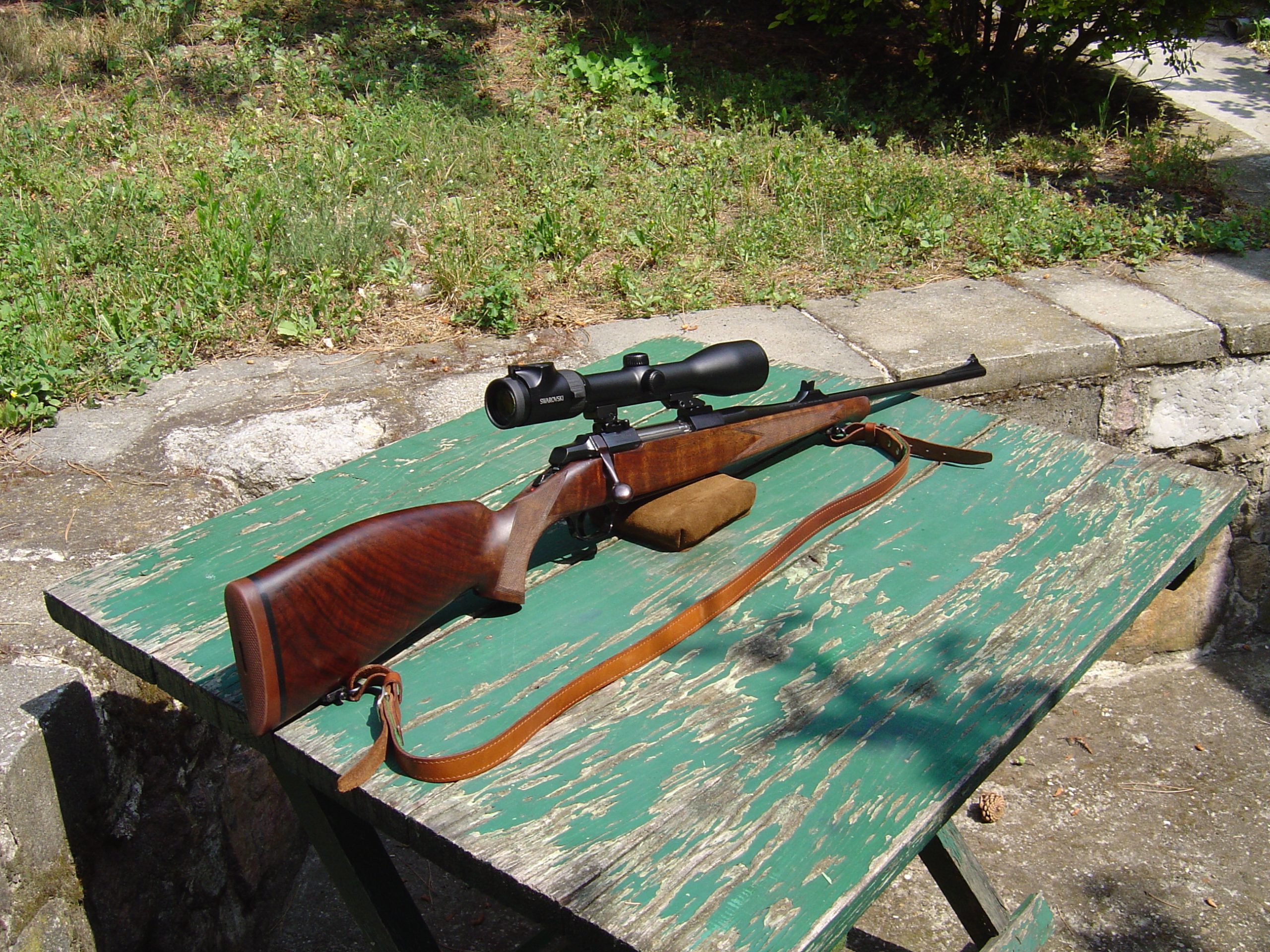
Safety differences influence ongoing debate, as bolt-action rifles use a straightforward mechanism with fewer internal components, making operation predictable under stress. Their rotational bolt movement adds an intentional step when chambering or unloading, which some shooters consider reassuring. Straight-pull rifles rely on more complex locking systems that function securely but require familiarity to ensure proper engagement. Modern safety features, including improved trigger systems and reinforced chambers, continue to reduce risks. Perception often depends on personal experience rather than mechanical capability alone.
Field Reliability
Field reliability remains a defining trait of bolt-action rifles, which withstand dust, moisture, and temperature extremes due to their simplified construction. These rifles perform exceptionally well in remote terrain where maintenance opportunities are limited. Straight-pull rifles operate reliably in most conditions but may be more affected by debris due to tighter tolerances within the action. This distinction becomes noticeable during extended outings or harsh-weather travel. Manufacturers work to strengthen both platforms through updated coatings and reinforced components to improve long-term durability.
Maintenance Needs

Maintenance requirements differ between systems because straight-pull actions incorporate additional moving parts that demand more frequent cleaning to sustain smooth operation. Bolt-action rifles offer easier disassembly and access to key components such as the bolt body, firing pin, and lugs. This simplicity appeals to hunters who value straightforward upkeep. Straight-pull owners often emphasize the importance of routine inspection to maintain optimal cycling speed. Each system benefits from proper care, but bolt actions typically require fewer steps to remain functional in demanding environments.
Weight and Handling
Handling characteristics vary as bolt-action rifles often feature traditional profiles that promote balanced weight distribution, supporting stable aiming across diverse terrain. Straight-pull rifles may incorporate lightweight materials to increase maneuverability, although design choices can shift balance depending on barrel length and stock geometry. These differences affect fatigue levels during long days in the field. Shooters often select rifles based on preferred handling style and environmental conditions. Both systems offer customizable configurations that support various hunting approaches and comfort preferences.
Price Considerations
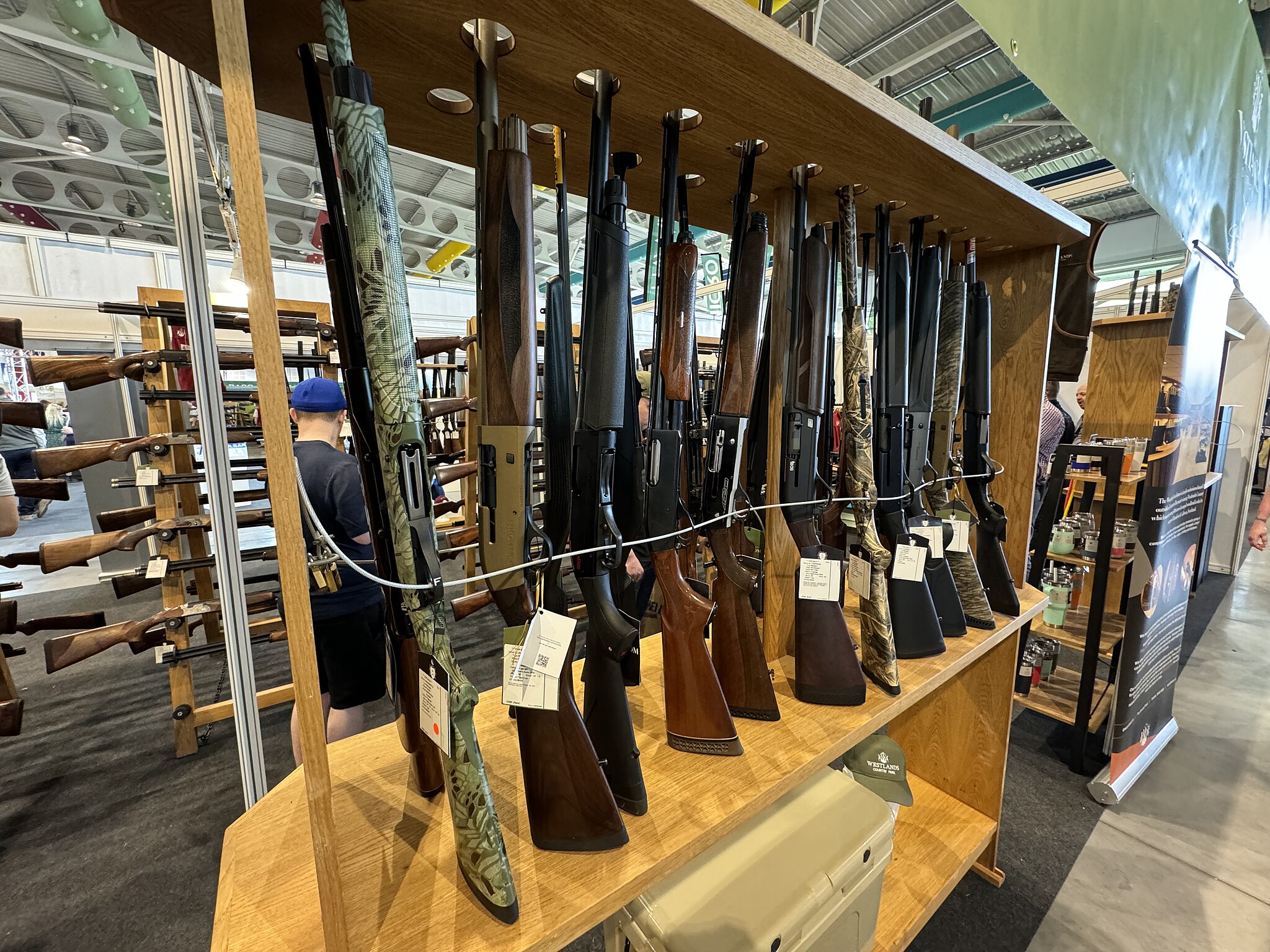
Price disparities influence purchasing decisions because straight-pull rifles generally cost more due to specialized engineering, advanced locking mechanisms, and lower production volume. Bolt-action rifles remain available across a wide range of price points, providing options for beginners and experienced hunters alike. Higher costs associated with straight-pull systems often reflect performance and speed advantages valued by certain users. Budget-conscious shooters may prioritize reliability and versatility found in bolt-action models. These financial differences shape perceptions of long-term practicality and overall value.
Tradition vs. Innovation
The comparison between bolt-action and straight-pull rifles extends beyond mechanics and enters cultural territory, as bolt actions symbolize longstanding hunting traditions rooted in simplicity and proven performance. Straight-pull rifles represent innovation driven by faster cycling, ergonomic improvements, and modern engineering. Some hunters prefer honoring established methods, while others welcome technological change. Both perspectives contribute to the ongoing debate about which system best supports contemporary field demands. The industry continues offering diverse models to accommodate tradition-focused users and those seeking advanced operational speed.