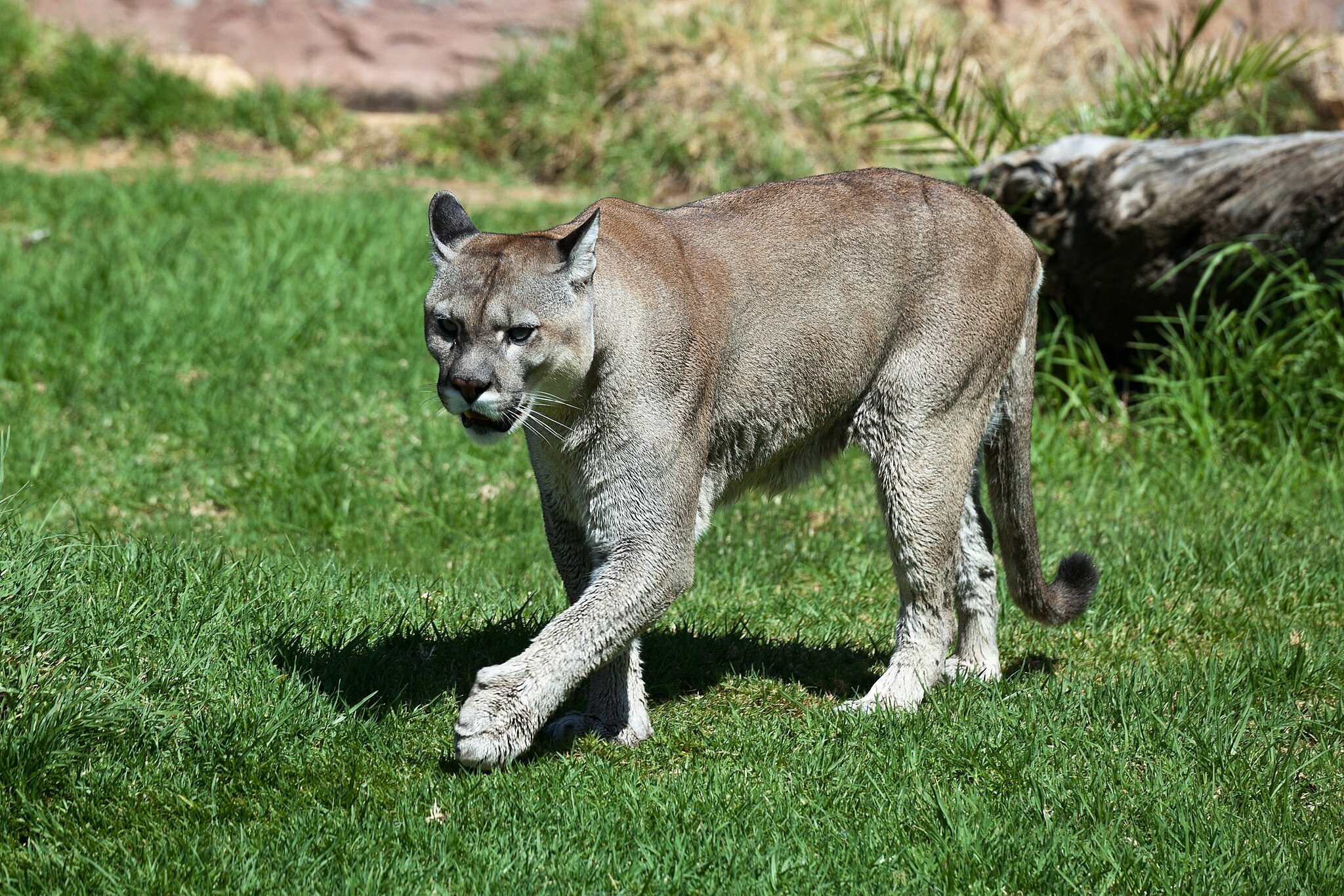
Mountain lions, also known as cougars or pumas, remain one of North America’s most elusive predators. They are rarely seen, yet their range stretches across vast portions of the United States. Encounters are uncommon, but understanding where these animals live and how they behave is essential for hikers, campers, and rural residents. Mountain lions are highly adaptable, thriving in forests, deserts, mountains, and even areas near growing communities. Awareness reduces unnecessary fear while helping people stay safe in regions where these cats are present. The following states are among the most notable habitats where paying attention to surroundings is especially important.
1. California
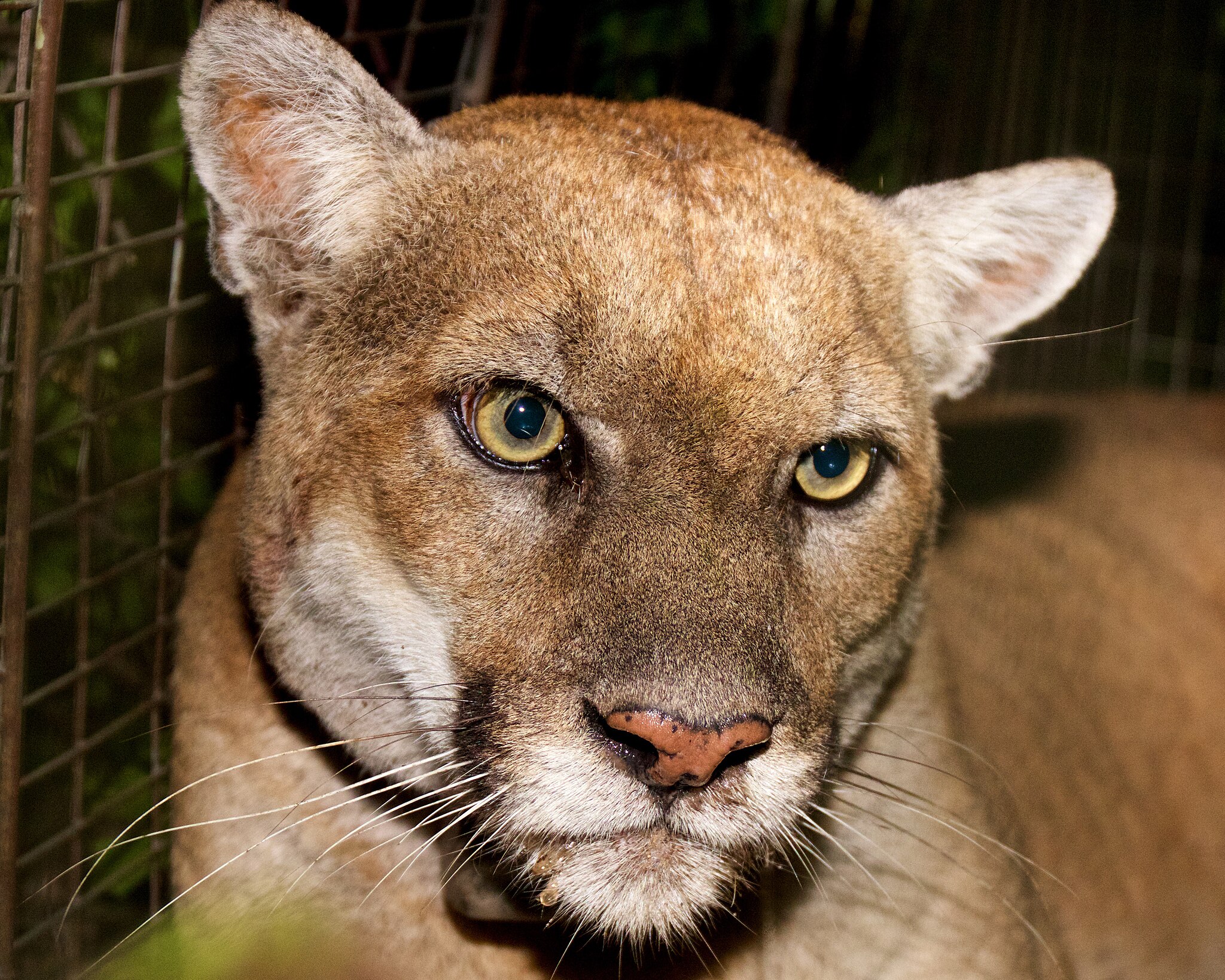
In California, mountain lions occupy an extraordinary variety of landscapes, from coastal hills to rugged inland ranges. The state’s vast wilderness, combined with expanding suburbs, often places people and wildlife in closer proximity. Sightings frequently occur near foothill communities, where deer populations provide reliable prey. These lions typically avoid humans, moving quietly through territories that can span hundreds of square miles. Outdoor enthusiasts exploring parks or backcountry trails should remain alert, particularly at dawn or dusk when lions are most active. Maintaining visibility, securing pets, and avoiding solitary movement in remote areas are practical precautions. California’s environment offers ideal cover, making awareness more valuable than anxiety.
2 . Colorado
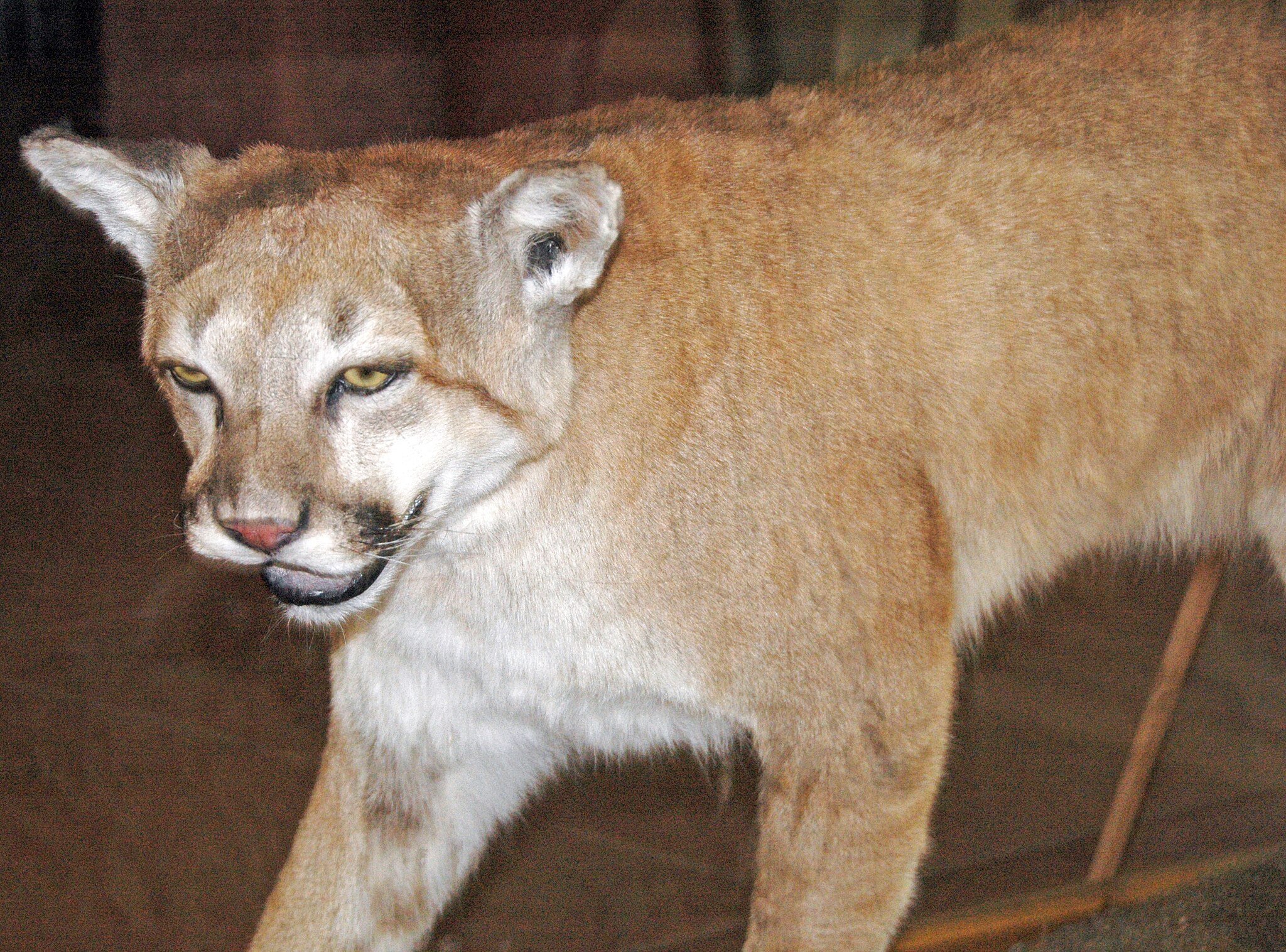
Colorado provides classic mountain lion habitat, with dense forests, rocky terrain, and abundant prey species. The state’s extensive trail networks and outdoor recreation culture increase the likelihood of occasional encounters. Lions favor areas with natural concealment, often using elevation and vegetation to observe their surroundings without being noticed. Although attacks remain exceptionally rare, understanding lion behavior helps reduce risk. Calm reactions, steady posture, and giving the animal space are widely recommended responses if one is observed. Many residents coexist with these predators without incident, yet seasonal factors such as migration patterns and food availability influence movement. Colorado’s dramatic scenery supports both thriving wildlife and responsible outdoor activity.
3. Montana
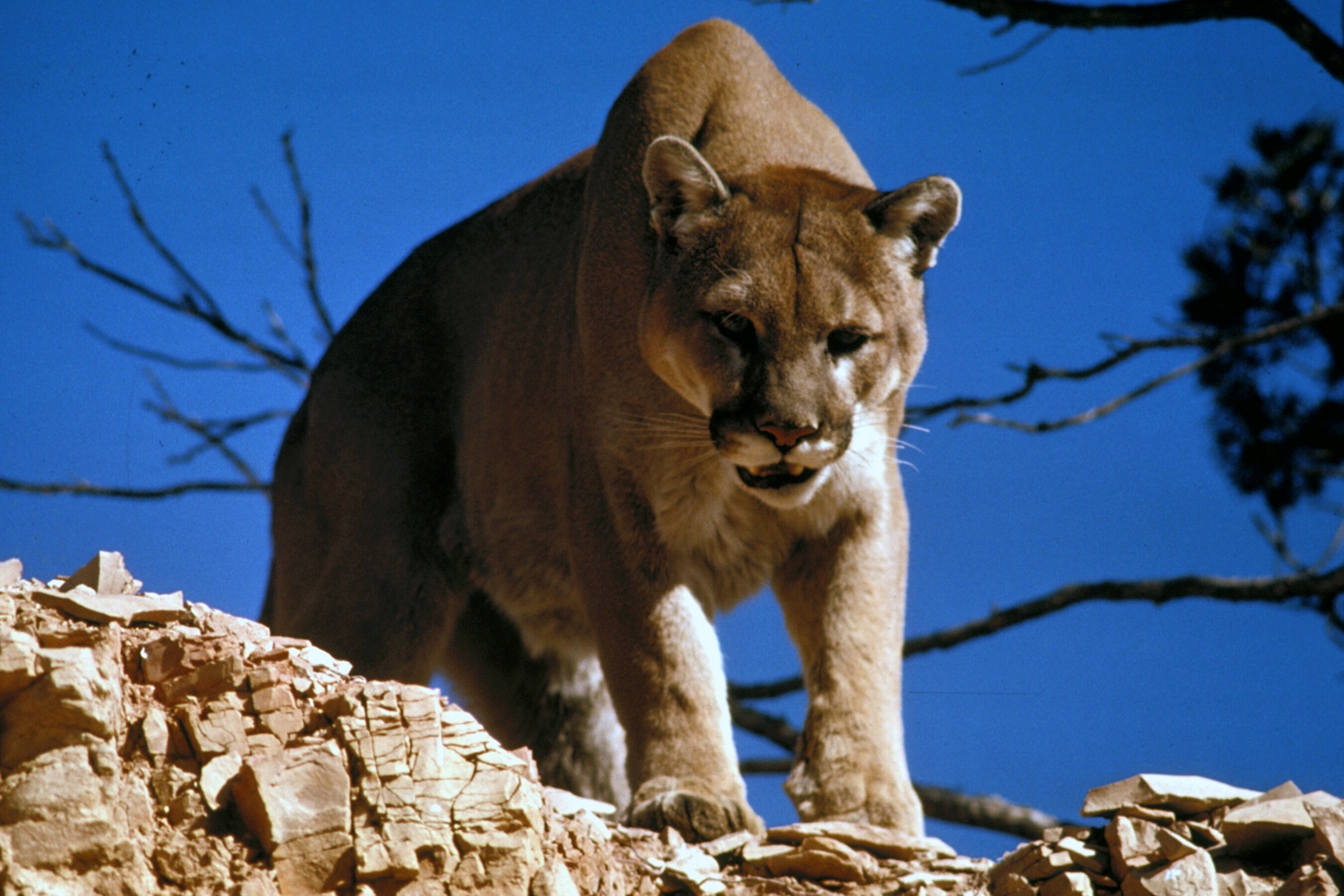
Wide-open spaces define Montana, yet mountain lions flourish in its mountain ranges, river corridors, and wooded valleys. The state’s relatively low population density allows these animals to maintain expansive territories with minimal disturbance. Hunters, hikers, and ranchers occasionally report tracks or fleeting glimpses rather than direct sightings. Lions play a significant ecological role, regulating prey populations and shaping the natural balance. Awareness becomes particularly relevant in remote terrain where human presence is limited. Traveling in groups, observing fresh tracks, and maintaining situational awareness are common safety habits. Montana’s landscapes reflect the enduring presence of large predators, reminding visitors that wilderness areas remain shared environments.
4. Arizona
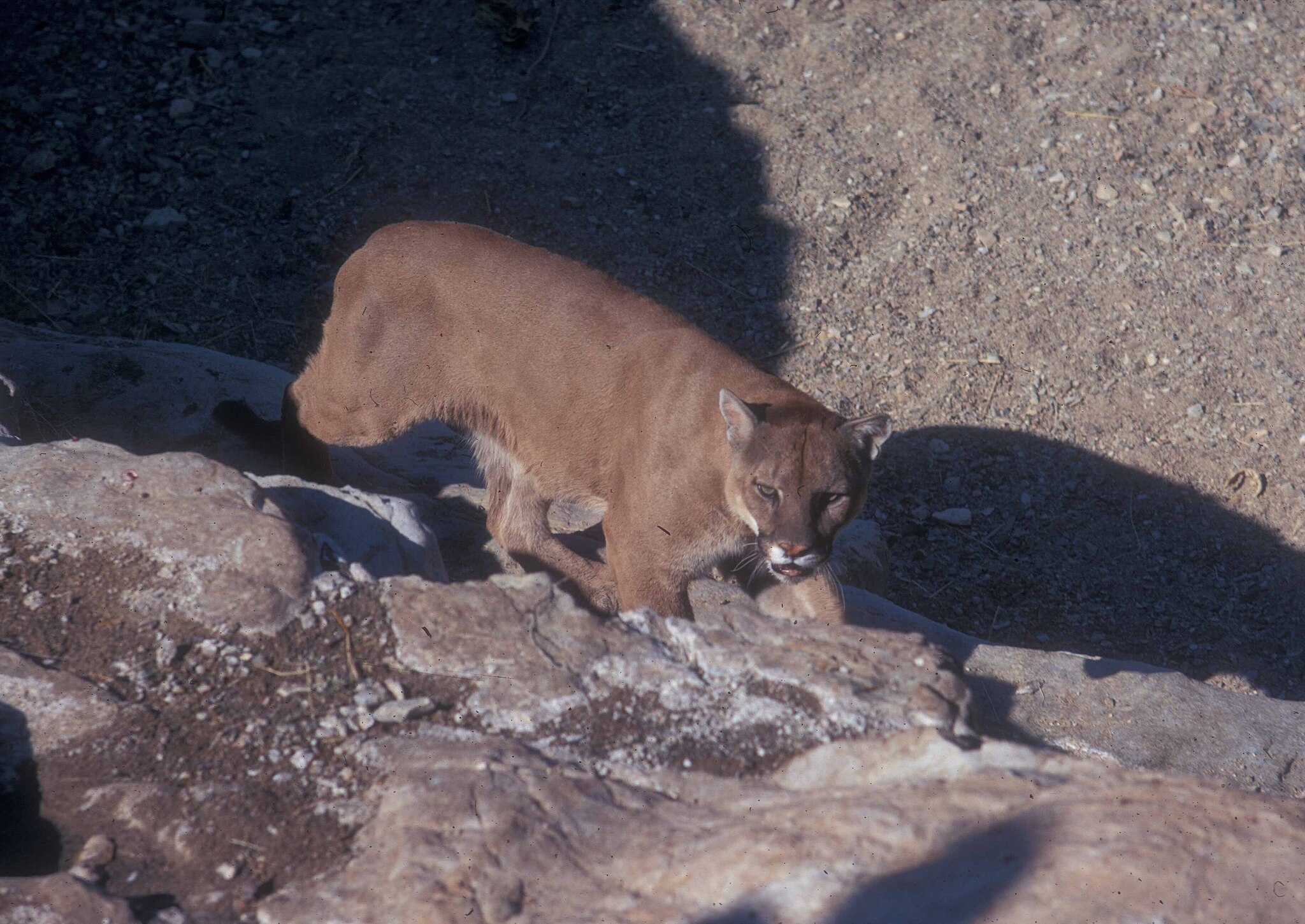
Desert imagery often dominates perceptions of Arizona, yet mountain lions are widely distributed across its varied ecosystems. From arid lowlands to forested high elevations, these cats demonstrate remarkable adaptability. Water sources, canyon systems, and prey availability strongly influence their movement. Encounters tend to be brief, with lions retreating once aware of human presence. Still, outdoor travelers should remain mindful when navigating isolated trails or rugged terrain. Visibility, noise, and attentiveness reduce surprise interactions. Arizona’s dramatic geography offers ample hiding places, allowing lions to remain unseen even in frequently visited areas. Respect for wildlife and habitat awareness enhances both safety and appreciation of the state’s natural diversity.
5. Utah
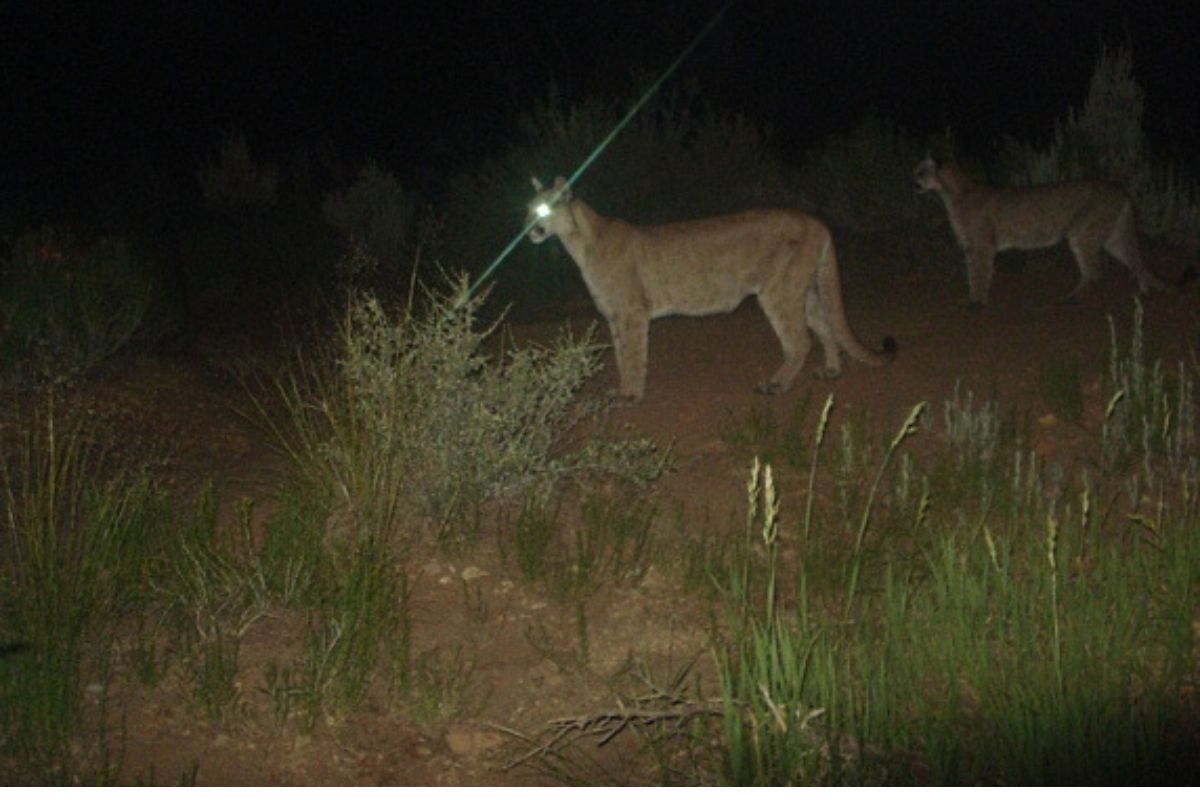
Mountain lions inhabit much of Utah, where rocky landscapes, desert expanses, and mountainous regions provide excellent shelter. The state’s thriving outdoor culture places many people in lion territory, particularly in backcountry settings. These predators rely on stealth, typically avoiding confrontation while maintaining distance from human activity. Observing tracks or signs of prey can indicate recent presence. Practical precautions include securing food sources, supervising pets, and remaining attentive during low-light hours. Utah’s scenery supports rich biodiversity, making coexistence with large carnivores part of the outdoor experience. Preparedness and calm awareness allow residents and visitors to explore confidently without exaggerating the actual level of risk.
6. Texas
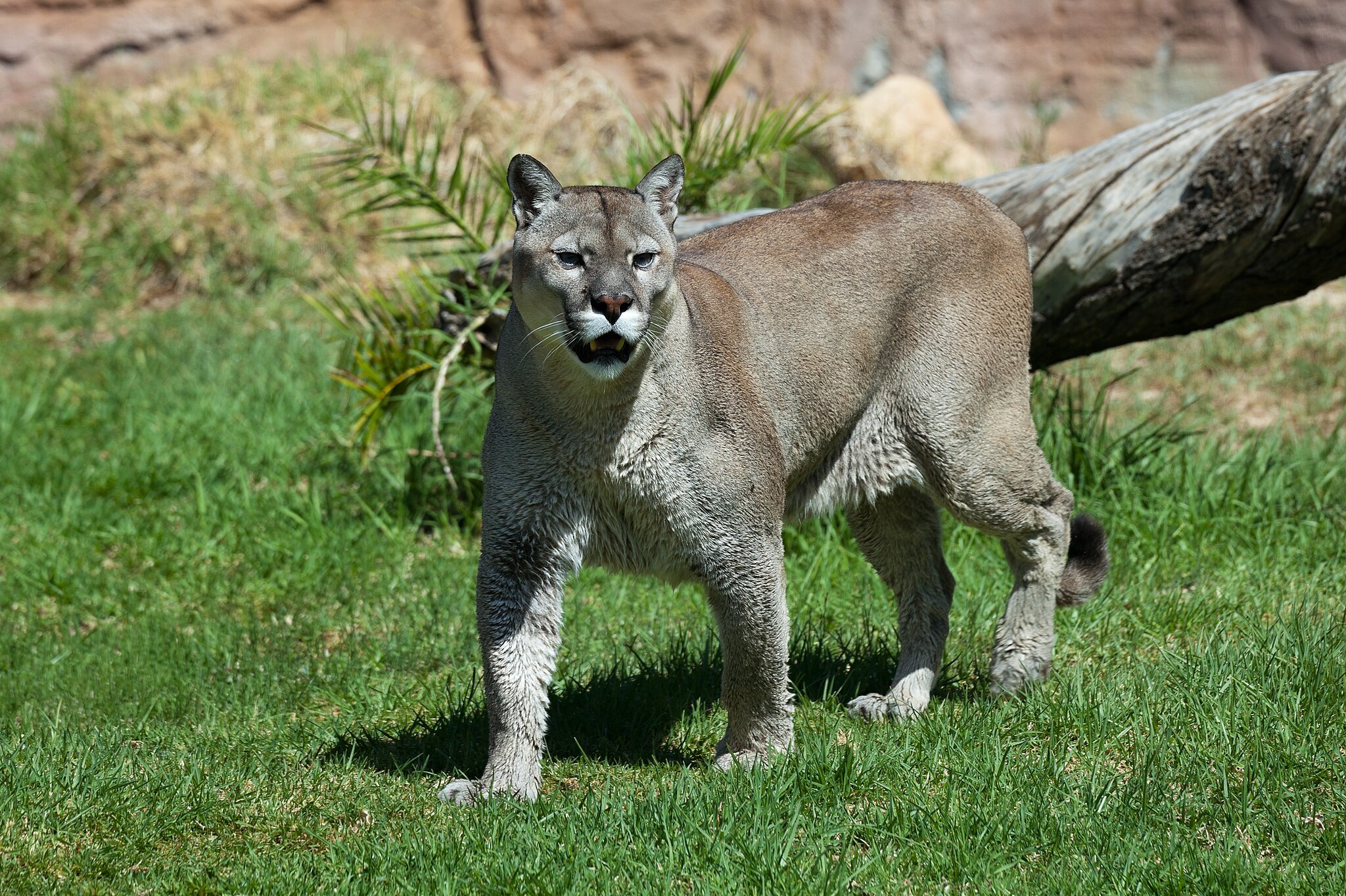
Although less commonly associated with mountain lions, Texas maintains a smaller but persistent population, primarily in western and southern regions. Vast ranchlands, desert terrain, and remote mountain areas offer suitable habitat. Verified sightings occur infrequently, contributing to the ongoing debate regarding distribution and numbers. These lions remain highly secretive, often detected through tracks, camera images, or livestock observations. Rural residents and travelers in remote areas benefit from basic awareness rather than alarm. Understanding that lions generally avoid humans helps maintain perspective. Texas illustrates how adaptable predators can survive across diverse environments, reinforcing the importance of respecting wildlife presence even in regions where encounters appear unlikely.
7. Florida
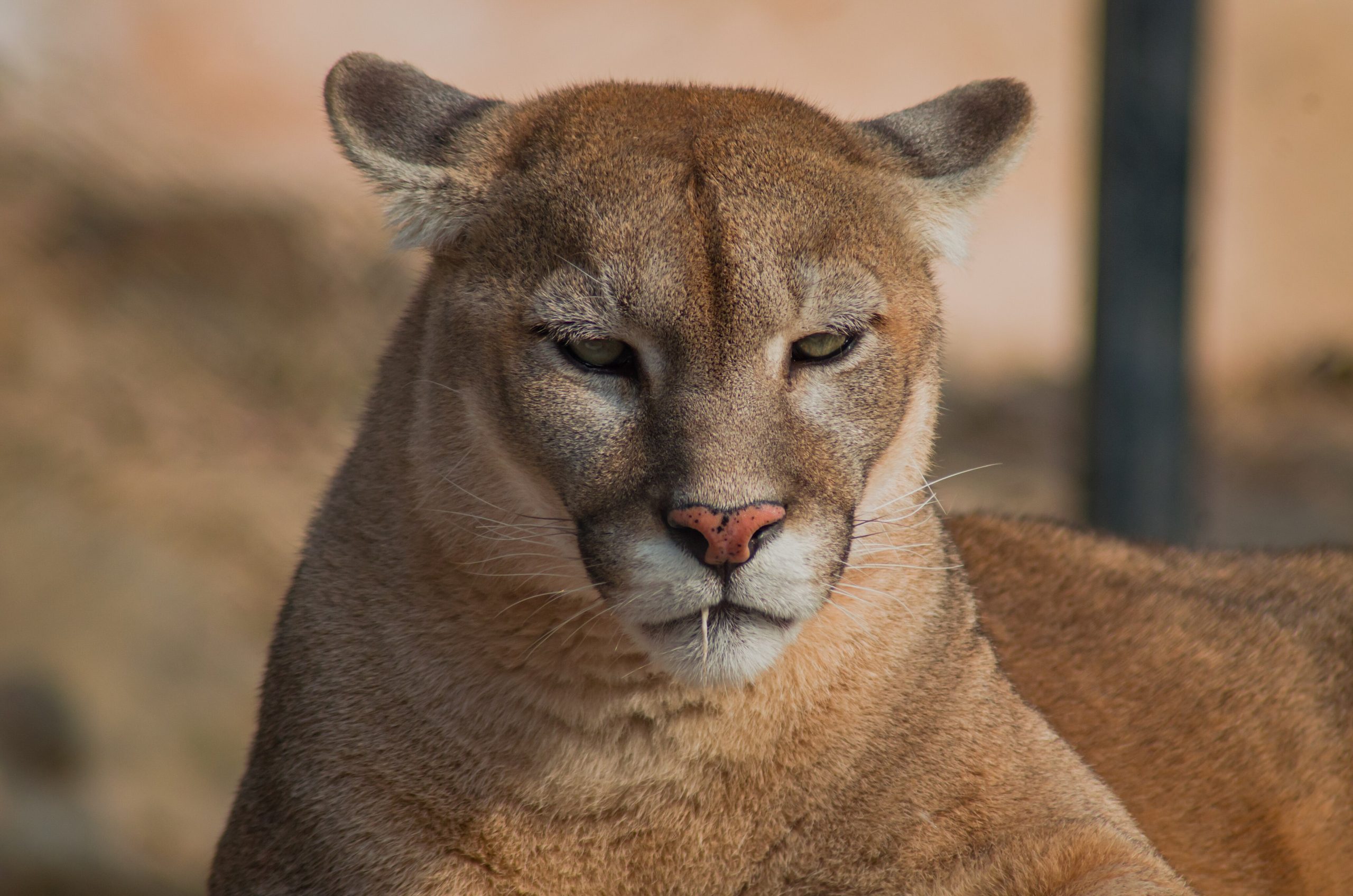
In Florida, the Florida panther represents a rare and protected subspecies of mountain lion. These animals inhabit limited areas, primarily within southern habitats where conservation efforts focus on recovery and survival. Panthers rely on dense vegetation and remote spaces, making direct observations extremely unusual. Habitat loss and vehicle collisions remain significant challenges, highlighting the delicate balance between development and preservation. Residents and visitors rarely face danger, yet awareness supports conservation and safety alike. Respecting wildlife crossings, preserving natural corridors, and avoiding disturbance contribute to protection. Florida’s panther symbolizes both ecological resilience and the ongoing responsibility required to sustain large predators within modern landscapes.