Learning to avoid these 8 pistols that jam in critical situations ensures a much higher level of personal safety and mechanical reliability for every owner today. While many modern firearms function perfectly under a variety of conditions, certain specific models possess inherent design flaws that lead to frequent and unpredictable malfunctions. These technical issues often arise from poor quality control or the use of subpar materials during the initial manufacturing process in the factory. Selecting a dependable tool for protection requires focusing on proven performance rather than just looking for the lowest possible price tag in a local shop.
The Diamondback DB9

The Diamondback DB9 is a micro compact nine millimeter pistol that is frequently cited for its very finicky nature regarding different types of ammunition. Many owners report that the firearm experiences frequent failures to feed and extract during even light practice sessions at the local shooting range. The extremely small and lightweight design results in intense recoil that can easily cause the shooter to limp-wrist the weapon during a sequence. This lack of reliability makes it a very poor choice for anyone who needs a dependable tool for a high-stakes defensive encounter in a real-world crisis.
The Remington R51
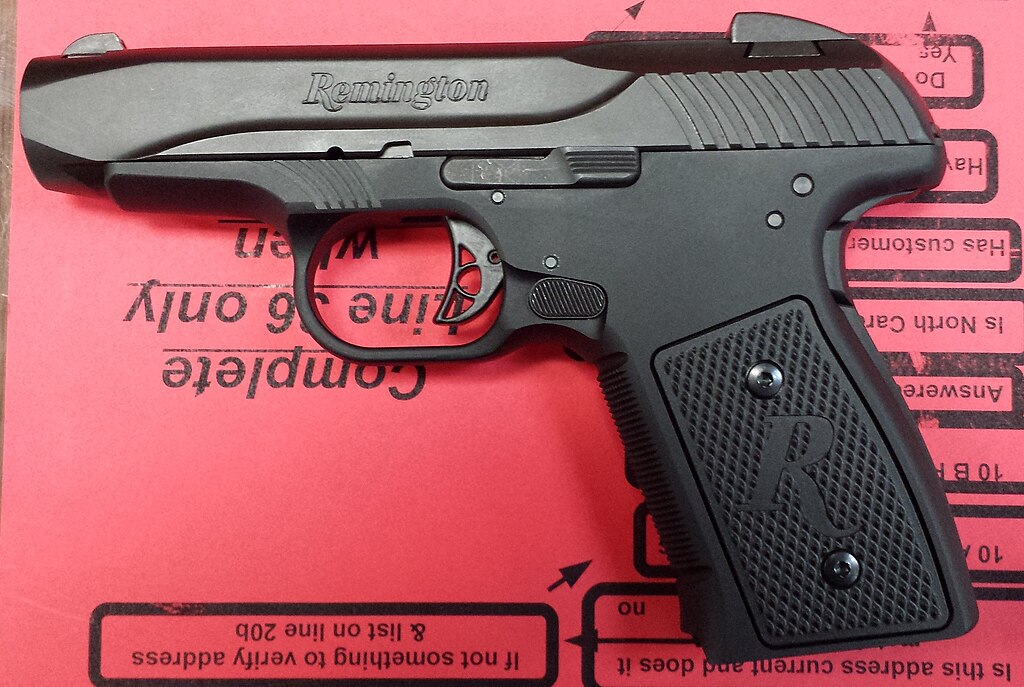
The Remington R51 utilized a unique Pedersen hesitation lock action that was supposed to reduce felt recoil and allow for faster shots. Unfortunately, the modern production models suffer from massive reliability problems and frequent jams that occur even during light use with high-quality ammunition today. The complex assembly process also meant that any basic field maintenance was a difficult task for the average owner to perform correctly. When rushed, the unpredictable nature of the action often resulted in failures to feed or extract properly, which could leave a person vulnerable and in great danger during a stressful emergency.
The Walther P22
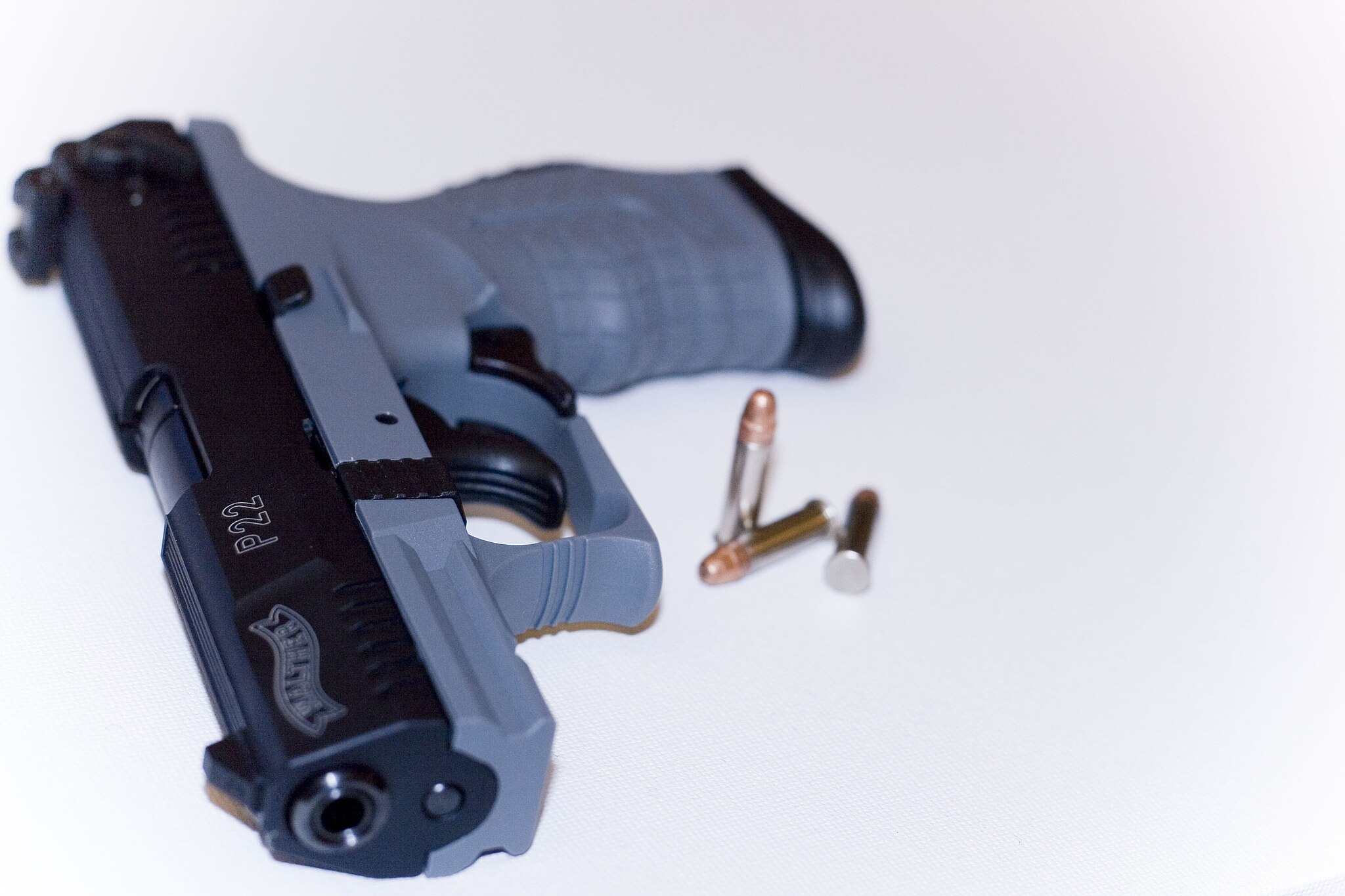
The Walther P22 is a popular rimfire pistol that often suffers from significant cycling issues when used with anything other than high-velocity ammunition. Many shooters experience frequent stovepipe malfunctions where the spent casing becomes trapped in the slide during the firing cycle. This problem is often exacerbated by the use of inexpensive zinc alloys in the construction of the slide, which can wear down quickly. While it is a fun tool for casual practice at the range, its inconsistent performance makes it unsuitable for any serious defensive application where absolute and total reliability is required.
The Kel Tec P3AT
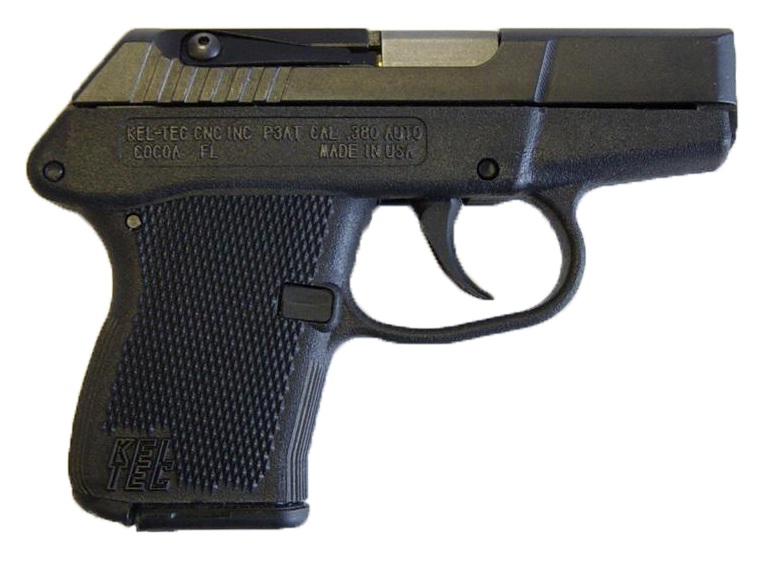
The Kel-Tec P3AT was a pioneer in the ultra-lightweight pocket pistol market, but its minimal weight results in a very snappy recoil. This harsh movement makes follow-up shots difficult to track and can cause the shooter to lose their proper grip during a sequence. The long and somewhat vague trigger pull requires a full reset, which is easy to short-stroke when a person is panicked. Its lack of prominent sights makes it strictly a point shoot weapon at very close ranges. This firearm demands significant practice to overcome its inherent and very small physical limitations today.
The Jimenez Arms JA380
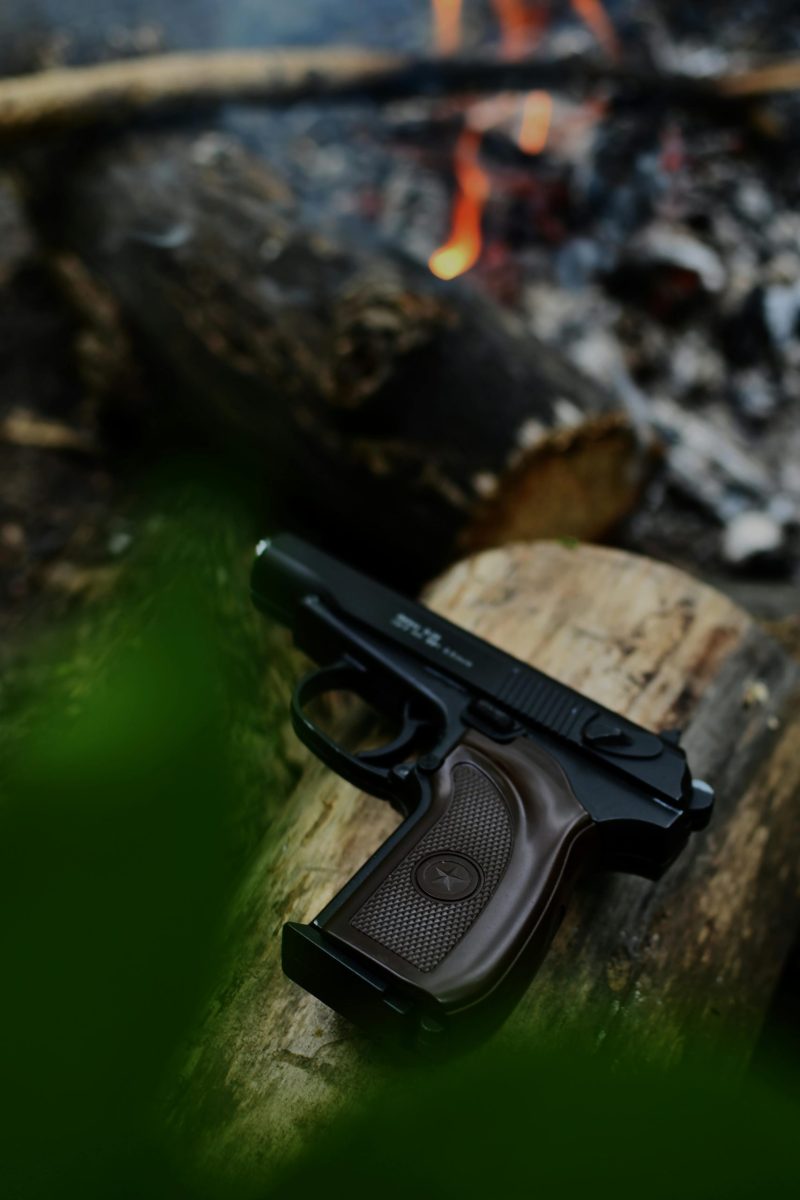
The Jimenez Arms JA380 frequently appears on lists of firearms that expert shooters recommend avoiding due to its very poor structural integrity. This small pistol utilizes inexpensive alloys that can develop cracks or even shatter under the intense pressure of repeated and regular firing sessions. Many owners report frequent jams and failures to eject that make the weapon nearly useless for any reliable defensive application in a crisis. The lack of consistent quality control means that every individual unit might possess different and hidden defects that could lead to a very dangerous and unexpected malfunction for the user.
The Taurus Spectrum
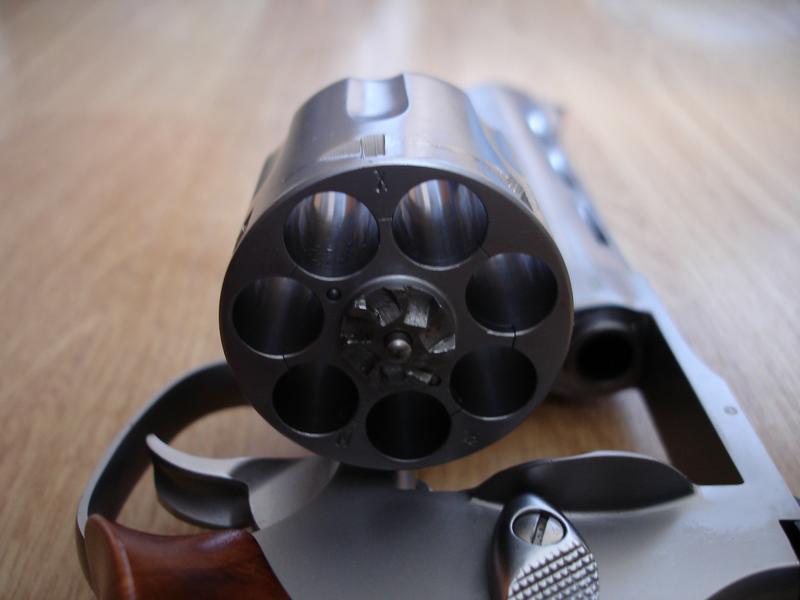
The Taurus Spectrum was designed to be a stylish and ergonomic pocket pistol, but it faced numerous reports of light primer strikes and failures to fire. These mechanical issues often stem from a complex firing pin assembly that is sensitive to debris and different brands of primer. When a person needs their weapon to function immediately, a failure to ignite the cartridge is a catastrophic and very dangerous event. While the colorful rubber inserts provide a good grip, the underlying reliability of the firearm remains a major concern for many defensive experts. Consistency is the most important factor for safety.
The Kahr CW380

The Kahr CW380 is a high-quality and very slim pistol, but it often requires a long and tedious break-in period before it functions reliably. Many owners experience frequent jams during the first few hundred rounds, which can be very frustrating and expensive for a new shooter. Even after the break-in period, the firearm can remain picky about the specific profile of the bullet being used. This level of sensitivity is a significant drawback for a tool intended for personal protection, where every second counts. Most people prefer a weapon that works perfectly right out of the box.
The Beretta Pico
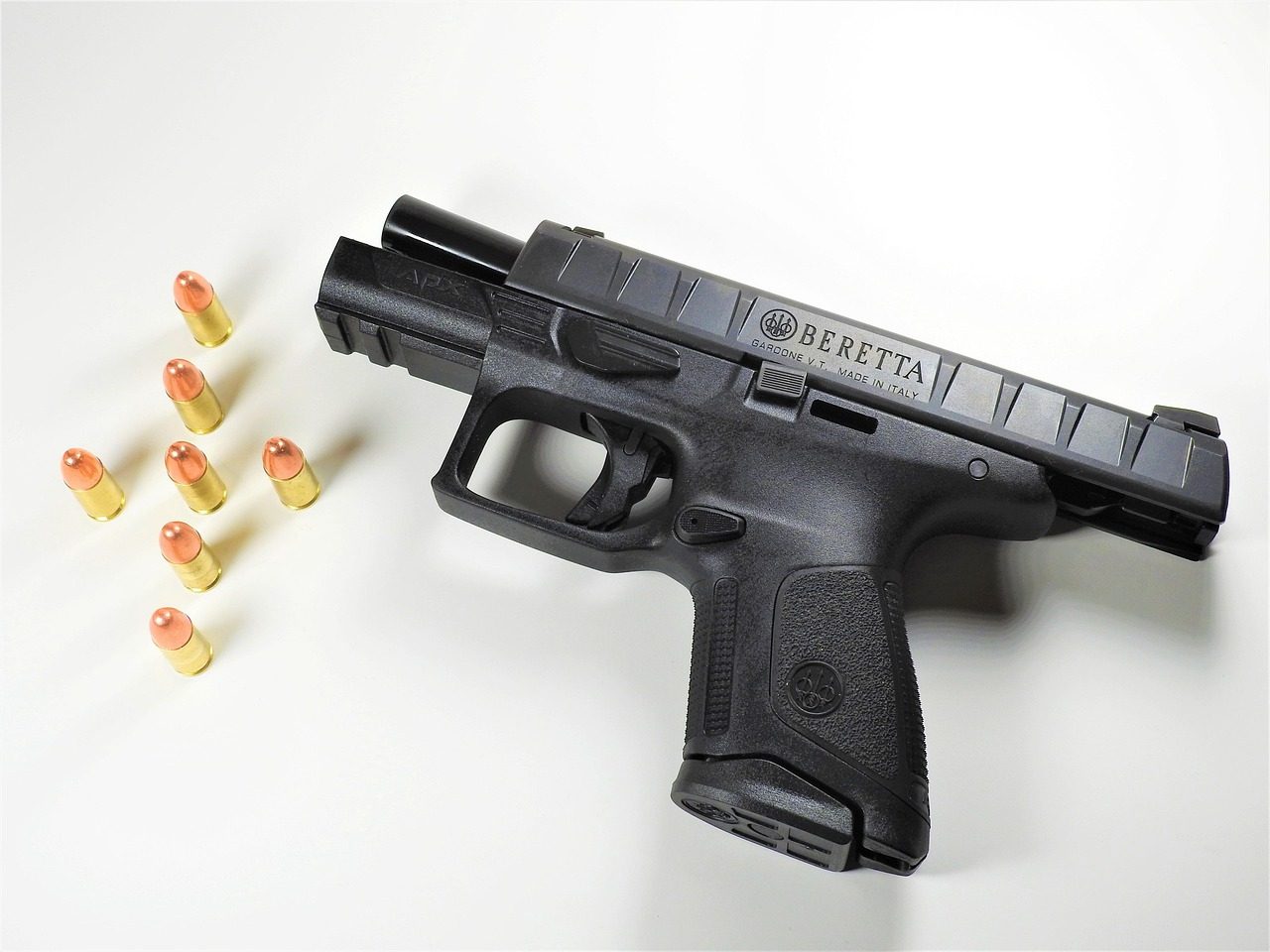
The Beretta Pico is one of the thinnest pistols on the market, but its extremely stiff recoil spring makes manipulating the slide very difficult. This heavy tension often leads to failures to cycle properly if the shooter does not maintain a perfect and very firm grip. The small and flush controls are also hard to operate quickly when the hands are sweaty or under the pressure of a high-stakes encounter. Many users find that the overall ergonomics hinder their ability to clear malfunctions or reload with speed. It is a design that prioritizes thinness over functionality and reliability.