Modern camping has quietly shifted from simple canvas shelters to innovative outdoor tech, and smart tents are quickly becoming the next major step for wilderness travelers. These upgraded shelters combine traditional durability with intelligent features that help campers stay safer, sleep better, and make smarter decisions in changing environments. While they don’t replace skill or situational awareness, their purpose is to support bushcrafters and backcountry explorers by reducing guesswork and improving comfort without interrupting the natural experience.
Weather-Adaptive Fabric That Responds Instantly
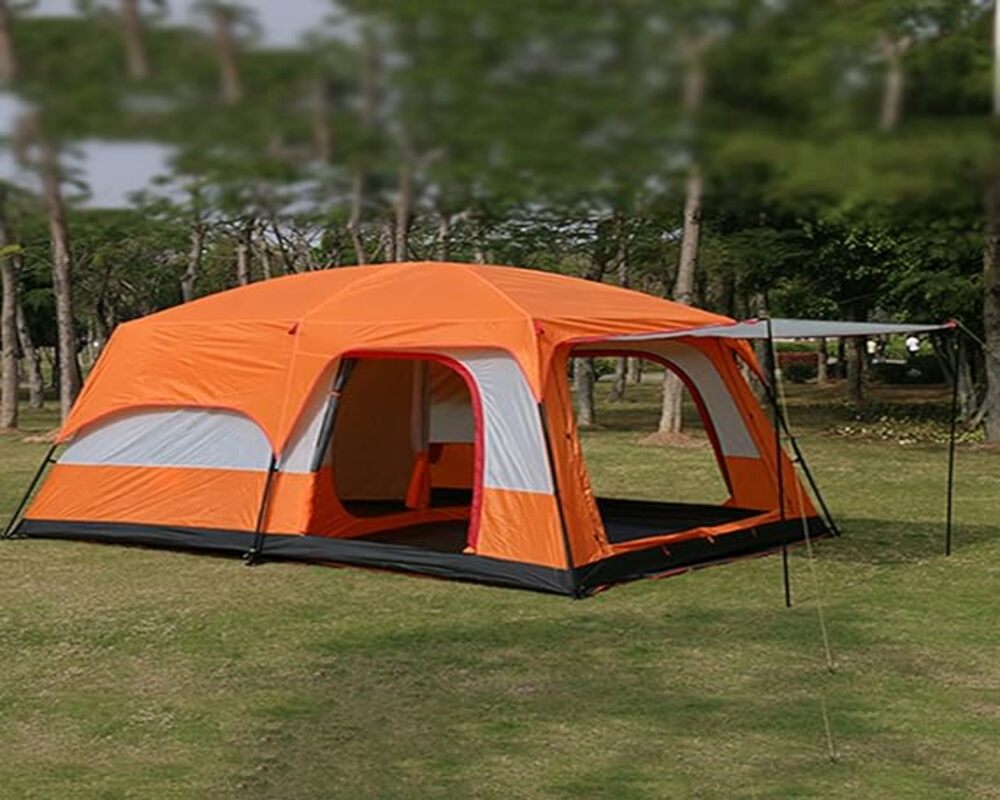
Smart tents featuring dynamic fabric systems detect shifts in temperature, wind, and humidity, adjusting ventilation or insulation in real time. This helps prevent condensation buildup on cold mornings and keeps airflow steady during hot weather, creating a more reliable micro-climate inside the tent. These responsive materials reduce the need for constant manual vent tweaking, especially during unpredictable nights. The result is steadier comfort that helps campers focus on rest rather than maintenance tasks around the shelter.
Integrated Power Generation for Essential Devices
A growing number of smart tents incorporate built-in solar panels, flexible battery mats, or small wind-energy modules that gather power throughout the day. These systems keep GPS units, radios, phones, and headlamps charged without relying on bulky external power banks. Even long trips benefit from steady trickle charging, especially when navigating dense forests or remote valleys. While not meant for high-demand electronics, the energy produced is enough to support critical survival tools, giving backcountry travelers a dependable boost.
Climate-Monitoring Hubs for Safer Decision-Making
Some smart tents include compact sensors that track temperature drops, air quality, atmospheric pressure, and moisture levels around the campsite. This real-time information helps campers prepare for sudden storms, freezing nights, or shifting wind patterns. Instead of guessing whether to reinforce guy lines or change layers, users receive subtle warnings that encourage timely action. These data-driven cues offer an extra layer of awareness that complements traditional bushcraft knowledge rather than replacing it, supporting safer overnight stays.
Self-Inflating Frameworks for Faster Setup

Smart tents with self-inflating structures use small air pumps or shape-memory supports to rise into form within minutes. This eliminates fumbling with poles during cold evenings or windy ridgeline conditions, making setup far less stressful after a long hike. Once inflated or expanded, these frames stay rigid and automatically regulate pressure to handle temperature shifts. The simplicity is especially useful for solo travelers who need efficiency without sacrificing structural strength or durability in rugged terrain.
Advanced Ventilation Systems That Reduce Moisture
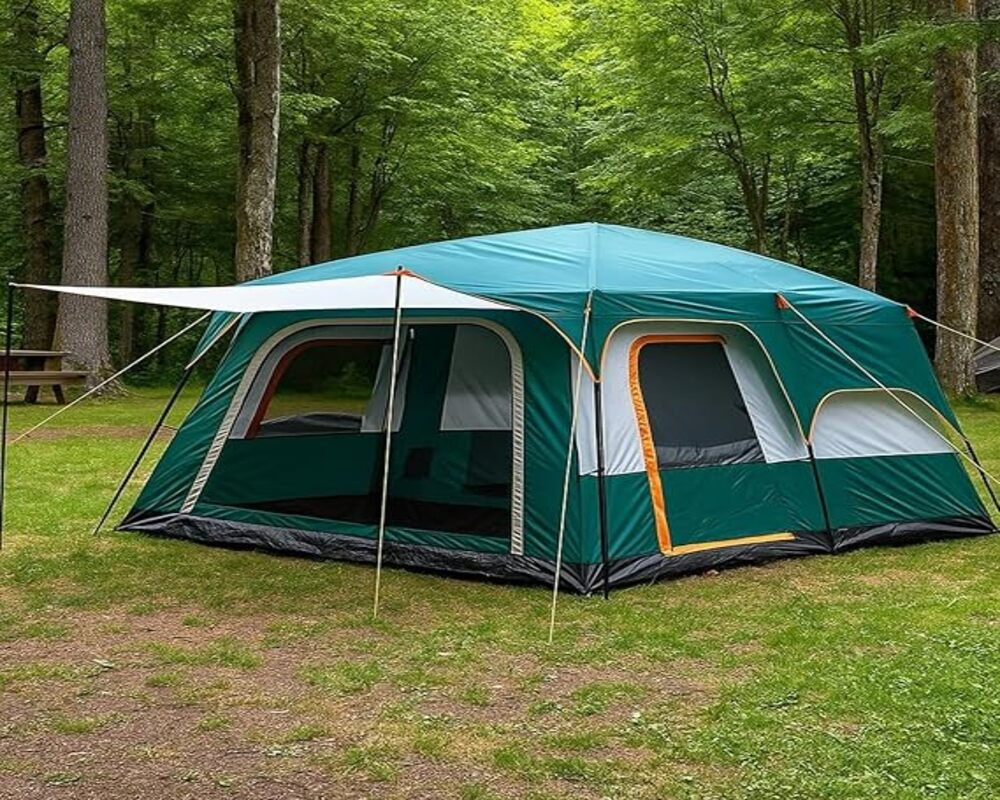
Condensation is one of the most persistent challenges in traditional tents, but modern smart designs use automated vents, responsive mesh zones, and air-cycle pathways to minimize moisture buildup. These systems sense when airflow becomes stagnant and react by opening small channels to keep the interior dry. Campers wake up with fewer damp sleeping bags and reduced gear moisture, which is especially helpful during multi-day trips. This consistent dryness improves comfort and boosts long-term equipment performance outdoors.
Illumination That Adjusts to Camp Conditions
Built-in lighting systems in smart tents automatically adjust brightness based on movement, time of night, or ambient outdoor light. Gentle glow modes reduce strain on the eyes during late-night organizing, while brighter settings activate when campers move inside the tent. Some setups even include pathway lights that guide users back to camp after evening tasks. These lighting options reduce battery waste, increase safety, and create a more organized shelter environment without adding extra lanterns or cords.
Emergency Connectivity for Remote Areas
Certain smart tents feature emergency-signal boosters or low-power satellite ping devices that help travelers notify rescue services when deep in the backcountry. These tools don’t replace dedicated emergency gear, but they provide an extra layer of backup when communication fails. Even weak pings confirming a location can speed up rescue efforts dramatically. The goal isn’t to rely on technology but to support safer exploration by giving wilderness campers a secondary lifeline during difficult situations.
Modular Add-Ons for Personalized Comfort
Smart tent ecosystems often include modular accessories such as attachable vestibules, thermal pads, smart tarps, or adjustable privacy screens. These upgrades allow campers to adapt the tent for winter use, desert trips, or family outings without buying an entirely new shelter. Each module connects seamlessly and maintains stability during shifting weather. This customization offers flexibility for different terrains and seasons, helping travelers stay comfortable while keeping pack weight and gear bulk under control.
Structural Monitoring for High-Wind Protection
Some advanced tents track tension on guy lines, pole stress, and incoming wind direction using lightweight sensors. When risk increases, they notify users via soft signals or visual indicators, allowing quick adjustments before conditions worsen. This helps prevent pole failure or fabric tearing during overnight gusts. The intention isn’t to alarm campers but to enhance awareness of subtle environmental changes. These alerts can save both gear and safety, especially in exposed mountain or lakeside campsites.
Smarter Storage and Organization Inside the Tent
Intelligent interior design in smart tents includes weight-sensing pockets, reorganizing panels, and magnetic attachment points that keep gear tidy even after long days of movement. These systems help campers avoid clutter, reduce tripping hazards, and locate essential items during low-light hours. With everything stored more efficiently, the tent feels larger and more manageable. This simple improvement contributes to better rest, less morning stress, and a smoother camping rhythm that feels both natural and thoughtfully engineered.