When archaeologists first surveyed the quiet farmland, the discovery looked unimpressive. Thin metallic lines appeared beneath the soil, resembling discarded modern wire or remnants of agricultural equipment.
Nothing about the initial scans suggested history-changing importance. But as the excavation deepened, it became clear this wasn’t junk or infrastructure.
The metal fragments followed deliberate patterns, bent and coiled in ways that made no practical sense for farming.
What researchers uncovered instead was evidence of carefully buried Viking-era silver, hidden in plain sight for more than a thousand years.
The find challenged assumptions about how Viking treasure was concealed, how it deteriorates underground, and how easily priceless history can be mistaken for debris.
Why Archaeologists Mistook It for Modern Wire
The earliest scans showed thin, linear metallic signals that lacked the solid mass typically associated with coins or jewelry.
To experienced surveyors, the shapes resembled fencing remnants or electrical wire left behind by decades of farming.
The pieces appeared fragmented and irregular, reinforcing the assumption that they were modern scrap.
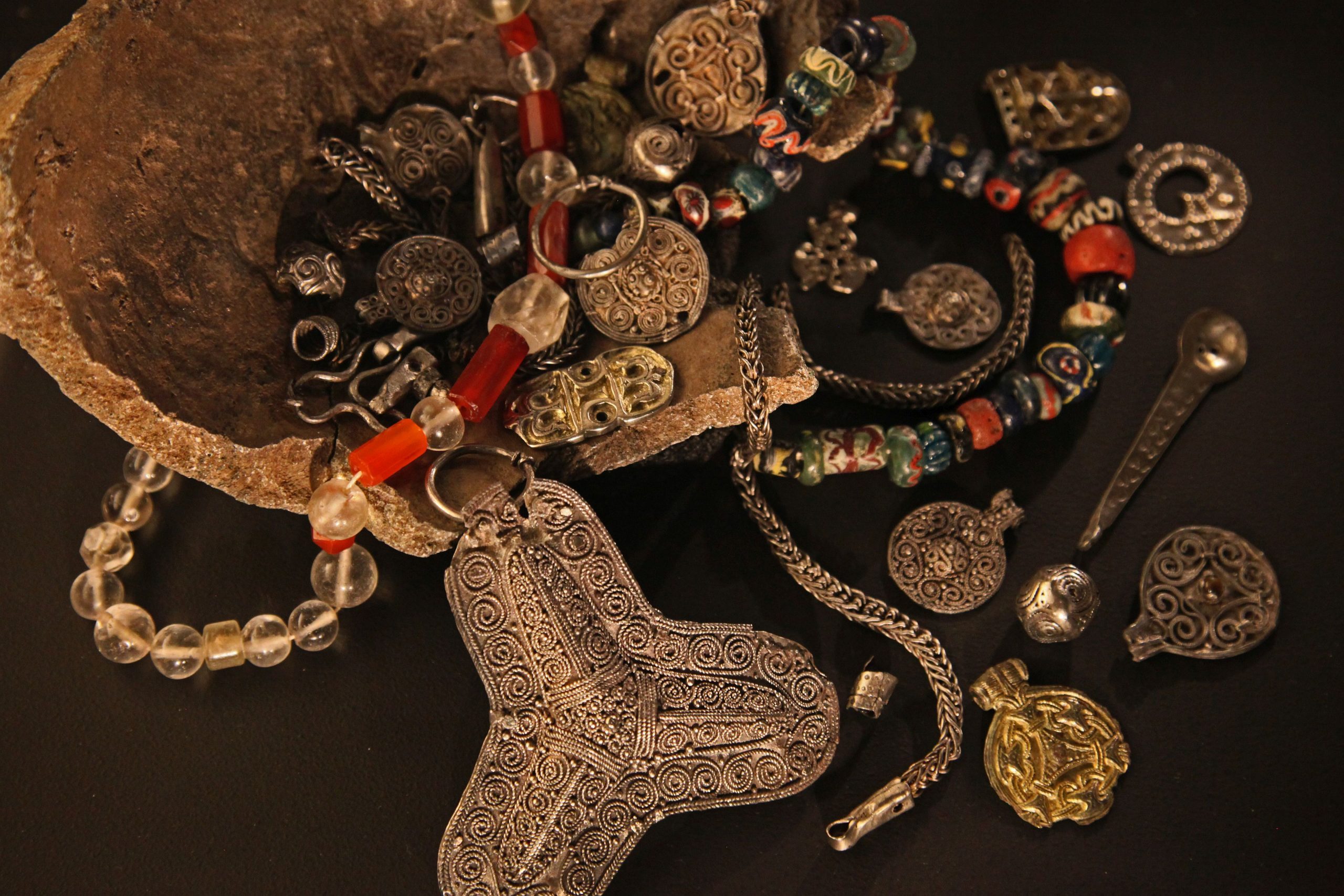
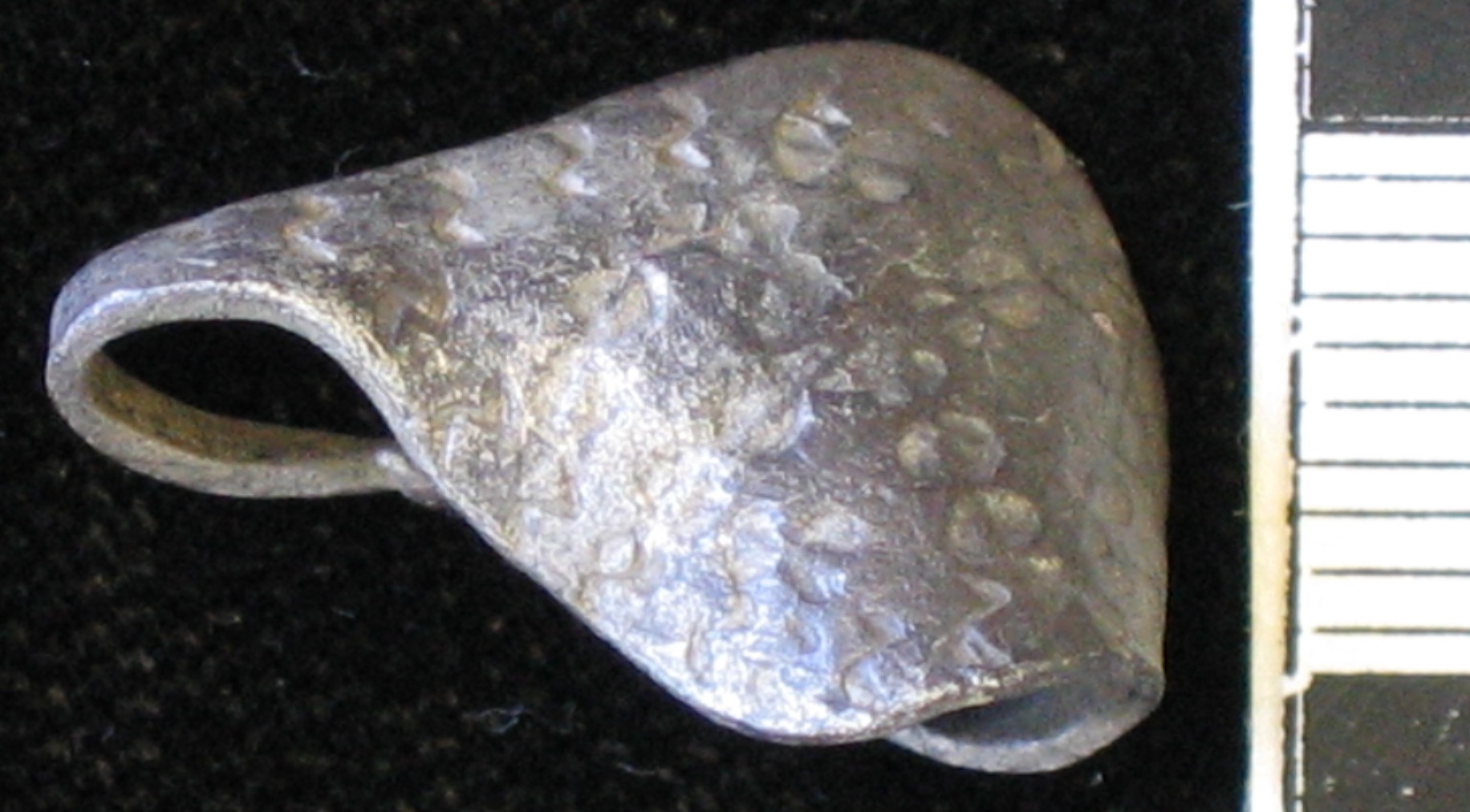
Only after excavation revealed a consistent silver composition did doubts arise. Vikings often cut silver into hack-silver strands for trade, bending and twisting it into portable forms. Over centuries, soil pressure flattened and distorted these pieces, disguising them further.
The misidentification highlights how easily ancient materials can masquerade as modern waste when context is lost underground.
The Viking Practice of Hack Silver Explained
Unlike later monetary systems, Vikings relied heavily on silver by weight rather than coinage alone.
Jewelry, ingots, and foreign coins were cut into smaller pieces called hack silver, allowing flexible trade.
These fragments were often bent or twisted to test purity and ease of storage. Over time, corrosion and compression can make hack silver resemble wire or scrap metal. The farm find matched this pattern precisely.
Each strand showed intentional cutting marks and uniform metal composition. What seemed random was actually organized wealth.
This discovery reinforces how Viking economics prioritized adaptability, and why their buried wealth doesn’t always resemble treasure in the modern imagination.
Why Vikings Buried Treasure on Farmland
Farmland offered an ideal hiding place for portable wealth. It was familiar, defensible, and frequently revisited.
Vikings buried silver during periods of conflict, travel, or uncertainty, expecting to retrieve it later. Many never returned.
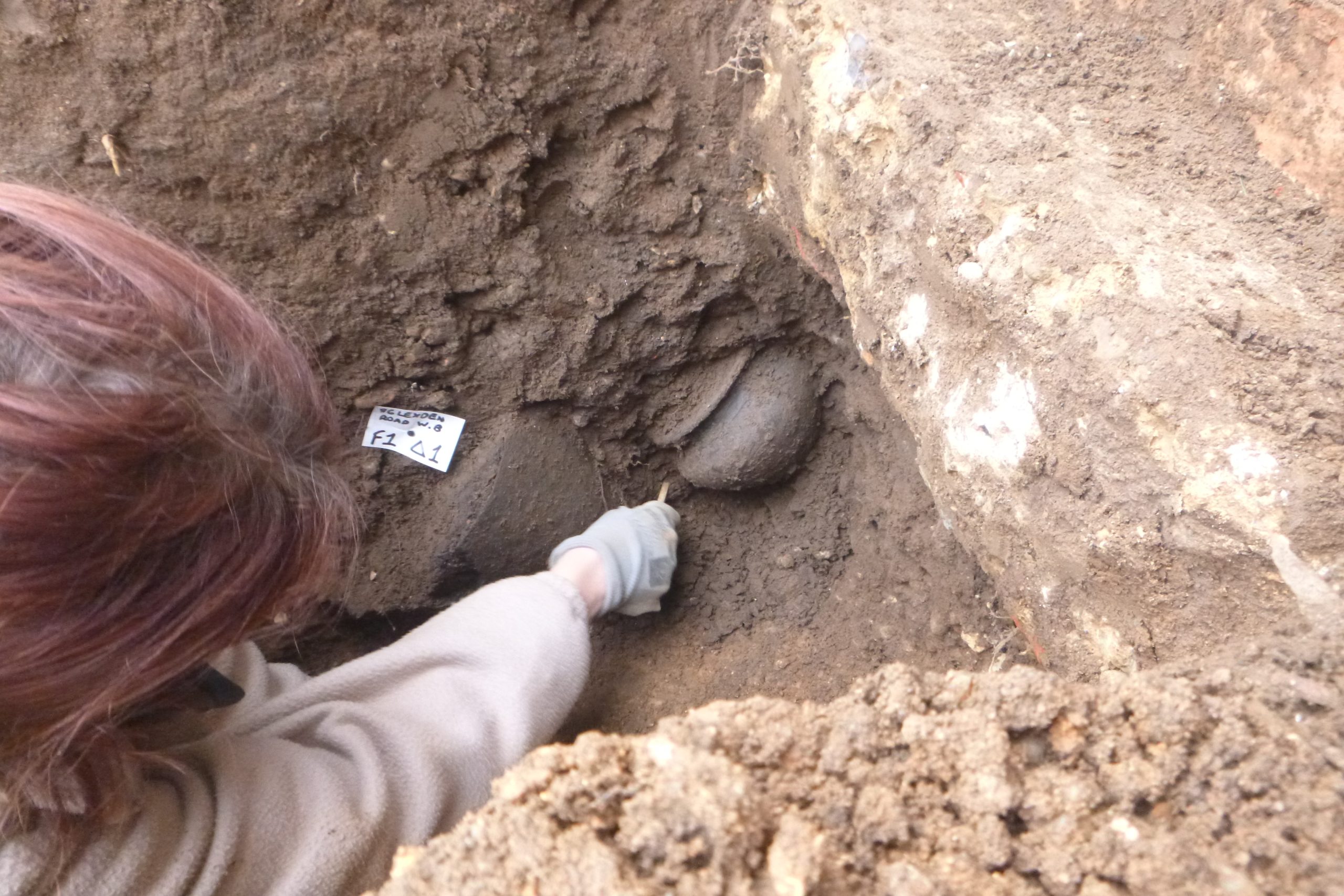
The location suggests deliberate concealment rather than accidental loss. Silver was buried deep enough to avoid casual discovery but shallow enough for memory-based recovery.
Over generations, landmarks changed, and knowledge disappeared. What remained was a silent cache slowly flattening into the soil.
The farm setting underscores how everyday landscapes can conceal extraordinary history, waiting for technology and patience to uncover it.
How Soil Pressure Altered the Silver’s Appearance
Over centuries, the constant weight of compacted soil dramatically reshaped the buried silver. Thin hack-silver strands were slowly flattened, bent, and fractured under pressure from farming activity and natural settling.
Moisture cycles caused subtle corrosion that blurred edges and softened surfaces, further disguising the metal’s original form.
What once had recognizable curves and cuts gradually began to resemble shapeless metallic threads.
This process explains why the discovery lacked the immediate visual cues archaeologists expect from hoards.
The soil didn’t preserve the treasure as a neat cache but transformed it into something deceptively ordinary, proving how time can camouflage valuable artifacts almost perfectly.
What the Silver Revealed About Viking Trade Networks
Once cleaned and analyzed, the silver told a far broader story than its modest appearance suggested.
Metallurgical testing revealed mixed origins, including silver consistent with Middle Eastern and continental European sources.
This confirmed the Vikings’ vast trade networks, stretching far beyond northern Europe. The presence ofhackedk silver instead of intact coins suggests active circulation rather than ceremonial storage.
Each fragment represented a value measured by weight, not origin.
This hoard wasn’t just wealth; it was a snapshot of Viking commerce, showing how global exchange routes funneled precious metals into rural communities that appeared isolated but were economically connected to the wider world.
Why the Treasure Was Never Recovered
The most haunting aspect of the find is its abandonment. Vikings typically buried silver with the intention of returning, often marking locations mentally rather than physically.
War, migration, illness, or death could easily interrupt those plans. Over time, farms changed hands, landmarks shifted, and oral knowledge vanished.
Without written records, the hoard became invisible to history. The silver lay untouched while generations worked the land above it.
Its recovery wasn’t the result of memory but modern technology. This underscores how many similar hoards may still exist, lost not to secrecy but to time’s quiet erasure.
How Modern Survey Technology Changed the Outcome
The breakthrough came from refined metal-detection and mapping tools capable of reading subtle signals rather than just dense concentrations.
Earlier surveys would have dismissed the thin readings as interference or agricultural debris.
Modern instruments allowed archaeologists to layer data, identify repeated patterns, and question assumptions.
The technology didn’t identify treasure outright; it revealed inconsistency. Those inconsistencies prompted careful excavation instead of dismissal.
This find demonstrates how advances in survey methods are rewriting archaeological expectations, allowing overlooked sites to be reexamined.
It also suggests many historic discoveries may have been missed simply because they didn’t match what researchers thought treasure should look like.
Why This Discovery Changes How Hoards Are IHordesied
Traditionally, hoards are associated with dense clusters of coins or intact jewelry. This discovery challenges that framework.
Viking wealth was often fragmented, mobile, and intentionally reshaped. When such materials degrade, they don’t resemble treasure at all.
The farm find forces archaeologists to reconsider how buried wealth presents itself after centuries underground. It encourages broader definitions and more cautious dismissal of unremarkable signals.
By expanding identification criteria, future excavations may uncover more hidden history. What once looked like trash may increasingly be understood as evidence of complex economic behavior rather than random loss.
What the Find Says About History Beneath Everyday Land
Perhaps the most striking lesson is how extraordinary history can exist beneath ordinary ground.
This wasn’t a battlefield or known settlement, but working farmland with no visible signs of importance.
The discovery reminds us that historical narratives are incomplete, shaped by what survives and what is noticed.
Countless stories remain buried beneath modern life, unnoticed and misunderstood. This Viking silver survived not because it was protected, but because it was forgotten.
Its rediscovery reinforces the idea that history isn’t always hidden in dramatic places; it often waits quietly beneath the most familiar landscapes.