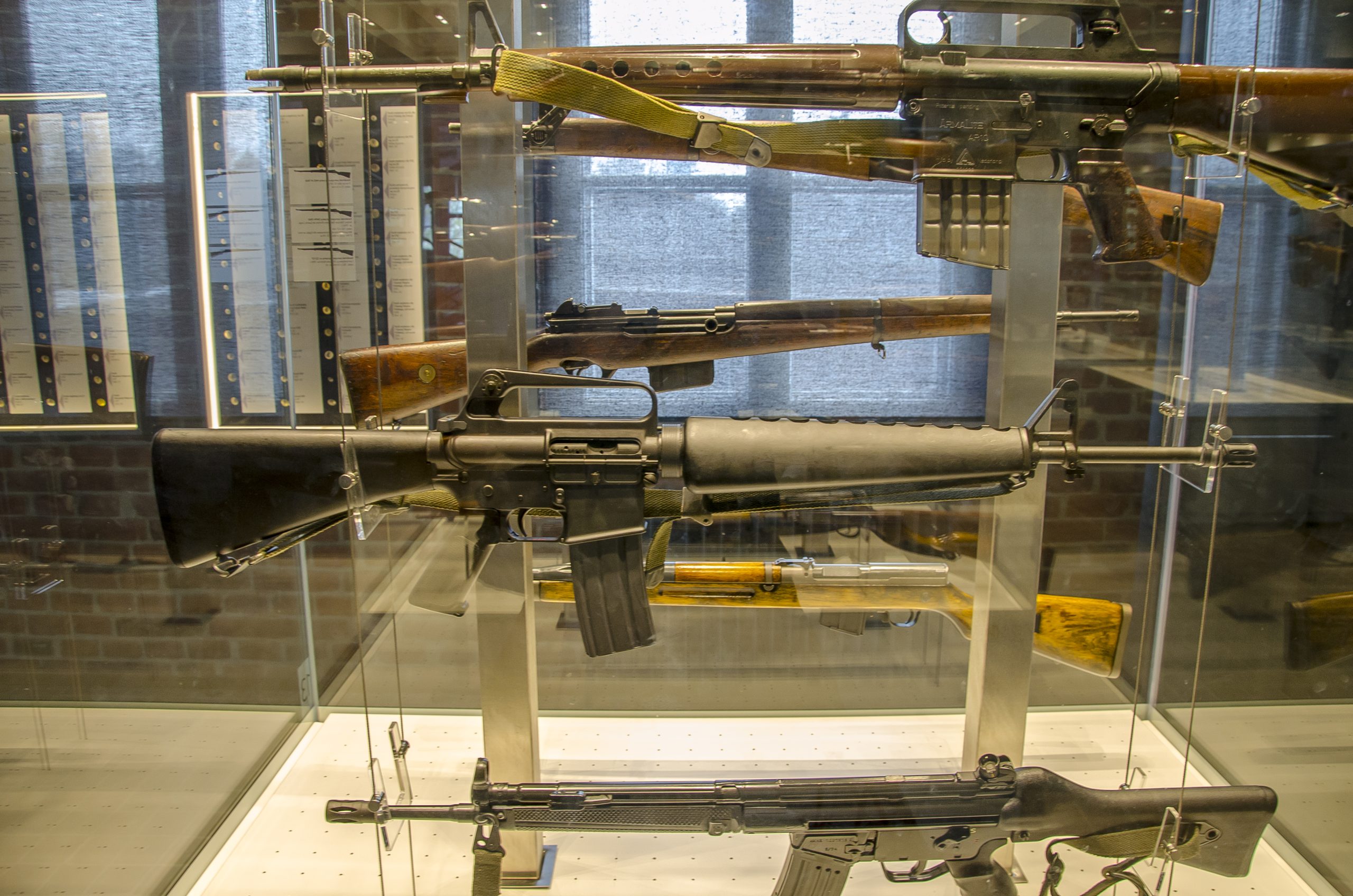
Selecting between an AR-10 and an AR-15 often comes down to how each rifle performs under real field conditions. Both platforms provide dependable function, yet differences in recoil, caliber, weight, and handling shape how they fit various environments. Considerations such as terrain, target size, and shooting distance influence which rifle feels more efficient during demanding outings. With a clear understanding of each system’s strengths, choosing the most practical option becomes far more straightforward for field use.
Weight and Carry Comfort

Weight greatly affects long days in the field, and the AR-15’s lighter frame offers a noticeable advantage during extended hikes or steep climbs. The AR-10 carries additional mass due to its larger components and heavier chambering, creating more fatigue across rough terrain. Hunters traveling through thick brush or covering long distances often prefer a lighter rifle. When overall mobility and reduced strain are priorities, the AR-15’s manageable weight makes field movement smoother and less taxing.
Caliber and Stopping Power
Caliber serves as a central factor in deciding which rifle excels during outdoor pursuits. The AR-10’s .308 Winchester delivers strong stopping power suited for larger game and longer engagements. The AR-15’s .223 or 5.56 ammunition offers crisp accuracy with lower recoil, which supports controlled shots in closer or faster encounters. Field requirements influence which rifle stands out most. Open landscapes and heavier targets highlight the AR-10’s strength, while lighter game and shorter distances favor the AR-15.
Recoil and Shot Recovery

Recoil influences overall shooting rhythm, and the AR-15’s softer kick creates smoother shot recovery during fast-paced situations. The AR-10’s larger caliber produces more recoil, increasing the time needed to stabilize between shots, especially when shooting from awkward positions. In environments where quick follow-up opportunities define success, lighter recoil creates a steadier pace. When raw power outweighs speed, the AR-10 provides a deliberate and controlled shooting experience.
Range and Accuracy Potential
Range capability separates these rifles significantly, with the AR-10 offering extended distance thanks to its higher retained energy and ballistic performance. The AR-15 still delivers impressive accuracy at moderate ranges, particularly when paired with reliable optics. Field environments guide which advantage becomes most practical. Wide valleys and high ridges enhance the AR-10’s reach, while dense forests and brush channels make the AR-15’s agility more useful. Matching rifle traits to terrain ensures better overall performance.
Ammunition Weight and Capacity
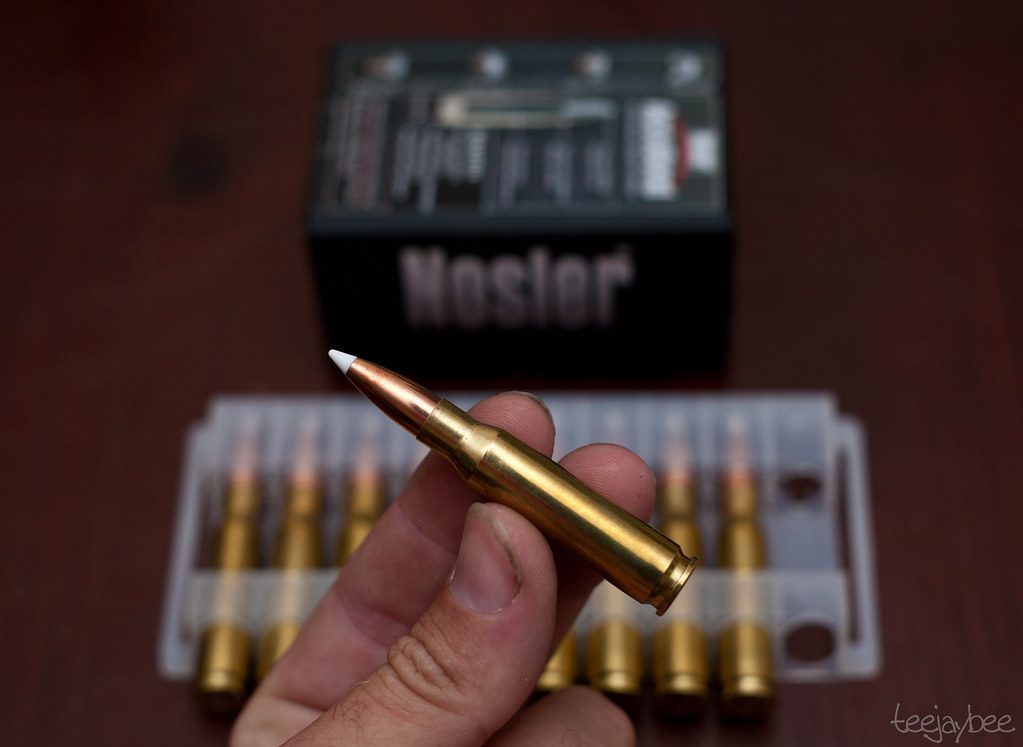
Ammunition weight influences overall pack load, and AR-15 rounds allow hunters to carry more without added strain. The AR-10’s .308 cartridges are heavier and limit the total amount that can be transported comfortably. Higher magazine capacity and lower ammunition weight support longer outings with fewer compromises. For hunts requiring long travel or frequent elevation changes, lighter ammunition offers a meaningful logistical advantage.
Versatility and Customization
Versatility sets both rifles apart, though the AR-15 maintains broader compatibility with aftermarket parts designed for improved handling, weight reduction, and ergonomic refinement. The AR-10 offers fewer options but excels in upgrades built around long-range capability and precision. Field purpose shapes which system feels more practical. Those seeking adaptable builds often lean toward the AR-15, while long-distance enthusiasts find the AR-10’s focused upgrades appealing.
Field Reliability and Maintenance
Reliability determines how well a rifle handles unpredictable weather and debris, and both platforms perform effectively with proper care. The AR-15’s lighter components and straightforward operating system simplify cleaning when conditions become harsh. The AR-10 remains durable under heavy use but requires slightly more attention due to its larger parts. When quick maintenance between long hikes is necessary, the AR-15 offers easier handling without sacrificing performance.
Cost and Accessibility
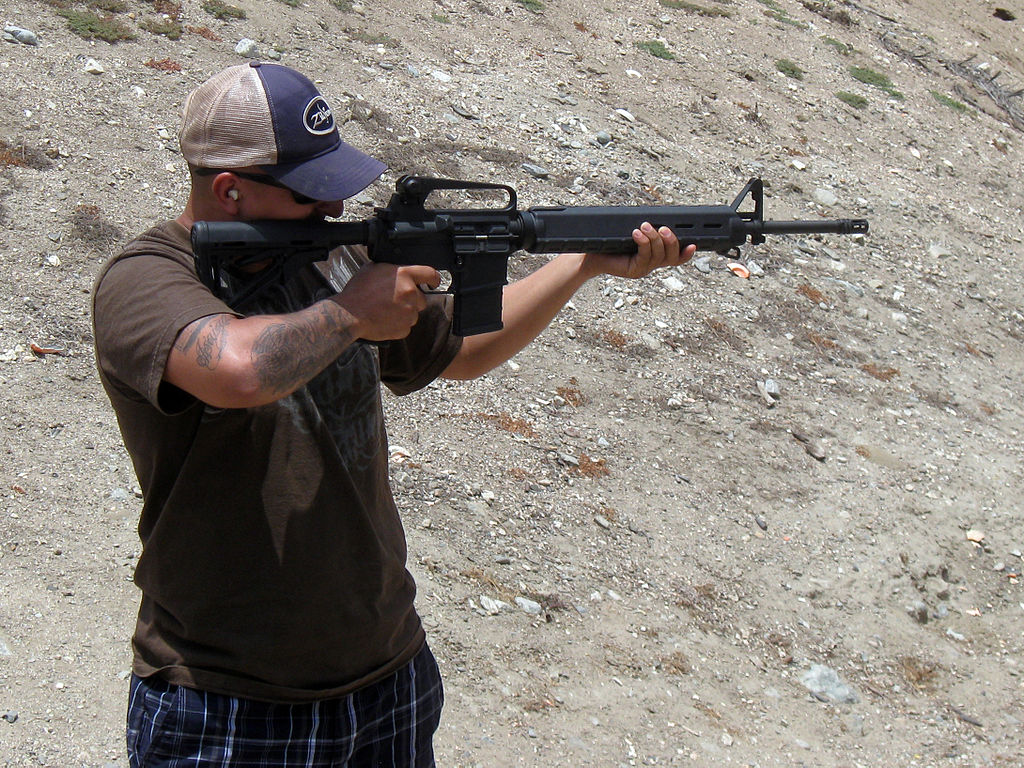
Cost plays a steady role in long-term practicality, with the AR-15 remaining more affordable for both rifles and ammunition. Its wide availability of replacement parts and accessories also supports frequent upgrades. The AR-10 demands greater investment, especially when practicing with higher-priced .308 rounds. For those prioritizing value and accessible components, the AR-15 stands out, while dedicated long-range shooters appreciate the AR-10’s premium capabilities.