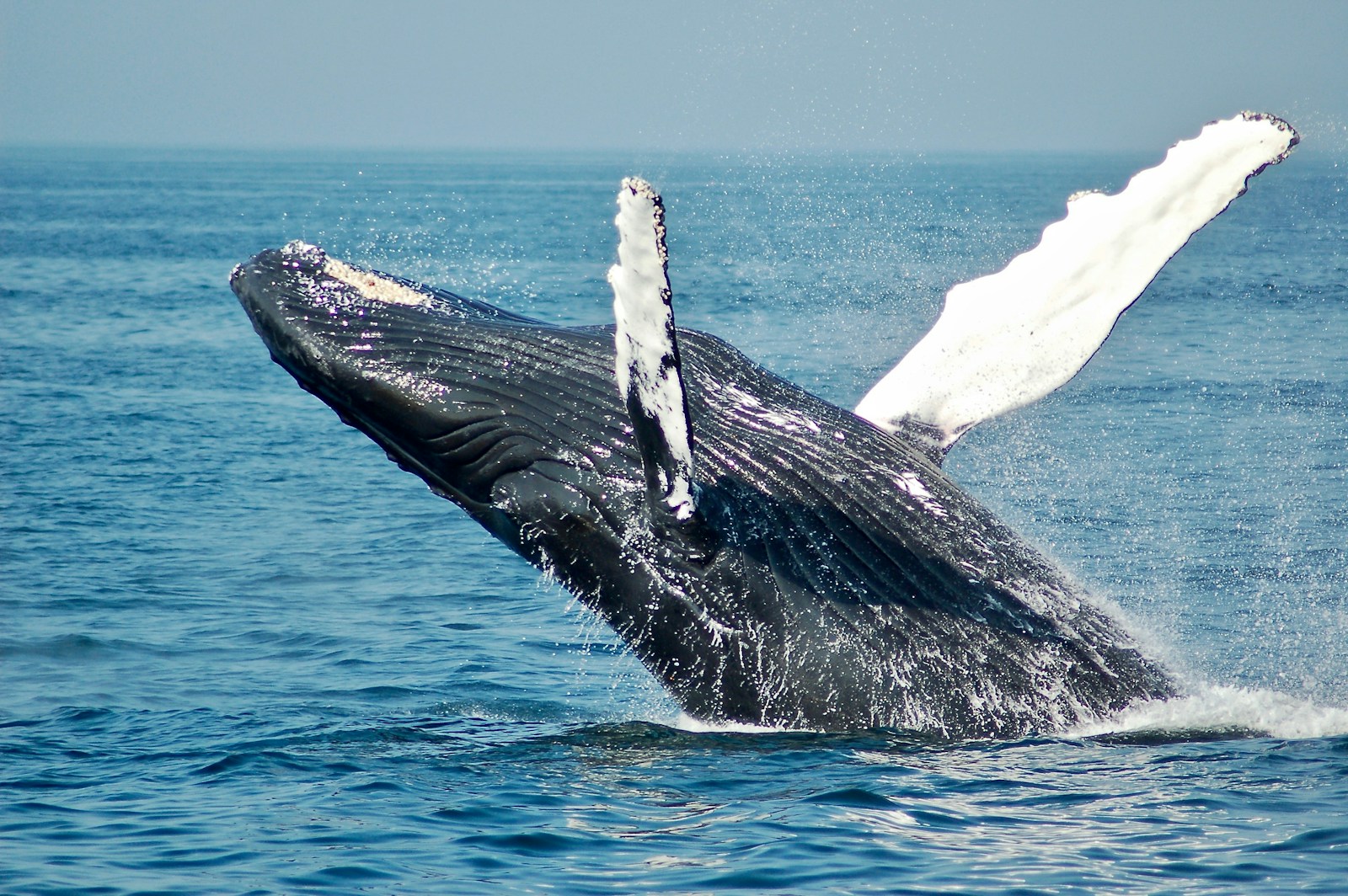
Conservation efforts prove that hope remains for wildlife. These animals that came back from the brink of extinction demonstrate the incredible resilience of nature when given a fighting chance. Human intervention through breeding programs and habitat protection has reversed the decline of species once considered doomed. These success stories inspire scientists and activists to continue their difficult work preserving biodiversity for future generations. Witnessing a population rebound from near zero to healthy numbers is a testament to dedicated stewardship. The following list highlights incredible creatures that defied the odds and returned from the very edge of oblivion to thrive again.
Bald Eagle
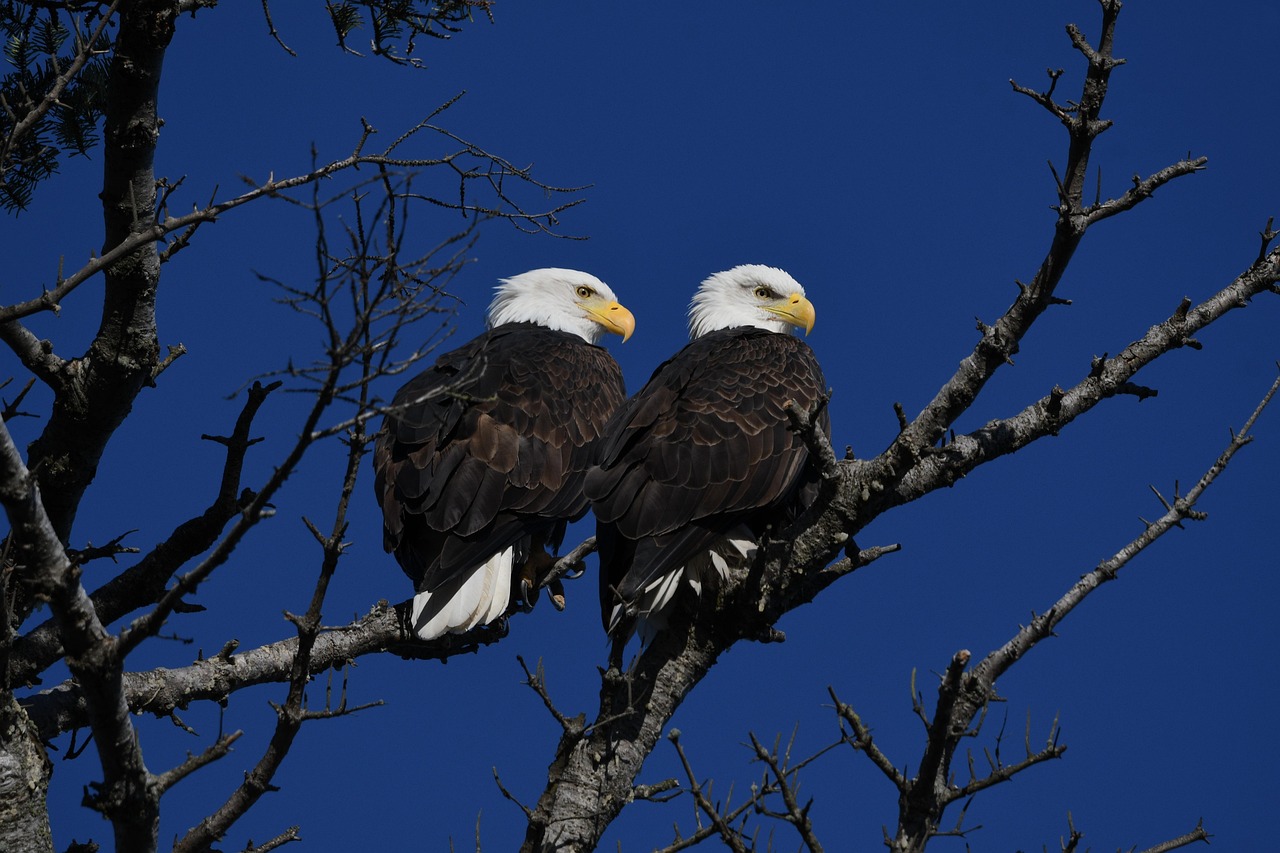
The bald eagle symbolizes a major victory for environmental protection laws in the United States. Pesticides like DDT decimated their populations by thinning eggshells and preventing successful reproduction for decades. Banning these harmful chemicals allowed the majestic birds to recover slowly but steadily across North America. Federal protection laws also imposed severe penalties for hunting or disturbing their nesting sites. Today, these raptors soar commonly over rivers and lakes in numbers that once seemed impossible. Their return serves as a powerful reminder that legislative action and science can work together effectively to save a species from disappearing forever.
American Alligator
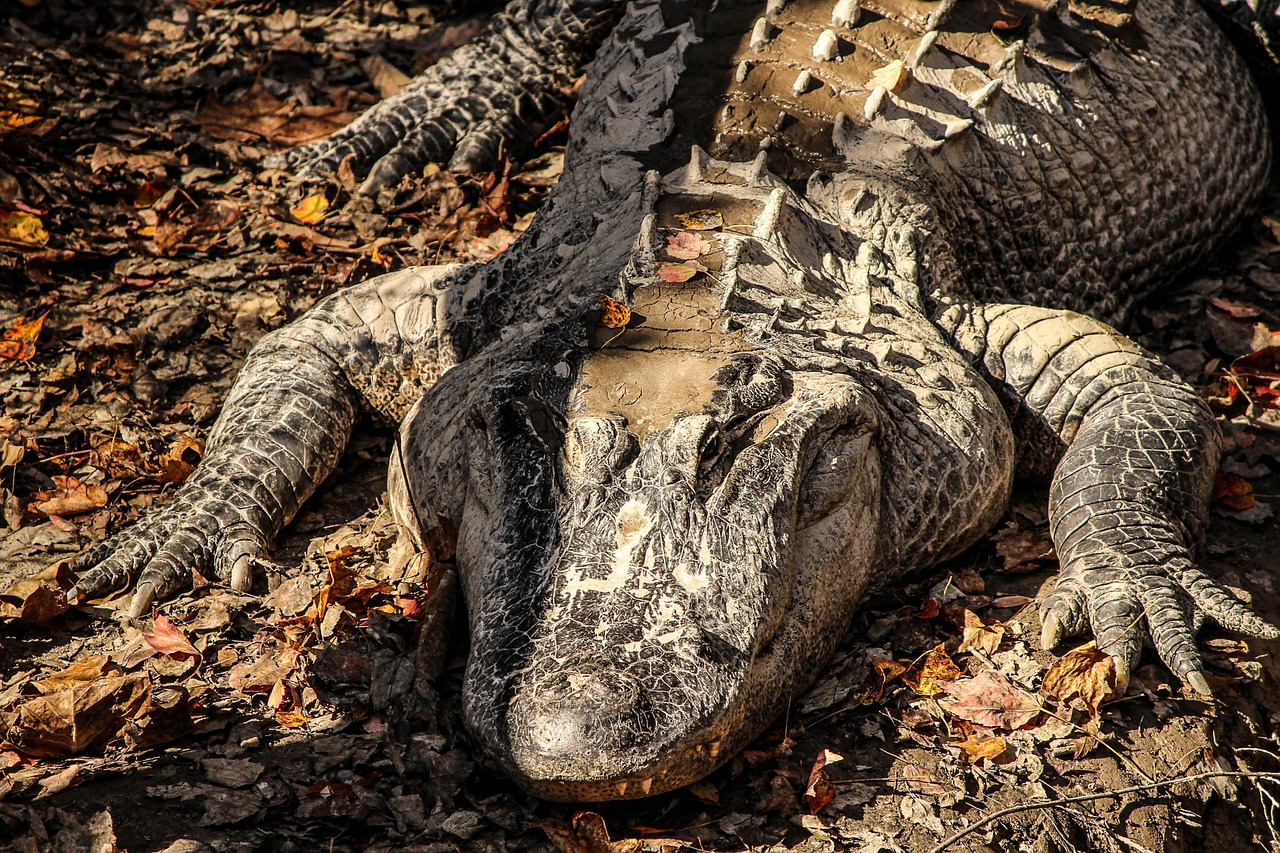
Hunters nearly wiped out the American alligator during the early twentieth century to satisfy the demand for exotic leather goods. Unregulated harvesting pushed this ancient reptile onto the endangered species list by nineteen sixty seven. Strict hunting bans and habitat preservation efforts allowed their numbers to bounce back with surprising speed. State agencies now manage their populations carefully through monitored hunting seasons to ensure stability. These large predators play a crucial role in maintaining the health of wetland ecosystems in the south. Their recovery is so successful that they are now often seen as a nuisance in some populated areas.
Giant Panda

Giant pandas captivated the world with their plight and became the global face of wildlife conservation efforts. Habitat loss and low birth rates threatened to erase these bamboo-eating bears from the wild completely. The Chinese government implemented strict measures to protect forests and established extensive breeding programs to boost numbers. International cooperation helped fund research and expand protected reserves for the reintroduction of captive bears. Their status recently shifted from endangered to vulnerable on the official conservation lists. This achievement proves that focused international attention and resources can alter the destiny of a beloved species facing certain extinction.
Gray Wolf
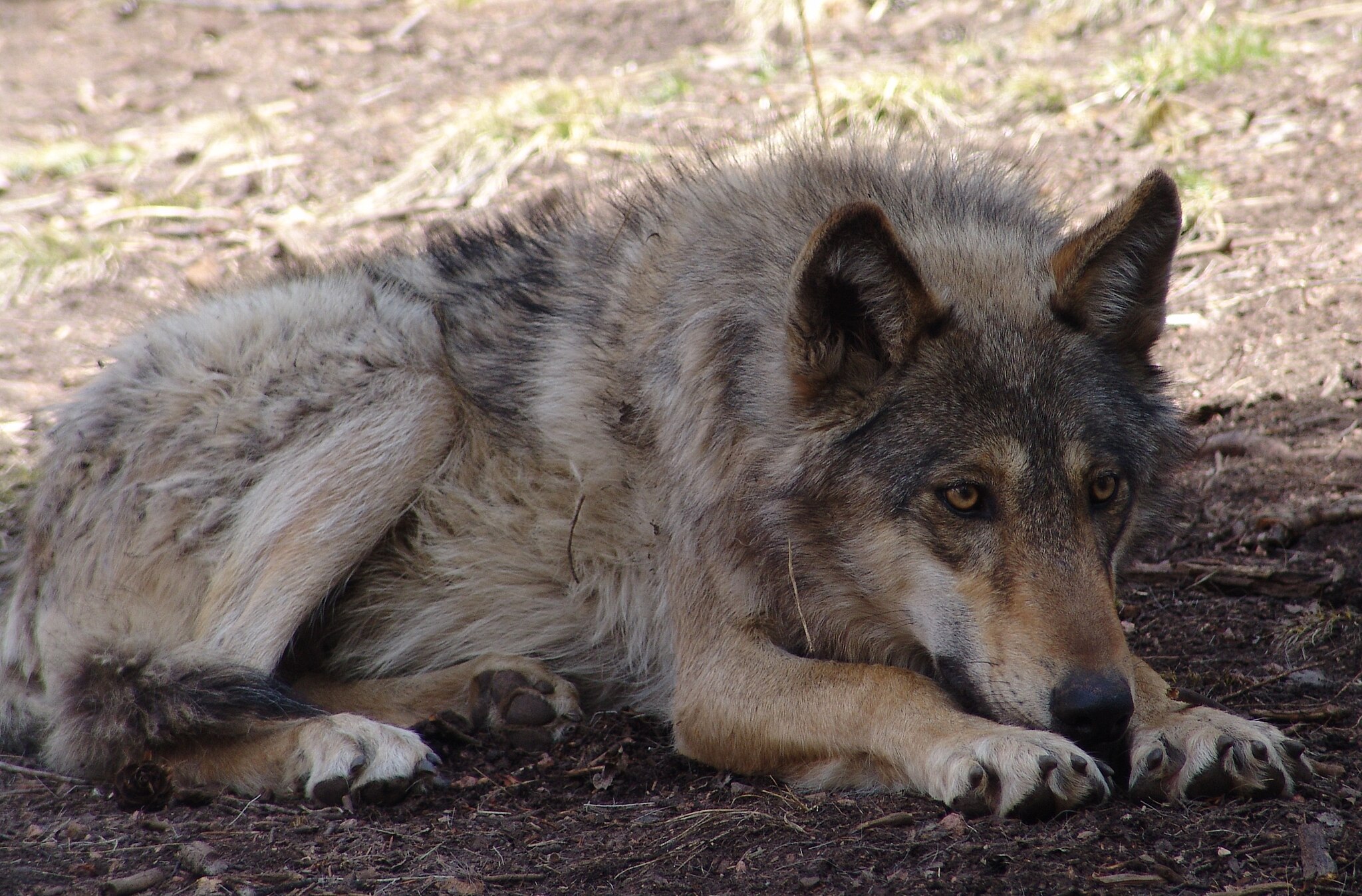
Gray wolves were hunted to near extinction in the lower forty-eight states due to fears over livestock safety. The reintroduction of wolves into Yellowstone National Park marked a turning point for the species. Biologists released captured packs into the wilderness to restore the natural predator balance in the ecosystem. This controversial move sparked debates but ultimately led to a thriving population of wolves in the West. Their presence helps control elk herds and encourages the regeneration of vegetation along riverbanks. Legal battles continue over their management, but the biological recovery of the gray wolf is an undeniable success.
Humpback Whale
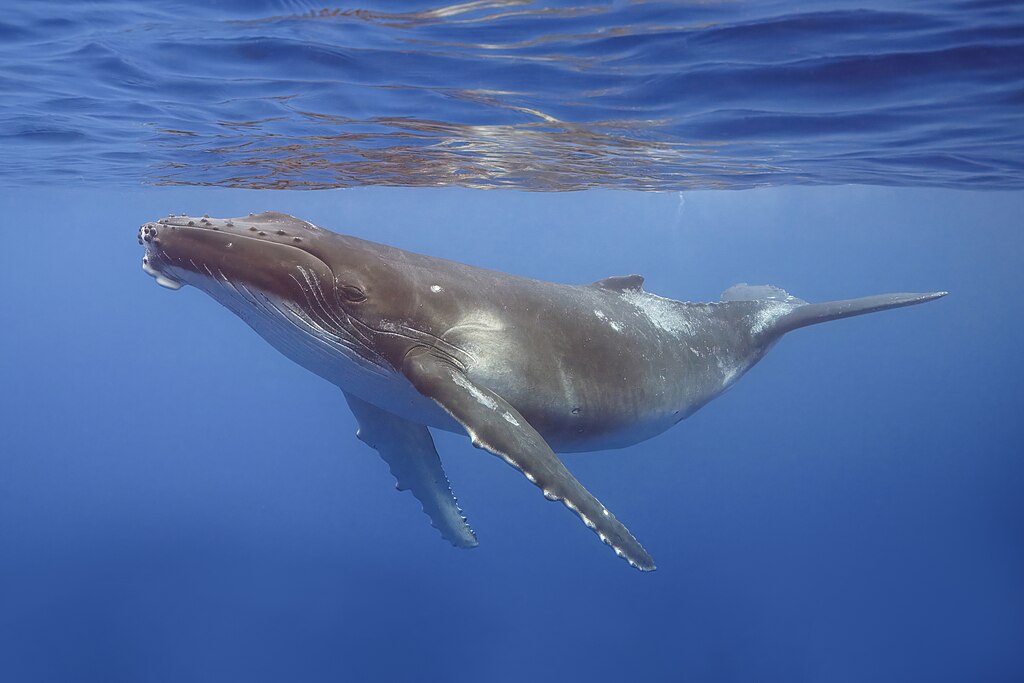
Commercial whaling fleets relentlessly pursued humpback whales for their oil and meat until the mid-twentieth century. Populations crashed to dangerously low levels before a global moratorium on commercial hunting was enacted. These massive marine mammals have since made a spectacular recovery in oceans around the world. Whale watching tourism now generates more revenue than hunting ever did and supports local coastal economies. Strict regulations on shipping lanes and fishing gear also help reduce accidental strikes and entanglements. The song of the humpback whale is now heard frequently in waters where they had once been silenced by industrial harpoons.