Adventure and risk often travel together, especially on trails that push human limits. Across the United States, certain hiking destinations have earned reputations not just for beauty, but for unpredictability and genuine danger. These locations challenge visitors with steep terrain, sudden weather shifts, exposure, altitude, and physical endurance. While thousands complete these hikes safely each year, accidents and rescues remain common enough to warrant serious respect. Preparation, awareness, and realistic self assessment are essential. The following destinations are not inherently deadly, yet they demand caution and sound judgment. Their hazards reveal how quickly nature can turn from inspiring to unforgiving.
1. Half Dome, Yosemite National Park
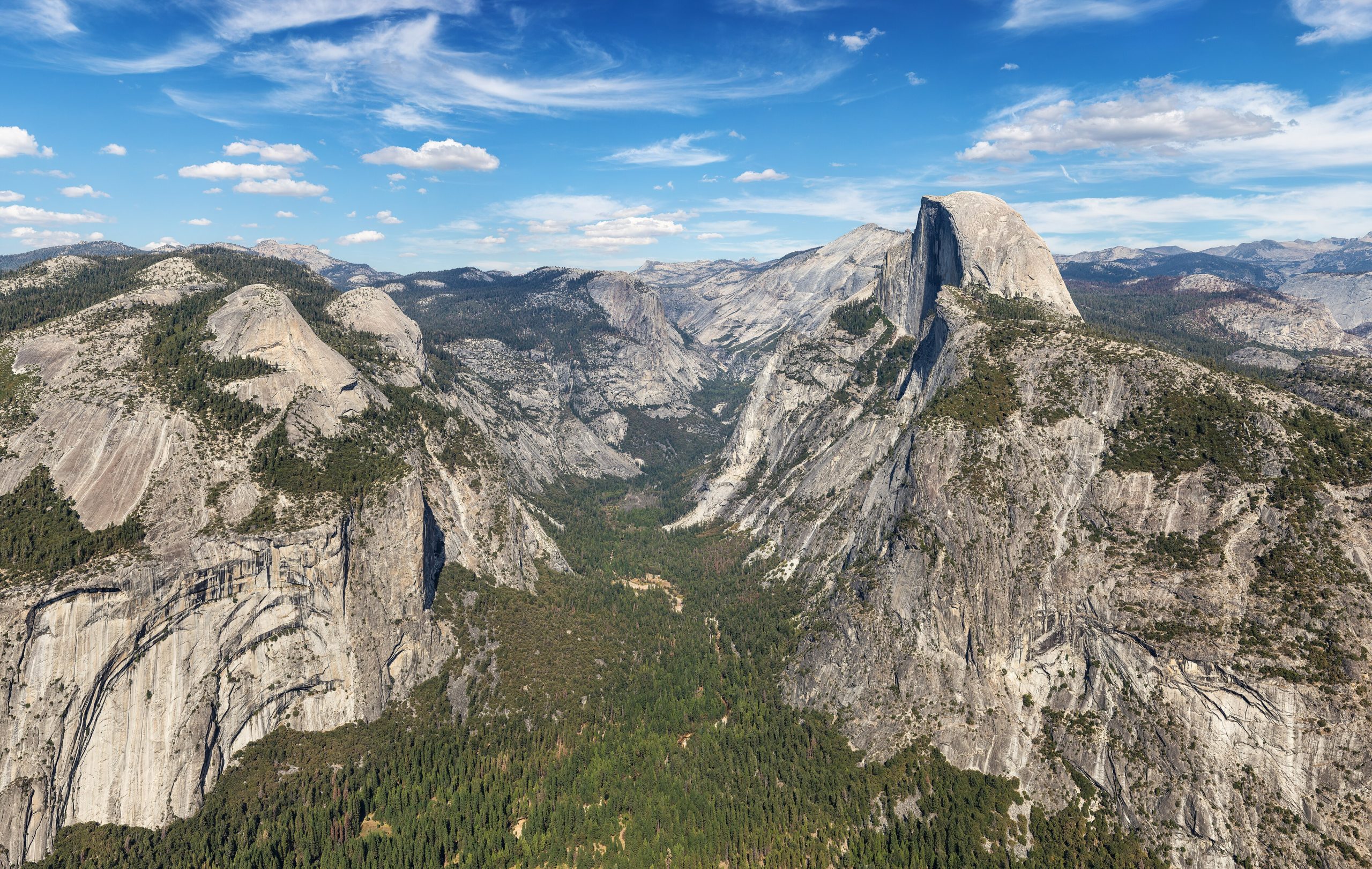
Few American hikes are as iconic or as intimidating as Half Dome. The route attracts determined hikers with spectacular granite scenery and a summit view that feels almost unreal. The final ascent involves climbing steep stone using metal cables, a section that becomes extremely hazardous in wet conditions. Slippery surfaces, crowded pathways, and exposure to sheer drop offs contribute to frequent incidents. Sudden storms transform the cables into serious risks, particularly with lightning present. Physical fatigue also plays a role, as the full trek demands endurance and careful pacing. Despite safety measures, missteps can have severe consequences.
2. Angels Landing, Zion National Park
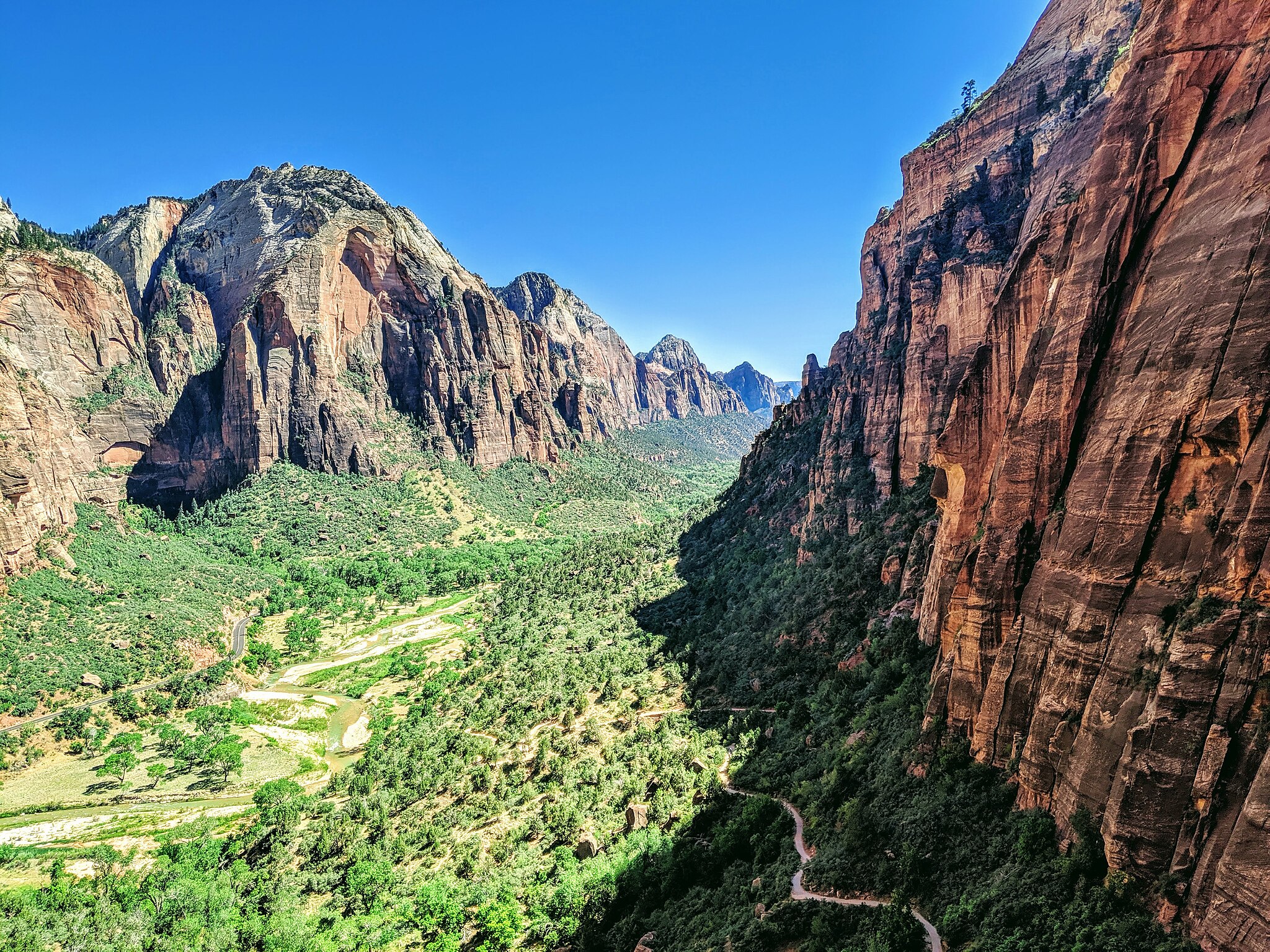
The narrow ridgeline leading to Angels Landing is both visually stunning and psychologically challenging. Chains assist hikers along sections where steep cliffs fall away on both sides. Even confident visitors often experience heightened anxiety due to the intense exposure. Congestion increases danger, as passing others requires balance and patience. Strong winds occasionally amplify instability, especially for those unaccustomed to heights. While the trail is carefully maintained, mistakes remain unforgiving. Many accidents result from overconfidence or distraction. The destination rewards careful hikers with extraordinary views, yet demands full concentration and respect for the terrain.
3. The Maze, Canyonlands National Park
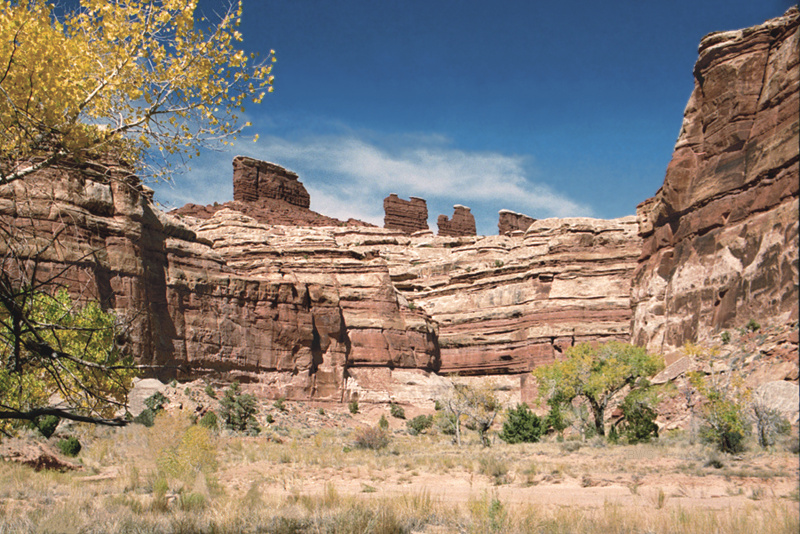
Remote and disorienting, The Maze lives up to its name. This backcountry region challenges navigation skills and self-sufficiency. Trails are faint, landmarks repeat, and water sources are scarce. Temperatures fluctuate dramatically, intensifying physical strain. Rescue operations are complex due to isolation and limited accessibility. Even experienced hikers must plan meticulously, carrying ample supplies and reliable navigation tools. Getting lost is a persistent risk, compounded by vast distances and rugged landscapes. The Maze rewards preparation and patience, yet punishes carelessness swiftly. Its hazards arise primarily from remoteness rather than technical climbing difficulty.
4. Mount Washington, New Hampshire
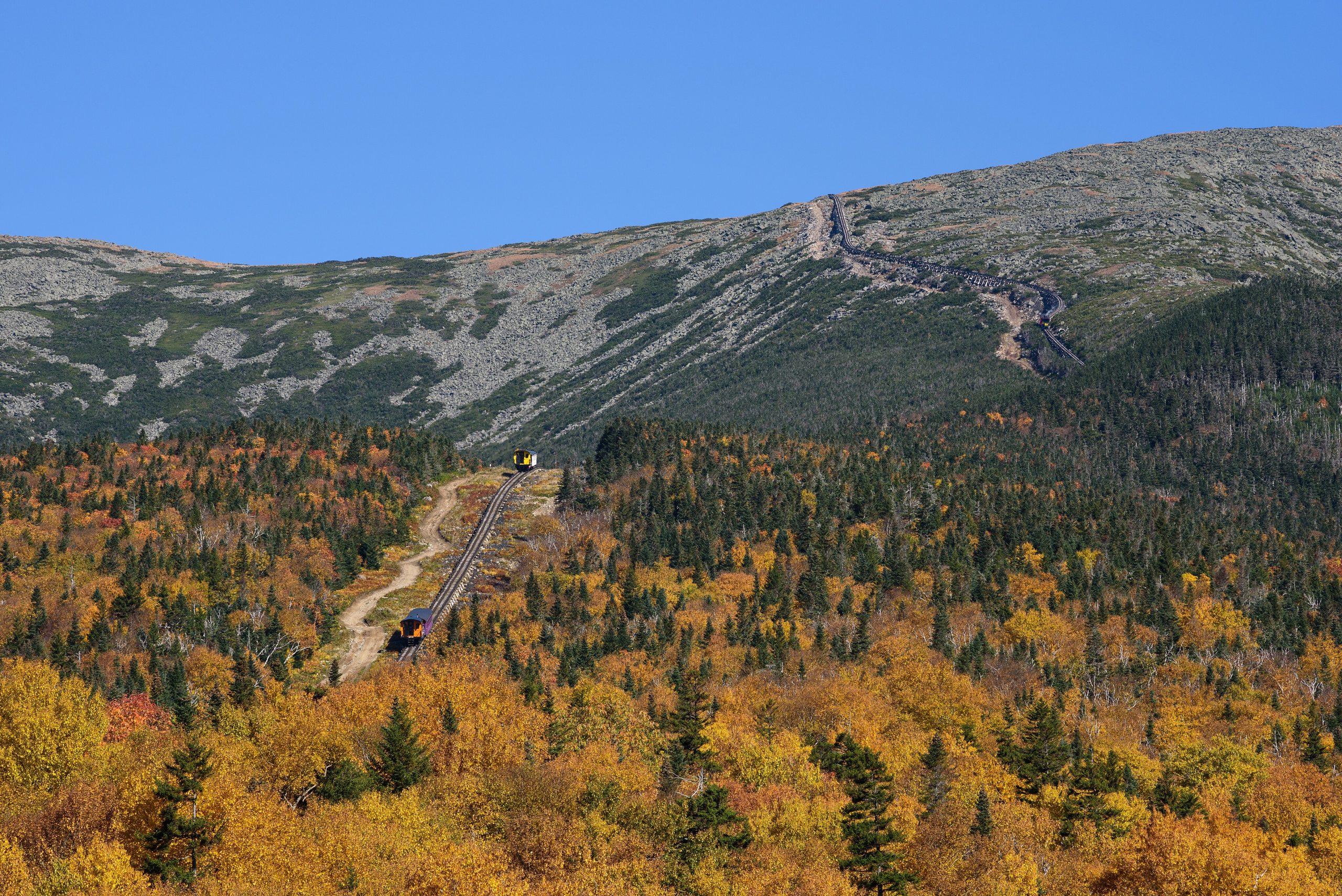
Weather volatility defines Mount Washington. Conditions can shift from calm to severe with alarming speed, creating challenges even for seasoned hikers. High winds, sudden fog, and temperature drops frequently surprise visitors. Hypothermia remains a genuine concern, particularly outside the summer months. Visibility reductions complicate navigation and increase accident potential. Despite moderate elevation compared to western peaks, the mountain’s climate produces disproportionate danger. Many underestimate its risks due to accessibility and popularity. Preparation for extreme weather is essential year-round. The environment’s unpredictability makes Mount Washington a classic example of nature defying expectation.
5. Denali, Alaska
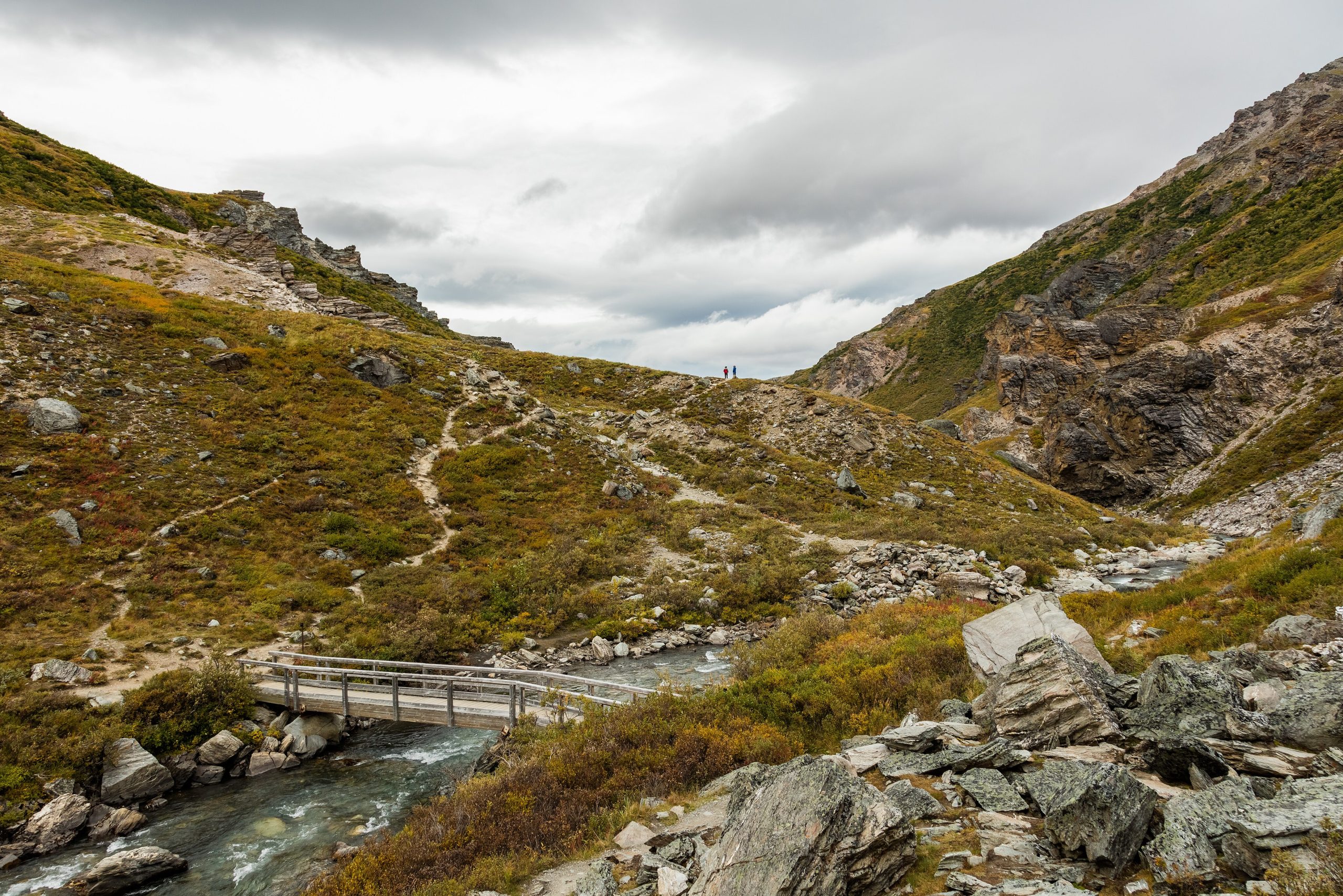
Towering and formidable, Denali represents a different scale of hiking danger. Altitude, isolation, and severe cold combine to test physical and mental resilience. Rapid weather changes, crevasses, and prolonged exposure elevate risk considerably. Even well-equipped expeditions face uncertainty. Altitude sickness complicates progress and decision-making. Rescue logistics are exceptionally difficult, emphasizing self-reliance and team discipline. Denali demands extensive preparation, technical knowledge, and a realistic assessment of capability. Its dangers extend beyond trail difficulty, rooted instead in extreme environmental factors. The mountain’s reputation reflects respect earned through decades of challenging expeditions.
6. Bright Angel Trail, Grand Canyon
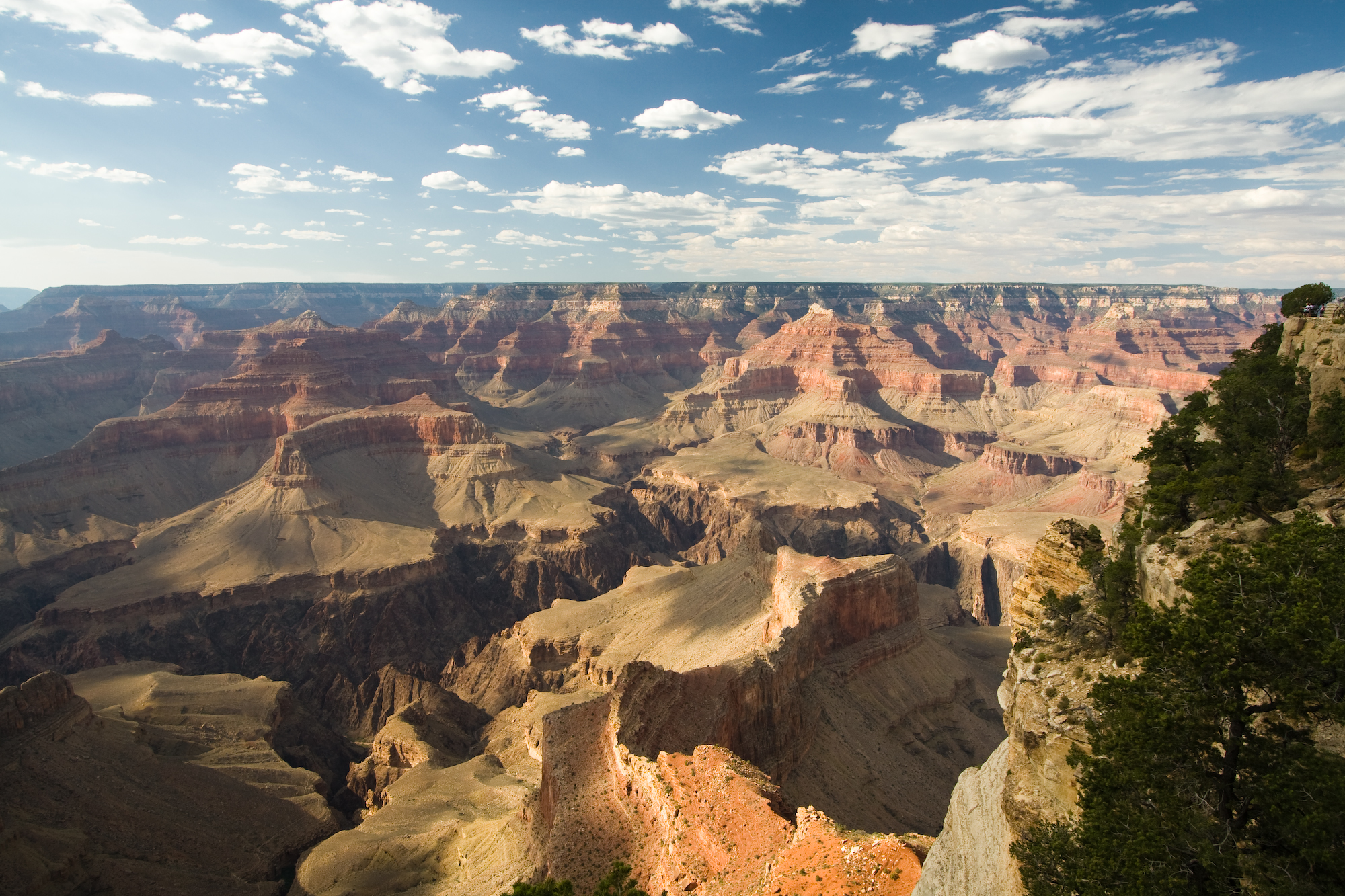
Descending via Bright Angel Trail feels deceptively easy at first. The true challenge emerges during the ascent, when fatigue and heat converge. Temperature extremes frequently overwhelm unprepared hikers. Dehydration and heat exhaustion account for many emergencies. Steep elevation gain intensifies strain, particularly under midday sun. Distances appear shorter visually than they are physically. Rangers regularly assist struggling visitors who underestimated the return climb. Proper hydration, pacing, and awareness are vital. The canyon’s scale amplifies every decision. Bright Angel illustrates how environmental conditions, rather than technical complexity, often create the greatest risks.
7. Kalalau Trail, Hawaii

Lush scenery masks serious hazards along the Kalalau Trail. Narrow paths, muddy surfaces, and steep coastal cliffs require steady footing and patience. Heavy rainfall quickly transforms sections into slippery challenges. Flash floods and falling rocks add unpredictability. Remote stretches complicate emergency response, increasing the consequences of injury. The trail’s beauty attracts many, yet conditions demand vigilance. Sudden weather shifts are common, emphasizing preparedness. Visitors must respect both terrain and climate. The Kalalau Trail rewards cautious hikers with unforgettable views, while reminding adventurers that tropical environments can present risks equal to more visibly rugged landscapes.
8. Knife Edge, Mount Katahdin
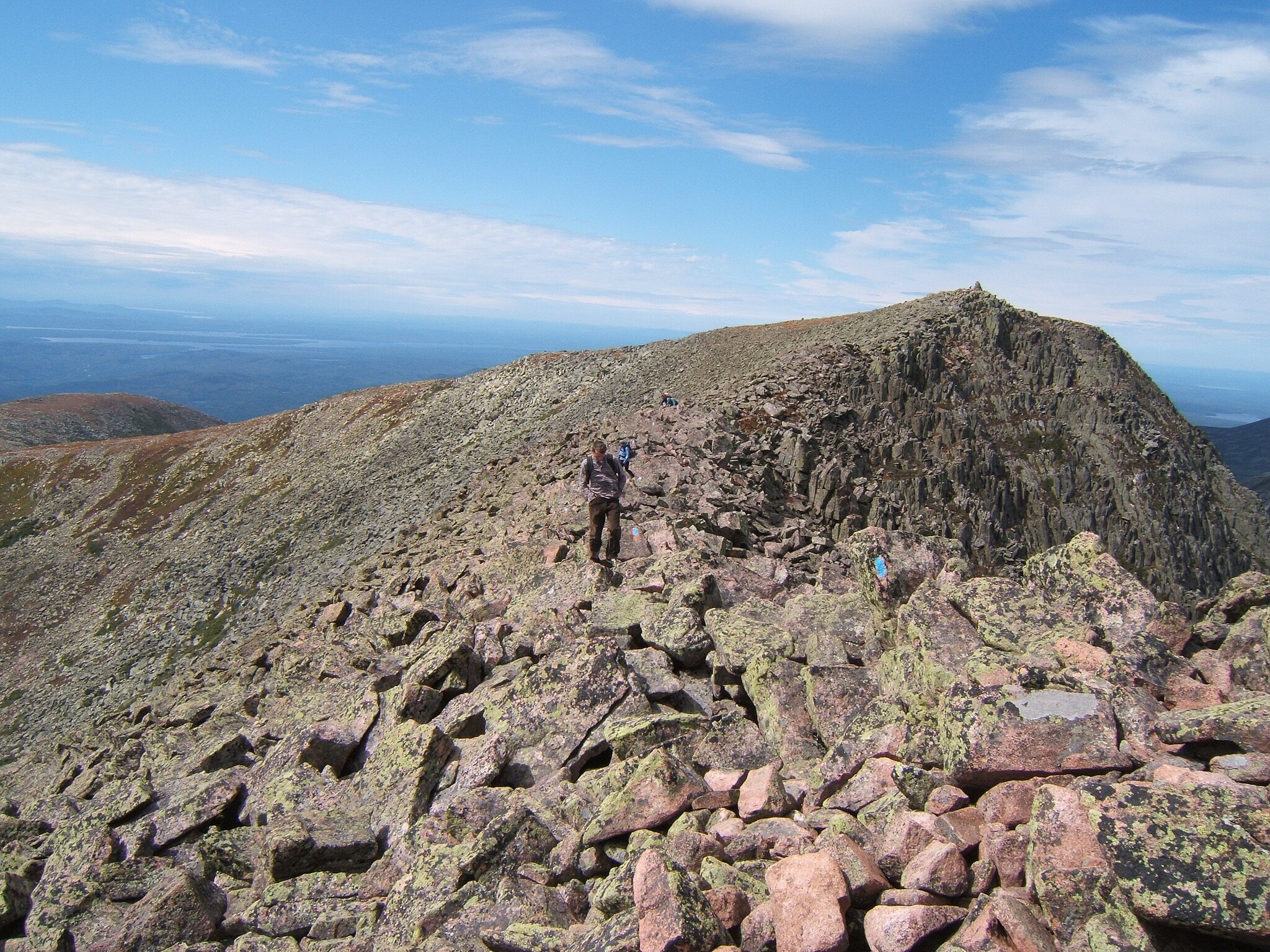
The exposed ridge known as Knife Edge challenges balance and composure. Strong winds, steep drop-offs, and uneven rock demand precise movement. Even experienced hikers approach cautiously. Weather changes amplify difficulty, particularly with reduced visibility. Psychological stress often rivals physical strain. Crowded conditions may increase tension along narrow segments. Proper footwear and steady pacing are essential. The Knife Edge’s reputation stems from exposure rather than technical climbing requirements. Its dramatic setting creates memorable experiences while underscoring the importance of careful decision-making. The trail’s beauty and intensity coexist in striking contrast.
9. Precipice Trail, Acadia National Park
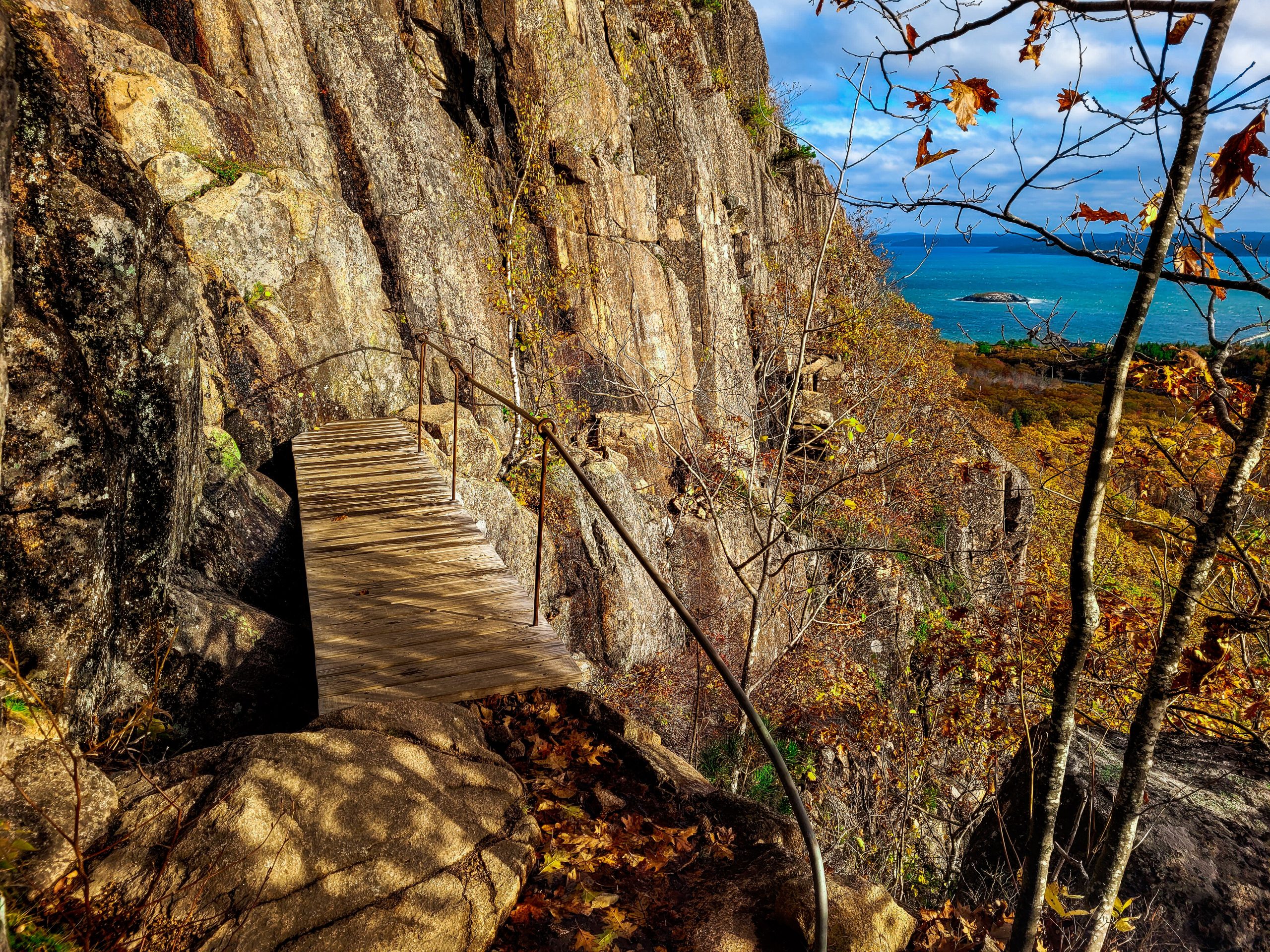
Iron rungs and ladders characterize the Precipice Trail. The route combines hiking with scrambling elements along steep granite faces. Wet surfaces significantly heighten danger. Fear of heights presents challenges for many visitors. Seasonal closures protect nesting peregrine falcons, reflecting the area’s sensitivity. Despite maintenance, misjudgments can lead to serious falls. Visitors must move deliberately and remain aware of changing conditions. The trail rewards confident, cautious hikers with panoramic coastal views. Its hazards illustrate how hybrid routes blur boundaries between hiking and climbing. Preparation and awareness remain crucial throughout the ascent.
10. Devil’s Path, New York
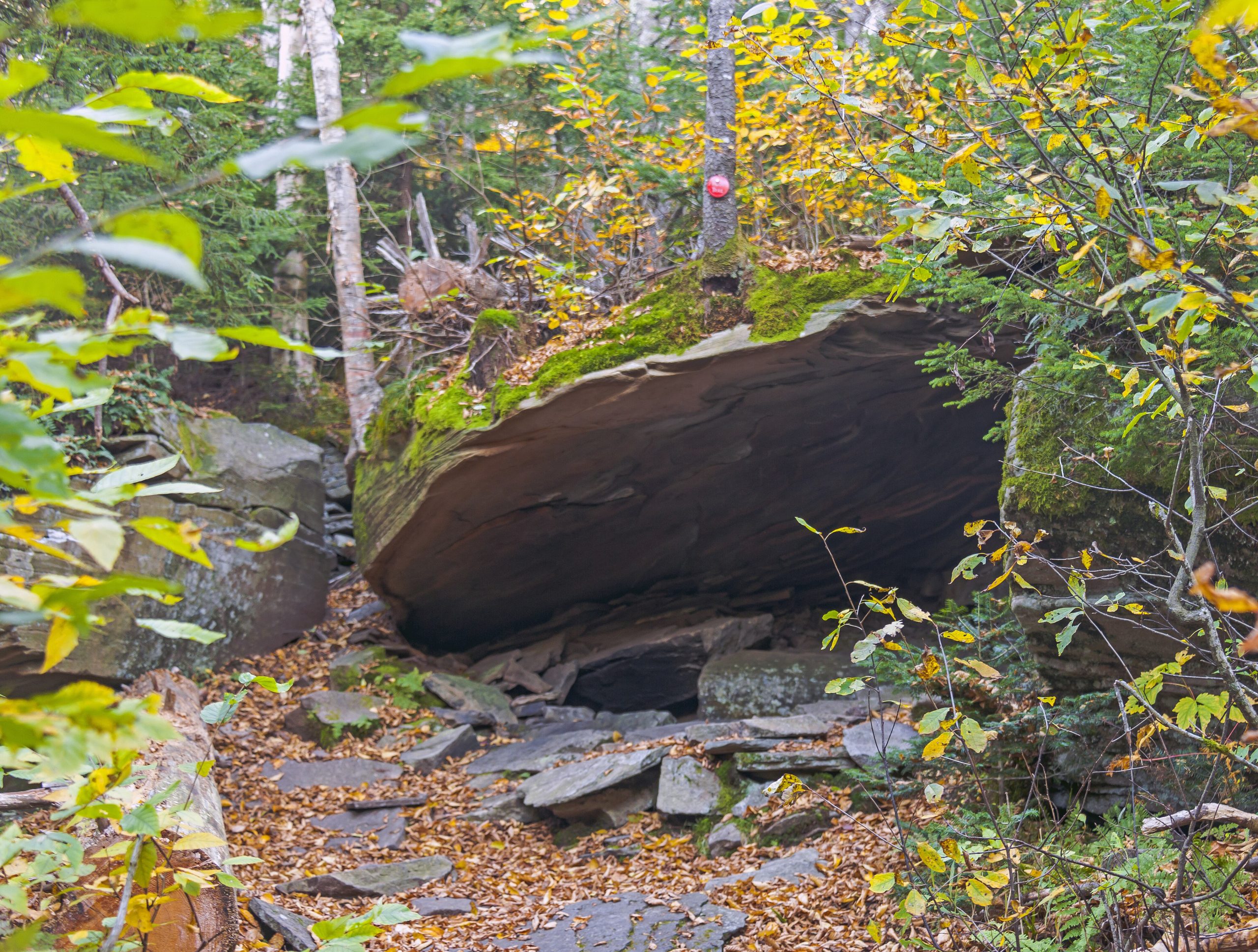
Relentlessly steep and physically demanding, Devil’s Path tests endurance rather than nerves. Frequent elevation changes, rocky footing, and long distances challenge even conditioned hikers. Fatigue accumulates quickly, influencing judgment and coordination. Weather variability adds complexity, especially during colder months. Proper conditioning and realistic planning are vital. Many underestimate the trail’s cumulative difficulty. While technically straightforward, sustained exertion elevates the risk of injury and exhaustion. The Devil’s Path exemplifies how physical strain itself becomes a hazard. Its reputation rests on the persistence required, reminding hikers that difficulty often arises from duration and terrain combined.
11. Mount Whitney, California
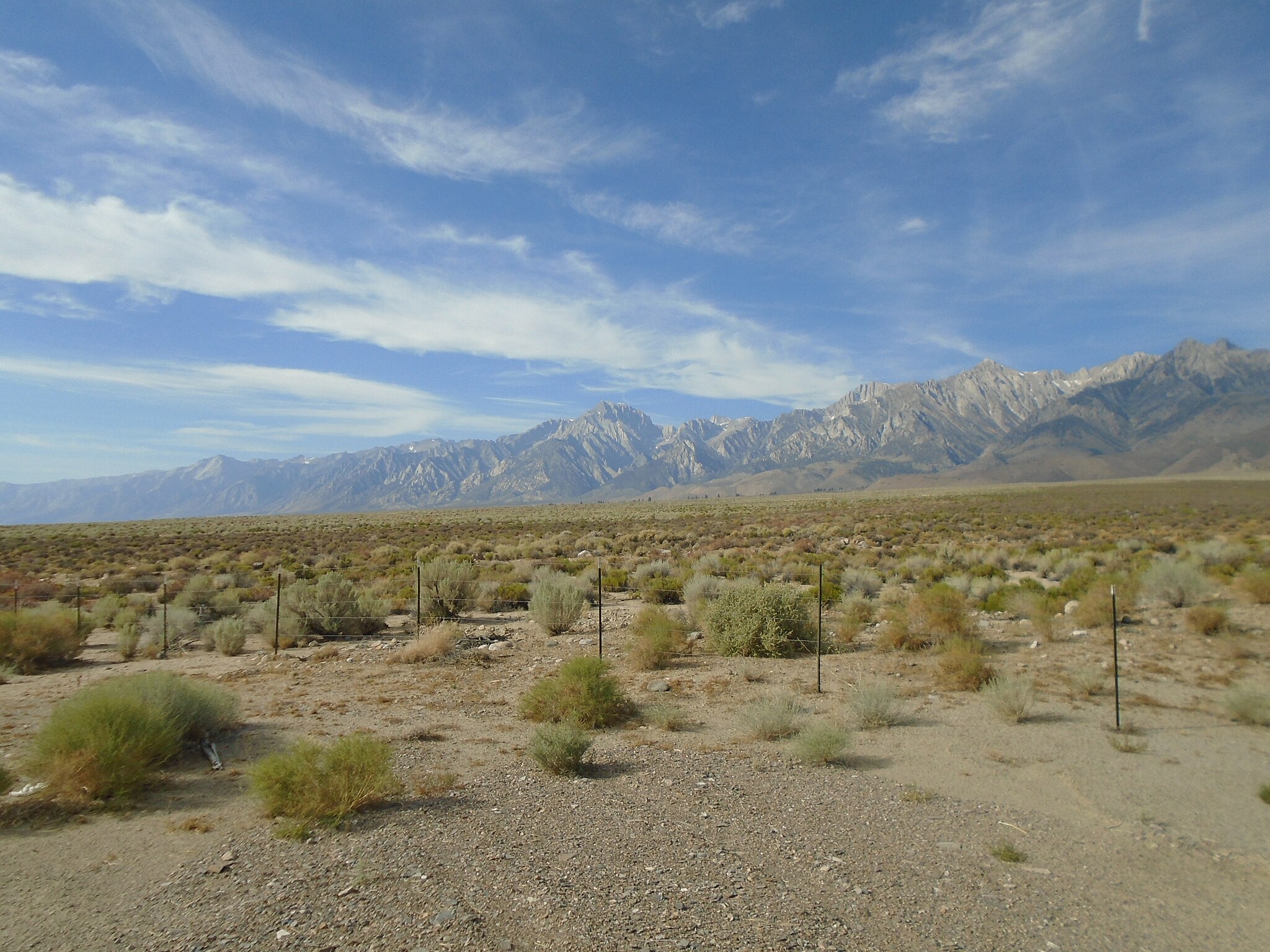
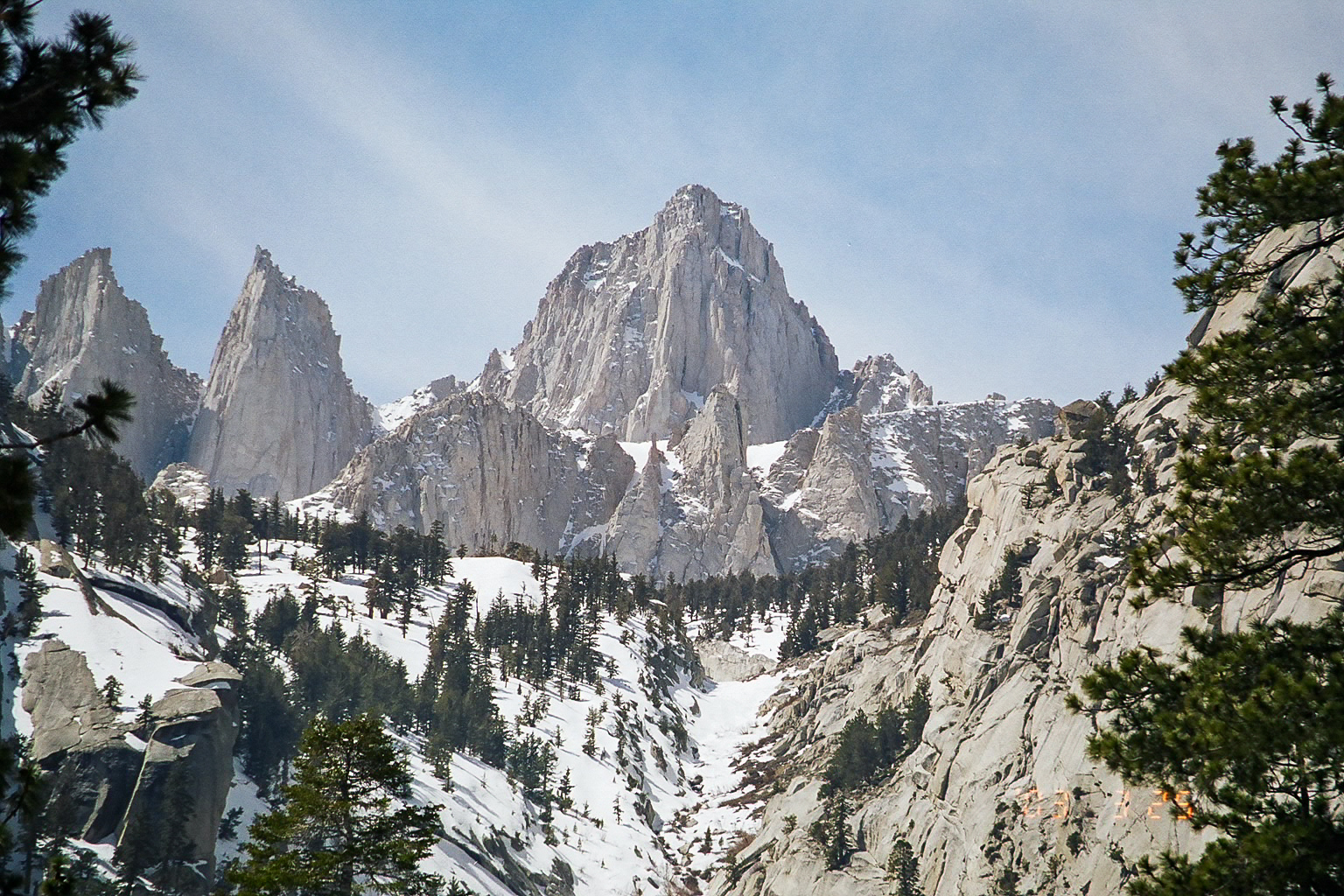
High altitude defines the challenge of Mount Whitney. As the highest summit in the contiguous United States, it attracts ambitious hikers. Thin air intensifies exertion and may trigger altitude sickness. Weather shifts, snowfields, and temperature drops complicate conditions. The long approach demands pacing and awareness. Despite popularity, the mountain requires preparation and respect. Many visitors confront unexpected physical limits. Success depends on gradual acclimatization and careful planning. Mount Whitney’s risks arise largely from elevation and environment rather than technical obstacles. Its appeal reflects the enduring human draw toward high places and expansive views.