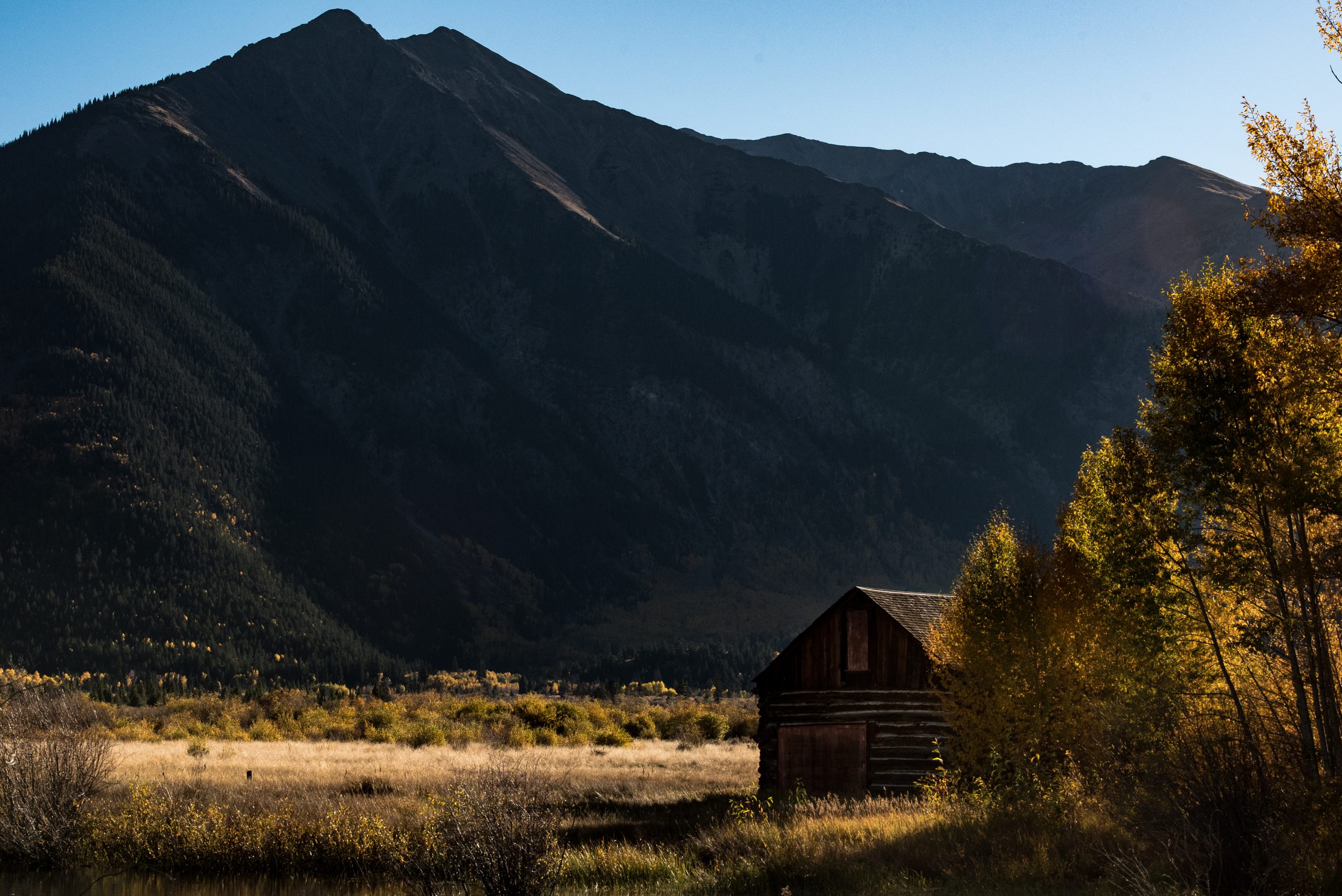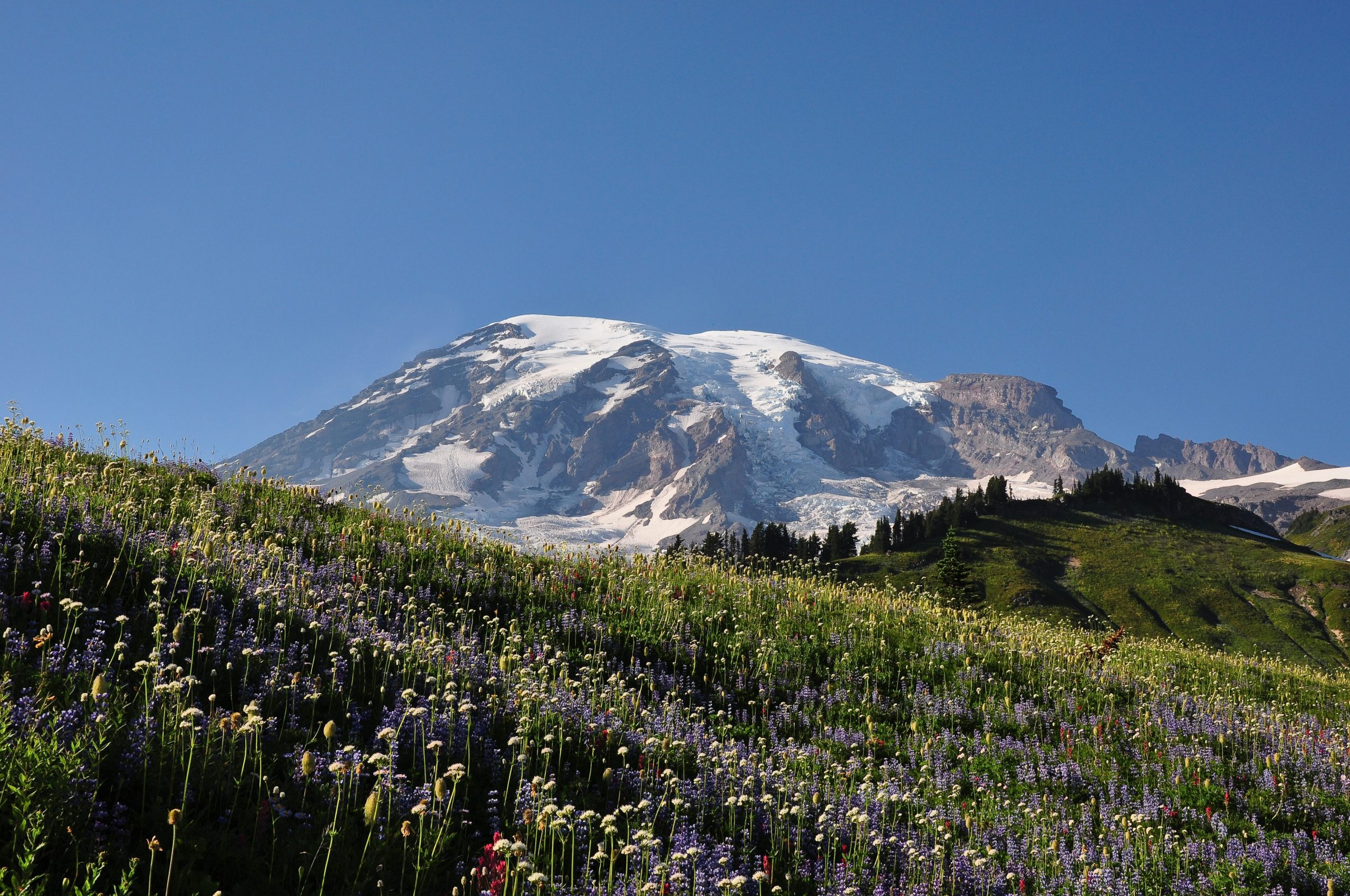
Beauty and danger often coexist in the natural world, and few places illustrate this contrast more dramatically than Mount Rainier. Towering above surrounding landscapes with snow-covered slopes and commanding presence, the mountain captivates visitors from miles away. Yet beneath this stunning exterior lies an environment shaped by volatile weather, glacial hazards, and unforgiving terrain. Its visual grandeur draws thousands of climbers, hikers, and sightseers every year, many unaware of how rapidly conditions can shift. The same forces that created its breathtaking scenery also contribute to its reputation for risk. Understanding this duality reveals why admiration for the mountain is always paired with deep respect.
A Mountain That Dominates the Horizon
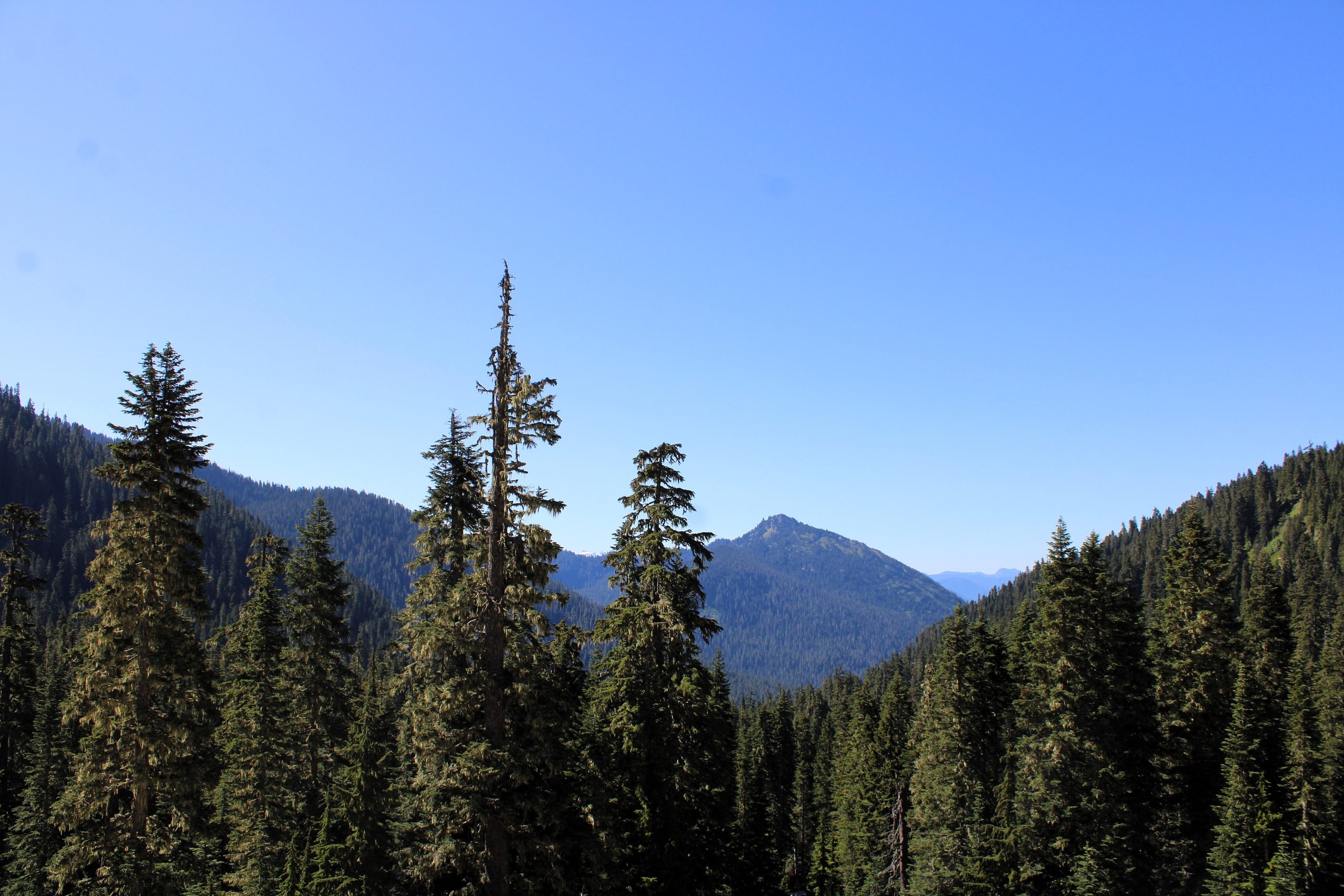
Rising prominently above the Pacific Northwest, Mount Rainier commands attention unlike any other peak in the region. Its massive elevation and symmetrical profile create an almost surreal visual impact, especially on clear days when it seems to float above the landscape. This dramatic appearance fuels its reputation as one of America’s most striking mountains. However, its height also exposes it to extreme atmospheric conditions that rarely affect lower terrain. Winds intensify, temperatures plunge, and storms develop with little warning. The mountain’s grandeur can obscure its severity, leading visitors to underestimate how isolated and hostile the upper elevations can become.
Weather That Changes Without Warning
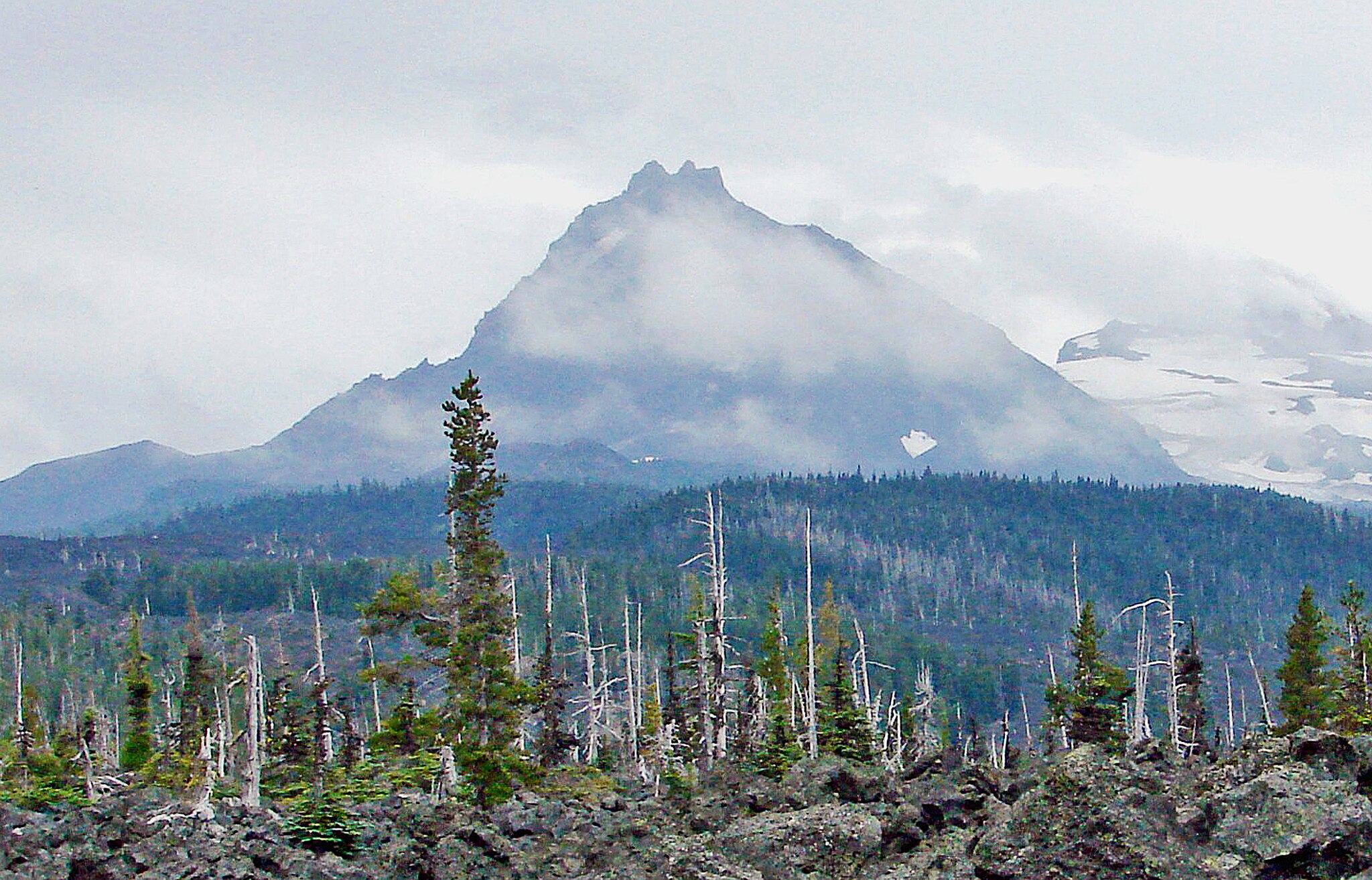
Mount Rainier’s weather patterns remain one of its most dangerous characteristics. Conditions can transform from calm sunshine to blinding snow or dense fog within hours. Rapid temperature drops and sudden cloud formations complicate navigation, particularly for climbers relying on visual landmarks. Even experienced mountaineers face challenges when visibility disappears, and wind speeds increase. Hypothermia risks rise quickly as moisture and cold combine. These unpredictable shifts often catch visitors off guard, reinforcing the mountain’s reputation for peril. Forecasts offer guidance, yet microclimates near glaciers and ridgelines frequently behave differently than expected. Respecting weather volatility is essential for anyone venturing beyond lower trails.
Glaciers That Conceal Hidden Threats
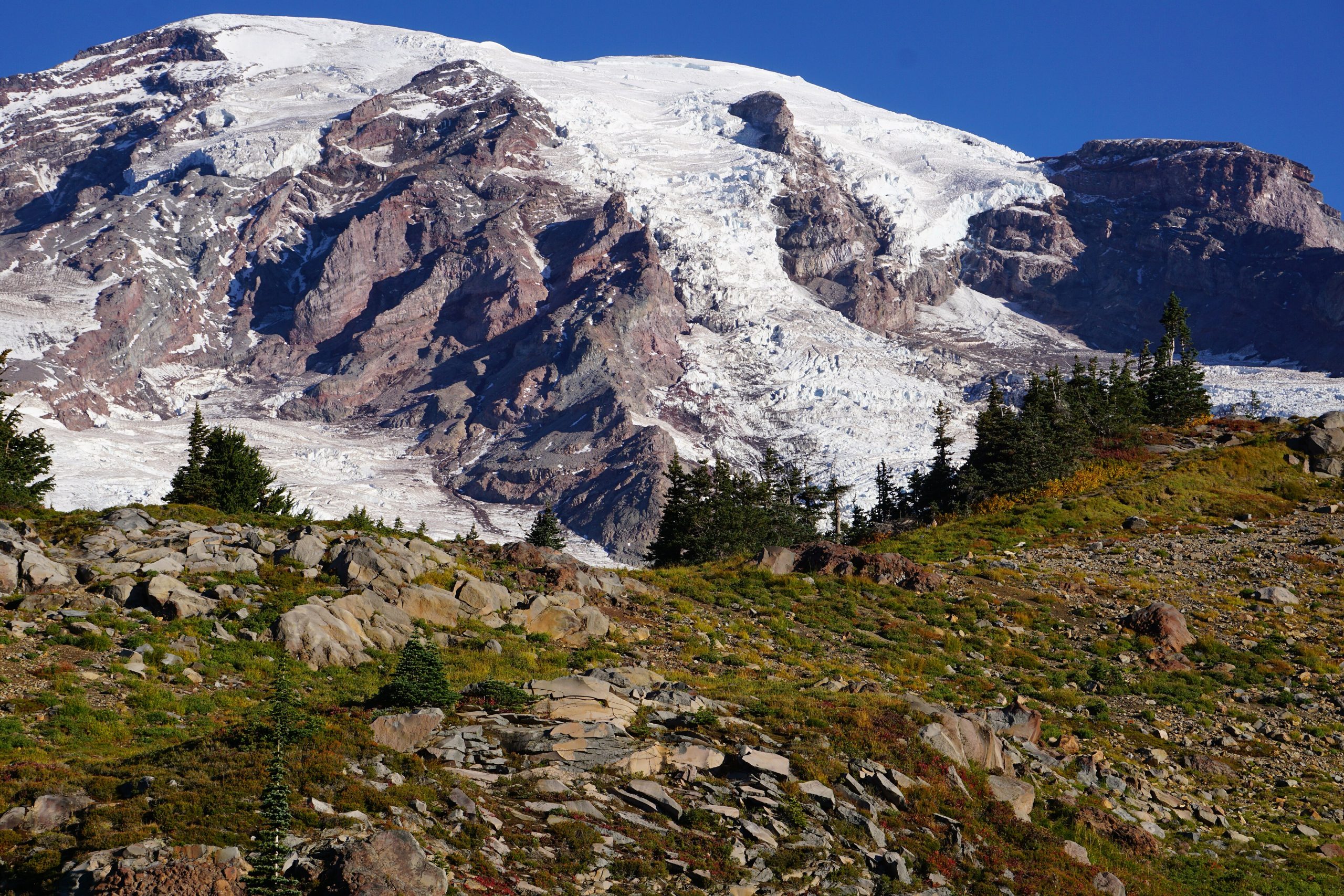
Rainier’s extensive glacial system contributes significantly to its beauty while introducing serious hazards. Beneath smooth fields of snow lie deep crevasses capable of swallowing climbers without warning. Snow bridges may appear solid, but can collapse under minimal weight. Movement across glaciers requires technical knowledge, specialized equipment, and constant vigilance. Seasonal melting and refreezing alter surface stability, making conditions difficult to predict. Glaciers also generate icefall risks as shifting masses fracture unpredictably. These frozen landscapes inspire awe yet demand caution. Their silent appearance often masks dynamic movement and structural instability that present persistent dangers to those lacking proper preparation.
Avalanches and Snow Instability
Snow accumulation on steep slopes creates ongoing avalanche potential. Variations in temperature, wind, and snowfall influence layer bonding, sometimes producing fragile structures prone to sudden failure. Climbers and backcountry travelers must assess snowpack stability continuously, as minor disturbances can trigger large slides. Avalanches move with devastating speed and force, leaving little opportunity for escape. Even routes considered standard can become hazardous after storms or warming cycles. Awareness and training help mitigate risk, but unpredictability remains inherent. The mountain’s snowy expanses enhance its iconic appearance while reflecting a complex environment where gravity and instability interact relentlessly.
Volcanic Origins and Geological Risks
Mount Rainier’s volcanic nature adds another dimension to its danger profile. Although not currently erupting, it remains an active stratovolcano with potential for future activity. Geological processes shape unstable rock faces and debris fields. Lahars, which are fast-moving volcanic mudflows, represent a historically significant concern. These flows can travel great distances, reshaping valleys and waterways. While large events are rare, monitoring systems highlight the mountain’s dynamic character. Its serene exterior belies underlying geological forces that have sculpted its form over millennia. Visitors encounter a landscape continuously influenced by both ancient and ongoing processes.
Technical Climbing Challenges
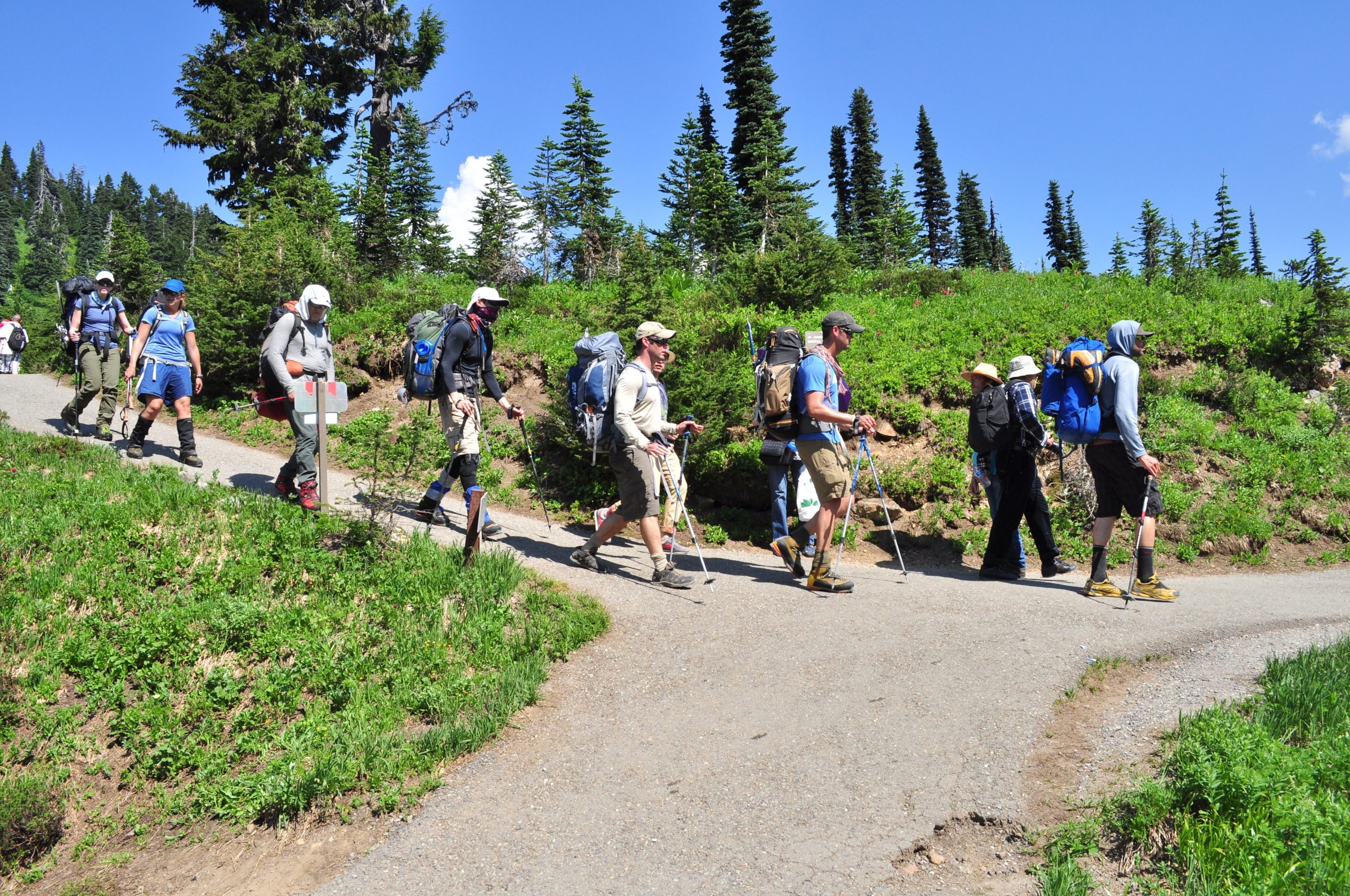
Ascending Rainier demands more than physical endurance. Routes involve glacier travel, steep snowfields, and variable surface conditions requiring technical skill. Proper rope techniques, crevasse rescue knowledge, and pacing strategies are critical. Fatigue, altitude effects, and cold exposure amplify difficulty as elevation increases. Even well-prepared teams must adapt to changing terrain and weather. The mountain’s accessibility relative to other major peaks sometimes encourages underestimation of its demands. Successful ascents depend on preparation, discipline, and sound judgment. Its visual allure contrasts sharply with the discipline required for safe navigation of its upper reaches.
Human Factors and Risk Perception
Many incidents on Rainier stem from human decision-making rather than environmental extremes alone. Overconfidence, inadequate planning, and misjudgment of conditions frequently contribute to accidents. The mountain’s popularity can create a false sense of security, leading some visitors to treat it as less demanding than it truly is. Fatigue, time pressure, and group dynamics influence choices in subtle ways. Recognizing these psychological factors is vital. Experience and humility often prove as important as technical competence. Understanding risk perception helps explain why such a beautiful destination consistently challenges even seasoned adventurers.
Search and Rescue Realities
Rainier’s vast terrain complicates rescue operations. Harsh weather, difficult access, and unstable surfaces hinder response efforts. Helicopter support depends on visibility and wind limits, which are frequently restrictive. Ground teams face challenging travel across glaciers and steep slopes. Time becomes critical when injuries or exposure threaten survival. These realities emphasize the importance of self-sufficiency and prevention. While rescue teams demonstrate extraordinary skill, reliance on external assistance is never guaranteed. The mountain’s scale and conditions underscore how quickly minor problems can escalate into life-threatening situations.
Why the Beauty Persists
Despite its dangers, Mount Rainier remains deeply cherished. Its dramatic landscapes, diverse ecosystems, and seasonal transformations inspire visitors year-round. Wildflower meadows, alpine vistas, and glacial panoramas contribute to its enduring appeal. The mountain embodies the raw power and elegance of natural forces. Appreciation grows when paired with awareness of its challenges. Respectful engagement allows visitors to experience its wonders safely. Beauty here is inseparable from complexity, reminding observers that extraordinary environments often demand heightened caution.
A Landscape That Commands Respect
Mount Rainier stands as a powerful reminder that natural splendor and risk frequently coexist. Its imposing presence evokes admiration while reinforcing the need for preparation and humility. Visitors drawn by its visual magnificence encounter an environment governed by rapidly changing conditions and formidable forces. Safety depends on knowledge, planning, and realistic expectations. The mountain’s reputation reflects both its extraordinary beauty and inherent hazards. Respect remains the essential companion to exploration, ensuring that appreciation never becomes complacency.