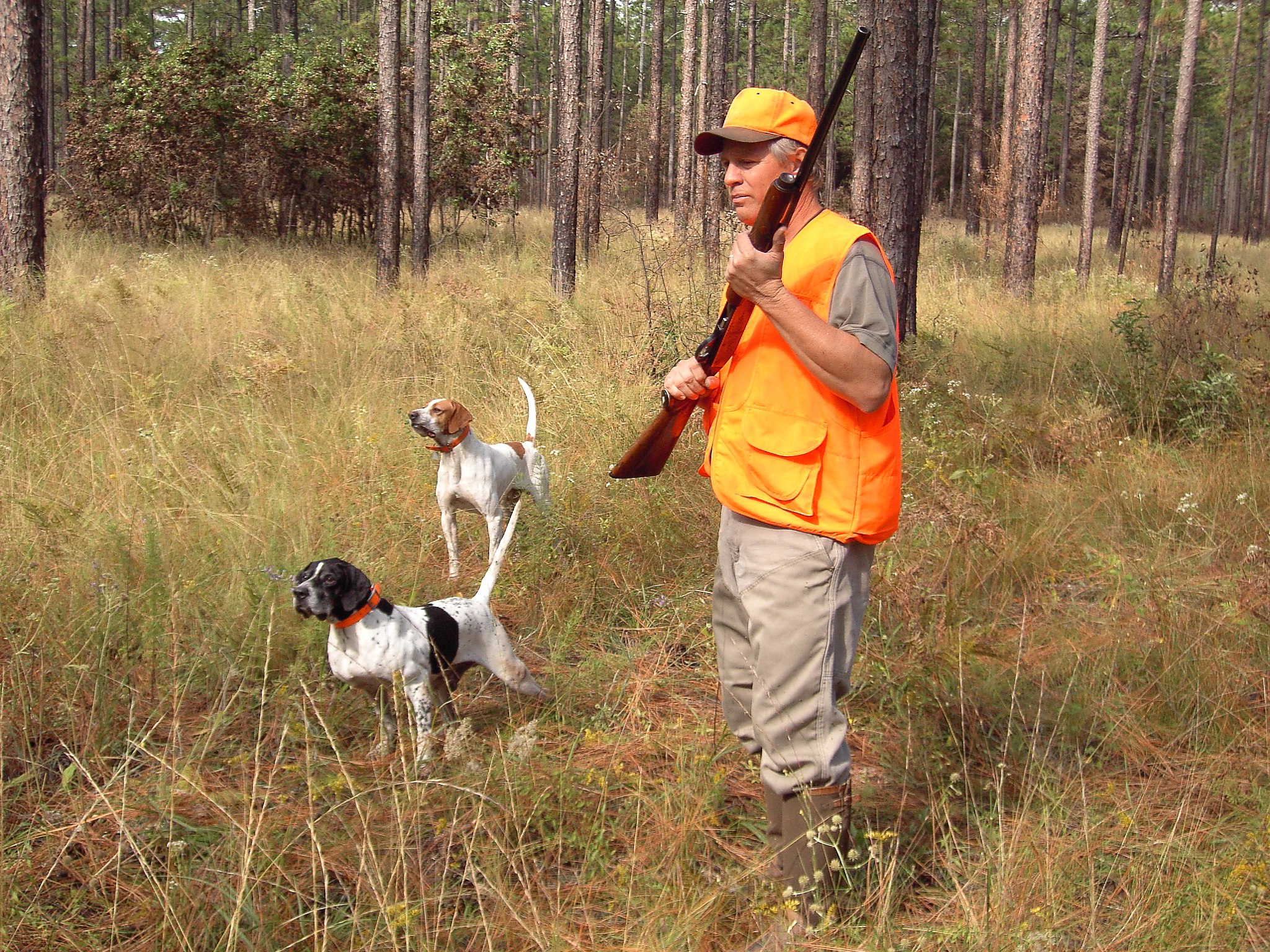
Canine enthusiasts often discuss how the AKC flags 9 dog breeds as only one generation removed from wolves in terms of ancient genetic lineage. Exploring these 9 dog breeds, only one generation removed from wolves, reveals a fascinating connection to wild ancestors. While modern domestic pets seem entirely separated from wild predators, scientists identify specific basal breeds that retain incredibly close biological ties to early wolves. These ancient canine varieties exhibit physical traits and behavioral instincts perfectly preserved through thousands of years. Understanding this primitive heritage helps owners appreciate the unique independence and remarkable survival skills these beautiful companion animals possess.
Siberian Husky
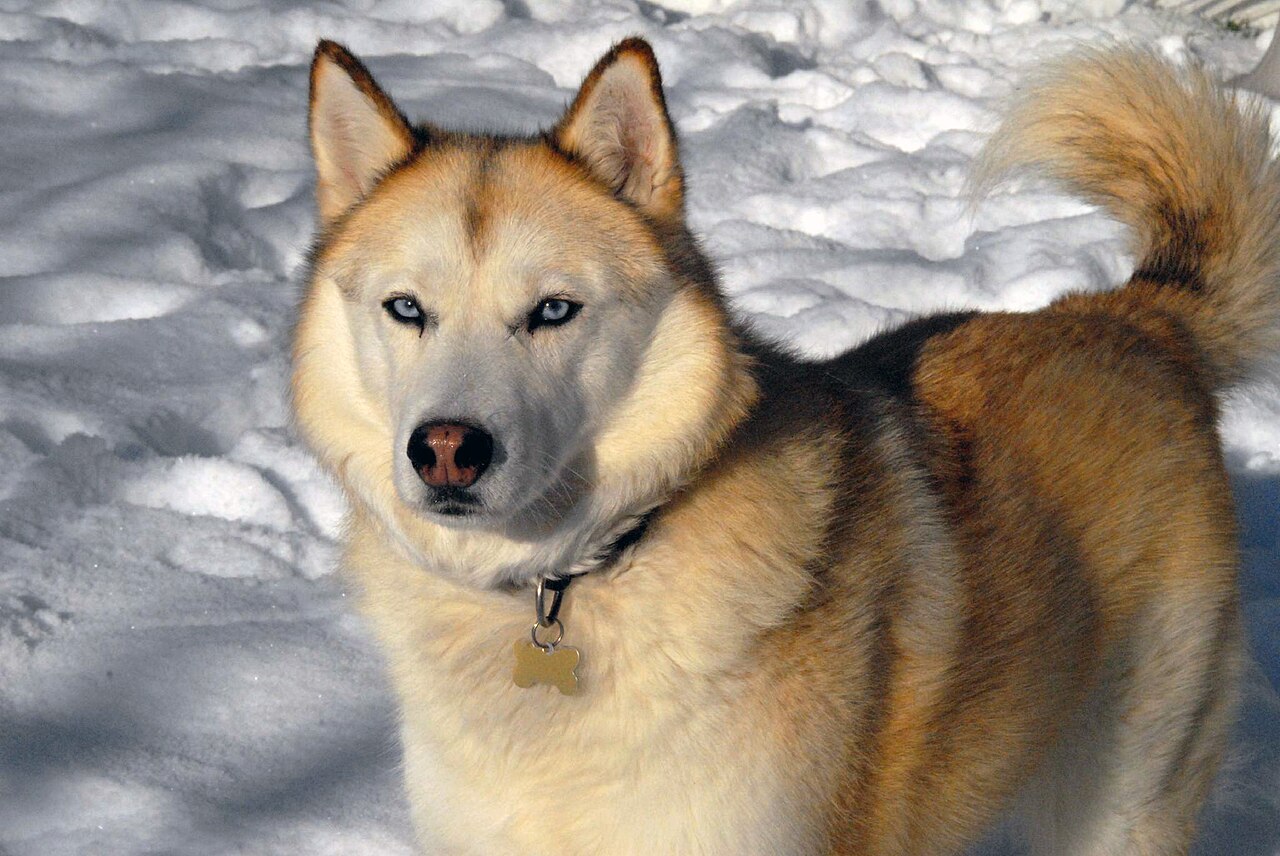
The energetic Siberian Husky visually embodies the spirit of a wild forest predator better than almost any other modern companion animal. Originating in harsh northern climates, these resilient sled dogs maintain a pack mentality directly inherited from ancient basal ancestors. They communicate through expressive vocal howls instead of normal domestic barking patterns. Their thick double coat provides superior insulation against freezing temperatures and repels moisture effectively during heavy snowstorms. Siberian Huskies require tremendous daily exercise to prevent destructive boredom within suburban homes. A dedicated owner must establish strong leadership to successfully manage their wonderfully stubborn and independent nature.
Alaskan Malamute
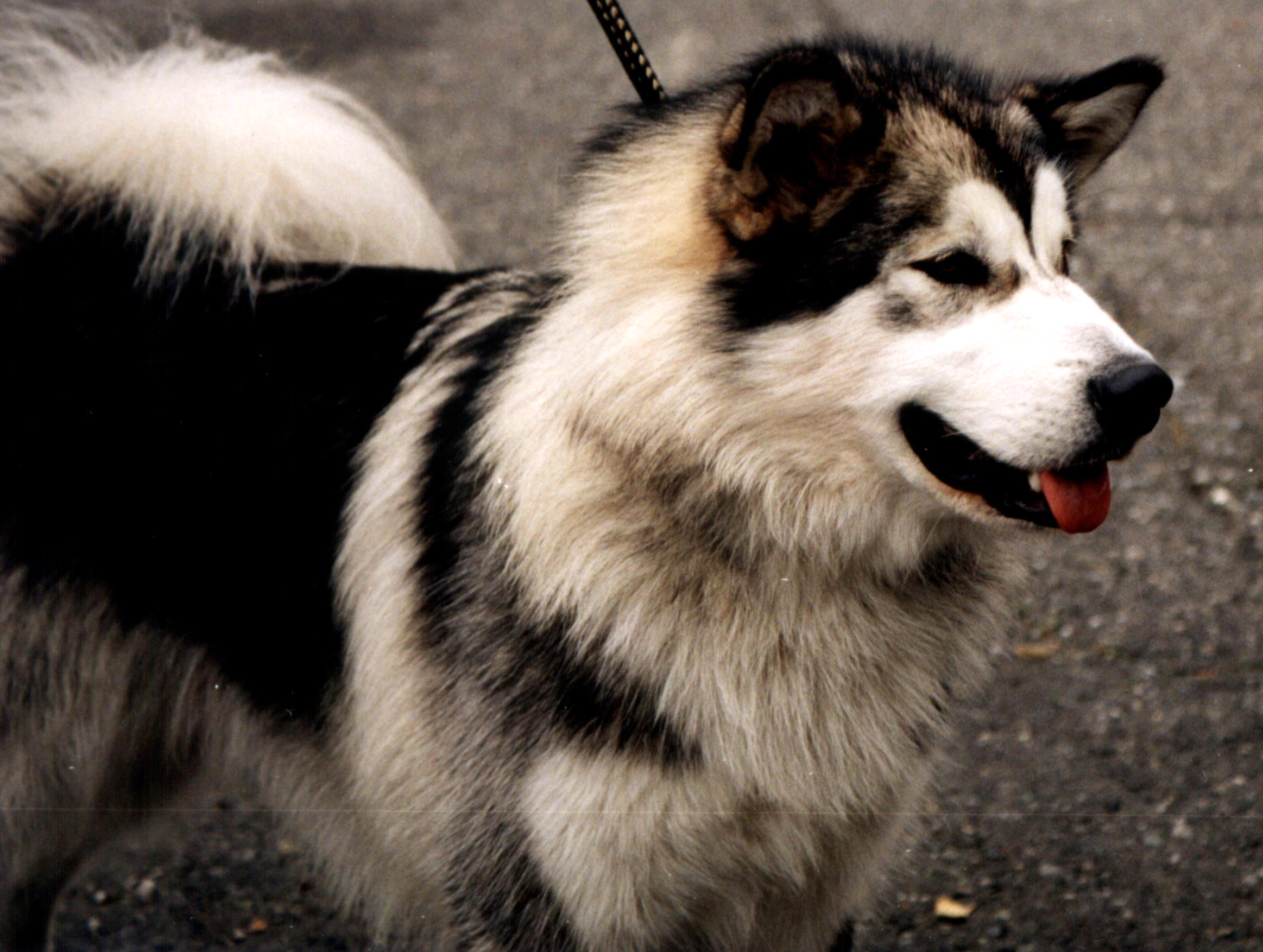
Bred for heavy freight hauling across treacherous frozen landscapes, the powerful Alaskan Malamute displays massive physical strength and remarkable endurance. These majestic canines share significant genetic markers with their primitive arctic relatives and exhibit strong predatory drives toward smaller neighborhood animals. They possess deep chests and heavy bone structures designed exclusively for survival in completely unforgiving winter environments. Malamutes form incredibly tight emotional bonds with their human families but often challenge authority figures who show any hesitation or weakness. Proper early socialization ensures these giant dogs learn acceptable boundaries while peacefully interacting with unfamiliar guests inside the house.
Samoyed
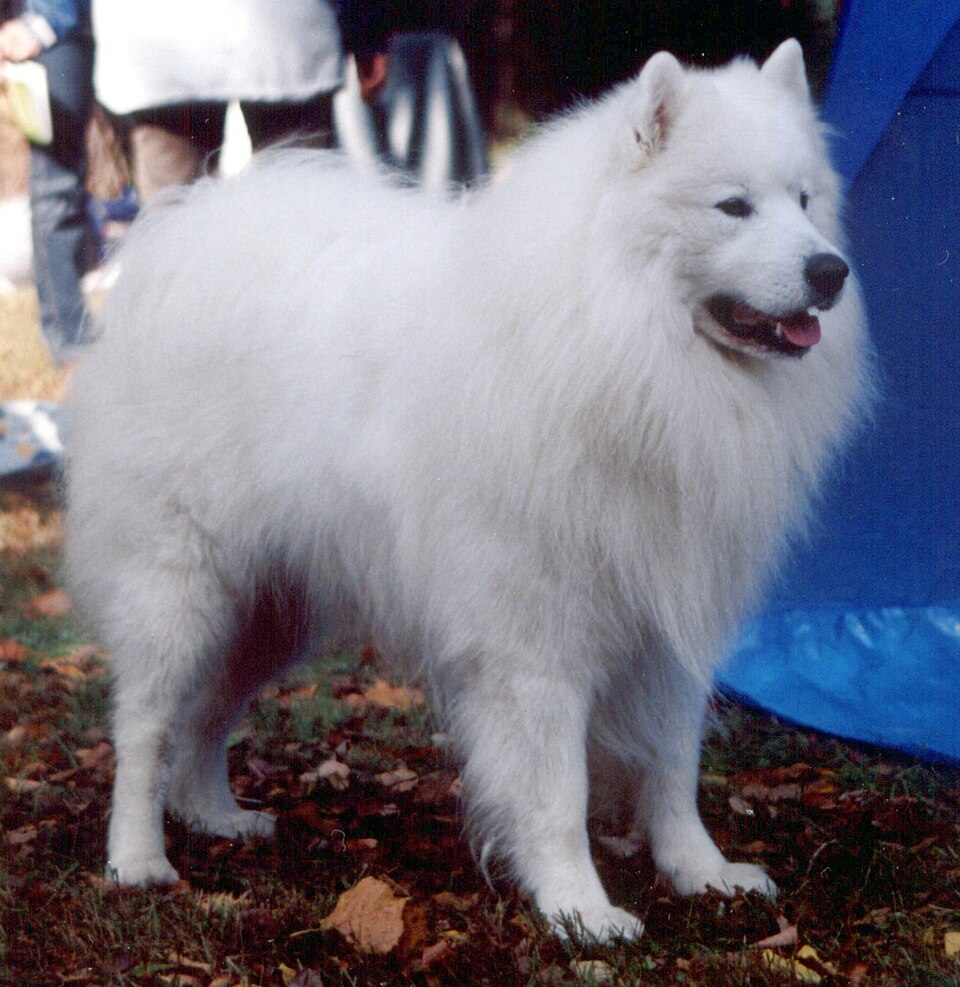
The strikingly beautiful Samoyed features a stunning white coat originally developed to camouflage against expansive Siberian snowfields. These friendly dogs once lived alongside nomadic reindeer herders and shared their small tents to provide vital body heat during freezing nights. While they look incredibly approachable today, their genetic code remains closely tethered to ancient basal canine lineages. Samoyeds retain an intense instinct to chase moving objects and frequently attempt to herd small children playing in the backyard. Their famous smiling expression prevents irritating drool from freezing onto their lips when temperatures drop well below the normal freezing point.
Shiba Inu
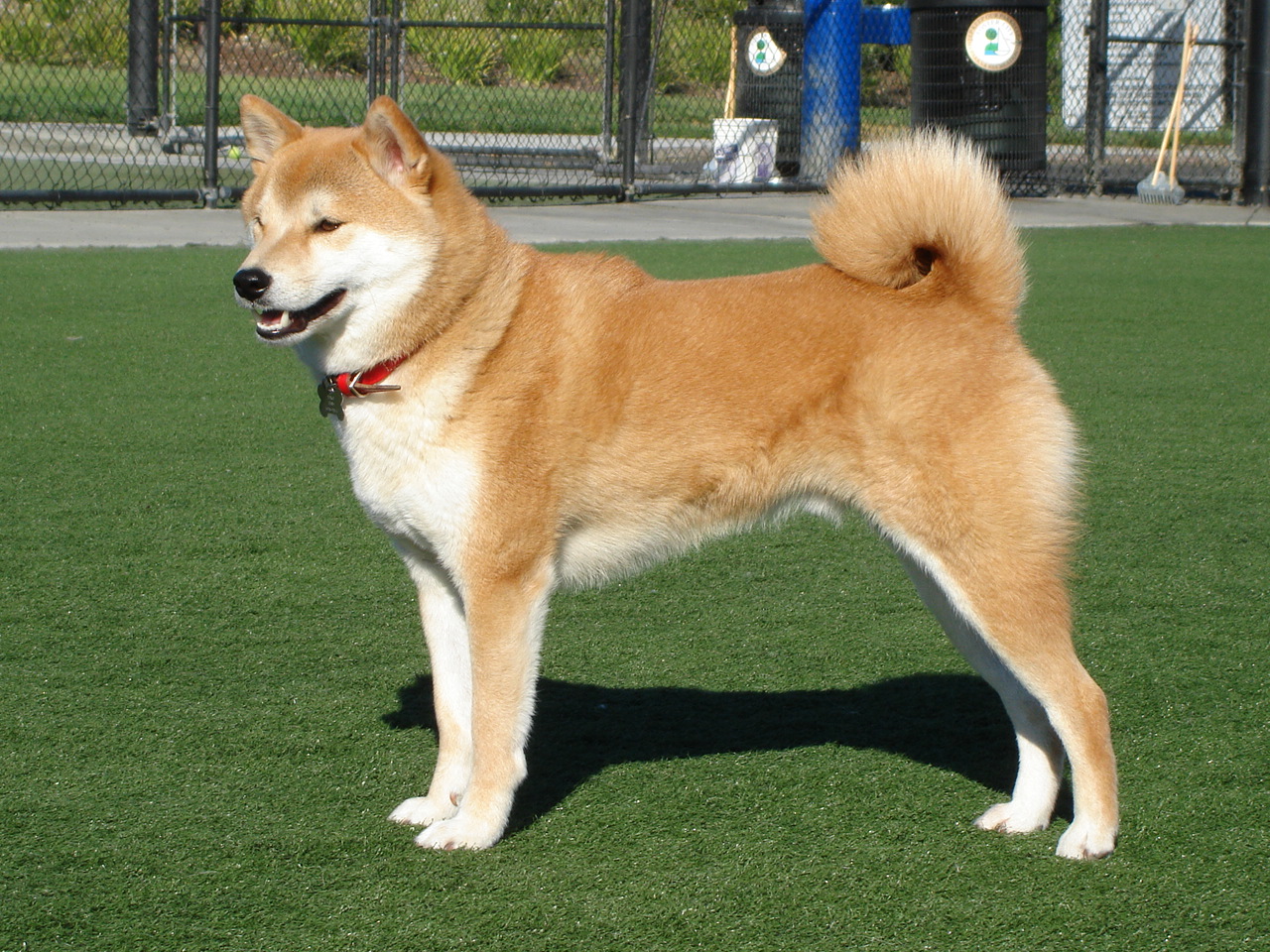
Hailing from the rugged mountainous regions of Japan, the small Shiba Inu possesses a remarkably bold and primitive personality. This compact hunting breed carefully navigates dense underbrush to flush out birds and small game for their human companions. DNA analysis confirms their position as one of the oldest domestic dog breeds still existing in modern society. A Shiba Inu routinely displays catlike cleanliness and will spend countless hours meticulously grooming its thick reddish coat. They scream when distressed and openly express deep displeasure regarding uncomfortable situations or unfamiliar handling by unknown veterinary staff members during routine exams.
Akita
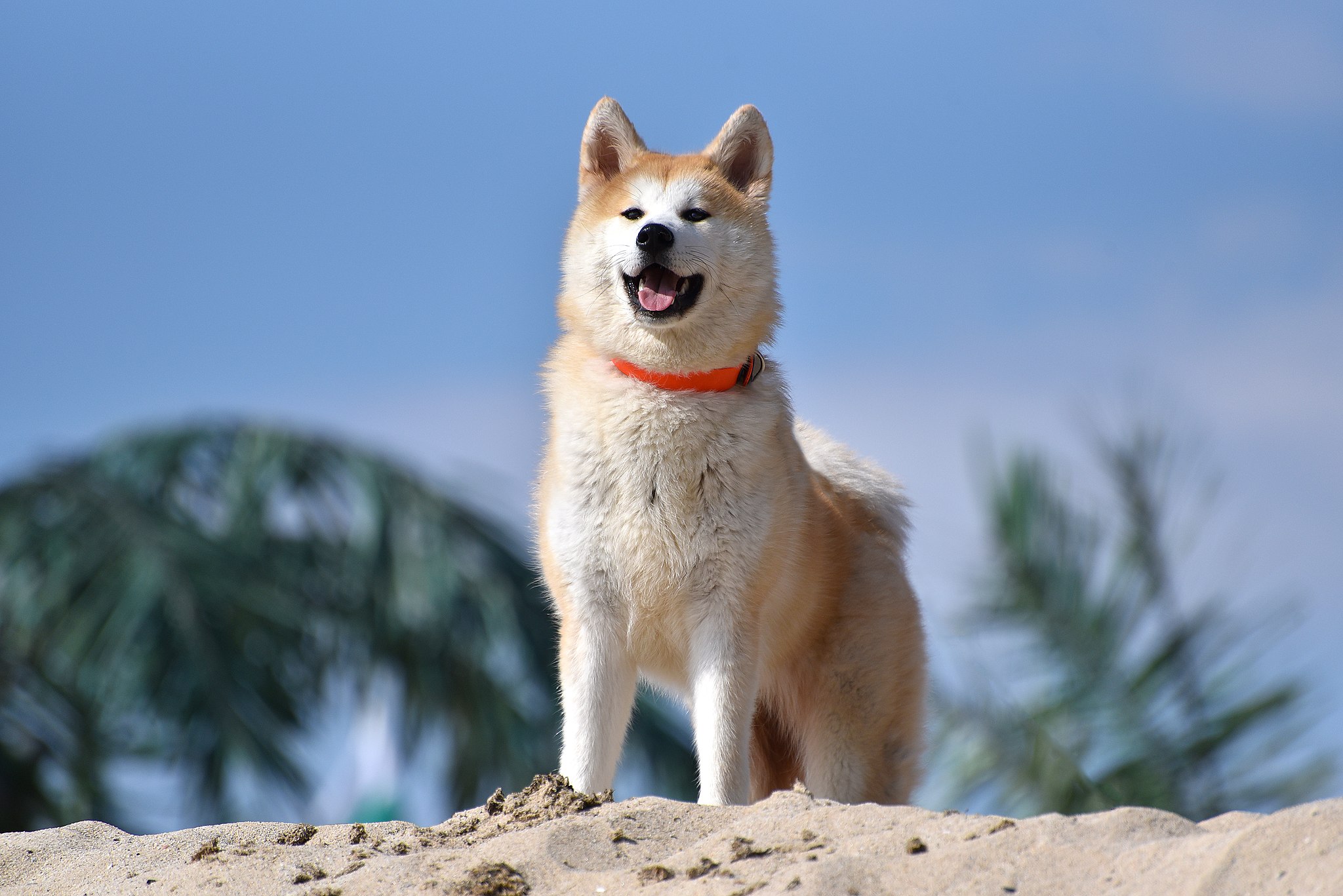
The imposing Akita commands profound respect through its massive physical presence and deeply ingrained guardian instincts. Japanese nobility exclusively utilized these fearless dogs to hunt formidable wild boars and dangerous black bears across steep, snowy terrain. Their genetic profile reveals an incredibly close relationship to wild canine species that roamed the Asian continent thousands of years ago. Akitas remain notoriously aloof around strangers and fiercely protect their chosen human family members from any perceived external threats. Successfully training this strong-willed breed requires establishing absolute consistency and demonstrating calm leadership throughout every single obedience session, starting from puppyhood.
Chow Chow
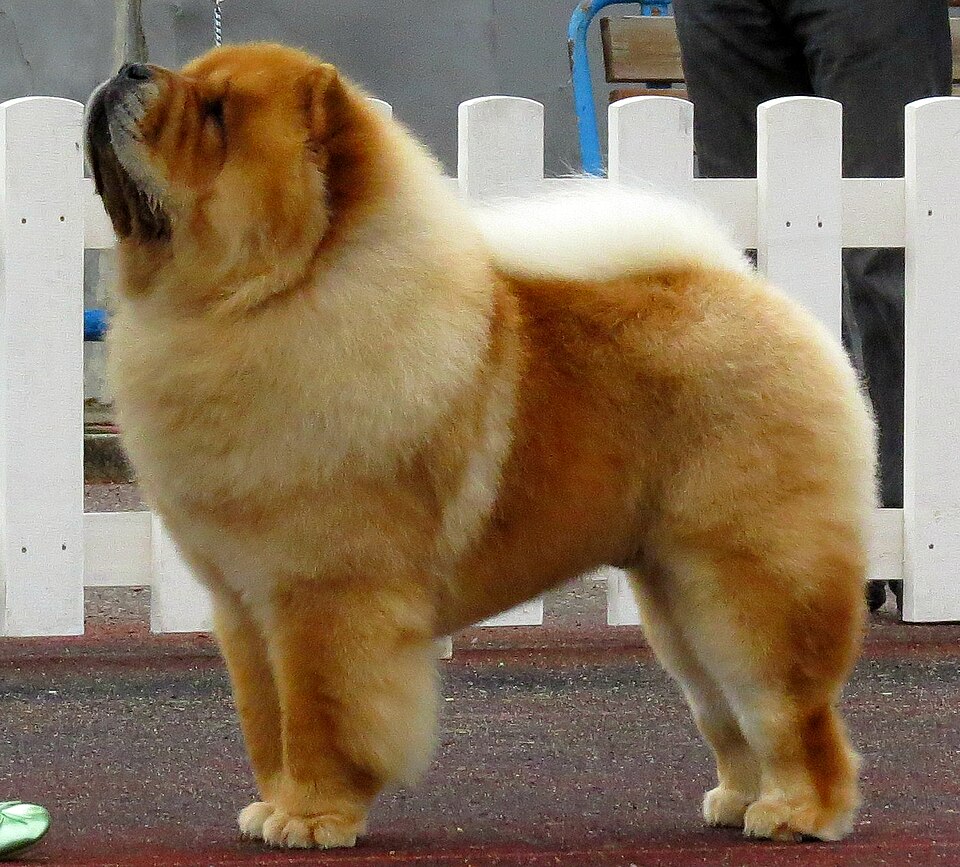
Ancient Chinese emperors highly valued the dignified Chow Chow for its remarkable versatility as an aggressive guard dog and capable hunter. This sturdy breed features a unique blue or black tongue that distinctly separates it from nearly all other domestic canine varieties. Scientific researchers confirm that their basal lineage places them incredibly close to primitive wild wolves on the evolutionary tree. A Chow Chow naturally mistrusts newcomers and prefers observing loud household activities from a quiet and secure corner. They form an unbreakable emotional attachment to one specific person and typically ignore everyone else living inside the residential property.
Basenji
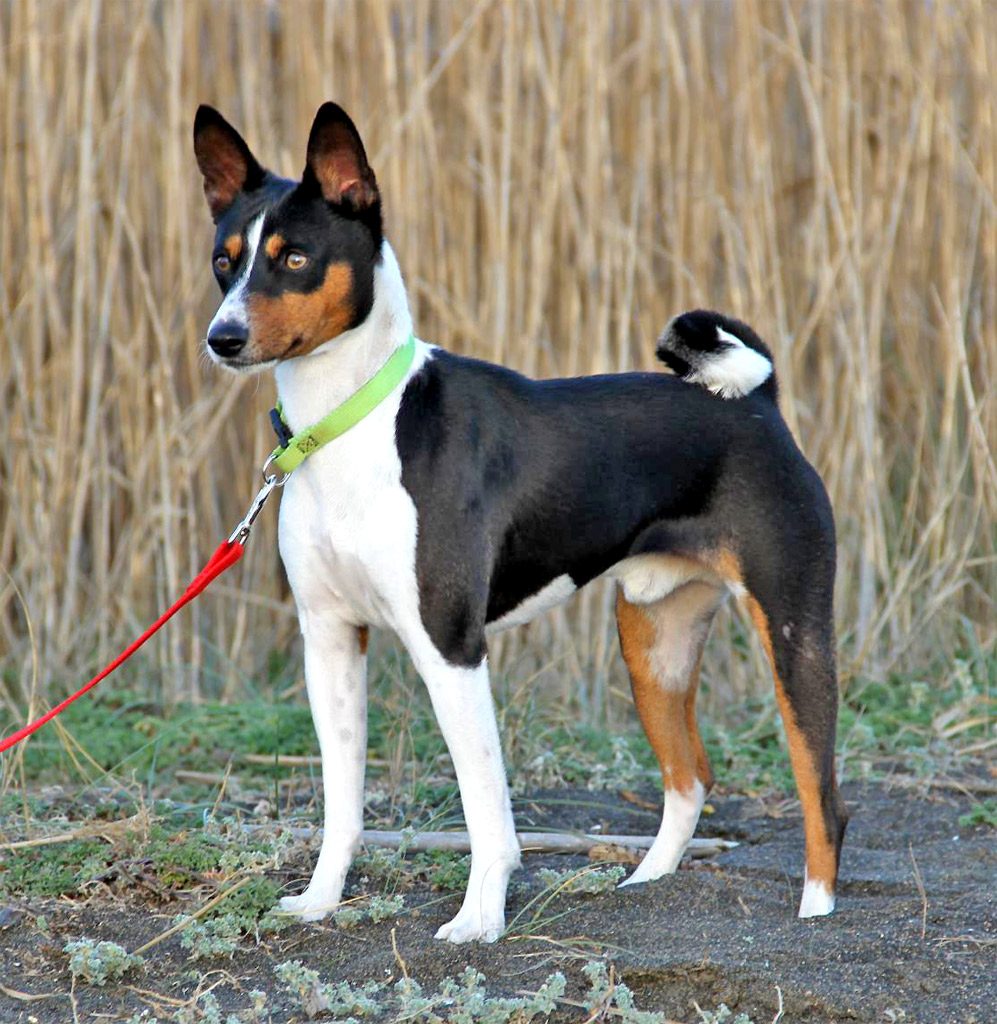
Central African tribes utilized the incredibly agile Basenji to quietly track and flush small game through dense tropical rainforests. This primitive hound entirely lacks the physical ability to produce a normal bark and instead emits an unusual yodeling sound when highly excited. They possess an extremely high prey drive that makes peaceful coexistence with household cats or pet rabbits almost entirely impossible. A Basenji carefully evaluates every new situation and stubbornly refuses to perform repetitive tricks just to please a human audience. Their independent nature perfectly mirrors the solitary survival instincts found within their ancient wild canine ancestors.
Saluki
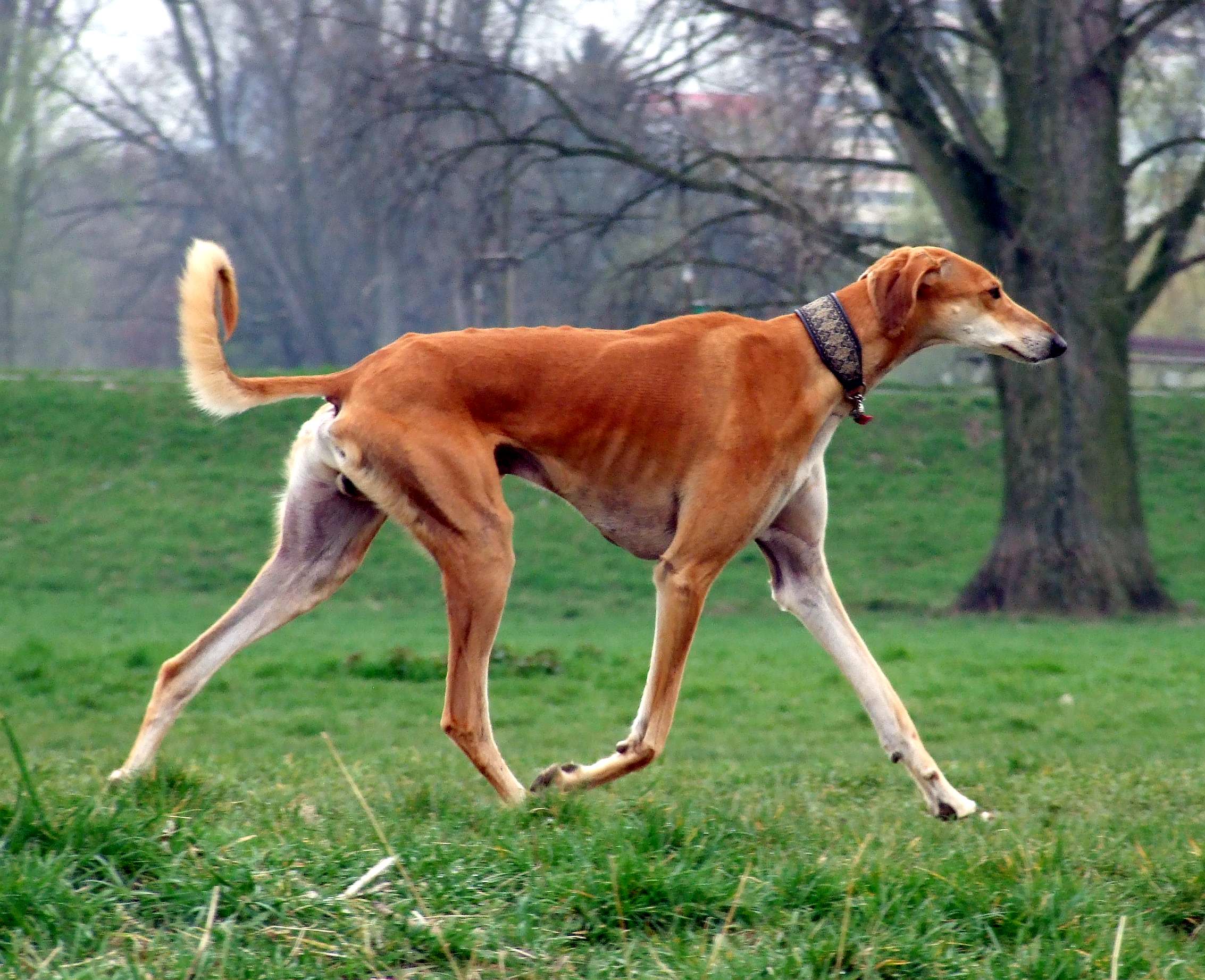
The elegant Saluki represents one of the oldest known domestic breeds and historically served Egyptian pharaohs during prestigious hunting expeditions. These incredibly swift sight hounds rely heavily on their spectacular vision to detect subtle movements across vast desert landscapes. Their genetic makeup shows exceptionally little deviation from the very first wild dogs that humans successfully tamed thousands of years ago. A sprinting Saluki easily reaches phenomenal speeds while chasing down fleeing rabbits or distant neighborhood squirrels. Providing a completely secure and heavily fenced running area remains absolutely crucial to prevent these magnificent animals from wandering dangerously far from home.
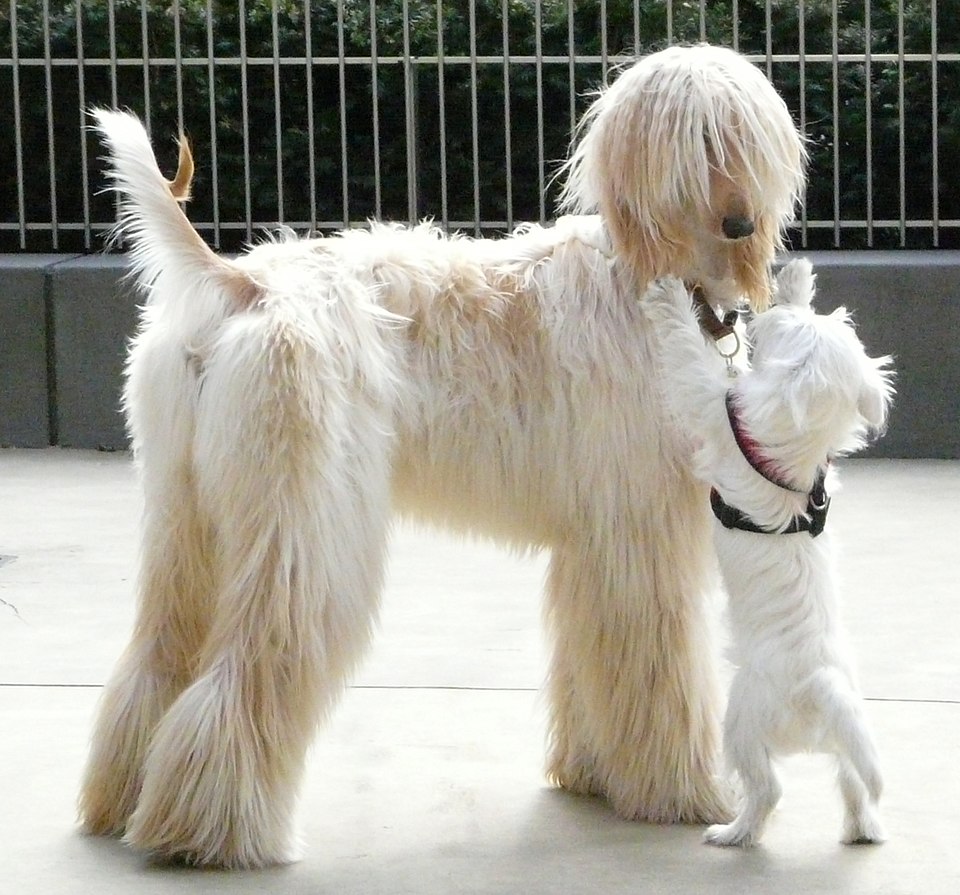
Beneath the glamorous, flowing coat of an Afghan Hound hides a rugged mountain hunter deeply connected to a primitive past. Nomadic tribes selectively bred these remarkable animals to pursue swift leopards and agile gazelles across incredibly treacherous rocky terrain. Their basal genetic roots make them notoriously difficult to train using standard positive reinforcement obedience methods. They display intense independence and often completely ignore enthusiastic commands shouted by frustrated owners at the local dog park. An Afghan Hound graciously accepts affection on its own terms and constantly maintains an aura of quiet dignity inside a busy modern family household.