Hunting ethically means knowing exactly where to place a shot so the animal drops quickly and cleanly. Whether you’re carrying a rifle or a bow, understanding anatomy, angles, and behavior gives you a much higher chance of success and far less tracking time. Great hunters don’t rush; they wait for the right moment, aim with intention, and respect the animal by taking only high-percentage shots. The goal isn’t just filling the freezer; it’s doing so responsibly with skill, patience, and confidence.
Learn the Vital Zone

A deer’s vital zone covers the heart and lungs, tucked just behind the front shoulder in the lower third of the chest. This area gives the highest odds of a fast, humane harvest, which is why experienced hunters train their eyes here first. Before going afield, study anatomy diagrams and practice visualizing where these organs sit under the hide. Knowing exactly where to aim prevents guesswork and strengthens your instincts when adrenaline kicks in and time is limited.
Broadside Shot: The Gold Standard
The broadside shot remains the most recommended position because it exposes the widest vital area. Aim slightly behind the shoulder, lining up the lower mid-body zone where lungs and heart overlap. This approach allows bullets and arrows to travel through minimal bone and thick tissue, improving penetration and blood-trail quality. Whether on the ground or in a stand, taking time to wait for this angle helps ensure the deer drops quickly and your tracking job stays manageable.
Quartering-Away Advantage

When a deer angles slightly away, it opens a perfect path through both lungs. Picture your arrow or bullet exiting through the opposite shoulder and align your aim accordingly. This shot avoids major bones and increases internal damage while usually producing strong blood trails. Many hunters consider quartering away the second-best opportunity after broadside because it offers forgiveness and predictable results. The key is patience; wait for the angle rather than forcing a risky forward-facing attempt.
Avoid Quartering-Toward Angles
Quartering toward positions may tempt hunters, but they create a tougher path to the vitals and often involve thick bone and heavy muscle. Shots can deflect or stop short, leading to long tracking and suffering. The most disciplined hunters pass on this shot and let the deer turn. A clean opportunity almost always comes if you stay calm. Knowing when not to shoot is just as important as accuracy, and passing bad angles makes you more ethical and successful long-term.
Understanding the Shoulder Shot
Some hunters aim high on the shoulder to drop the deer instantly by hitting the spine or major bone. While impressive when perfect, this technique leaves almost no room for error. A slight miss can wound instead of anchor. Unless you’re highly practiced and shooting powerful equipment, stick to the classic heart-lung region. Ethical hunting focuses on consistency and clean exits, and shoulder shots require advanced skill and confidence that beginners and mid-level shooters shouldn’t rush into.
Elevation & Tree Stand Angles
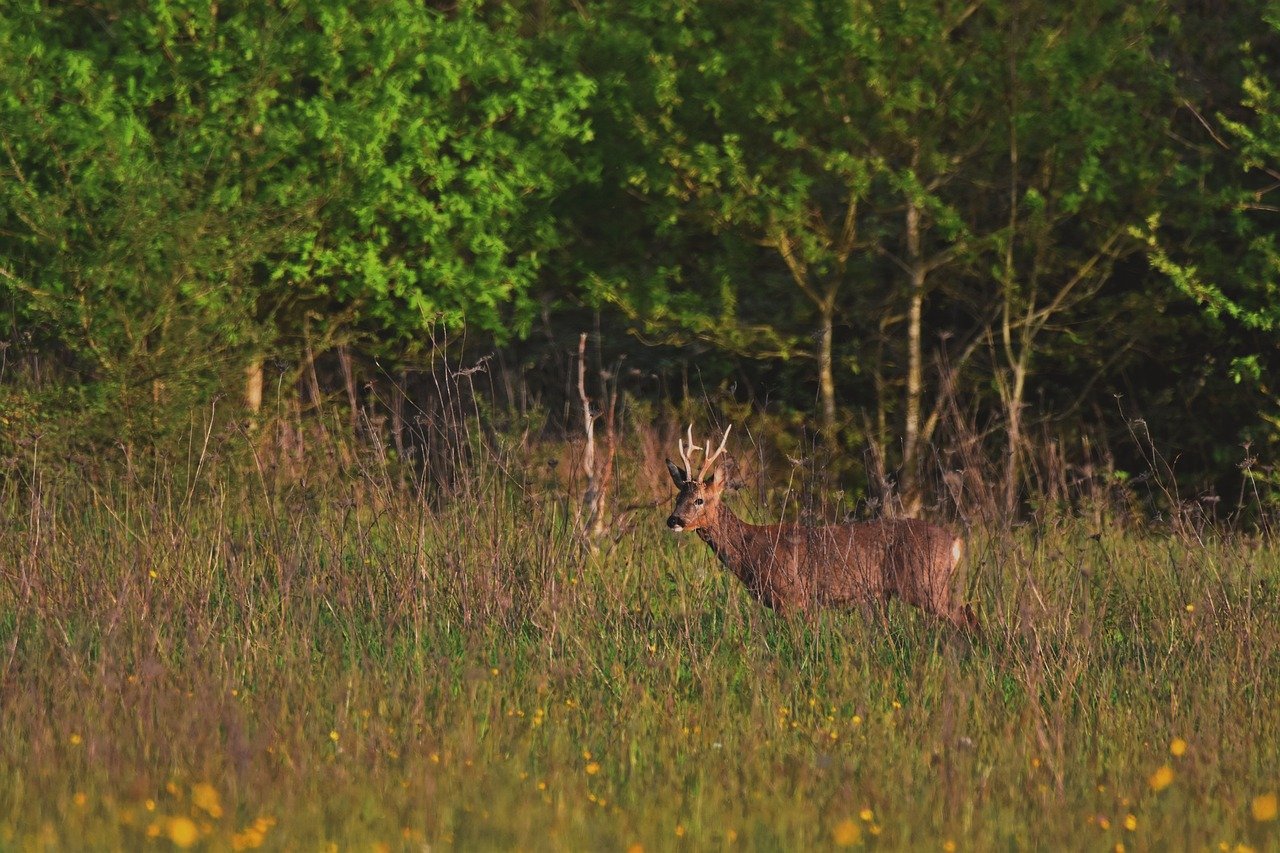
Shooting from above changes where your arrow or bullet enters and exits, so aim with the angle in mind rather than simply centering the lungs. Shots taken too high can catch only one lung, creating longer recoveries. Practice from elevation before the season, so body positioning feels natural. Visualize the projectile’s path, not just the entry point. Good stand hunters think in 3D, ensuring vital penetration even when shooting downward toward a deer’s near-side ribs.
Wait for Stillness
A calm, unaware deer offers the best odds. If the animal is alert or tense, it may “duck” at the shot, especially with bows. This drop can move the lungs out of alignment and turn a perfect aim into a marginal hit. When the deer pauses with a relaxed stance and front foot forward, that’s your window. Hunters who force shots at moving animals often track longer. Let the moment settle, then squeeze smoothly to place your shot precisely.
Avoid Head and Neck Shots
Movies and social clips often glorify neck or head shots, but in reality, these targets are tiny, mobile, and risky. A deer only has to flinch a couple of inches to turn a planned fatal shot into a painful jaw or spine wound. Ethical hunters prioritize broad vital zones first and use high-risk shots only in extremely controlled, close-range situations. Conserving meat matters, but so does reliable anatomy. Stick to the lung and heart areas for consistent humane outcomes.
Practice Real-World Scenarios
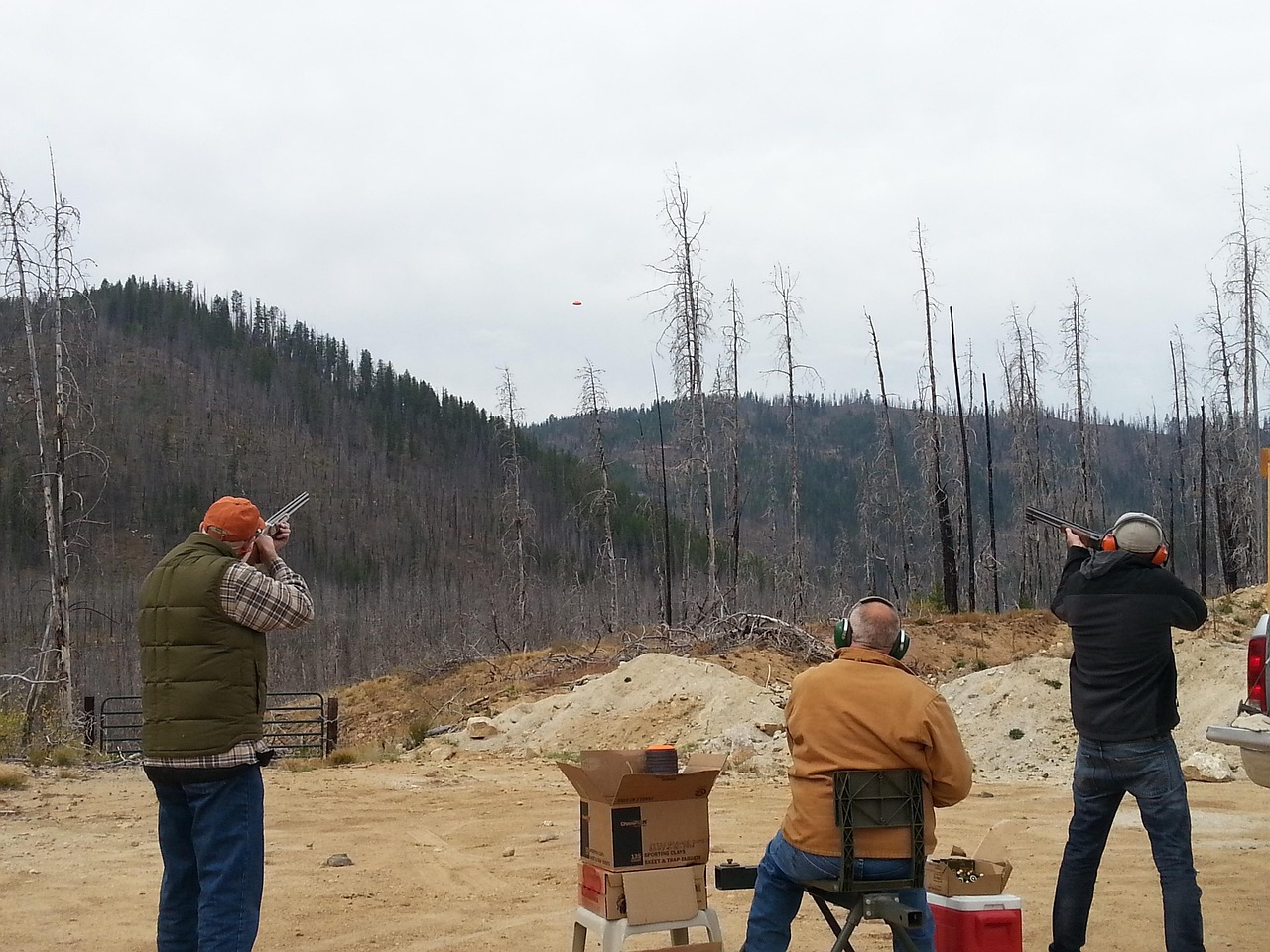
Bench or range accuracy doesn’t always translate to the woods. Practice from kneeling, sitting, leaning against trees, and shooting from elevated platforms. Learn to anchor, breathe, and execute steady pressure under mild pressure so it becomes automatic later. Shooting at varied distances and in realistic gear builds confidence. Hunters who train like they hunt rarely panic in the moment. The deer deserves your best shot, not a rushed guess based on target-range comfort.
Track with Patience
Even the best-placed shot sometimes requires tracking. Mark the shot site, listen for the crash, and watch the direction the deer runs. Resist the urge to push forward too soon; rushing can push a wounded deer farther into cover. Follow the sign methodically and trust your knowledge. Blood patterns, broken twigs, and hoof tracks tell a story. Successful hunters remain calm and persistent, honoring the animal by finishing the recovery with respect and attention to detail.