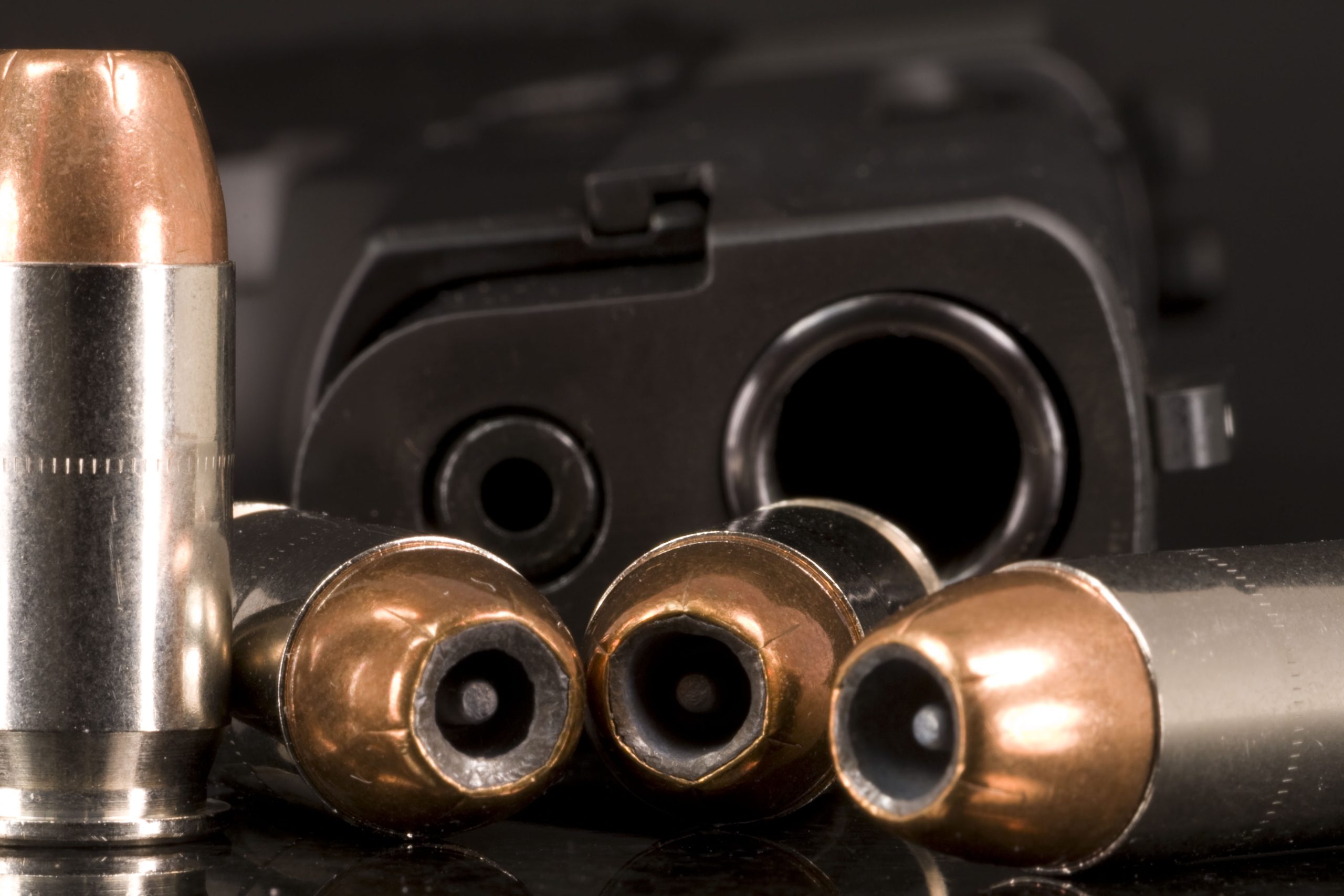
When survival is on the line, every decision about gear suddenly becomes more serious.
One of the longest-running debates in the firearms world centers on the difference between the 9mm and the .45 ACP.
Both cartridges have served soldiers, police officers, and civilian defenders for more than a century.
Each caliber has built a strong reputation for reliability, effectiveness, and real-world performance.
The 9mm is widely known for its manageable recoil, higher magazine capacity, and global popularity.
The .45 ACP is famous for its larger bullet diameter and long-standing reputation for powerful impact.
In real survival conditions, however, success rarely depends on caliber alone.
Factors like recoil control, ammunition weight, availability, and shot placement often matter just as much as raw power.
Recoil Control Under Stress
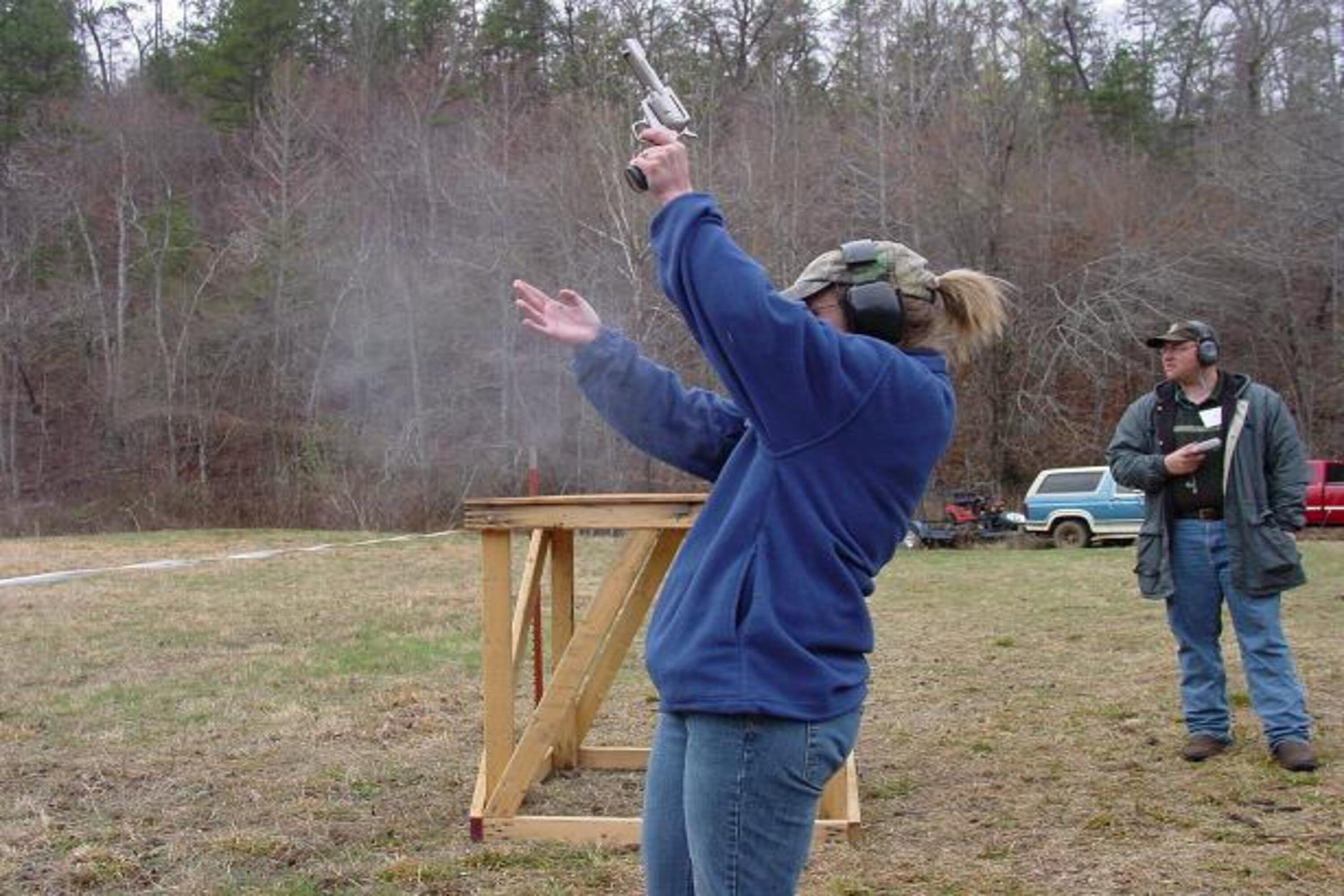
Recoil management becomes extremely important when adrenaline is high, and accuracy becomes critical.
The 9mm cartridge usually produces noticeably less recoil than the .45 ACP.
This allows shooters to maintain better control during rapid fire.
Lower recoil also helps maintain a steady grip and consistent sight alignment under pressure.
The .45 ACP generates a stronger push because of its heavier projectile.
While experienced shooters often handle it well, beginners may find it more difficult to control during intense situations.
Magazine Capacity Advantage
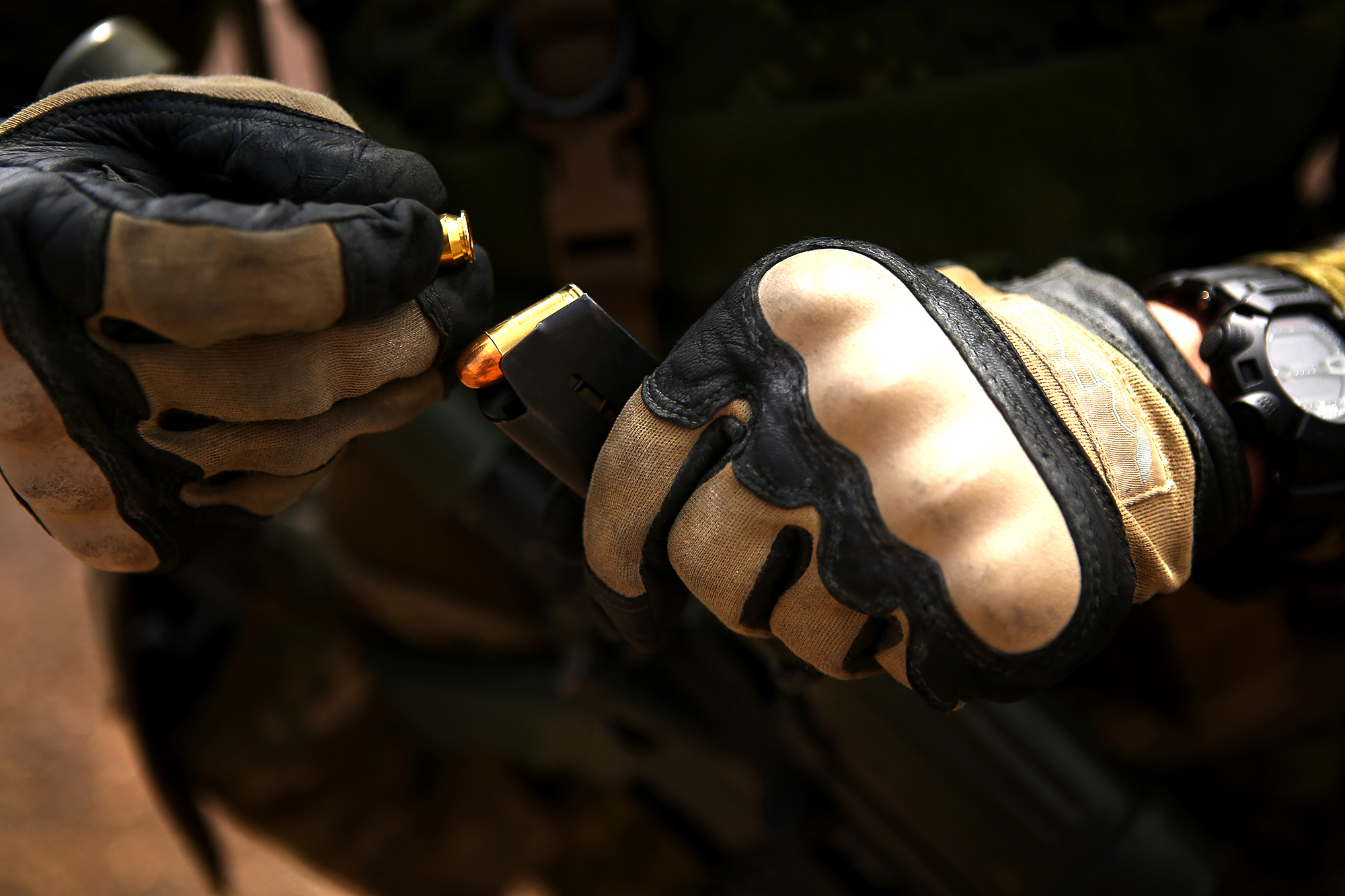
Magazine capacity can play a major role in defensive or survival situations.
Having more rounds available before reloading can provide a meaningful advantage when facing uncertainty.
Most 9mm pistols hold significantly more rounds than comparable .45 ACP handguns.
Full-size 9mm pistols often carry between fifteen and seventeen rounds in a standard magazine.
Many traditional .45 ACP pistols usually hold between seven and ten rounds.
Higher capacity means fewer reloads and more opportunities to respond effectively under stress.
Ammunition Weight and Carry
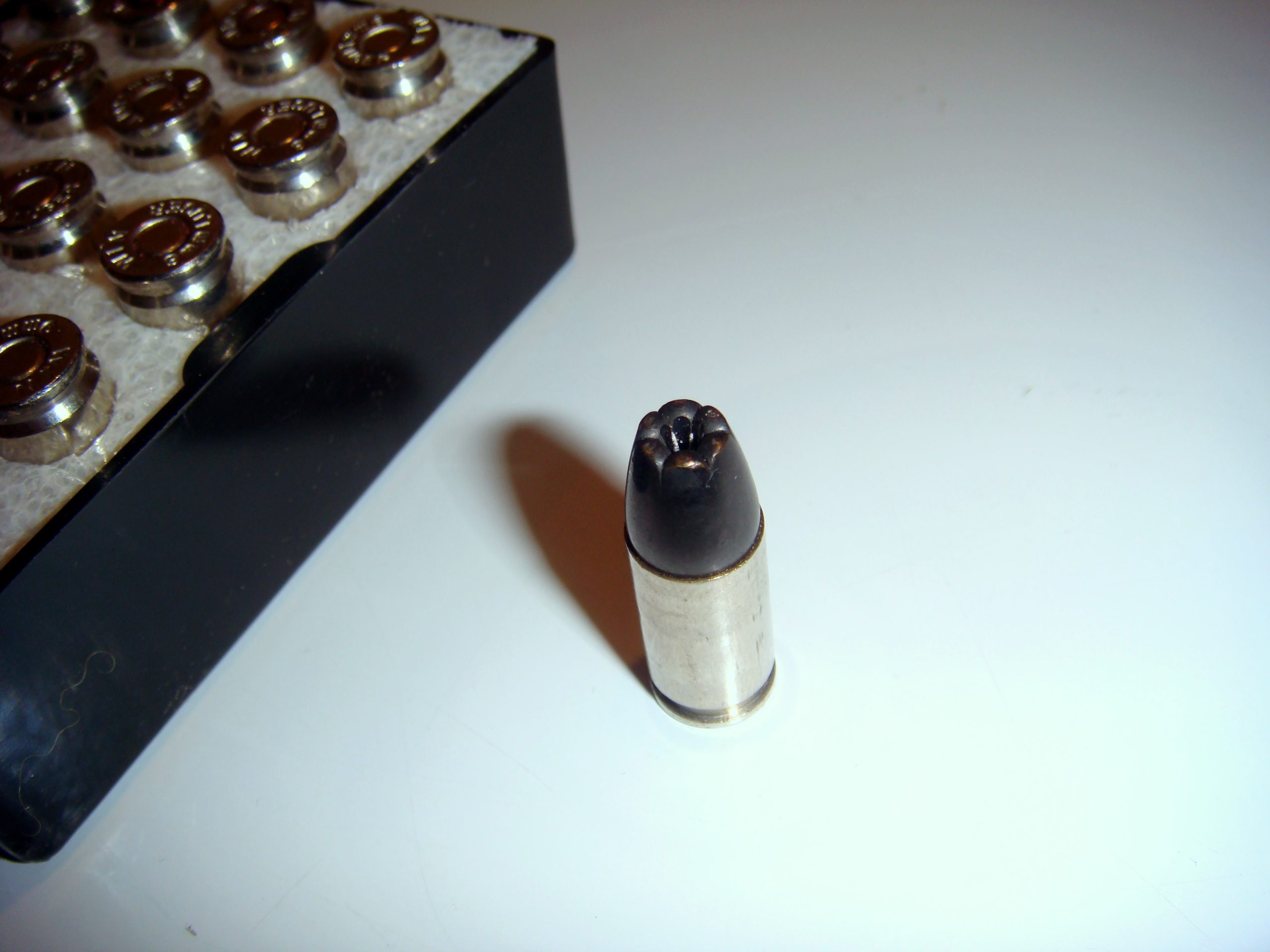
In survival situations, every ounce of gear matters.
Ammunition weight can add up quickly when someone must move long distances on foot.
The 9mm cartridge is generally lighter and more compact than .45 ACP ammunition.
This allows a person to carry more rounds without significantly increasing their overall load.
The heavier .45 ACP cartridges provide strong performance but reduce the number of rounds that can be carried comfortably.
When mobility and endurance matter, lighter ammunition often provides practical advantages.
The Stopping Power Debate
The stopping power debate between the 9mm and the .45 ACP has existed for decades.
Supporters of the .45 ACP often highlight its larger bullet diameter and heavier projectile.
Historically, the cartridge gained a reputation for delivering strong impact and reliable performance.
Modern 9mm ammunition has improved significantly due to advances in bullet design.
Many defensive 9mm rounds now expand reliably while maintaining effective penetration.
Because of these improvements, the real-world performance gap between the two calibers has narrowed.
Availability During Crisis
Supply availability can become unpredictable during emergencies or long-term survival situations.
The 9mm is one of the most widely produced handgun calibers in the world.
Because of this widespread production, it is often easier to find in stores and training facilities.
Many military and law-enforcement organizations also use 9mm pistols.
This widespread adoption helps maintain a strong supply chain for the cartridge.
The .45 ACP remains widely available but is typically produced in smaller quantities overall.
Accuracy and Follow-Up Shots
Accuracy becomes critical when every shot must count.
The ability to fire controlled follow-up shots can determine success in defensive situations.
Many shooters find that 9mm pistols allow faster recovery between shots because of their lighter recoil.
This helps maintain sight alignment and consistent control during repeated firing.
The .45 ACP can also deliver excellent accuracy in well-designed pistols.
However, its stronger recoil may slow follow-up shots for some shooters.
Handgun Size and Carry Comfort
Handgun size and weight can influence caliber choice more than many people expect.
Many 9mm pistols are built with relatively compact frames that allow comfortable daily carry.
Their lighter weight makes them easier to carry for long periods of time.
Traditional .45 ACP pistols are often larger because of the size of the cartridge.
The added weight may become noticeable during extended movement or travel.
In survival situations where mobility matters, lighter handguns can provide practical advantages.
Training and Skill Development
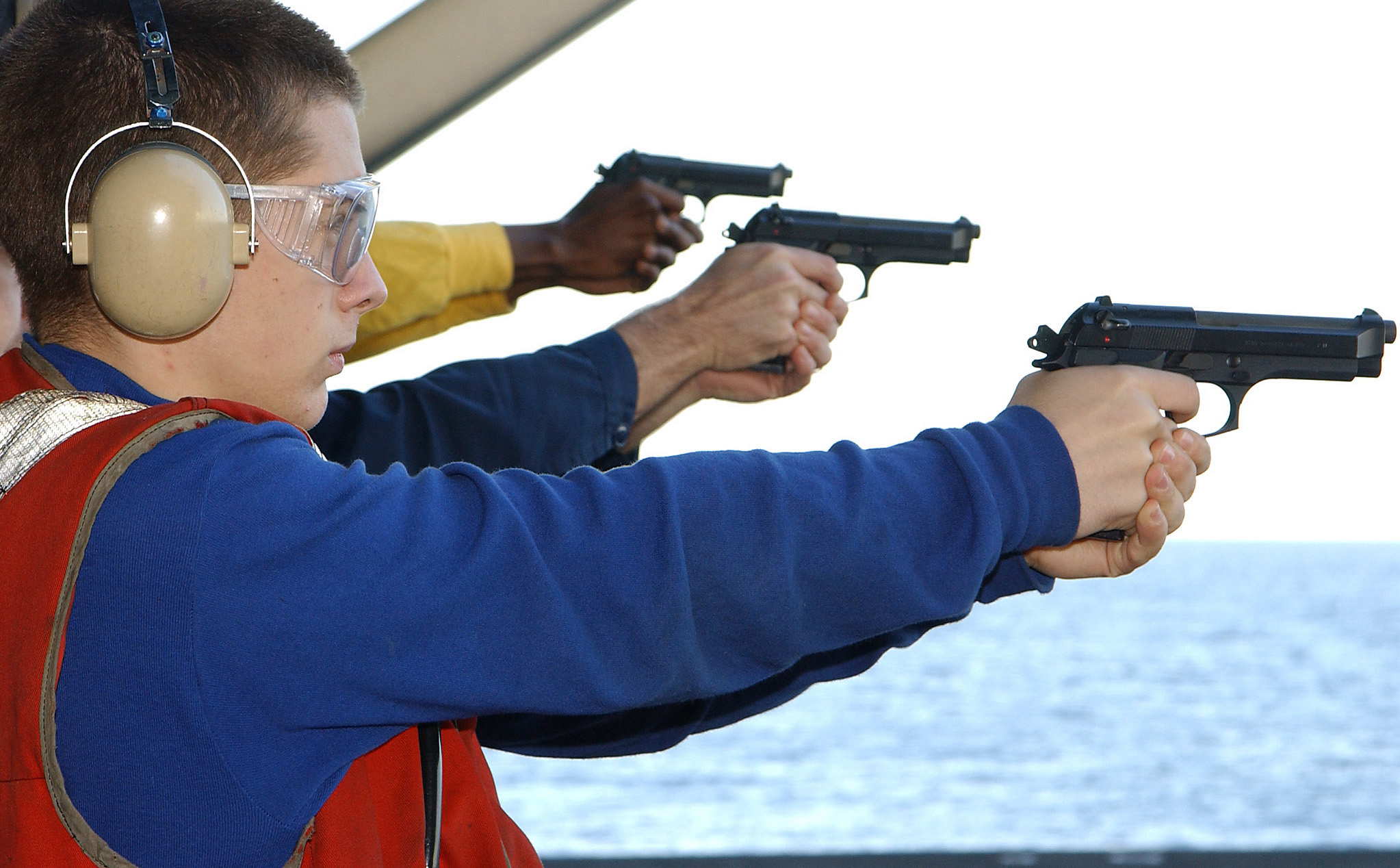
Training is one of the most important factors in defensive readiness.
Many shooters find that practicing with 9mm pistols is more comfortable because of the cartridge’s moderate recoil.
This comfort often encourages longer training sessions and higher round counts.
More practice usually leads to improved accuracy, faster handling, and stronger confidence.
The .45 ACP remains manageable but can cause greater fatigue during extended practice sessions.
For some shooters, this may reduce the amount of training they complete.
Choosing the Right Caliber for Survival
Ultimately, choosing between 9mm and .45 ACP depends on personal needs and experience.
Both cartridges have proven themselves effective in real-world defensive situations.
The 9mm offers advantages in capacity, recoil control, and ammunition weight.
The .45 ACP provides a larger projectile and a long reputation for strong impact.
In survival conditions, however, reliability and shot placement matter more than caliber alone.
A dependable handgun combined with consistent training will always be the most valuable factor in personal defense.