World War II reshaped modern history through technology applied at an unprecedented scale. Weapons were no longer limited to battlefields but affected cities, economies, and civilian life in ways the world had never experienced. The staggering death toll of the war was not caused by a single invention, but by a convergence of industrial capacity, doctrine, and machinery designed for efficiency rather than restraint. Understanding the weapons that contributed most to the human cost of the conflict requires more than listing firepower. It demands context, including how these tools were deployed, why they were effective, and how their use altered warfare forever. These weapons did not just end lives; they changed military thinking, political outcomes, and ethical debates that continue today.
1. Bolt-Action Infantry Rifles
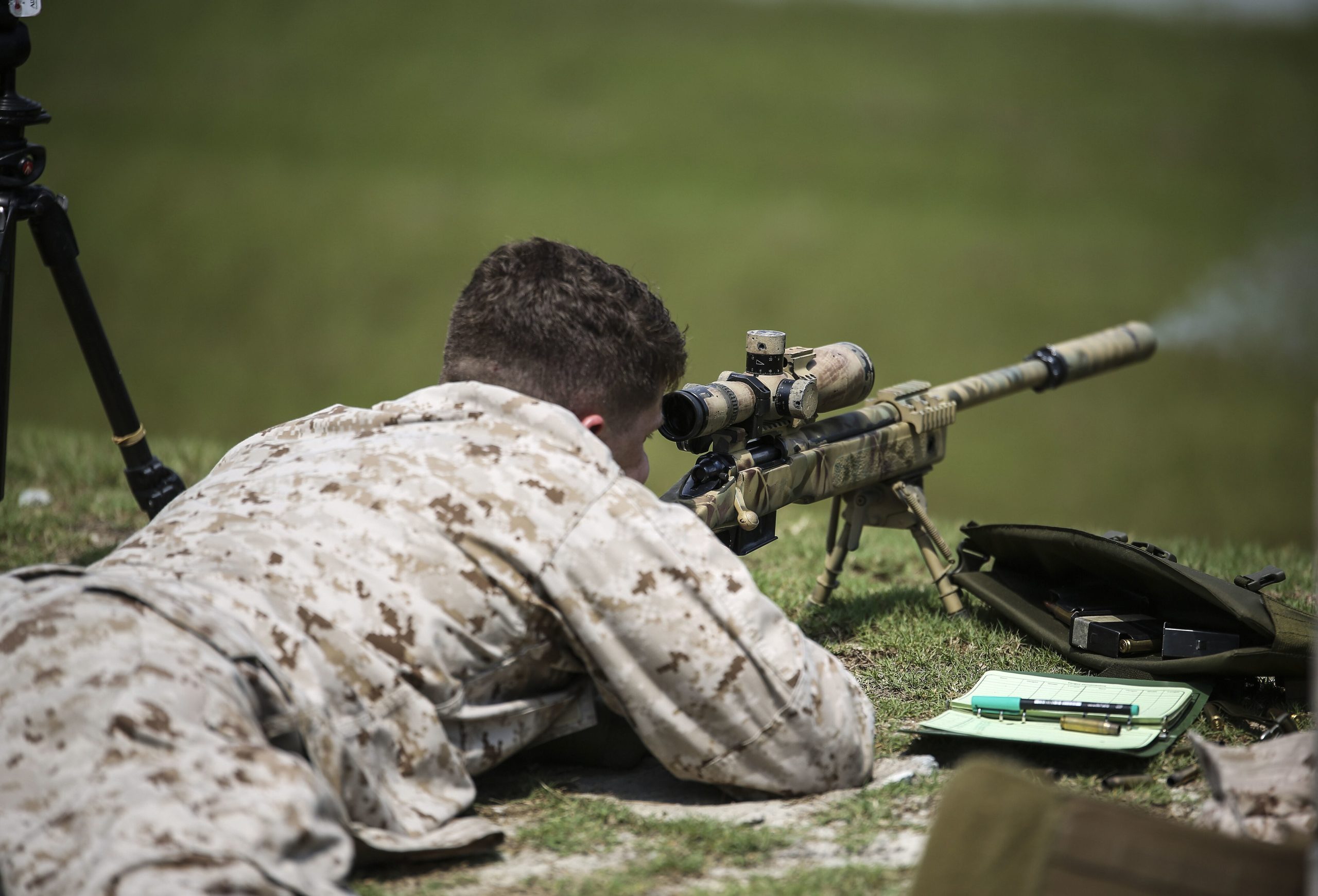
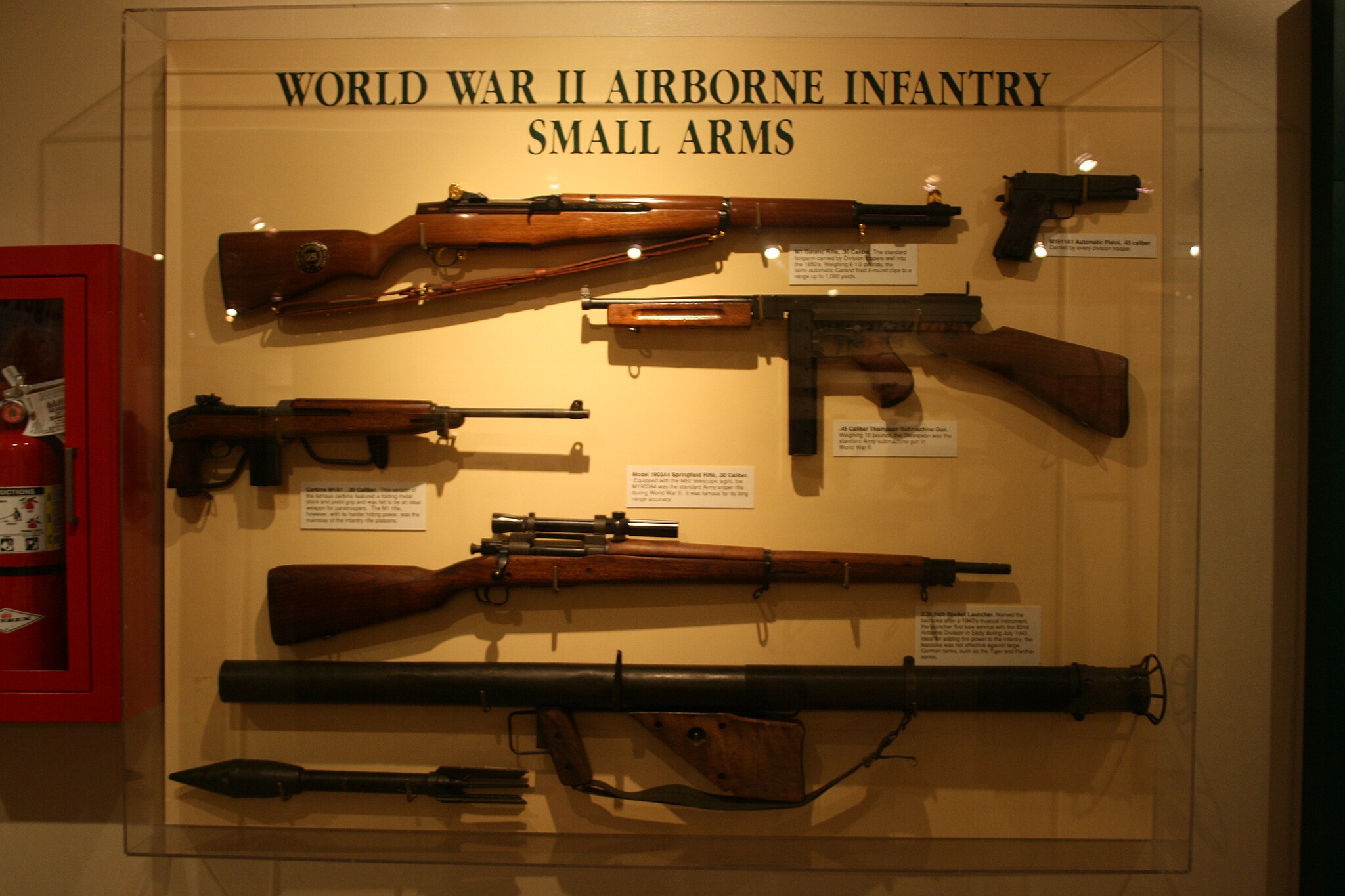
Bolt-action rifles formed the backbone of nearly every army during World War II. Weapons such as the Mosin-Nagant, Kar98k, and Lee-Enfield armed millions of soldiers across multiple continents. Their reliability, accuracy, and simplicity made them ideal for mass conscription forces. While slower than later semi-automatic designs, these rifles proved devastating when used in coordinated formations. Trench warfare, urban combat, and large-scale offensives relied heavily on infantry rifle fire. The majority of battlefield deaths during the war resulted from small arms, not heavy weapons. Bolt-action rifles were carried by soldiers who advanced, defended, and held ground, making them central to the conflict’s human cost across Europe, Asia, and North Africa.
2. Machine Guns
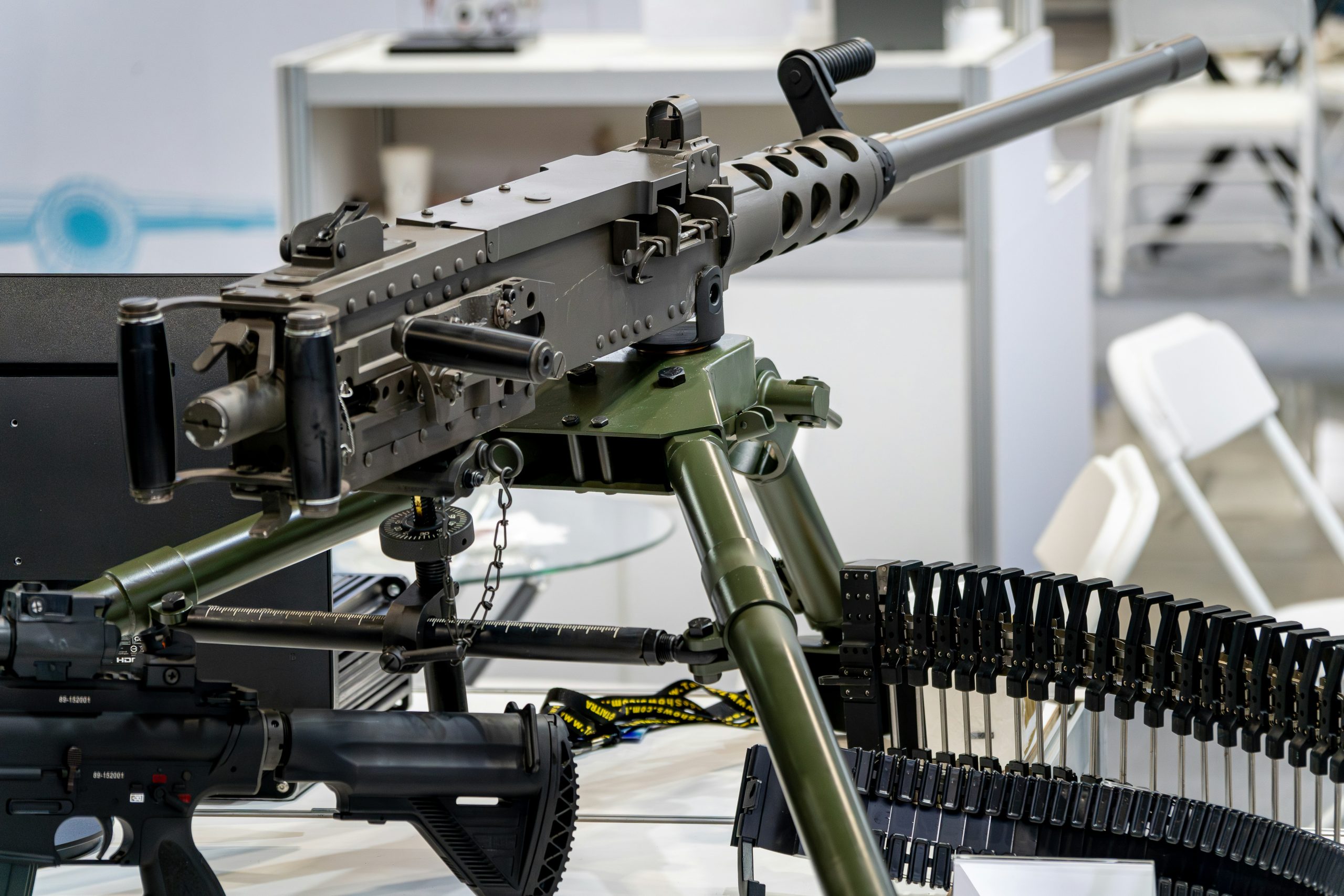
Machine guns transformed combat from individual marksmanship into sustained lethal zones. Weapons like the MG 34, MG 42, Browning M1919, and Type 92 allowed a single crew to control entire areas of the battlefield. Their suppressive fire pinned advancing troops and inflicted massive casualties during assaults. Defensive positions supported by machine guns proved especially deadly, often stopping advances at enormous human cost. In both European and Pacific theaters, machine guns shaped tactics by forcing attackers to rely on artillery and armor. The psychological effect was just as powerful as the physical one, as their sound alone could halt movement. Few weapons symbolized industrialized warfare more clearly.
3. Artillery Guns
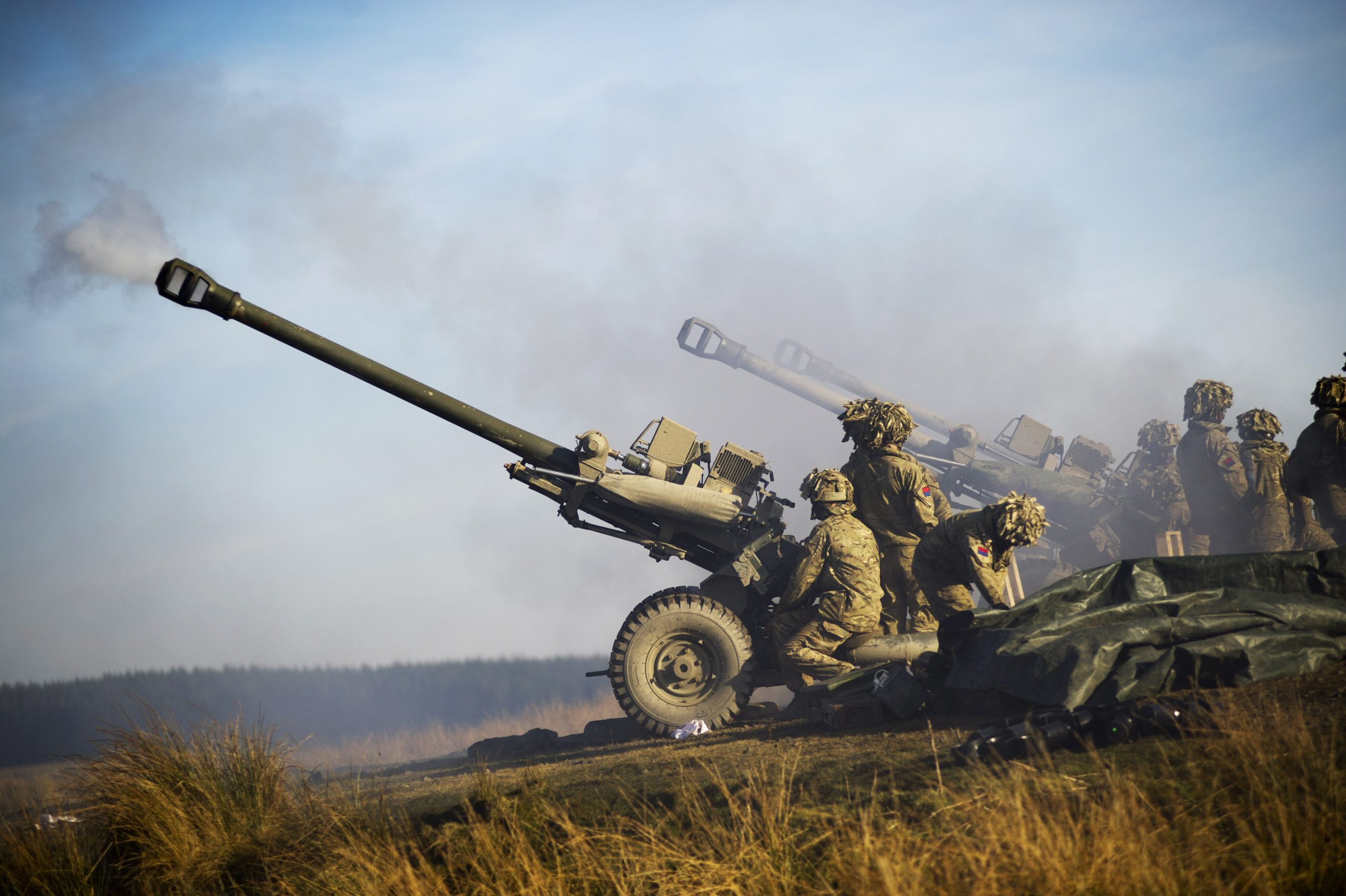
Artillery was the leading cause of death in World War II. Long-range guns, howitzers, and rocket artillery delivered destruction far beyond the front lines. Barrages preceded infantry attacks, devastated defensive positions, and destroyed cities. Soldiers often described artillery as the most terrifying weapon, as shells arrived without warning and offered little chance of escape. Civilian populations suffered heavily when artillery was used in sieges and urban combat. The ability to fire continuously for hours or days meant entire landscapes could be reshaped. Artillery demonstrated that modern war was no longer limited to confrontation but extended destruction across vast areas.
4. Strategic Bombers
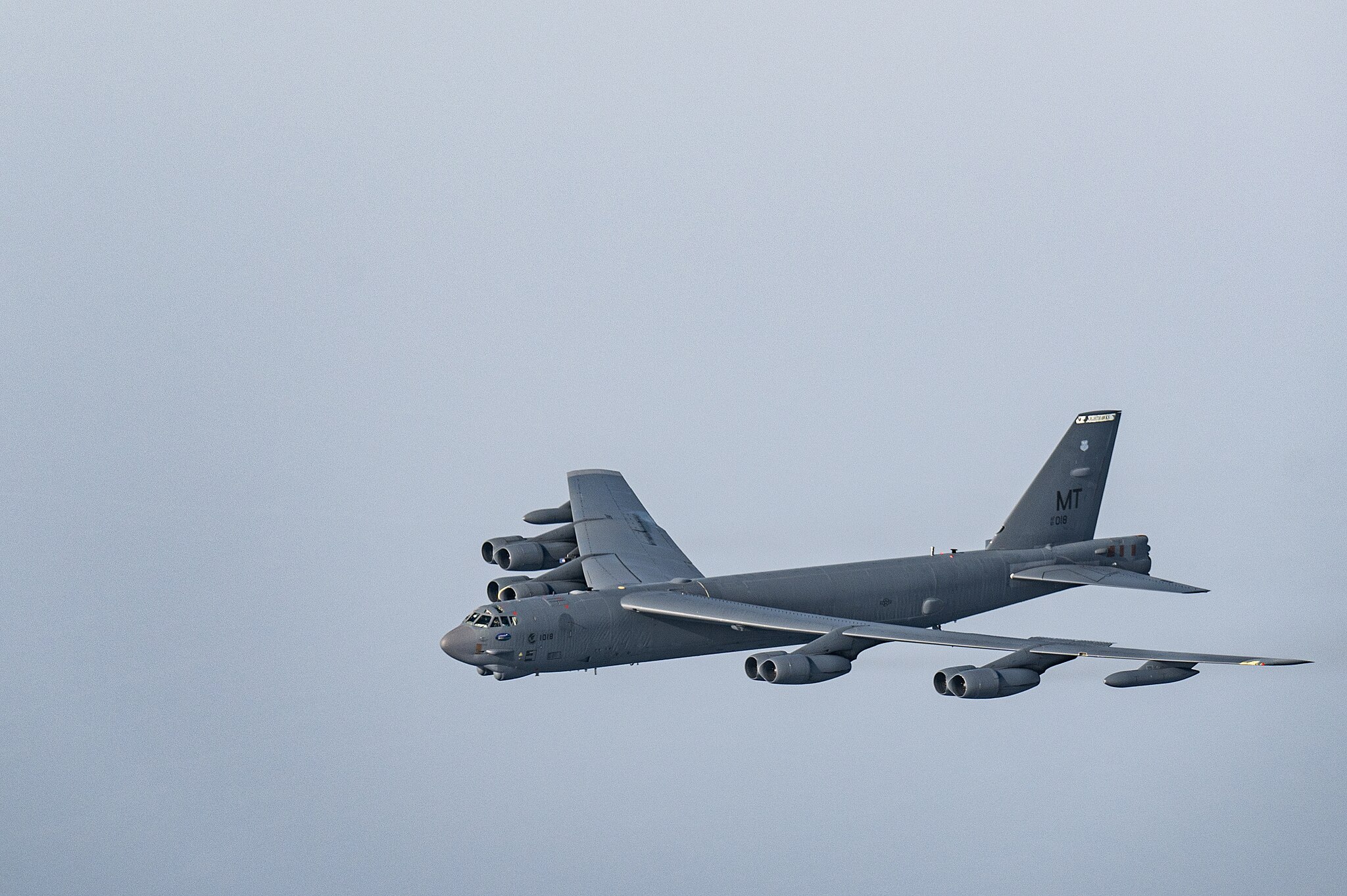
Strategic bombers brought war directly to civilian centers. Aircraft such as the B-17, Lancaster, and Heinkel He 111 were used to target factories, rail yards, and entire cities. Bombing campaigns aimed to cripple industrial output and break civilian morale. While militarily significant, these raids caused immense civilian casualties and displacement. Firebombing raids destroyed urban neighborhoods in hours, leaving tens of thousands dead. Strategic bombing blurred the line between combatant and non-combatant, reshaping the ethics of warfare. The scale of destruction from the air demonstrated how technology could extend violence far beyond traditional battlefields.
5. Submarines
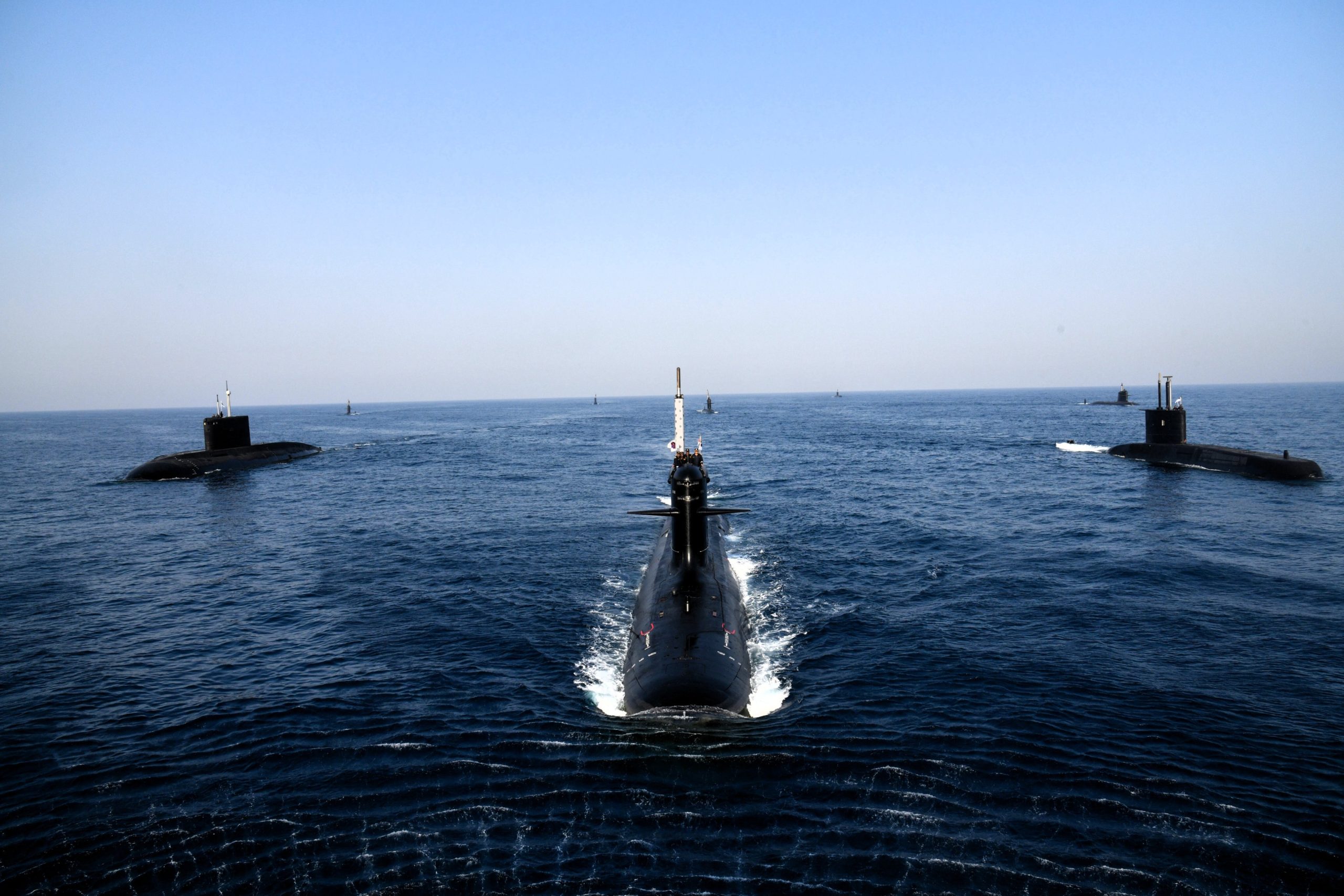
Submarines turned oceans into hidden battlefields. German U-boats and Allied submarines targeted supply lines critical to sustaining war efforts. Merchant ships carrying food, fuel, and troops were sunk with little warning, often leaving crews stranded at sea. The loss of these vessels contributed indirectly to countless deaths through starvation, isolation, and delayed military operations. Submarine warfare forced nations to invest heavily in convoy systems and anti-submarine technology. The psychological impact on sailors was severe, as survival often depended on chance. Control of sea lanes proved just as lethal and decisive as land combat.
6. Tanks and Armored Vehicles
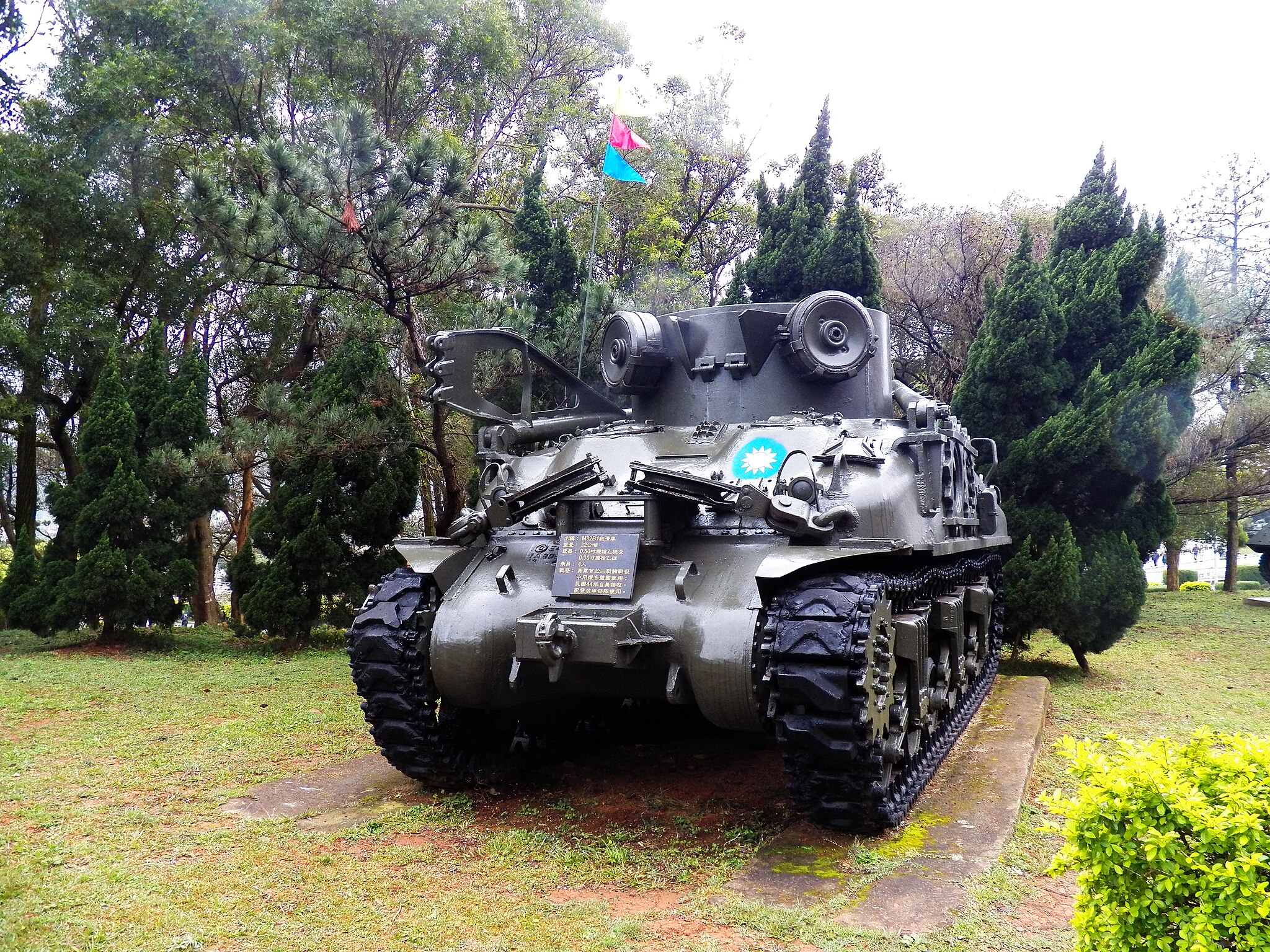
Tanks symbolized modern mechanized warfare. Vehicles like the T-34, Sherman, and Panzer IV combined firepower, mobility, and protection in ways that redefined ground combat. Armored assaults broke through defensive lines and encircled enemy forces, often leading to mass casualties. Tank battles involved infantry, artillery, and air support, amplifying destruction. While tanks themselves did not account for the majority of deaths, they enabled rapid advances that overwhelmed unprepared defenders. Their presence forced armies to adapt or suffer catastrophic losses. Tanks turned war into a fast-moving, relentless contest of production and coordination.
7. Naval Battleships
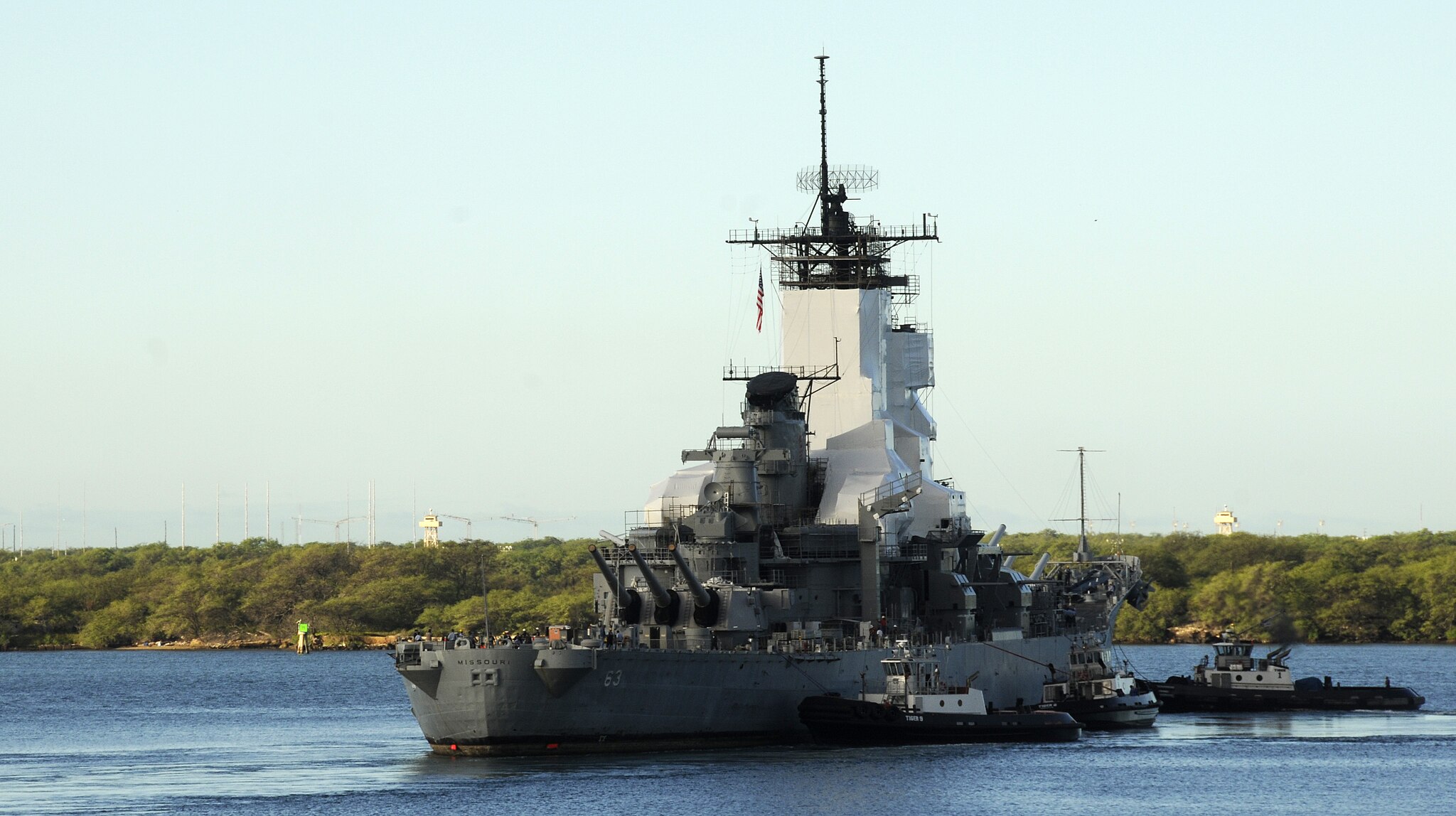
Battleships represented national power and industrial might. Armed with massive guns, they dominated naval strategy early in the war. Battles between fleets caused heavy casualties among sailors and supporting vessels. Shore bombardments from battleships devastated coastal defenses and cities. However, their vulnerability to air attack later exposed the changing nature of warfare. Despite this, battleships contributed significantly to the destruction during the conflict’s early years. Their sheer firepower allowed nations to project force across oceans, reinforcing the global scale of the war and its deadly reach.
8. Chemical and Incendiary Weapons
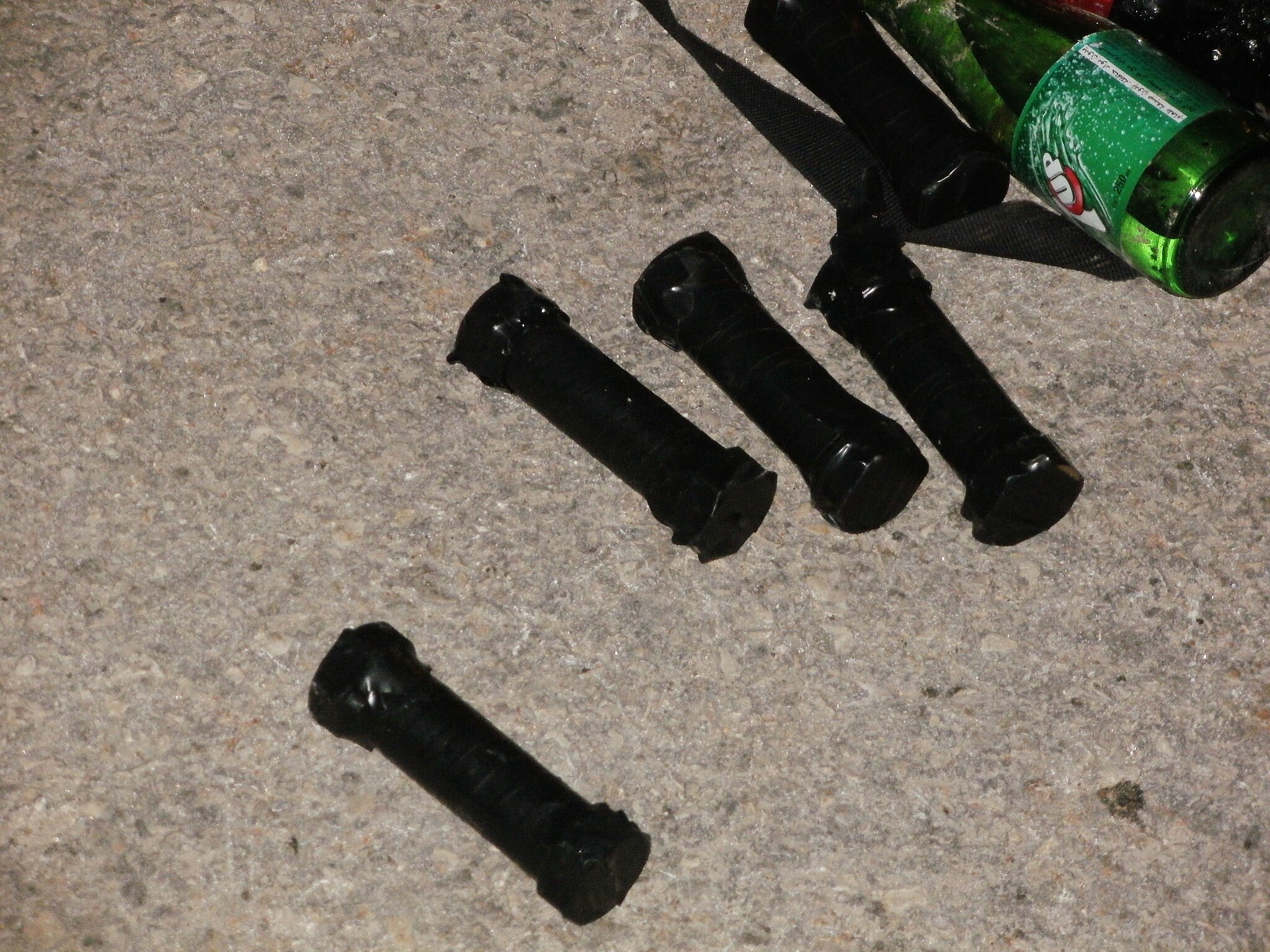
While large-scale chemical warfare was limited during World War II, incendiary weapons were widely used. Firebombs created infernos that consumed entire urban districts. Cities built with dense housing suffered catastrophic losses when fires spread uncontrollably. Incendiary attacks killed civilians, destroyed infrastructure, and left survivors homeless. The use of such weapons highlighted how technology could exploit vulnerabilities in civilian life. These weapons were designed not just to destroy targets but to overwhelm emergency response and recovery efforts. Their effects lingered long after the fighting ended, reshaping cities and populations permanently.
9. Atomic Bombs
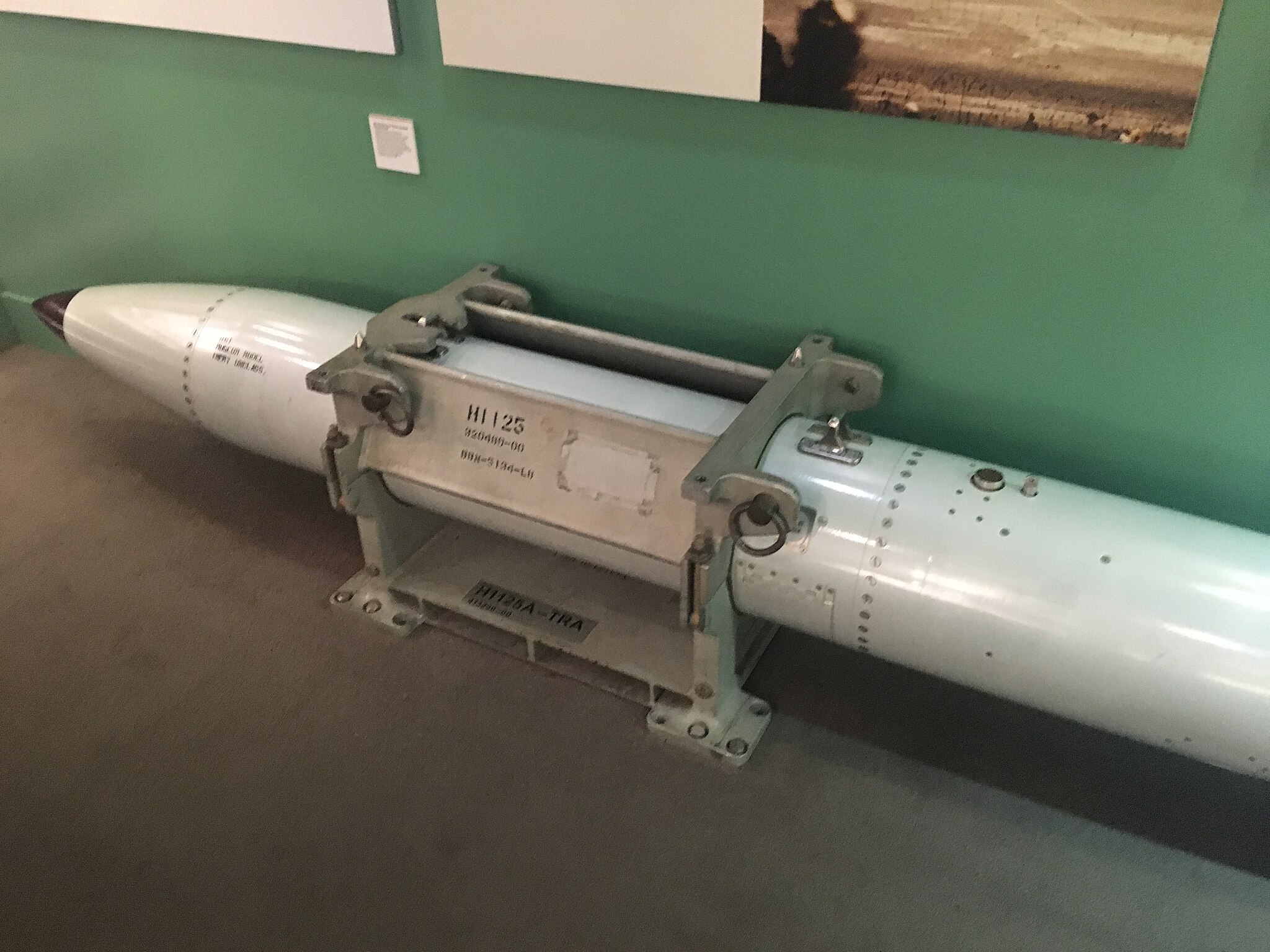
The atomic bombs dropped on Hiroshima and Nagasaki marked a turning point in human history. In seconds, entire cities were devastated, and tens of thousands died instantly. Many more suffered long-term injuries and radiation effects. These weapons demonstrated destructive power beyond any previous invention. Their use hastened the war’s end but introduced moral and existential questions that remain unresolved. The atomic bomb did not simply kill; it altered global politics, warfare strategy, and public consciousness. Its legacy extends far beyond World War II, serving as a warning of what technology can unleash when combined with total war.