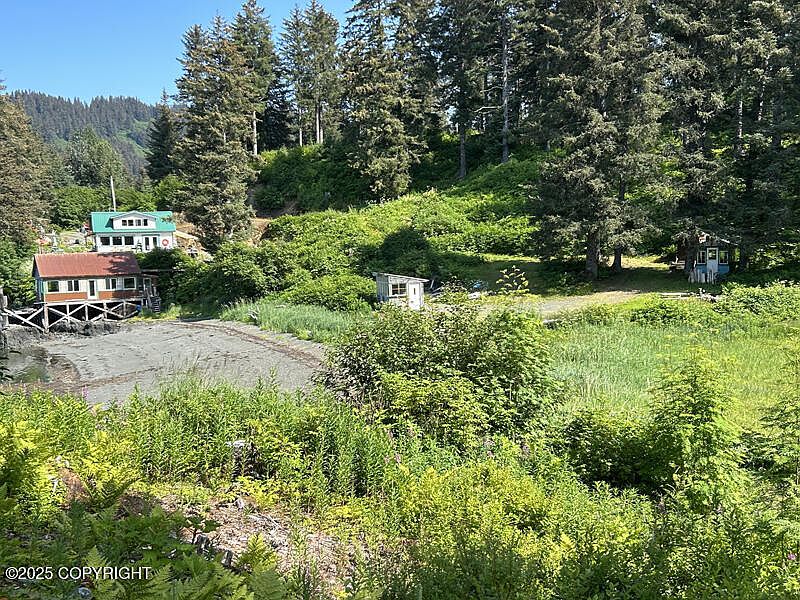
Getting stranded in the wilderness rarely comes down to bad luck alone. In most cases, it starts with small, avoidable decisions made long before a situation becomes serious. Modern campers have access to better gear, weather data, and navigation tools than ever before, yet rescue calls continue to rise across the United States. The problem is not a lack of information, but misplaced confidence and overlooked basics. Many people assume camping mishaps only happen to the inexperienced, when in reality they often affect capable outdoorsmen who cut corners or rely too heavily on assumptions. Stranding situations usually develop slowly, turning manageable inconveniences into genuine emergencies. Understanding where these mistakes begin helps campers prevent them before they compound. The following nine mistakes highlight common patterns that lead people to become lost, stuck, or unable to self-rescue, even in familiar or well-traveled wilderness areas.
1. Trusting Cell Phones as Primary Navigation
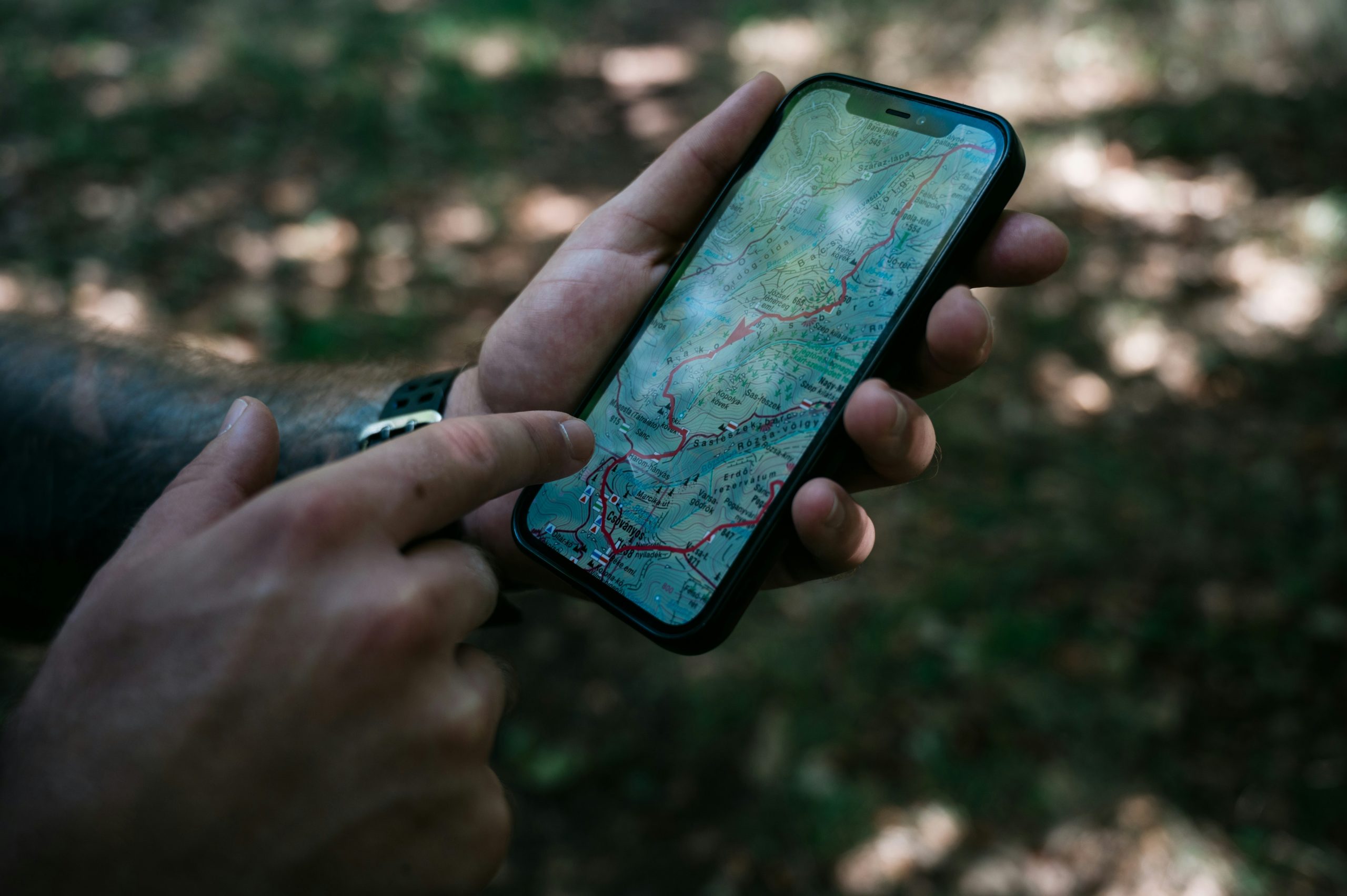
One of the most common mistakes campers make is assuming a cell phone will function as a reliable navigation tool in the wilderness. Coverage maps often look reassuring, but terrain, weather, and distance from towers can quickly eliminate signal. Batteries drain faster in cold or hot weather, especially when the GPS is running continuously. When phones fail, campers who never carried paper maps or compasses suddenly have no reference points. This mistake often leads to poor route choices and wandering that increases exhaustion. Many stranded hikers report that they ignored early signs of navigation trouble because their phone worked earlier in the day. Overconfidence in digital tools replaces situational awareness, making small errors snowball. Phones are useful backups, but treating them as primary navigation removes redundancy, a critical principle for staying found in remote environments.
2. Camping Without a Realistic Exit Plan
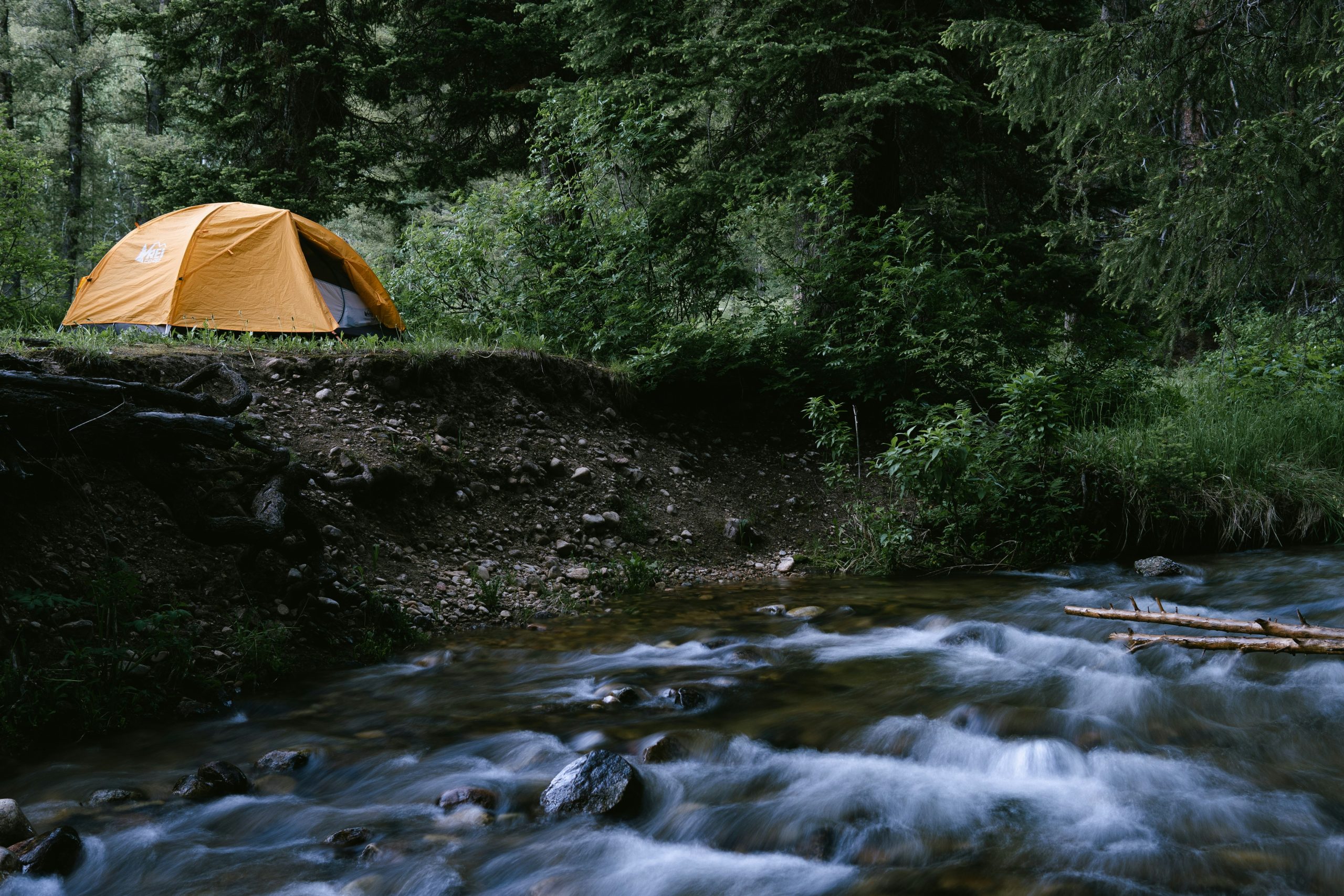
Many campers focus heavily on reaching their destination while giving little thought to how they will leave if conditions change. Trails wash out, rivers rise, and injuries happen without warning. Without a clear exit plan, people hesitate when problems appear, hoping things improve. This delay often traps them farther from safety. An exit plan includes alternate routes, time limits, and decision points for turning back. Campers who skip this step often push forward despite warning signs because they feel committed. Stranding occurs when retreat becomes harder than continuing. Experienced outdoorsmen understand that success includes knowing when to stop. Ignoring exit planning turns flexibility into rigidity, making adaptation difficult once fatigue or weather reduces options.
3. Underestimating Weather Shifts
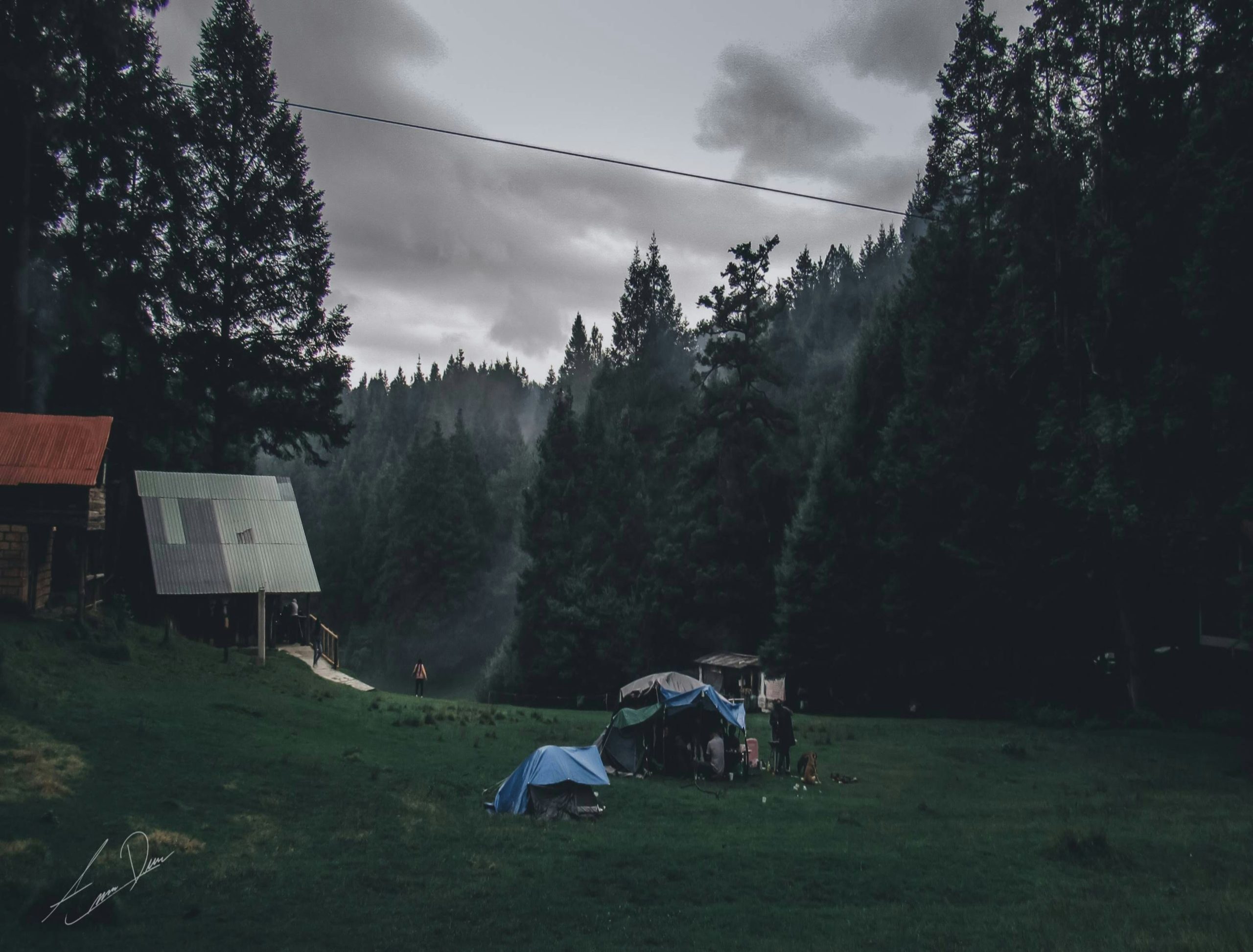
Weather changes faster and hits harder in wilderness settings than many campers expect. Clear forecasts can turn inaccurate due to elevation, terrain, or regional microclimates. Campers who fail to prepare for sudden cold, heat, or storms may become immobilized by exposure. Wet clothing, hypothermia, or heat exhaustion can reduce mobility and judgment quickly. This mistake often begins with packing for average conditions instead of worst-case scenarios. People become stranded not because the weather is extreme, but because they lack layers, shelter, or the patience to wait it out. Once energy drops, even short distances become difficult. Weather planning is less about prediction and more about resilience. Those who underestimate it often find themselves unable to move safely when conditions shift.
4. Carrying Too Little Food or Water
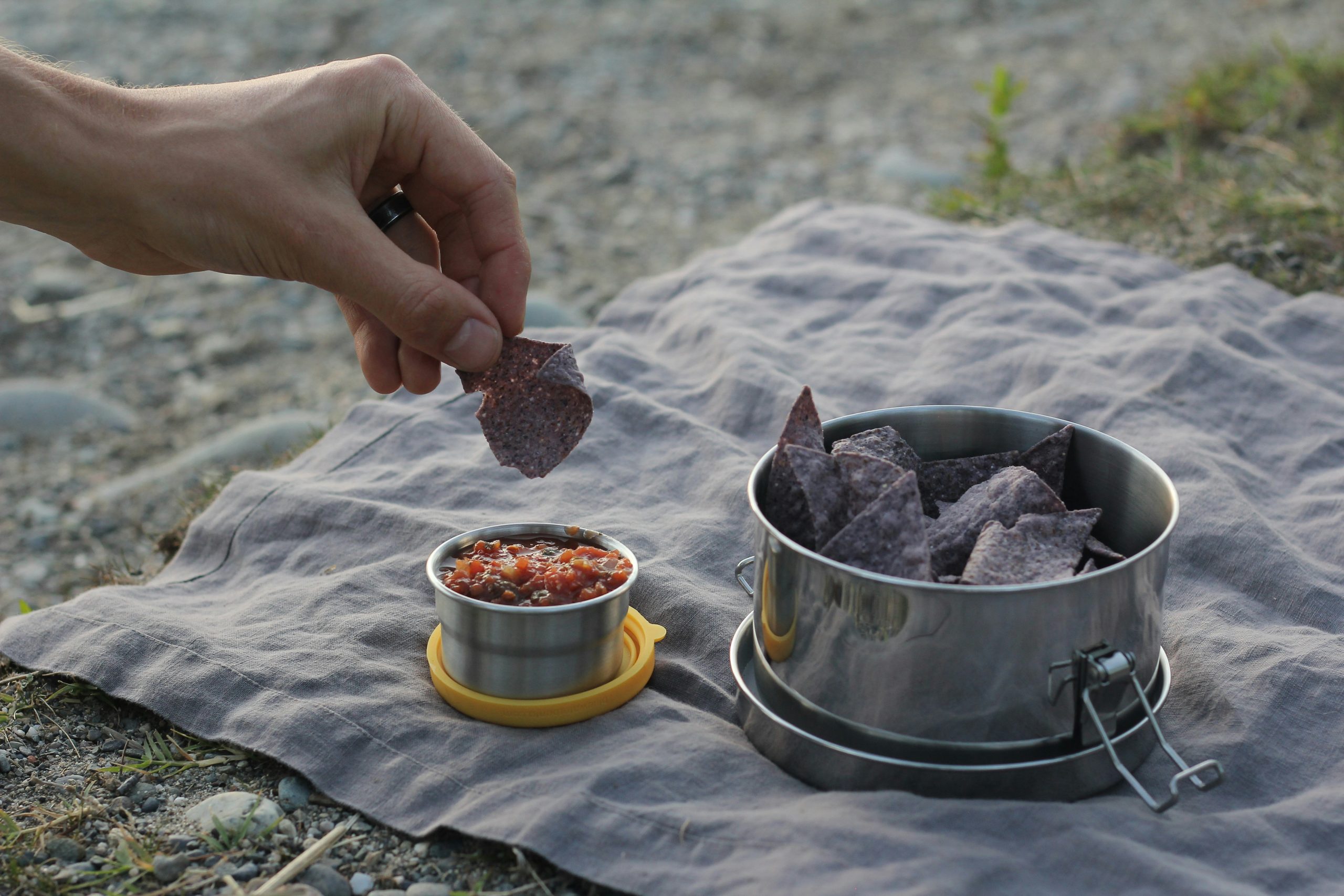
Running short on food or water is a common factor in wilderness stranding. Campers often underestimate exertion levels, terrain difficulty, or heat exposure. When supplies run low, people ration too aggressively or push harder to compensate, increasing fatigue. Dehydration affects decision-making before physical symptoms become obvious. Many assume they can find water along the way, only to discover dry sources or unsafe conditions. This mistake limits options, forcing campers to choose between staying put and risking further travel. Adequate supplies provide flexibility and time, two critical resources in the wilderness. When margins disappear, stress rises, and small setbacks quickly become emergencies.
5. Ignoring Early Signs of Injury or Fatigue

Minor injuries and fatigue are often dismissed as manageable inconveniences, but they frequently lead to stranding. A sore ankle becomes unstable on uneven terrain, and exhaustion slows reaction time. Campers who push through pain may reach a point where movement is no longer safe. Pride and momentum play major roles in this mistake. People delay rest because they feel close to their goal. Once the injury worsens, self-rescue becomes difficult or impossible. Addressing problems early preserves mobility. Ignoring them narrows options until waiting for help becomes the only choice. The wilderness rewards caution, not endurance at all costs.
6. Setting Camp in Poor Locations
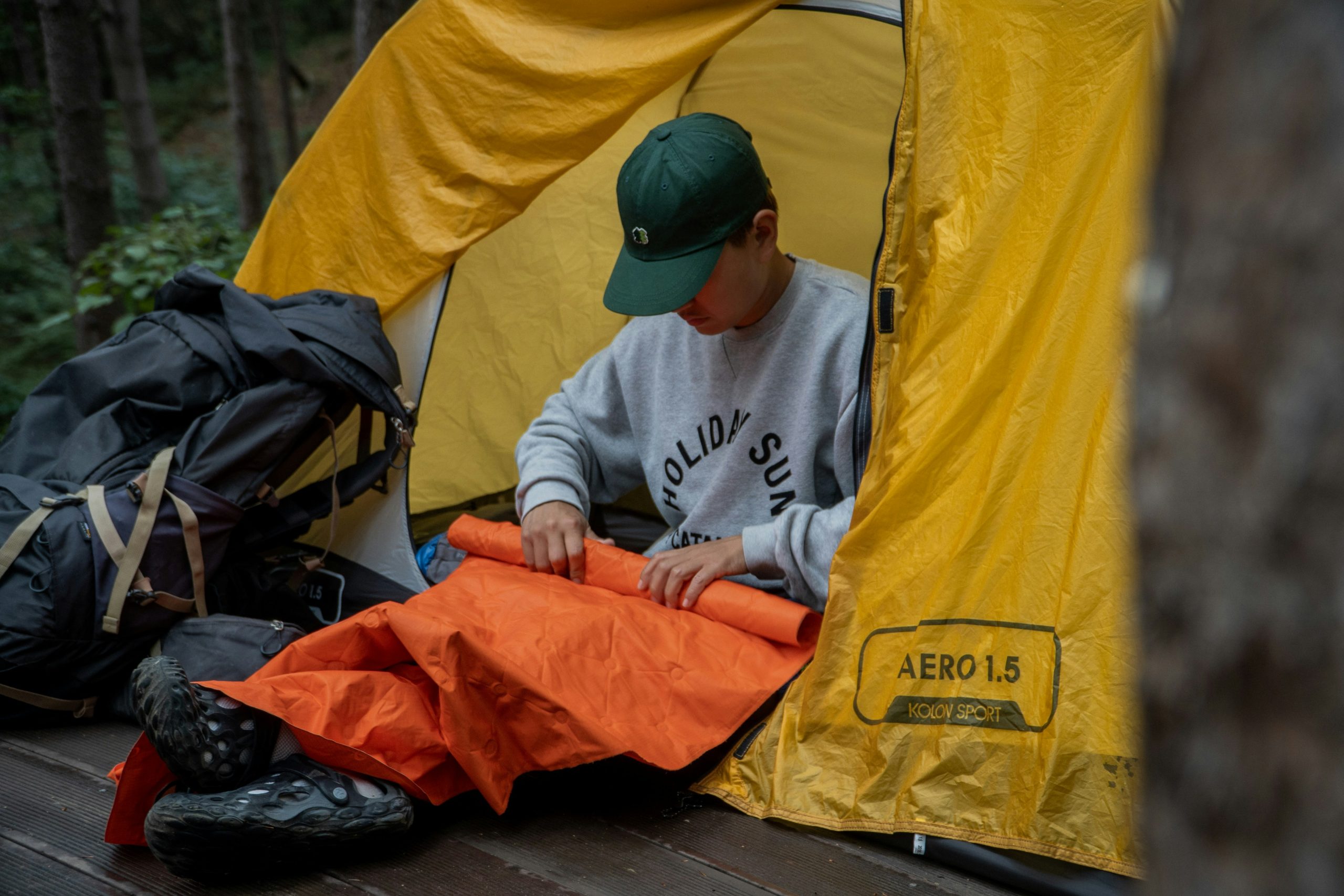
Choosing an improper campsite can trap campers overnight or longer. Low areas flood, exposed ridges face severe wind, and narrow valleys channel cold air. Campers who prioritize convenience or views may overlook drainage, wind protection, and escape routes. Poor site selection often leads to sleepless nights, soaked gear, and reduced energy. In the morning, conditions may worsen, leaving campers unwilling or unable to move. This mistake compounds others, turning discomfort into immobilization. Good campsite selection supports recovery and flexibility. Bad sites quietly drain strength and limit choices, increasing the likelihood of becoming stranded.
7. Overestimating Physical Ability
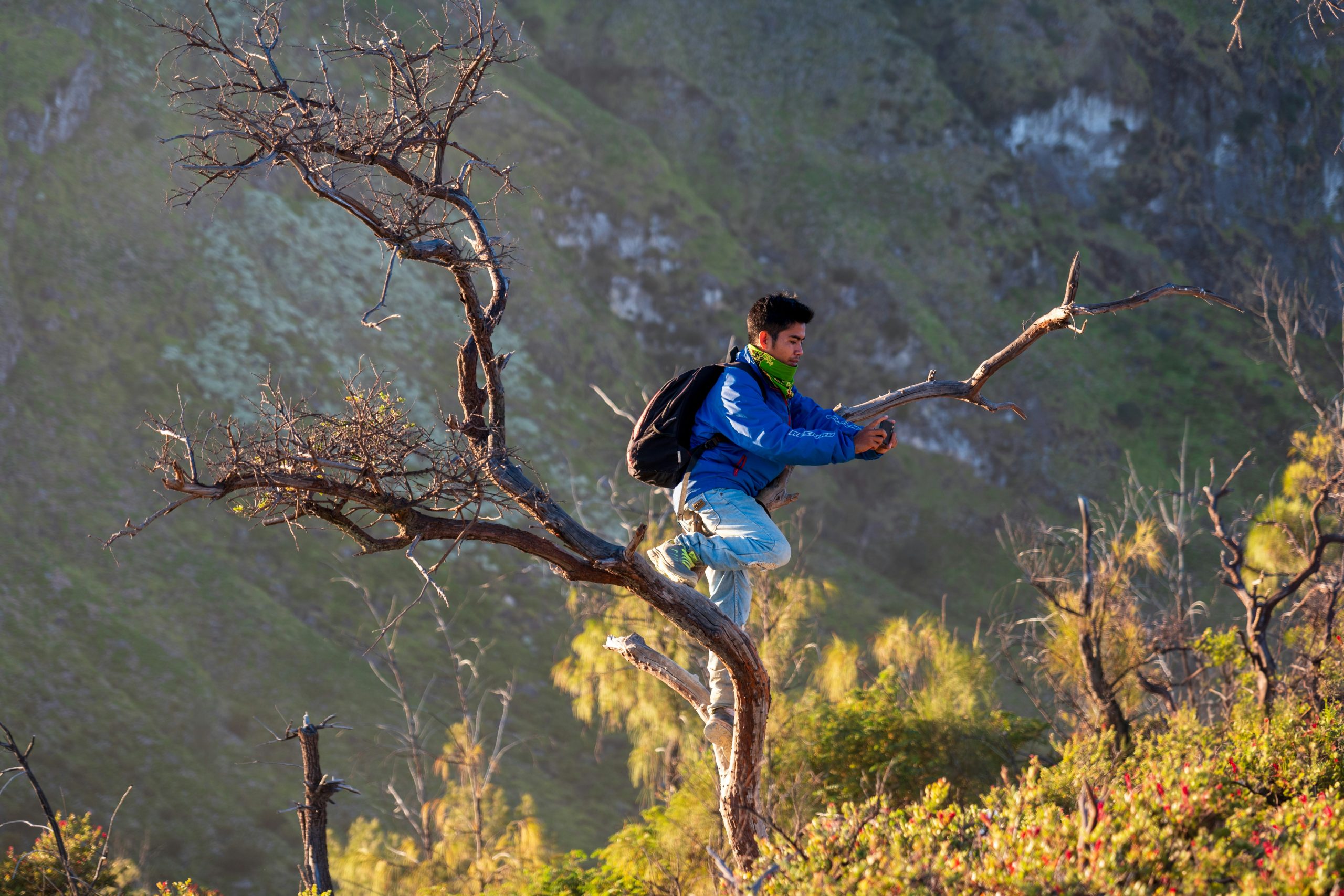
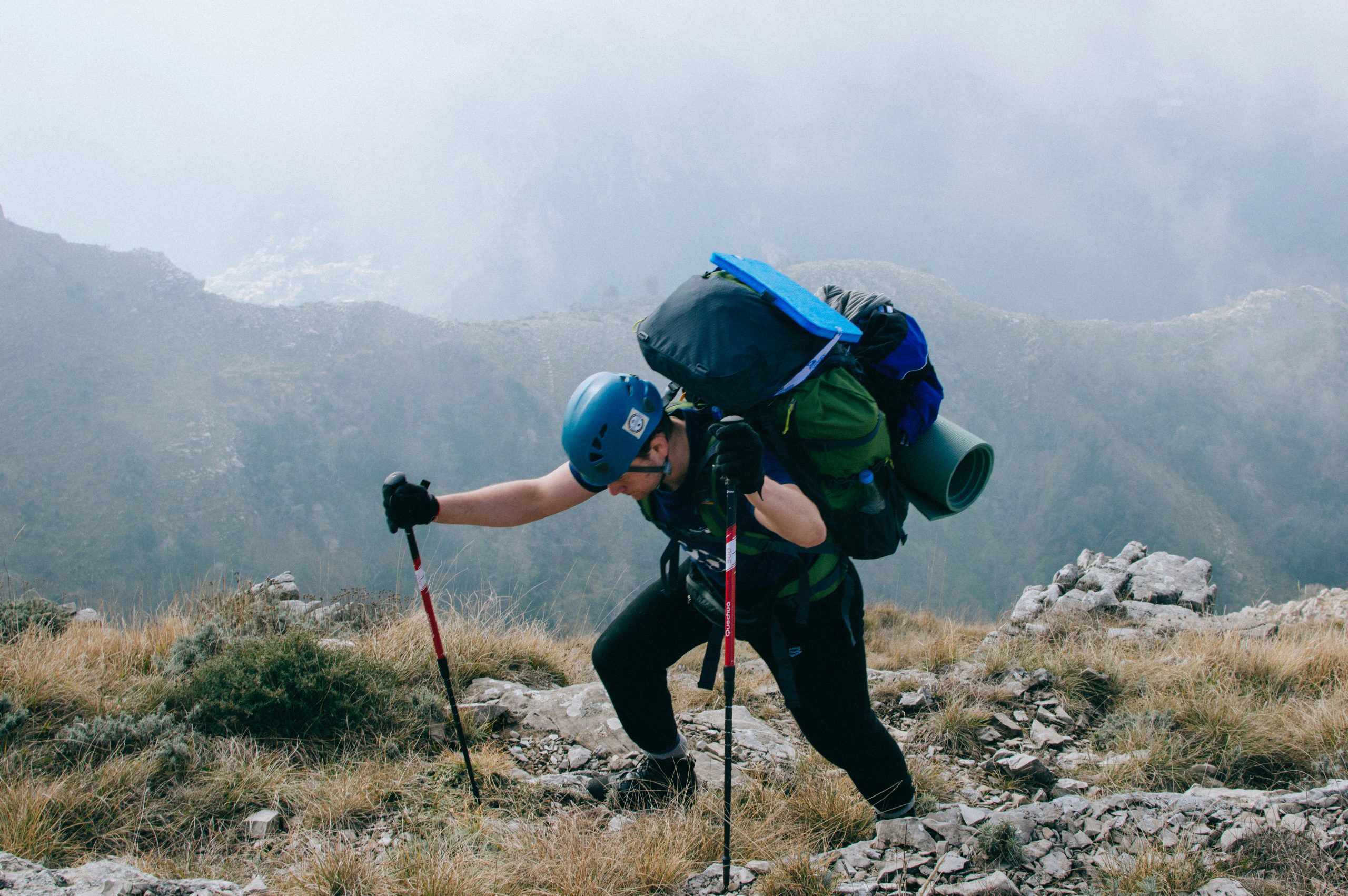
Many people plan trips based on optimism rather than an honest assessment of fitness. Distances that look manageable on a map feel very different with elevation gain, pack weight, and rough terrain. Campers who overestimate their ability often fall behind schedule, arriving at decision points too late. Darkness, fatigue, and weather reduce safe movement. This mistake is reinforced by past success in easier conditions. The wilderness does not adjust to confidence. When ability does not match the plan, progress slows until stopping becomes unavoidable. Realistic planning prevents overextension that leads to unplanned bivouacs or rescue situations.
8. Failing to Tell Anyone the Plan

One of the simplest yet most ignored safety steps is informing someone of the trip plan. Campers who skip this step believe it is unnecessary or inconvenient. When they fail to return, no one knows where to look. Search efforts are delayed or expanded unnecessarily, increasing risk. Even short trips benefit from basic itinerary sharing. This mistake does not cause stranding directly, but it turns survivable delays into serious emergencies. Accountability creates a safety net. Without it, time works against stranded campers rather than for them.
9. Relying on Luck Instead of Preparation
The most dangerous mistake is relying on good luck and past success instead of preparation. Campers assume problems will not happen because they never have before. This mindset leads to skipped gears, rushed planning, and ignored warnings. Luck eventually runs out. Preparation provides margin when things go wrong. Those who rely on chance often lack the tools or mindset to adapt. When conditions change, they freeze or make poor choices. Stranding is rarely dramatic at first, but it becomes unavoidable when preparation is replaced by hope.