Yellowstone in winter transforms into a serene landscape where snow, steam, and low light create scenes unlike any other season. Wildlife becomes easier to spot against white backdrops, and the park’s quiet atmosphere invites patient observation. Cold air sharpens details, turning each moment into a potential photograph filled with texture and contrast. With steady pacing and an appreciation for the slower rhythm of winter, the experience becomes a rewarding journey through some of the park’s most photogenic locations.
Lamar Valley
Lamar Valley stands out in winter as wide meadows and rolling hills reveal a steady flow of wildlife activity. Bison push through snowdrifts while foxes and coyotes cross open flats in search of small prey. Morning light settles gently across the valley, creating soft shadows that highlight the movement of each animal. The open terrain offers natural sightlines that make the valley one of the most reliable places to capture wildlife in its natural rhythm.
Hayden Valley
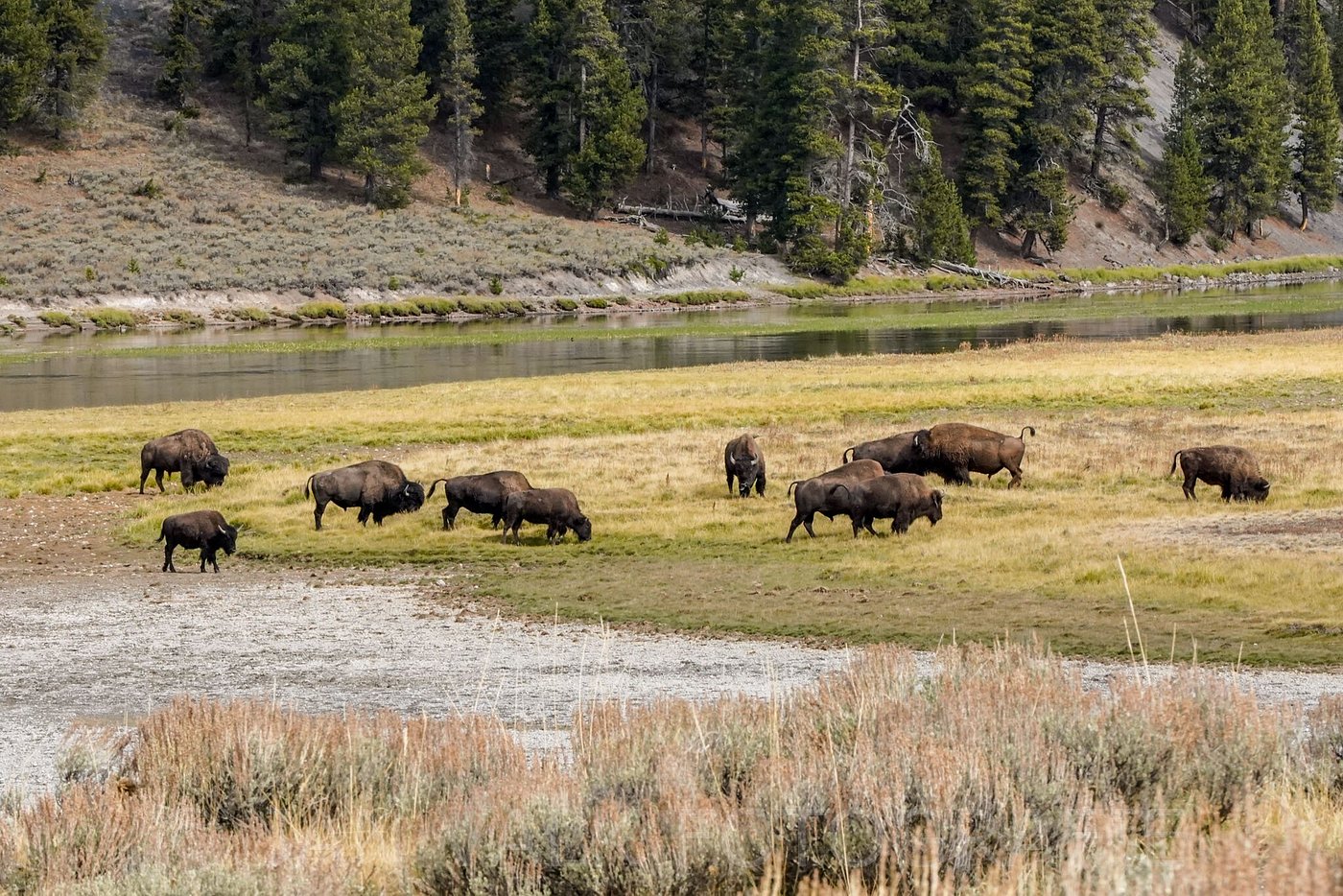
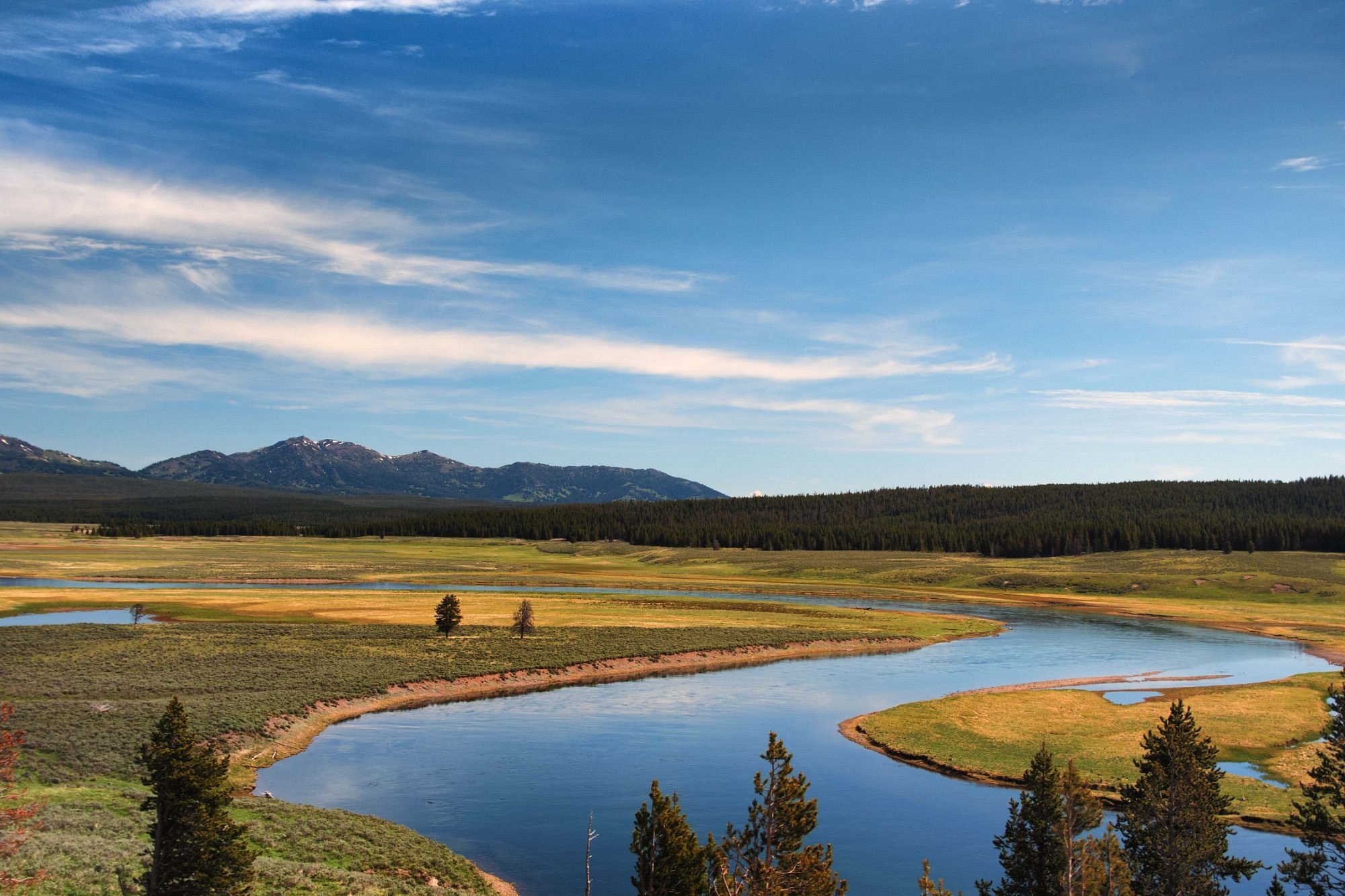
Hayden Valley presents a peaceful winter setting where frosted grasslands stretch across a vast basin framed by distant ridges. Large bison herds appear frequently, their dark silhouettes standing out sharply against pale snow. Occasional glimpses of elk or wolves add depth to the scene as steam rises slowly from nearby geothermal areas. The valley’s openness supports wide compositions that blend wildlife, terrain, and the calm stillness of winter light.
Norris Geyser Basin
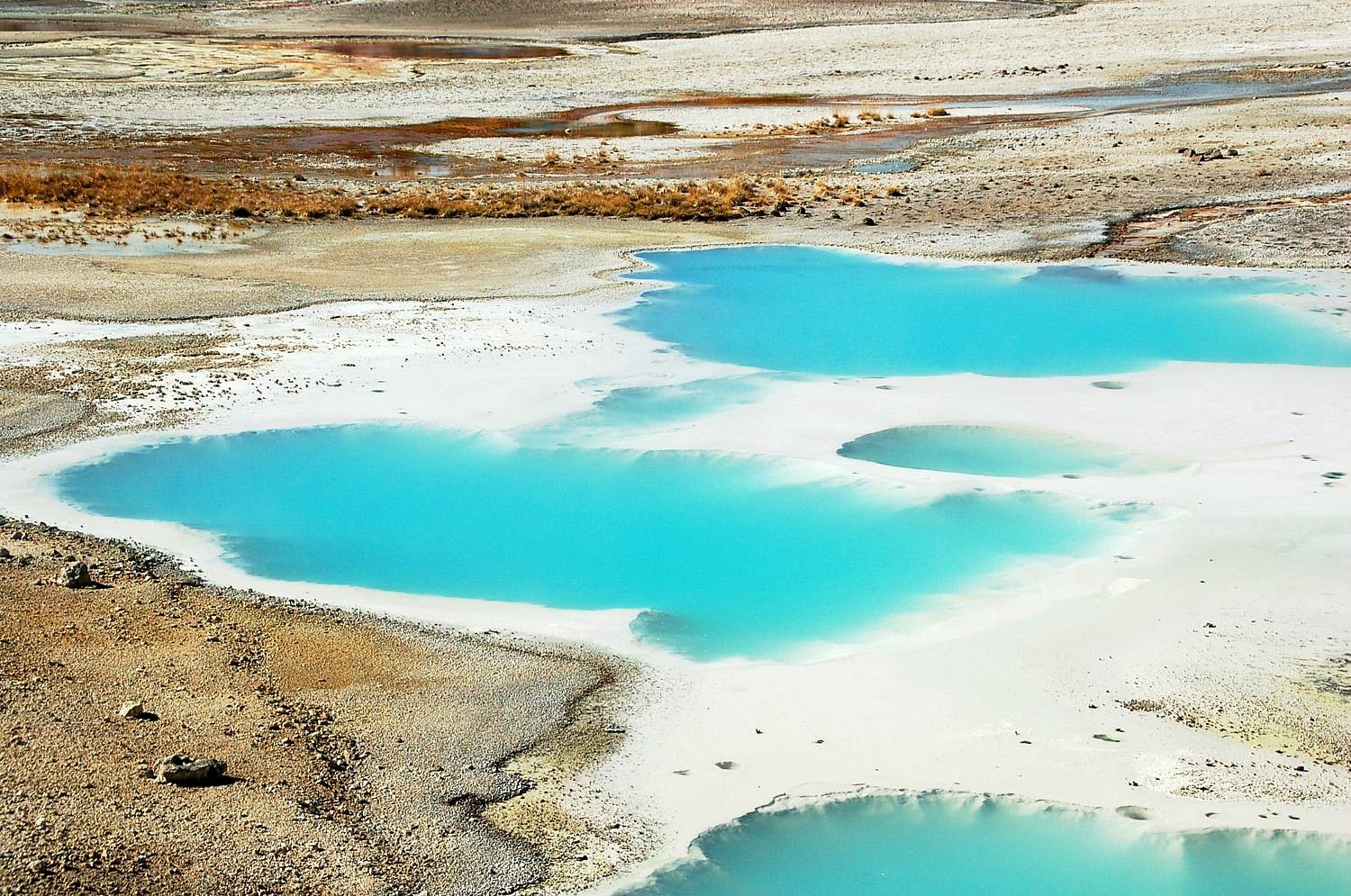
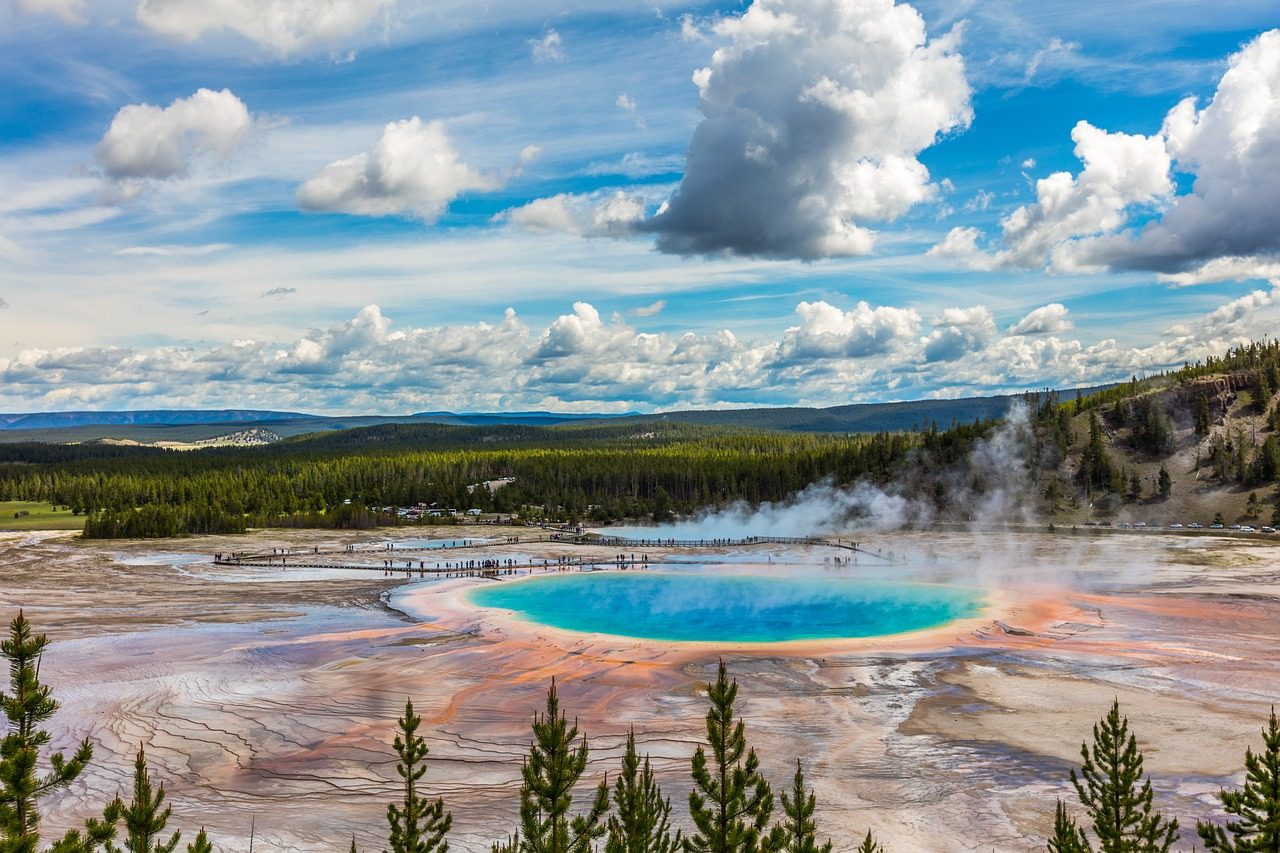
Norris Geyser Basin offers a striking mix of winter quiet and geothermal drama, creating an otherworldly backdrop for wildlife photography. Steam drifting from vents and pools softens the edges of the snowy landscape, giving each frame a gently blurred atmosphere. Birds and small mammals often travel through the warm pockets created by thermal features. These rare moments of motion against a mineral-colored foreground produce images rich in contrast and mood.
Mammoth Hot Springs
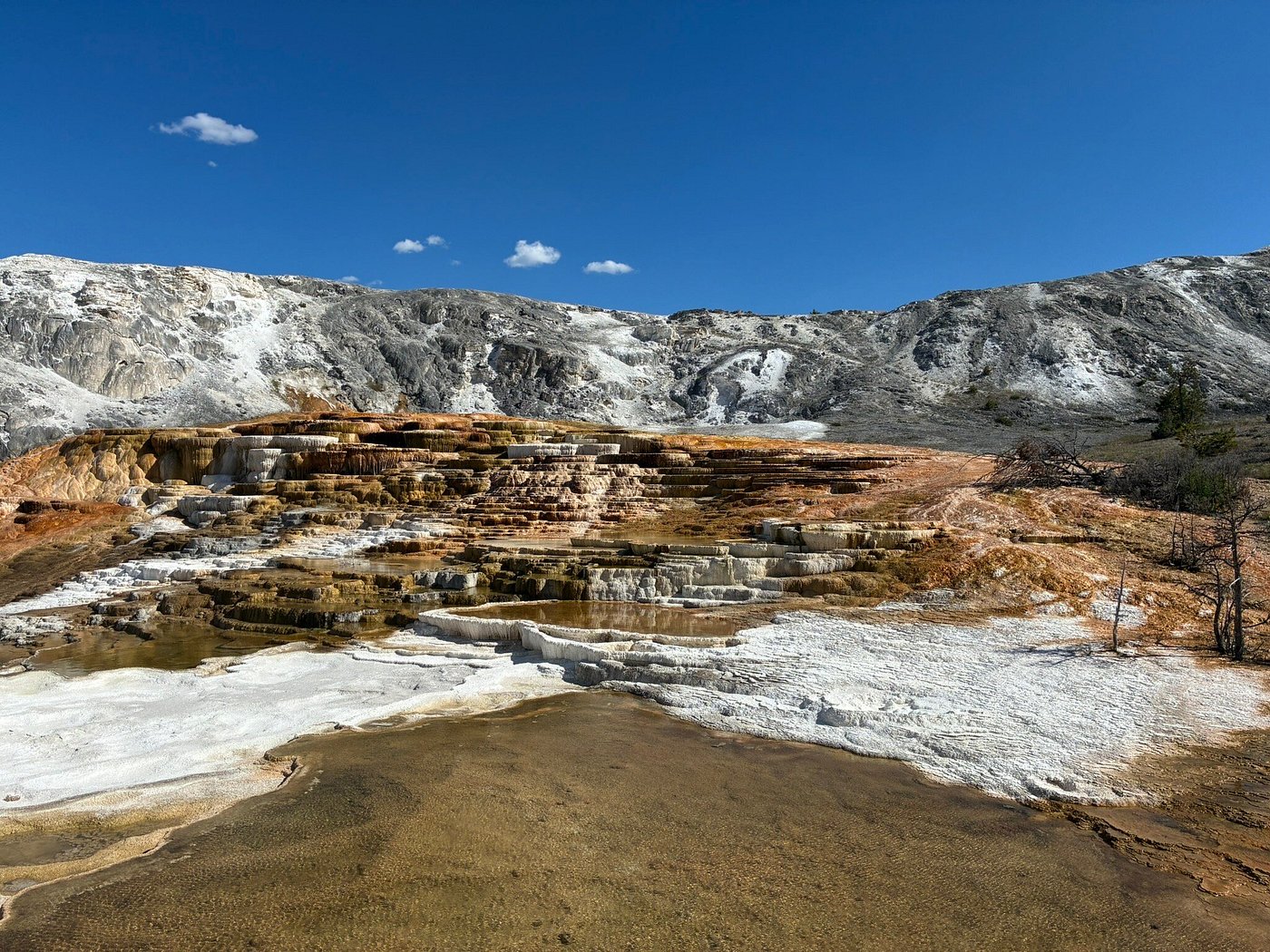
Mammoth Hot Springs features layered travertine terraces that remain active throughout winter, adding warmth and color to the snowy surroundings. Elk commonly gather near the warm ground around the terraces, creating an eye-catching contrast between wildlife and the bright formations. Soft sunlight enhances the natural patterns carved into the stone by flowing water. This location blends geology and wildlife in a way that offers distinct compositions not found elsewhere in the park.
Yellowstone Lake
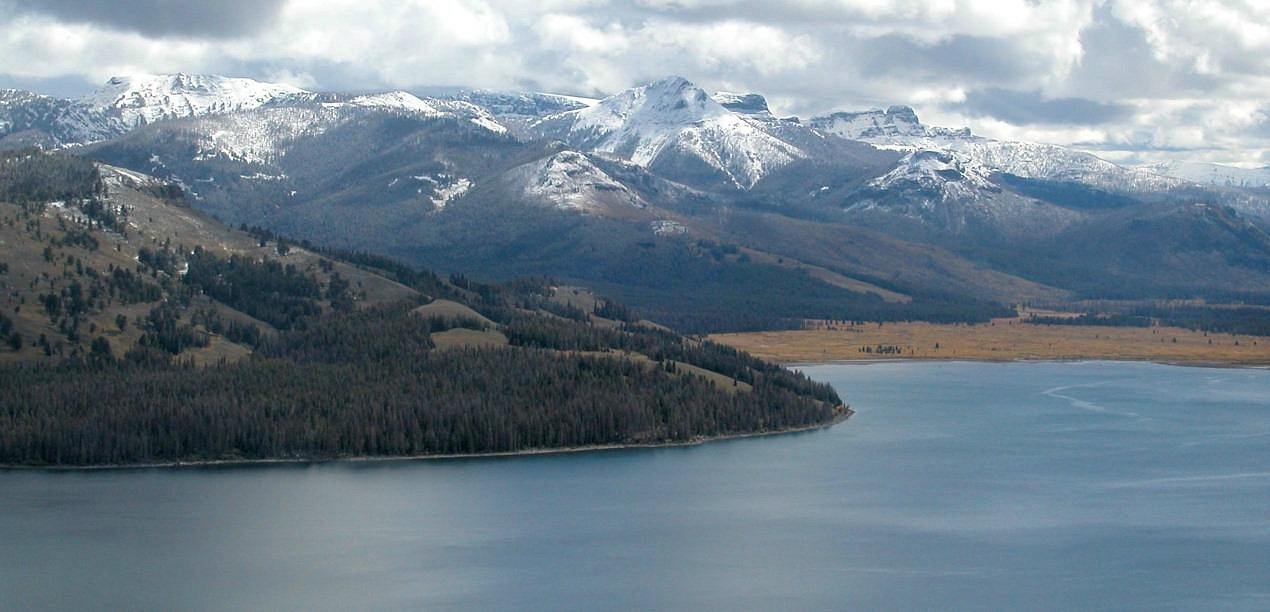
Yellowstone Lake becomes a peaceful winter expanse marked by frozen stretches, open leads, and broad views reaching toward distant mountains. Bald eagles and waterfowl often gather near areas where warm currents prevent full ice coverage. Low winter sun casts long reflections across the water, adding a sense of calm to each scene. The lake’s quiet shoreline provides opportunities for capturing wildlife framed by wide, shimmering horizons.
Tower Junction
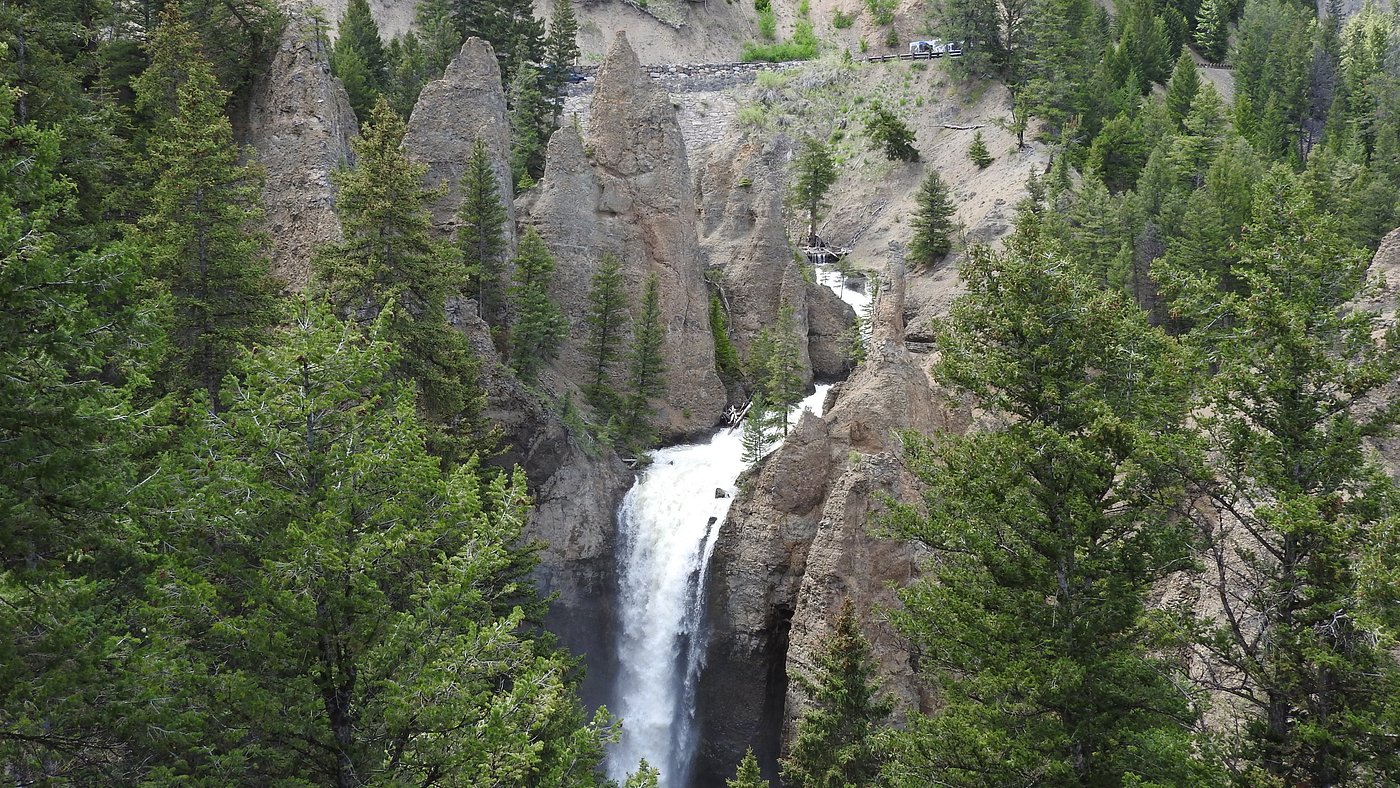
Tower Junction delivers a dynamic mix of cliffs, meadows, and sheltered forest where winter wildlife moves throughout the day. Bighorn sheep often collect on rocky ledges, forming strong silhouettes against snowy slopes. Coyotes and foxes leave delicate tracks through open clearings, adding detail to the broader landscape. This area’s varied terrain allows for creative photographic angles without requiring long treks in cold conditions.
Firehole River
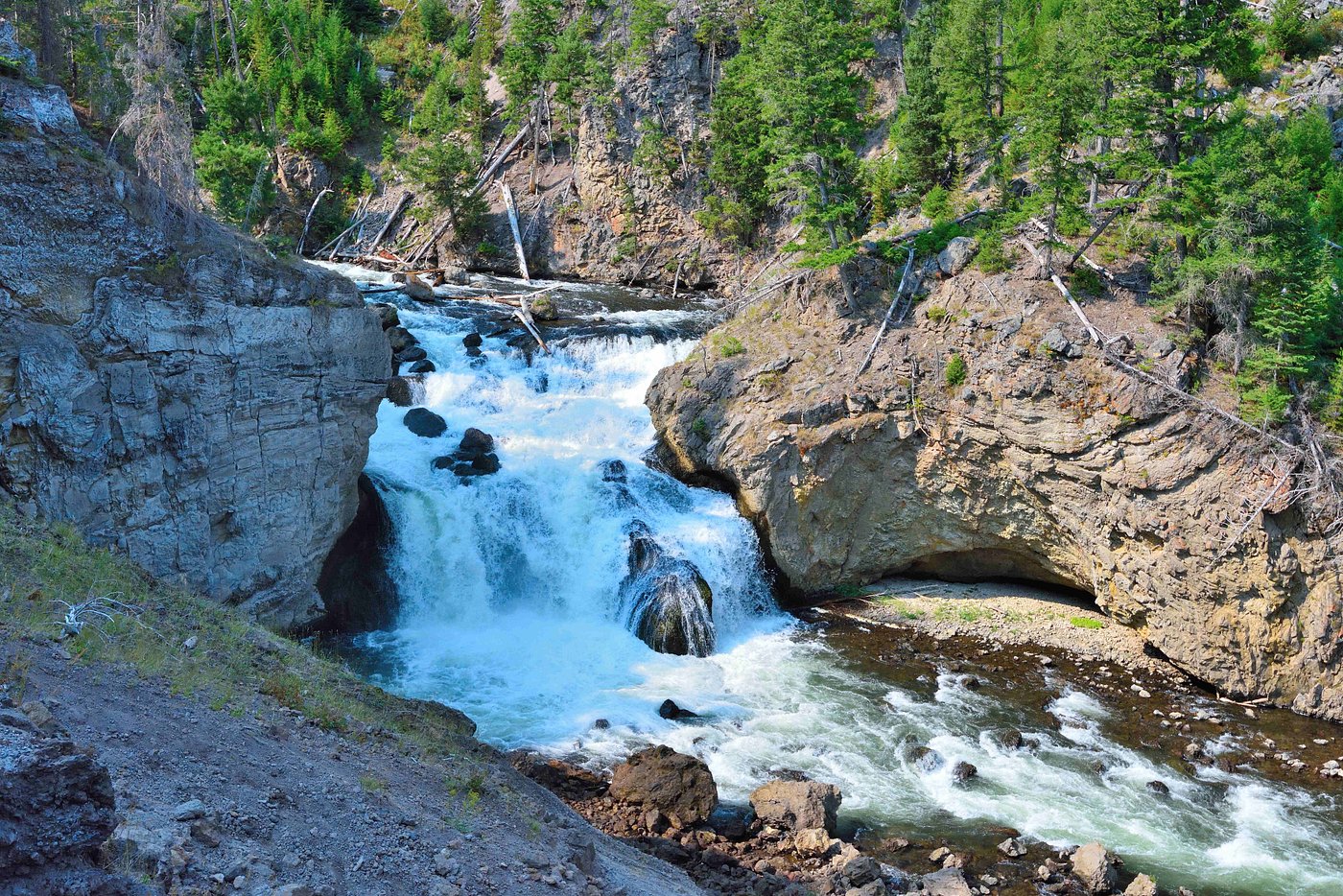
The Firehole River stays partially unfrozen during winter due to geothermal heat, attracting animals to its warm banks. Otters glide through open channels while swans and ducks gather near steady currents. Mist rising from the river drifts across icy edges, creating soft layers of atmosphere. The tension between flowing water and surrounding ice provides natural lines that guide each composition toward striking winter imagery.
Biscuit Basin
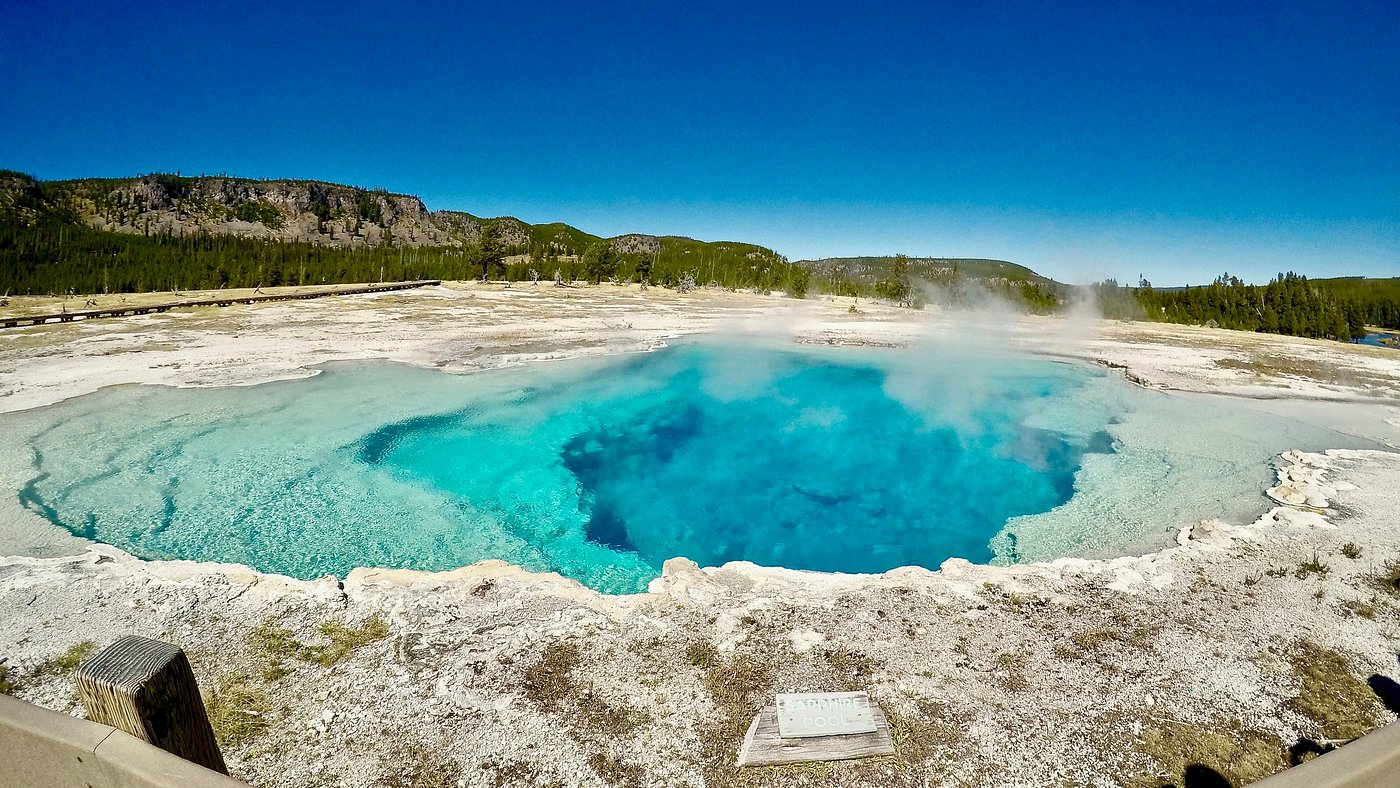
Biscuit Basin combines geothermal color with winter stillness, offering a unique backdrop for wildlife that moves quietly near its warm pools. Snow-covered pines frame the boardwalks, while bursts of steam add texture to the cold air. Birds and small mammals traverse the area, creating moments of contrast against bright mineral deposits. Early light enhances reflections on thermal pools, producing photographs filled with subtle movement and delicate winter detail.
Blacktail Plateau Drive
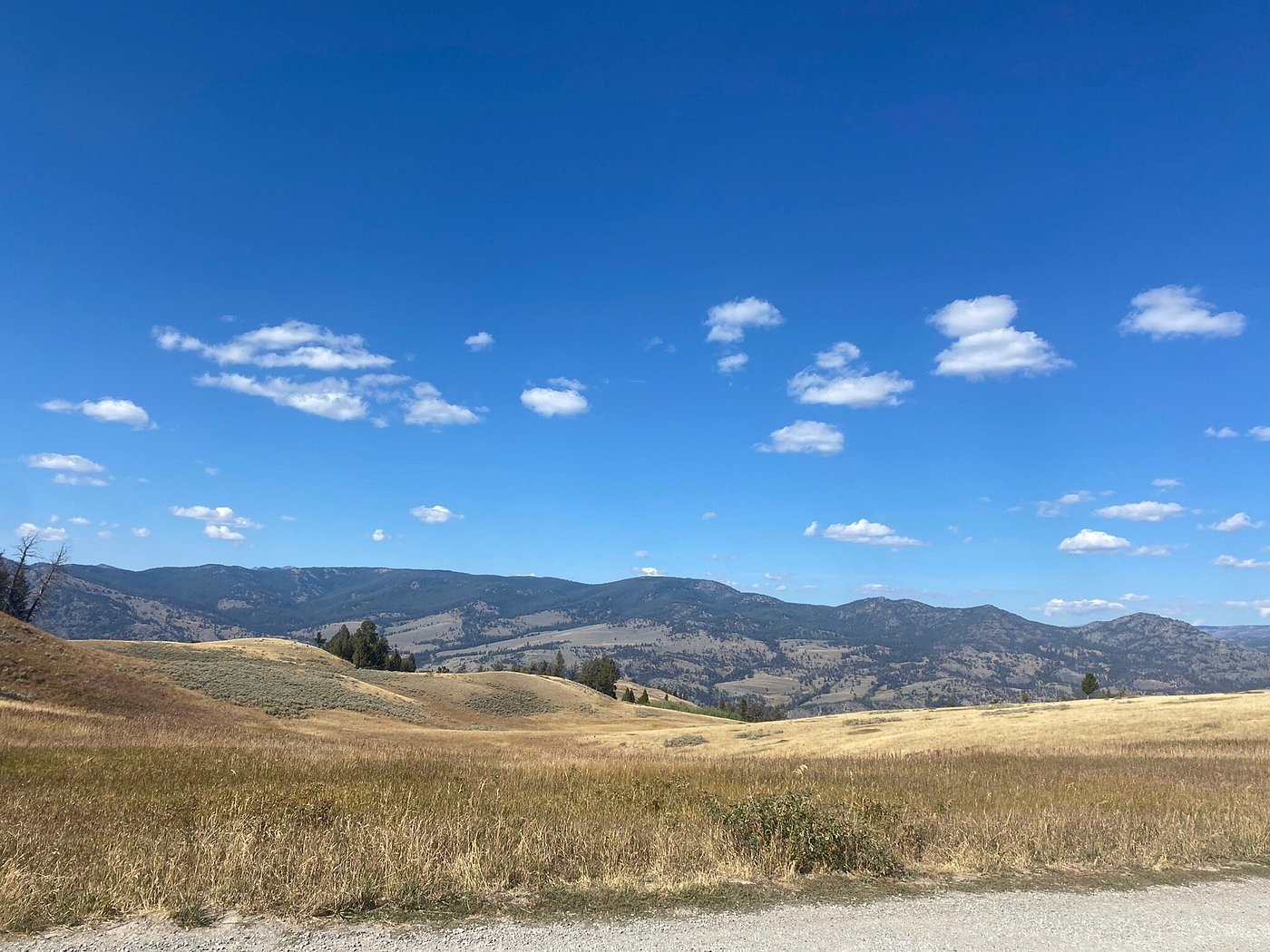
Blacktail Plateau Drive provides elevated vantage points across rolling hills where wildlife becomes highly visible against pale winter ground. Wolves, elk, and bison occasionally cross open spaces, leaving clear tracks that trace their routes across the plateau. Afternoon sunlight enhances the contours of the land while highlighting movement from afar. This scenic drive offers broad perspectives and consistent wildlife encounters well-suited for winter photography.