Extreme cold strips away comfort fast, and when fire is unavailable or unsafe, staying warm becomes a test of knowledge and discipline. Many survival situations remove the option of open flame due to weather, injury, lack of fuel, or the need to remain unseen. In these moments, warmth must come from smart insulation, controlled movement, and intelligent use of the environment. Cold kills quietly through fatigue and poor judgment, not dramatic freezes. Understanding how the body loses heat and how to slow that loss is critical. The following methods are proven, practical strategies that prioritize safety, efficiency, and long-term survival when fire is not an option.
1. Master Layering and Moisture Control
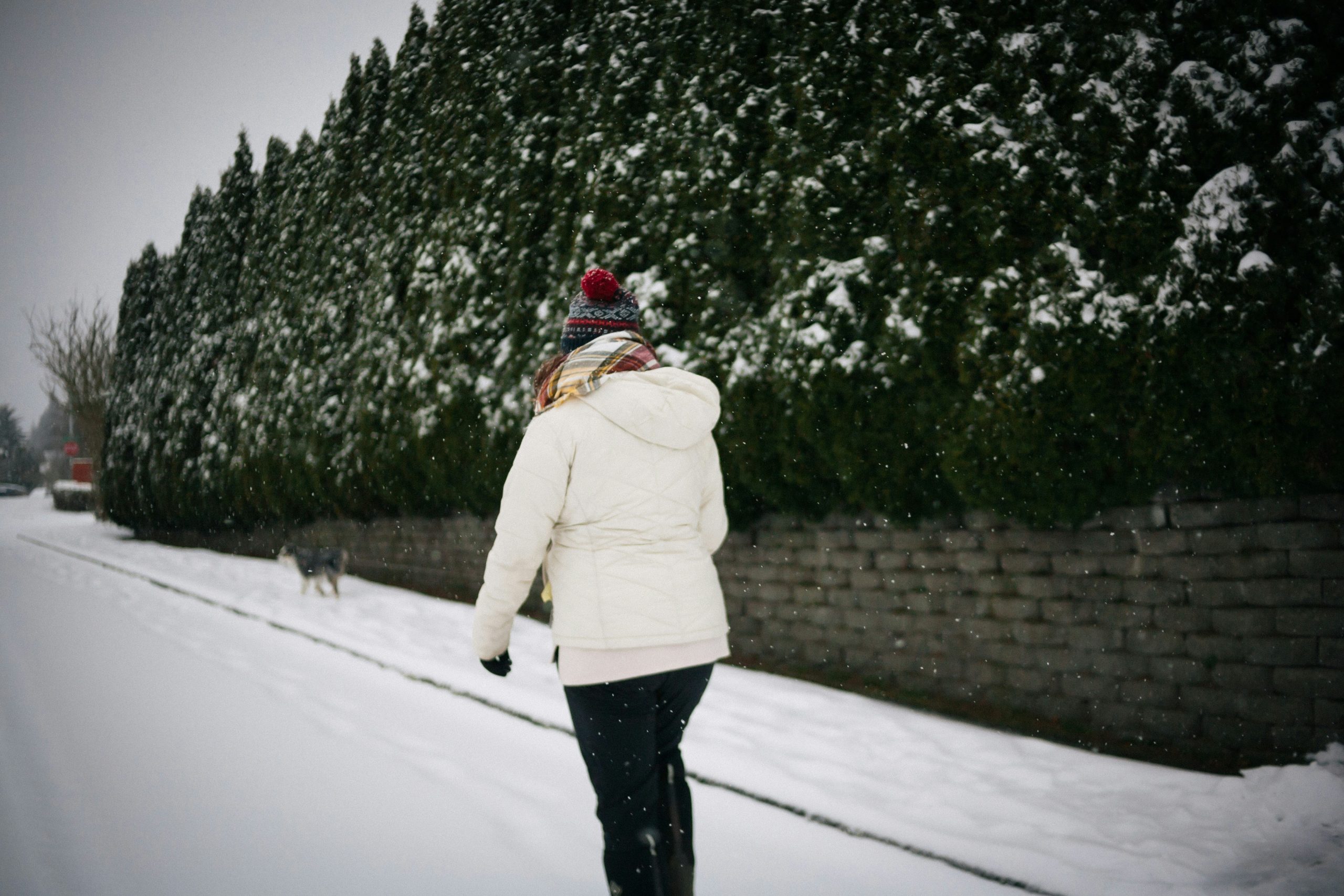
Layering correctly is the foundation of fireless warmth. Clothing must trap heat while allowing moisture to escape. Sweat is dangerous in cold environments because damp fabric pulls heat away rapidly. A proper system uses a moisture-wicking base layer, an insulating middle layer, and a wind-blocking outer shell. Materials matter more than thickness. Wool and synthetics outperform cotton, which holds moisture and accelerates heat loss. Ventilation is just as important as insulation. Opening layers during movement prevents overheating and sweat buildup. Staying dry keeps your body producing heat efficiently. Poor layering leads to cold, even in heavy clothing.
2. Build Wind-Blocking Shelter
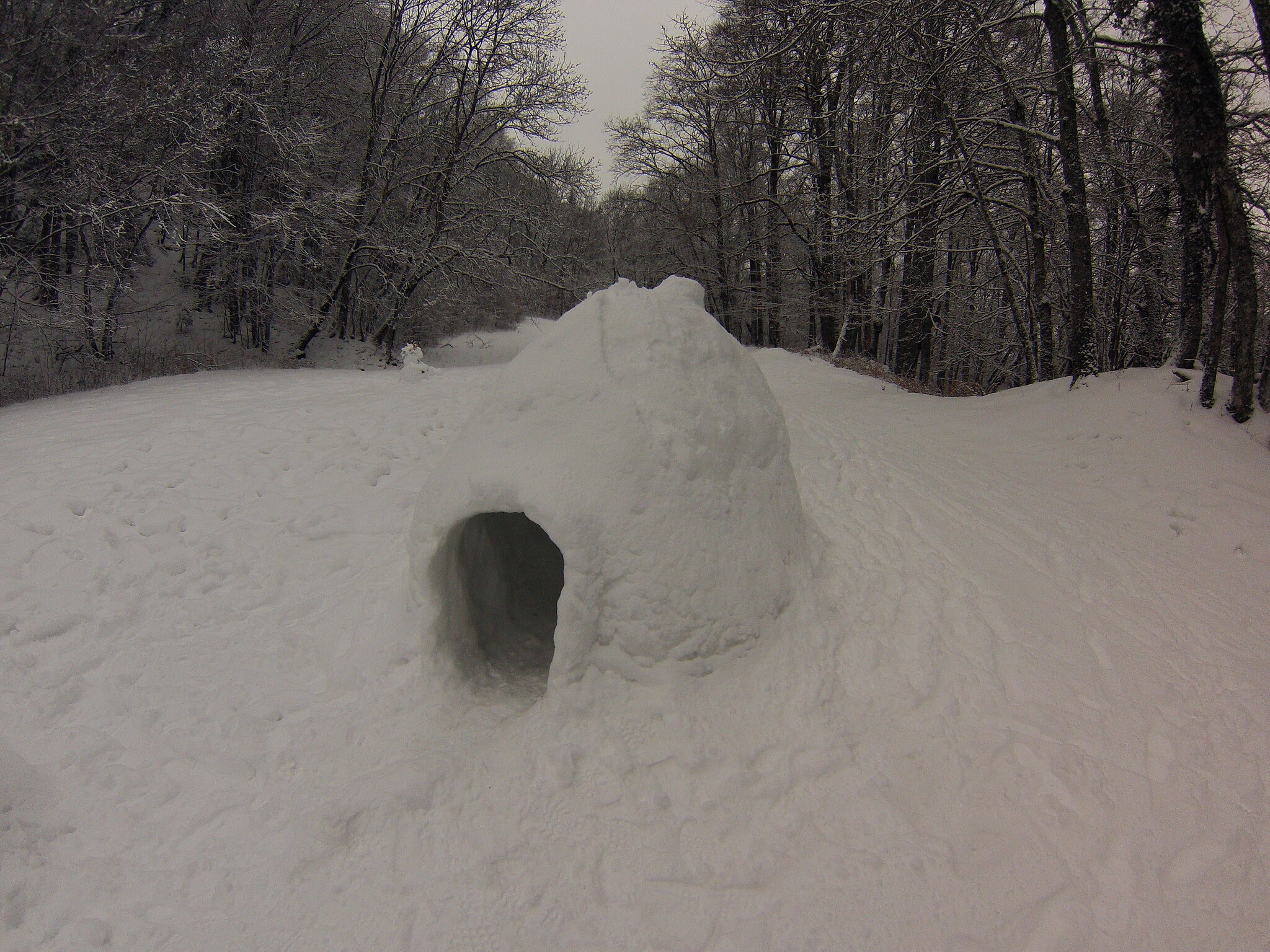
Wind multiplies cold stress by stripping heat from exposed surfaces. Even light wind can turn manageable temperatures into life-threatening conditions. A shelter does not need to be complex. Snow walls, natural rock formations, fallen logs, or packed brush can dramatically reduce wind exposure. Positioning matters. Shelters should face away from prevailing wind and sit lower than surrounding terrain when possible. Insulating the ground beneath you is critical since direct contact drains heat rapidly. A basic barrier combined with ground insulation often preserves more warmth than heavy clothing alone.
3. Insulate From the Ground
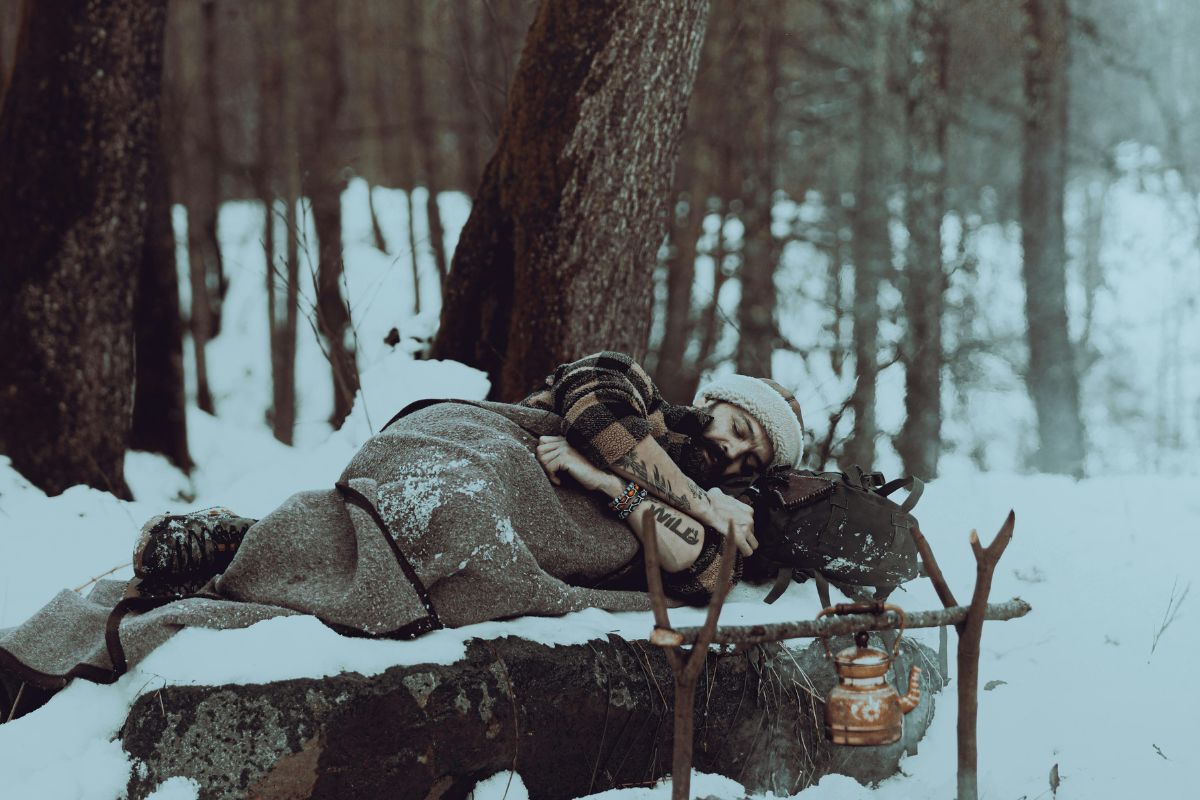
The ground is a massive heat sink, especially snow, frozen soil, and rock. Sitting or lying directly on it accelerates hypothermia. Insulation beneath the body matters more than insulation above it. Natural materials like pine boughs, dry grass, bark, or packed leaves create an effective thermal barrier. The thicker the layer, the better the insulation. Even a backpack, rope coil, or spare clothing can reduce heat transfer. Never underestimate ground loss. Many cold injuries occur despite good jackets simply because the person failed to insulate below.
4. Control Movement to Generate Heat
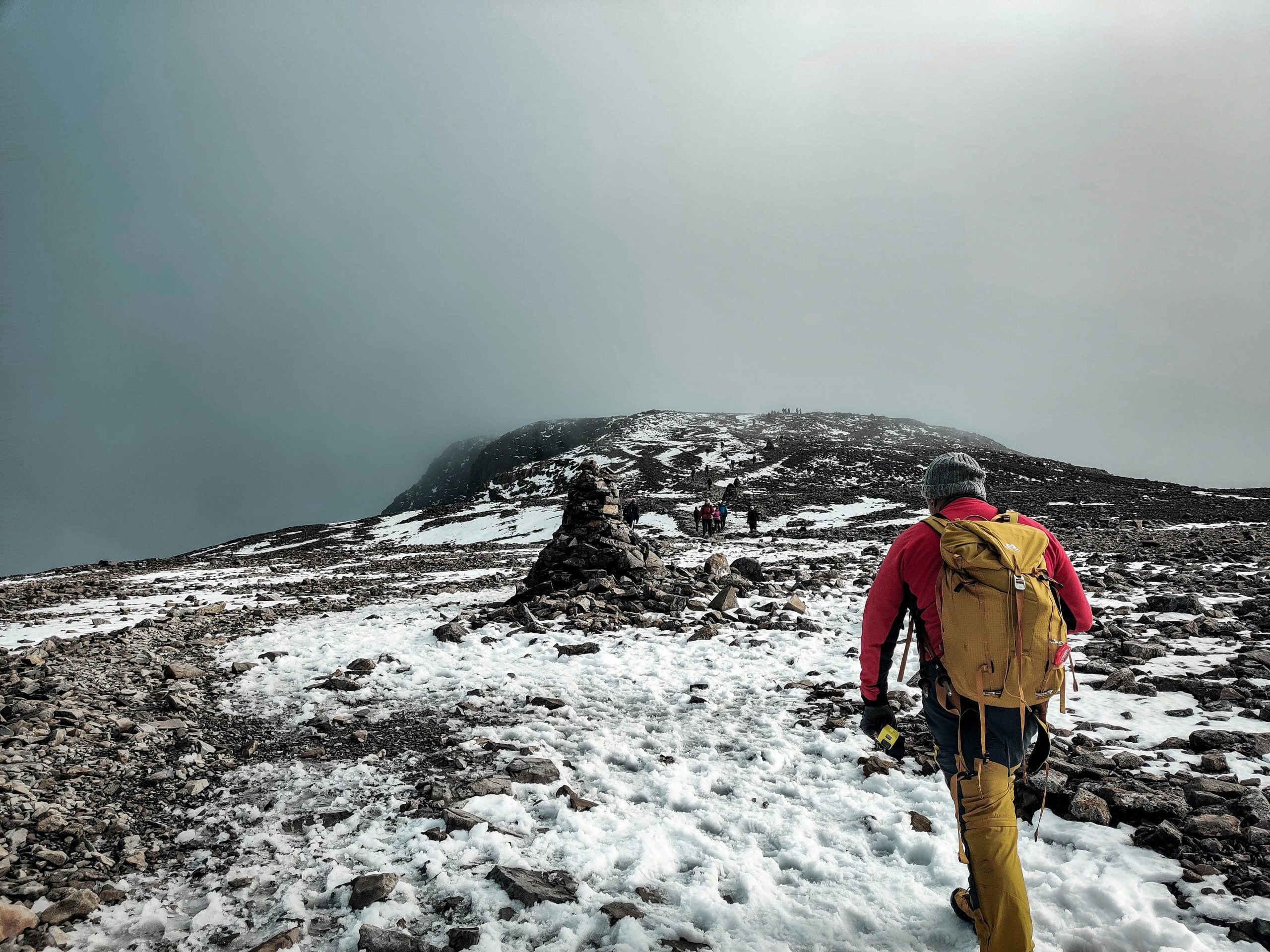
Movement creates body heat, but only when done deliberately. Light, steady activity such as walking, arm movement, or isometric tension warms muscles without excessive sweat. Overexertion is dangerous. Heavy labor produces moisture that freezes once activity stops. The goal is controlled warmth, not exhaustion. Periodic movement keeps circulation active and prevents stiffness. In extreme cold, short activity bursts followed by rest maintain temperature balance. Listen to your body and adjust layers constantly to stay dry.
5. Eat High-Calorie Foods Strategically
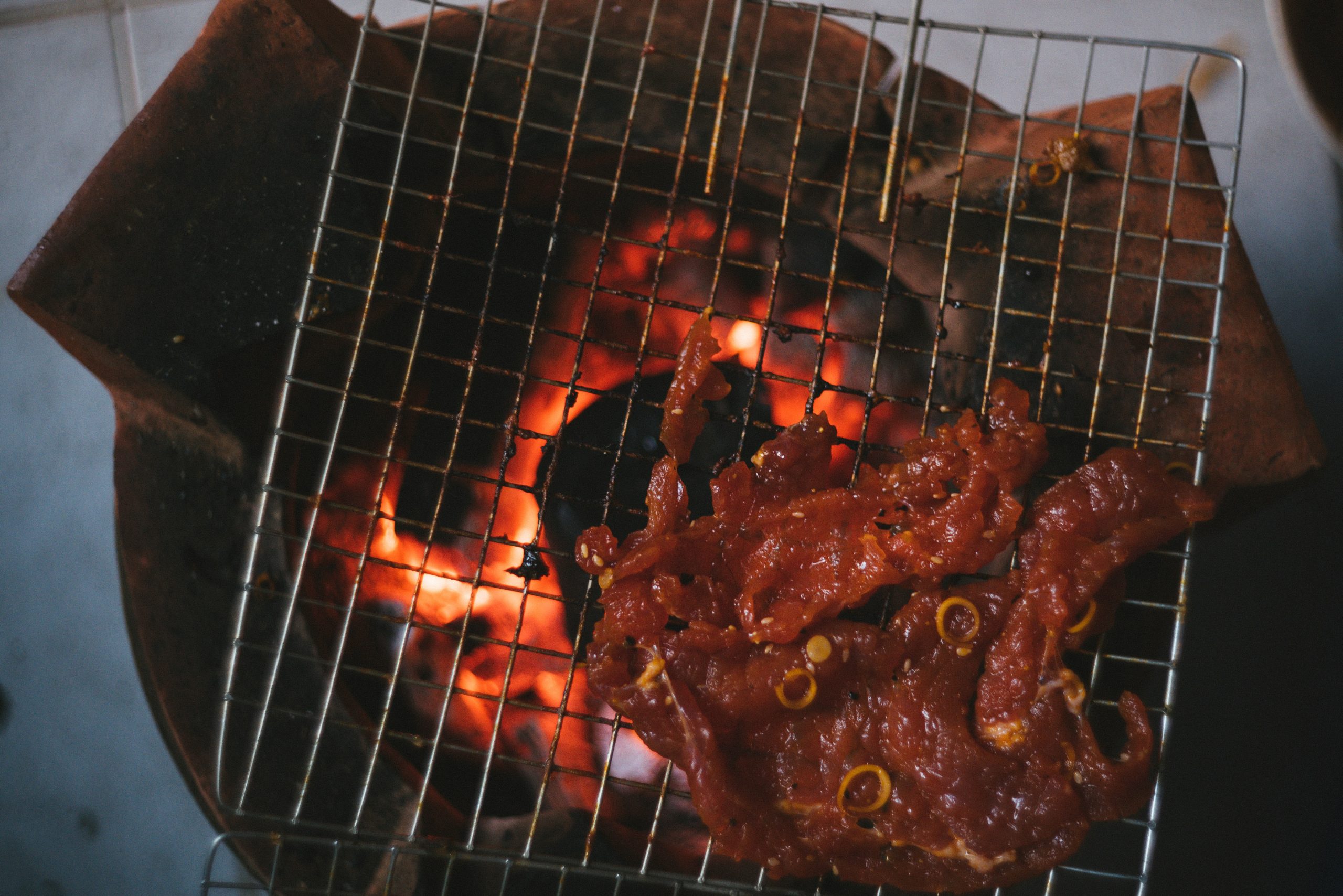
Heat production requires fuel. In cold environments, calorie demands increase significantly. Fats and carbohydrates burn efficiently and support steady heat output. Eating small amounts regularly is more effective than large infrequent meals. Digestion itself generates warmth. Cold dulls hunger signals, so intentional eating matters. Even simple foods like nuts, dried meat, or energy bars provide critical fuel. Avoid skipping meals, especially before rest periods, when body temperature naturally drops.
6. Use Vapor Barriers to Trap Heat
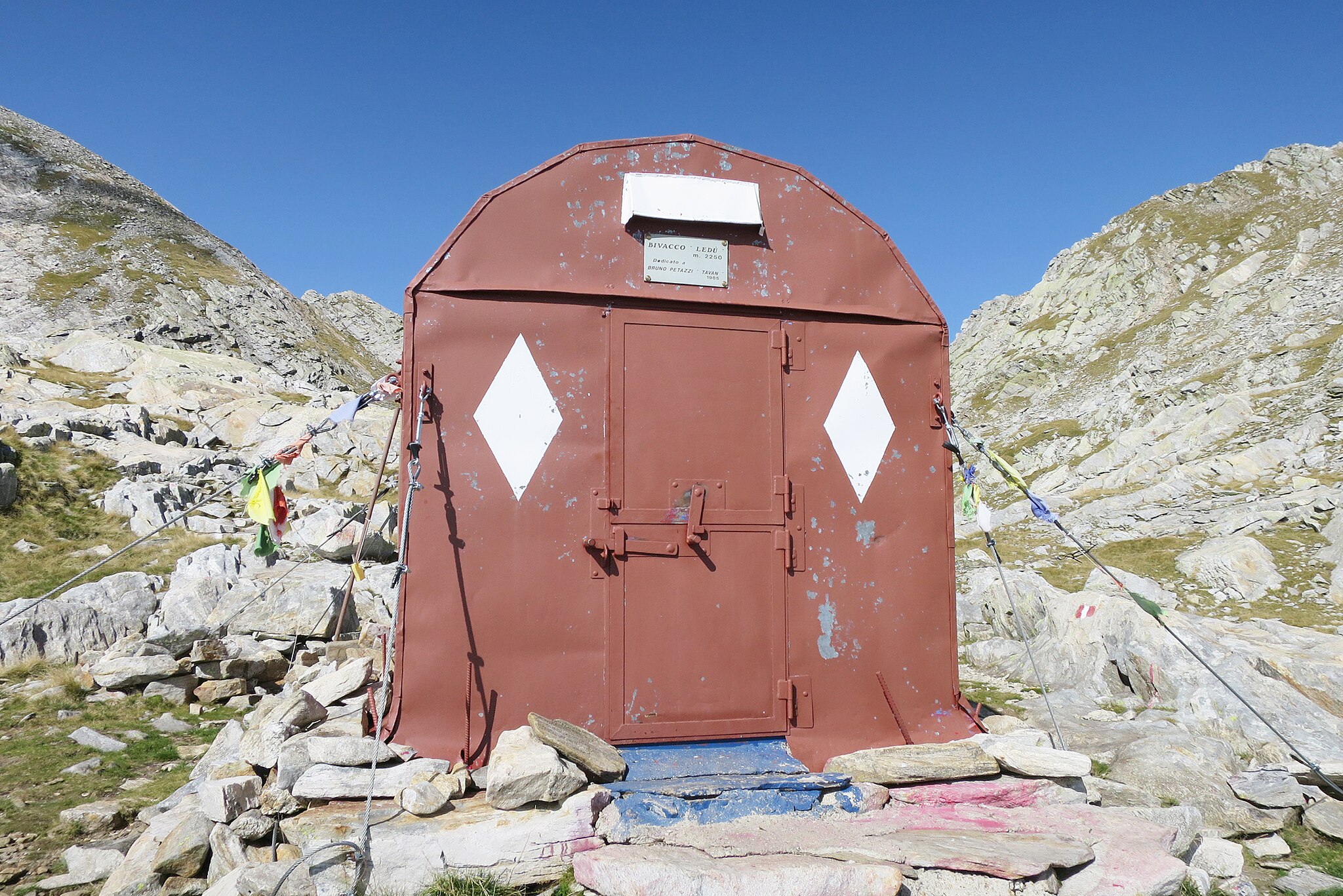
Vapor barriers prevent moisture loss and block evaporative cooling. Plastic bags, emergency bivy sacks, or improvised liners can trap warmth when used carefully. The key is limiting moisture buildup. Barriers work best during rest, not heavy activity. Wrapping feet or core areas can dramatically increase warmth retention. This technique is common in polar expeditions and cold-weather military training. When used correctly, vapor barriers reduce heat loss without adding bulk.
7. Protect Extremities First
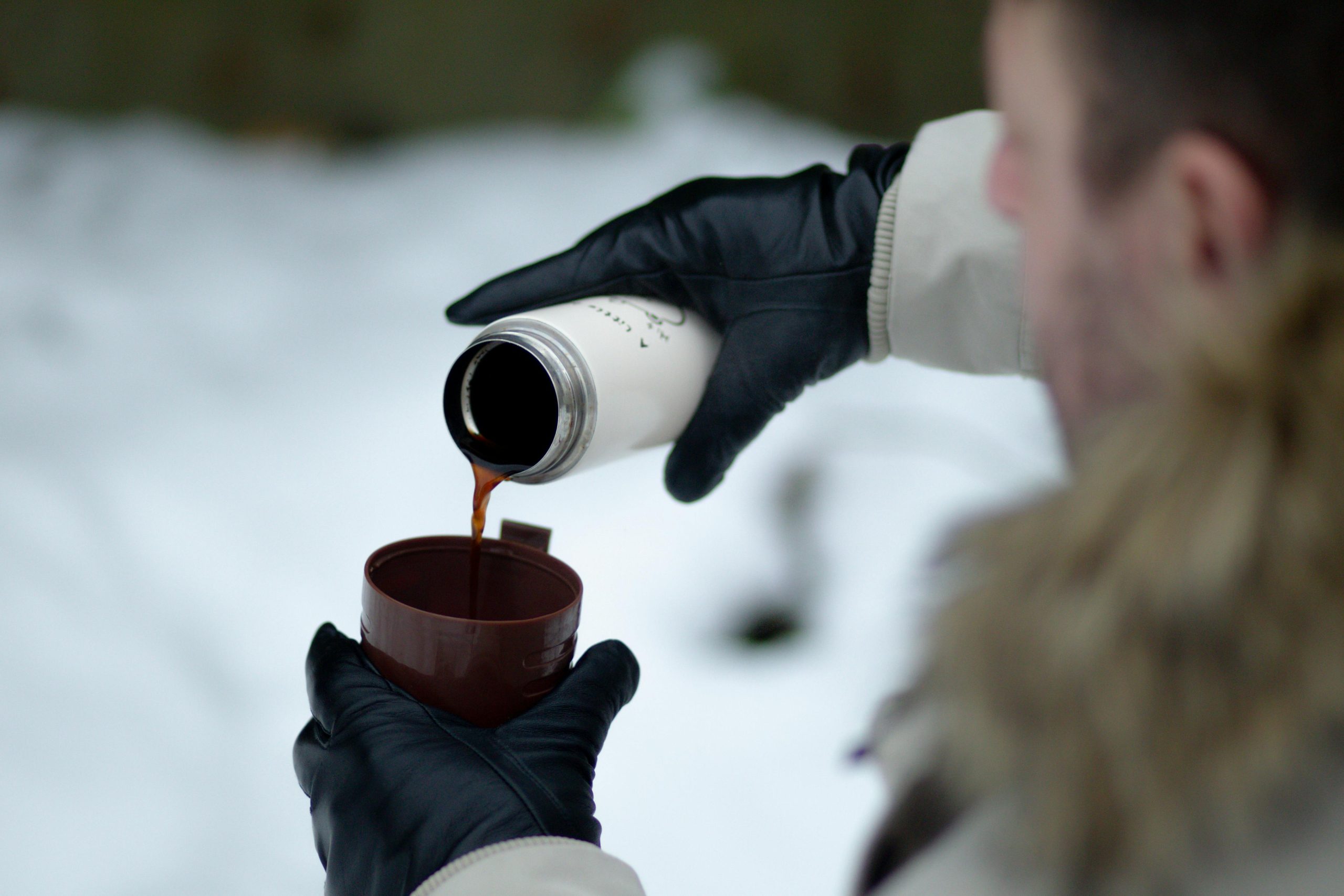
Hands, feet, ears, and face lose heat faster than the torso. Cold injuries often begin in the extremities due to reduced circulation. Insulating gloves, socks, and head coverings are non-negotiable. Even minor exposure can lead to numbness and loss of dexterity, which compromises survival tasks. Keeping extremities warm preserves coordination and morale. Cover skin fully and adjust protection before numbness begins. Prevention is far easier than recovery.
8. Manage Breathing and Posture
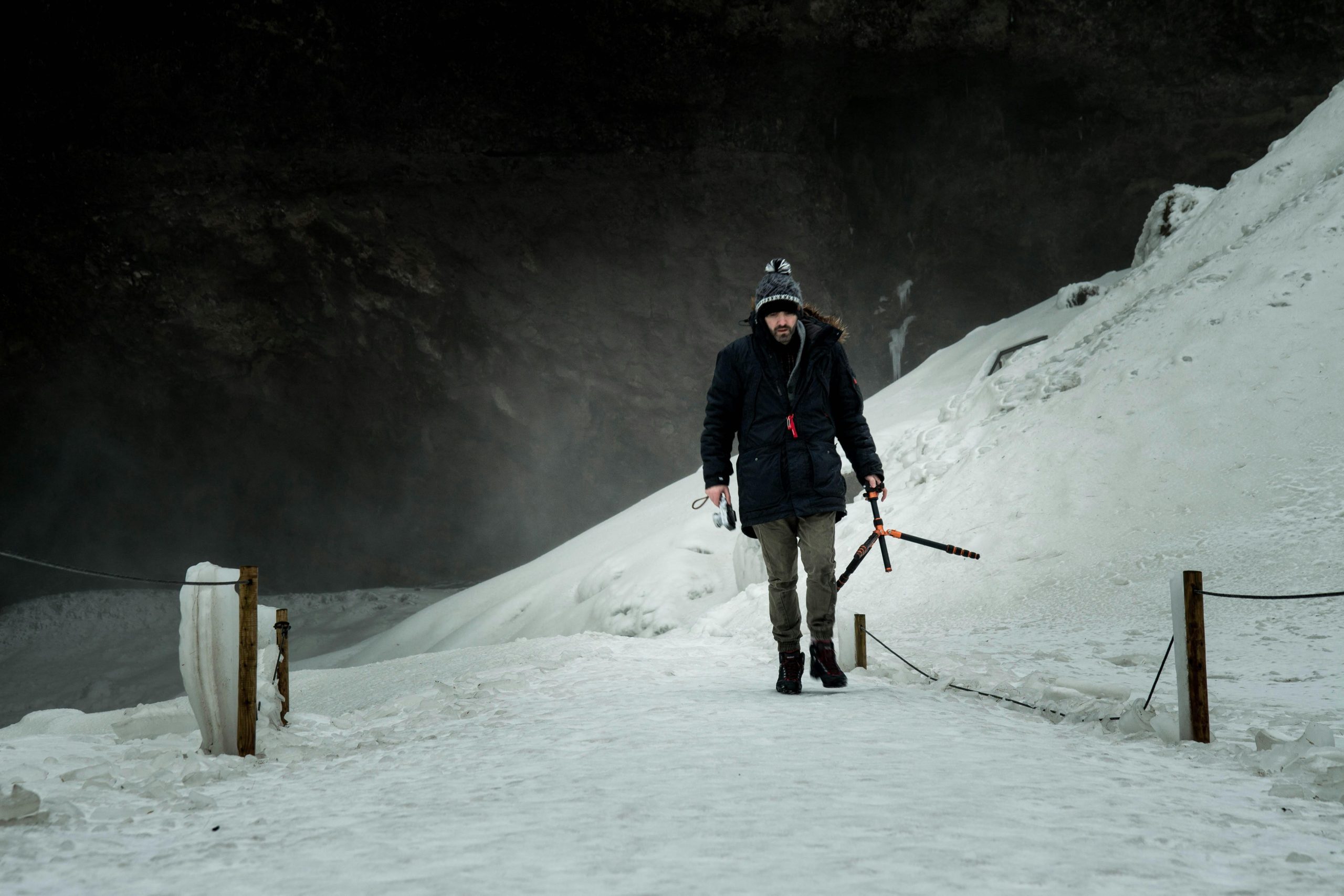
Breathing cold air rapidly increases heat loss through the lungs. Slow, controlled breathing through the nose warms incoming air and reduces moisture loss. Curling into a compact posture during rest minimizes exposed surface area. Knees drawn up and arms tucked close conserve heat efficiently. These small adjustments seem minor, but they add up over hours. Calm breathing also reduces panic, which can worsen cold stress and poor decision-making.
9. Stay Dry at All Costs
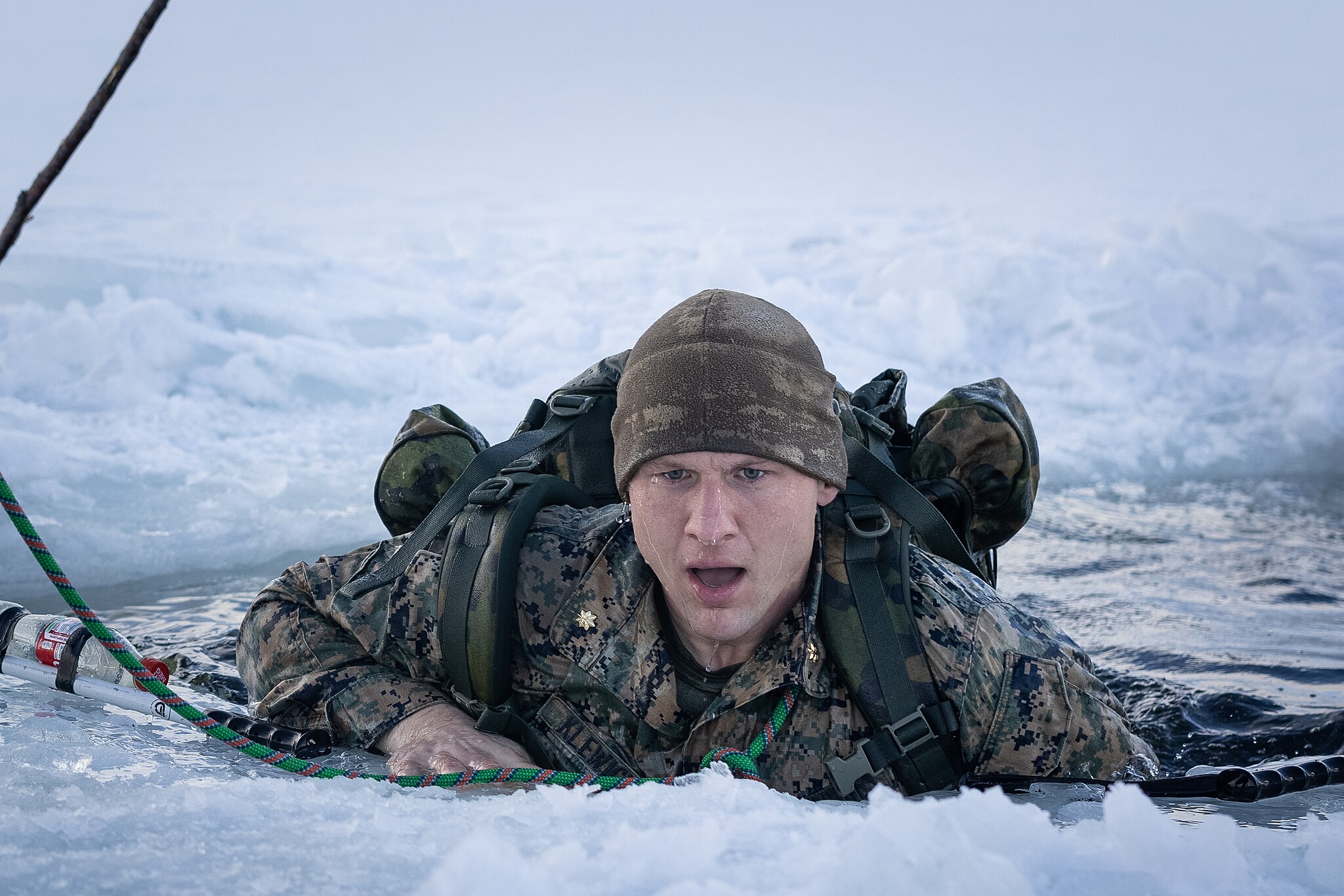
Moisture is the enemy of warmth. Snow melt, sweat, condensation, and wet clothing all accelerate heat loss. Constant monitoring is essential. Change damp layers immediately when possible. Shake snow off clothing before it melts. Protect gear from ground moisture and melting ice. Dryness preserves insulation value and body heat. In extreme cold, staying dry often determines survival more than temperature itself.