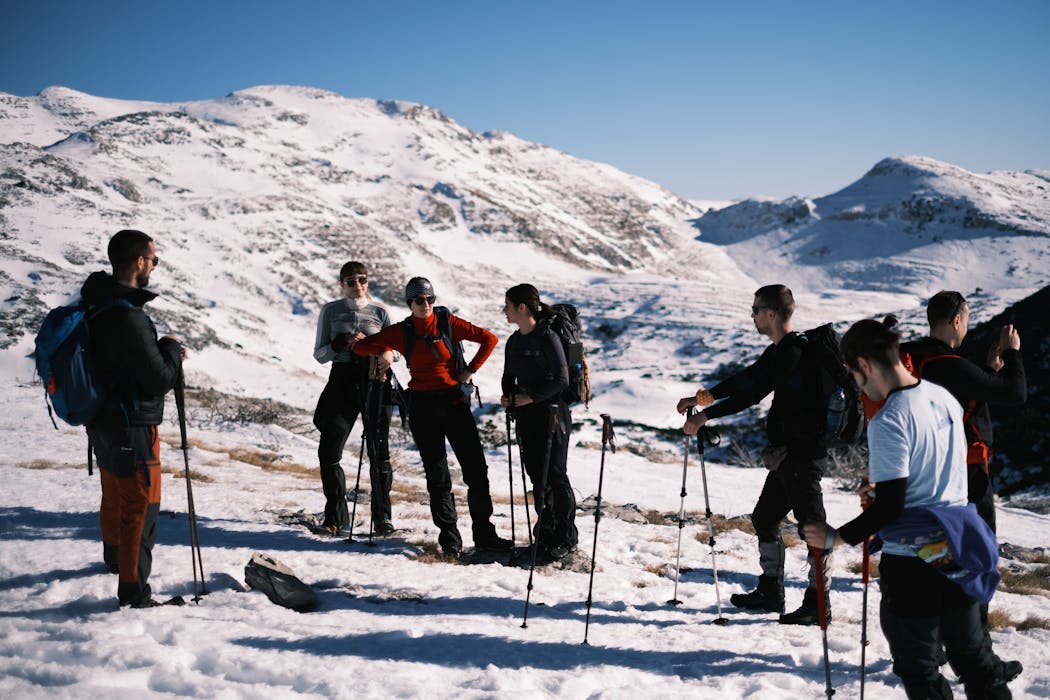
Camping in harsh climates offers beautiful scenery and quiet moments, yet strong sunlight, dry air, and shifting temperatures often place added stress on skin and joints. Preparing with steady habits helps maintain comfort throughout long days outdoors. Protective layers, hydration, and gentle movement routines all work together to reduce irritation and stiffness. With thoughtful care built into each part of the day, time spent outside feels smoother and far more manageable across a wide range of weather conditions.
Use Broad-Spectrum Sunscreen
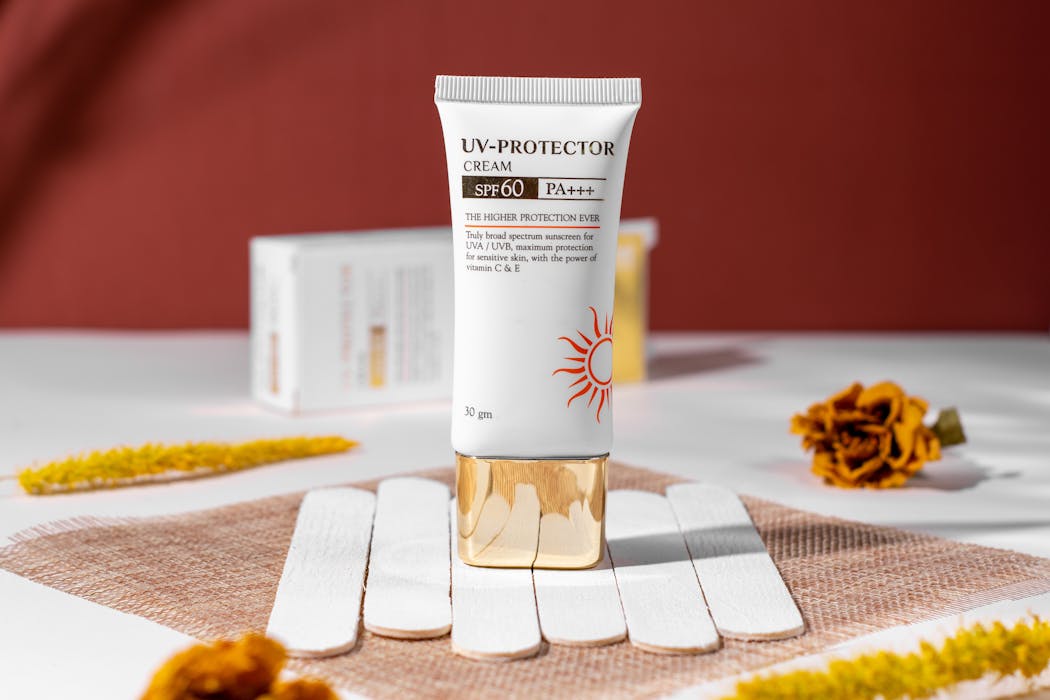
Broad-spectrum sunscreen shields skin from intense UV rays that become stronger in wide-open campsites and at higher elevations. Moisturizing ingredients help counter dryness that quickly develops in windy or sunny conditions. Reapplying throughout the day maintains even coverage and lowers the risk of redness or painful burns that linger long after exposure. Keeping skin properly protected helps preserve comfort and resilience during extended time outdoors in demanding climates.
Wear UV-Protective Clothing
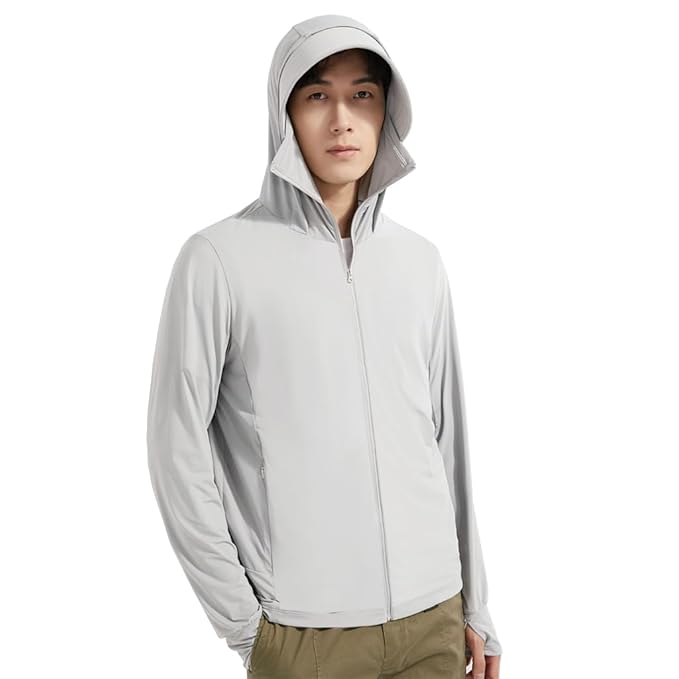
UV-protective clothing creates a dependable barrier against strong sunlight while remaining breathable enough for steady movement. Long sleeves, high necklines, and full-length pants protect areas that sunscreen may miss or gradually wear off. Fabrics designed to block UV rays keep skin cooler and reduce strain when shade is limited. With consistent coverage in place, skin remains calmer and less affected by hours spent under bright skies and reflective terrain.
Stay Hydrated Throughout the Day
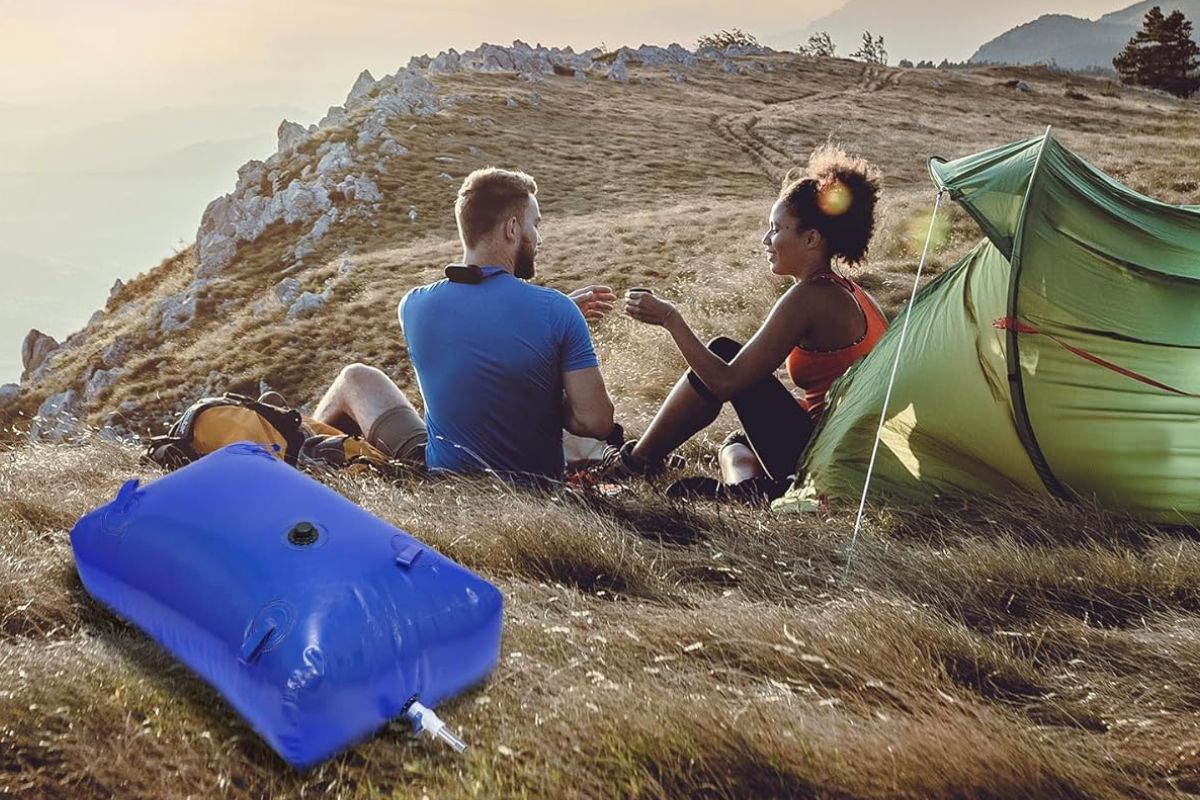
Hydration plays an essential role in supporting healthy skin and flexible joints, especially in dry or high-altitude regions. Drinking water consistently helps maintain moisture levels and prevents tightness or discomfort that often emerges after long walks or time in the sun. Proper hydration keeps tissues cushioned, reducing the stiffness that builds during active days. This simple routine improves overall comfort and helps the body handle sudden temperature changes more effectively.
Apply Moisturizing Barrier Cream
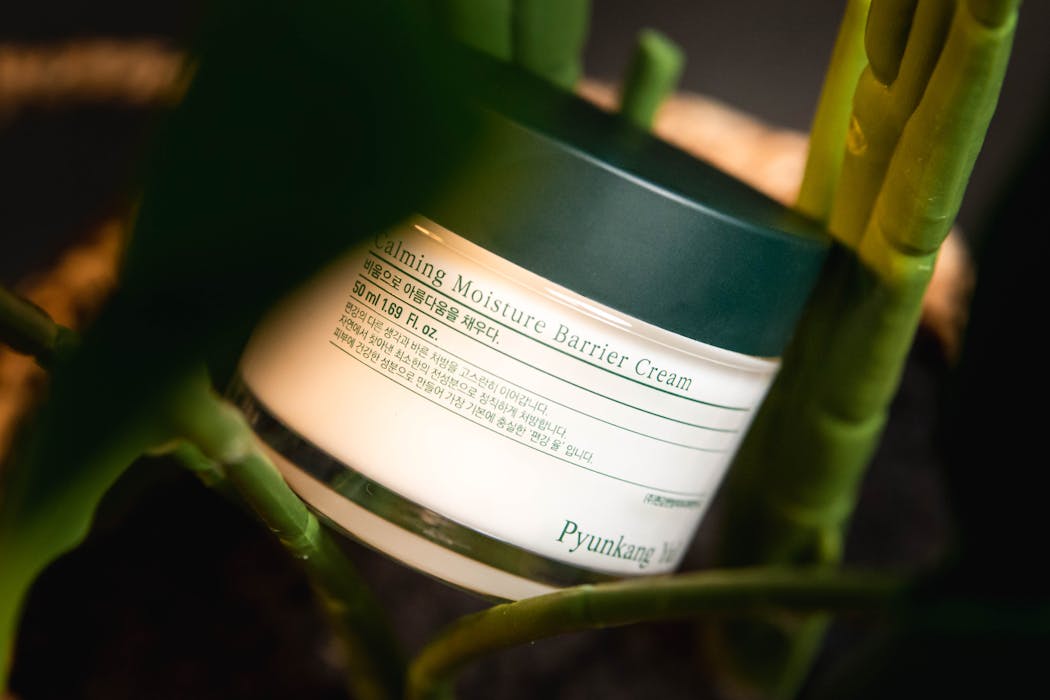
A moisturizing barrier cream protects exposed skin from cold air, dust, and rapid shifts in weather common in rugged environments. Thick, nourishing formulas seal in hydration and help prevent cracking on sensitive areas such as hands, cheeks, and lips. Applying a small amount before heading out preserves moisture despite extended exposure. This added layer becomes especially important in dry climates where wind and altitude intensify irritation quickly.
Stretch Before and After Hiking
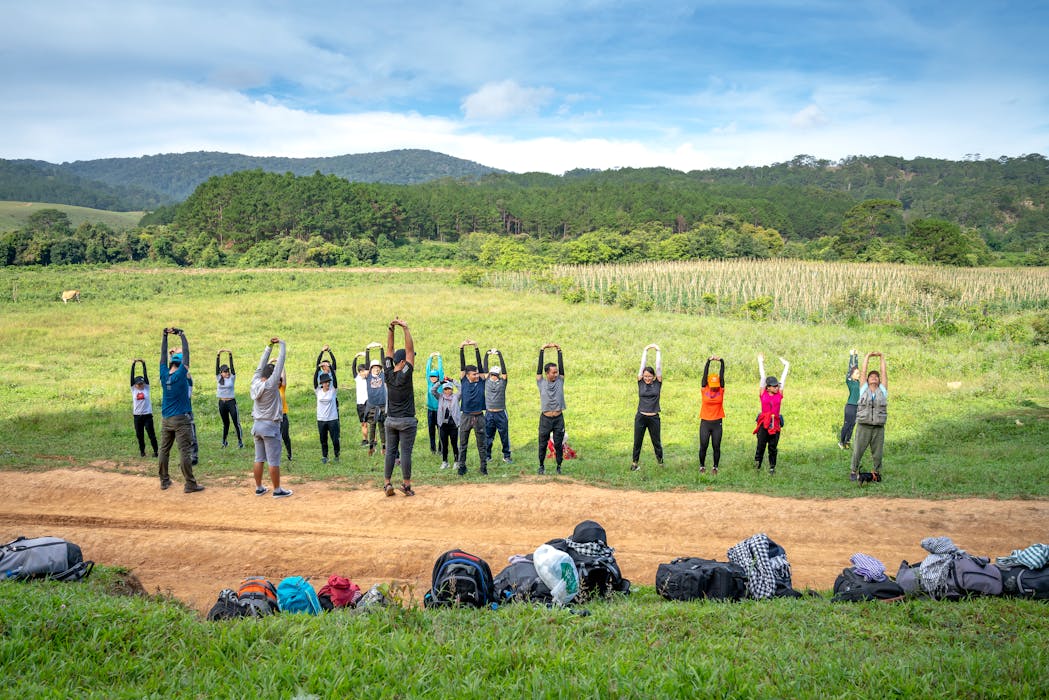
Stretching supports joint mobility by warming muscles and improving flexibility before long periods of activity. Gentle motions prepare the body for uneven terrain and reduce tension that might build throughout the day. A short stretching session after hiking helps release tightness and prevents soreness that can linger overnight. With consistent stretching, joints maintain a better range of motion and feel more comfortable across varied conditions.
Use Trekking Poles for Support
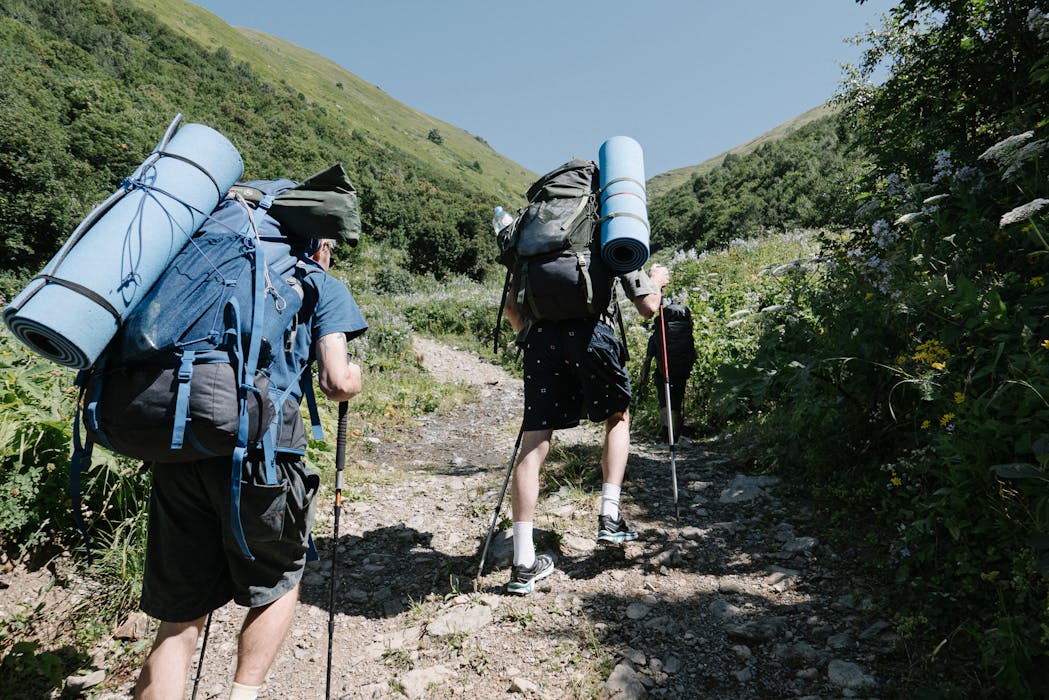
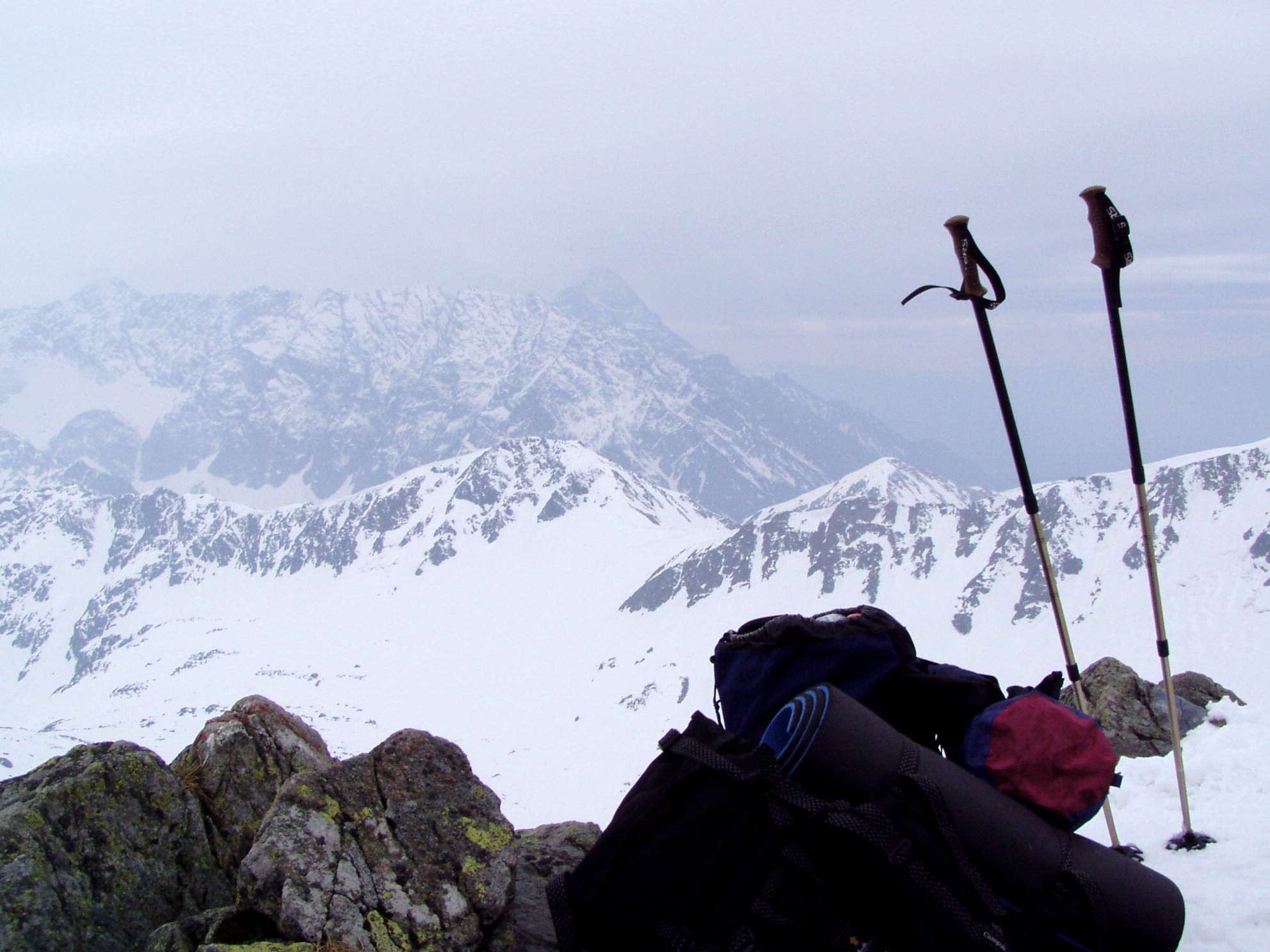
Trekking poles offer valuable support by distributing body weight more evenly and reducing impact on knees, hips, and ankles. Their added stability helps maintain balance on rocky slopes, sandy paths, or uneven ground. By sharing the workload with the upper body, poles ease strain on vulnerable joints and reduce fatigue during extended hikes. This simple tool enhances comfort and creates a more sustainable pace throughout changing terrain.
Layer Up Against Temperature Swings
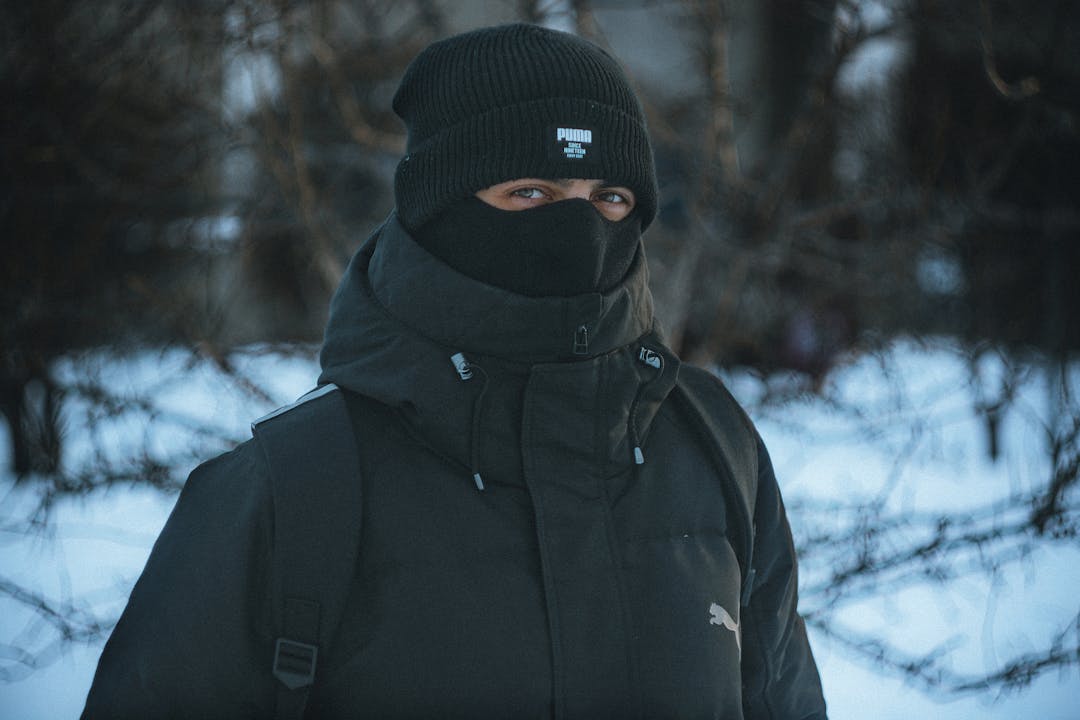
Layering clothing helps the body adapt to rapid temperature changes often found in exposed camping areas. Moisture-wicking base layers keep sweat under control, insulating pieces trap warmth in cooler moments, and light shells protect against wind. Adjusting layers throughout the day prevents abrupt chills or overheating, both of which increase joint discomfort. A flexible layering system supports comfort from early sunlight to late evening breezes.
Protect Hands and Feet
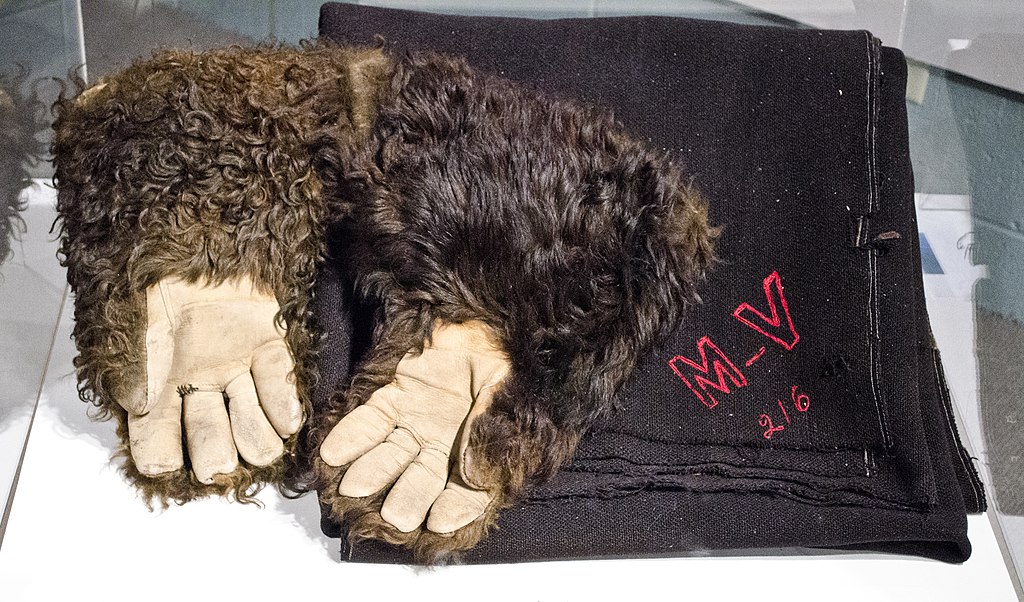
Protecting hands and feet ensures better mobility and comfort when weather conditions become demanding. Insulated gloves help joints remain flexible in cold weather, while well-fitted footwear supports ankles and reduces stress during long hikes. Wool or thermal socks maintain warmth even when slightly damp, preventing discomfort linked to cold exposure. Caring for these sensitive areas strengthens overall stability and ease of movement.
Take Breaks to Reduce Strain
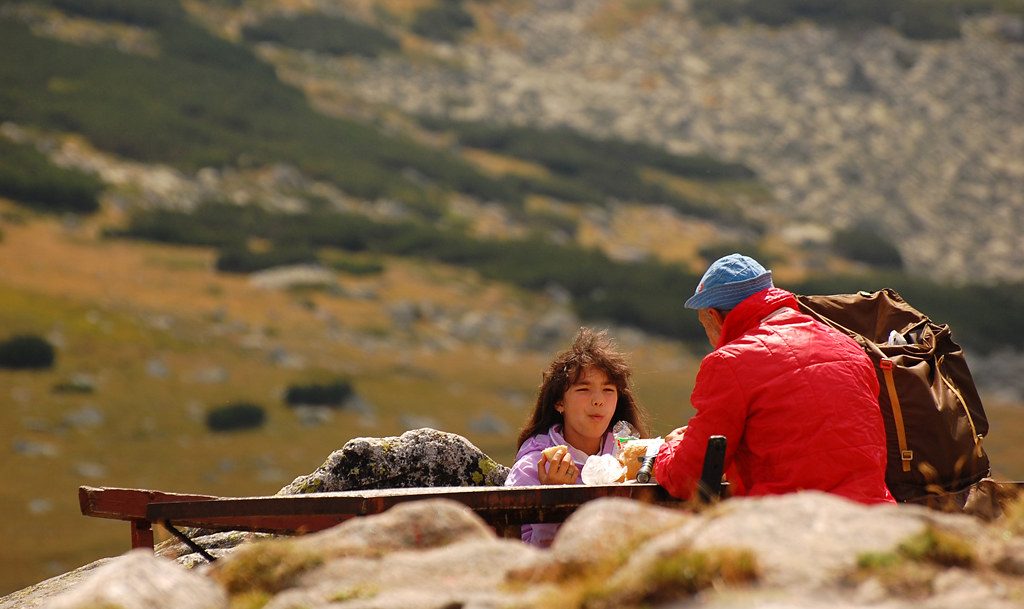
Taking short breaks during the day gives joints time to recover and prevents fatigue from building too quickly. Brief pauses help loosen muscles and reduce tightness that can worsen over long distances. These moments also give skin a chance to recover from sun or wind exposure. A steady rhythm of activity and rest balances the body’s workload and keeps movement comfortable throughout long outdoor days.