Exploring these 9 ways firearms were built before modern machines existed reveals the incredible ingenuity of historical blacksmiths and early engineers. Long before computer controlled lathes or industrial presses appeared these craftsmen utilized manual labor and primitive tools to create functional weapons. Every single component required hours of physical effort and a deep understanding of metallurgy to ensure the final product remained safe and effective. From hand forged barrels to intricate wood carvings these early manufacturing techniques set the foundation for modern ballistics. This guide examines the traditional processes that allowed early civilizations to produce reliable and powerful weaponry.
Barrel Forge Welding
Forge welding a barrel represented the most critical and dangerous stage of early firearm production for any blacksmith. Craftsmen began by heating long and thin strips of iron until the metal glowed with a brilliant white heat. They carefully wrapped these strips around a solid metal rod called a mandrel to create the basic cylindrical shape. By hammering the overlapping edges together while the iron remained soft the smith created a seamless and strong tube. This labor intensive process required perfect temperature control to prevent the metal from becoming brittle or developing weak spots during the final cooling phase.
Manual Bore Drilling
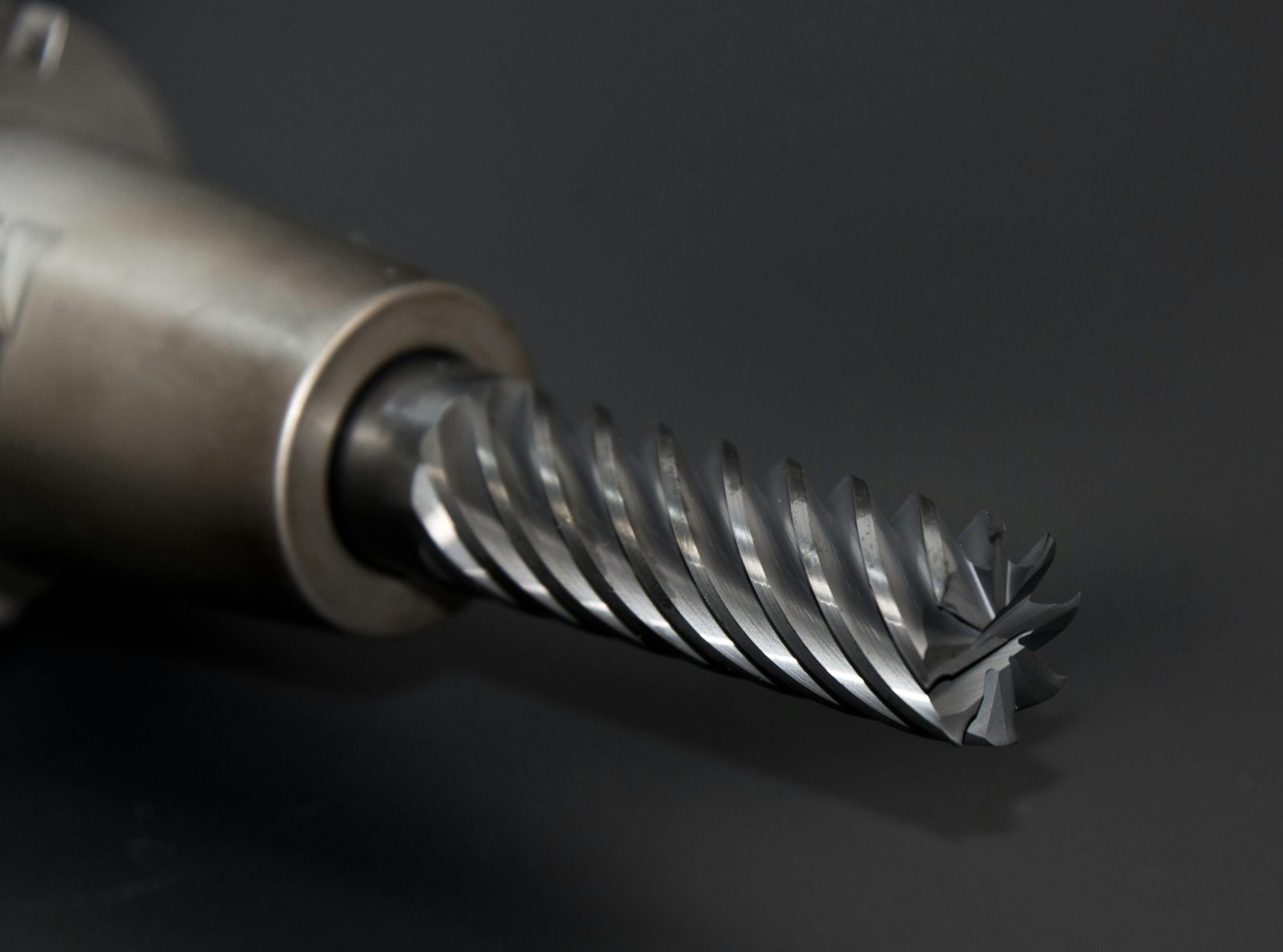
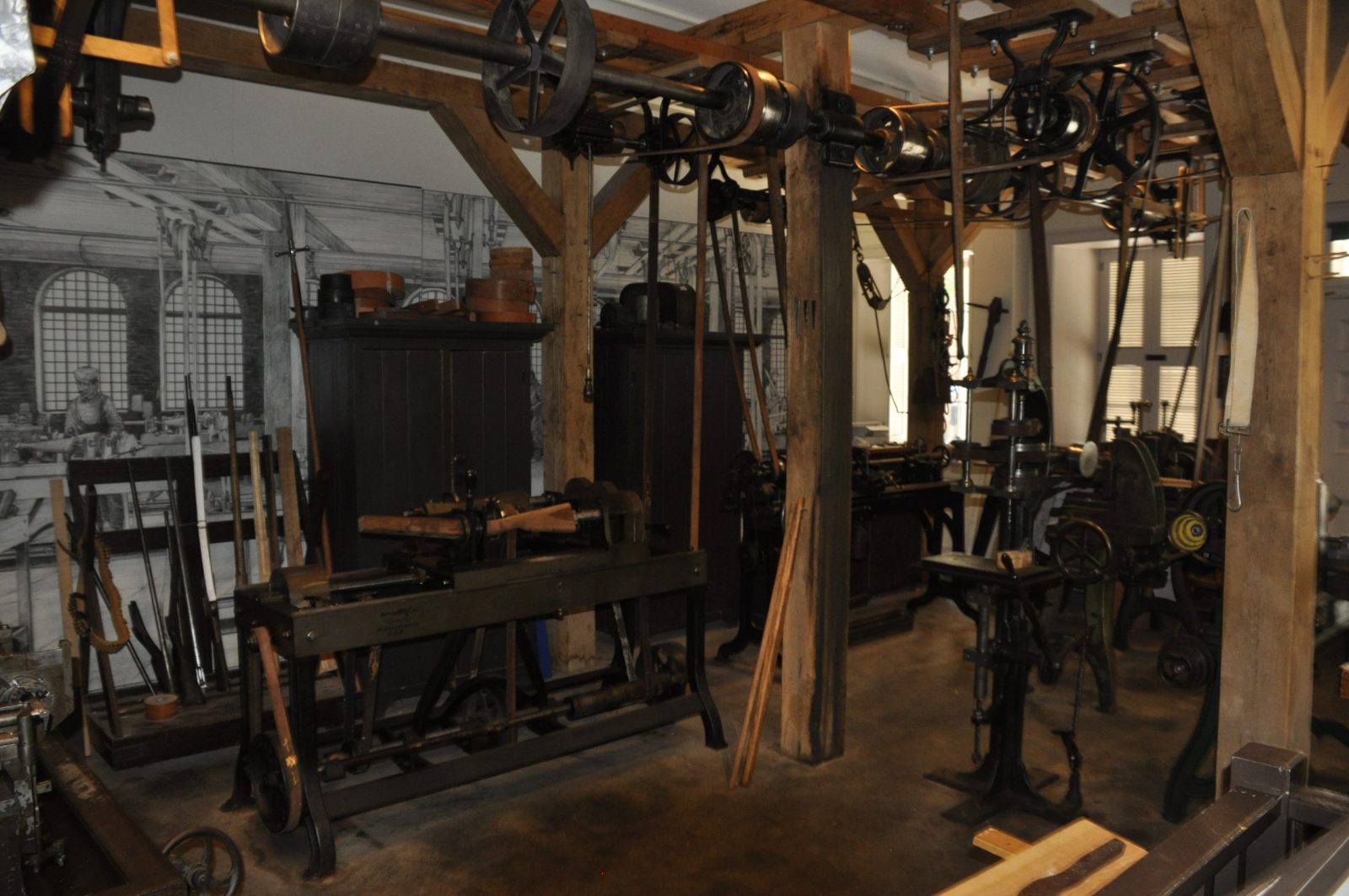
Manual bore drilling ensured that the internal diameter of a forged barrel remained consistent and smooth for accurate shooting. Early makers used long iron rods equipped with hardened steel bits that they turned slowly by hand or with simple water wheels. This tedious process involved removing small amounts of metal at a time while constantly checking the alignment of the drill. Without the benefit of modern measuring tools the craftsmen relied on their experience and sense of touch to detect any imperfections. Providing a uniform bore was essential to prevent the weapon from exploding under the intense pressure.
Sand Casting Components
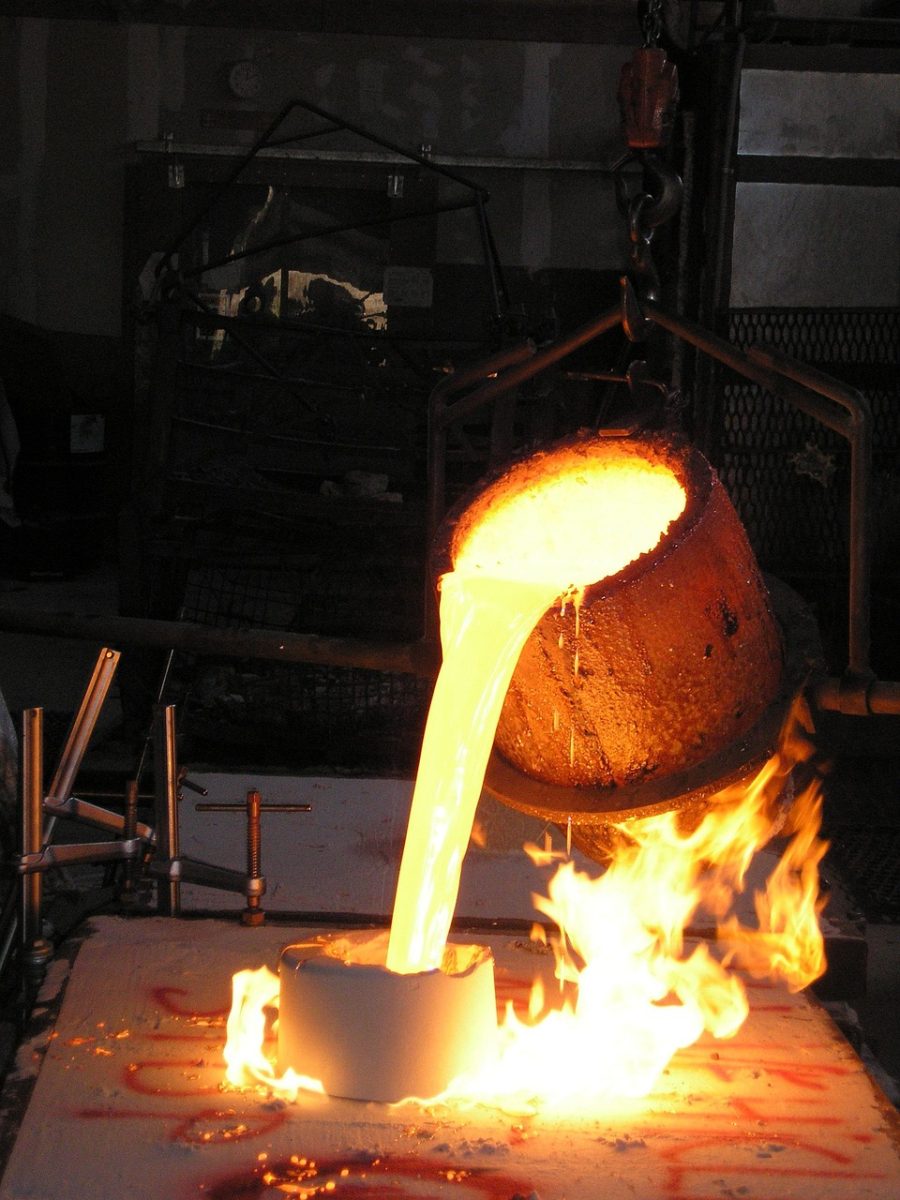
Sand casting allowed early gunsmiths to produce complex brass or bronze components like trigger guards and buttplates with remarkable efficiency. Makers first created a wooden pattern of the part and pressed it into a mixture of fine sand and clay to form a mold. They poured molten metal into the resulting cavity and allowed it to cool before breaking the sand away to reveal the raw part. Each casting required significant hand filing and polishing to remove rough edges and achieve a professional finish. This method provided a way to create decorative and functional hardware for every gun.
Hand Cut Rifling
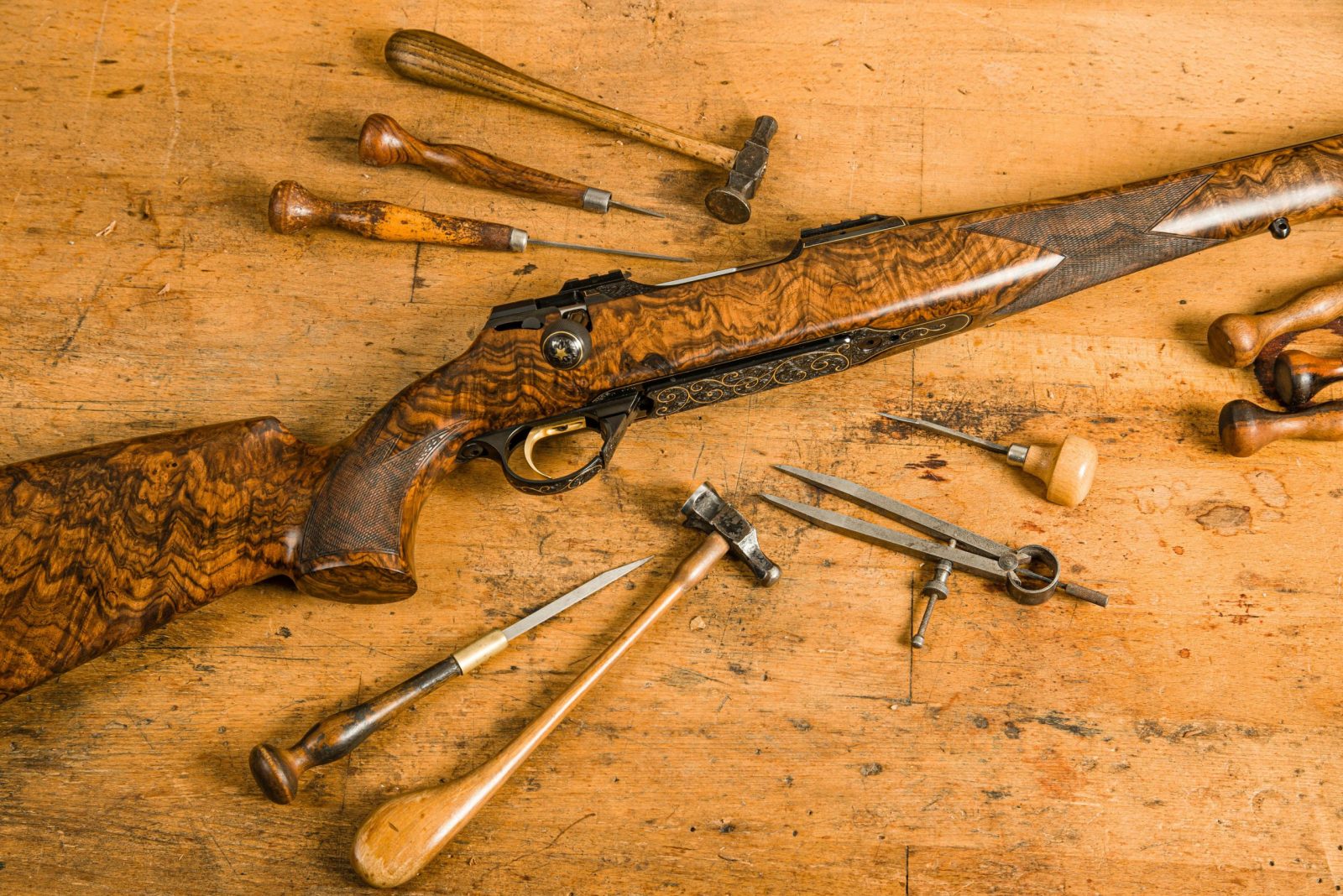
Hand cut rifling involved the painstaking process of carving spiral grooves inside the barrel to improve the stability of a projectile. Specialized tools called rifling benches allowed a craftsman to pull a small cutter through the bore at a precise and consistent angle. Each pass removed only a tiny sliver of metal which required dozens of repetitions to achieve the desired depth of the grooves. This advancement significantly increased the effective range and accuracy of early long rifles compared to smoothbore muskets. Gunsmiths often spent several days perfecting the rifling to ensure the highest possible performance for shooters.
Charcoal Case Hardening
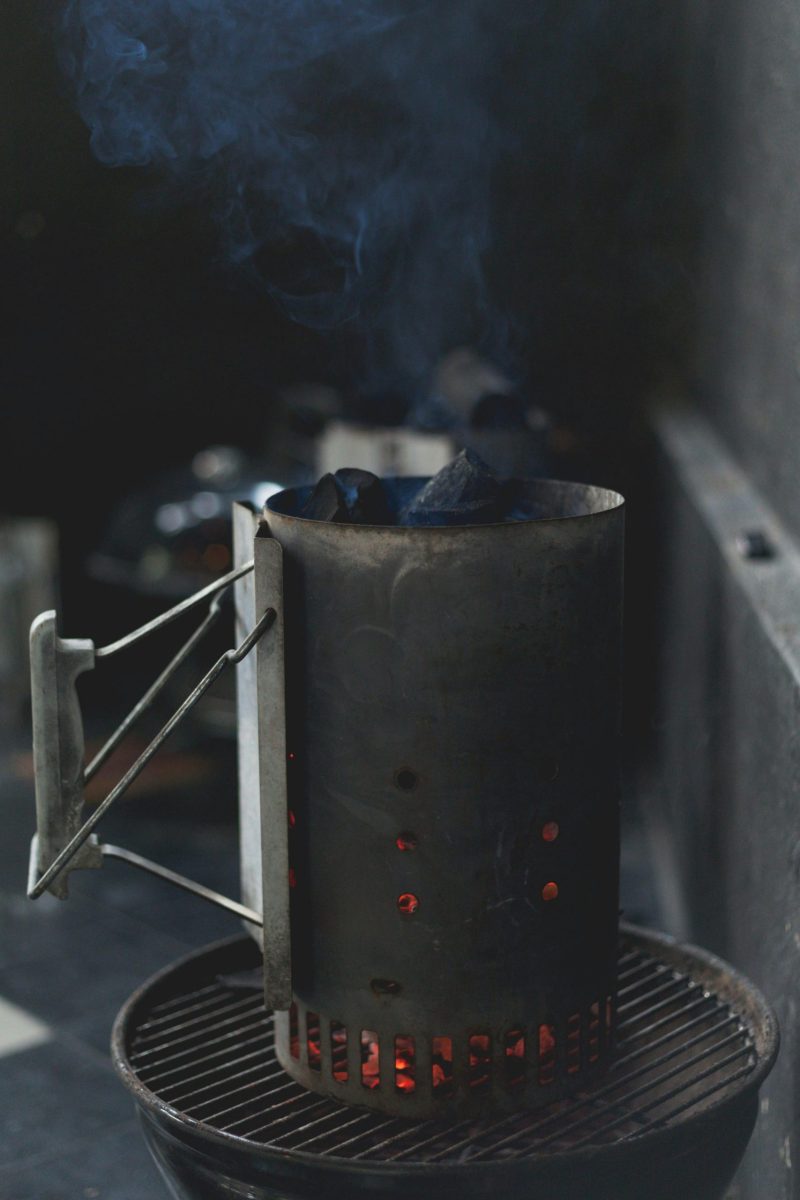
Charcoal case hardening provided a way to create a hard and wear resistant surface on soft iron parts like lock plates. Makers packed the individual components into a sealed iron box filled with bone charcoal and heated it in a forge for several hours. This process allowed the carbon from the charcoal to soak into the surface of the metal to create a protective skin. When the parts were quenched in cold water they developed beautiful mottled colors and a very tough exterior. This technique protected critical moving parts from premature wear and corrosion during heavy and regular use.
Hand Chiseled Locks
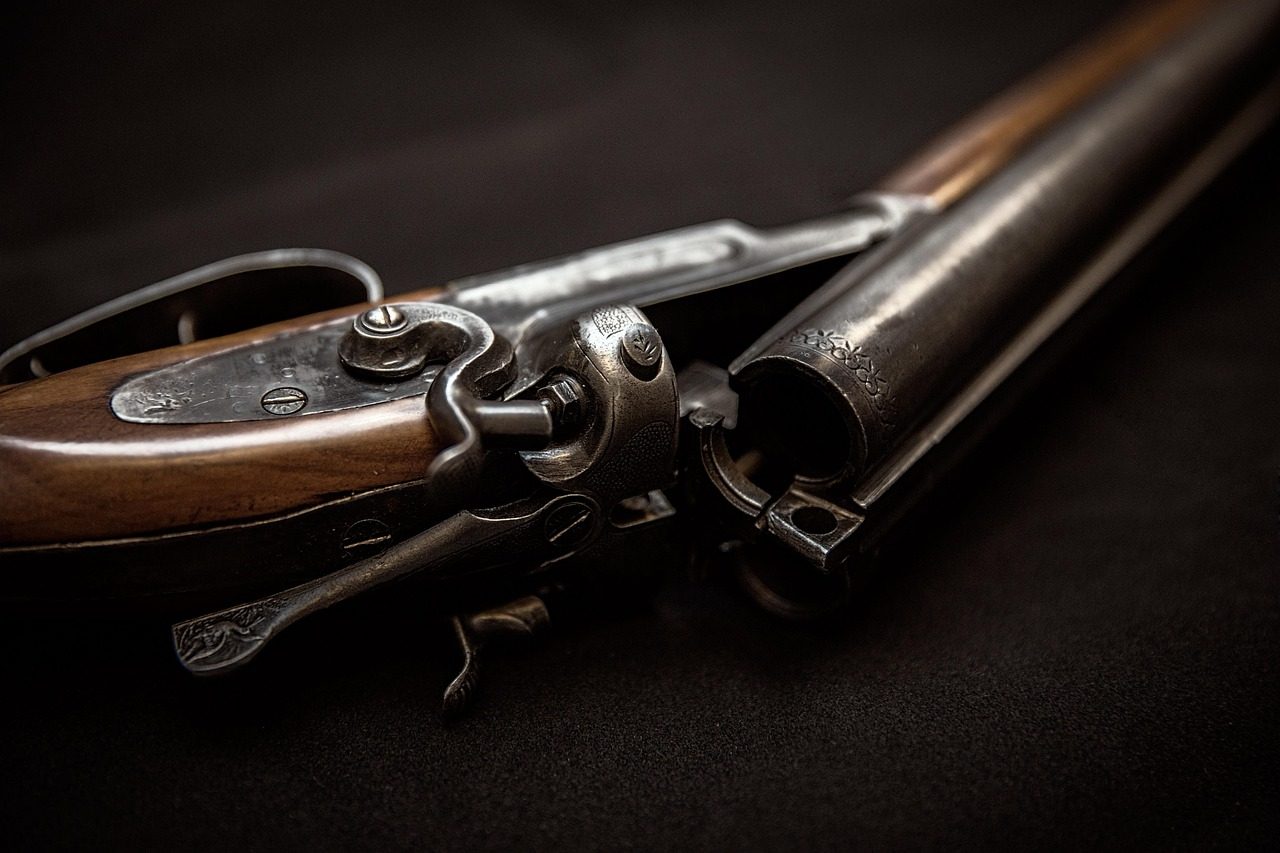
Early ignition systems required hand chiseled locks that contained many small and perfectly fitted internal parts like springs and sears. Gunsmiths utilized a variety of tiny chisels and files to shape these components from solid blocks of raw steel or iron. Every part had to move in perfect synchronization to ensure the weapon fired reliably when the shooter pulled the heavy trigger. This level of precision required years of apprenticeship and a deep understanding of mechanical leverage and spring tension. The complexity of the lock often determined the overall value and reliability of the entire finished firearm.
Walnut Stock Shaping
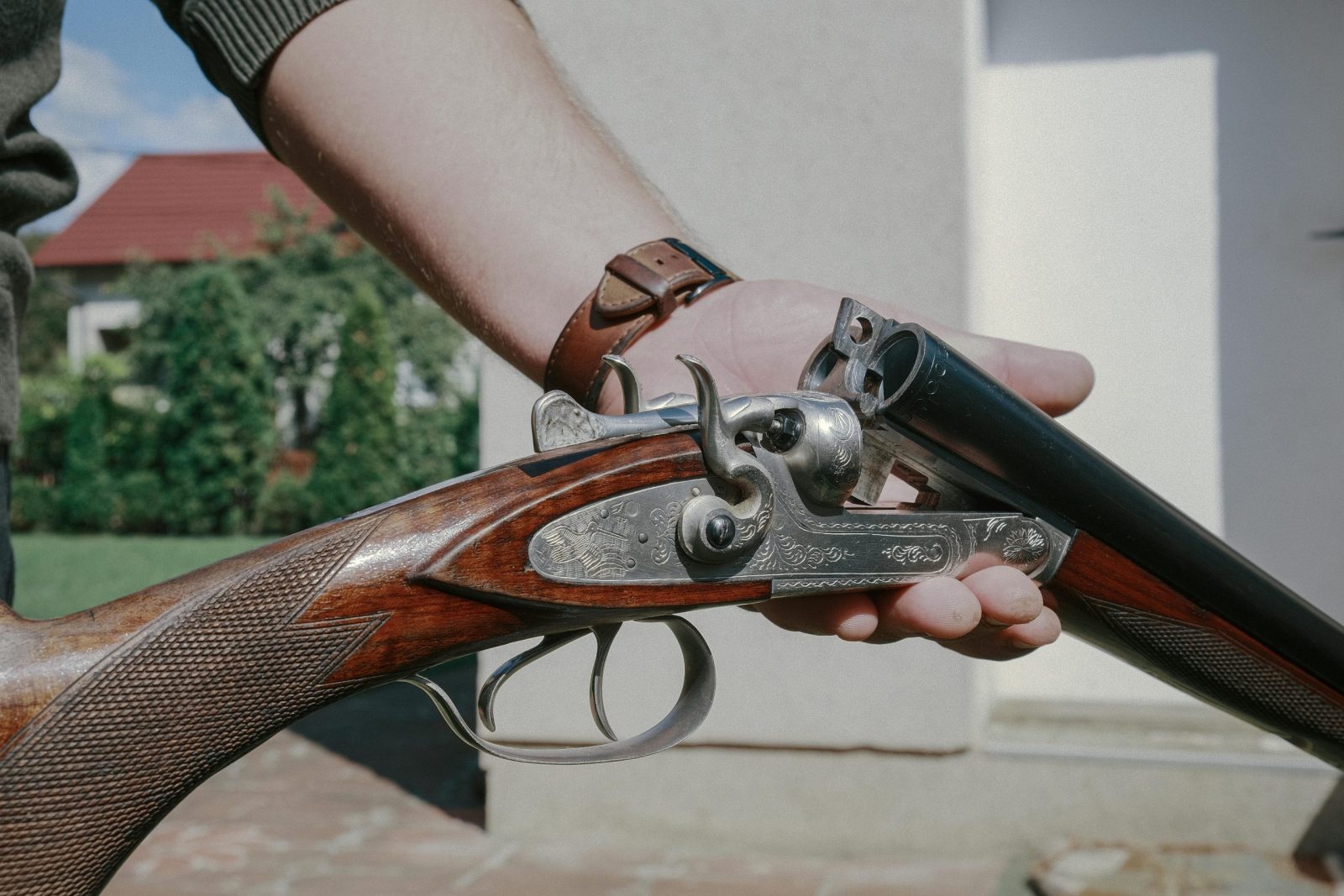
Shaping a firearm stock began with a solid piece of seasoned walnut or maple wood chosen for its strength and grain. Craftsmen used drawknives and spokeshaves to remove large amounts of material until the rough shape of the handle appeared. They carefully carved out the internal channels for the barrel and the lock mechanism using small chisels and gouges for a tight fit. The final step involved sanding the wood with abrasive dried fish skin or fine sand before applying several coats of oil. A well fitted stock absorbed recoil and allowed for a much more comfortable aim.
Primitive Screw Cutting
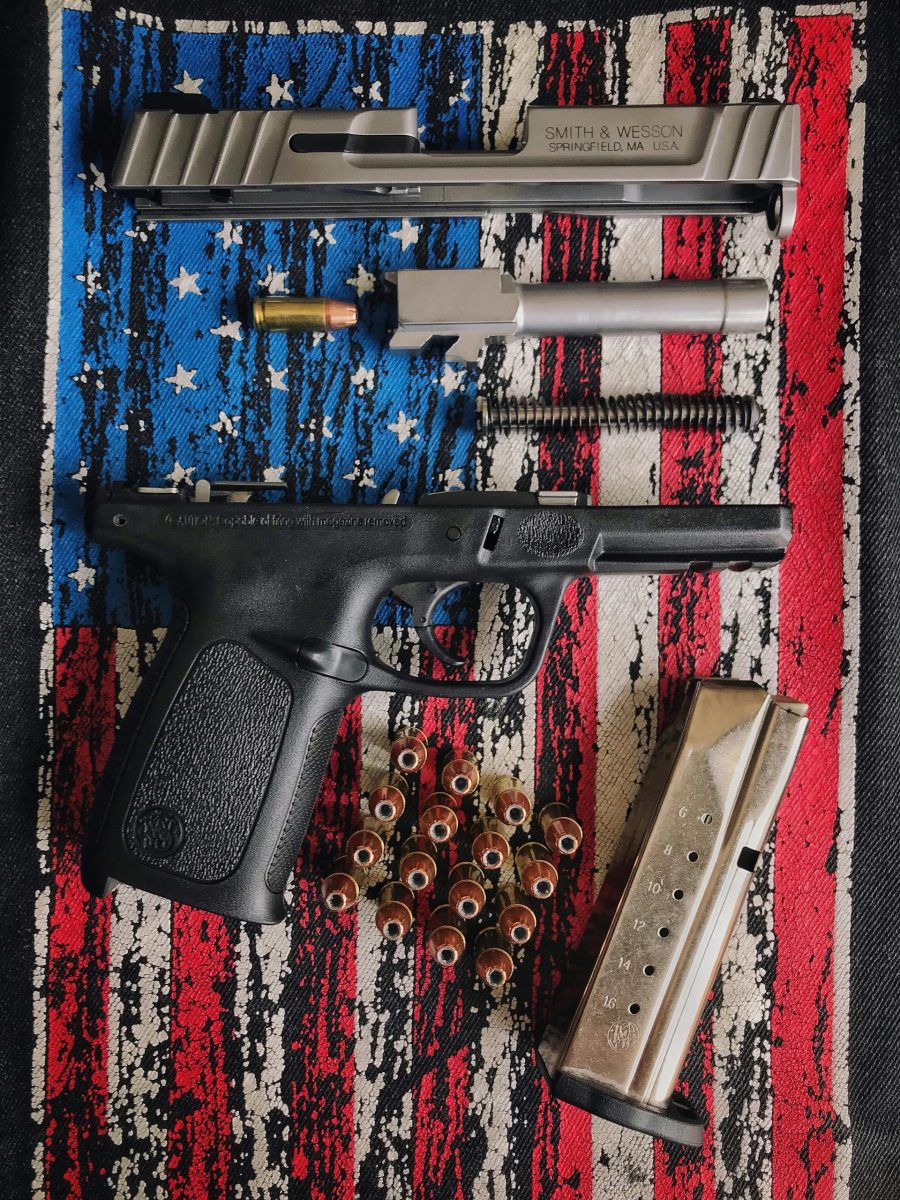
Primitive screw cutting allowed early makers to assemble their firearms without relying solely on permanent pins or heavy rivets. Before the invention of standardized screw machines smiths forged small metal rods and hand cut the threads using a hardened steel plate. Each screw was essentially a unique item that only fit the specific hole for which it was originally designed. This made repairs and maintenance a challenging task that often required the skills of a professional gunsmith in the field. Despite these limitations screws provided a more modular way to build and maintain complex mechanical systems on guns.
Decorative Metal Engraving
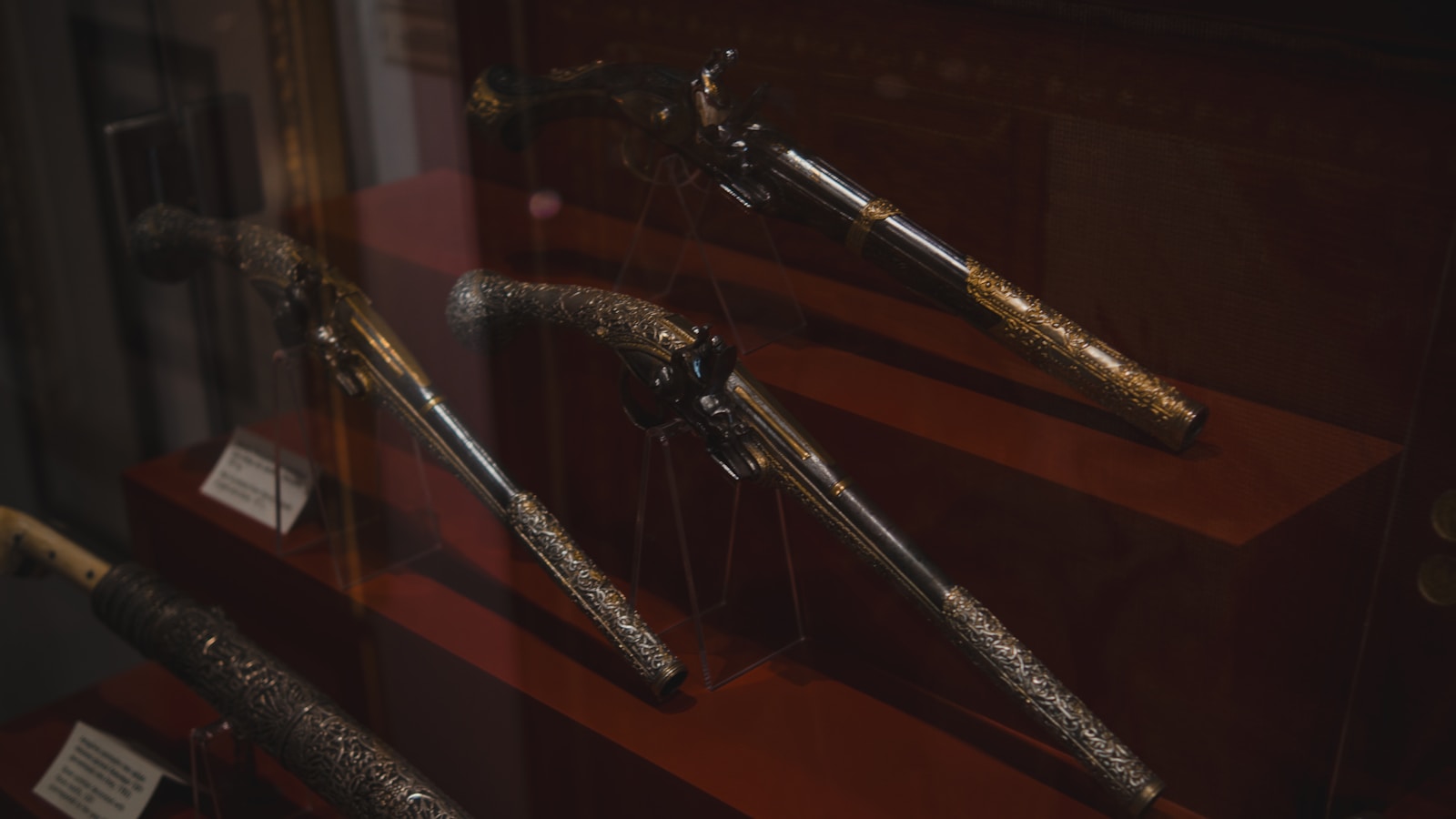
Decorative metal engraving served as the final touch that transformed a functional tool into a beautiful work of art for wealthy owners. Skilled artists used small steel gravers to hand carve intricate patterns of leaves and scrolls directly into the hardened metal surfaces. This process required a steady hand and immense patience because a single slip could ruin the entire appearance of an expensive weapon. Many early firearms featured scenes of hunting or military triumphs to reflect the status and personal interests of the person. These hand carved details highlight the incredible craftsmanship that defined the era of historical.